Loading EveryPlace content…
Assisted LivingActive licenseMemory care certified
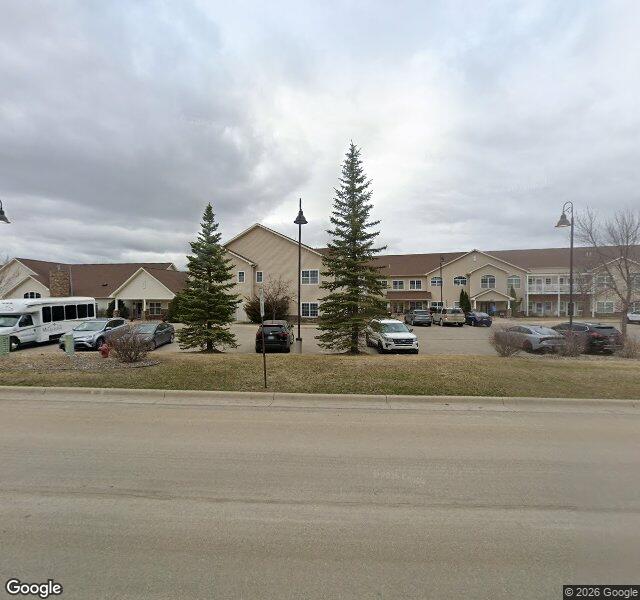
Milestone Senior Living Fariba
2500 14th Street Ne, Faribault, MN 55021View map (opens in a new tab)
Overview and key essentials
State license
Active
MN MDH
Google reviews
3.3/ 5
8 reviews
Size & payment
Ask directly
Confirm pricing & payment
Mixed signals — tour closely
Public Google reviews reflect mixed experiences (3.3/5). Compare recent reviews and tour in person.
Cost, payment & care details
Updated Nov 28, 2026| Monthly cost | Not published | Ask for the full monthly cost, including care fees and one-time charges. |
|---|---|---|
| Payment options | Ask directly | Payment details are not confirmed in our records. Ask about private pay, long-term care insurance, veterans benefits, and Medicaid waivers. |
| Size & availability | Confirm directly | We don't publish live openings. Ask about current availability, waitlist length, and move-in timing. |
| Care & support | Assisted livingMemory care certified | Usually offers housing and help with everyday tasks, such as bathing and dressing. What to confirm about care levelsThis describes the licensed category. Ask how care plans adjust if mobility, nursing, or memory needs change over time. Read the family care guide → |
State licensing
State inspection history
7inspections
15deficiencies listed
Jul 15, 2026ComplaintNo deficiencies reportedNone
No deficiencies reported
View official state report (opens in a new tab)
No deficiencies are reported in this inspection record.
Jul 15, 2026ComplaintNo deficiencies reportedNone
No deficiencies reported
View official state report (opens in a new tab)
No deficiencies are reported in this inspection record.
Feb 25, 2026ComplaintNo deficiencies reportedNone
No deficiencies reported
View official state report (opens in a new tab)
No deficiencies are reported in this inspection record.
Dec 19, 2025ComplaintNo deficiencies reportedNone
No deficiencies reported
View official state report (opens in a new tab)
No deficiencies are reported in this inspection record.
Jul 7, 2025Routine6 deficiencies reported6
6 deficiencies reported
View official state report (opens in a new tab)
144G.41 Subdivision 1 Subd. 1a (a-b) Minimum0480
SS=F requirements; required food services 0 480 STATE FORM
144G.42 Subd. 7 Posting information for0640
SS=F reporting suspected c The facility shall support protection and safety through access to the state's systems for reporting suspected criminal activity and suspected vulnerable adult maltreatment by: (1) posting the 911 emergency number in common areas and near telephones provided by the assisted living facility; (2) posting information and the reporting number for the Minnesota Adult Abuse Reporting Center to report suspected maltreatment of a vulnerable adult under section 626.557; and (3) providing reasonable accommodations with information and notices in plain language. This MN Requirement is not met as evidenced by: Based on observation, interview, and record review, the licensee failed to support protection and safety by not posting information and 911 emergency phone number as required. This had STATE FORM No further information was provided. TIME PERIOD FOR CORRECTION: Twenty-One (21) days
IP80116899
(a) Except as provided in paragraph (b), food must be prepared and served according to the Minnesota Food Code, Minnesota Rules, chapter 4626. (b) For an assisted living facility with a licensed capacity of ten or fewer residents: (1) notwithstanding Minnesota Rules, part 4626.0033, item A, the facility may share a certified food protection manager (CFPM) with one other facility located within a 60-mile radius and under common management provided the CFPM is present at each facility frequently enough to effectively administer, manage, and supervise each facility's food service operation; (2) notwithstanding Minnesota Rules, part 4626.0545, item A, kick plates that are not removable or cannot be rotated open are allowed unless the facility has been issued repeated correction orders for violations of Minnesota Rules, part 4626.1565 or 4626.1570; (3) notwithstanding Minnesota Rules, part 4626.0685, item A, the facility is not required to provide integral drainboards, utensil racks, or tables large enough to accommodate soiled and clean items that may accumulate during hours of operation provided soiled items do not contaminate clean items, surfaces, or food, and clean equipment and dishes are air dried in a manner that prevents contamination before storage; (4) notwithstanding Minnesota Rules, part 4626.1070, item A, the facility is not required to install a dedicated handwashing sink in its existing kitchen provided it designates one well of a two-compartment sink for use only as a handwashing sink; (5) notwithstanding Minnesota Rules, parts 4626.1325, 4626.1335, and 4626.1360, item A, existing floor, wall, and ceiling finishes are STATE FORM IP8011 allowed provided the facility keeps them clean and in good condition; (6) notwithstanding Minnesota Rules, part 4626.1375, shielded or shatter-resistant lightbulbs are not required, but if a light bulb breaks, the facility must discard all exposed food and fully clean all equipment, dishes, and surfaces to remove any glass particles; and (7) notwithstanding Minnesota Rules, part 4626.1390, toilet rooms are not required to be provided with a self-closing door. This MN Requirement is not met as evidenced by: Based on observation, interview, and record review, the licensee failed to ensure food was prepared and served according to the Minnesota Food Code. This practice resulted in a level two violation (a violation that did not harm a resident's health or safety but had the potential to have harmed a resident's health or safety, but was not likely to cause serious injury, impairment, or death), and is issued at a widespread scope (when problems are pervasive or represent a systemic failure that has affected or has the potential to affect a large portion or all of the residents). The findings include: Please refer to the document titled, Food and Beverage Establishment Inspection Report (FBEIR) dated July 8, 2025, for the specific Minnesota Food Code violations. The Inspection Report was provided to the licensee within 24 hours of the inspection. STATE FORM IP8011 TIME PERIOD FOR CORRECTION: Please refer to the FBEIR for any compliance dates. IP8011 IP8011 IP8011 the potential to affect all residents, staff, and visitors. This practice resulted in a level two violation (a violation that did not harm a resident's health or safety but had the potential to have harmed a resident's health or safety, but was not likely to cause serious injury, impairment, or death), and is issued at a widespread...
144G.45 Subd. 2. (a) Fire protection and physical0775
SS=F environment Each assisted living facility must comply with the State Fire Code in Minnesota Rules, chapter 7511, and: This MN Requirement is not met as evidenced by: Based on observation and interview, the licensee failed to comply with the current Minnesota Fire Code Provisions. This had the potential to directly affect all residents, staff, and visitors. This practice resulted in a level two violation (a violation that did not harm a resident's health or safety but had the potential to have harmed a resident's health or safety) and was issued at a widespread scope (when problems are pervasive or represent a systemic failure that has affected or has the potential to affect a large portion or all of the residents). The findings include: During facility tour on July 8, 2025, from 9:57 a.m. through 11:46 a.m. with director of maintenance (DM)-F, the surveyor observed the following: FIRE RATED DOORS Fire rated doors in the first and second floor laundry rooms, basement boiler room, and STATE FORM but there was no switch to deactivate the lock. The door was shown as an emergency exit on the posted evacuation maps. State Fire Code in Minnesota Rules, chapter 7511 requires that emergency exits provide a direct and unobstructed access to a public way. Locked exits must unlock with activation of the fire alarm system and be capable of being deactivated at an approved location. DRYER DUCTS The surveyor observed lint accumulating behind the dryers in the first and second floor laundry rooms and the memory care laundry room. All three laundry rooms had dryer vents that were disconnected and discharging into the room. Dryer vents must be properly connected and kept clean to not create a fire hazard. DM-Fverified the above findings while accompanying on the tour and stated they understood the requirements. TIME PERIOD FOR CORRECTION: Seven (7) days. 01500 144G.63 Subd. 5 Required annual training SS=D (a) All staff that perform direct services must complete at least eight hours of annual training for each 12 months of employment. The training may be obtained from the facility or another source and must include topics relevant to the provision of assisted living services. The annual training must include: (1) training on reporting of maltreatment of vulnerable adults under section 626.557; STATE FORM
144G.41 Subd. 3 Infection control program0510
SS=D (a) All assisted living facilities must establish and maintain an infection control program that complies with accepted health care, medical, and nursing standards for infection control. (b)The facility's infection control program must be consistent with current guidelines from the national Centers for Disease Control and Prevention (CDC) for infection prevention and control in long-term care facilities and, as applicable, for infection prevention and control in assisted living facilities. (c) The facility must maintain written evidence of compliance with this subdivision. This MN Requirement is not met as evidenced by: Based on observation, interview, and record review, the licensee failed to establish and maintain an effective infection control program that complies with accepted health care, medical and nursing standards for infection control related to catheter care for one of one resident (R5). This practice resulted in a level two violation (a violation that did not harm a resident's health or safety but had the potential to have harmed a resident's health or safety, but was not likely to cause serious injury, impairment, or death), and was issued at an isolated scope (when one or a limited number of residents are affected or one or a limited number of staff are involved or the situation has occurred only occasionally). The findings include: STATE FORM R5's Service Plan dated June 5, 2025, indicated R5 received services which included assistance with medication administration, dressing, grooming/personal hygiene, bathing, catheter care including applying leg bag (small daytime use drainage bag attached to an indwelling catheter for continuous urinary collection) in the morning and bed bag (large nighttime bag use drainage bag attached to an indwelling catheter for continuous urinary collection) at night, laundry, and housekeeping. On July 8, 2025, at 8:34 a.m., the surveyor observed unlicensed personnel (ULP)-D assisting R5 with morning cares; this included changing her catheter bed bag to a leg bag. ULP-D had R5 sit down in a chair next to the sink in her bathroom. ULP-D donned gloves and then grabbed R5's leg bag that was hanging from the handicap grab bar next to the toilet. When ULP-D obtained the leg bag from the handicap grab bar, the leg bag tubing connector end drug across the bathroom floor to where R5 was seated. ULP-D disconnected R5's bed bag, spilling urine onto the floor, and attached R5's leg bag to the catheter. ULP-D did not cleanse the leg bag tubing with alcohol prior to connecting it to the indwelling catheter tubing. ULP-D then cleaned up the urine from the floor, doffed her gloves, and washed her hands. The surveyor asked ULP-D when she would use an alcohol wipe, ULP-D stated when attaching the leg bag to the catheter. ULP-D then stated she should have used an alcohol wipe, but she "forgot". On July 9, 2025, at 2:06 p.m., clinical nurse supervisor (CNS)-B stated she would expect the leg bag tubing connector be cleansed with alcohol before connecting it to R5's indwelling catheter. STATE FORM CNS-B stated that was an infection control issue. The licensee's undated, 2.16 Foley and Suprapubic Catheter Care policy included directions for changing from a straight drainage bag (bed bag) to a leg bag: 8. Clean the leg bag tubing connection and the indwelling catheter hub with an alcohol wipe and connect to the indwelling catheter hub, ensure the clamp on the leg bag is closed. No further information was...
14TH STREET NE2500
Faribault, MN 55021 Rice County Parcel: Phone: New Order: 2-100 Supervision 2-102. 12AMN Priority Level: Priority 3 CFP# : 2 MN Rule 4626. 0033A Employ a certified food protection manager (CFPM) for the establishment. COMMENT: Natalie De Leon took a food safety course but did not register with the State as a Certified Food Protection Manager (CFPM) after passing the exam. A CFPM is required. More info here: https: //www.health. state. mn. us/ communities/ environment/ food/cfpm/cfmfs.html Comply By: 8/31/2025 Originally Issued On: 7/8/2025 New Order: 3-200B Food Characteristics: Receiving: temperature, condition 3-202. 15 Priority Level: Priority 2 CFP# : 13 MN Rule 4626. 0190 Food packages must be in good condition and must protect the food from adulteration and potential contaminants. COMMENT: Multiple dented cans found in dry storage. PIC stated they would discard. Comply By: 7/8/2025 Originally Issued On: 7/8/2025 New Order: 4-300 Equipment Numbers and Capacities 4-302. 13B Priority Level: Priority 2 CFP# : 48 MN Rule 4626. 0710B Provide a readily accessible, irreversible registering temperature indicator for measuring the utensil surface temperature in mechanical hot water warewashing operations. COMMENT: Temperature test strips or irreversible thermometer is needed for dishwasher. Should be using at least every other day. Temperature should reach at least 160 degrees F. Comply By: 7/22/2025 Originally Issued On: 7/8/2025 New Order: 4-300 Equipment Numbers and Capacities 4-302. 14 Priority Level: Priority 2 CFP# : 48 MN Rule 4626. 0715 Provide an appropriate test kit to accurately measure sanitizing solutions. COMMENT: Need sink and surface sanitizer test strips. The test strips that were on hand (QAC/Quat) are not the right kind for the sanitizer that is currently being used. Comply By: 7/22/2025 Originally Issued On: 7/8/2025 ! New Order: 5-400 Sewage Inspection conducted in conjunction with HRD. NOTE: All new food equipment must meet the applicable standards of the American National Standards Institute (ANSI). Plans and specifications must be submitted for review and approval prior to new construction, remodeling or alterations. I acknowledge receipt of the Mankato District Office inspection report number F1034251052 from 7/8/2025 Spencer Holtorf McKenna Mathews, RS Public Health Sanitarian 2 507- 344- 2729 mckenna. mathews@ state. mn. us
Show all 7 inspections
May 14, 2025ComplaintNo deficiencies reportedNone
No deficiencies reported
View official state report (opens in a new tab)
Not Substantiated. The facility neglected resident #1 and resident #2 when supervision was not provided and resident #1 groped resident #2
Dec 21, 2022Routine9 deficiencies reported9
9 deficiencies reported
View official state report (opens in a new tab)
moderate0790
physical environment (2) install and maintain portable fire extinguishers in accordance with the State Fire Code; (3) install portable fire extinguishers having a minimum 2-A:10-B:C rating within Group R-3 occupancies, as defined by the State Fire Code, located so that the travel distance to the nearest fire extinguisher does not exceed 75 feet, and maintained in accordance with the State Fire Code; and This MN Requirement is not met as evidenced by: Based on observation and interview, the licensee failed to maintain fire extinguishers and the fire alarm system in accordance to MNSFC provisions. This had the potential to directly affect all residents, staff, and visitors. This practice resulted in a level two violation (a violation that did not harm a resident's health or safety but had the potential to have harmed a resident's health or safety, but was not likely to cause serious injury, impairment, or death), and issued at a widespread scope (when problems are pervasive or represent a systemic failure that has affected or has the potential to affect a large portion or all residents). The findings include: 1. On 12/20/2022 between 11:15 AM TO 01:45 PM, survey staff observed during the tour of the facility that fire extinguishers were missing monthly inspection sign-offs 2. On 12/20/2022 between 11:15 AM TO 01:45 PM, survey staff observed during the tour of the facility that in the Kitchen the K-extinguisher was missing monthly inspection sign-offs MD-D verbally confirmed survey staff observations. No further information was provided. TIME PERIOD FOR CORRECTION: Twenty-one (21) days
14th St Ne2500
Faribault, MN55021 Rice County, 66 License Categories: Operator: Expires on: / / The violations listed in this report include any previously issued orders and deficiencies identified during this inspection. Compliance dates are shown for each item. The following orders were issued during this inspection. 5-200B Plumbing: cross connections 5-203.14A ** Priority 1 ** MN Rule 4626.1085A Water used under pressure in equipment in food and beverage establishments must be drained to a sanitary sewer through an air gap. Examples: refrigeration cooling water, water softener, and drained steam jacketed kettles. No air gap for water softener discharge lines. Comply By: 01/03/23 5-400 Sewage 5-402.11A ** Priority 1 ** MN Rule 4626.1190A Provide an indirect connection between the sewage system and any drain originating from equipment in which food, portable equipment or utensils are placed, such as manufacturing and retail display equipment, portable equipment, ice bins, salad bars, cocktail stations and dipper wells. No air gap for both ice machine drain hoses. Comply By: 01/03/23 4-300 Equipment Numbers and Capacities 4-302.13A 4-601.11A ** Priority 2 ** MN Rule 4626.0840A Equipment food-contact surfaces and utensils must be clean to sight and touch. Dried food in clean scoop. Comply By: 12/20/22 2-100 Supervision 2-102.12AMN MN Rule 4626.0033A Employ a certified food protection manager (CFPM) for the establishment. A state of Minnesota certified food protection manager certificate is required in addition to the ServSafe certificate. Comply By: 02/20/23 4-500 Equipment Maintenance and Operation 4-501.11AB MN Rule 4626.0735AB All equipment and components must be in good repair and maintained and adjusted in accordance with manufacturer's specifications. Foul smell coming from grease trap. Comply By: 01/03/23 Surface and Equipment Sanitizers Quaternary Ammonia: = 400 ppm at Degrees Fahrenheit Location: Bucket Violation Issued: No Hot Water: = at 173.1 Degrees Fahrenheit Location: Dishwasher Violation Issued: No Hot Water: = at 166.3 Degrees Fahrenheit Location: Memory care dishwasher Violation Issued: No Food and Equipment Temperatures Process/Item: Cold Holding Temperature: 38.6 Degrees Fahrenheit - Location: Milk in milk cooler 1 Violation Issued: No Process/Item: Cold Holding Temperature: 38.6 Degrees Fahrenheit - Location: Chili in upright 2 Violation Issued: No Process/Item: Cold Holding Temperature: 37.4 Degrees Fahrenheit - Location: Upright 2 Violation Issued: No Process/Item: Cooling Temperature: 49.4 Degrees Fahrenheit - Location: Sausage patties @ 1:15 pm Violation Issued: No Process/Item: Cold Holding Temperature: 38.0 Degrees Fahrenheit - Location: Upright 3 Violation Issued: No Process/Item: Cold Holding Temperature: 36.0 Degrees Fahrenheit - Location: Upright 4 Violation Issued: No 2 2 2 Priority 2 Total Orders In This Report Priority 1 Priority 3 HRD Inspection conducted with lead surveyor Elyse Jones. Report reviewed with Kelly and David. Establishment Info: directorfb@milestoneseniorliving.com NOTE: Plans and specifications must be submitted for review and approval prior to new construction, remodeling or alterations. number 8044221462 of 12/20/22. Certified Food Protection Manager: Certification Number: Expires: / / Signed: Signed: Inspector signed for Kelly Michael DeMars, RS Public Health Sanitarian III Rochester District Office 507-206-4715
moderate0480
requirements (13) offer to provide or make available at least the following services to residents: (i) at least three nutritious meals daily with snacks available seven days per week, according to the recommended dietary allowances in the United States Department of Agriculture (USDA) guidelines, including seasonal fresh fruit and fresh vegetables. The following apply: (B) food must be prepared and served according to the Minnesota Food Code, Minnesota Rules, chapter 4626; and This MN Requirement is not met as evidenced by: Based on observation, interview, and record review, the licensee failed to ensure food was prepared and served according to the Minnesota Food Code. This had the potential to affect all residents in the Assisted Living Dementia Care facility. This practice resulted in a level two violation (a violation that did not harm a resident's health or safety but had the potential to have harmed a resident's health or safety) and was issued at a widespread scope (when problems are pervasive or represent a systemic failure that has affected or has the potential to affect a large portion or all the residents). The findings include: Please refer to the included document titled, Food and Beverage Establishment Inspection Report, dated December 20, 2022, for the specific Minnesota Food Code deficiencies. TIME PERIOD FOR CORRECTION: Twenty-one (21) days
moderate0810
physical environment (b) Each assisted living facility shall develop and maintain fire safety and evacuation plans. The plans shall include but are not limited to: (1) location and number of resident sleeping rooms; (2) employee actions to be taken in the event of a fire or similar emergency; (3) fire protection procedures necessary for residents; and (4) procedures for resident movement, evacuation, or relocation during a fire or similar emergency including the identification of unique or unusual resident needs for movement or evacuation. (c) Employees of assisted living facilities shall receive training on the fire safety and evacuation plans upon hiring and at least twice per year thereafter. (d) Fire safety and evacuation plans shall be readily available at all times within the facility. (e) Residents who are capable of assisting in their own evacuation shall be trained on the proper actions to take in the event of a fire to include movement, evacuation, or relocation. The training shall be made available to residents at least once per year. (f) Evacuation drills are required for employees twice per year per shift with at least one evacuation drill every other month. Evacuation of the residents is not required. Fire alarm system activation is not required to initiate the evacuation drill. This MN Requirement is not met as evidenced by: Based on observation, and staff interview, the facility failed to conduct or document fire safety and evacuation training and drills. This deficient condition has the ability to affect all staff and residents. This practice resulted in a level two violation (a violation that did not harm a resident's health or safety but had the potential to have harmed a resident's health or safety, but was not likely to cause serious injury, impairment, or death), and was issued at a widespread scope (when problems are pervasive or represent a systemic failure that has affected or has potential to affect a large portion or all of the residents). Findings include: 1. On 12/20/2022 between 11:15 AM TO 01:45 PM, survey staff observed that no documentation was presented during documentation review to confirm that staff are receiving initial fire and evacuation training upon hire and twice per year annual training 2. On 12/20/2022 between 11:15 AM TO 01:45 PM, survey staff observed that no documentation was presented during documentation review to confirm that residents of the facility are being offered annual training of evacuation procedures 3. On 12/20/2022 between 11:15 AM TO 01:45 PM, survey staff observed that no documentation was presented during documentation review to confirm that fire or evacuation drills are being conducted MD-D verbally confirmed survey staff observations. TIME PERIOD FOR CORRECTION: Twenty-one (21) days
STATE FORM6899
TE5N11 STATE FORM TE5N11 STATE FORM TE5N11 STATE FORM TE5N11 STATE FORM TE5N11 STATE FORM TE5N11 STATE FORM TE5N11 STATE FORM TE5N11 STATE FORM TE5N11 STATE FORM TE5N11 STATE FORM TE5N11 STATE FORM TE5N11 STATE FORM TE5N11 01460 01460 facility. This MN Requirement is not met as evidenced by: Based on interview and record review, the licensee failed to ensure staff providing services completed an orientation to assisted living facility licensing requirements and regulations before providing services for one of one employee (registered nurse (RN)-A). This practice resulted in a level two violation (a violation that did not harm a resident's health or safety but had the potential to have harmed a resident's health or safety, but was not likely to cause serious injury, impairment, or death), and was issued at an isolated scope (when one or a limited number of residents are affected or one or a limited number of staff are involved or the situation has occurred only occasionally). The findings include: RN-A began providing direct care services to residents on December 3, 2021. RN-A's employee record lacked the required orientation to assisted living licensing requirements and regulations with the required content. On December 20, at 2:30 p.m., community living director (CLD)-C verified the lack of employee orientation records for RN-A. CLD-C stated they were unable to verify RN-A's orientation to the assisted living licensing requirements and regulations. The licensee's Staff Orientation and Education policy dated August 1, 2021, indicated all staff will be prepared to provide safe, effective services to all residents through a thorough orientation and STATE FORM TE5N11 01460 01460 education program pertinent to the needs of the resident. No further information was provided. TIME PERIOD FOR CORRECTION: Seven (7) days 01530 SS=D 144G.64 TRAINING IN DEMENTIA CARE REQUIRED (a) All assisted living facilities must meet the following training requirements: (1) supervisors of direct-care staff must have at least eight hours of initial training on topics specified under paragraph (b) within 120 working hours of the employment start date, and must have at least two hours of training on topics related to dementia care for each 12 months of employment thereafter; (2) direct-care employees must have completed at least eight hours of initial training on topics specified under paragraph (b) within 160 working hours of the employment start date. Until this initial training is complete, an employee must not provide direct care unless there is another employee on site who has completed the initial eight hours of training on topics related to dementia care and who can act as a resource and assist if issues arise. A trainer of the requirements under paragraph (b) or a supervisor meeting the requirements in clause (1) must be available for consultation with the new employee until the training requirement is complete. Direct-care employees must have at least two hours of training on topics related to dementia for each 12 months of employment thereafter; This MN Requirement is not met as evidenced STATE FORM TE5N11 01530 01530 by: Based on interview and record review, the licensee failed to ensure one of one employee (registered nurse (RN)-A) received the required amount of dementia care training in the required time frame. This practice resulted in a level two violation (a violation that did not harm a resident's health or safety but had the potential to have...
moderate0800
physical environment (4) keep the physical environment, including walls, floors, ceiling, all furnishings, grounds, systems, and equipment in a continuous state of good repair and operation with regard to the health, safety, comfort, and well-being of the residents in accordance with a maintenance and repair program. This MN Requirement is not met as evidenced by: Based on observation, and staff interview, the facility failed to maintain the facility in good repair in regards to resident health and safety in accordance with maintenance and repair program. This deficient condition has the ability to affect all staff and residents. This practice resulted in a level two violation (a violation that did not harm a resident's health or safety but had the potential to have harmed a resident's health or safety, but was not likely to cause serious injury, impairment, or death), and was issued at a widespread scope (when problems are pervasive or represent a systemic failure that has affected or has potential to affect a large portion or all of the residents). Findings include: 1. On 12/20/2022 between 11:15 AM TO 01:45 PM, survey staff observed during the tour of the facility that on the 2nd FL - East and West stairwell exit doors did not properly close and seal the stairwell upon testing 2. On 12/20/2022 between 11:15 AM TO 01:45 PM, survey staff observed during the tour of the facility that on the 1st FL - exit door between the corridor and the stairwell did not properly close and seal the stairwell opening upon testing 3. On 12/20/2022 between 11:15 AM TO 01:45 PM, survey staff observed during the tour of the facility that in Rooms 104 and 204 an extension was in use, and in the Exec. Director Office - extension cord connected to a power-strip MD-D verbally confirmed survey staff observations. TIME PERIOD FOR CORRECTION: Twenty-one (21) days
moderate0680
emergency preparedness (a) The facility must meet the following requirements: (1) have a written emergency disaster plan that contains a plan for evacuation, addresses elements of sheltering in place, identifies temporary relocation sites, and details staff assignments in the event of a disaster or an emergency; (2) post an emergency disaster plan prominently; (3) provide building emergency exit diagrams to all residents; (4) post emergency exit diagrams on each floor; and (5) have a written policy and procedure regarding missing tenant residents. (b) The facility must provide emergency and disaster training to all staff during the initial staff orientation and annually thereafter and must make emergency and disaster training annually available to all residents. Staff who have not received emergency and disaster training are allowed to work only when trained staff are also working on site. (c) The facility must meet any additional requirements adopted in rule. This MN Requirement is not met as evidenced by: Based on observation, interview, and record review, the licensee failed to post an emergency preparedness plan prominently. This had the potential to impact all residents, staff, and visitors to the licensee's facility. This practice resulted in a level two violation (a violation that did not harm a resident's health or safety but had the potential to have harmed a resident's health or safety), and was issued at a widespread scope (when problems are pervasive or represent a systemic failure that has affected or has the potential to affect a large portion or all of the residents). The findings include: On December 20, 2022, at 11:15 a.m., during a tour of the facility, the surveyor did not observe any signage or information regarding the licensee's emergency disaster or preparedness plan posted in a prominent location. On December 20, 2022, at 1:10 p.m., the surveyor requested the licensee's emergency disaster or preparedness plan. Community living director (CLD)-C provided a red binder consisting of all documents related to the licensee's emergency management plan. During an interview on December 20, 2022, at approximately 2:15 p.m., CLD-C stated he was not aware of the need to post the emergency preparedness information for visitors, staff, and residents to view. The licensee's undated Fire and Disaster Evacuation Plan policy did not indicate the licensee would post a copy of the plan in a central location on each floor. No additional information provided. TIME PERIOD FOR CORRECTION: Twenty-one (21) days
moderate0780
physical environment (a) Each assisted living facility must comply with the State Fire Code in Minnesota Rules, chapter 7511, and: (1) for dwellings or sleeping units, as defined in the State Fire Code: (i) provide smoke alarms in each room used for sleeping purposes; (ii) provide smoke alarms outside each separate sleeping area in the immediate vicinity of bedrooms; (iii) provide smoke alarms on each story within a dwelling unit, including basements, but not including crawl spaces and unoccupied attics; (iv) where more than one smoke alarm is required within an individual dwelling unit or sleeping unit, interconnect all smoke alarms so that actuation of one alarm causes all alarms in the individual dwelling unit or sleeping unit to operate; and (v) ensure the power supply for existing smoke alarms complies with the State Fire Code, except that newly introduced smoke alarms in existing buildings may be battery operated; This MN Requirement is not met as evidenced by: Based on observation and interview, the licensee failed to maintain the fire sprinkler system and fire alarm system in accordance to MNSFC provisions. This had the potential to directly affect all residents, staff, and visitors. This practice resulted in a level two violation (a violation that did not harm a resident's health or safety but had the potential to have harmed a resident's health or safety, but was not likely to cause serious injury, impairment, or death), and issued at a widespread scope (when problems are pervasive or represent a systemic failure that has affected or has the potential to affect a large portion or all residents). The findings include: 1. On 12/20/2022 between 11:15 AM TO 01:45 PM, survey staff observed during the tour of the facility and during documentation review that the most recent 5 year fire sprinkler inspection was completed in 2013 2. On 12/20/2022 between 11:15 AM TO 01:45 PM, survey staff observed during that the fire alarm system was displaying an error associated to resident RM 115. Inspection of RM 115 exhibited that a sensing device was missing, but the bedroom and common area of the apartment still had detection coverage. Maintenance Director indicated that replacement sensor was on order but ETA was not known at time of survey. MD-D verbally confirmed survey staff observations. No further information was provided. TIME PERIOD FOR CORRECTION: Twenty-one (21) days
minor0970
The contract must not include a waiver of facility liability for the health and safety or personal property of a resident. The contract must not include any provision that the facility knows or should know to be deceptive, unlawful, or unenforceable under state or federal law, nor include any provision that requires or implies a lesser standard of care or responsibility than is required by law. This MN Requirement is not met as evidenced by: Based on interview and record review, the licensee failed to ensure the assisted living contract did not include language waiving the licensee's liability for the health, safety, or personal property of a resident for three of three residents (R1, R2, R3). This practice resulted in a level one violation (a violation that has no potential to cause more than a minimal impact on the resident and does not affect health or safety), and was issued at a widespread scope (when problems are pervasive or represent a systemic failure that has affected or has potential to affect a large portion or all of the residents). The findings include: R1 was admitted on August 26, 2022. R1's Housing with Services Contract & Lease Agreement was signed August 26, 2022. R2 was admitted on June 10, 2021. R2's Housing with Services Contract & Lease Agreement was signed June 10, 2021. R3 was admitted May 3, 2021. R3's Housing with Services Contract & Lease Agreement was signed May 3, 2021. R1, R2, and R3's Housing with Services Contract & Lease Agreements included a clause that indicated the licensee was not responsible for any damage or injury suffered by residents or to residents' property that was not caused by licensee. The agreements stated the licensee indicated their insurance may not cover the loss of personal property and the incidental and consequential damages arising from the loss of such property. The agreements indicated residents' personal property included but was not limited to dentures, glasses, and hearing aids. On December 20, 2022, at approximately 10:50 a.m., community living director (CLD)-C stated all the licensee's resident agreements contained liability wavier language as indicated above and CLD-C believed that the wording in the lease agreement/resident contract was correct. No further information provided. TIME PERIOD FOR CORRECTION: Twenty-One (21) days 01460 SS=D 144G.63 Subdivision 1 Orientation of staff and supervisors All staff providing and supervising direct services must complete an orientation to assisted living facility licensing requirements and regulations before providing assisted living services to residents. The orientation may be incorporated into the training required under subdivision 5. The orientation need only be completed once for each staff person and is not transferable to another
Neighborhood & resident support
Emergency access, hazards & advocacy
Nearest hospital
District One Hospital
2.0 mi · Faribault, MN · Medicare 3/5 ★
Emergency room
FEMA hazard risk
Relatively LowRice County, MN
- Strong Wind
- Hail
- Tornado
Free resident advocacy
Minnesota Office of Ombudsman for Long-Term Care
More neighborhood context (specialists, VA, dialysis, air & affordability)
VA & dialysis access
Minneapolis VA Medical Center
40.5 mi · Minneapolis, MN · VA 5/5 ★
DaVita Faribault Dialysis Unit
1.8 mi · 4/5 ★
Specialists within 15 mi
- Geriatricians
- 1
- Neurologists
- 6
- Palliative care
- 0
- PM&R rehab
- 2
Environment & mobility
- EPA Walkability
- 7.4/20 (Below Average)
- USDA Grocery Access
- Moderate Grocery Access
- Primary care access
- HRSA Shortage Area
County demographics
- Age 65+ median income
- $58,710/yr
- Rent-burdened households
- 47%
- Cognitive disability (2023)
- 13.9%
- Mobility disability
- 10.5%
Call & tour checklist
Questions to ask Milestone Senior Living Fariba
Check off questions as you call or tour. Your progress stays private in this browser.
Show 3 more suggested questions
Verification & public records
Official records & sources
Licensing & contact
- License #
- 30613
- Status
- active
- Phone
- (507) 331-2748
- Federal OIG LEIE
- Clear (2026-11-27)
Original public sources
Verify licensing, ratings, and inspection reports directly with each official source.
- MN MDH official record (opens in a new tab)MN Dept. of Health
- Google Maps (opens in a new tab)Directions, photos & neighborhood
- Google Reviews (opens in a new tab)8 public reviews
EveryPlace is an independent research directory. Information is compiled from public Medicare.gov, state licensing, Google Places, and street-level imagery sources. Some summaries, suggested questions, and pricing notes are AI-generated or AI-assisted and may contain errors or omissions. We do not accept payment for placement. Confirm all details directly with the community and official sources. Research Policy.
Keep exploring
Nearby communities to compare
- 5.0(1)Assisted Living1.8 miIvy Hill Senior Care INCFaribault, MN
- 4.8(36)Assisted Living1.8 miStorypoint FaribaultFaribault, MN
- Medicare 4/5Cap. 10Dialysis Center1.8 miDavita Faribault Dialysis UnitFaribault, MN
- Home Health1.8 miRice County PhnsFaribault, MN
- 1.0(3)Assisted Living1.9 miRizon HomesFaribault, MN
- 1.0(3)Assisted Living1.9 miRizon HomesFaribault, MN