Loading EveryPlace content…
Assisted LivingActive license
Medicalodges Kinsley
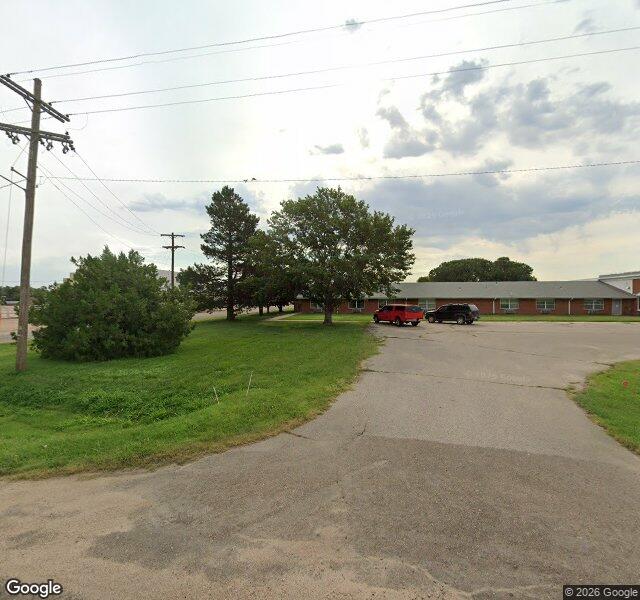
620 Winchester Ave, Kinsley, KS 67547View map (opens in a new tab)
Overview and key essentials
State license
Active
KS KDADS
Google reviews
Not available
Public reviews not linked
Size & payment
Ask directly
Confirm pricing & payment
Public records for this community are limited. Use the checklist below when you call or visit to confirm pricing, services, and openings.
Cost, payment & care details
Updated Nov 28, 2026| Monthly cost | Not published | Ask for the full monthly cost, including care fees and one-time charges. |
|---|---|---|
| Payment options | Ask directly | Payment details are not confirmed in our records. Ask about private pay, long-term care insurance, veterans benefits, and Medicaid waivers. |
| Size & availability | Confirm directly | We don't publish live openings. Ask about current availability, waitlist length, and move-in timing. |
| Care & support | Assisted living | Usually offers housing and help with everyday tasks, such as bathing and dressing. What to confirm about care levelsThis describes the licensed category. Ask how care plans adjust if mobility, nursing, or memory needs change over time. Read the family care guide → |
State licensing
State inspection history
15inspections
31deficiencies listed
Oct 14, 2026Routine13 deficiencies reported13
13 deficiencies reported
View official state report (opens in a new tab)
INITIAL COMMENTS The following citations represent the findings of a Health Recertification Survey and complaint survey regarding allegations in 3726307, 3186852, 3159242, 3152834, and 3024035. The census was 21. The sample included 12 residents.
moderateF 0677
wheelchair in his room. He reported that he received a shower yesterday; his nails remained long, and he reported he did not like them long. On 10/13/2026 at 02:51 PM, Certified Nurse Aide (CNA) M reported that R9 did not refuse care, and the staff was expected to trim and clean fingernails on shower days and as needed. On 10/13/2026 at 03:34 PM, Licensed Nurse (LN) reported that he expected the staff to trim and clean fingernails as needed and offer trimming on shower days; he reported that the nurse was to trim diabetic fingernails. He reported that R9 was not diabetic. On 10/14/2026 at 11:20 AM, Administrative Nurse D reported that she expected the staff to check fingernails weekly or at the resident's preference to trim and clean their nails, and she expected the staff to assist residents who could not complete this task. The facility did not provide a policy for ADL assistance.
moderateF 0812
SS = F schedule. Items cleaned daily included the exterior of large appliances and kitchen and dining room floors; items cleaned weekly included drawers and shelves; items cleaned monthly included ice machines, walls, and windows; and items cleaned annually included walls and windows.
moderateF 0730
CFR(s): §483.35(d)(7) §483.35(d)(7) Regular in-service education. The facility must complete a performance review of every nurse aide at least once every 12 months, and must provide regular in-service education based on the outcome of these reviews. In-service training must comply with the requirements of §483.95(g). This REQUIREMENT is NOT MET as evidenced by: Based on observation, interview, and record review, the facility failed to ensure that the required annual performance reviews were completed for four randomly selected nurse aides. Findings included: -A review of the facility nurse aide performance evaluation revealed that Certified Nurse Aide (CNA) O, with an employment date of 07/31/2018, lacked an annual performance review. The facility provided the last performance review with a date of 10/21/2022. On 10/14/2026 at 08:37 AM, Administrative Staff A reported that CNA O was an as-needed employee, and the previous Director of Nursing was responsible for performance evaluations. Upon request, the facility failed to provide a “Nurse Aide Performance Evaluation” policy.
moderateF 0557
CFR(s): 483.10(e)(2) §483.10(e) Respect and Dignity. The resident has a right to be treated with respect and dignity, including: §483.10(e)(2) The right to retain and use personal possessions, including furnishings, and clothing, as space permits, unless to do so would infringe upon the rights or health and safety of other residents. This REQUIREMENT is NOT MET as evidenced by: Based on observation, interview, and record review, the facility failed to ensure residents were treated with respect and dignity. Facility staff referred to residents that required assistance with dining as “feeders” in the dining room. Findings included: - On 10/12/2026 at 08:32 AM, Resident (R) 20 and R4 were seated at the back table in the dining room; neither resident had food. Dietary Staff EE asked Dietary Staff CC about room trays as they stood in the dining room. Dietary Staff EE then pointed to the table that R20 and R4 were seated at. Dietary Staff CC commented out loud that that was the feeder table. There were several other residents in the dining room at that time eating their breakfast. On 10/13/2026 at 02:51 PM, Certified Nurse Aide (CNA) M reported that R20 and R4 required assistance with eating their food for all their meals. On 10/14/2026 at 08:51 AM, Dietary Staff CC reported that she always said that those residents were feeders. She reported that she did not know that would be a concern. On 10/14/2026 at 01:43 PM, Administrative Staff A reported she was concerned that staff called residents’ feeders and she had been working with staff addressing that concern. She reported that she expected the staff not to say that. The facility did not provide a policy on “Dignity or Respect.”
moderateF 0690
SS = D SS = D provided peri/catheter care. CNA Q finished without changing gloves, placed a clean brief on the resident, and adjusted bedding and clothing when finished. CNA Q emptied the measuring device, rinsed it out with soap and water, then placed the measuring device on the back of the toilet, unbagged. R4 had a shared bathroom with a resident next door. CNA Q verified she should have changed gloves after providing peri-hygiene care and placing a clean brief on the resident. On 10/14/2026 at 02:20 PM, Licensed Nurse (LN) G verified staff should change gloves after cleansing the catheter area and that the tubing should not touch the floor. On 10/14/2026 at 02:26 PM, Administrative Nurse D reported that gloves should be changed following cleaning of the peri-hygiene area and before placing a clean brief and adjusting clothing and blankets. Upon request, the facility failed to provide a catheter care/UTI prevention policy, stating the use of standards of practice.
moderateF 0700
SS = D information. On 10/14/2026 at 12:35 PM, Administrative Nurse D reported that the facility did not complete informed consent for a bed assist device because it was used for positioning. The facility did not provide a policy for bed rails.
moderateF 0849
SS = D SS = D SS = D SS = D between the facility and agency. The facility “Nursing Home and Hospice Services Agreement” dated 05/15/2021 documented that the “Hospice Plan” is a written document that will include a detailed description of the scope and frequency of hospice services and supplies needed to meet the needs. The hospice plan will specify which services and supplies are related to reasonable, and medically necessary for the patient's terminal illness. The individual’s hospice plan calls for nursing/aide/homemaker, social work, counseling, chaplaincy, physician, or other services related to the management of the terminal illness.
moderateF 0637
(tube placed in the bladder to drain urine into a collection bag) and received scheduled pain medication, an antidepressant, antihypertensive, diuretic, opioid, antiplatelet, and anticonvulsant. The MDS further documented R4 had a condition or chronic disease that may result in a life expectancy of less than six months, received hospice care, and received oxygen therapy. The “Care Plan” dated 08/26/2026 documented R4 was on hospice services related to terminal illness. The Care Plan directed staff to coordinate care and services with hospice and communicate with hospice care for ongoing treatment plans. The Care Plan also directed staff to administer medications as ordered and manage pain. The Care Plan lacked specifics related to the hospice agency’s phone number, address, frequency of disciplinary visits, supplies, equipment, and medication provided to the facility and resident. The “Progress Note” dated 08/14/2026, at 04:47 PM, documented that R4’s family member would like to start hospice services. The physician was notified and signed the order. The “Progress Note” dated 08/18/2026 at 04:19 PM showed the family signed consent for hospice services. On 10/13/2026 at 08:02 AM, R4 was dressed and sitting in a wheelchair in the commons area, covered with a blanket, reporting she was cold and glad she had a blanket. On 10/14/2026 at 01:12 PM, Administrative Nurse D verified that a “Significant Change” MDS should have been initiated following R4’s admission to hospice services. (CMS) Resident Assessment Instrument Manual (RIA) 3.0 criteria for Significant Change in Status (SCSA) are required within 14 days when a resident receives hospice services.
moderateF 0689
SS = D SS = D nurses to complete a report in the EMR and to call the provider, administrator, and director of nursing. She reported that she expected staff to investigate the root cause of the fall and to complete an intervention to prevent further falls. On 10/14/2026 at 10:10 AM, Maintenance Director U reported that he completed a monthly check on the rails on the beds. Maintenance Director U reported that the report did not document which rooms were checked, as he checked all the beds. Maintenance Director U checked R9's side rail in his room and reported it was loose and that was how it always was and could not get the side rail from having the loose wiggled to it. Maintenance Director U explained how the side rail was attached to the bed frame; as he tried to tighten the rail, he reported that it was just clamped on the frame and that he was not sure if that side rail was made for that bed. He reported that he had not received a request on the computer for any loose side rails. The facility’s policy “Falls Management” dated 12/2022 documented that the facility strives to minimize the risk for resident falls and to reduce injuries associated with resident falls. After a fall occurs, the licensed nurse is to initiate the risk management event reporting process. This process includes fall occurrences are to be documented in the clinical record including environmental, situational, or psychological and situational factors, location, time found, position, adaptive equipment, actions taken, and new intervention implemented. The resident's plan of care is to be reviewed and revised with each fall occurrence and new intervention(s) implemented.
moderateF 0655
SS = D SS = D practical level of physical, psychological, emotional, and social well-being for each resident in the facility. The interdisciplinary team was to develop a Baseline Care Plan within forty-eight hours of admission in EMR. The policy lacked if a written baseline care plan was to be given to or reviewed resident or representative.
moderateF 0684
SS = D SS = D would report it to the nurse immediately. SSD X reported that the staff did not document 1:1 in the EMR or on paper. On 10/13/2026 at 04:21 PM, CNA N reported that R26 was 1:1 the entire time she lived at the facility because she would wander into other residents' rooms and remove their belongings. CNA N reported that staff stayed next to her the entire time. CNA N reported that when R26 was in her room, the staff would sit with her when she sat up or slept. She reported that R26 was not combative with her when she completed the 1:1. CNA N reported that the staff documented everything in the EMR. On 10/13/2026 at 04:32 PM, CNA M reported that R26 was always 1:1 and the staff would stay right with her unless her family was at the facility; then they would do the 1:1. She said that R26 liked to walk a lot and that the staff would change assignment every two hours so it was not the same staff member with her. CNA M reported that all the documentation would be completed in the EMR and could not recall if the 1:1 was in the EMR to document on. On 10/13/2026 at 04:38 PM, LN G reported that R26 was always 1:1 because she would wander around the facility. LN G reported that the staff was with her constantly, and if she was in her room, the staff member would sit in her room, and if the family was there, then they would do the 1:1. LN G reported that he did not know how R26 received a bruise on her right eye. LN G reported that the nurse was responsible for documenting weekly in the resident's EMR in a skin condition note. On 10/13/2026 at 08:30 AM, Administrative Nurse D reported that she expected the staff to complete a weekly skin note for each resident. She reported that R26 was a 1:1 resident 24 hours a day, seven days a week. Administrative Nurse D reported that the staff would be by her side when she was out of the room, and they would also sit in her room with her. The facility’s policy "Wound Prevention and Monitoring," dated 12/2018, documented that a licensed nurse would be responsible for weekly assessment of skin for all residents and document findings in the EMR in a skin condition note.
moderateF 0880
SS = F SS = F SS = F SS = F
moderateF 0761
SS = F SS = F and those lawfully authorized to administer medications are allowed access to medication carts. Medication rooms, cabinets, and medication supplies should remain locked when not in use or attended to by persons with authorized access. Insulin products should be stored in the refrigerator until opened. Note the date on the label for insulin vials and pens when first used. Outdated medications are immediately removed from stock.
Jul 2, 2025Routine3 deficiencies reported3
3 deficiencies reported
View official state report (opens in a new tab)
INITIAL COMMENTS The following citations represent the findings of complaint investigation KS00195955.
moderateF 0600
CFR(s): 483.12(a)(1) §483.12 Freedom from Abuse, Neglect, and Exploitation The resident has the right to be free from abuse, neglect, misappropriation of resident property, and exploitation as defined in this subpart. This includes but is not limited to freedom from corporal punishment, involuntary seclusion and any physical or chemical restraint not required to treat the resident's medical symptoms. §483.12(a) The facility must- §483.12(a)(1) Not use verbal, mental, sexual, or physical abuse, corporal punishment, or involuntary seclusion; This REQUIREMENT is NOT MET as evidenced by: The facility reported a census of 24 residents, with four residents reviewed for abuse. Based on observation, interview, and record review, the facility failed to ensure Resident (R) 1 remained free from verbal abuse and mistreatment. This deficient practice placed the resident at risk for fear and decreased quality of life. Findings included: - R1's Electronic Health Record (EHR) documented diagnoses that included unspecified dementia (a progressive mental disorder characterized by failing memory and confusion). SS = D R1's 12/13/24 "Significant Change Minimum Data Set" (MDS) documented a Brief Interview of Mental Status (BIMS) score of seven, which indicated severely impaired cognition. The assessment documented R1 utilized a wheelchair for locomotion and was dependent on staff for shower/bathing and toileting hygiene. R1 required substantial/maximal assistance for all other cares except eating, which was performed independently. The assessment documented R1 was frequently incontinent of bowel and bladder. The 12/13/24 "Delirium CAA" documented R1 was unable to focus attention and had disorganized thoughts. The 12/13/24 "ADL Functional / Rehabilitation Potential CAA" documented R1 needed assistance from staff. R1's 03/14/25 "Quarterly MDS" documented a BIMS score of 99 which indicated the assessment could not be completed. Staff assessed R1 to have memory problems with moderately impaired cognition. The assessment documented R1 was dependent on staff for shower/bathing and toileting hygiene. R1 required substantial/maximal assistance for all other cares except eating, which required setup/cleanup assistance. R1 was frequently incontinent of bowel and bladder. The EHR "Progress Notes" tab reviewed from 06/04/25 to 07/02/25 lacked documentation of the incident on 06/08/25. The facility's investigation documented on 06/08/25 at approximately 01:30 AM, Certified Nurse Aide (CNA) M and CNA O provided incontinence care to R1. R1 had feces on one hand, and when CNA O attempted to clean R1's hand, R1 reached for CNA M. CNA O reported that CNA M threatened R1 with physical violence if he touched her. CNA O informed CNA M that the speech was inappropriate and asked CNA M to leave the room. CNA O's undated and unnotarized "Witness Statement" documented on (the night of) 06/07/25, R1 had a loose bowel movement in bed, and CNA M and CNA O went into R1's room to clean him up. CNA O documented that CNA M was assisting R1 with standing so CNA O could clean the bed and the resident. CNA O documented CNA M said, "If you touch me with that hand, I will head butt you" to R1. CNA O documented that she informed CNA M that she could not say that to a resident. SS = D self-propelled in his wheelchair in the front lobby of the building without an apparent destination. During an interview on 07/02/25 at 11:40 AM, R1 was unable to answer questions, responding with...
was sent electronically on 07.17.252567
was sent electronically on 07.17.25
moderateF 0609
CFR(s): 483.12(b)(5)(i)(A)(B)(c)(1)(4) §483.12(c) In response to allegations of abuse, neglect, exploitation, or mistreatment, the facility must: SS = D care facilities) in accordance with State law through established procedures. §483.12(c)(4) Report the results of all investigations to the administrator or his or her designated representative and to other officials in accordance with State law, including to the State Survey Agency, within 5 working days of the incident, and if the alleged violation is verified appropriate corrective action must be taken. This REQUIREMENT is NOT MET as evidenced by: The facility reported a census of 24 residents, with four residents reviewed for abuse. Based on observation, interview and record review, the facility failed to report an allegation of abuse for one resident, Resident (R) 1 when on 06/08/24 at approximately 01:30 AM, Certified Nurse Aide (CNA) M verbally threatened R1 with physical violence was witnessed by CNA O, however the incident was not reported to Administrative Nurse D until 06/11/25 at approximately 02:00 PM. This deficient practice allowed CNA M to work an additional three shifts, which had the potential to have a negative psychosocial impact for the residents in the facility. Findings included: - R1's Electronic Health Record (EHR) documented diagnoses that included unspecified dementia (a progressive mental disorder characterized by failing memory and confusion). R1's 12/13/24 "Significant Change Minimum Data Set" (MDS) documented a Brief Interview of Mental Status (BIMS) score of seven, which indicated severely impaired cognition. The assessment documented R1 utilized a wheelchair for locomotion and was dependent on staff for shower/bathing and toileting hygiene. R1 required substantial/maximal assistance for all other cares except eating, which was performed independently. The assessment documented R1 was frequently incontinent of bowel and bladder. The 12/13/24 "Delirium CAA" documented R1 was unable to focus attention and had disorganized thoughts. SS = D completed. Staff assessed R1 to have memory problems with moderately impaired cognition. The assessment documented R1 was dependent on staff for shower/bathing and toileting hygiene. R1 required substantial/maximal assistance for all other cares except eating, which required setup/cleanup assistance. R1 was frequently incontinent of bowel and bladder. The EHR "Progress Notes" tab reviewed from 06/04/25 to 07/02/25 lacked documentation of the incident on 06/08/25. The facility's investigation documented on 06/08/25 at approximately 01:30 AM, Certified Nurse Aide (CNA) M and CNA O provided incontinence care to R1. R1 had feces on one hand, and when CNA O attempted to clean R1's hand, R1 reached for CNA M. CNA O reported that CNA M threatened R1 with physical violence if he touched her. CNA O informed CNA M the speech was inappropriate and asked CNA M to leave the room. CNA O's undated and unnotarized "Witness Statement" documented on (the night of) 06/07/25, R1 had a loose bowel movement in bed, and CNA M and CNA O went into R1's room to clean him up. CNA O documented that CNA M was assisting R1 with standing so CNA O could clean the bed and the resident. CNA O documented CNA M said, "If you touch me with that hand, I will head butt you" to R1. CNA O documented she informed CNA M that she could not say that to a resident. The facility did not obtain a witness statement from CNA M. Review of the facility's staffing...
Apr 29, 2025Routine2 deficiencies reported2
2 deficiencies reported
View official state report (opens in a new tab)
The following citation represents the findings of the licensure resurvey for the above named facility conducted on 04/29/25.
moderateS 3248
Records (d) The employee records and agency staff records shall contain the following documentation: (1) Evidence of licensure, registration, certification, or a certificate of successful completion of a training course for each employee performing a function that requires specialized education or training; (2) supporting documentation for criminal background checks of facility staff and contract staff, excluding any staff licensed or registered by a state agency, pursuant to K.S.A. 39-970 and amendments thereto; (3) supporting documentation from the Kansas nurse aide registry that the individual does not have a finding of having abused, neglected, or exploited a resident in an adult care home; and (4) supporting documentation that the individual does not have a finding of having abused, neglected, or exploited any resident in an adult care home, from the nurse aide registry in each state in which the individual has been known to have worked as a certified nurse aide. This REQUIREMENT is not met as evidenced by: KAR 26-41-102 (d) (1) (2) The census equaled 4 residents. The sample included 3 residents and record review of 5 newly hired employees. Based on interview and personnel record review for 3 of 5 staff sampled, Administrator/ Licensed Nurse (LN) A failed to obtain supporting documentation for evidence of certification at the time of hire and obtain evidence of supporting documentation for criminal background checks of facility staff, pursuant to K.S.A. 39-970 and amendments thereto. Findings included: - On 04/29/25 and 04/30/25, personnel record review for staff revealed the following: Review of Certified Nurse Aide (CNA) C's employee record revealed they hired onto the facility on 08/05/24. Record revealed registry check was late, dated 04/29/25. Review of CNA D's employee record revealed they hired onto the facility on 01/14/25. Record revealed registry check was late, dated 04/29/25. Review of Dietary Staff E's employee record revealed they hired onto the facility on 07/10/24. Record revealed criminal background check was completed late, dated 08/22/24. Electronic interview on 04/30/25 at 10:56 AM with Administrator/ LN A confirmed Dietary Staff E's criminal background check was completed late and further confirmed unable to locate CNA C and CNA D's registry check completed on hire. Facility's staffing qualifications policy requested on 04/30/25. Administrator/ LN A stated they do not have a facility policy. For all residents, Administrator/ LN A failed to obtain supporting documentation for evidence of certification at the time of hire and obtain evidence of supporting documentation for criminal background checks of facility staff, pursuant to K.S.A. 39-970 and amendments thereto.
STATE FORM6899
QKMY11 STATE FORM QKMY11 STATE FORM QKMY11
Nov 20, 2024Routine7 deficiencies reported7
7 deficiencies reported
View official state report (opens in a new tab)
INITIAL COMMENTS An Extended Recertification survey and complaint investigation for KS00191554 was conducted by the Kansas Department for Aging and Disability Services (KDADS), on behalf of the (CMS) which concluded on 11/20/24. The facility was found not to be in substantial compliance with 42 CFR 483 subpart B. On 11/19/24 at 10:25 AM, Administrative Staff A and Consultant Staff T were provided the Immediate Jeopardy (IJ) template and notified the facility failure to ensure staff identified, updated providers and responded appropriately to complaints of R74's pain that was consistently left without an effective pain medication being administered, leading to signs of distress, such as moaning, yelling and agitation which significantly impacts their quality of life and could potentially result in further complications if not addressed and R74's unrelieved pain could be a possible indicator of a returned strangulated hernia or other significant disease processes. The IJ was determined to first exist on 09/07/24, when it was noted that R74 reported abdominal pain at a six out of ten. The facility submitted an acceptable plan for removal of the immediate jeopardy on 11/19/24 at...
Payroll Based JournalF 851
CFR(s): 483.70(p)(1)-(5) SS=F §483.70(p) Mandatory submission of staffing information based on payroll data in a uniform format. Long-term care facilities must electronically submit to CMS complete and accurate direct care staffing information, including information for agency and contract staff, based on payroll and other verifiable and auditable data in a uniform format according to specifications established by CMS. §483.70(p)(1) Direct Care Staff. Direct Care Staff are those individuals who, through interpersonal contact with residents or resident care management, provide care and services to allow residents to attain or maintain the highest practicable physical, mental, and psychosocial well-being. Direct care staff does not include individuals whose primary duty is maintaining the physical environment of the long term care facility (for example, housekeeping). 9HJS11 §483.70(p)(2) Submission requirements. The facility must electronically submit to CMS complete and accurate direct care staffing information, including the following: (i) The category of work for each person on direct care staff (including, but not limited to, whether the individual is a registered nurse, licensed practical nurse, licensed vocational nurse, certified nursing assistant, therapist, or other type of medical personnel as specified by CMS); (ii) Resident census data; and (iii) Information on direct care staff turnover and tenure, and on the hours of care provided by each category of staff per resident per day (including, but not limited to, start date, end date (as applicable), and hours worked for each individual). §483.70(p)(3) Distinguishing employee from agency and contract staff. When reporting information about direct care staff, the facility must specify whether the individual is an employee of the facility, or is engaged by the facility under contract or through an agency. §483.70(p)(4) Data format. The facility must submit direct care staffing information in the uniform format specified by CMS. §483.70(p)(5) Submission schedule. The facility must submit direct care staffing information on the schedule specified by CMS, but no less frequently than quarterly. This REQUIREMENT is not met as evidenced by: The facility reported a census of 22 resident. 9HJS11 Based on interview and record review the facility failed to submit complete and accurate staffing information to the federal regulatory agency through Payroll Based Journaling (PBJ) when the facility failed to submit staffing hour data for all nursing personnel by the required deadline. Findings included: - The PBJ report provided by the Centers for Medicare and Medicaid services (CMS) for Fiscal Year (FY) 2024 Quarter 1, documented the facility failed to have Licensed Nursing Coverage 24 hour/day on 10/01/24, 10/04/24, 11/23/24, and 12/31/24. Upon review of printed staffing days sheet provided by the facility, the date above it was revealed the facility had proof of RN hours and LN hours for the dates of 10/4/24, 11/23/24, and 12/31/24 but lacked eight hours of RN coverage on 10/01/24. Interview on 11/19/24 a 09:44 AM with Administrative Staff A reported the Director of Nursing can count as RN coverage if the census was less than 60 residents. Administrative Staff A stated 10/01/24 was the only day the facility did not have eight consecutive hours of RN coverage. Administrative Staff A reported she fills out agency sheets, then sends to the corporation and they complete the PBJ reporting. The...
Quality of CareF 684
CFR(s): 483.25 SS=D § 483.25 Quality of care Quality of care is a fundamental principle that applies to all treatment and care provided to facility residents. Based on the comprehensive assessment of a resident, the facility must ensure that residents receive treatment and care in accordance with professional standards of practice, the comprehensive person-centered care plan, and the residents' choices. This REQUIREMENT is not met as evidenced by: The facility reported a census of 22 residents with 10 residents sampled. Based on observation, interview, and record review the facility failed to complete a weekly skin assessment for one resident. Observation during the survey revealed Resident (19) with a dressing on his right elbow and no skin notes, or progress notes in the Electronic Health Record (EHR) regarding the right elbow dressing. This deficient practice had the potential to lead to uncommunicated needs, 9HJS11 which could lead to negative impacts on the resident's physical, mental and psychosocial well-being. Findings included: - Resident (R) 19's Electronic Health Record (EHR) revealed a diagnosis of dementia (progressive mental disorder characterized by failing memory, confusion). The 06/26/24 "Admission Minimum Data Set" (MDS) documented a "Brief Interview for Mental Status" (BIMS) score of five, which indicated severely impaired cognition. R19 had a total mood severity score of 00, indicating no depression and no behaviors noted. R19 required set up for eating and required supervision assistance with ADLs such as ambulating 150 feet, toileting, dressing, footwear, and personal hygiene. R19 was independent with ambulating 10 feet, transfers, and bed mobility. He required moderate assistance with bathing. R19 had a history of falls and no skin issues noted. The "Functional Abilities (Self-Care and Mobility) Care Area Assessment" (CAA) dated 06/26/24, documented R19 triggered the functional CAA due to needing assistance from staff. The "Cognitive Loss and Dementia" CAA dated 06/26/24, documented R19 triggered the cognitive CAA due to having a low BIMS score. The 09/20/24 "Quarterly MDS" documented R19 had a BIMS score of five, which indicated severely impaired cognition. R19 had behaviors noted 1-3 days of kicking, hitting, wandering, refusal of care, pushing, and grabbing captured in 9HJS11 the seven day lookback. R19 required maximal assistance with bed mobility, transfers, oral care, and personal hygiene. No ambulation was captured in the seven day lookback period. R19 was dependent for toileting hygiene, had one fall non-injury, with no skin issues noted. The "Care Plan" included a 10/17/24 intervention, which instructed staff to inspect R19's skin with bathing and daily care and report changes to the nurse. Review of the "Physician Orders" lacked any orders for wound care for R19. The 10/16/24 at 03:26 PM "Progress Note" revealed R19 had a fall earlier in the morning and a "v" shaped skin tear was noted on left elbow that measured at 0.8 centimeters on each side of the skin tear. The 10/17/24 at 12:37 AM "Skin/Wound Assessment" revealed R19 has a skin tear (a traumatic wound that occurs when the skin separates from the underlying layers) that measured two centimeters length by one and a half centimeters wide on right elbow. The EHR did not contain further skin assessments regarding R19's right elbow dressing from 10/18/24 through 11/18/24. During an observation on 11/19/24 at 01:05 PM R19 had no dressing noted on...
Comprehensive Assessment After Signifcant ChgF 637
CFR(s): 483.20(b)(2)(ii) SS=D §483.20(b)(2)(ii) Within 14 days after the facility determines, or should have determined, that there has been a significant change in the resident's physical or mental condition. (For purpose of this section, a "significant change" means a major decline or improvement in the resident's status that will not normally resolve itself without further intervention by staff or by implementing standard disease-related clinical interventions, that has an impact on more than one area of the resident's health status, and requires interdisciplinary review or revision of the care plan, or both.) This REQUIREMENT is not met as evidenced by: The facility reported a census of 22 residents with 10 residents sampled. Based on observation, interview, and record review the facility failed to identify a significant change and complete an 9HJS11 assessment for two residents reviewed for significant change assessments. Resident (R) 19 had a decline with ambulation, toileting hygiene, transfers, bed mobility and dressing. R11 had a decline with ambulation, transfers, toileting hygiene, and bed mobility. This deficient practice had the potential to lead to uncommunicated needs, which could lead to negative impacts on the resident's physical, mental and psychosocial well-being. Findings included: - Resident (R)19's Electronic Health Record (EHR) revealed a diagnosis, which included dementia (progressive mental disorder characterized by failing memory, confusion). The 06/26/24 "Admission Minimum Data Set" (MDS) documented a "Brief Interview for Mental Status" (BIMS) score of five, which indicated severely impaired cognition. R19 had a total mood severity score of 00, indicating no depression and he had no behaviors noted. R19 required set up for eating and required supervision assistance with ADLs such as ambulation 150 feet, toileting, dressing, footwear, and personal hygiene. R19 was independent with ambulation 10 feet, transfers and bed mobility. He required moderate assistance with bathing. History of falls and R19 did not use a wheelchair. The "Functional Abilities/Functional Rehabilitation Care Area Assessment" (CAA) dated 06/26/24, documented R19 triggered the functional CAA due to needing assistance from staff. The "Cognitive Loss/Dementia" CAA dated 06/26/24, documented R19 triggered the 9HJS11 cognitive CAA due to having a low BIMS score. The 09/20/24 "Quarterly MDS" documented R19 had a BIMS score of five, which indicated severely impaired cognition. R19 had behaviors noted 1-3 days of kicking, hitting, wandering, refusal of care, pushing, and grabbing captured in the seven day lookback. R19 required maximal assistance with bed mobility, transfers, oral care, and personal hygiene. No ambulation was captured in the seven day lookback period. R19 was dependent for toileting hygiene. Bathing, dressing, and footwear were not assessed on the MDS. One fall non-injury. The "Care Plan" documented the following: Staff were instructed to provide more assistance for completing ADLs if R19 had pain, dated 06/20/24. Staff were instructed to provide one staff assistance for dressing and personal care. Additionally, staff were instructed to provide two staff assistance with transfers and R19 was independent with wheelchair mobility, dated 10/16/24. The "Physician Orders" Physical Therapy evaluation and treat, date ordered 10/08/24. The 08/04/24 at 06:20 PM "Progress Note" documented R19 had increased confusion and was unable to...
Drug Regimen Review, Report Irregular, Act OnF 756
CFR(s): 483.45(c)(1)(2)(4)(5) SS=D §483.45(c) Drug Regimen Review. §483.45(c)(1) The drug regimen of each resident must be reviewed at least once a month by a licensed pharmacist. §483.45(c)(2) This review must include a review of the resident's medical chart. §483.45(c)(4) The pharmacist must report any irregularities to the attending physician and the facility's medical director and director of nursing, and these reports must be acted upon. (i) Irregularities include, but are not limited to, any drug that meets the criteria set forth in paragraph (d) of this section for an unnecessary drug. (ii) Any irregularities noted by the pharmacist during this review must be documented on a separate, written report that is sent to the attending physician and the facility's medical director and director of nursing and lists, at a minimum, the resident's name, the relevant drug, 9HJS11 and the irregularity the pharmacist identified. (iii) The attending physician must document in the resident's medical record that the identified irregularity has been reviewed and what, if any, action has been taken to address it. If there is to be no change in the medication, the attending physician should document his or her rationale in the resident's medical record. §483.45(c)(5) The facility must develop and maintain policies and procedures for the monthly drug regimen review that include, but are not limited to, time frames for the different steps in the process and steps the pharmacist must take when he or she identifies an irregularity that requires urgent action to protect the resident. This REQUIREMENT is not met as evidenced by: The facility reported a census of 22 residents with 10 included in the sample and five residents reviewed for unnecessary medication use. Based on observation, interview and record review the facility failed to ensure the consultant pharmacist identified Residents (R) 16 lacked administration for heart medication. Findings included: - The "Physicians Orders" dated 06/08/24 revealed the diagnosis of atrioventricular block (a slow heart rate that occurs because of a malfunction with the heart's electrical system). The "Admission Minimum Data Set" (MDS) dated 06/13/24 revealed a "Brief Interview for Mental Status" (BIMS) score of 11, which indicated moderately impaired cognition. The resident required assistance with toileting, showers, and mobility. 9HJS11 The "Medication Administration Record" (MAR) reviewed from 07/01/24 to 10/31/24 revealed an order for vericiguat (a medication used in adults for heart failure) five milligram (mg) daily. The MAR lacked documentation for 70 days of the review period, which indicated staff did not administer the medication to the resident and did not notify the physician. The "Progress Notes" from 07/01/24 to 10/31/24 indicated the facility was either waiting for delivery of medication or medication were not available during the times the resident did not received the ordered dose of vericiguat. The documentation also lacked a notification to the resident's physician. Review of the "Pharmacy Consultant Notes" from 07/01/24 to 11/06/24 lacked documentation regarding the resident not receiving her vericiguat as ordered. During an interview on 11/14/24 at 08:35 AM with Licensed Nurse (LN) H revealed if a resident did not have a medication available, she would chart the reason, notify the physician, and call the pharmacy. During an interview on 11/14/24 at 03:25 PM with Administrative Staff A and B...
Medicaid/Medicare Coverage/Liability NoticeF 582
CFR(s): 483.10(g)(17)(18)(i)-(v) SS=D §483.10(g)(17) The facility must-- (i) Inform each Medicaid-eligible resident, in writing, at the time of admission to the nursing facility and when the resident becomes eligible for Medicaid of- (A) The items and services that are included in nursing facility services under the State plan and for which the resident may not be charged; (B) Those other items and services that the facility offers and for which the resident may be charged, and the amount of charges for those services; and (ii) Inform each Medicaid-eligible resident when changes are made to the items and services specified in §483.10(g)(17)(i)(A) and (B) of this section. §483.10(g)(18) The facility must inform each resident before, or at the time of admission, and periodically during the resident's stay, of services available in the facility and of charges for those services, including any charges for services not covered under Medicare/ Medicaid or by the facility's per diem rate. (i) Where changes in coverage are made to items and services covered by Medicare and/or by the Medicaid State plan, the facility must provide notice to residents of the change as soon as is reasonably possible. (ii) Where changes are made to charges for other items and services that the facility offers, the facility must inform the resident in writing at least 60 days prior to implementation of the change. (iii) If a resident dies or is hospitalized or is transferred and does not return to the facility, the facility must refund to the resident, resident representative, or estate, as applicable, any deposit or charges already paid, less the facility's 9HJS11 per diem rate, for the days the resident actually resided or reserved or retained a bed in the facility, regardless of any minimum stay or discharge notice requirements. (iv) The facility must refund to the resident or resident representative any and all refunds due the resident within 30 days from the resident's date of discharge from the facility. (v) The terms of an admission contract by or on behalf of an individual seeking admission to the facility must not conflict with the requirements of these regulations. This REQUIREMENT is not met as evidenced by: The facility reported a census of 22 residents. The sample included 10 residents. Based on interview and record review, the facility failed to issue accurate and complete Beneficiary Protection Notification forms to Resident (R) 16. Findings included: - On 11/04/24 review of the "Skilled Nursing Facility Advance Beneficiary Notice of Non-Coverage Form CMS-20052" (SNFABN) and the "Notification of Medicare Non-Coverage Form 10123""(NOMNC- the form used to notify Medicare A participants of their rights to appeal and the last covered date of service). The SNFABN had the incorrect dates on the form and lacked cognitively intact R16's signature, the family member signed the form. The facility lacked a signed NOMNC for R16. During an interview on 11/14/24 at 07:45 AM, Administrative Staff A reported there was no NOMNC issued for R16 when discharged from therapy. She reported R16 started therapy 06/06/24 and last cover day was 06/27/24 from 9HJS11 therapy. A SNFABN was given to resident with the incorrect dates of 07/22/24 to pay out of pocket. The SNFABN form was signed on 07/16/24 by family member and was not sure why R16 did not sign the form. Administrative Staff A reported that was the old Social Service Designee who is no longer worked at the...
Food Procurement,Store/Prepare/Serve-SanitaryF 812
CFR(s): 483.60(i)(1)(2) SS=D §483.60(i) Food safety requirements. The facility must - §483.60(i)(1) - Procure food from sources approved or considered satisfactory by federal, state or local authorities. (i) This may include food items obtained directly 9HJS11 from local producers, subject to applicable State and local laws or regulations. (ii) This provision does not prohibit or prevent facilities from using produce grown in facility gardens, subject to compliance with applicable safe growing and food-handling practices. (iii) This provision does not preclude residents from consuming foods not procured by the facility. §483.60(i)(2) - Store, prepare, distribute and serve food in accordance with professional standards for food service safety. This REQUIREMENT is not met as evidenced by: The facility reported a census of 22 residents. Based on observation, interview, and record review, the facility failed to store, prepare, and serve food in a sanitary manner to prevent possible food-borne illness to the residents of the facility. Findings included: - Observation of the kitchen and food storage areas on 11/12/24 at 12:30 PM, revealed the following areas of concern: Bowls placed upright and not covered on the cart. There were no foot operated trash cans by the hand washing area. Dry cereal container was not labeled with a date. Apple Cider vinegar was not labeled with a date. A bread bag was opened without a date. An opened and not labeled bag of cream of wheat. Several bags of pasta were opened and were not labeled with an opened date. Opened box of individually wrapped cookies that were not dated when they were opened and were 9HJS11 past the expiration date of 11/06/24. The freezers had assorted cookie batter or muffin batter without a date or a label. The freezer had assorted ice treats that were not labeled with a date when box was opened. The refrigerator contained strawberries and vegetables not dated. An opened bag of mozzarella cheese that was not labeled or dated. An opened tube of icing that was not dated. During an interview on 11/12/14 at 12:50 PM, Dietary Manager C, confirmed the above items were concerns and she had worked with staff to label items when received and when opened. During an observation on 11/13/24 at 11:25 AM, Dietary Staff W washed her hands in the kitchen, she dried her hands off, then took the damp disposable towel and wiped the countertop of the sink off. Dietary Staff W then walked across the kitchen, lifted the lid on garbage can with her left hand, and threw out the paper towels. During an interview 11/13/24 at 11:28 AM with Dietary Manager C, she confirmed that wiping off the sink after washing hands was not appropriate, she reported the kitchen used to have a garbage can with a foot pedal. She had another staff member locate a garbage can with a foot control and verbally educated the kitchen staff to use the foot pedal garbage can after washing their hands. During an observation on 11/13/24 at 12:04 PM Dietary Staff W laid a knife on the cookbook while retrieving supplies to puree the custard. She then picked the knife back up off the recipe book and used that knife to cut the pieces of pie out of the pan before pureeing them. 9HJS11 During an observation on 11/13/24 at 12:10 PM the drain for the ice maker was not off the floor it was lying directly on the drain cover on the floor that was visibly dirty. Dietary Manager C reported she was unaware that the ice machine drain had to be off the floor...
Pain ManagementF 697
CFR(s): 483.25(k) SS=J §483.25(k) Pain Management. The facility must ensure that pain management is provided to residents who require such services, consistent with professional standards of practice, the comprehensive person-centered care plan, and the residents' goals and preferences. This REQUIREMENT is not met as evidenced 9HJS11 by: The facility reported a census of 22 residents with 10 residents sampled and one resident reviewed for pain management and two additional residents reviewed for unnecessary medication use. Based on observation, interview, and record review the facility failed to assess pain and failed to take appropriate action to manage severe pain despite repeated complaints from Resident (R)74. Additionally, the facility lacked effective communication between nurses, doctors, and other healthcare providers regarding R74's pain management. This failure led to R74 reporting waves of severe pain over approximately a month, until her death on 09/30/24, and placed R74 in immediate jeopardy. Findings Included: - Review of the Electronic Health Record (EHR), documented R74 had diagnoses of incisional hernia (occurs when the abdominal muscles or connective tissue weaken or gap at the site of a surgical incision, allowing abdominal contents to protrude. This can happen weeks, months, or years after the surgery) and osteoarthritis (degenerative changes to one or many joints characterized by swelling and pain). The 04/27/24 "Quarterly Minimum Data Set (MDS)" documented a Brief Interview for Mental Status (BIMS) score of 11, which indicated moderately impaired cognition. R74 was independent with transfers and bed mobility, she required set up for oral care and eating. R74 required supervision for ambulation, dressing, toileting, personal hygiene, footwear, and maximum assistance required for bathing. The resident reported her pain at a level 5 out of 10, 9HJS11 that occurred occasionally and affected her sleep. The 07/12/24 "Annual MDS" lacked a BIMS score and lacked a staff interview; cognition was not assessed. Depression was not assessed. R74 required maximal assistance with activities of daily living (ADL) such as bathing and bed mobility. She required supervision assistance with ambulation, toileting, dressing, personal hygiene, and footwear. R74 rated her pain at a six out of 10, which occasionally affected her sleep. The 08/09/24 ""Cognitive Loss/Dementia" CAA documented R74 triggered for cognitive loss related to rejection of care on occasion. The 08/09/24 "Pain" CAA triggered related to R74 had occasional pain. The resident's "Care Plan" documented the following: 07/16/23 - Staff were instructed to recognize the resident's pain tolerance and her level of discomfort as real and painful for her. 07/16/23 - Staff were instructed to use alternative methods for pain management such as massage, aroma therapy, warm packs, and distraction. 07/16/23 - Staff were educated to monitor for nonverbal cues of pain such as facial grimace, guarding, and moaning. Review of the "Physician Orders" documented the following: Acetaminophen 325 milligram (mg) tablet, give two tablets by mouth, every six hours as needed for pain, date ordered 07/11/23. Acetaminophen 325 mg tablet, give two tablets by mouth, three times a day for moderate pain, date ordered 04/10/24. 9HJS11 Review of the "Medication Administration Record" dated 09/01/24 thru 09/30/24 documented staff administered R74's Acetaminophen on the following days: On 09/14/24 at...
Oct 25, 2023Routine4 deficiencies reported4
4 deficiencies reported
View official state report (opens in a new tab)
The following citations represent the findings of a licensure resurvey at the above named facility conducted on 10/25/23.
moderateS 3081
Reassessment (c) Designated facility staff shall conduct a screening to determine each resident ' s functional capacity according to the following requirements: (1) At least once every 365 days; (2) following any significant change in condition as defined in K.A.R. 26-39-100; and (3) at least quarterly if the resident receives assistance with eating from a paid nutrition assistant. This REQUIREMENT is not met as evidenced by: KAR 26-41-201 (c) (1) The census equaled 5 residents. The sample included 3 residents. Based on record review, observation and interview, Administrator/ Licensed Nurse (LN) A failed to ensure designated facility staff conducted a screening at least once every 365 day to determine each resident's functional capacity for 2 of 3 sampled Residents (R)1 and R3. Findings included: - R1's "Medical Record" revealed she admitted to the facility on 07/19/21 with diagnoses of major depressive disorder, Alzheimer's Disease, hypothyroidism and vitamin deficiency. The "Functional Capacity Screen" (FCS) dated 08/26/22 recorded the resident as independent with bathing, dressing, toileting, transfers, walk/mobility, and eating and physical assistance was required for management of medications and treatments. The FCS recorded R1 had short and long-term memory impairment and impaired memory/recall. The FCS recorded R1 used a walker to ambulate. R1's "Medical record" lacked completion of a FCS since 08/26/22. Observation on 10/25/23 at 12:36 PM revealed R1 self-propelling in wheelchair in the hallway of the facility. Interview on 10/25/23 at 12:22 PM with LN B confirmed a FCS for R1 had not been completed since 08/26/22. - R3's "Medical Record" revealed he admitted to the facility on 09/30/22 with diagnoses of major depressive disorder, vitamin B12 deficiency, insomnia, hypothyroidism and anxiety. The "Functional Capacity Screen" (FCS) dated 09/30/22 recorded the resident as independent with bathing, dressing, toileting, transfers, walk/mobility, eating and management of medications and physical assistance required for management of treatments. The FCS recorded R3 was at risk for falls/ unsteadiness and used a cane to ambulate. R3's "Medical record" lacked completion of a FCS since 09/30/22. Interview on 10/25/23 at 12:22 PM with R3 confirmed facility staff stored and administered all of his medications. Interview on 10/25/23 at 12:22 PM with LN B confirmed a FCS for R3 had not been completed since 09/30/22. Interview on 10/25/23 at 01:58 PM with LN B confirmed facility staff administered all medications to R3 and further confirmed R3 was unable to perform the management of medications independently. Facility failed to provide a policy related to functional capacity screening. Administrator/ LN A failed to ensure designated facility staff conducted a screening at least once every 365 days to determine each resident's functional capacity for R1 and R3.
STATE FORM6899
T40C11 STATE FORM T40C11 STATE FORM T40C11 STATE FORM T40C11 STATE FORM T40C11 STATE FORM T40C11 STATE FORM T40C11
moderateS 3092
Revisions (d) Each administrator or operator shall ensure the review and, if necessary, revision of each negotiated service agreement according to the following requirements:(1) At least once every 365 days; (2) following any significant change in condition, as defined in K.A.R. 26-39-100; (3) at least quarterly, if the resident receives assistance with eating from a paid nutrition assistant; and (4) if requested by the resident or the resident ' s legal representative, facility staff, the case manager, or, if agreed to by the resident or the resident ' s legal representative, the resident ' s family. This REQUIREMENT is not met as evidenced by: KAR 26-41-202 (d) (1) The census equaled 5 residents. The sample included 3 residents. Based on record review, observation and interview for 2 sampled Residents (R)1 and R3, Administrator/ Licensed Nurse (LN) A failed to ensure the review, and if necessary, revision of the Negotiated Service Agreement (NSA) at least once every 365 days. Findings included: - R1's "Medical Record" revealed she admitted to the facility on 07/19/21 with diagnoses of major depressive disorder, Alzheimer's Disease, hypothyroidism and vitamin deficiency. The "Functional Capacity Screen" (FCS) dated 08/26/22 recorded the resident as independent with bathing, dressing, toileting, transfers, walk/mobility, and eating and physical assistance required for management of medications and treatments. The FCS recorded R1 had short and long-term memory impairment and impaired memory/recall. The FCS recorded R1 used a walker to ambulate. The "Negotiated Service Agreement" (NSA) dated 08/26/22 recorded R1 was independent with bathing, dressing, toileting, transfer, walk/mobility and eating and facility staff administered medications and checked on R1 every two hours at night. Record lacked completion of an annual Negotiated Service Agreement since 08/26/22. - R3's "Medical Record" revealed he admitted to the facility on 09/30/22 with diagnoses of major depressive disorder, vitamin B12 deficiency, insomnia, hypothyroidism and anxiety. The "Functional Capacity Screen" (FCS) dated 09/30/22 recorded the resident as independent with bathing, dressing, toileting, transfers, walk/mobility, eating and management of medications and physical assistance required for management of treatments. The FCS recorded R3 was at risk for falls/ unsteadiness and used a cane to ambulate. The "Negotiated Service Agreement" (NSA) dated 09/30/22 recorded R1 was independent with bathing, dressing, toileting, transfer, walk/mobility and eating and facility staff administered medications and checked on R3 every two hours at night. The NSA recorded R3 used a walker or cane to ambulate. Interview on 10/25/23 at 12:22 PM with LN B confirmed a Negotiated Service Agreement had not been completed annually for R1 and R3. Facility failed to provide a policy related to negotiated service agreements. Administrator /LN A failed to ensure the review, and if necessary, revision of the negotiated service agreement at least once every 365 days.
moderateS 3280
Preparedness (d) Each administrator or operator shall ensure disaster and emergency preparedness by ensuring the performance of the following: (1) Orientation of new employees at the time of employment to the facility ' s emergency management plan; (2) education of each resident upon admission to the facility regarding emergency procedures; (3) quarterly review of the facility ' s emergency management plan with employees and residents; and (4) an emergency drill, which shall be conducted at least annually with staff and residents. This drill shall include evacuation of the residents to a secure location. This REQUIREMENT is not met as evidenced by: KAR 26-42-104 (d) (3) The census equaled 5 residents. The sample included 3 residents and review of 5 employee records. Based on record review and interview, Administrator/Licensed Nurse (LN) A failed to ensure disaster and emergency preparedness by ensuring the performance of quarterly review of the facility's entire "Emergency Management Plan" with residents and staff. Findings included: - Review of the facility "Emergency Management Plan" revealed the plan contained procedures to manage potential emergencies and disasters including fire, flood, severe weather, tornado, explosion, lack of electrical, or water service, and missing residents. The plan failed to contain procedures to manage potential emergencies and disasters including natural gas leak. Facility failed to provide quarterly reviews of the emergency management plan with residents for the first, second and third quarters of 2023. Facility failed to provide quarterly reviews of the emergency management plan with staff for the first, second and third quarters of 2023. Interview on 10/25/23 at 01:58 PM with Administrator/LN A confirmed unable to locate reviews completed with residents and staff for the first, second and third quarters of 2023. Facility failed to provide a policy related to quarterly reviews of the emergency management plan. Administrator/LN A failed to ensure disaster and emergency preparedness by the failure to ensure the performance of quarterly reviews of the facility's entire "Emergency Management Plan" with residents and staff.
Show all 15 inspections
Jan 19, 2023Routine2 deficiencies reported2
2 deficiencies reported
View official state report (opens in a new tab)
INITIAL COMMENTS The following citations represent the findings of a Health Resurvey and Complaint Investigation #KS00176439, #KS00176011. This 2567 was electronically sent to the facility on 01/23/23.
RN 8 Hrs/7 days/Wk, Full Time DONF 727
CFR(s): 483.35(b)(1)-(3) SS=F §483.35(b) Registered nurse §483.35(b)(1) Except when waived under paragraph (e) or (f) of this section, the facility must use the services of a registered nurse for at least 8 consecutive hours a day, 7 days a week. §483.35(b)(2) Except when waived under H4D511 paragraph (e) or (f) of this section, the facility must designate a registered nurse to serve as the director of nursing on a full time basis. §483.35(b)(3) The director of nursing may serve as a charge nurse only when the facility has an average daily occupancy of 60 or fewer residents. This REQUIREMENT is not met as evidenced by: The facility reported a census of 20 residents. Based on interview and record review, the facility failed to use the services of a registered nurse for at least 8 hours a day, seven days a week, as required, for five days of the six months reviewed. This had the potential to affect all residents. Findings included: - Review of the nursing schedule and staffing sheets on 03/13/22, 03/26/22, 04/23/22, 05/08/22 and 05/21/22, revealed no Registered Nurse (RN) worked. The documentation revealed Licensed Practical Nurses scheduled. Interview with Administrative Nurse B on 01/19/23 at 11:50 AM, Administrative Nurse B reported the facility attempted to have a Registered Nurse for 8 hours a day and verified the facility lacked the required RN coverage. The facility did not provide a policy for "Staffing" 0n 01/19/23. The facility failed to ensure the use of a Registered Nurse as required, for five of the 6 month reviewed, to ensure the provision of adequate cares to the residents of the facility. H4D511
Respiratory/Tracheostomy Care and SuctioningF 695
CFR(s): 483.25(i) SS=D § 483.25(i) Respiratory care, including tracheostomy care and tracheal suctioning. The facility must ensure that a resident who needs respiratory care, including tracheostomy care and tracheal suctioning, is provided such care, consistent with professional standards of practice, the comprehensive person-centered care plan, the residents' goals and preferences, and 483.65 of this subpart. This REQUIREMENT is not met as evidenced by: The facility reported a census of 20 residents with 12 included in the sample. that included one resident reviewed for respiratory care. Based on observation, interview, and record review, the facility failed to ensure necessary respiratory care and services on the one Resident (R)10 reviewed, who required inhalation respiratory treatments, to prevent possible respiratory illness. Findings included: - The "Physician Orders" for Resident (R)10, dated 12/22 revealed the following diagnosis chronic obstructive pulmonary disease (progressive and irreversible condition characterized by diminished lung capacity and difficulty or discomfort in breathing). The annual " Minimum Data Set" (MDS) dated 07/01/22 revealed the "Brief Interview for Mental Status" (BIMS) score of two, indicating severely impaired cognition. R10 required extensive assistance with one-person physical assistance with transfers, limited assistance with one -person physical assist with dressing, toilet use, and personal hygiene. Review of the "Care Plan" revealed R10's nebulizer (device which changes liquid medication into a mist easily inhaled into the lungs) kit and tubing were to be changed every Friday night. The care plan lacked guidance regarding cleansing of the nebulizer chambers or storage of the nebulizer tubing/chambers/ mouthpiece. The "Electronic Medical Record" (EMR)indicated R10 received Ipratropium-Albuterol Solution (medication used to treat and prevent symptoms of wheezing and shortness of breath caused by ongoing lung disease) 0.5-2.5 milligrams (mg) in three milliliters (ml), inhalation, four times a day, related to chronic obstructive pulmonary disease, ordered 09/17/22. Observation on 01/17/23 at 01:16 PM revealed Certified Nurse Aide (CMA) R provided the inhaled treatment to R10 with the nebulizer and a mask. At 01:30 PM, CMA R returned to the room, removed the mask from the resident, and placed the mask and nebulizer back on the nebulizer equipment on R10's bed side table. The chamber contained droplets of the nebulizer treatment. CMA R failed to rinse the medication from the nebulizer. H4D511 Observation on 01/18/23 at 09:15 AM, revealed the mask and nebulizer chamber stored directly to the inhalation machine. The nebulizer chamber had droplets in the chamber. Observation on 01/18/23 at 11:45 AM, revealed the nebulizer and mask remained attached to the machine and had droplets in the nebulizer chamber. Interview with CMA R on 01/18/23 at 11:59 AM, reported staff should rinse the nebulizer out, place the nebulizer pieces a paper towel to air dry, then place the nebulizer parts in a bag for storage. Interview with "Administrative Nurse" B on 01/19/23 at 11:35 AM, revealed staff should rinse the nebulizer after each use, air dry, then placed in a bag for storage. The facility failed to provide a policy regarding "Respirator Care/ Nebulizer" as requested on 01/19/23. The facility failed to ensure necessary respiratory care and services for this resident that required inhalation respiratory treatments.
Aug 25, 2022RoutineNo deficiencies reportedNone
No deficiencies reported
View official state report (opens in a new tab)
medicalodges kinsley RS 8-29-22 st 2567
Aug 2, 2021RoutineNo deficiencies reportedNone
No deficiencies reported
View official state report (opens in a new tab)
wyxd11 med kinsley cp 2567 08-02-21
May 12, 2021RoutineNo deficiencies reportedNone
Dec 16, 2020RoutineNo deficiencies reportedNone
Nov 23, 2020RoutineNo deficiencies reportedNone
No deficiencies reported
View official state report (opens in a new tab)
medicalodges kinsley rhcf 11.23.2020
Nov 19, 2020RoutineNo deficiencies reportedNone
Jun 25, 2020RoutineNo deficiencies reportedNone
No deficiencies reported
View official state report (opens in a new tab)
medicaloges kinsley alf covid 6.25.2020
Aug 27, 2019RoutineNo deficiencies reportedNone
No deficiencies reported
View official state report (opens in a new tab)
V6V011 Medicalodges Kinsley RS 2567 08-27-19
Apr 4, 2018RoutineNo deficiencies reportedNone
Neighborhood & resident support
Emergency access, hazards & advocacy
Nearest hospital
Kiowa County Memorial Hospital
22.9 mi · Greensburg, KS
Emergency room
FEMA hazard risk
Very LowEdwards County, KS
- Drought
- Hail
- Cold Wave
Free resident advocacy
Kansas Office of the State Long-Term Care Ombudsman
More neighborhood context (specialists, VA, dialysis, air & affordability)
VA & dialysis access
Wichita VA Medical Center
118.4 mi · Wichita, KS · VA 5/5 ★
Renal Care Group - Dodge City
37.2 mi · 5/5 ★
Environment & mobility
- EPA Walkability
- 6.1/20 (Below Average)
- USDA Grocery Access
- High Grocery Access
- Primary care access
- HRSA Shortage Area
County demographics
- Age 65+ median income
- $50,313/yr
- Rent-burdened households
- 41%
- Cognitive disability (2023)
- 16.9%
- Mobility disability
- 14.0%
Call & tour checklist
Questions to ask Medicalodges Kinsley
Check off questions as you call or tour. Your progress stays private in this browser.
Show 3 more suggested questions
Verification & public records
Official records & sources
Licensing & contact
- License #
- N024001
- Status
- active
- Phone
- (620) 659-2156
- Federal OIG LEIE
- Clear (2026-11-27)
Original public sources
Verify licensing, ratings, and inspection reports directly with each official source.
- KS KDADS official record (opens in a new tab)Kansas Dept. for Aging & Disability Services
- Google Maps (opens in a new tab)Directions, photos & neighborhood
- Google Reviews (opens in a new tab)Read public reviews
EveryPlace is an independent research directory. Information is compiled from public Medicare.gov, state licensing, Google Places, and street-level imagery sources. Some summaries, suggested questions, and pricing notes are AI-generated or AI-assisted and may contain errors or omissions. We do not accept payment for placement. Confirm all details directly with the community and official sources. Research Policy.
Keep exploring