Loading EveryPlace content…
Assisted LivingActive license
Lakewood Manor
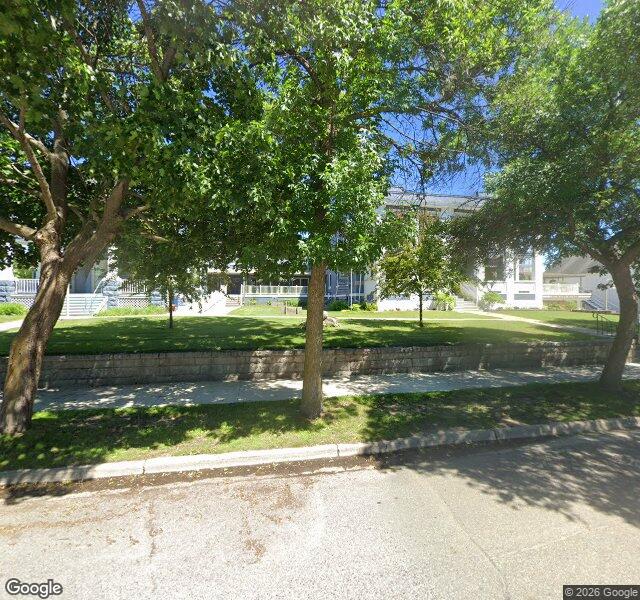
222 5th Street Ne, Staples, MN 56479View map (opens in a new tab)
Overview and key essentials
State license
Active
MN MDH
Google reviews
4.0/ 5
3 reviews
Size & payment
Ask directly
Confirm pricing & payment
Cost, payment & care details
Updated Nov 28, 2026| Monthly cost | Not published | Ask for the full monthly cost, including care fees and one-time charges. |
|---|---|---|
| Payment options | Ask directly | Payment details are not confirmed in our records. Ask about private pay, long-term care insurance, veterans benefits, and Medicaid waivers. |
| Size & availability | Confirm directly | We don't publish live openings. Ask about current availability, waitlist length, and move-in timing. |
| Care & support | Assisted living | Usually offers housing and help with everyday tasks, such as bathing and dressing. What to confirm about care levelsThis describes the licensed category. Ask how care plans adjust if mobility, nursing, or memory needs change over time. Read the family care guide → |
State licensing
State inspection history
5inspections
10deficiencies listed
Aug 28, 2026Routine5 deficiencies reported5
5 deficiencies reported
View official state report (opens in a new tab)
144G. 45 Subd. 2 (b-f) Fire protection and0810
SS= F physical environment STATE FORM (b) Each assisted living facility shall develop and maintain fire safety and evacuation plans. The plans shall include but are not limited to: (1) location and number of resident sleeping rooms; (2) staff actions to be taken in the event of a fire or similar emergency; (3) fire protection procedures necessary for residents; and (4) procedures for resident movement, evacuation, or relocation during a fire or similar emergency including the identification of unique or unusual resident needs for movement or evacuation. (c) Staff of assisted living facilities shall receive training on the fire safety and evacuation plans upon hiring and at least twice per year thereafter. (d) Fire safety and evacuation plans shall be readily available at all times within the facility. (e) Residents who are capable of assisting in their own evacuation shall be trained on the proper actions to take in the event of a fire to include movement, evacuation, or relocation. The training shall be made available to residents at least once per year. (f) Evacuation drills are required for staff twice per year per shift with at least one evacuation drill every other month. Evacuation of the residents is not required. Fire alarm system activation is not required to initiate the evacuation drill. This MN Requirement is not met as evidenced by: Based on observation, interview, and record review, the licensee failed to ensure the physical environment of the facility was maintained in STATE FORM
144G. 42 Subd. 8 (a) Staff records0650
SS= E (a) The facility must maintain current records of each paid staff member, each regularly scheduled volunteer providing services, and each individual contractor providing services. The records must include the following infomation: (1) evidence of current professional licensure, registration, or certification if licensure, registration, or certification is required by this chapter or rules; (2) records of orientation, required annual training and infection control training, and competency evaluations; (3) current job description, including qualifications, responsibilities, and identification of staff persons providing supervision; (4) documentation of annual performance STATE FORM
EMD8116899
(a) Except as provided in paragraph (b), food must be prepared and served according to the Minnesota Food Code, Minnesota Rules, chapter 4626. (b) For an assisted living facility with a licensed capacity of ten or fewer residents: (1) notwithstanding Minnesota Rules, part 4626. 0033, item A, the facility may share a certified food protection manager (CFPM) with one other facility located within a 60-mile radius and under common management provided the CFPM is present at each facility frequently enough to effectively administer, manage, and supervise each facility's food service operation; (2) notwithstanding Minnesota Rules, part 4626. 0545, item A, kick plates that are not removable or cannot be rotated open are allowed unless the facility has been issued repeated correction orders for violations of Minnesota Rules, part 4626. 1565 or 4626. 1570; (3) notwithstanding Minnesota Rules, part 4626. 0685, item A, the facility is not required to provide integral drainboards, utensil racks, or tables large enough to accommodate soiled and clean items that may accumulate during hours of operation provided soiled items do not contaminate clean items, surfaces, or food, and clean equipment and dishes are air dried in a manner that prevents contamination before storage; (4) notwithstanding Minnesota Rules, part 4626. 1070, item A, the facility is not required to install a dedicated handwashing sink in its existing kitchen provided it designates one well of a two-compartment sink for use only as a handwashing sink; (5) notwithstanding Minnesota Rules, parts 4626. 1325, 4626. 1335, and 4626. 1360, item A, existing floor, wall, and ceiling finishes are STATE FORM EMD811 allowed provided the facility keeps them clean and in good condition; (6) notwithstanding Minnesota Rules, part 4626. 1375, shielded or shatter- resistant lightbulbs are not required, but if a light bulb breaks, the facility must discard all exposed food and fully clean all equipment, dishes, and surfaces to remove any glass particles; and (7) notwithstanding Minnesota Rules, part 4626. 1390, toilet rooms are not required to be provided with a self-closing door. This MN Requirement is not met as evidenced by: Based on observation, interview, and record review, the licensee failed to ensure food was prepared and served according to the Minnesota Food Code. This practice resulted in a level two violation (a violation that did not harm a resident' s health or safety but had the potential to have harmed a resident' s health or safety, but was not likely to cause serious injury, impairment, or death) , and is issued at a widespread scope (when problems are pervasive or represent a systemic failure that has affected or has the potential to affect a large portion or all of the residents) . The findings include: Please refer to the document titled, Food and Beverage Establishment Inspection Report (FBEIR) dated August, 25, 2026, for the specific Minnesota Food Code violations. The Inspection Report was provided to the licensee within 24 hours of the inspection. STATE FORM EMD811 TIME PERIOD FOR CORRECTION: Please refer to the FBEIR for any compliance dates. EMD811 The findings include: During the entrance conference on August 25, 2026, at 11:48 a.m., assisted living director in residency/ clinical nurse supervisor (ALDIR/CNS) -A stated the licensee was familiar with current minimum assisted living requirements. On August 25, 2026, at 1:02 p.m., the surveyor toured the building with...
144G. 41 Subdivision 1 Subd. 1a (a-b) Minimum0480
SS= F requirements; required food services 0 480 STATE FORM
144G. 42 Subd. 7 Posting information for0640
SS= F reporting suspected c The facility shall support protection and safety through access to the state' s systems for reporting suspected criminal activity and suspected vulnerable adult maltreatment by: (1) posting the 911 emergency number in common areas and near telephones provided by the assisted living facility; (2) posting information and the reporting number for the Minnesota Adult Abuse Reporting Center to report suspected maltreatment of a vulnerable adult under section 626. 557; and (3) providing reasonable accommodations with information and notices in plain language. This MN Requirement is not met as evidenced by: Based on observation, interview, and record review, the licensee failed to post required content to include posting the 911 emergency number in common areas at the assisted living. This had the potential to affect all residents, staff, and visitors. This practice resulted in a level two violation (a violation that did not harm a resident' s health or safety but had the potential to have harmed a resident' s health or safety, but was not likely to cause serious injury, impairment, or death) , and is issued at a widespread scope (when problems are pervasive or represent a systemic failure that has affected or has the potential to affect a large portion or all of the residents) . STATE FORM
Jul 2, 2024Routine2 deficiencies reported2
2 deficiencies reported
View official state report (opens in a new tab)
L76X116899
(b) The facility must develop and implement an individual abuse prevention plan for each vulnerable adult. The plan shall contain an individualized review or assessment of the person's susceptibility to abuse by another individual, including other vulnerable adults; the person's risk of abusing other vulnerable adults; and statements of the specific measures to be taken to minimize the risk of abuse to that person and other vulnerable adults. For purposes of the abuse prevention plan, abuse includes self-abuse. This MN Requirement is not met as evidenced by: Based on interview and record review, the licensee failed to address the resident's susceptibility to abuse and the risk of abuse to others for all assisted living residents not receiving services. This practice resulted in a level two violation (a violation that did not harm a resident's health or safety but had the potential to have harmed a resident's health or safety) and was issued at a widespread scope (when problems are pervasive or represent a systemic failure that has affected or has the potential to affect a large portion or all of the residents). The findings include: R1 signed the licensee's Resident/Tenant Agreement on July 16, 2022. R1 did not receive assisted living services from the licensee. R1's record lacked an individualized review or assessment of the resident's susceptibility to abuse by another individual, including other vulnerable adults, the resident's risk of abusing STATE FORM L76X11 other vulnerable adults and statements of the specific measures to be taken to minimize the risk of abuse to that resident or other vulnerable adults. On July 2, 2024, at 11:07 a.m., registered nurse/licensed assisted living director in residence (RN/LALDIR)-E stated, "we only have the vulnerability assessment for our independent residents, I think because we thought for them that was ok, we can get them done for all the independent residents." No further information provided. TIME PERIOD FOR CORRECTION: Seven (7) days 01500 144G.63 Subd. 5 Required annual training SS=F (a) All staff that perform direct services must complete at least eight hours of annual training for each 12 months of employment. The training may be obtained from the facility or another source and must include topics relevant to the provision of assisted living services. The annual training must include: (1) training on reporting of maltreatment of vulnerable adults under section 626.557; (2) review of the assisted living bill of rights and staff responsibilities related to ensuring the exercise and protection of those rights; (3) review of infection control techniques used in the home and implementation of infection control standards including a review of hand washing techniques; the need for and use of protective gloves, gowns, and masks; appropriate disposal of contaminated materials and equipment, such as dressings, needles, syringes, and razor STATE FORM L76X11 blades; disinfecting reusable equipment; disinfecting environmental surfaces; and reporting communicable diseases; (4) effective approaches to use to problem solve when working with a resident's challenging behaviors, and how to communicate with residents who have dementia, Alzheimer's disease, or related disorders; (5) review of the facility's policies and procedures relating to the provision of assisted living services and how to implement those policies and procedures; and (6) the principles of person-centered planning and service...
144G.42 Subd. 6 (b) Compliance with0630
SS=F requirements for reporting ma 0 630 STATE FORM
Feb 7, 2024Complaint1 deficiency reported1
1 deficiency reported
View official state report (opens in a new tab)
Substantiated, individual responsibility. The alleged perpetrator (AP), a facility staff member, financially exploited the resident over a period of eight months, when the AP collected the resident’s rent payment in cash each month but did not deposit the money or apply the money to the resident’s account
severeHL202019886M
The alleged perpetrator (AP), a facility staff member, financially exploited the resident over a period of eight months, when the AP collected the resident’s rent payment in cash each month but did not deposit the money or apply the money to the resident’s account. The Minnesota Department of Health determined financial exploitation was substantiated. The alleged perpetrator (AP)/facility staff member was responsible for the maltreatment. The AP was responsible for facility billing procedures. The resident made a total of $6,400 in cash payments directly to the AP for rent but the payments were not documented as received and were not applied toward the resident’s account. The investigator conducted interviews with facility management. The investigator also contacted law enforcement. The investigation included review of the resident’s records including billing statements and the facility’s internal investigation. Page 2 of 5 The resident resided in an assisted living facility. The resident’s service plan included assistance with medication administration. The resident’s assessment indicated the resident was independent with most activities of daily living and was cognitively intact. The facility’s internal investigation indicated the AP was terminated for reasons unrelated to billing procedures. After the AP was terminated, additional facility staff were trained on how to run financial reports and complete facility billing procedures. During the training, a discrepancy was noted with the resident’s account, and it appeared he had not paid rent for eight months. Facility staff interviewed the resident. The resident reported the accurate amount of rent due ( $793) but stated he paid $800 each month in cash to the AP when she came to his apartment each month to collect the rent money. The resident stated he requested a receipt but was only occasionally provided with one. The resident provided facility staff with four receipts which matched the facility’s ledger book kept in the AP’s office. The signature of the staff person who received the money was scribbled and not legible. Three receipts showed $800 cash was received and the fourth showed $750 cash was received. The receipts had the resident’s name spelled incorrectly. The resident told facility staff he did not notice it showed $750 but confirmed he paid the AP $800 each time and was never given any change back. The internal investigation indicated the accounts receivable department was not able to locate any record of cash deposits or cash being sent to the office to be deposited over an eight-month lookback period. Facility billing records indicated the resident had an outstanding rent balance due that would have would have displayed...
Oct 24, 2023Complaint1 deficiency reported1
1 deficiency reported
View official state report (opens in a new tab)
Substantiated, facility responsibility. The facility neglected the resident when staff failed to assess and identify new vulnerabilities related to the resident’s behaviors of elopements and refusals of care. No new interventions were implemented, and existing interventions were not evaluated
severeHL202018565M
The facility neglected the resident when staff failed to assess and identify new vulnerabilities related to the resident’s behaviors of elopements and refusals of care. No new interventions were implemented, and existing interventions were not evaluated. The Minnesota Department of Health determined neglect was substantiated. The facility was responsible for the maltreatment. The resident eloped from the facility and the registered nurse (RN) failed to reassess the resident. The resident had a history of refusing cares and refusing to allow staff to change urine-soaked incontinence products. The RN failed to assess the resident’s behaviors and failed to develop and implement person-centered interventions. The resident was frequently left in urine-soaked incontinence products and developed a urinary tract infection. Page 2 of 5 The investigator conducted interviews with facility staff members, including administrative staff, nursing staff, and unlicensed staff. The investigator also contacted the resident’s primary care provider and case worker. The investigation included review of facility records including assessments, progress notes, care plans, and service plans. At the time of the onsite visit, the investigator observed care and services provided at the facility. The resident resided in an assisted living facility. The resident’s diagnoses included dementia, weakness, and type two diabetes. The resident’s service plan included assistance with dressing, grooming, bathing, toileting, and transfers. The resident’s assessment indicated the resident was disoriented to time, place, and situation. The resident was noted to have a history of elopements and was at risk for elopements. While conducting observations at the facility, the investigator noted a strong urine smell. Upon entering the resident’s room, the resident was observed laying in the middle of the bed. The resident was dressed in white sneakers, had no pants on (but did have an incontinent product on), and was wrapped in a fleece blanket laying on top of a fitted sheet. The resident’s head was on top of rags. There was no pillow, and no additional sheets or blankets were observed on or around the bed. The resident was laying on top of a disposable soaker pad in the middle of the bed. The pad was saturated with urine and several flies were observed around the resident. A fly swatter was observed near the resident’s right side on top of the urine saturated soaker pad. Upon further observation of the resident’s room, the investigator observed several white Styrofoam cups of water on the night stand next to the bed, two dead plants on the windowsill, which had started to fuse to the window, and a table cluttered with...
Oct 24, 2023Complaint1 deficiency reported1
1 deficiency reported
View official state report (opens in a new tab)
Substantiated, facility responsibility. The facility neglected the resident after staff failed to report, monitor, and assess a change in condition. The resident was noted to have not felt well for several days and had purple extremities. The resident was admitted to the hospital
severeHL202016685M
The facility neglected the resident after staff failed to report, monitor, and assess a change in condition. The resident was noted to have not felt well for several days and had purple extremities. The resident was admitted to the hospital. The Minnesota Department of Health determined neglect was substantiated. The facility was responsible for the maltreatment. The resident had two unwitnessed falls and two days later began to complain of weakness and was unable to bear weight on her legs. The resident complained of worsening pain and numbness/loss of sensation in her lower limbs for 17 days before she was sent to the emergency room. The RN failed to reassess the resident after she went from being independent with transfers to requiring the use of a mechanical lift. The RN failed to update the resident’s provider. The resident was admitted to the hospital and later admitted to a nursing home. Page 2 of 4 The investigator conducted interviews with facility staff members, including administrative staff, nursing staff, and unlicensed staff. The investigator also contacted the case manager and the resident’s primary care provider. The investigation included review of facility medical records including the care plan, service plan, assessments, and progress notes, as well as hospital records. At the time of the onsite visit, the investigator observed provision of cares and medication administration. The resident resided in an assisted living facility. The resident’s diagnoses included hypertension (high blood pressure), chronic obstructive pulmonary disease (COPD), stress fractures, and malignant neoplasm (cancer) of the pelvic bones, sacrum, and coccyx. The resident’s service plan included assistance with bathing and medication management. The resident’s assessment indicated the resident was independent with walking but was not ambulatory and would self-propel with her wheelchair. The resident was independent with dressing, grooming, and required assistance from staff twice per day to use the bathroom. The resident required assistance from one staff member and a transfer belt PRN (as needed, not on a regular basis). Progress notes indicated approximately 23 days before the resident was admitted to the hospital, the resident fell out of bed. Three days later, the resident experienced another fall and 911 was called to help get the resident off the floor. Three days after her second fall, unlicensed personnel (ULP) documented the resident had a hard time transferring and the resident reported she couldn’t move her leg. Staff began using a mechanical lift to transfer the resident. The registered nurse (RN) failed to reassess the resident after her transfer status changed....
Neighborhood & resident support
Emergency access, hazards & advocacy
Nearest hospital
Lakewood Health System
2.0 mi · Staples, MN
Emergency room
FEMA hazard risk
Very LowTodd County, MN
- Wildfire
- Strong Wind
- Landslide
Free resident advocacy
Minnesota Office of Ombudsman for Long-Term Care
More neighborhood context (specialists, VA, dialysis, air & affordability)
VA & dialysis access
St Cloud VA Medical Center
60.8 mi · St. Cloud, MN
Fresenius Kidney Care Wadena County
5.4 mi · 2/5 ★
Specialists within 15 mi
- Geriatricians
- 0
- Neurologists
- 2
- Palliative care
- 1
- PM&R rehab
- 0
Environment & mobility
- EPA Walkability
- 4.9/20 (Least Walkable)
- USDA Grocery Access
- Limited Grocery Access
- Primary care access
- HRSA Shortage Area
County demographics
- Age 65+ median income
- $47,464/yr
- Rent-burdened households
- 43%
- Cognitive disability (2023)
- 16.1%
- Mobility disability
- 12.3%
Call & tour checklist
Questions to ask Lakewood Manor
Check off questions as you call or tour. Your progress stays private in this browser.
Show 3 more suggested questions
Verification & public records
Official records & sources
Licensing & contact
- License #
- 20201
- Status
- active
- Phone
- (218) 894-2124
- Federal OIG LEIE
- Clear (2026-11-27)
Original public sources
Verify licensing, ratings, and inspection reports directly with each official source.
- MN MDH official record (opens in a new tab)MN Dept. of Health
- Google Maps (opens in a new tab)Directions, photos & neighborhood
- Google Reviews (opens in a new tab)3 public reviews
EveryPlace is an independent research directory. Information is compiled from public Medicare.gov, state licensing, Google Places, and street-level imagery sources. Some summaries, suggested questions, and pricing notes are AI-generated or AI-assisted and may contain errors or omissions. We do not accept payment for placement. Confirm all details directly with the community and official sources. Research Policy.
Keep exploring
Nearby communities to compare
- 5.0(1)Assisted Living1.7 miLakewood PinesStaples, MN
- Cap. 12HUD Senior Housing1.9 miStaples Square ApartmentsStaples, MN
- 4.0(2)Assisted Living2.1 miA Daughter's Love INCStaples, MN
- Medicare 2/5Home Health5.4 miLakewood Health System Home Care & HospiceStaples, MN
- MedicaidHospice Care5.4 miLakewood Health System HospiceStaples, MN
- Medicare 2/5Cap. 12Dialysis Center5.4 miFresenius Kidney Care Wadena CountyStaples, MN