Loading EveryPlace content…
Assisted LivingActive license
Homestead of Overland Park Operations LLC
11701 Nieman Road, Overland Park, KS 66210View map (opens in a new tab)
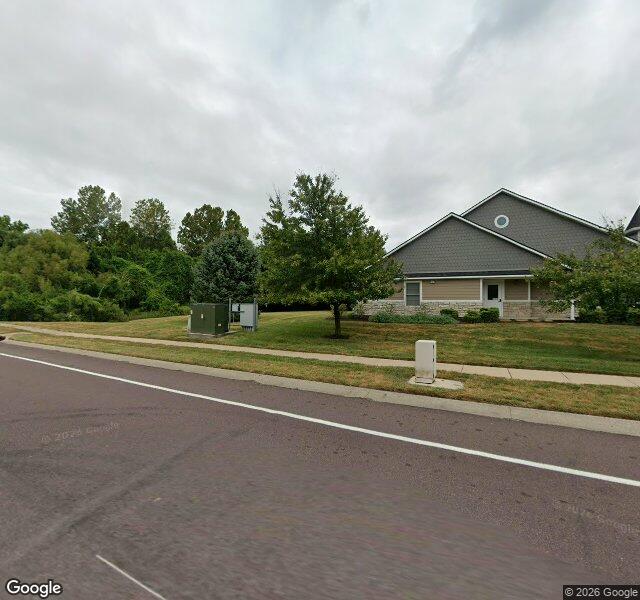
Overview and key essentials
State license
Active
KS KDADS
Google reviews
Not available
Public reviews not linked
Size & payment
Ask directly
Confirm pricing & payment
Public records for this community are limited. Use the checklist below when you call or visit to confirm pricing, services, and openings.
Cost, payment & care details
Updated Nov 28, 2026| Monthly cost | Not published | Ask for the full monthly cost, including care fees and one-time charges. |
|---|---|---|
| Payment options | Ask directly | Payment details are not confirmed in our records. Ask about private pay, long-term care insurance, veterans benefits, and Medicaid waivers. |
| Size & availability | Confirm directly | We don't publish live openings. Ask about current availability, waitlist length, and move-in timing. |
| Care & support | Assisted living | Usually offers housing and help with everyday tasks, such as bathing and dressing. What to confirm about care levelsThis describes the licensed category. Ask how care plans adjust if mobility, nursing, or memory needs change over time. Read the family care guide → |
State licensing
State inspection history
12inspections
20deficiencies listed
Oct 12, 2026Routine5 deficiencies reported5
5 deficiencies reported
View official state report (opens in a new tab)
The following represents the findings of a resurvey with attached complaints 199731 and 200012 at the above named assisted living conducted on 10/08/26 and 10/12/26. The facility reported a census of 41 residents. The sample included four residents.
moderateS 3280
Preparedness (d) Each administrator or operator shall ensure disaster and emergency preparedness by ensuring the performance of the following: (1) Orientation of new employees at the time of employment to the facility ' s emergency management plan; (2) education of each resident upon admission to the facility regarding emergency procedures; (3) quarterly review of the facility ' s emergency management plan with employees and residents; and (4) an emergency drill, which shall be conducted at least annually with staff and residents. This drill shall include evacuation of the residents to a secure location. This REQUIREMENT is not met as evidenced by: KAR 26-41-104(d)(3) Based on interview and record review the facility failed to provide evidence of documentation that residents and staff received routine quarterly reviews of the facility's emergency management plan. Findings included: - Review of the facility's emergency management plan lacked evidence of documentation residents and staff received quarterly reviews of the emergency management plan for the first, second, and third quarters of 2026. On 10/13/26 at 04:05 PM Administrative Staff A confirmed the facility lacked documentation that residents and staff received quarterly reviews of the emergency management plan for the first, second, and third quarters of 2026. The 01/22/24 facility's "Emergency and Disaster" policy documented each administrator would ensure disaster and emergency preparedness by ensuring the performance of quarterly reviews of the emergency management plan with employees and residents. The facility failed to provide evidence of documentation that residents and staff received quarterly reviews of the facility's emergency management plan.
moderateS 3310
(b) (5) prohibiting any employee with a communicable disease or any infected skin lesions from coming in direct contact with any resident, any resident ' s food, or resident care equipment until the condition is no longer infectious; (6) providing orientation to new employees and employee in-service education at least annually on the control of infections in a health care setting; and (c) Each administrator or operator shall ensure the facility ' s compliance with the department ' s tuberculosis guidelines for adult care homes adopted by reference in K.A.R. 26-39-105 This REQUIREMENT is not met as evidenced by: KAR 26-41-207(c) Based on interview and record review the facility failed remain in compliance with the department's tuberculosis (TB) guidelines for adult care homes adopted by reference in KAR 26-39-105 for two of five sampled staff. Findings included: - Review of Administrative Nurse B's employee record revealed a hire date of 09/16/26. Her record lacked evidence of documentation she received TB infection testing. Review of Certified Medication Aide (CMA) F's employee record revealed a hire date of 09/03/26. Her record lacked evidence of documentation she received TB infection testing. On 10/12/26 at 04:05 PM Administrative Staff A confirmed Administrative Nurse B and CMA F's records lacked evidence of documentation of TB infection testing. The 01/22/24 facility's "Infection Control: Standard Precautions" policy did not address tuberculosis screening. The June 2013 department's "Tuberculosis (TB) Guidelines for Adult Care Homes" documented each new employee, and each new resident should receive a two-step TB skin within seven days of employment. The facility failed to ensure the facility remained in compliance with the department's tuberculosis guidelines for adult care homes adopted by reference in KAR 26-39-105.
STATE FORM6899
U8W711 STATE FORM U8W711 STATE FORM U8W711 STATE FORM U8W711 STATE FORM U8W711 STATE FORM U8W711 STATE FORM U8W711 STATE FORM U8W711
moderateS 3305
(a) The administrator or operator of each assisted living facility or residential health care facility shall ensure the provision of a safe, sanitary, and comfortable environment for residents. (b) Each administrator or operator shall ensure the development of policies and implementation of procedures to prevent the spread of infections. These policies and procedures shall include the following requirements: (1) Using universal precautions to prevent the spread of blood-borne pathogens; (2) techniques to ensure that hand hygiene meets professional health care standards; (3) techniques to ensure that the laundering and handling of soiled and clean linens meet professional health care standards; (4) providing sanitary conditions for food service; (5) prohibiting any employee with a communicable disease or any infected skin lesions from coming in direct contact with any resident, any resident ' s food, or resident care equipment until the condition is no longer infectious; (6) providing orientation to new employees and employee in-service education at least annually on the control of infections in a health care setting; and (7) transferring a resident with an infectious disease to an appropriate health care facility if the administrator or operator is unable to provide the isolation precautions necessary to protect the health of other residents. This REQUIREMENT is not met as evidenced by: KAR 26-41-207(a) Based on observation and interview the facility failed to ensure staff provided a safe environment for residents by storing potentially harmful personal belongings away from resident areas. Findings included: - Observation on 10/12/26 at approximately 02:12 PM of the facility's activity room for the residents revealed a can of nicotine pouches on the table. Resident (R) 5 ambulated independently and entered the activity room. No staff were nearby. On 10/12/26 at 02:13 PM Certified Nurse Aide (CNA) E confirmed the can of nicotine pouches was his and he had not put it away yet after his break. Review of the policies provided by the facility revealed storage of staff personal belongings was not addressed. The facility failed to ensure staff provided a safe environment for residents by storing potentially harmful personal belongings away from resident areas.
moderateS 3320
(a) The assisted living facility or residential health care facility shall be designed, constructed, equipped and maintained to protect the health and safety of residents, personnel and the public. (b) All new construction, renovation, remodeling and changes in building use in existing buildings shall comply with building and fire codes, ordinances and regulations enforced by city, county, and state jurisdictions, including the state fire marshal. (c) New construction, modifications and equipment shall conform to the following codes and standards: (1) Title III of the Americans with disabilities act, 42 U.S.C. 12181, effective as of January 26, 1992; and (2) "Food Service Sanitation Manual," health, education, and welfare (HEW) publication no. FDA 78-2081, as in effect on July 1, 1981. This REQUIREMENT is not met as evidenced by: KAR 28-39-254(a) Based on observation and interview the facility failed to maintain the Packaged Terminal Air Conditioner (PTAC) systems in at least four apartments to protect the health and safety of the residents. Findings included: - Observation on 10/12/26 at approximately 01:33 PM revealed a PTAC unit in apartment 12 with a loose top section. The top section had a dark-colored substance on the inside near the top-facing air blower. On 10/12/26 at 01:51 PM Administrative Staff A and Administrative Nurse D confirmed the PTAC unit in apartment 12 required cleaning and maintenance. The state surveyor requested a cleaning and maintenance schedule for the facility's PTAC units. Observation on 10/12/26 at approximately 01:55 PM revealed the following: A PTAC unit in apartment number 1 had a loose top section. The top section had a dark-colored substance and what appeared to be a 2 x 2 inch strip of loose fiberglass insulation on the inside near the top-facing air blower. A PTAC unit in apartment 17 had a front facing filter that appeared clogged with a build-up of debris. A PTAC unit in apartment number 3 in the memory care had a dark-colored substance on the outside near the top-facing air blower grille. On 10/12/26 at approximately 01:55 PM Administrative Staff A and Administrative Nurse D confirmed the PTAC units in apartments numbered 1, 17, and 3 in the memory care required cleaning and maintenance. On 10/12/26 at 03:00 PM Administrative Nurse D stated maintenance staff informed her the PTAC units were closed systems similar to duct systems and did not require routine cleaning and maintenance. Review of the policies provided by the facility revealed cleaning and maintenance of the facility's PTAC units was not addressed. The facility failed to maintain the PTAC systems in at least four apartments to protect the health and safety of the residents.
Mar 6, 2025Routine5 deficiencies reported5
5 deficiencies reported
View official state report (opens in a new tab)
The following citations represent the findings of the licensure resurvey with attached complaint numbers 193590, 191203, 189071, 188960, 183344, and 181507 for the above named facility conducted on 03/05/25 and 03/06/25.
moderateS 3166
(e) A licensed nurse may delegate nursing procedures not included in the nurse aide or medication aide curriculums to nurse aides or medication aides, respectively, under the Kansas nurse practice act, K.S.A. 65-1124 and amendments thereto. This REQUIREMENT is not met as evidenced by: K.A.R. 26-41-204 (e) The facility reported a census of 36 residents. The sample included 4 "Residents'". Based on record review and interview the Operator failed to ensure the "Licensed Nurse" (LN) delegated nursing procedures not included in the "Certified Medication Aide" (CMA) curriculums to CMA's respectively, under the Kansas Nurse Practice Act, K.S.A. 65-1124 and amendments thereto. Findings included: - Review of the facility provided "Resident Roster" revealed the facility had two residents who resided in the assisted living that required insulin. Record review for newly hired CMA F revealed she began her employment on 10/09/24. CMA F's personnel record lacked documentation of the delegated nursing procedure of dialing of an insulin pen. Interview on 03/05/25 at approximately 11:00 AM with LN D confirmed the facility CMA or LN would clean the injection site and dial the insulin pens, and the residents must self-inject the insulin. The Operator failed to ensure the LN delegated nursing procedures not included in the CMA curriculum to CMA's respectively, under the Kansas Nurse Practice Act, K.S.A. 65-1124 and amendments thereto for CMA F.
moderateS 3310
(b) (5) prohibiting any employee with a communicable disease or any infected skin lesions from coming in direct contact with any resident, any resident ' s food, or resident care equipment until the condition is no longer infectious; (6) providing orientation to new employees and employee in-service education at least annually on the control of infections in a health care setting; and (c) Each administrator or operator shall ensure the facility ' s compliance with the department ' s tuberculosis guidelines for adult care homes adopted by reference in K.A.R. 26-39-105 This REQUIREMENT is not met as evidenced by: K.A.R. 26-41-207 (c) The facility reported a census of 36 residents. The sample included 4 "Residents'" and 5 newly hired employees. Based on record review and interview the Operator failed to ensure the facility's compliance with the department's "Tuberculosis" (TB) Guidelines adopted by reference in K.A.R. 26-39-105 for 2 newly hired employees. Findings included: - Record review for newly hired "Licensed Nurse" (LN) C revealed she began her employment on 09/28/23. Review of LN C's personnel record revealed a document titled "Tuberculin Skin Test Consent Form" dated 09/28/23, and the first step of the required two step test was implanted on 09/29/23 and read negative on 10/02/23. The section titled "Test Two" lacked documentation of the required second step being administered. Record review for newly hired LN D revealed she began her employment on 07/08/24. Review of LN D's personnel record revealed a document titled "Tuberculin Skin Test Consent form" dated 02/01/25. The first step of the required two step test was implanted on 02/01/25 and read negative on 02/03/25. The second step of the required two step test was implanted on 02/10/25 and read negative on 02/21/25. Interview on 03/05/25 at approximately 02:45 PM with LN E and Operator A confirmed LN C's personnel file lacked documentation of the required second step TB test, and they further confirmed LN D's two step TB test was not administered with seven days of her employment. The Operator failed to ensure the facility's compliance with the department's TB Guidelines adopted by reference in K.A.R. 26-39-105 for LN C and LN D.
STATE FORM6899
Q2BD11 STATE FORM Q2BD11 STATE FORM Q2BD11 STATE FORM Q2BD11 STATE FORM Q2BD11 STATE FORM Q2BD11 STATE FORM Q2BD11 STATE FORM Q2BD11 STATE FORM Q2BD11
moderateS 3298
(d) Food preparation. Food shall be prepared using safe methods that conserve the nutritive value, flavor, and appearance and shall be served at the proper temperature. (1) Food used by facility staff to serve to the residents, including donated food, shall meet all applicable federal, state, and local laws and regulations. (2) Food in cans that have significant defects, including swelling, leakage, punctures, holes, fractures, pitted rust, or denting severe enough to prevent normal stacking or opening with a manual, wheel-type can opener, shall not be used. (3) Food provided by a resident ' s family or friends for individual residents shall not be required to meet federal, state, and local laws and regulations. This REQUIREMENT is not met as evidenced by: K.A.R. 26-41-206 (d) The facility reported a census of 36 residents. 23 Residents resided in the Assisted Living section of the facility and 13 residents resided in the secured specialty unit. Based on observation, interview, and record review the Operator failed to ensure the meals served to the 13 residents in the secured specialty unit was served at the proper temperature. The Operator further failed to ensure food temperatures were obtained consistently prior to serving the 23 Assisted Living residents. Findings included: - Observation on 03/05/25 at approximately 11:55 AM of the dining area in the secured specialty revealed the lack of documentation of food temperatures being obtained prior to the residents receiving their meals. Dietary staff member B rolled an open plastic cart containing glass and plastic plates covered with clear plastic lids into the secured specialty unit. Interview on 03/05/25 at approximately 11:55 AM with Dietary staff member B confirmed the food temperatures are not obtained in the secured specialty unit prior to serving the residents. Observation on 03/05/25 at approximately 11:55 AM of Dietary staff member B obtaining a temperature of the noodles on one of the plates revealed the holding temperature was 116.2 degrees Fahrenheit. Record review of the facility provided documents titled "Food Temperature Log" revealed the following; The records lacked documentation of the "Supper" food temperatures on the following dates; 01/03/25 01/15/25 02/26/25 02/27/25 The records lacked documentation of food temperatures being obtained on the following dates; 01/04/25 through 01/11/25 01/16/25 through 01/24/25 02/02/25 through 02/04/25 02/08/25 02/10/25 through 02/11/25 02/14/25 through 02/18/25 02/20/25 through 02/23/25 02/25/25 Record review of the facility provided policy titled "Monitoring Food Temperatures for Meal Service" dated 04/06/20 revealed the following; "1. Prior to serving a meal, food temperatures will be taken and documented for all hot and cold foods to ensure proper serving temperatures." "2. The temperature for each food item will be recorded on the Food Temperature Log." "g. Meals that served on room trays may periodically checked at the point of service for palatable food temperatures. Food temperatures of hot foods on room trays at the point of service are preferred to be at 120 degrees Fahrenheit." Review of the Kansas Department of Agriculture "Focus on Food Safety" manual revised 08/2017 revealed on page 14, the "Minimum hot holding temperature is 135 degrees Fahrenheit. The Operator failed to ensure the meals served to the 13 residents in the secured specialty unit was served at the proper temperature. The Operator further failed to...
moderateS 3395
(c) Laundry facility. (1) The facility shall store soiled laundry in a manner which prevents odors and spread of disease. (2) If laundry is processed in the facility, the facility shall provide washing and drying machines. The facility shall arrange the work area to provide a "one-way flow" of laundry from a soiled area to a clean area. (3) The facility shall provide a work counter and a locked cabinet for storage of chemicals and supplies. (4) The facility shall provide a handwashing lavatory with a non-reusable method of hand-drying within or accessible to the laundry facility. This REQUIREMENT is not met as evidenced by: K.A.R. 28-39-255 (c) (1) (2) The facility reported a census of 36 residents. Based on observation, interview, and record review the Operator failed to ensure the facility stored soiled laundry in a manner which prevented odors. The operator further failed to arrange the laundry work area in a manner to provide a "one-way flow" of launder from a soiled to a clean area. Findings included: - Observation on 03/05/25 at approximately 11:15 AM during the initial facility tour, the door to the laundry room freely opened, and on the floor directly in front of the washer and dryer were four laundry baskets full of unfolded clothing and appeared to be dirty, and on the east wall of the room was a white plastic bag full of pillows. There was a slight unpleasant odor in the room. Interview on 03/05/25 at approximately 11:15 AM with Operator A confirmed the staff had pulled laundry from resident rooms to be washed and dried. He further confirmed there was not a way to get the dry laundry from the dryer and out of the laundry room with out taking the clean laundry over the baskets of dirty laundry. Record review of the facility provided policy titled "Infection Control: Standard Precautions" dated 01/22/24 revealed the following; "Linen: Handle, transport and process linen soiled with blood, body fluids, secretions, or excretions in a manner that prevents skin and mucous membrane exposures, contamination of clothing, and transfer of microorganisms to other residents and environments. The Operator failed to ensure the facility stored soiled laundry in a manner which prevented odors. The operator further failed to arrange the laundry work area in a manner to provide a "one-way flow" of launder from a soiled to a clean area.
Jul 12, 2023Routine10 deficiencies reported10
10 deficiencies reported
View official state report (opens in a new tab)
The following citations represent the findings of a resurvey with complaints (#181184, #179481, #174286, #174100, #173800, #172528, #172539, #170795, #170509, #170361) at the above named facility conducted on 07/11/23 and 07/12/23.
moderateS 3240
(c) If the facility admits residents with dementia, the administrator or operator shall ensure the provision of staff orientation and in-service education on the treatment and appropriate response to persons who exhibit behaviors associated with dementia. This REQUIREMENT is not met as evidenced by: KAR 26-41-103 (c) The facility reported a census of 48 residents. The sample included 3 residents and review of 5 newly hired employees. Based on interview and personnel record review, Operator/ Licensed Nurse (LN) A failed to ensure the provision of employee orientation and in-service education upon hire for 3 (Certified Medication Aide (CMA) H, CMA I and Certified Nurse Aide (CNA) J) of 5 sampled employees on the treatment and appropriate response to persons who exhibit behaviors associated with dementia and Alzheimer's and with the potential to affect all residents. Findings Included: - On 07/11/23, LN B provided a "Resident Roster" which revealed a total census of 48 residents with 16 housed on the locked memory care unit and 32 housed on the assisted living unit. Twenty-seven residents listed on the roster were identified as having impaired cognition. Review of CMA H's employee record revealed they hired onto the facility on 02/15/23 and the record lacked documentation of dementia and Alzheimer's training upon hire. Review of CMA I's employee record revealed they hired onto the facility on 09/12/22 and the record lacked documentation of dementia and Alzheimer's training. Review of CNA J's employee record revealed they hired onto the facility on 11/21/22 and the record lacked documentation of dementia and Alzheimer's training upon hire. Interview on 07/11/23 at 03:19 PM with Operator/LN A confirmed CMA H, CMA I and CNA J's record lacked documentation of dementia and Alzheimer's training on hire. Interview on 07/12/23 at 12:47 PM with Administrative Staff D confirmed Dementia and Alzheimer's training was to be completed upon hire and annually with all staff. Electronic interview on 07/12/23 at 03:29 PM with LN C confirmed facility did not have a policy on Dementia training. Operator/LN A failed to ensure the provision of employee orientation and in-service education for 3 of 5 sampled employees on the treatment and appropriate response to persons who exhibit behaviors associated with dementia and Alzheimer's and with the potential to affect all residents.
immediate_jeopardyS 3265
Preparedness (a) The administrator or operator of each assisted living facility or residential health care facility shall ensure the provision of a sufficient number of staff members to take residents who would require assistance in an emergency or disaster to a secure location. This REQUIREMENT is not met as evidenced by: KAR 26-41-104 (a) The facility reported a census of 48 residents. The sample included 3 residents and 2 focused review residents. Based on interview and record review for 1 focused review Resident (R)4, who required two person assist to transfer, Operator/Licensed Nurse (LN) A failed to ensure the provision of a sufficient number of staff members on night shift to take all residents who would require assistance in an emergency or disaster to a secure location. This failure placed residents in this facility in immediate jeopardy for harm, injury, or death. Findings included: - On 07/11/23 at 12:15 PM during the initial tour with Operator/LN A revealed a locked memory care unit within the facility. The "Resident Roster" obtained on 07/10/23 from Licensed Nurse (LN) B recorded a total census of 48 residents with 16 housed on the locked memory care unit and 32 housed on the assisted living unit. Twenty-seven residents listed on the roster were identified as having impaired cognition. One resident listed on the roster (R4) was identified as requiring two staff for transfer assistance. R4 resided in the assisted living unit.. On 07/11/23 at 01:32 PM, Operator/LN A confirmed due to short staffing, two staff members were scheduled in the facility at times on night shift, instead of three staff members, from 11:00 PM to 07:00 AM and further confirmed staff on duty was a CMA (Certified Medication Aide) and CNA (Certified Nurse Aide). This staffing pattern left no staff members on the memory care unit if R4, who resided on the assisted living unit, required the care of two staff members during the night shift. On 07/11/23 at 01:54 PM, Operator/ LN A confirmed R4 required two-person assistance for transfers from bed to wheelchair. Staffing of only 2 staff members at night would require the memory care staff to leave the locked unit unattended to assist with transfers of R4. - Record review for R4 revealed she admitted on 08/16/22 with diagnoses of vascular dementia, reduced mobility, need for assistance with personal care, muscle weakness, emphysema, chronic obstructive pulmonary disease, and cognitive communication deficit. R4's "Functional Capacity Screen (FCS)/ Negotiated Service Agreement (NSA)" dated 02/10/23 recorded the resident required physical assistance with eating and was unable to perform bathing, dressing, toileting, transfer, walk/mobility and management of medications and treatments. The FCS/NSA recorded R4 was frequently incontinent, had short-term memory impairment, difficulty with memory/recall, impaired decision making and was usually understandable/ usually understood. socially inappropriate/ disruptive behavior. R4 was at risk for falls/ unsteadiness and had impaired vision. The resident's "Service Plan" dated 08/13/22 recorded R4 used a bed cane and wheelchair for mobility and required physical staff assistance in an evacuation. Interview on 07/11/23 at 02:41 PM with Certified Nurse Aide (CNA) E stated R4 required two-person assistance for transfers. Interview on 07/11/23 at 02:45 PM with Certified Medication Aide (CMA)/CNA F stated R4 required two-person assistance for transfers and further stated they...
moderateS 3280
Preparedness (d) Each administrator or operator shall ensure disaster and emergency preparedness by ensuring the performance of the following: (1) Orientation of new employees at the time of employment to the facility ' s emergency management plan; (2) education of each resident upon admission to the facility regarding emergency procedures; (3) quarterly review of the facility ' s emergency management plan with employees and residents; and (4) an emergency drill, which shall be conducted at least annually with staff and residents. This drill shall include evacuation of the residents to a secure location. This REQUIREMENT is not met as evidenced by: KAR 26-41-104 (d) (3) (4) The census equaled 48 residents. The sample included 3 residents and review of 5 employee records. Based on record review and interview, Operator/ Licensed Nurse (LN) A failed to ensure disaster and emergency preparedness by ensuring the performance of quarterly review of the facility's entire "Emergency Management Plan" with residents and staff and an annual emergency drill with staff and residents to include an evacuation of the residents to a secure location. Findings included: - Review of the facility "Emergency Management Plan" revealed the plan contained procedures to manage potential emergencies and disasters including fire, flood, severe weather, tornado, explosion, natural gas leak, lack of electrical, or water service, and missing residents. Facility failed to provide quarterly reviews of the emergency management plan with residents for the second, third and fourth quarters of 2022 and the first and second quarters of 2023. Review of the facility's quarterly reviews of the emergency management plan with staff revealed the following review dates: 09/22 and 01/31/23. The facility failed to provide documentation regarding emergency management plan reviews with staff for the second and fourth quarters of LN A confirmed unable to locate reviews completed with residents and further confirmed unable to locate reviews completed with staff for the second and fourth quarters of 2022 and the second quarter of 2023. Operator/ LN A also confirmed no annual emergency drill completed with all residents to a secure location with minimum number of staff on duty at one time. On 07/12/23, facility's disaster and emergency preparedness policy requested, and LN C provided the state's disaster and emergency preparedness regulations. Operator/LN A failed to ensure disaster and emergency preparedness by the failure to ensure the performance of quarterly reviews of the facility's entire emergency plan with residents and staff and an annual emergency drill with staff and residents to include an evacuation of the residents to a secure location.
moderateS 3028
Reporting (f) (3) Each allegation of abuse, neglect, or exploitation shall be reported to the administrator or operator of the facility as soon as staff is aware of the allegation and to the department within 24 hours. The administrator or operator shall ensure that all of the following requirements are met: (A) An investigation shall be started when the administrator or operator, or the designee, receives notification of an alleged violation. (B) Immediate measures shall be taken to prevent further potential abuse, neglect, or exploitation while the investigation is in progress. (C) Each alleged violation shall be thoroughly investigated within five working days of the initial report. Results of the investigation shall be reported to the administrator or operator. (D) Appropriate corrective action shall be taken if the alleged violation is verified. (E) The department ' s complaint investigation report shall be completed and submitted to the department within five working days of the initial report. (F) A written record shall be maintained of each investigation of reported abuse, neglect, or exploitation. This REQUIREMENT is not met as evidenced by: KAR 26-41-101(f) (3) The facility reported a census of 48 residents. The sample included 3 residents. Based on record review and interviews for 1 Resident (R)3, Operator/ Licensed Nurse (LN) A failed to ensure each incident of potential abuse was thoroughly investigated when bruising was noted on R3's inner thigh(s) and she presented to the emergency room with pelvic pain. Findings included: - Review of R3's medical record revealed she admitted to the facility on 03/28/20 with diagnoses of Parkinson's, insomnia, cognitive communication deficit, major depressive disorder, hyperlipidemia and hypertension. R3's "Functional Capacity Screen (FCS)/ Negotiated Service Agreement (NSA)" dated 04/26/23 recorded the resident as independent with eating, required supervision with bathing, dressing, toileting, transfer and walk/mobility and required physical assistance to perform management of medications and treatments. R3 was usually continent of urine, was understandable/ usually understood and was at risk for falls/ unsteadiness. The FCS/NSA lacked signatures of the individuals involved at the time of development of the agreement including R3 and any legal representatives or family members. R3's current " Service Plan" dated 04/06/23 recorded facility staff provided medication administration, supervision with bathing, assisted with dressing and changing ileostomy, and supervised transfers. used a wheelchair for mobility and required supervision from staff with transfers. The "Service Plan" further recorded R3 as independent with transferring to toilet and used a wheelchair for mobility. Reports indicated R3 was potentially abused by staff in June 2022. Discharge report from hospital dated 06/14/22 recorded reason for visit as traumatic pelvic pain and pain with ambulation. Record lacked a fully completed, thorough investigation of accusation by facility reported to the department. Interview on 07/12/23 at 12:18 PM with Administrative Staff D stated alleged perpetrator (staff) was suspended pending investigation and further confirmed unable to locate the fully completed investigation of accusation of abuse reported to the department. Facility's "Abuse, Neglect and Exploitation" policy (no date) recorded, "Investigation Procedure: 4. The Director or his/her designee is to start an investigation as...
moderateS 3261
Documentation of Incidents (f) (11) documentation of all incidents, symptoms, and other indications of illness or injury including the date, time of occurrence, action taken, and results of the action This REQUIREMENT is not met as evidenced by: KAR 26-41-105 (f) (11) The census totaled 48 residents. The sample included 3 residents. Based on record review and interview for 1 Resident(R)2, Operator/ Licensed Nurse (LN) A failed to ensure documentation of all incidents, and indications of illness or injury including date, time of occurrence, action taken and results of the action when a male resident was found in R2's bed. Findings included: - R2's "Medical Record" revealed he admitted to the facility on 10/10/19 with diagnoses of Alzheimer's Disease, dementia, major depressive disorder, hypertension, hyperlipidemia and heart failure. R2 resided on the locked memory care unit of the facility. The "Functional Capacity Screen (FCS)/ Negotiated Service Agreement (NSA)/dated 04/05/23 recorded the resident required supervision with eating and physical assistance required for bathing, dressing, toileting, transfer, walk/mobility and management of medications and treatments. The "FCS/NSA" recorded R2 was frequently incontinent of urine, had short- and long-term memory impairment, impaired memory/ recall, impaired decision making, was usually understandable/ sometimes understood communication, was at risk for falls/ unsteadiness and had impaired vision. The "Service Plan" dated 01/23/23 recorded facility staff assisted with bathing, dressing, toileting and management of medications.The "Service Plan" recorded R2 as independent with transfers and wore a walking boot and used a walker for ambulation. Nurse's Note dated 06/25/23, entered 06/29/23 by LN B recorded, "Upon arrival to facility, went to check in on [R2]. No injuries or change in behavior were observed." Nurse's Note date 06/26/23, entered 06/29/23 by LN B recorded, "On 06/25 I was notified that [family member of R2] had called the facility to notify staff that she had observed a man in her mom's room sitting on her bed via the camera. CNA [Certified Nurse Aide]that answered the phone ran to the memory care side, grabbed the other CNA and CMA [Certified Medication Aide] and ran to [R2's] room to intervene. When they entered, they observed a male resident sitting on the edge of the bed, with the covers partially drawn back, rubbing [R2's] stomach. Staff immediately helped male resident up and escorted him to the dining room while one CNA stayed back to check on [R2]. [R2] remained asleep during the encounter and no injuries were visualized by staff." Record lacked a Nurse's Note completed on 06/25/23 when incident occurred. Record lacked documentation of resident condition/ assessment at time of incident and follow up assessment. Interview on 07/12/23 at 12:42 PM with LN B confirmed she did not assess on site or document on 06/25/23 when incident occurred and further confirmed no Nurse's Note was completed until 06/29/23. LN B stated she completed a video call with R2 on 06/25/23 but confirmed no documentation of video assessment. Facility's "Accidents and Occurrences" policy (no date) recorded, "d. The RCC or designee will proceed as follows: i. Review all documentation (Occurrence report, 24-hour report, CNA assignment sheet, NSA, nurse's notes documentation) for completeness; ii. Complete a thorough investigation of the occurrence to determine casual factors; iii. Review...
moderateS 3202
Administration (4) Any licensed nurse may delegate nursing procedures not included in the medication aide curriculum to medication aides under the Kansas nurse practice act, K.S.A. 65-1124 and amendments thereto. This REQUIREMENT is not met as evidenced by: KAR 26-41-205 (d) (4) The facility reported a census of 48 residents. The sample included 3 residents and review of 5 newly hired employees. Based on record review and interview for 5 non-sampled Residents (R)6, R7, R8, R9 and R10 requiring insulin by injection, Operator/ Licensed Nurse (LN) A failed to ensure the licensed nurse delegated nursing procedures not included in the medication aide curriculum to medication aides under the Kansas nurse practice act, K.S.A. 65-1124 and amendments thereto when medication aides dialed insulin pens for the residents without an assessment for competency by a licensed nurse. Findings included: - The "Resident Roster" obtained on 07/11/23 from Licensed Nurse (LN) B identified five residents as receiving insulin by injection (R6, R7, R8, R9 and R10). Review of sampled personnel records on 07/11/23 recorded the following Certified Medication Aide (CMA) recently hired, competency exams for dialing insulin pens were requested. CMA H, hire date 02/15/23 CMA I, hire date 09/12/22 Interview on 07/12/23 at 12:50 PM with Operator/ LN A confirmed competency check offs for CMA's to dial insulin pens, including CMA H and CMA I, were not completed. Interview on 07/11/23 at 12:46 PM with CMA H stated she dialed insulin pens for residents to self-inject. Facility provided a "Competency Checklist: Flexpen and Flextouch Insulin Pens with Autocover Safety Needle" but failed to provide a policy for dialing of insulin pens by a CMA. Operator/LN A failed to ensure the licensed nurse delegated nursing procedures not included in the medication aide curriculum to medication aides under the Kansas nurse practice act, K.S.A. 65-1124 and amendments thereto when medication aides dialed insulin pens for the residents without an assessment for competency by a licensed nurse.
STATE FORM6899
9I9H11 STATE FORM 9I9H11 STATE FORM 9I9H11 STATE FORM 9I9H11 STATE FORM 9I9H11 STATE FORM 9I9H11 STATE FORM 9I9H11 STATE FORM 9I9H11 STATE FORM 9I9H11 STATE FORM 9I9H11 STATE FORM 9I9H11 STATE FORM 9I9H11 STATE FORM 9I9H11 STATE FORM 9I9H11 STATE FORM 9I9H11 STATE FORM 9I9H11 STATE FORM 9I9H11 STATE FORM 9I9H11 STATE FORM 9I9H11 STATE FORM 9I9H11
moderateS 3299
(e) Food storage. Facility staff shall store all food under safe and sanitary conditions. (1) Containers of poisonous compounds and cleaning supplies shall not be stored in the areas used for food storage, preparation, or serving. This REQUIREMENT is not met as evidenced by: KAR 26-41-206 (e) The census equaled 48 residents. The sample included 3 residents. Based on record review, interview, and observation for all residents receiving meal services, Operator/ Licensed Nurse (LN) A failed to ensure the facility staff stored all food under safe and sanitary conditions. Findings included: - Observation during the initial tour on 07/11/23 at 12:25 PM revealed a kitchen containing food/drinks. Observation on 07/11/23 at 12:08 PM revealed memory care unit residents eating lunch in the dining room of the unit. Observation of the refrigerator revealed the following food items, which were not dated: one bottle of Thousand Island dressing (32 ounces each), two bottles of French dressing (32 ounces each), two containers of Taco Sauce (8.44 pounds each), one Ziploc bag containing sliced cheese and one unidentifiable squeeze bottle containing liquid. The refrigerator had one pan containing fruit, which was not completely sealed. Interview on 07/11/23 with Dietary Staff G confirmed the above listed food items were without open dates. Facility's "Food Storage" policy dated 04/06/20 recorded, "1. General storage guidelines to be followed: Label all food items. The label must include the name of the food and the date it was opened or prepared, OR the date it should be sold, consumed or discarded ...Store leftover contents of cans and prepared food in clean, sanitized containers with proper and secure covers." For all residents of the facility, Operator/ LN A failed to ensure the facility staff stored all food under safe and sanitary conditions.
staff schedule included two staff members2023
on duty overnight from 11:00 PM to 07:00 AM daily except for one night (07/09/23)., with a minimum of two staff members on duty from 11:00 PM to 07:00 AM since 08/16/22, when R4 admitted to the facility. This failure placed residents in this facility in immediate jeopardy for harm, injury or death. Jeopardy was removed on 07/11/23 at 04:53 PM when the following signed abatement plan was received from Operator/LN A: This abatement was identified for insufficient staffing on the night shift at Homestead of Overland Park. The Operator stated the abatement was to state that there would be three staff members 24 hours a day as long as there was a resident who required two people to transfer them and staff the locked Memory Care. There would be one staff member in Memory Care at all times and 2 staff members on Assisted Living." The abatement plan included a staffing schedule from 07/11/23 through 07/13/23 to include three staff members on duty overnight from 11:00 PM to 07:00 AM. Operator/ Licensed Nurse (LN) A failed to ensure
and the second quarter of 2023.2022
Facility failed to perform an annual emergency drill since last survey conducted with all residents and the minimum number of staff on duty at one time that included an evacuation of all residents to a secure location. Interview on 07/11/23 at 01:32 PM with Operator/
Feb 15, 2022RoutineNo deficiencies reportedNone
No deficiencies reported
View official state report (opens in a new tab)
homestead of op 2-15-22 u38411 rs st2567.pdf
Aug 4, 2020RoutineNo deficiencies reportedNone
No deficiencies reported
View official state report (opens in a new tab)
homestead of overland park operations covid 8.4.2020
Show all 12 inspections
Sep 4, 2018RoutineNo deficiencies reportedNone
No deficiencies reported
View official state report (opens in a new tab)
the gables at overland park 9 4 2018
Sep 13, 2016RoutineNo deficiencies reportedNone
Aug 8, 2016RoutineNo deficiencies reportedNone
No deficiencies reported
View official state report (opens in a new tab)
the gables of overland park 8 8 2016
Jul 23, 2014RoutineNo deficiencies reportedNone
Jun 25, 2014RoutineNo deficiencies reportedNone
May 28, 2013RoutineNo deficiencies reportedNone
Sep 20, 2012RoutineNo deficiencies reportedNone
Neighborhood & resident support
Emergency access, hazards & advocacy
Nearest hospital
Overland Park Reg Med Ctr
1.6 mi · Overland Park, KS · Medicare 4/5 ★
Emergency roomTrauma Level Ii
FEMA hazard risk
Relatively HighJohnson County, KS
- Winter Weather
- Tornado
- Hail
Free resident advocacy
Kansas Office of the State Long-Term Care Ombudsman
More neighborhood context (specialists, VA, dialysis, air & affordability)
VA & dialysis access
Kansas City VA Medical Center
14.4 mi · Kansas City, MO · VA 4/5 ★
Pure Life Renal of Overland Park LLC
0.8 mi · 2/5 ★
Specialists within 15 mi
- Geriatricians
- 42
- Neurologists
- 248
- Palliative care
- 59
- PM&R rehab
- 123
Environment & mobility
- EPA Air (2025)
- 69% good days · AQI 44
- EPA Walkability
- 10.3/20 (Below Average)
- USDA Grocery Access
- High Grocery Access
- Primary care access
- HRSA Shortage Area
County demographics
- Age 65+ median income
- $76,388/yr
- Rent-burdened households
- 41%
- Cognitive disability (2023)
- 11.5%
- Mobility disability
- 8.7%
Call & tour checklist
Questions to ask Homestead of Overland Park Operations LLC
Check off questions as you call or tour. Your progress stays private in this browser.
Show 3 more suggested questions
Verification & public records
Official records & sources
Licensing & contact
- License #
- N046068
- Status
- active
- Phone
- (913) 345-2200
- Federal OIG LEIE
- Clear (2026-11-27)
Original public sources
Verify licensing, ratings, and inspection reports directly with each official source.
- KS KDADS official record (opens in a new tab)Kansas Dept. for Aging & Disability Services
- Google Maps (opens in a new tab)Directions, photos & neighborhood
- Google Reviews (opens in a new tab)Read public reviews
EveryPlace is an independent research directory. Information is compiled from public Medicare.gov, state licensing, Google Places, and street-level imagery sources. Some summaries, suggested questions, and pricing notes are AI-generated or AI-assisted and may contain errors or omissions. We do not accept payment for placement. Confirm all details directly with the community and official sources. Research Policy.
Keep exploring
Nearby communities to compare
- Assisted Living< 1 miAltoOverland Park, KS
- MedicaidHospice Care< 1 miFaith Hospice CareOverland Park, KS
- Hospice Care< 1 miSunset Hospice LLCOverland Park, KS
- Medicare 2/5Cap. 17Dialysis Center< 1 miPure Life Renal of Overland Park LLCOverland Park, KS
- Medicare 4/5Home Health< 1 miCenterwell Home HealthOverland Park, KS
- MedicaidHospice Care< 1 miChoice HospiceOverland Park, KS