Loading EveryPlace content…
Assisted LivingActive license
Homestead of Augusta
1611 Fairway Street, Augusta, KS 67010View map (opens in a new tab)
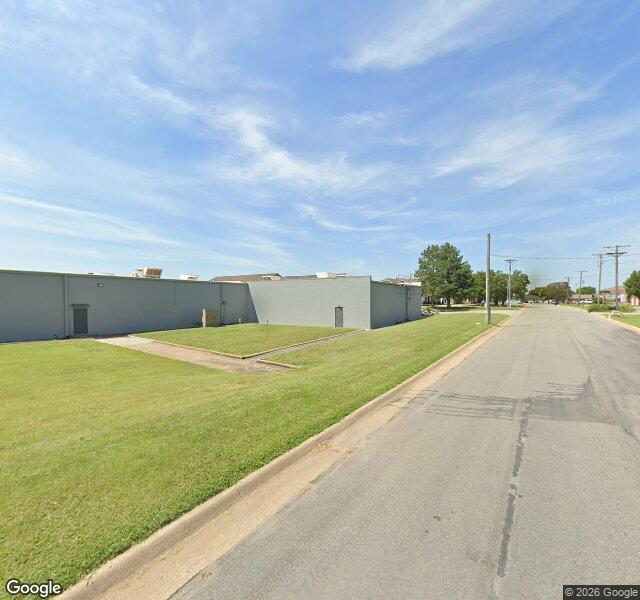
Overview and key essentials
State license
Active
KS KDADS
Google reviews
Not available
Public reviews not linked
Size & payment
Ask directly
Confirm pricing & payment
Public records for this community are limited. Use the checklist below when you call or visit to confirm pricing, services, and openings.
Cost, payment & care details
Updated Nov 28, 2026| Monthly cost | Not published | Ask for the full monthly cost, including care fees and one-time charges. |
|---|---|---|
| Payment options | Ask directly | Payment details are not confirmed in our records. Ask about private pay, long-term care insurance, veterans benefits, and Medicaid waivers. |
| Size & availability | Confirm directly | We don't publish live openings. Ask about current availability, waitlist length, and move-in timing. |
| Care & support | Assisted living | Usually offers housing and help with everyday tasks, such as bathing and dressing. What to confirm about care levelsThis describes the licensed category. Ask how care plans adjust if mobility, nursing, or memory needs change over time. Read the family care guide → |
State licensing
State inspection history
14inspections
17deficiencies listed
Jul 14, 2026Routine4 deficiencies reported4
4 deficiencies reported
View official state report (opens in a new tab)
The following citations represent the findings of the licensure resurvey for the above named facility conducted on 07/13/26 and 07/14/26.
STATE FORM6899
2E9711 STATE FORM 2E9711 STATE FORM 2E9711 STATE FORM 2E9711 STATE FORM 2E9711 STATE FORM 2E9711 STATE FORM 2E9711
moderateS 3200
Medications (d) Facility administration of resident ' s medications. If a facility is responsible for the administration of a resident ' s medications, the administrator or operator shall ensure that all medications and biologicals are administered to that resident in accordance with a medical care provider ' s written order, professional standards of practice, and each manufacturer ' s recommendations. The administrator or operator shall ensure that all of the following are met: (1) Only licensed nurses and medication aides shall administer and manage medications for which the facility has responsibility. (2) Medication aides shall not administer medication through the parenteral route. This REQUIREMENT is not met as evidenced by: K.A.R. 26 41-205 (d) The facility reported a census of 45 residents. The sample included 3 "Residents'". Based on observation and interview the Operator failed to ensure medications managed by the facility were administered to residents in accordance with professional standards of practice. Findings included: - Observation on 07/13/26 at approximately 11:30 AM of the "First Floor" medication cart located on the first floor of the facility in the common hallway approximately 15 feet from the front entrance of the facility revealed the locking bolt was in the out position and the drawers freely opened and there were no staff present at the medication cart. Located in the top drawer in the center of the drawer was a clear plastic medication cup. On the medication cup it was handwritten "111" and it contained 5 pills. Next to the cup that had "111" handwritten on it was a stack of 3 medication cups. The first cup had "210" and it contained 2 orange pills. The second cup had handwritten on it was "209" and it contained 3 pills. The third cup had "213" handwritten on it and it contained 7 pills. Observation on 07/13/26 at approximately 11:40 AM "Certified Medication Aide" (CMA) A was observed walking to the facility dining room with the stack of 3 medication cups in her hand and she lifted the top cup from the stack to observe the number that was handwritten on the cup and she then proceeded to go to a resident. Interview on 07/13/26 at approximately 04:00 PM with facility Resource C confirmed the facility did not have a specific policy for passing medications. The facility staff were to follow the state guidelines. Operator B confirmed facility staff were not trained to prepare resident medications in advance. Review of the "Certified Medication Aide Curriculum" revised on 05/10/23 on page 165 revealed "All medications must be identified to point of administration. For medications removed from a package or container with the prescription label, a medication card must be used which contains the resident's name, the name of the medication, the route of administration, special instructions for administration and time of administration. This card must be checked against the "Medication Administration Record" (MAR) before administering the medication to a resident". The Operator failed to ensure medications managed by the facility were administered to residents in accordance with professional standards of practice.
moderateS 3215
(h) Storage. Licensed nurses and medication aides shall ensure that all medications and biologicals are securely and properly stored in accordance with each manufacturer ' s recommendations or those of the pharmacy provider and with federal and state laws and regulations. (1) Licensed nurses or medication aides shall store non-controlled medications and biologicals managed by the facility in a locked medication room, cabinet, or medication cart. Licensed nurses and medication aides shall store controlled medications managed by the facility in separately locked compartments within a locked medication room, cabinet, or medication cart. Only licensed nurses and medication aides shall have access to the stored medications and biologicals. (2) Each resident managing and self-administering medication shall store medications in a place that is accessible only to the resident, licensed nurses, and medication aides. (3) Any resident who self-administers medication and is unable to provide proper storage as recommended by the manufacturer or pharmacy provider may request that the medication be stored by the facility. (4) A licensed nurse or medication aide shall not administer medication beyond the manufacturer ' s or pharmacy provider ' s recommended date of expiration. This REQUIREMENT is not met as evidenced by: K.A.R. 26 41-205 (h) (1) (4) The facility reported a census of 45 residents. The sample included 3 "Residents'". Based on observation and interview, the Operator failed to ensure all non-controlled medications were stored in a locked medication room, cabinet or medication cart. The Operator further failed to ensure the facility "Licensed Nurses" (LN)'s and "Certified Medication Aides'" (CMA)'s did not administer medications beyond the manufacturer's or pharmacy provider's recommended date of expiration. Findings included: - Observation on 07/13/26 at approximately 11:30 AM of the "First Floor" medication cart located on the first floor of the facility in the common hallway approximately 15 feet from the front entrance of the facility revealed the locking bolt was in the out position and the drawers freely opened and there were no staff present at the medication cart. Located in the top drawer of the medication cart on the left side of the drawer was a Novolog insulin pen that had approximately 250 units in the pen and lacked a date of when the pen was opened. Interview on 07/13/26 at approximately 11:35 AM with CMA A confirmed the Novolog insulin Pen lacked a date of when the insulin pen was opened. CMA A further confirmed the "First Floor" Medication cart was unlocked. Observation on 07/13/26 at approximately 12:15 PM of the facility's "Second Floor" medication cart revealed the locking bolt was in the out position and the drawers freely opened. There were no staff present at the medication cart. Interview on 07/13/26 at approximately 12:15 PM with Operator B confirmed all facility medication carts were to be locked when the facility CMA's were not at the cart. Review of the Novolog manufacturer's recommendation instructed to throw the opened pen away after 28 days even if insulin remained in the pen. The Operator failed to ensure all non-controlled medications were stored in a locked medication room, cabinet or medication cart. The Operator further failed to ensure the facility LN's and CMA's did not administer medications beyond the manufacturer's or pharmacy provider's recommended date of expiration.
moderateS 3211
DRUGS (3) A licensed nurse or medication aide may accept over-the-counter medication only in its original, unbroken manufacturer ' s package. A licensed pharmacist or licensed nurse shall place the full name of the resident on the package. If the original manufacturer ' s package of an over-the-counter medication contains a medication in a container, bottle, or tube that can be removed from the original package, the licensed pharmacist or a licensed nurse shall place the full name of the resident on both the original manufacturer ' s medication package and the medication container. This REQUIREMENT is not met as evidenced by: K.A.R. 26 41-205 (g) (3) The facility reported a census of 45 residents. The sample included 3 "Residents'". Based on observation and interview, the Operator failed to ensure a licensed pharmacist or the "Licensed Nurse" (LN) placed the full name of the resident on the "Over-the-Counter" (OTC) medication containers, bottle, or package. Findings included: - Observation on 07/13/26 at approximately 11:30 AM of the "First Floor" medication cart located on the first floor of the facility in the common hallway approximately 15 feet from the front entrance of the facility revealed the locking bolt was in the out position and the drawers freely opened and there were no staff present at the medication cart. The unlocked medication cart contained that contained the following OTC medications that lacked the full name of the resident: 1 container of Viactiv chews 690 milligrams 1 bottle of Nasal Spray Observation on 07/13/26 at approximately 12:15 PM of the facility's "Second Floor" medication cart revealed the locking bolt was in the out position and the drawers freely opened. The unlocked medication cart contained the following OTC medications that lacked the full name of the resident; 1 bottle of Anti Fungal Powder Interview on 07/13/26 at approximately 12:15 PM with Operator B confirmed all OTC medications were to have the full name of the resident on the bottle or package placed by the licensed pharmacist or the LN. The Operator failed to ensure a licensed pharmacist or the LN placed the full name of the resident on the OTC medication containers, bottle, or package.
Nov 19, 2024Routine9 deficiencies reported9
9 deficiencies reported
View official state report (opens in a new tab)
The following citations represent the findings of a resurvey with complaint (#Complaint Number) at the above named Assisted Living conducted on 11/18/24 and 11/19/24.
in a recliner in the living room but R103R 103
refused this as well. On 11/19/24 at 01:26 PM Administrative Nurse B stated facility staff completed dressing changes to wounds but stated that services provided by staff for wound care was not included on the R103's NSA. The operator failed to ensure R103's NSA was fully developed to include services provided by staff for wound care.
moderateS 3085
(a) The administrator or operator of each assisted living facility or residential health care facility shall ensure the development of a written negotiated service agreement for each resident, based on the resident ' s functional capacity screening, service needs, and preferences, in collaboration with the resident or the resident ' s legal representative, the case manager, and, if agreed to by the resident or the resident ' s legal representative, the resident ' s family. The negotiated service agreement shall provide the following information: (1) A description of the services the resident will receive; (2) identification of the provider of each service; and (3) identification of each party responsible for payment if outside resources provide a service. This REQUIREMENT is not met as evidenced by: (FCS), service needs, and preferences for resident (R)101 and R103. Findings included: - R101's medical record revealed she moved into the facility on 03/04/22 with diagnoses of type two diabetes mellitus and obstructive sleep apnea. The 04/04/24 FCS identified R101 triggered for impaired vision, impaired hearing and inappropriate behaviors. The 04/04/25 NSA did not identify what services staff provided for R101 concerning impaired vision, impaired hearing and inappropriate behaviors. The NSA did not address R101's use of continuous oxygen. On 11/19/24 at 09:59 AM "Certified Medication Aide" (CMA) C stated R101 used continuous oxygen and had an oxygen concentrator. CMA C stated R101 was independent with managing her oxygen equipment except when she changed her tubing and asked staff to help remove the old tubing. An observation on 11/19/24 at 10:12 AM revealed machine. On 11/19/24 at 01:45 PM Administrative Nurse B stated R101's NSA did not address everything that triggered on her FCS and did not address what services staff provided concerning R101's continuous oxygen use. The operator failed to ensure R101's NSA was fully developed to include all items that triggered on the FCS, her service needs, and preferences. - R103's medical record revealed she moved into the facility on 05/09/24 with a diagnosis of dementia. The 05/09/24 FCS identified staff managed R103's treatments. The 05/09/24 NSA did not describe services staff provided R103 concerning the treatment of wounds. On 11/19/24 at 01:04 PM R103 was observed self-propelling in her wheelchair down the hall towards her room. Staff offered to assist R103 to use the restroom and then offered to put her in her bed, but she refused. Staff offered to put
moderateS 3320
(a) The assisted living facility or residential health care facility shall be designed, constructed, equipped and maintained to protect the health and safety of residents, personnel and the public. (b) All new construction, renovation, remodeling and changes in building use in existing buildings shall comply with building and fire codes, ordinances and regulations enforced by city, county, and state jurisdictions, including the state fire marshal. (c) New construction, modifications and equipment shall conform to the following codes and standards: (1) Title III of the Americans with disabilities act, 42 U.S.C. 12181, effective as of January 26, 1992; and (2) "Food Service Sanitation Manual," health, education, and welfare (HEW) publication no. FDA 78-2081, as in effect on July 1, 1981. This REQUIREMENT is not met as evidenced by: failed to ensure staff secured all chemicals to maintain the safety of all residents, personnel and the public. Findings included: - Observations during initial tour on 05/21/24 at 03:41 PM revealed the following: On 11/18/24 at 11:10 AM an observation of a cart with nail care items was found in the activities room located on the second floor and contained the following unlocked chemicals: One 16 fluid (fl.) ounce (oz.) bottle of ONYX brand nail polish remover One 8 fl. oz. bottle of Bath & Beauty brand nail polish remover One 5.1 fl. oz. container of Kwik Off moisturizing nail polish remover One box of Dukal brand Nail polish remover with individually wrapped wipes A plastic storage container of assorted nail polish all with "KEEP OUT OF REACH OF CHILDREN" warning labels. On 11/18/24 at 11:39 AM an observation of a cabinet located in a hallway near the front entrance contained a 32 fl. oz. bottle of Lysol Bleach Multi-purpose cleaner and an 8.8 oz. spray can of Febreze Unstopables air freshener with "KEEP OUT OF REACH OF CHILDREN" warning labels. On 11/18/24 at 01:50 PM an observation of the unlocked beauty shop located on the second floor revealed the following unlocked chemicals that had a "KEEP OUT OF REACH OF CHILDREN" warning label. : Three- 4 fl. oz. bottles of neutralizer Three- 4 fl. oz. bottles of waving lotion One 2 fl. oz. bottle of colorant One box of Revlon Colorsilk beautiful color permanent hair color One 32 oz. spray bottle of Ecolab TB Disinfectant Cleaner One 64 oz. bottle of Barbicide One container of Clorox Disinfecting Bleach One quart of Betco Best Scent odor eliminator One 32 oz. bottle of Beauty Secrets Cleansing Alcohol On 11/18/24 at approximately 04:00 PM Administrative Staff A stated she believed that since the residents living in the assisted living portion of the facility were not severely cognitively impaired it did not warrant chemicals to be locked away. On 11/18/24 a policy concerning chemical storage was requested from the operator but none was provided. The operator failed to ensure staff kept chemicals locked for resident, personnel and public safety.
was alert and oriented and rested in herR 101
bed using an oxygen concentrator and other oxygen equipment. On 11/19/24 at 10:12 AM R101 stated she was able to manage her own continuous oxygen equipment. She stated she was able to remove the water reservoir and filled it but had staff re-attach the bottle to the oxygen concentrator. also stated she needed staff to run the oxygen tubing from the concentrator to the CPAP
moderateS 3213
(g) (2) Each prescription medication container shall have a label that was provided by a dispensing pharmacist or affixed to the container by a dispensing pharmacist in accordance with K.A.R. 68-7-14. This REQUIREMENT is not met as evidenced by: The operator failed to ensure each prescription medication container had a label provided by a dispensing pharmacist affixed to the container.
KAR 28-39-254 (a)3320
The facility reported a census of 29 residents. Based on observation, and interview the operator
26-41-202(a)(1)3085
The facility reported a census of 29 residents with three residents included in the sample. Based on observation, interview, and record review the operator failed to ensure the "Negotiated Service Agreement" (NSA) was fully developed based on the resident's "Functional Capacity Screen"
STATE FORM6899
D07W11 STATE FORM D07W11 STATE FORM D07W11 STATE FORM D07W11 STATE FORM D07W11 STATE FORM D07W11 STATE FORM D07W11
KAR 26-41-205 (g)(2)3213
The facility reported a census of 29 residents. Based on observation and interview the operator failed to ensure each prescription medication container had a label provided by a dispensing pharmacist affixed to the container. Findings included: - Observation on 11/18/24 at 11:49 AM of the first-floor medication cart revealed the top drawer contained a bottle of Fluticasone Propionate nasal spray not stored in its original package that was not labeled with a resident's full name on it. There were numerous other prescription medication containers stored in the original packaging that were not labeled with a resident full name. On 11/20/24 at 11:49 AM Certified Medication Aide (CMA) C confirmed the unlabeled Fluticasone Propionate nasal spray found in the upper drawer of the first-floor medication cart belonged to resident (R)101.
May 18, 2023Routine4 deficiencies reported4
4 deficiencies reported
View official state report (opens in a new tab)
The following citations represent the findings of the licensure resurvey with attached complaint numbers 177809, 177259, 176589, 174456, 173577, and 171487 for the above named facility conducted on 05/16/23, 05/17/23 and 05/18/23.
moderateS 3186
Medications (b) Administration of select medications. Any resident who self-administers medication may select some medications to be administered by a licensed nurse or medication aide. The negotiated service agreement shall reflect this service and identify who is responsible for the administration and management of selected medications. This REQUIREMENT is not met as evidenced by: K.A.R. 26-41-205 (b) The facility reported a census of 32 residents. The sample included 4 "Residents'" ((R's)1, 2, 3, 4, and 5). Based on record review and interview the operator failed to ensure the "Negotiated Service Agreement" (NSA) identified who was responsible for the administration and management for selected medication's for R4. Findings include: Record review on 05/17/23 for R4 Revealed an admission date of 02/22/22 with diagnoses of adjustment disorder with mixed anxiety and depressed mood, irritable bowel syndrome with constipation, abnormal level of hormones in specimens from female genital organs, type 2 diabetes mellitus, migraine, iron deficiency anemia, and chronic kidney disease stage 3. Review of R4 "Functional Capacity Screen" (FCS)/NSA dated 11/17/22 identified R4 required physical assistance with bathing and dressing. She was independent with toileting, transferring, and required supervision with mobility and eating. She required supervision with medication management, was incontinent of bladder, and her cognition was intact. She was able to make herself understood and she understood others, she was marked with falls and impaired vision, and she used a 4 wheeled walker mobility device. Review of R4 NSA/ "Health Service Plan" (HSP) instructed staff to physically assist R4 with bathing, and dressing, and certified medication aide or licensed nurse to dial R4 insulin pen, R4 self-injected insulin. The NSA lacked identification of an Albuterol Inhaler at the bedside. Record review of the signed "Physician Rounds" note dated 03/23/23 stated the following order: "okay to keep Albuterol inhaler in room and self-administer". Interview on 05/17/23 at 04:16 PM with R4, she confirmed she self-administers the Albuterol Inhaler and keeps it in her room. The operator failed to ensure the NSA identified who was responsible for the administration and management for selected medication's for R4.
moderateS 3214
Program Meds (g) (4) Licensed nurses and medication aides may administer sample medications and medications from indigent medication programs if the administrator or operator ensures the development of policies and implementation of procedures for receiving and identifying sample medications and medications from indigent medication programs that include all of the following conditions: (A) The medication is not a controlled medication. (B) A medical care provider ' s written order accompanies the medication, stating the resident ' s name; the medication name, strength, dosage, route, and frequency of administration; and any cautionary instructions regarding administration. (C) A licensed nurse or medication aide receives the medication in its original, unbroken manufacturer ' s package. (D) A licensed nurse documents receipt of the medication by entering the resident ' s name and the medication name, strength, and quantity into a log. (E) A licensed nurse places identification information on the medication or package containing the medication that includes the medical care provider ' s name; the resident ' s name; the medication name, strength, dosage, route, and frequency of administration; and any cautionary instructions as documented on the medical care provider ' s order. Facility staff consisting of either two licensed nurses or a licensed nurse and a medication aide shall verify that the information on the medication matches the information on the medical care provider ' s order. (F) A licensed nurse informs the resident or the resident ' s legal representative that the medication did not go through the usual process of labeling and initial review by a licensed pharmacist pursuant to K.S.A. 65-1642 and amendments thereto, which requires the identification of both adverse drug interactions or reactions and potential allergies. The resident ' s clinical record shall contain documentation that the resident or the resident ' s legal representative has received the information and accepted the risk of potential adverse consequences. This REQUIREMENT is not met as evidenced by: K.A.R.26-41-205 (g)(4)(D)(E) The facility reported a census of 32 residents. The sample included 5 "Residents'" ((R's1, 2, 3, 4, and 5) Based on observation, interview and record review the operator failed to ensure the "Licensed Nurse" (LN) placed the following information on the package containing a sample medication for R5: R5's full name, medical care provider's name, the medication name, strength, dose, route, frequency of administration, and any cautionary instructions. The operator further failed to ensure a providers written order accompanied the medication, the residents name, medication name, strength, dosage, route and frequency of administration and any cautionary instructions, and ensure the receipt of the sample medication was documented with the R5 name, medication name, strength, and quantity into a log. Findings include: - Observation on 05/16/23 at 12:48 AM during the initial facility tour, CMA A opened the locked medication cart in the memory care unit. In the top drawer on the right side was an unlabeled, open bottle of Xarelto. Interview on 05/16/23 at 12:48AM with operator A, she confirmed the sample medication lacked a resident label. Review of the facility policy titled "Sample Drugs" and dated 2011 stated the following: "Medications from physician-dispensed medication containers can be administered only if packaged according to...
STATE FORM6899
E18F11 STATE FORM E18F11 STATE FORM E18F11 STATE FORM E18F11 STATE FORM E18F11 STATE FORM E18F11 STATE FORM E18F11 STATE FORM E18F11 STATE FORM E18F11
moderateS 3200
Medications (d) Facility administration of resident ' s medications. If a facility is responsible for the administration of a resident ' s medications, the administrator or operator shall ensure that all medications and biologicals are administered to that resident in accordance with a medical care provider ' s written order, professional standards of practice, and each manufacturer ' s recommendations. The administrator or operator shall ensure that all of the following are met: (1) Only licensed nurses and medication aides shall administer and manage medications for which the facility has responsibility. (2) Medication aides shall not administer medication through the parenteral route. This REQUIREMENT is not met as evidenced by: K.A.R. 26-41-205 (d) The facility reported a census of 32 residents. Based on observation and interview the operator failed to ensure the "Certified Medication Aide" (CMA) administered resident medications in accordance with professional standards of practice. Findings include: Observation on 05/16/23 at 12:48 PM during the initial facility tour in the secured memory care unit at the location of the memory care medication cart, CMA A is observed stacking 2 unmarked, small clear medication cups together, one cup has a crushed white medication and chocolate pudding, the other cup has 2 white tablets. She confirmed the medication cups belonged to 2 different residents who sat at the same table for meals. She proceeded to carry them to the table where she administered the medications. Interview with operator B at 12:50PM, she confirmed the CMA should not be stacking multiple resident medications together and then passing them. Review of the Kansas Certified Medication Aide Curriculum dated 02/2011 revealed the following instructions "Medication Tray" A way to carry medications about the facility. - May be flat, with medicine cups placed next to small medication cards. - May be molded with recesses for holding cups and cards. - All medications must be identified to point of administration. For medications removed from a package or container with the prescription label, a medication card must be used which contains the resident's name, the name of the medication, the route of administration, special instructions for administration and time of administration. This card must be checked against the MAR before administering the medication to a resident. The operator failed to ensure the "Certified Medication Aide" (CMA) administered resident medications in accordance with professional standards of practice.
Jun 30, 2020RoutineNo deficiencies reportedNone
No deficiencies reported
View official state report (opens in a new tab)
homestead of augusta covid 6.30.2020
Dec 30, 2019RoutineNo deficiencies reportedNone
No deficiencies reported
View official state report (opens in a new tab)
homestead of augusta 12.30.19
Show all 14 inspections
May 9, 2019RoutineNo deficiencies reportedNone
No deficiencies reported
View official state report (opens in a new tab)
homestead of augusta 5 9 2019
Mar 28, 2019RoutineNo deficiencies reportedNone
No deficiencies reported
View official state report (opens in a new tab)
homestead of augusta 3 28 2019
Jan 29, 2019RoutineNo deficiencies reportedNone
Aug 30, 2018RoutineNo deficiencies reportedNone
Jun 5, 2018RoutineNo deficiencies reportedNone
No deficiencies reported
View official state report (opens in a new tab)
homestead of augusta 6 5 2018
Nov 9, 2016RoutineNo deficiencies reportedNone
Oct 5, 2016RoutineNo deficiencies reportedNone
No deficiencies reported
View official state report (opens in a new tab)
homestead of augusta 10 5 2016
Oct 1, 2015RoutineNo deficiencies reportedNone
No deficiencies reported
View official state report (opens in a new tab)
homestead of augusta 10 1 2015
Jan 16, 2014RoutineNo deficiencies reportedNone
Neighborhood & resident support
Emergency access, hazards & advocacy
Nearest hospital
Kansas Medical Center Llc
10.0 mi · Andover, KS · Medicare 2/5 ★
Emergency room
FEMA hazard risk
Relatively LowButler County, KS
- Wildfire
- Winter Weather
- Tornado
Free resident advocacy
Kansas Office of the State Long-Term Care Ombudsman
More neighborhood context (specialists, VA, dialysis, air & affordability)
VA & dialysis access
Wichita VA Medical Center
16.8 mi · Wichita, KS · VA 5/5 ★
DaVita Andover Dialysis
7.6 mi · 4/5 ★ · Home dialysis
Specialists within 15 mi
- Geriatricians
- 1
- Neurologists
- 9
- Palliative care
- 2
- PM&R rehab
- 5
Environment & mobility
- EPA Walkability
- 6.4/20 (Below Average)
- USDA Grocery Access
- High Grocery Access
- Primary care access
- HRSA Shortage Area
County demographics
- Age 65+ median income
- $54,041/yr
- Rent-burdened households
- 46%
- Cognitive disability (2023)
- 14.9%
- Mobility disability
- 11.6%
Call & tour checklist
Questions to ask Homestead of Augusta
Check off questions as you call or tour. Your progress stays private in this browser.
Show 3 more suggested questions
Verification & public records
Official records & sources
Licensing & contact
- License #
- N008008
- Status
- active
- Phone
- (316) 775-1000
- Federal OIG LEIE
- Clear (2026-11-27)
Original public sources
Verify licensing, ratings, and inspection reports directly with each official source.
- KS KDADS official record (opens in a new tab)Kansas Dept. for Aging & Disability Services
- Google Maps (opens in a new tab)Directions, photos & neighborhood
- Google Reviews (opens in a new tab)Read public reviews
EveryPlace is an independent research directory. Information is compiled from public Medicare.gov, state licensing, Google Places, and street-level imagery sources. Some summaries, suggested questions, and pricing notes are AI-generated or AI-assisted and may contain errors or omissions. We do not accept payment for placement. Confirm all details directly with the community and official sources. Research Policy.
Keep exploring
Nearby communities to compare
- Cap. 48HUD Senior Housing< 1 miCountry Club TowerAugusta, KS
- Medicare 3/54.3(38)88 bedsMedicaidNursing Home< 1 miLakepoint Augusta, LLCAugusta, KS
- Assisted Living< 1 miLakepoint Augusta LLCAugusta, KS
- Assisted Living2.7 miHardtland LLCAugusta, KS
- Assisted Living7.4 miMi Casa Care Homes LLCTowanda, KS
- Medicare 4/5Cap. 16Dialysis Center7.6 miDavita Andover DialysisAndover, KS