Loading EveryPlace content…
Memory CareActive license
Homestead Estates of Overland Park Memory Care
12701 Pflumm Road, Overland Park, KS 66213View map (opens in a new tab)
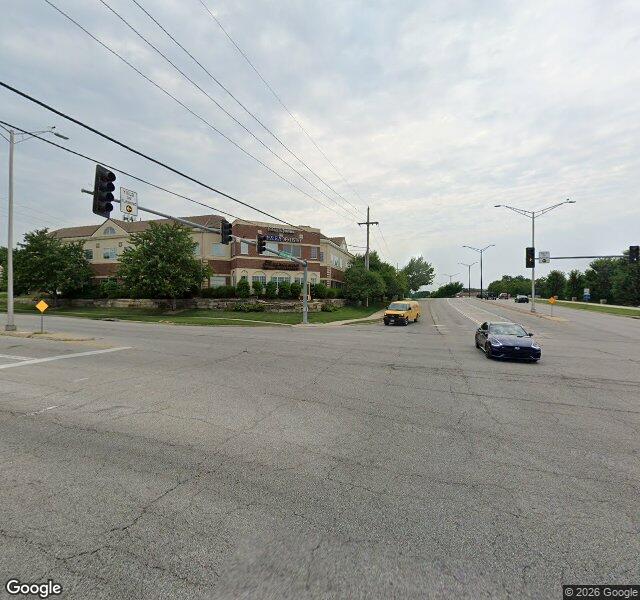
Overview and key essentials
State license
Active
KS KDADS
Google reviews
Not available
Public reviews not linked
Size & payment
Ask directly
Confirm pricing & payment
Public records for this community are limited. Use the checklist below when you call or visit to confirm pricing, services, and openings.
Cost, payment & care details
Updated Nov 28, 2026| Monthly cost | Not published | Ask for the full monthly cost, including care fees and one-time charges. |
|---|---|---|
| Payment options | Ask directly | Payment details are not confirmed in our records. Ask about private pay, long-term care insurance, veterans benefits, and Medicaid waivers. |
| Size & availability | Confirm directly | We don't publish live openings. Ask about current availability, waitlist length, and move-in timing. |
| Care & support | Memory care | Designed for people living with dementia who need a supported daily routine. What to confirm about care levelsThis describes the licensed category. Ask how care plans adjust if mobility, nursing, or memory needs change over time. Read the family care guide → |
State licensing
State inspection history
13inspections
26deficiencies listed
Sep 30, 2026Routine4 deficiencies reported4
4 deficiencies reported
View official state report (opens in a new tab)
The following represents the findings of a resurvey with attached complaints 199872, 199694, 199637, 199547, 199426, 199351, 199253, 196977, 196839, and 19921 at the above named assisted living conducted on 09/28/26, 09/29/26, and 09/30/26. The facility reported a census of 48 residents. The sample included 10 residents.
moderateS 3299
(e) Food storage. Facility staff shall store all food under safe and sanitary conditions. (1) Containers of poisonous compounds and cleaning supplies shall not be stored in the areas used for food storage, preparation, or serving. This REQUIREMENT is not met as evidenced by: KAR 26-41-206(e) The facility had a main kitchen where food was stored, prepared, and served to the residents. Based on observation, interview, and record review the facility failed to ensure designated staff stored food items under safe conditions. Findings included: - Observation on 09/28/26 at approximately 02:29 PM of kitchen refrigerators and freezers revealed the following: The freezer contained 24 plastic round containers that contained unidentifiable contents. The containers lacked labels identifying the contents and the prepared/frozen dates. The refrigerator contained a plastic container covered with plastic wrap labeled cranberry sauce and dated 09/05/26 which was 23 days at the start of the survey. Review of the kitchen refrigerator and freezer daily temperature log from for the month of September 2026 revealed the log was blank from 09/22/26 to 09/28/26 which was eight days. On 09/28/26 at approximately 02:29 PM Dietary Staff D confirmed the freezer contained containers of food items for the residents that lacked labels identifying the contents and the prepared/frozen dates, the refrigerator contained a food item that was 23 days from open/preparation date, and the refrigerator and freezer daily temperature log from for the month of September 202 was blank from 09/22/26 to 09/28/26. The facility failed to ensure designated staff stored food items under safe conditions.
moderateS 3101
(h) Each individual involved in the development of the negotiated service agreement shall sign the agreement. The administrator or operator shall ensure that a copy of the initial agreement and any subsequent revisions are provided to the resident or the resident's legal representative. This REQUIREMENT is not met as evidenced by: KAR 26-41-202(h) Based on interview and record review the facility failed to ensure each individual involved in the development of the "Negotiated Service Agreement" (NSA) signed the agreement for Resident (R) 1, R3 and R6. Findings included: - Record review for R1 revealed an admission date of 06/14/23 with diagnoses of dementia, restlessness, and irritability and anger. The 08/06/26 "Functional Capacity Screen" (FCS) identified R1 required physical assistance with bathing and management of medications and treatments. He had short-term memory, memory/recall, and decision-making cognitive difficulties and was at risk for falls, impaired decision-making, wandering, and inappropriate behavior. The 08/06/26 "NSA" identified R1 received assistance from facility staff for bathing and a nurse delegated management of medications and treatments according to a physician's orders. Facility staff broke tasks into smaller tasks to support R1's short-term memory and kept his routine constant as much as possible for cognitive difficulties. Staff became familiar with R1's routine, anticipated his needs, and maintained a safe environment to prevent injury from falls. R1 had a durable power of attorney (DPOA) for impaired decision-making. R1 resided in a secured memory care with locked entry and exit doors to keep him safe from wandering. Staff reported R1 experienced escalated agitation or un-directable behaviors immediately to the nurse for inappropriate behaviors. The 08/06/26 "NSA" lacked a signature by R1's legal representative. - Record review for R3 revealed an admission date of 04/06/26 with a diagnosis of Alzheimer's disease. The 05/04/26 "FCS" identified R3 required physical assistance with toileting and management of medications and treatments. She was frequently incontinent of bladder and had memory/recall and decision-making cognitive difficulties. R3 was at risk for falls, impaired decision-making, and wandering. The 05/04/26 "NSA" identified R3 received assistance from facility staff for toileting according to a schedule and a nurse delegated management of medications and treatments according to a physician's orders. Facility staff monitored incontinence supplies and restocked when needed. Facility staff broke tasks into smaller tasks to support R3's short-term memory and kept her routine constant as much as possible for cognitive difficulties. Staff became familiar with R3's routine, anticipated her needs, and maintained a safe environment to prevent injury from falls. R3 had a DPOA for impaired decision-making. R3 resided in a secured memory care with locked entry and exit doors and staff promoted purposeful wandering to keep her safe. The 05/04/26 "NSA" lacked a signature by R3's legal representative. - Record review for R6 revealed an admission date of 07/01/25 with diagnoses of neurocognitive disorder with Lewy bodies and schizoaffective disorder. The 04/15/26 "FCS" identified R6 required physical assistance with management of medications and was unable to perform management of treatments. He had long-term memory, memory/recall and decision-making cognitive difficulties and was at risk for...
STATE FORM6899
UG0H11 STATE FORM UG0H11 STATE FORM UG0H11 STATE FORM UG0H11 STATE FORM UG0H11 STATE FORM UG0H11 STATE FORM UG0H11 STATE FORM UG0H11 STATE FORM UG0H11 STATE FORM UG0H11
moderateS 3261
Documentation of Incidents (f) (11) documentation of all incidents, symptoms, and other indications of illness or injury including the date, time of occurrence, action taken, and results of the action This REQUIREMENT is not met as evidenced by: KAR 26-41-105(f)(11) Based on interview and record review the facility failed to ensure licensed staff documented all incidents, symptoms, indications of illness or injury including the dates, times, actions taken, and results of the actions for Residents (R)5, R8, and R9. Findings included: - Record review for R5 revealed an admission date of 06/17/26 with diagnoses of dementia and cognitive communication deficit. The 06/17/26 "Functional Capacity Screen" (FCS) identified R5 required physical assistance with bathing, dressing, toileting, transfers, walking/mobility, and management of medications and treatments. R5 was incontinent of bladder and had short-term memory, memory/recall and decision-making cognitive difficulties. She was sometimes understandable and usually understood others during communication. The 05/04/26 "Negotiated Service Agreement" (NSA) identified R5 received physical assistance by facility staff with bathing, dressing, toileting, transfers, and with a wheelchair for long distances for walking/mobility. She received nurse delegation per physician's orders for management of medications and treatments and wore incontinence products supplied by the facility for bladder incontinence. Staff spoke to her in a calm voice and watched for gestures that might tell them what R5 tried to say and allowed time for her to respond for communication. The 09/15/26 at 01:14 PM "Nurses Note" documented R5 continued on an antibiotic medication for a urinary tract infection. She participated in an activity in the front common area of the facility with other residents. R5's record lacked evidence of documentation of "Nurses Notes" after 09/15/26. On 09/30/26 at approximately 02:28 PM Administrative Nurse C stated R5 deceased on 09/16/26 and confirmed her record lacked evidence of documentation of all incidents, symptoms, indications of illness or injury including the dates, times, actions taken, and results of the actions - Record Review for R8 revealed an admission date of 03/06/25 with diagnoses of dementia and altered mental status. The 07/09/25 "FCS" identified R8 required physical assistance with bathing, dressing, toileting, and was unable to perform management of medications and treatments. She was incontinent of bladder and had short-term and long-term memory, memory/recall, and decision-making cognitive difficulties. The 07/29/25 "NSA" identified R8 received physical assistance by facility staff with bathing, dressing, and toileting. She received nurse delegation per physician's orders for management of medications and treatments and wore incontinence products supplied by the facility for bladder incontinence. R8 resided in a secured memory-care unit and facility staff broke tasks into smaller tasks and kept routine constant as much as possible for cognitive difficulties. The 07/10/26 at 12:34 PM "Nurses Note" documented R8 reported to facility staff she did not feel well. She appeared pale and was not able to stand up without assistance according to her baseline, had low blood pressure, and transferred to the hospital. R8's record lacked evidence of documentation of "Nurses Notes" after 07/10/26. On 09/30/26 at approximately 02:45 PM Administrative Nurse B confirmed R8's...
May 20, 2025Complaint1 deficiency reported1
1 deficiency reported
View official state report (opens in a new tab)
The abbreviated survey with complaints 195304 and 195316 conducted on 05/20/25 at the above named home plus facility resulted in a finding of no deficiency citations.
STATE FORM6899
MVNG11
Apr 29, 2025Routine14 deficiencies reported14
14 deficiencies reported
View official state report (opens in a new tab)
The following represents the findings of a resurvey with attached complaints #194680, #192503, #192536, #192371, #192699, #191443, #191165, #190476, #189840, #189366, #188755, #186970, #182783, #195060 and #182214 at the above named assisted living conducted on 04/08/25, 04/14/25-04/16/25, 04/21/25, 04/22/25 and 04/29/25
moderateS 3090
Agreement (c) Each administrator or operator shall ensure the development of an initial negotiated service agreement at admission. This REQUIREMENT is not met as evidenced by: KAR 26-41-202(c) The facility reported a census of 38 residents with three residents included in the sample and 11 focused reviews. Based on interview and record review the administrator failed to ensure the development of an initial "Negotiated Service Agreement" (NSA) at admission for Residents (R) 3. Findings included: - Record review for R3 revealed an admission date of 05/20/24 with diagnoses of dementia and insomnia. The 09/04/24 (107 days after admission) "FCS" identified R3 was unable to perform bathing, dressing, toilet, and management of medications and treatments. He was independent with transfers, walking/mobility, and eating. R3 was incontinent of bladder and had short-term and long-term memory, memory/recall, and decision-making cognitive difficulties. He was rarely or never understandable and sometimes understood others during communication and was at risk for falls, impaired decision-making, wandering, and inappropriate behavior. The 10/17/24 (150 days after admission) "NSA" identified facility staff provided R3 assistance of two staff twice a week with bathing, assistance of two staff with dressing and toileting, and he was independent with transfers. R3 may require escort with a device for walking/mobility and may require assistance with eating. The facility provided R3 assistance of 2 staff for bladder incontinence and was on a toileting program. Staff monitored and assisted as needed for safety for cognitive difficulties and provided frequent checks to prevent injury from falls. Staff attempted to engage R3 in meaningful activities for wandering and provided behavior mapping and interventions for inappropriate behavior. The "NSA" failed to describe services provided for management of medications, treatments, and communication. R3's record lacked evidence of documentation designated staff ensured the development of a "NSA" at admission on 05/20/24. On 04/21/25 at 03:46 PM Administrative Nurse B stated the facility's form titled "Service Plan" was the "NSA." On 04/22/25 at approximately 10:52 AM Administrative Nurse B confirmed R3's lacked evidence of documentation designated staff ensured the development of an "NSA" at admission. On 04/23/25 at approximately 12:02 PM Administrative Staff A stated via email the facility did not have a specific policy regarding "Negotiated Service Agreement", but they followed state regulations. The administrator failed to ensure the development of an initial "NSA" at admission for R3.
STATE FORM6899
TRMO11 STATE FORM TRMO11 STATE FORM TRMO11 STATE FORM TRMO11 STATE FORM TRMO11 STATE FORM TRMO11 STATE FORM TRMO11 STATE FORM TRMO11 STATE FORM TRMO11 STATE FORM TRMO11 STATE FORM TRMO11 STATE FORM TRMO11 STATE FORM TRMO11 STATE FORM TRMO11 STATE FORM TRMO11 STATE FORM TRMO11 STATE FORM TRMO11 STATE FORM TRMO11 STATE FORM TRMO11 STATE FORM TRMO11 STATE FORM TRMO11 STATE FORM TRMO11 STATE FORM TRMO11 STATE FORM TRMO11 STATE FORM TRMO11 STATE FORM TRMO11 STATE FORM TRMO11 STATE FORM TRMO11 STATE FORM TRMO11 STATE FORM TRMO11 STATE FORM TRMO11 STATE FORM TRMO11 STATE FORM TRMO11 STATE FORM TRMO11 STATE FORM TRMO11 STATE FORM TRMO11 STATE FORM TRMO11 STATE FORM TRMO11 STATE FORM TRMO11 STATE FORM TRMO11 STATE FORM TRMO11 STATE FORM TRMO11 STATE FORM TRMO11 STATE FORM TRMO11 STATE FORM TRMO11
moderateS 3250
a) The administrator or operator of each assisted living facility or residential health care facility shall ensure the maintenance of a record for each resident in accordance with accepted professional standards and practices. (1) Designated staff shall maintain the record of each discharged resident who is 18 years of age or older for at least five years after the discharge of the resident. (2) Designated staff shall maintain the record of each discharged resident who is less than 18 years of age for at least five years after the resident reaches 18 years of age or at least five years after the date of discharge, whichever time period is longer. This REQUIREMENT is not met as evidenced by: KAR 26-41-105(a)(1) The facility reported a census of 38 residents with three residents included in the sample and 11 closed record reviews. Based on record review and interview the administrator failed to ensure maintenance of records for Residents (R) 12, R13, R14, and R15 for at least five years after their discharge. Findings included: - Record review for R12 revealed an admission date of 08/29/23 with a diagnosis of dementia. The 04/20/24 nursing "Progress Note" documented R12 time of death. Review of R12's medical record revealed lack of functional capacity screens. - Record review for R13 revealed an admission date of 04/01/22 with a diagnosis of dementia. The 12/12/23 nursing "Progress Note" documented R13 lacked vital signs with respirations of zero. Review of R13's medical record revealed lack of functional capacity screens. - Record review for R14 revealed an admission date of 06/23/23 with a diagnosis of Alzheimer's Disease. The 08/16/23 nursing "Progress Note" documented R14's family member had questions and concerns regarding R14 moving out of the facility. Review of R14's medical record revealed lack of functional capacity screens. - Record review for R15 revealed an admission date of 01/15/24 with a diagnosis of Alzheimer's Disease. The 12/29/24 nursing "Progress Note" documented R15's time of death. Review of R15's medical record revealed lack of functional capacity screens. On 04/22/25 at 11:34 AM Administrative Staff A stated all the records retrieved from storage were all the storage company provided. Confirmed were still missing records for R12, R13, R14, and R15. The operator failed to maintain 12, R13, R14, and R15 for at least five years after their discharge.
moderateS 3085
(a) The administrator or operator of each assisted living facility or residential health care facility shall ensure the development of a written negotiated service agreement for each resident, based on the resident ' s functional capacity screening, service needs, and preferences, in collaboration with the resident or the resident ' s legal representative, the case manager, and, if agreed to by the resident or the resident ' s legal representative, the resident ' s family. The negotiated service agreement shall provide the following information: (1) A description of the services the resident will receive; (2) identification of the provider of each service; and (3) identification of each party responsible for payment if outside resources provide a service. This REQUIREMENT is not met as evidenced by: KAR 26-41-202(a)(1) The facility reported a census of 38 residents with thre residents included in the sample and 11 focused reviews. Based on interview and record review the administrator failed to ensure the "Negotiated Service Agreements" (NSA) for Resident (R) 3, R6, R7, and R8 described the services they received based on their "Functional Capacity Screens" (FCS). Findings included: - Record review for R3 revealed an admission date of 05/20/24 with diagnoses of dementia and insomnia. The 09/04/24 (107 days after admission) "FCS" identified R3 was unable to perform bathing, dressing, toilet, and management of medications and treatments. He was independent with transfers, walking/mobility, and eating. R3 was incontinent of bladder and had short-term and long-term memory, memory/recall, and decision-making cognitive difficulties. He was rarely or never understandable and sometimes understood others during communication and was at risk for falls, impaired decision-making, wandering, and inappropriate behavior. The 10/17/24 (150 days after admission) "NSA" identified facility staff provided R3 assistance of two staff twice a week with bathing, assistance of two staff with dressing and toileting, and he was independent with transfers. R3 may require escort with a device for walking/mobility and may require assistance with eating. The facility provided R3 assistance of 2 staff for bladder incontinence and was on a toileting program. Staff monitored and assisted as needed for safety for cognitive difficulties and provided frequent checks to prevent injury from falls. Staff attempted to engage R3 in meaningful activities for wandering and provided behavior mapping and interventions for inappropriate behavior. The 10/17/24 "NSA" failed to describe services provided R3 for management of medications, treatments, communication, and services provided by hospice. On 04/21/25 at approximately 03:27 PM Administrative Nurse B confirmed R3's "NSA" failed to describe services provided for management of medications, treatments, communication and services provided by hospice. - Record review for R6 revealed an admission date of 04/01/22 with a diagnosis of dementia. The 12/22/24 "FCS" identified R6 required physical assistance with bathing; was unable to perform managment of medications and treatments; had long-term memory and memory/recall cognitive difficulties; and was at risk for impaired decision-making and wandering. The 09/26/24 "NSA" identified facility staff provided R6 stand-by-assistance with bathing; administered medications per physician's orders; she had a durable power of attorney (DPOA) for impaired decision-making; and facility...
moderateS 3310
(b) (5) prohibiting any employee with a communicable disease or any infected skin lesions from coming in direct contact with any resident, any resident ' s food, or resident care equipment until the condition is no longer infectious; (6) providing orientation to new employees and employee in-service education at least annually on the control of infections in a health care setting; and (c) Each administrator or operator shall ensure the facility ' s compliance with the department ' s tuberculosis guidelines for adult care homes adopted by reference in K.A.R. 26-39-105 This REQUIREMENT is not met as evidenced by: KAR 26-41-207(c) The facility reported a census of 37 residents with three residents included in the sample. Based on interview and record review, the administrator failed to ensure the facility remained in compliance with the department's tuberculosis (TB) guidelines for adult care homes adopted by reference in KAR 26-39-105 for Resident (R) 3, R7, and five of five sampled staff. Findings included: - Review of R3's record revealed an admission date of 05/20/24 with a diagnosis of dementia. The 06/11/24 at 06:12 PM nursing "Progress Note" documented R3 returned from a hospital stay. His record lacked evidence of documentation a TB symptom screen questionnaire was completed upon return from his hospitalization. The 09/04/24 at 02:04 PM nursing "Progress Note" documented R3 returned from a hospital stay. His record lacked evidence of documentation a TB symptom screen questionnaire was completed upon return from his hospitalization. On 04/21/25 at 03:41 PM Administrative Nurse B confirmed R3's record lacked evidence of documentation a TB symptom screen questionnaire was completed upon return his hospitalization. - Review of R7 revealed an admission date of 06/14/23 with diagnoses of cerebral infarction and dementia. The 07/23/24 at 02:28 PM nursing "Progress Note" documented R7 returned from a hospital stay. His record lacked evidence of documentation a TB symptom screen questionnaire was completed upon return from his hospitalization. On 04/22/25 at 01:07 PM Administrative Nurse B confirmed R7's record lacked evidence of documentation a TB symptom screen questionnaire was completed upon return from his hospitalization. - Review of Certified Medication Aide (CMA) E's employee record revealed a hire date of 03/10/25. Her record lacked evidence of documentation she completed a two-step TB skin test within seven days of hire. Review of Licensed Nurse F's employee record revealed a hire date of 06/06/24. The 05/30/25 TB blood test results were "borderline" with recommendations to re-test. Licensed Nurse F's record lacked evidence of documentation he completed a TB blood re-test and a TB symptom screen questionnaire within seven days of hire. Review of Certified Nurse Aide (CNA) G's employee record revealed a hire date of 07/14/23. Her record lacked evidence of documentation she completed a TB symptom screen questionnaire. The 07/07/23 first step of a two-step TB skin test lacked evidence of documentation of results. Review of CNA H's employee record revealed a hire date of 01/20/25. Her record lacked evidence of documentation she completed a TB symptom screen questionnaire and two-step TB skin test within seven days of hire. Review of Licensed Nurse I's employee record revealed a hire date of 12/23/24. Her record lacked evidence of documentation she completed a TB symptom screen questionnaire within seven days of hire. The 12/10/24...
moderateS 3102
Service Received (i) Each administrator or operator shall ensure that each resident receives services according to the provisions of that resident ' s negotiated service agreement This REQUIREMENT is not met as evidenced by: KAR 26-41-202(i) The facility reported a census of 38 residents. Based on observation, interview, and record review the administrator failed to ensure Resident (R) 3 received the services as described in his "Negotiated Service Agreement" (NSA) for wandering. Findings included: - Record review for R3 revealed an admission date of 05/20/24 with diagnoses of dementia and insomnia. The 09/04/24 (107 days after admission) "FCS" identified R3 was at risk for wandering. The 10/17/24 (150 days after admission) "NSA" identified facility staff attempted to engage R3 in meaningful activities for wandering. On 04/21/25 at 03:46 PM Administrative Nurse B stated the facility's form titled "Service Plan" was the "NSA." Observation on 04/21/25 at approximately 04:12 PM revealed R3 ambulated in common area and stopped at the door to the conference room. A receptionist sat at the front desk. Observed no other staff were present monitoring or attempting to engage R3 in meaningful activities for wandering according to his "NSA." On 04/21/25 at approximately 04:12 PM Administrative Staff stated "That's what he (R3) does. He walks around and checks all the doors." On 04/22/25 at 11:23 AM Administrative Nurse B stated she expected direct-care staff to recognize a resident was exit-seeking if one became restless, tried to open doors, or verbalized they wanted to leave or go home. On 12/13/22 at 08:39 AM Administrative Staff A stated the "NSA" and "HCP" were combined in one document. The facility's 12/19/24 "Elopement" policy documented the facility would identify residents who were at risk of elopement and strive to prevent harm. The administrator failed to ensure R3 received the services as described in his "NSA" for wandering.
moderateS 3080
Admission a) On or before each individual ' s admission to an assisted living facility or residential health care facility, a licensed nurse, a licensed social worker, or the administrator or operator shall conduct a screening to determine the individual ' s functional capacity and shall record all findings on a screening form specified by the department. The administrator or operator may integrate the department ' s screening form into a form developed by the facility, which shall include each element and definition specified by the department. (b) A licensed nurse shall assess any resident whose functional capacity screening indicates the need for health care services. This REQUIREMENT is not met as evidenced by: KAR 26-41-201(a)(b) The facility reported a census of 38 residents with three residents included in the sample and 13 focused reviews. Based on interview and record review the administrator failed to ensure designated staff conducted a "Functional Capacity Screen" (FCS) for R3 and R7 on or before admission to the facility and failed to ensure a licensed nurse documented the assessment for R3 when his "FCS" indicated he required healthcare services. Findings included: - Record review for R3 revealed an admission date of 05/20/24 with diagnoses of dementia and insomnia. The 09/04/24 "FCS" conducted by facility staff was 107 days after admission. The "FCS" signed by Administrative Staff J lacked evidence of documentation a licensed nurse completed the assessment. Review of R3's record lacked evidence facility staff conducted an "FCS" on or before admission. On 04/22/25 at 10:52 AM Administrative Nurse B confirmed R3's record lacked evidence of documentation designated staff conducted an "FCS" on or before admission and a licensed nurse completed the assessment. - Record review for R7 revealed an admission date of 06/14/23 with diagnoses of cerebral infarction and dementia. The 07/04/24 "FCS" conducted by facility staff was one year and 21 days after admission. Review of R7's record lacked evidence that facility staff conducted an "FCS" on or before admission. On 04/22/25 at approximately 01:07 PM Administrative Nurse B confirmed R7's record lacked evidence that designated staff conducted and "FCS" on or before admission. On 04/23/25 at approximately 12:02 PM Administrative Staff A stated via email the facility did not have a specific policy regarding "Functional Capacity Screens" but they followed state regulations. The administrator failed to ensure designated staff conducted an "FCS" for R3 and R7 on or before admission to the facility and failed to ensure a licensed nurse documented the assessment for R3 when his "FCS" indicated he required healthcare services.
moderateS 3082
Accurate d) Designated facility staff shall ensure that each resident ' s functional capacity at the time of screening is accurately reflected on that resident ' s screening form. This REQUIREMENT is not met as evidenced by: KAR 26-41-201(d) The facility reported a census of 38 residents with three residents included in the sample and 11 focused reviews. Based on interview and record review the administrator failed to ensure designated facility staff ensured the "Functional Capacity Screen" (FCS) for Residents (R) 3 and R7 accurately reflected their functional capacity. Findings included: - Record review for R3 revealed an admission date of 05/20/24 with diagnoses of dementia and insomnia. The 09/04/24 (107 days after admission) "FCS" documented the letter "I" next to transfers, walking/mobility, and eating. The 10/17/24 (150 days after admission) "NSA" identified may require escort with a device for walking/mobility and may require assistance with eating. On 04/21/25 at 04:29 PM Administrative Nurse B confirmed R3's "FCS" was not accurate. - Record review for R7 revealed an admission date of 06/14/23 with diagnoses of cerebral infarction and dementia. The 07/04/24 "FCS" identified R7 required supervision for bathing and was independent with dressing, toileting, transfers, and was continent of bladder. R7 was not at risk for falls. The 03/31/25 "NSA" identified facility staff provided reminders and/or cueing for bathing, assistance with dressing, provided peri care for toileting, and encouraged R7 to sit down and use wheelchair, ensure fall mat in place, and provide more frequent checks to prevent injury from falls. The "NSA" failed to describe services provided for transfers. On 04/22/25 at approximately 01:0 PM Licensed Nurse C B confirmed R7's "FCS" was not accurate. On 04/23/25 at approximately 12:02 PM Administrative Staff A stated via email the facility did not have a specific policy regarding "Functional Capacity Screens", but they followed state regulations. The administrator failed to ensure designated facility staff ensured the "FCS" for R3 and R7 accurately reflected their functional capacity.
moderateS 3028
Reporting (f) (3) Each allegation of abuse, neglect, or exploitation shall be reported to the administrator or operator of the facility as soon as staff is aware of the allegation and to the department within 24 hours. The administrator or operator shall ensure that all of the following requirements are met: (A) An investigation shall be started when the administrator or operator, or the designee, receives notification of an alleged violation. (B) Immediate measures shall be taken to prevent further potential abuse, neglect, or exploitation while the investigation is in progress. (C) Each alleged violation shall be thoroughly investigated within five working days of the initial report. Results of the investigation shall be reported to the administrator or operator. (D) Appropriate corrective action shall be taken if the alleged violation is verified. (E) The department ' s complaint investigation report shall be completed and submitted to the department within five working days of the initial report. (F) A written record shall be maintained of each investigation of reported abuse, neglect, or exploitation. This REQUIREMENT is not met as evidenced by: KAR 26-41-101(f)(3)(A)(B)(C) The facility reported a census of 38 residents with three residents included in the sample and 11 focused reviews. Based on interview and record review the administrator failed to report to the department within 24 hours and conduct investigations regarding three separate occasions of resident-to-resident allegations of potential abuse. The administrator further failed to ensure facility staff took immediate measures to prevent further potential abuse on a fourth occasion when facility staff left Resident (R) 6 and R7 unsupervised in a common area when R6 exhibited restlessness, exit-seeking, and yelling behavior toward staff and residents. R7 pushed R6 who fell, hit her head, and suffered a bump on her head which required transport to the hospital for further evaluation. Findings included: - Record review for R3 revealed an admission date of 05/20/24 with diagnoses of dementia and insomnia. The 09/04/24 (107 days after admission) "Functional Capacity Screen" (FCS) identified R3 was unable to perform bathing, dressing, toilet, and management of medications and treatments. He was independent with transfers, walking/mobility, and eating. R3 was incontinent of bladder and had short-term and long-term memory, memory/recall, and decision-making cognitive difficulties. He was rarely or never understandable and sometimes understood others during communication and was at risk for falls, impaired decision-making, wandering, and inappropriate behavior. The 10/17/24 (150 days after admission) "Negotiated Service Agreement" (NSA) identified facility staff provided R3 assistance of two staff twice a week with bathing, assistance of two staff with dressing and toileting, and he was independent with transfers. R3 may require escort with a device for walking/mobility and may require assistance with eating. The facility provided R3 assistance of 2 staff for bladder incontinence and he was on a toileting program. Staff monitored and assisted as needed for safety for cognitive difficulties and provided frequent checks to prevent injury from falls. Staff attempted to engage R3 in meaningful activities for wandering and provided behavior mapping and interventions for inappropriate behavior. The "NSA" failed to describe services provided for management of medications, treatments,...
immediate_jeopardyS 3026
ANE (f)The administrator or operator shall ensure that all of the following requirements are met: (1) No resident shall be subjected to any of the following: (A) Verbal, mental, sexual, or physical abuse, including corporal punishment and involuntary seclusion; (B) neglect; or (C) exploitation. This REQUIREMENT is not met as evidenced by: KAR 26-41-101(f)(1)(B) The facility reported a census of 38 residents with three residents included in the sample and 13 focused reviews. Based on observation, interview, and record review the administrator failed to protect Resident (R) 3 from neglect by the failure to secure all exit doors. On 07/18/24 at approximately 05:50 PM cognitively impaired R3 exited the facility through an unsecured door to the outside without staff knowledge. Facility staff found R3 approximately 10 minutes later on the sidewalk near the parking lot of the facility where he walked toward a heavily traveled six-lane street. This placed R3 in Immediate Jeopardy. Findings included: - Record review for R3 revealed an admission date of 05/20/24 with a diagnosis of dementia. The 09/04/24 (107 days after admission)Functional Capacity Screen "FCS" documented next to the transfers and walking/mobility lines the letter "I." The "FCS" identified R3 had short-term and long-term memory, memory/recall, and decision-making cognitive difficulties; was rarely or never understandable and sometimes understood others during communication; was at risk for falls, wandering, and inappropriate behaviors. The 10/17/24 (150 days after admission) Negotiated Service Agreement "NSA" identified R3 was independent with transfers and may require escort with a device for walking/mobility. Facility staff monitored and assisted as needed for safety for cognitive difficulties, provided "frequent checks" to prevent falls, attempted to engage him in purposeful activities for wandering; and provided behavior mapping with appropriate interventions for behaviors. The "NSA" lacked a description of services provided for communication. Review of R3's record lacked evidence that facility staff conducted a "FCS" on or before admission and developed a "NSA" at admission. The 05/21/24 "Nursing Admission Evaluation Results and Service Plan" documented R3 had a history of wandering, may wander outside, and health and safety may be jeopardized. The 05/20/24 at 10:55 AM nursing "Progress Note" documented R3 moved into the facility. The 07/14/24 at 06:55 PM nursing "Progress Note" documented R3 had a few episodes of aggressive behavior and did not cooperate with the caregiver. The 07/15/24 at 03:47 PM nursing "Progress Note" documented R3 slept well during the night with no behaviors exhibited during the shift. The 07/16/24 at 08:02 PM nursing "Progress Note" documented R3 was calm with no behaviors observed during the evening. The 07/19/24 at 09:06 PM nursing "Progress Note" documented R3 was calm and cooperated well with staff. The 07/21/24 at 11:43 AM nursing "Progress Note" documented facility staff found R3 on the ground outside the patio door. Review of nursing "Progress Notes" from 07/01/24 to 07/22/24 lacked documentation when R3 was outside of the facility without staff knowledge on 07/18/24. The 07/26/24 facility's "Investigation Report" to the department by Administrative Staff J documented the following: 1) On 07/18/24 facility staff last observed R3 in a common area in the facility at 05:50 PM. 2) At approximately 06:00 PM Certified Nurse Aide (CNA) K...
moderateS 3081
Reassessment (c) Designated facility staff shall conduct a screening to determine each resident ' s functional capacity according to the following requirements: (1) At least once every 365 days; (2) following any significant change in condition as defined in K.A.R. 26-39-100; and (3) at least quarterly if the resident receives assistance with eating from a paid nutrition assistant. This REQUIREMENT is not met as evidenced by: KAR 26-41-201(c)(2) The facility reported a census of 38 residents with three residents included in the sample. Based on interview and record review the administrator failed to ensure designated staff completed a "Functional Capacity Screen" (FCS) for Resident (R) 7 following significant changes when he admitted to and graduated from hospice and for R9 every 365 days. Findings included: - Record review for R7 revealed an admission date of 06/14/23 with diagnoses of cerebral infarction and dementia. The 07/04/24 "FCS" identified R7 was unable to perform management of treatments and medications; had long-term and memory/recall cognitive difficulties; and was at risk for impaired decision-making. The 03/31/25 "NSA" identified facility staff administered medications per physician's orders, monitored and assisted as needed for cognitive difficulties, and he had a durable power of attorney (DPOA) for impaired decision-making. The "NSA" failed to describe services provided for management of treatments. The 03/31/25 "NSA" identified a hospice provider The 10/15/24 at 01:44 PM note documented hospice wrote comfort kit orders and faxed them. On 04/22/25 at approximately 01:07 PM Administrative Nurse B stated R7 had been off and on hospice and confirmed an "NSA" had not been updated following the changes. - Record review for R9 revealed an admission date of 05/10/23 with diagnoses of dementia and Alzheimer's Disease. The 07/31/23 (most recent) "FCS" identified R9 was independent with activities of daily living (ADL's); had short-term and long-term memory, memory/recall, and decision-making cognitive difficulties; and was at risk for wandering. The 04/17/25 "NSA" identified facility staff provided encouragement and redirection for cognitive difficulties and facility staff identified and prevented exit-seeking behavior with redirection. On 04/22/25 at approximately 02:26 PM Administrative Nurse B confirmed an "FCS" for R9 had not been completed every 365 days. On 04/23/25 at approximately 12:02 PM Administrative Staff A stated via email the facility did not have a specific policy regarding "Functional Capacity Screens", but they followed state regulations. The administrator failed to ensure designated staff completed an "FCS" for R7 following a significant change when he admitted to and graduated from hospice and for R9 every 365 days.
moderateS 3261
Documentation of Incidents (f) (11) documentation of all incidents, symptoms, and other indications of illness or injury including the date, time of occurrence, action taken, and results of the action This REQUIREMENT is not met as evidenced by: KAR 26-41-105(f)(11) The facility reported a census of 38 residents with three residents included in the sample and 11 focused reviews. Based on interview and record review the administrator failed to ensure licensed staff documented all incidents, symptoms, indications of illness or injury including the date, time, action taken, and results of the action for Resident (R) 3 and R6. Findings included: - Record review for R3 revealed an admission date of 05/20/24 with diagnoses of dementia and insomnia. The 09/04/24 (107 days after admission) "FCS" identified R3 was unable to perform bathing, dressing, toilet, and management of medications and treatments. He was independent with transfers, walking/mobility, and eating. R3 was incontinent of bladder and had short-term and long-term memory, memory/recall, and decision-making cognitive difficulties. He was rarely or never understandable and sometimes understood others during communication and was at risk for falls, impaired decision-making, wandering, and inappropriate behavior. The 10/17/24 (150 days after admission) "NSA" identified facility staff provided R3 assistance of two staff twice a week with bathing, assistance of two staff with dressing and toileting, and he was independent with transfers. R3 may require escort with a device for walking/mobility and may require assistance with eating. The facility provided R3 assistance of 2 staff for bladder incontinence and was on a toileting program. Staff monitored and assisted as needed for safety for cognitive difficulties and provided frequent checks to prevent injury from falls. Staff attempted to engage R3 in meaningful activities for wandering and provided behavior mapping and interventions for inappropriate behavior. The "NSA" failed to describe services provided for management of medications, treatments, and communication. The 06/11/24 at 06:12 PM nursing "Progress Note" documented R3 had redness to groin area and one foot dragged while he walked and "will continue to monitor." Review of nursing "Progress Notes" from 06/11/24 to 04/08/25 revealed licensed staff failed to document follow up monitoring if R3's symptoms worsened or improved, action taken and results of the action. On 04/22/25 at 12:10 PM Administrative Nurse confirmed R3's record lacked evidence of documentation licensed staff monitored groin area redness and if his foot dragged. The 06/15/24 at 09:50 PM nursing "Progress Note" documented R3 on fall follow monitoring. Review of nursing "Progress Notes" from 06/01/24 (move-in date) to 06/15/24 revealed licensed staff failed to document the fall incident including the date, time of occurrence, action taken, and results of the action. On 04/22/25 at 11:32 PM Administrative Nurse B stated R3 fell on 06/13/25 and confirmed licensed staff failed to document the fall in nursing "Progress Notes." - Record review for R6 revealed an admission date of 04/01/22 with a diagnosis of dementia. The 12/22/24 "FCS" identified R6 required physical assistance with bathing; was unable to perform management of medications and treatments; had long-term memory and memory/recall cognitive difficulties; and was at risk for impaired decision-making and wandering. The 09/26/24 "NSA" identified facility...
moderateS 3101
(h) Each individual involved in the development of the negotiated service agreement shall sign the agreement. The administrator or operator shall ensure that a copy of the initial agreement and any subsequent revisions are provided to the resident or the resident's legal representative. This REQUIREMENT is not met as evidenced by: KAR 26-41-202(h) The facility reported a census of 38 residents with three residents included in the sample and 11 focused reviews. Based on interview and record review the administrator failed to ensure designated staff ensured each individual involved in the development of the "Negotiated Service Agreement" (NSA) signed the agreement for Resident (R)7. Findings included: - Record review for R7 revealed an admission date of 06/14/23 with diagnoses of cerebral infarction and dementia. The 07/04/24 "Functional Capacity Screen" (FCS) identified R7 was unable to perform management of treatments and medications; had long-term and memory/recall cognitive difficulties; and was at risk for impaired decision-making. The 03/31/25 "NSA" identified facility staff administered medications per physician's orders, monitored and assisted as needed for cognitive difficulties, and he had a durable power of attorney (DPOA) for impaired decision-making. The "NSA" failed to describe services provided for management of treatments. The 03/31/24 "NSA" lacked signature of R7's legal representative. On 04/21/25 at 03:46 PM Administrative Nurse B stated the facility's form titled "Service Plan" was the "NSA." On 04/22/25 at approximately 01:07 PM Administrative Nurse B confirmed R7's "NSA" lacked a signature of his legal representative. On 04/23/25 at approximately 12:02 PM Administrative Staff A stated via email the facility did not have a specific policy regarding "Negotiated Service Agreements" but they followed state regulations. The administrator failed to ensure designated staff ensured each individual involved in the development of the "NSA" signed the agreement for R7.
moderateS 3280
Preparedness (d) Each administrator or operator shall ensure disaster and emergency preparedness by ensuring the performance of the following: (1) Orientation of new employees at the time of employment to the facility ' s emergency management plan; (2) education of each resident upon admission to the facility regarding emergency procedures; (3) quarterly review of the facility ' s emergency management plan with employees and residents; and (4) an emergency drill, which shall be conducted at least annually with staff and residents. This drill shall include evacuation of the residents to a secure location. This REQUIREMENT is not met as evidenced by: KAR 26-41-104(d)(3)(4) The facility reported a census of 38 residents. Based on interview and record review the administrator failed to provide evidence of documentation designated staff provided reviews of the facility's emergency management plan with residents and staff every quarter and conducted an evacuation drill with residents to a secured location at least annually. Findings included: - Review of the facility's emergency management plan from 10/01/23 to 04/08/25 revealed designated staff failed to conduct quarterly reviews of the plan and evacuation drills at least annually. On 04/14/25 at approximately 11:10 AM Maintenance Staff D confirmed facility records lacked evidence of documentation designated staff provided reviews of the facility's emergency management plan with staff and residents every quarter and conducted an evacuation drill with residents to a secured location at least annually. On 04/23/25 at approximately 12:02 PM Administrative Staff A stated via email the facility did not have a specific policy regarding quarterly reviews of the emergency management plan and annual evacuation drills, but they followed state regulations. The administrator failed to provide evidence of documentation designated staff provided reviews of the facility's emergency management plan with residents and staff every quarter and conducted an evacuation drill with residents to a secured location at least annually.
Jul 25, 2023Routine7 deficiencies reported7
7 deficiencies reported
View official state report (opens in a new tab)
The following citations represent the findings of a resurvey with attached complaints (#1767158, #175262, #175165, #175100, #173073) at the above named facility conducted on 07/24/23 and 07/25/23.
STATE FORM6899
RB8N11 STATE FORM RB8N11 STATE FORM RB8N11 STATE FORM RB8N11 STATE FORM RB8N11 STATE FORM RB8N11 STATE FORM RB8N11 STATE FORM RB8N11 STATE FORM RB8N11 STATE FORM RB8N11 STATE FORM RB8N11 STATE FORM RB8N11 STATE FORM RB8N11 STATE FORM RB8N11
moderateS 3280
Preparedness (d) Each administrator or operator shall ensure disaster and emergency preparedness by ensuring the performance of the following: (1) Orientation of new employees at the time of employment to the facility ' s emergency management plan; (2) education of each resident upon admission to the facility regarding emergency procedures; (3) quarterly review of the facility ' s emergency management plan with employees and residents; and (4) an emergency drill, which shall be conducted at least annually with staff and residents. This drill shall include evacuation of the residents to a secure location. This REQUIREMENT is not met as evidenced by: KAR 26-41-104 (d) (3) (4) The census equaled 29 residents. The sample included 3 residents and review of 5 employee records. Based on record review and interview, Administrator A failed to ensure disaster and emergency preparedness by ensuring the performance of quarterly review of the facility's entire "Emergency Management Plan" with residents and staff and an annual emergency drill with staff and residents to include an evacuation of the residents to a secure location. Findings included: - Review of the facility "Emergency Management Plan" revealed the plan contained procedures to manage potential emergencies and disasters including fire, flood, severe weather, tornado, explosion, lack of electrical, or water service, and missing residents. The plan failed to contain procedures to manage potential emergencies and disasters including natural gas leak. Facility failed to provide quarterly reviews of the emergency management plan with residents for the second, third and fourth quarters of 2022 and the first and second quarters of 2023. Facility failed to provide quarterly reviews of the emergency management plan with staff for the second, third and fourth quarters of 2022 and the first and second quarters of 2023. Facility failed to perform an annual emergency drill since last survey conducted with all residents and the minimum number of staff on duty at one time that included an evacuation of all residents to a secure location. Interview on 07/25/23 at 09:01 AM with Administrator A confirmed unable to locate reviews completed with residents and staff for the second, third and fourth quarters of 2022 and the first and second quarters of 2023. Interview on 07/25/23 at 12:23 PM with Administrator A confirmed unable to locate a full evacuation completed with all residents and the minimum number of staff on duty at one time. Administrator A failed to ensure disaster and emergency preparedness by the failure to ensure the performance of quarterly reviews of the facility's entire "Emergency Management Plan" with residents and staff and an annual emergency drill with staff and residents to include an evacuation of the residents to a secure location.
moderateS 3101
(h) Each individual involved in the development of the negotiated service agreement shall sign the agreement. The administrator or operator shall ensure that a copy of the initial agreement and any subsequent revisions are provided to the resident or the resident's legal representative. This REQUIREMENT is not met as evidenced by: KAR 26-41-202 (h) The census equaled 29 residents. The sample included 3 residents. Based on record review and interview for 1 sampled Resident (R)2, Administrator A failed to ensure each individual involved in the development of the negotiated service agreement (NSA) signed the agreement. Findings included: - Record review for R2 revealed an admission date of 07/14/23 with diagnosis of Alzheimer's Disease. Resident record lacked completion of a functional capacity screen (FCS) upon admission. Review of resident's "Service Plan" (combined negotiated service agreement and health care service plan) dated 07/18/23 recorded facility staff assisted R2 with bathing, toileting and walk/mobility but failed to identify party responsible for dressing, transfer, eating and management of medications and treatments. NSA lacked signatures of the individuals involved at the time of development of the agreement including a licensed nurse, administrator and R2's legal representatives or family members. Interview on 07/25/23 at 12:25 PM with Administrator A confirmed R2's current combined negotiated service agreement/ health care service plan titled "Service Plan" dated 07/18/23 was not signed by a licensed nurse, administrator and R2's legal representatives or family members. Facility failed to provide a policy on negotiated service agreements. Administrator A failed to ensure each individual involved in the development of the NSA signed the agreement.
moderateS 3165
(d) The negotiated service agreement shall contain a description of the health care services to be provided and the name of the licensed nurse responsible for the implementation and supervision of the plan. This REQUIREMENT is not met as evidenced by: KAR 26-41-204 (d) The facility reported a census of 29 residents. The sample included 3 residents. Based on record review and interview for 3 Residents (R)1, R2 and R3, with the potential to affect all residents, Administrator A failed to ensure the negotiated service agreement contained the name of the licensed nurse responsible for the implementation and supervision of the health care service plan. Findings included: - R1's "Medical Record" revealed she admitted to the facility on 09/22/20 with diagnoses of Parkinson's Disease and unspecified dementia. The "Resident Functional Capacity Screen" (FCS) dated 01/05/23 recorded the resident required supervision with eating, physical assistance required for bathing, dressing, toileting, transfer, walk/mobility and unable to perform management of medications and treatments. R1 was incontinent and had short- and long-term memory impairment, impaired memory/recall and impaired decision making. Review of resident's "Service Plan" (combined negotiated service agreement and health care service plan) dated 04/25/23 recorded facility staff assisted R1 with bathing, dressing, toileting, transfer, walk/mobility and medication administration. The "Service Plan" lacked the name of the licensed nurse responsible for the implementation of the health care service plan. - R2's "Medical Record" revealed he admitted to the facility on 07/14/23 with a diagnosis of Alzheimer's Disease. Record lacked completion of a functional capacity screen (FCS). Review of resident's "Service Plan" (combined negotiated service agreement and health care service plan) dated 07/18/23 recorded facility staff assisted R2 with bathing, toileting and walk/mobility but failed to identify party responsible for dressing, transfer, eating and management of medications and treatments. The "Service Plan" lacked the name of the licensed nurse responsible for the implementation of the health care service plan. - R3's "Medical Record" revealed he admitted to the facility on 06/22/23 with diagnoses of Dementia, hypertension and adult failure to thrive. Record lacked completion of a functional capacity screen (FCS). Review of resident's "Service Plan" (combined negotiated service agreement and health care service plan) dated 07/07/23 recorded facility staff assisted R3 with bathing, dressing, toileting, transfer, walk/mobility and medication administration. The "Service Plan" further recorded facility staff prompted/ cued resident while eating and allowed additional time for R3 to communicate with staff. The "Service Plan" lacked the name of the licensed nurse responsible for the implementation of the health care service plan. Interview on 07/25/23 at 12:26 PM with Administrator A confirmed the "Service Plan" lacked the name of the licensed nurse responsible for the implementation of the health care service plan on all residents in the facility. Administrator A failed to ensure the negotiated service agreement contained the name of the licensed nurse responsible for the implementation and supervision of the health service plan, which had the potential to affect all residents.
moderateS 3080
Admission a) On or before each individual ' s admission to an assisted living facility or residential health care facility, a licensed nurse, a licensed social worker, or the administrator or operator shall conduct a screening to determine the individual ' s functional capacity and shall record all findings on a screening form specified by the department. The administrator or operator may integrate the department ' s screening form into a form developed by the facility, which shall include each element and definition specified by the department. (b) A licensed nurse shall assess any resident whose functional capacity screening indicates the need for health care services. This REQUIREMENT is not met as evidenced by: KAR 26-41-201 (a) The census equaled 29 residents. The sample included 3 residents. Based on record review and interview for 2 of 3 sampled Residents (R)2 and R3, the facility failed to ensure designated facility staff conducted a screening on or before admission to the assisted living facility to determine the resident's functional capacity. Findings included: - Review of the "Resident Roster" obtained on 07/24/23 included R2 and R3. The roster indicated R2 required physical assistance with activities of daily living, had impaired cognition, was at risk for wandering, had a fall in the last 180 days and had a wound/ pressure ulcer. The roster identified R3 required physical assistance with activities of daily living, had impaired cognition, had a fall in the last 180 days, utilized an outside provider and had a bed assistive device. - R2's "Medical Record" revealed he admitted to the facility on 07/14/23 with a diagnosis of Alzheimer's Disease. Record lacked completion of a functional capacity screen (FCS). Review of resident's "Service Plan" (combined negotiated service agreement and health care service plan) dated 07/18/23 recorded facility staff assisted R2 with bathing, toileting and walk/mobility but failed to identify party responsible for dressing, transfer, eating and management of medications and treatments. - R3's "Medical Record" revealed he admitted to the facility on 06/22/23 with diagnoses of Dementia, hypertension and adult failure to thrive. Record lacked completion of a functional capacity screen (FCS). Review of resident's "Service Plan" (combined negotiated service agreement and health care service plan) dated 07/07/23 recorded facility staff assisted R3 with bathing, dressing, toileting, transfer, walk/mobility and medication administration. The "Service Plan" further recorded facility staff prompted/ cued resident while eating and allowed additional time for R3 to communicate with staff. Interview on 07/25/23 at 10:37 AM with Administrator A confirmed FCS not completed upon admission for R2 and R3 and further confirmed no FCS in place currently as of 07/25/23. Facility failed to provide a policy on functional capacity screening. The facility failed to ensure designated facility staff conducted a screening on or before admission to the assisted living facility to determine the resident's functional capacity for R2 and R3.
moderateS 3248
Records (d) The employee records and agency staff records shall contain the following documentation: (1) Evidence of licensure, registration, certification, or a certificate of successful completion of a training course for each employee performing a function that requires specialized education or training; (2) supporting documentation for criminal background checks of facility staff and contract staff, excluding any staff licensed or registered by a state agency, pursuant to K.S.A. 39-970 and amendments thereto; (3) supporting documentation from the Kansas nurse aide registry that the individual does not have a finding of having abused, neglected, or exploited a resident in an adult care home; and (4) supporting documentation that the individual does not have a finding of having abused, neglected, or exploited any resident in an adult care home, from the nurse aide registry in each state in which the individual has been known to have worked as a certified nurse aide. This REQUIREMENT is not met as evidenced by: KAR 26-41-102 (d) (2) The facility census equaled 29 residents. The sample included 3 residents and record review of 5 newly hired employees. Based on interview and personnel record review for 4 (Certified Medication Aide (CMA)/ Certified Nurse Aide (CNA) C, CMA/CNA D, CNA E and Maintenance Staff F) of 5 staff sampled, Administrator A failed to obtain evidence of supporting documentation for criminal background checks when the background checks were not conducted through the Kansas Department for Aging and Disability Services according to K.S.A 39-970 (d). Findings included: - On 07/25/23, personnel record review for 3 certified staff and 1 non-certified staff revealed the following: Certified staff C hire date 03/31/23, no evidence of criminal background check completed through the Kansas Department for Aging and Disability Services according to K.S.A 39-970 (d). Certified staff D hire date 10/17/22, no evidence of criminal background check completed through the Kansas Department for Aging and Disability Services according to K.S.A 39-970 (d). Certified staff E hire date 07/10/23, no evidence of criminal background check completed through the Kansas Department for Aging and Disability Services according to K.S.A 39-970 (d). Non-Certified staff F hire date 06/19/23, no evidence of criminal background check completed through the Kansas Department for Aging and Disability Services according to K.S.A 39-970 (d). Interview on 07/25/23 at 09:55 AM with Administrator A confirmed criminal background checks were not completed through the Kansas Department for Aging and Disability Services according to K.S.A 39-970 (d) on newly hired sampled staff. For all residents, Administrator A failed to obtain evidence of supporting documentation for criminal background checks of facility staff, pursuant to K.S.A. 39-970 and amendments thereto.
moderateS 3310
(b) (5) prohibiting any employee with a communicable disease or any infected skin lesions from coming in direct contact with any resident, any resident ' s food, or resident care equipment until the condition is no longer infectious; (6) providing orientation to new employees and employee in-service education at least annually on the control of infections in a health care setting; and (c) Each administrator or operator shall ensure the facility ' s compliance with the department ' s tuberculosis guidelines for adult care homes adopted by reference in K.A.R. 26-39-105 This REQUIREMENT is not met as evidenced by: K.A.R 26-41-207 (c) The census totaled 29 residents. The sample included 3 residents and review of 5 newly hired employees. Based on record review and interview for 2 of 3 sampled residents (R)2 and R3 and 3 sampled staff (Certified Medication Aide (CMA)/ Certified Nurse Aide (CNA) D, CNA E and Maintenance Staff F, the facility failed to ensure compliance with the State Agency's tuberculosis (TB) guidelines. Findings included: - R2's "Health Record" revealed he admitted to the facility on 07/14/23 and the record lacked completion of TB testing and a TB questionnaire upon admission. R3's "Health Record" revealed he admitted to the facility on 06/22/23 and the record lacked completion of TB testing and a TB questionnaire upon admission. - Review of CMA/CNA D employee record revealed they hired onto the facility on 10/17/22. CMA/CNA D's record lacked evidence of completion of a TB questionnaire upon hire. Review of CNA E employee record revealed they hired onto the facility on 07/10/23. CNA E's record lacked evidence of completion of TB testing and a TB questionnaire upon hire. Review of Maintenance Staff F employee record revealed they hired onto the facility on 06/19/23. Maintenance Staff F's record lacked evidence of completion of the second step of TB testing and a TB questionnaire upon hire. Interview on 07/25/23 at 10:24 AM with Administrator A confirmed unable to locate a TB questionnaire completed upon hire for CMA/CNA D, CNA E and Maintenance Staff F and further confirmed unable to locate TB testing for CNA E and the second step of TB testing for Maintenance Staff F completed upon hire. Interview on 07/25/23 at 12:23 PM with Administrator A confirmed unable to locate TB testing and a TB questionnaire completed upon admission for R2 and R3. Facility's "Prevention of the Transmission of Tuberculosis" policy dated 01/12/22 recorded, "1. All associates, residents and volunteers will be screened for active Tuberculosis per Federal, State, and local regulations. Some states require only a screening for symptoms of Tuberculosis, other states require a Tuberculin Skin Test (TST), and some states require a two-step Mantoux Tuberculin Skin Test (TST) (Follow State regulations)." The facility failed to ensure compliance with the State Agency's tuberculosis guidelines for adult care homes adopted by reference in K.A.R. 26-39-105, which had the potential to affect all residents.
Feb 23, 2022RoutineNo deficiencies reportedNone
No deficiencies reported
View official state report (opens in a new tab)
forest creek re6111 rs 2-23-22 st2567.pdf
Show all 13 inspections
Jun 15, 2021RoutineNo deficiencies reportedNone
May 27, 2021RoutineNo deficiencies reportedNone
No deficiencies reported
View official state report (opens in a new tab)
forest creek memory care at overland park 05.27.2021
Aug 5, 2020RoutineNo deficiencies reportedNone
No deficiencies reported
View official state report (opens in a new tab)
forest creek memory care at overland park covid 8.5.2020
Jul 24, 2019RoutineNo deficiencies reportedNone
Jul 24, 2019RoutineNo deficiencies reportedNone
No deficiencies reported
View official state report (opens in a new tab)
autumn leaves op 2567 7-24-19
Jun 17, 2019RoutineNo deficiencies reportedNone
Oct 17, 2017RoutineNo deficiencies reportedNone
Sep 21, 2017RoutineNo deficiencies reportedNone
No deficiencies reported
View official state report (opens in a new tab)
autumn leaves of overland park 9 21 2017
Neighborhood & resident support
Emergency access, hazards & advocacy
Nearest hospital
Overland Park Reg Med Ctr
2.8 mi · Overland Park, KS · Medicare 4/5 ★
Emergency roomTrauma Level Ii
FEMA hazard risk
Relatively HighJohnson County, KS
- Winter Weather
- Tornado
- Hail
Free resident advocacy
Kansas Office of the State Long-Term Care Ombudsman
More neighborhood context (specialists, VA, dialysis, air & affordability)
VA & dialysis access
Kansas City VA Medical Center
16.4 mi · Kansas City, MO · VA 4/5 ★
Pure Life Renal of Overland Park LLC
2.8 mi · 2/5 ★
Specialists within 15 mi
- Geriatricians
- 35
- Neurologists
- 215
- Palliative care
- 57
- PM&R rehab
- 91
Environment & mobility
- EPA Air (2025)
- 69% good days · AQI 44
- EPA Walkability
- 10.3/20 (Below Average)
- USDA Grocery Access
- High Grocery Access
- Primary care access
- HRSA Shortage Area
County demographics
- Age 65+ median income
- $76,388/yr
- Rent-burdened households
- 41%
- Cognitive disability (2023)
- 11.5%
- Mobility disability
- 8.7%
Call & tour checklist
Questions to ask Homestead Estates of Overland Park Memory Care
Check off questions as you call or tour. Your progress stays private in this browser.
Show 3 more suggested questions
Verification & public records
Official records & sources
Licensing & contact
- License #
- N046095
- Status
- active
- Phone
- (913) 490-5035
- Federal OIG LEIE
- Clear (2026-11-27)
Operator & ownership
- Operator
- Homestead Estates of Overland Park Operations, LLC
Original public sources
Verify licensing, ratings, and inspection reports directly with each official source.
- KS KDADS official record (opens in a new tab)Kansas Dept. for Aging & Disability Services
- Google Maps (opens in a new tab)Directions, photos & neighborhood
- Google Reviews (opens in a new tab)Read public reviews
EveryPlace is an independent research directory. Information is compiled from public Medicare.gov, state licensing, Google Places, and street-level imagery sources. Some summaries, suggested questions, and pricing notes are AI-generated or AI-assisted and may contain errors or omissions. We do not accept payment for placement. Confirm all details directly with the community and official sources. Research Policy.
Keep exploring
Nearby communities to compare
- Medicare 5/53.9(58)80 bedsMedicaidNursing Home< 1 miNottingham Health and RehabilitationOlathe, KS
- Medicare 3/54.8(86)60 bedsMedicaidNursing Home1.1 miStratford Commons Rehab & Health Care CenterOverland Park, KS
- Memory Care1.1 miStratford Commons Memory Care CommunityOverland Park, KS
- Assisted Living1.2 miSunrise Assisted Living of Overland ParkOverland Park, KS
- Assisted Living1.2 miColonial VillageOverland Park, KS
- Medicare 2/54.5(56)40 bedsMedicaidNursing Home1.2 miColonial VillageOverland Park, KS