Loading EveryPlace content…
Assisted LivingActive license
Hawks Ridge Senior Assisted Living Community
1795 8th Street, Hood River, OR 97031View map (opens in a new tab)
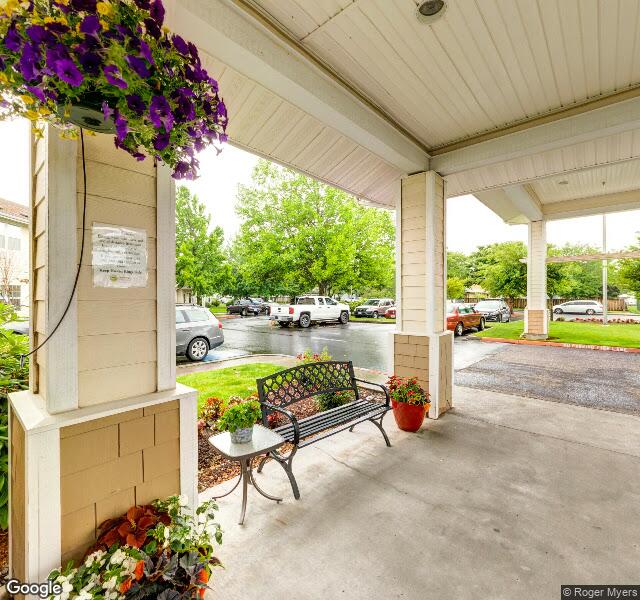
Overview and key essentials
State license
Active
OR ODHS
Google reviews
4.5/ 5
51 reviews
Size & payment
85 residents
Medicaid listed
Strong public signals
Rated 4.5/5 across 51 public Google reviews. Visit in person to confirm daily care and pricing.
Cost, payment & care details
Updated Nov 28, 2026| Monthly cost | Not published | Ask for the full monthly cost, including care fees and one-time charges. |
|---|---|---|
| Payment options | Medicaid | Participation is reported in our source data. Confirm eligibility, covered services, and any private-pay costs. Verified Medicaid waiver: Oregon Medicaid APD Long-Term Services (Oregon Dept. of Human Services (ODHS)). |
| Size & availability | 85 residents | We don't publish live openings. Ask about current availability, waitlist length, and move-in timing. |
| Care & support | Assisted living | Usually offers housing and help with everyday tasks, such as bathing and dressing. What to confirm about care levelsThis describes the licensed category. Ask how care plans adjust if mobility, nursing, or memory needs change over time. Read the family care guide → |
State licensing
State inspection history
6inspections
32deficiencies listed
Jan 22, 2025Complaint1 deficiency reported1
1 deficiency reported
View official state report (opens in a new tab)
Complaint Investig.
moderateC0260
Based on interview and record review, conducted during a site visit on 01/22/25, the facility's failure to complete quarterly service plans was substantiated for 2 of 2 sampled residents (#s 2 and 3). Findings include, but are not limited to: Department records indicated the facility had a change of ownership on 02/01/24. Resident 2 and Resident 3's 2023 Service plans were requested on 01/22/25. In an email on 01/24/25 Staff 1 (Administrator) explained she was not able to locate any service plans from 2023 for Resident 2 and Resident 3. The facility failed to complete quarterly service plans. The findings were reviewed with and acknowledged by Staff 1 on 01/24/25. Verbal plan of correction: All service plans were to be audited for last day of completion within 30 days. Service plans to be updated quarterly or with any change of condition and overseen by administrator.
Dec 2, 2024Inspection2 deficiencies reported2
2 deficiencies reported
View official state report (opens in a new tab)
Kitchen
moderateC0240
OAR 411-054-0030 (1)(a) Resident Services Meals, Food Sanitation Rule (1) The residential care or assisted living facility must provide a minimum scope of services as follows: (a) Three daily nutritious, palatable meals with snacks available seven days a week, in accordance with the recommended dietary allowances found in the United States Department of Agriculture (USDA) guidelines, including seasonal fresh fruit and fresh vegetables; (A) Modified special diets that are appropriate to residents' needs and choices. The facility must encourage residents' involvement in developing menus. (B) Menus must be prepared at least one week in advance, and must be made available to all residents. Meal substitutions must be of similar nutritional value if a resident refuses a food that is served. Residents must be informed in advance of menu changes. (C) Food must be prepared and served in accordance with OAR 333-150-0000 (Food Sanitation Rules). This Rule is not met as evidenced by:
moderateC0455
OAR 411-054-0105 (2-4) Inspections and Investigation: Insp Interval (Amended 12/15/21)(2) The facility shall not interfere with a good faith disclosure of information by an employee or volunteer concerning abuse or other action affecting a resident's safety or welfare, as described in OAR 411-054-0028(4).(3) Staff of the Department shall visit and inspect every facility at least but not limited to once every two years for a full in-person survey to determine whether the facility is maintained and operated in accordance with these rules.(a) For each year during which a facility does not have a full survey, the Department shall conduct an in-person inspection of the kitchen and other areas where food is prepared for residents.(b) Subsection (a) will not go into effect until July 1, 2022.(c) Facilities not in compliance with these rules must submit, within ten days of receipt of the inspection report, a plan of correction that satisfies the Department.(d) The Department may impose sanctions for failure to comply with these rules.(4) Department staff may consult with and advise the facility administrator concerning methods of care, records, housing, equipment, and other areas of operation. This Rule is not met as evidenced by:
Dec 3, 2023Complaint6 deficiencies reported6
6 deficiencies reported
View official state report (opens in a new tab)
Complaint Investig.
moderateC0361
Based on observation, interview and record review, conducted during a site visit on 12/03/23, it was confirmed the facility failed to fully implement an Acuity Based Staffing Tool (ABST). Findings, include, but are not limited to: The facility had an active ABST condition ALFCD22-01076 with the following imposed care staff mandates: Day: 3 Caregivers 2 Med Techs Evening: 3 Caregivers 2 Med Techs Night: 2 Caregivers 1 Med Techs The facility's posted staffing plan was observed and reviewed on 12/03/23, and noted the following care staff. Day: 3 Caregivers 2 Med Techs Evening: 3 Caregivers 2 Med Techs Night: 1 Caregiver 1 Med Tech Interviews with Staff 1 (Conceirge) Staff 2 (Life Enrichment Director) and Staff 5 (MT) on 12/03/23 confirmed the facility was staffing in accordance with their staffing mandate, and that the posted staffing plan was not accurate. The facility failed to update their posted staffing plan to be consistent with their imposed ABST condition and staffing mandate. Verbal plan of correction: The facility would posted an accurate staffing plan by 12/04/23.
moderateC0360
Based on interview and record review, conducted during a site visit on 12/03/23 and by phone on 12/08/23, it was confirmed the facility failed to provide qualified awake direct care staff sufficient in number to meet the 24-hour scheduled and unscheduled needs of each resident for 1 of 1 sampled resident (#4). Findings include, but are not limited to: During a phone interview on 12/08/23, Staff 4 (Vice President of Operations) stated the facility's expectation is that staff respond to call lights in 5-10 minutes. A review of Resident 4's call light log for 11/26/23-12/03/23 revealed one occasion when Resident 4's call light was not responded to for over 30 minutes. During a phone interview on 12/08/23, Resident 4 stated occasionally s/he waits for over 30 minutes or his/her call light to be answered. It was confirmed the facility failed to provide qualified awake direct care staff sufficient in number to meet the 24-hour scheduled and unscheduled needs of Resident 4. Verbal plan of correction: An in-service on timely response to call lights, calling for back up when unable to respond timely to be done by end of 12/15/23. Staff 4 will begin reviewing call light times in facility's daily stand up meeting.
moderateC0010
The findings of the on-site investigation, conducted 12/03/23 are documented in this report. The investigation was conducted to determine compliance with the OARs 411 Division 54 for Residential Care and Assisted Living Facilities. Abbreviations possibly used in this document: ADL: activities of daily living bid: twice a day CBG: capillary blood glucose or blood sugar cc: cubic centimeter CG: caregiver cm: centimeter F: Fahrenheit HH: Home Health HS or hs: hour of sleep LPN: Licensed Practical Nurse MA: Medication Aide MAR: Medication Administration Record MCC Memory Care Community mg: milligram ml: milliliter O2 sats: oxygen saturation in the blood OT: Occupational Therapist PT: Physical Therapist PRN: as needed qd: every day or daily qid: four times a day RN: Registered Nurse SP: service plan TAR: Treatment Administration Record tid: three times a day
moderateC0260
Based on interview and record review, conducted during a site visit on 12/03/23, it was confirmed the facility failed to update service plans quarterly and have them available to staff for 3 of 4 sampled residents (#s 1, 4 & 7). Findings include, but are not limited to: In an interview on 12/03/23, Staff 1 (Concierge) stated resident service plans are located in the chart room for staff to review. Resident 1's service plan was not available for review in the service planning binder that was available to staff. A review of Resident 4' s service plan indicated the quarterly evaluation last occurred on 10/11/22. A review of Resident 7' s service plan indicated the quarterly evaluation last occurred on 06/11/23. The facility failed to update service plans quarterly and have them available to staff. The findings of the investigation were reviewed with and acknowledged by Staff 2 (Life enrichment Director) and Staff 4 (Vice President of Operations) on 12/03/23. Verbal Plan of Correction: Staff 4 will complete an audit of all service plans and get all out of date service plans updated and create a schedule to ensure service plans stay up to date moving forward and be completed within 30 days. Based on observation and record review, conducted during a site visit on 12/03/23, it was confirmed the facility failed to ensure the implementation of services for 1 of 1 sampled residents (#3). Findings include, but are not limited to: Resident 3's service plan was reviewed and did not indicate when or how often Resident 3 was to receive housekeeping services. Resident 3's room was observed on 12/03/23. Next to his/her bed there was discoloration and dark staining on the carpet and the room had a pervasive foul odor. The findings were reviewed with and acknowledged by Staff 2 (Life Enrichment Director) and Staff 4 (Vice President of Operations) on 12/03/23. It was confirmed the facility failed to ensure the implementation of services. Verbal plan of correction: Staff 4 to review all apartments normal housekeeping schedule, audit service plans for housekeeping, and ensure they are all on schedule. A deep clean of Resident 3's carpet was completed on 12/04/23.
moderateC0280
Based on observation, interview and record review, conducted during a site visit on 12/03/23, it was confirmed the facility failed to have an Oregon licensed nurse who is regularly scheduled for onsite duties at the facility and who is available for phone consultation. Findings include, but are not limited to: On 12/03/23, multiple signs were observed in the chart room with a nurse's name and phone number listed for staff to contact. A call was place to the nurse listed, who reported s/he had not worked in the facility since August 2023. During separate interviews, Staff 1 (Congierge/Receptionist) and Staff 5 (MT) stated they were unsure who the nurse was for the facility and did not have a phone number to contact a nurse. The findings were reviewed with and acknowlegded by Staff 2 (Life Enrichment Director) and Staff 4 (Vice President of Operations) on 12/03/23. The facility failed to include an Oregon licensed nurse who is regularly scheduled for onsite duties at the facility and who is available for phone consultation. Verbal plan of correction: Facility had an RN Consultant and facility was attempting to recruit and hire a nurse. Facility ensured RN Consultant contact information was readily available to any staff who need it on 12/03/23.
moderateC0303
Based on interview and record review conducted during a site visit on 12/03/23, it was confirmed the facility failed to carry out medication orders as prescribed for 1 of 1 resident (# 7). Findings include, but are not limited to the following: A review of Resident 7's June 2023 MAR indicated Resident 7 did not receive three of four doses of his/her Klor-Con between 06/03-06/05/23. The medication exceptions report indicated the resident was out of refills and waiting on a new order. A review of facility faxes indicated Resident 7's pharmacy was faxed at 6:51 pm on 06/03/23 noted resident was out of refills and to please send as soon as possible. Physician orders dated 06/08/23 indicated Resident 7 was to take Klor-Con two tablets by mouth twice daily with food. In an interview on 12/03/23, Resident 7 stated s/he had issues with receiving his/her medications in the past, but no issues currently with medications. In an interview on 12/03/23, Staff 2 (Life Enrichment Director) stated Resident 7's daughter picked up the medication for resident. The findings of the investigation were reviewed with and acknowledged by Staff 2 and Staff 4 (Vice President of Operations) on 12/03/23. The facility failed to carry out medication orders as prescribed. Verbal plan of correction: Re-training with medications staff about when to re-order medications in a timely manner to ensure they have an adequate stock by end of the week.
Oct 3, 2023Inspection2 deficiencies reported2
2 deficiencies reported
View official state report (opens in a new tab)
State Licensure
CommentC0000
The findings of the first re-visit to the kitchen inspection of 10/03/23, conducted 12/21/23, are documented in this report. It was determined the facility was in substantial compliance with the OARs 411-054-0030 for Residential Care and Assisted Living Facilities for Resident Services - Meals and Oregon Health Service Food Sanitation Rules OARs 333-150-0000.
moderateC0240Corrected Dec 2, 2023
There are no detail notes for this visit.
Aug 18, 2022InspectionNo deficiencies reportedNone
Show all 6 inspections
Jul 18, 2022Inspection21 deficiencies reported21
21 deficiencies reported
View official state report (opens in a new tab)
Validation
immediate_jeopardyC0270Corrected Oct 19, 2022
2. Resident 2 was admitted to the facility in 03/2022 with diagnoses including diabetes. Per observation and interview with the resident on 07/20/22 at 1:06 pm, s/he had the following skin issues: * Front, right lower extremity, red area measuring approximately 5 1/4 inches long and 2 1/2 inches wide; * Back, right lower extremity, red area measuring approximately 5 1/4 inches long and 2 1/2 inches wide; and * Front, left lower extremity, red area measuring approximately 5 1/2 inches long and 3 inches wide. Resident 2 confirmed the facility RN had not looked at the areas and that the resident applied his/her own treatments. It was observed that the resident could not fully reach the area on the back, right lower extremity. A skin evaluation, dated 07/10/22 stated, "sores on [his/her] legs," and that "these will be closely monitored by [his/her] doctor and the RN." The evaluation was not signed. There was no documented evidence the facility evaluated the resident's legs or determined if interventions were needed based on the evaluation. On 07/20/22 at approximately 1:45 pm, Staff 2 (Regional RN) stated she had not looked at the areas on the resident's legs. The surveyor requested Staff 2 to evaluate the resident's legs on 07/20/22 and document what she observed. On 07/21/22 at 9:45 am, Staff 3 (Director of Operations) stated Staff 2 looked at the resident's skin issues and reported it was scarring. No additional documentation was received. On 07/21/22, the need to ensure short term changes of conditions were evaluated to determine actions or interventions needed was discussed with Staff 1 (ED), Staff 2, and Staff 3. They acknowledged the findings. 3. Resident 3 was admitted to the facility in 07/2022 with diagnoses including edema and nerve and root plexus disorders (pressure on the spinal nerve root). The resident's 07/01/22 through 07/20/22 progress notes, 07/15/22 service plan and Interim service plans (ISP's) were reviewed and revealed the following: * 07/11/22 Outside provider note transcription - "elevate legs more, plus edema in [left] leg." The facility lacked documented evidence the edema in Resident 3's left leg was evaluated by the facility with interventions determined, documented, communicated to staff on each shift, and the condition monitored with progress noted at least weekly through resolution. The need to ensure changes of condition were evaluated by the facility with interventions determined, documented and communicated to staff on all shifts and monitored with progress noted at least weekly through resolution was discussed with Staff 1 (ED) and Staff 2 (Regional RN) on 07/21/22. They acknowledged the findings. Based on observation, interview and record review, it was determined the facility failed to ensure short-term changes of condition were evaluated and monitored at least weekly to resolution, actions or interventions were determined, documented and communicated to staff, and staff instructions included resident-specific information for 3 of 5 sampled residents (#s 2, 3 and 5) who were reviewed for changes of condition. Resident 5 experienced ongoing falls with injury which posed an immediate threat to the resident's safety and well being. Findings include, but are not limited to: 1. Resident 5 was admitted to the facility in March 2022. a. Review of Resident 5's progress notes dated 04/19/22 through 07/09/22 revealed s/he experienced multiple falls: * 04/26/22 fall with injury; * 05/12/22 non-injury fall: *...
moderateC0310Corrected Oct 19, 2022
Based on interview and record review, it was determined the facility failed to ensure residents' MARs were accurate, included reasons for use, and provided clear instruction and parameters for administration of PRN medications for 3 of 4 sampled residents (#s 1, 2 and 3) whose MARs were reviewed. Findings include, but are not limited to: 1. Resident 1 was admitted to the facility in 04/2018 with diagnoses including mild dementia. The resident's 07/01/22 through 07/18/22 MAR was reviewed. The resident had two PRN medications prescribed for constipation. There was no documented evidence of direction to staff relating to when the medications should be administered or the order in which the medications should be administered. The need to ensure MARs were accurate and provided resident specific directions or parameters was discussed with Staff 1 (ED), Staff 3 (Director of Operations) and Staff 4 (RCC) on 07/21/22. They acknowledged the findings. 2. Resident 2 was admitted to the facility in 03/2022 with diagnoses including diabetes. The resident's 06/01/22 through 07/18/22 MARs were reviewed and the following inaccuracies were identified: a. The following medications lacked a reason for use: * Admelog Solostar, sliding scale; * Admelog Solostar, scheduled; * Furosemide; * Spironolactone; * Xifaxan; and * Diclofenac sodium gel. b. The following PRN medications lacked clear directions and/or resident specific parameters for unlicensed staff to follow: * Albuteral (to treat shortness of breath); * Diclofenac sodium gel (to treat pain); and * Ondeansetron (to treat nausea). The need to ensure MARs were accurate, listed reasons for use and provided resident specific directions or parameters was discussed with Staff 1 (ED), Staff 3 (Director of Operations) and Staff 4 (RCC) on 07/21/22. They acknowledged the findings. 3. Resident 3 was admitted to the facility in 07/2022 with diagnoses including edema, hyperthyroidism, hypertension and hyperlipidemia. Resident 3's 07/01/22 through 07/19/22 MARs and TARs were reviewed and the following deficiencies were identified: a. The following medications lacked reasons for use: * Bupropion XL 150 mg; * Citalopram 40 mg; * Clobetasol 0.05% ointment; * Eliqus 5 mg; * Fluticasone 50 mg mcg; * Furosemide 80 mg; * Gabapentin 300 mg; * Levothyroxine100 mcg; * Losartan 25 mg; * Oxybutynin ER 10 mg; * Potassium ER 20 mg; * Repatha syringe 420 mg; and * Roponirole 0.25 mg. b. The facility failed to follow physician's orders for the following medications and treatments which were not present on MARs and TARs: * Acetaminophen 325 mg PRN (to treat pain); * Dulcolax suppository 10 mg PRN (to treat constipation); * Fleet Enema PRN (to treat constipation); * Ferrous sulfate PRN (to treat anemia); * Compression stockings (to treat edema); and * Left hand palm care including daily cleaning and palm guard (skin guard). The requirement for MARs to be accurate and include reasons for use for each medication and treatment was discussed with Staff 1 (ED) and Staff 2 (Regional RN) on 07/21/22. They acknowledged the findings.
moderateC0372Corrected Oct 19, 2022
Based on interview and record review, it was determined the facility failed to ensure 4 of 4 sampled newly-hired direct care staff (#s 9, 10, 18 and 20) had documented demonstration of competency in all required areas within 30 days of hire. Findings include, but are not limited to: Staff training records were reviewed on 07/21/22. 1. Staff 9 (CG) hired 07/24/22, Staff 18 (CG) hired 06/23/22 and Staff 20 (MT) hired 06/27/22 failed to have documented evidence of competency demonstrated in all assigned job duties prior to working independently with residents in the following areas: * Role of service plans in providing individualized care; * Providing assistance with ADLs; * Changes associated with normal aging; * Identification, documentation and reporting of changes of condition; * Conditions that require assessment, treatment, observation and reporting; and * General food safety, serving and sanitation. 2. Staff 10 (MT) hired 05/23/22 failed to have documented evidence of competency demonstrated in all assigned job duties prior to working independently with residents in the following areas: * Changes associated with normal aging; and * Identification, documentation and reporting of changes of condition. The requirement to demonstrate competency in all assigned job duties prior to working independently with residents was reviewed with Staff 1 (Executive Director) and Staff 3 (Director of Operations) on 07/21/22 at 11:30 am. No additional information was provided.
moderateC0280Corrected Oct 19, 2022
2. Resident 1 was admitted to the facility in 04/2018 with diagnoses including anemia, depression, mild dementia and anxiety. Resident 1 weighed 66 pounds on 04/01/22. The resident's weight was recorded as 71.4 pounds on 05/03/22. This was a 5.4 pound weight increase, which constituted a severe 8.18% gain in one month. Staff 2 (Regional RN) documented in a progress note dated 07/14/22, "Weight stable for the month. Continue current plan of care." Per interview on 07/19/22 at 3:38 pm with Staff 2, she stated the resident was formally on hospice services, had been taken off as his/her health improved but did not know when the resident was taken off of hospice services. An RN assessment was requested on 07/19/22 for the severe weight gain. Staff 2 verified an assessment had not been completed. The need to ensure an RN assessed residents with a significant change of condition, whether it be a full or problem focused assessment, which included documentation of findings, resident status, and interventions made as a result of this assessment was discussed with Staff 2 on 07/20/22. Staff 1 (ED) and Staff 3 (Director of Operations) were informed of the findings on 07/21/22 which was acknowledged. Based on observation, interview and record review, it was determined the facility failed to ensure an RN assessment was completed for 3 of 3 sampled residents who experienced significant changes of condition (#s 1 and 7) related to weight fluctuations. Findings include, but are not limited to: 1. Resident 7 was admitted to the facility in January 2015. The resident's 06/01/22 through 07/19/22 progress notes, service plan and weight documentation were reviewed. The following weights were noted: *03/2022 105.8 pounds; *04/2022 99.2 pounds; *05/2022 94 pounds; *06/2022 95.4 pounds; and *07/2022 97 pounds. Between 3/2022 and 4/2022, Resident 7 lost 6.6 pounds or 6.2% of his/her body weight in one month. Between 4/2022 and 5/2022 the resident lost an additional 5.2 pounds or 5.2% of his/her body weight in a month. Resident 7's weights were trending up in 06/2022 and 07/2022. Observations of the resident between 07/18/22 and 07/21/22 showed the resident was able to feed him/herself once provided food. The resident did not seek out or ask for food items during survey observations but would accept items when staff offered. Resident 7 ate greater than 50% of meals. In interview on 07/19/22, Staff 3 (RN) verified the assessment lacked resident status and interventions. Resident 7 experienced a change of condition related to weight loss. There was no documented evidence the facility RN completed an assessment of the weight loss. The need for an RN assessment related to weight loss was discussed with Staff 1 (ED), Staff 3 (Director of Operations) and Staff 4 (RCC) on 07/21/22. They acknowledged the findings.
moderateC0260Corrected Oct 19, 2022
2. Resident 1 was admitted to the facility in 04/2018 with diagnoses including mild dementia and anxiety. The resident's service plan, dated 06/07/22 and Interim Service Plans (ISPs) were reviewed and staff were interviewed. The service plan was not followed, lacked clear direction to staff, or was not reflective of the resident's current needs in the following areas: * Notifying the RN if the resident received a PRN psychotropic five days in a row; * The resident's preferred waking time; * Direction for staff relating to morning routines; * Side rail use; * Compression stocking use; * Wrist brace use; * Assistance needed with brushing hair and face washing; * Assistance needed with repositioning in bed; * Mental health issues; * Ability to self direct PRN psychotropic medication; * What caused the resident to exhibit anxiety; * What interventions staff did to help alleviate the resident's anxiety; * Medications received via any non-oral routes; * Medications received for pain management; and * Dry skin and ability to self direct lotion as needed. The need to ensure service plans were followed, reflective of the resident's current needs, and provided clear caregiving instruction was discussed with Staff 1 (ED), Staff 3 (Director of Operations) and Staff 4 (RCC) on 07/21/22. They acknowledged the findings. 3. Resident 2 was admitted to the facility in 03/2022 with diagnoses including diabetes and encephalopathy. The resident's 07/10/22 service plan and ISPs were reviewed. Resident 2 was interviewed on 07/20/22 at 1:06 pm and observations were made during the interview. The service plan was not reflective or failed to provide clear caregiving instruction in the following areas: * Assistance needed for showering; * Current diet order; * If the resident wished to self-administer medications; * What medications the resident self-administered; * General skin condition; * Emergency evacuation processes; * Occasional use of a mobility device; and * Use of a CPAP machine. The need to ensure service plans were reflective of the resident's current needs and provided clear caregiving instruction was discussed with Staff 1 (ED), Staff 3 (Director of Operations) and Staff 4 (RCC) on 07/21/22. They acknowledged the findings. 4. Resident 6 was admitted to the facility in 06/2021. The service plan available to staff was dated 07/21/21. There was no documented evidence the resident's service plan had been updated and/or the updates communicated to staff. The need to ensure service plans were updated at least quarterly and were reflective of the resident's current needs was discussed with Staff 1 (ED), Staff 3 (Director of Operations) and Staff 4 (RCC) on 07/21/22. They acknowledged the findings. 5. Resident 3 was admitted to the facility in 07/2022 with diagnoses including nerve root and plexus disorders. The resident's 07/15/22 service plan and temporary service plans were reviewed, the resident was interviewed and observations were made. The service plan was not reflective of the resident's needs and preferences and did not give clear instruction to staff in the following areas: * Transfers including the use of a transfer pole and risks associated with it's use; * Mobility including the use of a motorized wheelchair; and * Skin including the use of a palm guard on the left hand daily. The need to ensure Resident 3's service plan was reflective of their needs and preferences and gave clear instruction to staff was discussed with Staff 1 (ED) and...
moderateC0325Corrected Oct 19, 2022
Based on interview and record review, it was determined the facility failed to ensure residents had a physician's or other legally-recognized practitioner's order of approval for self-administration of prescription medications, for 1 of 2 sampled residents (#2) who self-administered their medications. Findings include, but are not limited to: Resident 2 was admitted to the facility in 03/2022 with diagnoses including diabetes. An evaluation, dated 07/10/22, indicated Resident 2 self-administered his/her diclofenac gel (to treat pain). This was confirmed by facility staff. An interview on 07/20/22 at 1:06 pm, the resident confirmed s/he self-administered the diclofenac gel. Resident 2 lacked documented evidence of an order from a physician indicating approval for the resident to self-administer his/her prescription medications. The lack of signed orders indicating a physician's approval for Residents 2 to self-administer their medications was reviewed with Staff 1 (ED), Staff 3 (Director of Operations) and Staff 4 (RCC) on 07/21/22. No additional information was received.
moderateC0252Corrected Oct 19, 2022
2. Resident 1 was admitted to the facility in 04/2018 with diagnoses including mild dementia and anxiety. The resident's quarterly evaluation, dated 06/07/22 was reviewed and care staff were interviewed. The following inaccuracies were identified: * Independent with all tasks related to dining; * Understanding of the facility's fire safety process; * Assistance needed with wrist brace(s); * Side rail use; * Alternative measures or interventions utilized prior to the administration of a psychotropic medication; * Potential side effects of a psychotropic medication; * Size of group for activity participation; and * General skin condition. The need for quarterly evaluations to be accurate was discussed with Staff 1 (ED) and Staff 4 (RCC) on 07/21/22. They acknowledged the findings. 3. Resident 2 was admitted to the facility in 03/2022 with diagnoses including diabetes. The resident's quarterly evaluation, dated 07/10/22 was reviewed and Resident 2 was interviewed. The following inaccuracies were identified: * Self administering of an inhaler; * Understanding the facility's fire safety process; * Current and past treatments for pain; and * General skin condition. The need for quarterly evaluations to be accurate was discussed with Staff 1 (ED) and Staff 4 (RCC) on 07/21/22. They acknowledged the findings. Based on interview and record review, it was determined the facility failed to ensure move-in evaluations addressed all required elements for 1 of 1 sampled resident (#3) and failed to ensure quarterly evaluations were reflective for 2 of 2 sampled residents (#s 1 and 2) whose evaluations were reviewed. Findings include, but are not limited to: 1. Resident 3 was admitted to the facility on 07/01/22 with diagnoses including edema. The resident's move-in evaluation failed to address the following required elements: * Personality including how the person coped with change or challenging situations. The need to address all required elements of the move-in evaluation was discussed with Staff 1 (ED) and Staff 2 (Regional RN) on 07/21/22. They acknowledged the findings.
moderateC0655Corrected Oct 19, 2022
Based on observation and interview, it was determined the facility failed to provide an exit door alarm or other acceptable system to alert staff when residents exited the ALF. Findings include, but are not limited to: The first floor of the Assisted Living area of the building included the main entrance, two additional doors by which residents could exit the building into the outdoor neighborhood, and two doors which exited to an exterior courtyard. The facility was toured on 07/18/22. There was no system in place for the courtyard and main doors which alerted staff when a resident exited the ALF building. The need to have a system which alerted staff when residents exited the building was discussed with Staff 1 (ED), Staff 3 (Director of Operations) and Staff 5 (Environmental Services Director) on 07/19/22. Staff 5 installed exit door alarms to the patio courtyard doors on 07/19/22.
severeC0300Corrected Oct 19, 2022
Based on observation, interview and record review, it was determined the facility failed to ensure a safe medication and treatment administration system and failed to ensure adequate professional oversight of the systems. The facility failed to administer a monthly dose of medication to Resident 3. Findings include, but are not limited to: 1. Resident 3 was admitted to the facility in 07/2022 with diagnoses including hypothyroidism, hyperlipidemia and hypertension. Resident 3 had a physician's order for Repatha (to treat hyperlipidemia) 3.5 ml subcutaneously once a month, during the day shift, on the fourth. The facility lacked documented evidence the medication was administered to the resident on 07/04/22. Refer to C303, example 1 a. 2. During the re-licensure survey, conducted 07/18/22 through 07/21/22, professional oversight of the medication and treatment administration system was found to be ineffective, based on deficiencies in the following areas: * C 282: RN Delegation and Teaching; * C 303: Medication and Treatment Orders; * C 310: Medication Administration; * C 325: Self Administration of Medications; and * C 330: PRN Psychotropic Medications. During the exit interview on 07/21/22, Staff 1 (ED) and Staff 2 (Regional RN) were informed the medication and treatment administration system was determined to be inadequate based on the number of deficiencies related to the above medication areas. They acknowledged the findings.
immediate_jeopardyC0303Corrected May 18, 2023
There are no detail notes for this visit.
moderateC0330Corrected Oct 19, 2022
Based on interview and record review, it was determined the facility failed to ensure PRN psychotropic medications used to treat a resident's anxiety had written, resident-specific parameters and non-drug interventions for staff to attempt prior to administering the medication for 1 of 1 sampled resident (#1) who was prescribed a PRN medication to address anxiety. Findings include, but are not limited to: Resident 1 was admitted to the facility in 04/2018 with diagnoses including mild dementia and anxiety. Review of the resident's 07/01/22 through 07/18/22 MAR and current physician orders revealed an order for Lorazepam 0.5 mg (a psychotropic medication), one tablet every four hours as needed for anxiety. The facility administered the Lorazepam to the resident on 32 occasions during the above mentioned look back period. The MARs lacked resident specific parameters for staff describing how the resident expressed anxiety. Additionally, there was no documentation of what non-drug interventions were attempted prior to administration of the medication. The need to ensure there were resident-specific descriptions of how the resident expressed anxiety and that non-drug interventions were attempted and documented as not effective prior to administration of the medication was discussed with Staff 1 (ED), Staff 3 (Director of Operations) and Staff 4 (RCC) on 07/21/22. The staff acknowledged the findings.
CommentC0000
The findings of the third re-visit to the re-licensure survey of 07/21/22, conducted 07/06/23, are documented in this report. It was determined the facility was in substantial compliance with the OARs 411 Division 54 for Residential Care and Assisted Living Facilities and OARs 411 Division 004 Home and Community Based Services Regulations.
moderateC0422Corrected Oct 19, 2022
Based on interview and record review, it was determined the facility failed to provide Fire and Life Safety instruction to residents annually. Findings include, but are not limited to: Fire drill records from 02/2022 through 07/2022 were reviewed. The facility lacked documentation that residents were re-instructed, at least annually, in general safety procedures, evacuation methods, responsibilities during fire drills, and designated meeting places outside the building or within the fire safe area in the event of an actual fire. The requirements for Fire and Life Safety instruction for residents were reviewed with Staff 1 (ED), Staff 3 (Regional Director of Operations) and Staff 5 (Environmental Services Director) on 07/19/22. They acknowledged the findings.
moderateC0370Corrected Oct 19, 2022
Based on interview and record review, it was determined the facility failed to ensure pre-service orientation and dementia care training had been completed, with certification, prior to staff providing direct care to residents for 4 of 4 newly hired caregiving staff (#s 9, 10, 18 and 20). Findings include, but are not limited to: Staff training records were reviewed on 07/21/22. 1. Staff 9 (CG) was hired on 07/04/22 and Staff 10 (MT) was hired on 05/23/22. a. Staff 9 and 10's training records lacked documented evidence of completing orientation training, prior to beginning job responsibilities, in the following area: * Infectious Disease Prevention. b. Staff 9 and 10 training records lacked documented evidence of pre-service dementia training with certification in the following areas: * Dementia disease process including progression of the disease, memory loss and psychiatric and behavioral symptoms; * Techniques for understanding, communication and responses to distressful behavioral symptoms; * Strategies for addressing social needs and engaging persons with dementia in meaningful activities; and * Specific aspects of dementia care and ensuring safety of residents with dementia including addressing pain, providing food/fluids, preventing wandering, and the use of person-centered approach. 2. Staff 18 (CG) was hired on 06/23/22 and Staff 20 (MT) was hired on 06/27/22. a. Staff 18 and 20 training records lacked documented evidence of completing orientation training, prior to beginning job responsibilities, in the following area: * Infectious Disease Prevention; * Fire safety and emergency procedures; and * A written job description. b. Staff 18 and 20 training records lacked documented evidence of pre-service dementia training with certification in the following areas: * Dementia disease process including progression of the disease, memory loss and psychiatric and behavioral symptoms; * Techniques for understanding, communication and responses to distressful behavioral symptoms; * Strategies for addressing social needs and engaging persons with dementia in meaningful activities; and * Specific aspects of dementia care and ensuring safety of residents with dementia including addressing pain, providing food/fluids, preventing wandering, and the use of person-centered approach. The training program and requirements were discussed with Staff 1 (Executive Director) and Staff 4 (RCC) on 07/21/22. No additional information was provided. Staff 9, 10, 18 and 20's training records were discussed with Staff 1 (Executive Director) and Staff 3 (Director of Operations) on 07/21/22. Staff acknowledged the findings.
moderateC0420Corrected Oct 19, 2022
Based on interview and record review, it was determined the facility failed to ensure all required elements were documented for fire drills in accordance with Oregon Fire Code (OFC) and fire and life safety instruction was provided to staff on alternate months. Findings include, but are not limited to: Review of fire drill and fire and life safety records from February 2022 through July 2022 identified the following: * The facility failed to provide fire and life safety instruction to staff on alternate months; * Escape route used; and * Problems encountered, comments relating to residents who resisted or failed to participate in the drill were not documented. The need to ensure the facility documented all required elements for fire drills and provide fire and life safety instruction to staff on alternate months was reviewed with Staff 1 (ED), Staff 3 (Director of Operations) and Staff 5 (Environmental Services Director) on 07/19/22. They acknowledged the findings.
moderateC0640Corrected Mar 4, 2023
There are no detail notes for this visit.
moderateC0455Corrected May 18, 2023
There are no detail notes for this visit.
moderateC0282Corrected Oct 19, 2022
Based on interview and record review, it was determined the facility failed to ensure delegation and supervision of special tasks of nursing care was completed in accordance with Oregon State Board of Nursing (OSBN) Division 47 rules, for 1 of 1 sampled resident (#2) who received insulin injections by unlicensed facility staff. Findings include, but are not limited to: During the acuity interview on 07/18/22, Resident 2 was identified as receiving insulin injections by non-licensed staff. Resident 2's 06/01/22 through 07/18/22 MARs were reviewed and showed insulin had been given by Staff 12, 14 and 15 (MTs) on multiple occasions. Review of delegation documentation revealed the following: a. The nursing assessment and condition of the resident lacked documented evidence of how the resident's condition was stable and predictable and a rationale that the task could be safely delegated to non-licensed staff. b. Initial delegations for Staff 12, completed 05/16/22, Staff 14, completed 05/23/22, and Staff 15, completed 05/12/22, lacked documentation in one or more of the following areas: * The skills and ability of the unlicensed person; * Written instructions which included risks, side effects, response and risk factors; * The taught task was resident specific; * How frequently the resident should be reassessed by the RN, including rationale for the frequency based on the resident's needs; and * The rationale for the frequency the unlicensed person should be supervised and re-evaluated based on the competency of the MTs. There was no documentation that Staff 2 (RN) re-evaluated Staff 14 within 60 days of the initial delegation. Although there was documentation Staff 15 was re-evaluated on 07/13/22, there was no documented evidence of her initials on the MAR verifying she was the one who administered Resident 2's sliding scale or routine insulin on that day. The need to ensure staff who administered insulin injections were delegated in accordance with OSBN Division 47 Rules was discussed with Staff 1 (ED), Staff 2 and Staff 3 (Director of Operations) on 07/21/22. They acknowledged the findings.
moderateC0374Corrected Oct 19, 2022
Based on interview and record review, it was determined the facility failed to ensure 2 of 2 long-term staff (#s 15 and 17) completed the required minimum 12 hours of in-service training annually. Findings include, but are not limited to: 1. Staff 15 (CG/MT) was hired 11/2016. Annual training records were reviewed for the year 11/2020 through 11/2021. There was no documented evidence Staff 15 completed 12 hours of annual in-service training. 2. Staff 17 (MT) was hired 06/2018. Annual training records were reviewed for the year 06/2020 through 06/2021. There was no documented evidence Staff 17 completed 12 hours of annual in-service training. The need to ensure 12 hours of annual in-service training was completed for long term staff was reviewed with Staff 1 (Executive Director) and Staff 3 (Director of Operations) on 07/21/22. No additional information was provided.
moderateC0290Corrected Oct 19, 2022
Based on interview and record review, it was determined the facility failed to implement recommendations from the outside provider in order to ensure the continuity of care for 1 of 1 sampled resident, (# 3) who received services from an outside provider. Findings include, but are not limited to: Resident 3 was admitted to the facility in 07/2022 with diagnoses including edema. Resident 3's clinical records identified the resident received HH services for pain management and edema. A review of resident's clinical record indicated communication from the outside provider had been transcribed into the residents record. HH left documentation identifying edema in the left leg and instructions to elevate Residents 3's legs. There was no evidence the facility followed the instructions or evaluated the edema. On 07/20/22 at 10:44 am, Staff 2 (Regional RN) confirmed she was unaware the resident had edema and staff had not received instructions to elevate Resident 3's legs. The facility lacked an effective system to ensure implementation of any clinical information or recommendations left by the outside provider necessary for facility staff to provide supplemental care. On 07/21/22, the need to ensure on-going coordination of care for residents receiving on and off-site health services was discussed with Staff 1 (ED) and Staff 2. They acknowledged the findings.
immediate_jeopardyC0150Corrected Oct 19, 2022
Based on observation, interview and record review, it was determined the facility failed to provide effective administrative oversight to ensure quality of care and services rendered in the facility. Findings include, but are not limited to: During the re-licensure survey, conducted 07/18/22 through 07/21/22, administrative oversight to ensure adequate resident care and services rendered in the facility was found to be ineffective based on the severity and number of citations. 1. Situations were identified which constituted an immediate plan of correction to residents' health and safety in the following areas: OAR 411-054-0040: Change of Condition and Monitoring; and OAR 411-054-0055: Systems: Medication Administration and Systems: Treatment Orders. The facility put immediate plans of correction in place during the survey and the situations were abated. 2. Refer to deficiencies in the report.
Neighborhood & resident support
Emergency access, hazards & advocacy
Nearest hospital
Providence Hood River Memorial Hospital
0.7 mi · Hood River, OR · Medicare 4/5 ★
Emergency roomTrauma Level Iii
FEMA hazard risk
Very LowHood River County, OR
- Wildfire
- Landslide
- Ice Storm
Free resident advocacy
Oregon Office of the Long-Term Care Ombudsman
More neighborhood context (specialists, VA, dialysis, air & affordability)
VA & dialysis access
Portland VA Medical Center
58.1 mi · Portland, OR · VA 5/5 ★
Ray Yasui Dialysis Center
7.1 mi · 3/5 ★
Specialists within 15 mi
- Geriatricians
- 0
- Neurologists
- 0
- Palliative care
- 0
- PM&R rehab
- 1
Environment & mobility
- EPA Walkability
- 9.9/20 (Below Average)
- USDA Grocery Access
- High Grocery Access
- Primary care access
- HRSA Shortage Area
County demographics
- Age 65+ median income
- $57,750/yr
- Rent-burdened households
- 47%
- Cognitive disability (2023)
- 15.0%
- Mobility disability
- 11.1%
Call & tour checklist
Questions to ask Hawks Ridge Senior Assisted Living Community
Check off questions as you call or tour. Your progress stays private in this browser.
Show 3 more suggested questions
Verification & public records
Official records & sources
Licensing & contact
- License #
- 70A269
- Status
- active
- Phone
- (541) 387-4087
- Federal OIG LEIE
- Clear (2026-11-27)
Original public sources
Verify licensing, ratings, and inspection reports directly with each official source.
- OR ODHS official record (opens in a new tab)OR Dept. of Human Services
- Google Maps (opens in a new tab)Directions, photos & neighborhood
- Google Reviews (opens in a new tab)51 public reviews
EveryPlace is an independent research directory. Information is compiled from public Medicare.gov, state licensing, Google Places, and street-level imagery sources. Some summaries, suggested questions, and pricing notes are AI-generated or AI-assisted and may contain errors or omissions. We do not accept payment for placement. Confirm all details directly with the community and official sources. Research Policy.
Keep exploring
Nearby communities to compare
- Cap. 62HUD Senior Housing< 1 miArends Place IIHood River, OR
- Cap. 51HUD Senior Housing< 1 miArends Place IHood River, OR
- 4.9(7)Cap. 15MedicaidMemory Care< 1 miPacific Living Centers of Hood RiverHood River, OR
- 3.0(4)Cap. 24Memory Care< 1 miProvidence Brookside Memory CareHood River, OR
- 3.0(4)Cap. 20Assisted Living< 1 miProvidence Brookside ManorHood River, OR
- Cap. 27HUD Senior Housing< 1 miProvidence Dethman HouseHood River, OR