Loading EveryPlace content…
Nursing HomeActive license
Haven of Yuma
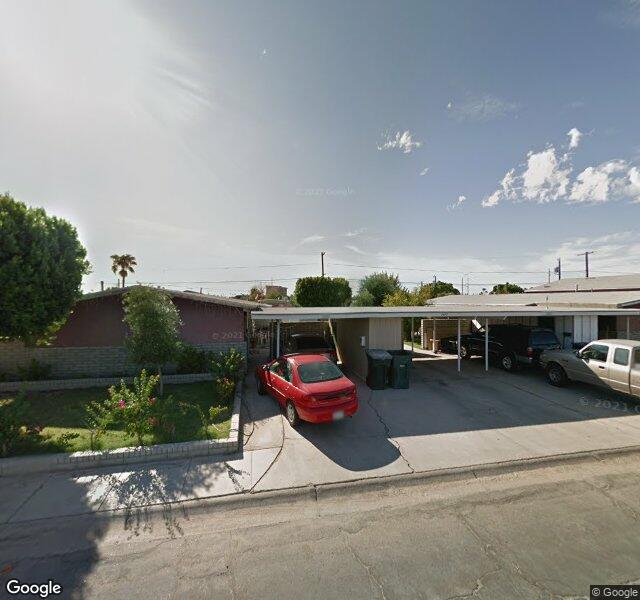
2470 South Arizona Avenue, La Mesa Linda, Yuma, AZ 85364View map (opens in a new tab)
Overview and key essentials
Medicare overall
5/ 5 stars
Inspections 5/5Staffing 2/5
Size & payment
120 beds
Medicaid & Medicare listed
Medicare findings to follow up on
Inspection records →1 reported item to discuss
- Low staffing rating (2/5 stars)
Strong public signals
Rated 5/5 overall by Medicare. Reports ~33 RN min/resident daily. Check individual staffing and inspection scores before touring.
Families praise: Exceptional physical and occupational therapy
Worth asking: Inconsistent food quality and temperature (mentioned by 5 reviewers)
Cost, payment & care details
Updated Nov 28, 2026| Health inspections | 5 / 5 | Medicare component rating |
|---|---|---|
| Quality measures | 4 / 5 | Medicare component rating |
| Staffing rating | 2 / 5 | Low staffing rating. |
| Monthly cost | Not published | Ask for the full monthly cost, including care fees and one-time charges. |
| Payment options | MedicaidMedicare | Participation is reported in our source data. Confirm eligibility, covered services, and any private-pay costs. Medicare participation generally covers short-term rehabilitation, not long-term custodial stays. |
| Size & availability | 120 beds | We don't publish live openings. Ask about current availability, waitlist length, and move-in timing. Resident councilAutomatic sprinklers |
| Care & support | Nursing home | Provides nursing care and help with daily activities. Some offer short-term rehabilitation. What to confirm about care levelsThis describes the licensed category. Ask how care plans adjust if mobility, nursing, or memory needs change over time. Read the family care guide → |
Safety screening & compliance
Fire safety, federal screening & immunization
HHS OIG LEIE: Clear (2026-11-27)OIG database ↗ (opens in a new tab)
Fire safety inspections (K-tags)
Last survey 2025-07-233-year citations
1
15 total
Severe harm (G–L)
0
None cited
Sprinkler & alarm
6
Suppression tags
Exits & drills
4
Egress tags
Top areas:Smoke Deficiencies (6)Egress Deficiencies (3)Services Deficiencies (3)
AZ nursing home vaccination benchmarks (CDC NHSN)
Statewide benchmark (week ending 2026-03-29). Confirm this home's own rate on your tour.
Flu
38%
US 59%
COVID-19
22%
US 36%
RSV
13%
US 24%
Public Google reviews
What families say
Families looking for rehabilitation will find highly effective physical and occupational therapy, with many residents reporting significant improvements in mobility and strength. While the nursing and therapy staff are widely praised for being compassionate and professional, some reviewers have noted inconsistent food quality and occasional delays in responding to call lights.
What families praise
- Exceptional physical and occupational therapy
- Compassionate and professional nursing staff
- Clean and well-maintained environment
- Welcoming and attentive admission staff
Concerns to ask about
- Inconsistent food quality and temperature (mentioned by 5 reviewers)
- Slow response times to call lights (mentioned by 4 reviewers)
- Lack of communication regarding social services and discharge planning (mentioned by 2 reviewers)
- Staffing shortages or heavy workloads (mentioned by 2 reviewers)
Topics families mention
0–10 review sentiment · tap to readStaff warmth & care9.0
The vast majority of reviewers describe the therapy and nursing teams as incredibly kind, professional, and dedicated.
Communication5.0
While many find staff helpful, some families reported significant difficulties getting updates on discharge plans.
Cleanliness9.0
Multiple reviewers explicitly mention that the facility is clean and well-maintained.
Food & dining5.0
Reviews are split between praise for delicious meals and complaints about cold food or lack of variety.
Daily activities8.0
Reviewers noted enjoyable activities and church services that help keep spirits high.
Medication support8.0
Most patients report medications are administered on time, though a few noted occasional delays.
Cost & value3.0
One reviewer specifically criticized the facility as being overpriced.
Star breakdown
214 analyzed5 stars198 (93%)
4 stars2 (1%)
3 stars1 (0%)
2 stars2 (1%)
1 star11 (5%)
Federal rating trajectory
Recent rating, staffing & turnover trends
Month-by-month Medicare Care Compare trajectory across 7 federal releases (Mar '26 – Oct '26), showing whether star ratings, staffing hours, and turnover are improving or declining.
Overall star rating
5★+3★
Was 2★ in Mar '26
Staffing star rating
2★-1★
Was 3★ in Mar '26
Total nurse hrs / day
3.53hSteady
Was 3.58h in Mar '26
Total staff turnover
39.8%+4.3%
Was 35.5% in Mar '26
View 7-month federal snapshot history (Mar '26 – Oct '26)
| Release | Overall | Health | Staffing | Nurse hrs/day | RN hrs/day | Turnover | Penalties |
|---|---|---|---|---|---|---|---|
| Oct '26 | 5★ | 5★ | 2★ | 3.53h | 0.55h | 39.8% | 0 |
| Aug '26 | 3★ | 2★ | 3★ | 3.47h | 0.61h | 39.6% | 0 |
| Jul '26 | 3★ | 2★ | 3★ | 3.47h | 0.61h | 39.6% | 0 |
| Jun '26 | 3★ | 2★ | 3★ | 3.50h | 0.64h | 35.8% | 1 |
| May '26 | 3★ | 2★ | 3★ | 3.50h | 0.64h | 35.8% | 1 |
| Apr '26 | 2★ | 1★ | 3★ | 3.50h | 0.64h | 35.8% | 1 |
| Mar '26 | 2★ | 1★ | 3★ | 3.58h | 0.57h | 35.5% | 1 |
Nursing coverage
Staffing & nurse time
Medicare reports daily staffing as average hours per resident across all shifts. Ask how coverage changes overnight and on weekends.
Registered nurses (RN)
~33 min / resident / day
0.55 hrs / day
Reference target: 0.75 hrs (~45 min)
All nursing staff (RNs, LPNs & aides)
~3 hrs 32 min / resident / day
3.53 hrs / day
Reference target: 4.10 hrs (~4 hrs 6 min)
Annual staff turnover
Share of nursing staff who left during the reporting year.
40%Moderate
Registered nurse (RN) turnover
Share of registered nurses who left during the reporting year.
40%Moderate
Daily payroll stability (CMS PBJ)
2026Q2 · 91 reported daysWeekend staffing change
−20.5%
3.75 wkday → 2.98 wkend hrs
Agency / contract nurses
0.0%
Share of total nursing hours
Days with zero RN hours
0 / 91 days
RN logged every reported day
About staffing reference targets
EveryPlace uses comparison reference points of 0.75 registered-nurse hours and 4.1 total nursing hours per resident per day. These are research comparison guides, not current federal minimum requirements.
Medicare claims & readmissions
Hospital readmissions & resident profile
Medicare readmissions (FY 2026)
Penalty (-1.88%)30-day readmission
25.7%
Infection rate
8.6%
VBP score
13.2/100
National rank
#12,256
Resident clinical mix (2024)
151 patientsDementia share
38%
Medicaid dual
36%
Avg Medicare pay
$13,991
Avg age / acuity
Age 77
Chronic conditions treated (6)
- Alzheimer's / dementia: 38%
- Stroke / TIA: 35%
- Heart failure: 54%
- Diabetes: 62%
- Chronic kidney disease: 54%
- Parkinson's: 9%
Financial & ownership transparency
Ownership, chain record & Medicare cost report
Ownership & corporate structure
Haven Health scorecard →for profitNo PE / REIT disclosed20 facilities in chain
Medicare cost report (FY2024)
Revenue: $16.7MCost / day
$56
Net margin
+100.0%
Resident day payer mixShare of total inpatient days
Medicaid 51%Medicare 13%Private & other 36%
Chain track record: Haven Health (20 facilities)
Chain avg CMS
2.9 / 5 ★
Chain turnover
44%
Chain flags
45.0% abuse
0 SFF
Chain fines
$112k
Clinical outcomes
Care quality measures
17 Medicare outcomes compared with national, state, and local averages · Medicare quality rating 4/5
| Measure | Here | US | AZ | Yuma | Compared with averages |
|---|---|---|---|---|---|
| Residents needing more daily help over timeLower is better | Here 1.6% | US 13.5% | AZ 10.6% | Yuma 18.2% | Better than avg |
| Residents whose walking got worseLower is better | Here 3.2% | US 12.7% | AZ 11.7% | Yuma 16.4% | Better than avg |
| Residents with depression symptomsLower is betterVaries widely based on how each facility screens and codes depressive symptoms. | Here 1.2% | US 13.5% | AZ 3.7% | Yuma 2.6% | Better than avg |
| Measure | Here | US | AZ | Yuma | Compared with averages |
|---|---|---|---|---|---|
| Short-stay residents vaccinated for the fluHigher is better | Here 94.3% | US 80.1% | AZ 87.9% | Yuma 83.1% | Better than avg |
| Short-stay residents vaccinated for pneumoniaHigher is better | Here 95.6% | US 82.3% | AZ 92.6% | Yuma 81.8% | Better than avg |
| Short-stay residents newly given antipsychoticsLower is better | Here 0.1% | US 1.5% | AZ 1.1% | Yuma 4.4% | Better than avg |
Show all 17 measures
| Measure | Here | US | AZ | Yuma | Compared with averages |
|---|---|---|---|---|---|
| Residents vaccinated for pneumoniaHigher is better | Here 100.0% | US 93.7% | AZ 96.8% | Yuma 88.5% | Better than avg |
| Residents on antipsychotic medicationLower is better | Here 5.6% | US 15.4% | AZ 10.6% | Yuma 14.4% | Better than avg |
| Residents on anti-anxiety or sleep medicationLower is better | Here 19.4% | US 19.5% | AZ 21.4% | Yuma 14.2% | Mixed vs avg |
| Residents whose bladder or bowel control got worseLower is better | Here 16.5% | US 18.3% | AZ 20.3% | Yuma 20.4% | Better than avg |
| Residents with pressure sores (bedsores)Lower is better | Here 1.2% | US 4.5% | AZ 4.3% | Yuma 3.5% | Better than avg |
| Residents vaccinated for the fluHigher is better | Here 94.7% | US 95.3% | AZ 94.7% | Yuma 91.7% | Mixed vs avg |
| Residents who lost too much weightLower is better | Here 7.8% | US 5.1% | AZ 5.4% | Yuma 6.4% | Worse than avg |
| Residents who got a urinary tract infectionLower is better | Here 0.4% | US 1.5% | AZ 1.2% | Yuma 0.4% | Better than avg |
| Residents who fell and were seriously hurtLower is better | Here 2.2% | US 3.2% | AZ 2.3% | Yuma 2.1% | Mixed vs avg |
| Residents with a long-term catheterLower is better | Here 0.0% | US 0.7% | AZ 0.7% | Yuma 0.7% | Better than avg |
| Residents who were physically restrainedLower is better | Here 0.0% | US 0.1% | AZ 0.3% | Yuma 0.0% | Better than avg |
Federal oversight
Medicare inspection history
17findings (3-yr lookback)
Haven of Yuma has 31 deficiencies across four surveys with one family complaint about treatment quality. The facility shows recurring issues with fire safety systems, electrical equipment, and treatment care that persist across multiple years. While all deficiencies have correction dates, the pattern of repeated problems in building safety and care delivery suggests ongoing operational challenges that families should carefully consider. Immediate jeopardy means inspectors found residents' health or safety at immediate risk.
Jul 23, 2025Routine4 findings
0221Potential for harm, patternCorrected Aug 8, 2025
Egress Deficiencies
Provide rooms that can be unlocked from inside without a key.
0697Potential for harm, isolatedCorrected Sep 3, 2025
Quality of Life and Care Deficiencies
Provide safe, appropriate pain management for a resident who requires such services.
0761Potential for harm, isolatedCorrected Sep 3, 2025
Pharmacy Service Deficiencies
Ensure drugs and biologicals used in the facility are labeled in accordance with currently accepted professional principles; and all drugs and biologicals must be stored in locked compartments, separately locked, compartments for controlled drugs.
0812Potential for harm, isolatedCorrected Sep 2, 2025
Nutrition and Dietary Deficiencies
Procure food from sources approved or considered satisfactory and store, prepare, distribute and serve food in accordance with professional standards.
Jun 23, 2023Routine9 findings
0689Immediate jeopardy, patternCorrected Aug 4, 2023
Quality of Life and Care Deficiencies
Ensure that a nursing home area is free from accident hazards and provides adequate supervision to prevent accidents.
0727Potential for harm, patternCorrected Jul 18, 2023
Nursing and Physician Services Deficiencies
Have a registered nurse on duty 8 hours a day; and select a registered nurse to be the director of nurses on a full time basis.
0321Potential for harm, patternCorrected Aug 9, 2023
Smoke Deficiencies
Ensure that special areas are constructed so that walls can resist fire for one hour or have an approved fire extinguishing system.
0363Potential for harm, patternCorrected Aug 9, 2023
Smoke Deficiencies
Install corridor and hallway doors that block smoke.
0645Potential for harm, isolatedCorrected Jul 14, 2023
Resident Assessment and Care Planning Deficiencies
PASARR screening for Mental disorders or Intellectual Disabilities
0812Potential for harm, isolatedCorrected Jun 23, 2023
Nutrition and Dietary Deficiencies
Procure food from sources approved or considered satisfactory and store, prepare, distribute and serve food in accordance with professional standards.
0222Potential for harm, isolatedCorrected Aug 9, 2023
Egress Deficiencies
Add doors in an exit area that do not require the use of a key from the exit side unless in case of special locking arrangements.
0324Potential for harm, isolatedCorrected Aug 9, 2023
Smoke Deficiencies
Provide properly protected cooking facilities.
0511Potential for harm, isolatedCorrected Aug 9, 2023
Services Deficiencies
Have properly installed electrical wiring and gas equipment.
Apr 21, 2022Routine4 findings
0342Potential for harm, isolatedCorrected May 23, 2022
Smoke Deficiencies
Have a complete alarm system manually initiated and initiated by fire sprinkler system connection.
0353Potential for harm, isolatedCorrected May 23, 2022
Smoke Deficiencies
Inspect, test, and maintain automatic sprinkler systems.
0511Potential for harm, isolatedCorrected May 23, 2022
Services Deficiencies
Have properly installed electrical wiring and gas equipment.
0712Potential for harm, isolatedCorrected May 23, 2022
Miscellaneous Deficiencies
Have simulated fire drills held at unexpected times.
State licensing
State inspection history
12inspections
20deficiencies listed
Jan 2, 2026ComplaintNo deficiencies reportedNone
No deficiencies reported
View official state report (opens in a new tab)
An onsite complaint survey was conducted on January 2, 2026 for the investigation of intakes #2706072, #2706100, and #2705148. No deficiencies were cited.
Oct 21, 2025ComplaintNo deficiencies reportedNone
No deficiencies reported
View official state report (opens in a new tab)
The onsite complaint survey was conducted on October 21, 2025 through October 22, 2025, and investigated complaints # 2245696, 2245650, 2245657, 2245747, 2245742, 2245741, 2245730, 2245647, 2245714, 2245702 and 2245649The following deficiencies were cited: OR There were no deficiencies noted.
Sep 16, 2025ComplaintNo deficiencies reportedNone
No deficiencies reported
View official state report (opens in a new tab)
The complaint investigation was conducted 9/16/25 through 9/17/25 with investigation of intake: 00144535. There were no deficiencies cited.
Jul 28, 2025Other2 deficiencies reported2
2 deficiencies reported
View official state report (opens in a new tab)
NFPA 101 FederalCorrected Aug 8, 2025
Violation cited
NFPA 101 FederalCorrected Aug 27, 2025
Violation cited
Jul 20, 2025Complaint5 deficiencies reported5
5 deficiencies reported
View official state report (opens in a new tab)
The state compliance survey was conducted on July 20, 2025, through July 23, 2025, in conjuction with the investigation of complaints # 0013386, AZ00211298(2245654), AZ00208057(2245795), AZ00206285(2245792), AZ00200193(2245791), AZ00200187(2245789), AZ00199753(2245788), AZ00197646(2245786), AZ00197157(2245784), AZ00194952(2245781), AZ00193153(2245777), AZ00192553(2245777), AZ00192553(2245775), AZ00189799(2245773), AZ00188341(2245772), AZ00187534(2245770), AZ00187538(2245768), AZ00186943(2245766), AZ00184487(2245764), AZ00182358(2245759), AZ00179347(2245753), AZ00175870(2245744), AZ00173813(2245740), AZ00173811(2245738), AZ00173368(2245734), 00137160. The recertification survey was conducted on July 20, 2025, through July 23, 2025, in conjunction with the investigation of complaints #AZ00224865, AZ00211296(2245654), AZ00208056(2245794), AZ00206284(2245793), AZ00200190(2245790), AZ00200187(2245789), AZ00199752(2245787), AZ00197645(2245785), AZ00197157(2245784), AZ00196419(2245782), AZ00194950(2245780), AZ00193151(2245776), AZ00192552(2245774), AZ00189799(2245773), AZ00188339(2245771), AZ00187533(2245769), AZ00187437(2245767), AZ00186943(2245766), AZ00184485(2245752), AZ00175867(2245743), AZ00173812(2245739), AZ00173810(2245737), AZ00173367(2245733), 2568261. The following deficiencies were cited: Ñ•
60(i) Food safety requirements. The facility must - §483.60(i)(1) - Procure food from sources approved or considered satisfactory by federal, state or local authorities. (i) This may include food iteFood Procurement,Store/Prepare/Serve-Sanitary - 0812 FederalCorrected Sep 2, 2025
Violation cited
45(g) Labeling of Drugs and Biologicals Drugs and biologicals used in the facility must be labeled in accordance with currently accepted professional principles, and include the appropriate accessory Label/Store Drugs and Biologicals - 0761 FederalCorrected Sep 3, 2025
Violation cited
An administrator shall ensure that a resident's medical record contains: R9-10-411.C.22. Documentation of a medication administered to the resident that includes: R9-10-411.C.22.e. For a psychR9-10-411.C.22.e.i.Corrected Sep 3, 2025
Violation cited
25(k) Pain Management. The facility must ensure that pain management is provided to residents who require such services, consistent with professional standards of practice, the comprehensive person-Pain Management - 0697 FederalCorrected Sep 3, 2025
Violation cited
An administrator shall ensure that: R9-10-403.C.2. Policies and procedures for physical health services and behavioral health services are established, documented, and implemented to protect the heaR9-10-403.C.2.d.Corrected Sep 3, 2025
Violation cited
Show all 12 inspections
Jul 3, 2025ComplaintNo deficiencies reportedNone
No deficiencies reported
View official state report (opens in a new tab)
The complaint survey was conducted on July 3, 2025, of the following complaint #'s AZ00225968, AZ00225057, SF00135266 There were no deficiencies cited.
Mar 10, 2025ComplaintNo deficiencies reportedNone
No deficiencies reported
View official state report (opens in a new tab)
The complaint survey was conducted on March 10, 2025 through March 11. 2025 of the following complaint #'s 0011699, AZ00211758, AZ00165348, AZ00170211, AZ00170955, AZ00171588, AZ00172696, AZ00165277. There were no deficiencies cited.
Dec 11, 2024ComplaintNo deficiencies reportedNone
No deficiencies reported
View official state report (opens in a new tab)
An onsite complaint survey was conducted on December 11, 2024 for the investigation of intake # AZ00219872. There were no deficiencies cited.
Aug 15, 2024ComplaintNo deficiencies reportedNone
No deficiencies reported
View official state report (opens in a new tab)
An onsite complaint survey was conducted on August 15, 2024 for the investigation of intake # AZ00214088, AZ00212213, AZ00212185. There were no deficiencies cited.
Jun 19, 2023Complaint6 deficiencies reported6
6 deficiencies reported
View official state report (opens in a new tab)
The State compliance survey was conducted on June 19 through 23, 2023 in conjunction with the investigation of intake #AZ00179648. The following deficiencies were cited.
20(k) Preadmission Screening for individuals with a mental disorder and individuals with intellectual disability.483.20(k)(1)-(3)Corrected Jul 14, 2023
Based on clinical record review, staff interviews and procedure, the facility failed to ensure that the pre-admission screening and resident review (PASRR) was completed for one resident (#34). The deficient practice could lead to residents not receiving needed care and services. Findings include: Resident #34 was admitted on October 28, 2020 with diagnoses of unspecified psychosis not due to a substance or known physiological condition, anxiety disorder, major depressive disorder-recurrent and schizoaffective disorder-bipolar type. The level I PASRR (preadmission screening and resident review) screening dated October 28, 2020 included the resident had a terminal illness with a life expectancy of less than months and no current risk to self or others and behaviors/symptoms were stable. According to the documentation, a PASRR level II evaluation was not required at that time; however, it also included that the NF (nursing facility) must update the Level I if the individual's medical state improves to the extent s/he could potentially benefit from a program of services to address his/her MI (mental illness) and /or ID (intellectual disability). Review of the active physician orders revealed the resident was prescribed with Depakote (antimanic) for unspecified psychosis, Sertraline (antidepressant) for major depressive disorder and Keppra (anticonvulsant) for epilepsy as well as ordered symptom and behavior tracking. The care plan with revision date of August 8, 2022 included the resident used anti-psychotic medication related to psychosis and schizoaffective disorder. A physician note dated January 9, 2023 included diagnoses of schizoaffective disorder, bipolar type, anxiety disorder and major depressive disorder. A significant change MDS (Minimum Data Set) assessment dated January 24, 2023 revealed that hospice service was not coded. The IDT (interdisciplinary team) care plan conference dated February 8, 2023 revealed resident was discharged from hospice. A physician progress note dated June 10, 2023 revealed the resident was previously on hospice service and was no longer on hospice as of January 12, 2023. The dietary progress note dated June 18, 2023 included resident was no longer on hospice. Despite documentation that resident was discharged from hospice and not meeting the exclusion criteria of PASRR, there is no evidence of that new PASRR was completed for resident #34. An interview with the resident relations manager (staff #6) and the resident relations assistant (staff #7) was conducted on June 22, 2023 at 9:05 a.m. Staff #6 stated that she and her team were responsible for completing the PASRR once the resident was admitted at the facility. She stated that all residents have to have a level I PASRR, either before they arrive or have one completed on the day of admission. Staff #6 said that if a resident will stay beyond 30-days, a level II assessment PASRR would be completed. Staff #6 stated that the criteria that do not require a level
An administrator shall ensure that:R9-10-425.A.1.b.Corrected Aug 4, 2023
Based on observations, clinical record reviews, resident and staff interviews, and facility documentation, policy and procedures, the facility failed to ensure water temperatures were within the safe water temperature range. Findings include: On June 19, 2023 at 7:04 p.m., the Condition of IJ was identified. The Administrator (staff #143) and the Director of Nursing (DON/staff #70) were informed of the facility's failure to water temperatures were within the safe water temperature range. During the initial screening, hot- and cold-water sink/faucet had temperature exceeding 120 degrees Fahrenheit (F) were found in multiple resident rooms at different hall. Water temperature readings were conducted with the maintenance manager (staff #112) who tested the water temperature in multiple resident rooms using facility thermometer and stated that the water temperature readings exceeded 120 degrees F. Further, staff #112 tested the water temperature from the cold-water faucet which revealed a temperature reading of 130 degrees F; and that, after 3-5 minutes of running the water the water temperature for the cold-water faucet began to drop. The Administrator (staff #143) presented a POC (plan of correction) on June 19, 2023 at 8:26 p.m. The administrator was informed that the POC was not acceptable and failed to include the following: the in-service regarding high water temperature and for which staff will be in-serviced; projected completion date for the in-service; how to prevent the incident from reoccurring, since high water temperatures were prevalent starting in the afternoon; staff responsible for maintaining documentation of water temperature logs; actions/measures to take address high water temperature readings from the cold faucets; alternative sinks for residents to use if sinks are inoperable; explanation for selected sample size; and, the tool used to measure water temperatures. A revised POC was received June 19, 2023 at 9:49 p.m. The Administrator (staff #143) was informed that the POC failed to include a completion date for the in-service training for all staff. At 10:22 p.m., another POC was received and was accepted at 10:33 p.m. The accepted POC included the following: the north and south water heater were turned down to 100 degrees F; residents and staff were informed of scalding risk and were asked not to use sink in room; staff in the building were in-serviced on scalding risk prevention; water in residents' rooms sink were drained to reach desirable temperatures; caution signs were posted at every resident sink warning them of scalding risks; daily water temperature taken each shift for 5 days in 8 randomly selected rooms (two per hall); consultation with outside contractor to diagnose the cause the hot water temperature from the cold water sink; and, the maintenance director or designee was responsible for ensuring water temperatures are taken according POC. Multiple observations were conducted of the facility implementing their PO
35(b) Registered nurse483.35(b)(1)-(3)Corrected Jul 18, 2023
Based on staff interview, facility documentation, policy and procedure, the facility failed to ensure there was a registered nurse (RN) was on duty 8 consecutive hours or 7 days a week. The deficient practice could result in residents not provided with the needed advanced care activities. Findings include: The facility census on June 19, 2023 was 88. Review of the staff posting from May 1 through June 20, 2023 revealed that the section on the number of RN was blank for May 25, 30, 31, June 3, 7, 8, 10 and 14. The staff Sign-in Sheets from May 1, 2023 to June 20, 2023 revealed that there was no RN who signed in for Registered Nurse did not sign-in for May 25, 30, 31, June 3, 7, 8, 10 and 14. A review of the punch detail for RNs from May 1, 2023 to June 2, 2023 revealed with documented punch data for the following RN staff: #190, #86, #25, #33. According to the data, there were no hours recorded for any RN on May 30, 31, June 3, 7, 8 and 10. In an interview conducted with the staffing coordinator (staff #21) conducted on June 21, 2023 at approximately 3:15 p.m., the staffing coordinator said that she was responsible for the daily staffing; and that, staffing was based on the census, facility needs and the PPD which was the staffing ration per day. She also stated that she would also adjust staffing accordingly based on the staff level of competency. The staffing coordinator said that the facility had a system called Slack which staff use to call off request. She stated that when she receives the call off request, she would then remove the request from Slack and call directly each staff member who may be available to work. She stated that the staff were really nice and pick up shifts for each other. the staffing coordinator said that staffing for the weekends were the same as other days; and that, it was based on the census plus one extra staff for additional support a continuity of coverage. She stated that all nursing staff had a rotating schedule for the weekends and some staff had a weekend schedule due to school commitments. The staffing coordinator stated that staffing concerns go to the DSD (Director of Staff Development) or the DON (Director of Nursing) who would inform her so she could look at the PPD and adjust staffing accordingly. She further stated that once a schedule is created, she would post it in the employee hallway; and, it would also be posted for the month on the facility app. She said the DON does not review the schedule; however, the DON reviews and requests for time off from nurses. Further, the staffing coordinator said that the facility has RN schedules and she knows all of the facility nurses' title (LPN-licensed practical nurse or RNs); and that, she would schedule the nurses according to the coverage. Further, she stated that the DON was always in the building and would help fill in the nursing scheduled call-offs. An interview with the DON (staff #70) was conducted on June 22, 2023 at 8:56 a.m. with the vice president
25(d) Accidents.483.25(d)(1)(2)Corrected Aug 4, 2023
An interview with a registered nurse (RN/staff #86) was conducted on June 20, 2023 at 8:43 a.m. The RN stated that she enters resident rooms and washed her hands in the sink located in the room; however, she stated that she does not notice the water temperature. She stated that neither the CNAs or residents had complained about the water being too hot. The RN said that if the water was excessively hot she would expect the CNAs to notify her; and that, the risks to the residents would include burns. In an interview with certified nurse assistant (CNA/staff #91) conducted on June 20, 2023 at 8:50 a.m., the CNA stated that he had worked at the facility for 9 years. He stated that in the summertime, they had to let the water run for a few minutes because the water was too hot; and that, after a few minutes the water cools down. He stated he had noticed that the water was really hot in the summer, and that he had told the nurse about it. The CNA also stated that if a resident was in the shower by themselves and the water was too hot the risks to the resident would include being burned. He further stated that the resident could turn the cold water on which was even hotter than the hot water. In an interview conducted with the administrator (staff #143) conducted on June 20, 2023 at 10:30 a.m., the administrator that the issue regarding the water temperatures being too hot had not been identified until now. He stated that staff had been aware of water temperatures rising in the summer and that the city where their facility was located was hot. In another interview with the administrator (staff #143) conducted on June 21, 2023 at 11:49 a.m., the administrator (staff #143) stated the facility did not have cold water logs. In a later interview with staff #143 conducted on June 21, 2023 at 1:47 p.m., he said that he "absolutely" had no idea that there were any issues with the water temperatures; and, he had never been told by anyone that there were any concerns regarding water temperature. During an interview with a restorative nurse aide (RNA/staff #20) conducted on June 22, 2023 at 8:46 a.m. the RNA stated that the water was very nice in the morning; however, the water can get "very, very hot" at around 11:00 a.m. or 12:00 p.m. He stated that this was very common every summer season and that every year they update the staff about this. However, he stated that no one had told him that the water was too hot yet, but someone will soon. During an interview with the Director of Nursing (DON/staff #70) and a corporate compliance representative (staff #191) conducted on June 23, 2023 at 5:37 p.m., the DON stated he stated that his expectation was for nursing staff keep him informed at all times if hazards are identified. He stated that no staff had ever complained to him that there was ever an issue with the water temperatures; and that when he interviewed staff after the IJ had been identified, staff responded that it was expected that the water temperatures wo
60(i) Food safety requirements.483.60(i)(1)(2)Corrected Jun 23, 2023
Based on observations, staff interview, and policy review, the facility failed to ensure food items were labeled and dated when opened. The deficient practice could result in a potential for food borne illness. Findings include: In an observation of the dry storage area conducted on June 19, 2023 at 11:33 a.m., the following food items were found opened but were not labeled and dated: -Small syrup containers; -Croutons stored in a plastic bag; and, -A half-filled bag of bread. However, these food items did not have use-by, best-by or expired-by date noted on the containers or product wrapping. An interview with Kitchen Manager (staff #59) conducted on June 21, 2023 at 11:32 a.m. The kitchen manager stated that his expectation was that opened food items were labeled and dated. He stated that the risk for not labeling and dating foods include that the food could be spoiled and outdated food could be served to residents and potentially cause illness. The facility policy on Food Storage and Date Marking, included that all foods should be checked to assure that foods will be consumed by their use by dates or discarded.
An administrator shall ensure that:R9-10-403.C.2.a.Corrected Jul 14, 2023
Based on clinical record review, staff interviews and facility policy and procedure, the facility failed to ensure that the pre-admission screening and resident review (PASRR) was completed for one resident (#34). Findings include: Resident #34 was admitted on October 28, 2020 with diagnoses of unspecified psychosis not due to a substance or known physiological condition, anxiety disorder, major depressive disorder-recurrent and schizoaffective disorder-bipolar type. The level I PASRR (preadmission screening and resident review) screening dated October 28, 2020 included the resident had a terminal illness with a life expectancy of less than months and no current risk to self or others and behaviors/symptoms were stable. According to the documentation, a PASRR level II evaluation was not required at that time; however, it also included that the NF (nursing facility) must update the Level I if the individual's medical state improves to the extent s/he could potentially benefit from a program of services to address his/her MI (mental illness) and /or ID (intellectual disability). Review of the active physician orders revealed the resident was prescribed with Depakote (antimanic) for unspecified psychosis, Sertraline (antidepressant) for major depressive disorder and Keppra (anticonvulsant) for epilepsy as well as ordered symptom and behavior tracking. The care plan with revision date of August 8, 2022 included the resident used anti-psychotic medication related to psychosis and schizoaffective disorder. A physician note dated January 9, 2023 included diagnoses of schizoaffective disorder, bipolar type, anxiety disorder and major depressive disorder. A significant change MDS (Minimum Data Set) assessment dated January 24, 2023 revealed that hospice service was not coded. The IDT (interdisciplinary team) care plan conference dated February 8, 2023 revealed resident was discharged from hospice. A physician progress note dated June 10, 2023 revealed the resident was previously on hospice service and was no longer on hospice as of January 12, 2023. The dietary progress note dated June 18, 2023 included resident was no longer on hospice. Despite documentation that resident was discharged from hospice and not meeting the exclusion criteria of PASRR, there is no evidence of that new PASRR was completed for resident #34. An interview with the resident relations manager (staff #6) and the resident relations assistant (staff #7) was conducted on June 22, 2023 at 9:05 a.m. Staff #6 stated that she and her team were responsible for completing the PASRR once the resident was admitted at the facility. She stated that all residents have to have a level I PASRR, either before they arrive or have one completed on the day of admission. Staff #6 said that if a resident will stay beyond 30-days, a level II assessment PASRR would be completed. Staff #6 stated that the criteria that do not require a level II PASRR includes respite stay, Alzheimer's or dementia diagnosis a
Jun 19, 2023Other5 deficiencies reported5
5 deficiencies reported
View official state report (opens in a new tab)
42 CFR 482.41 Nursing Home The facility must meet the applicable provisions of the 2012 Edition of the Life Safety Code of the National Fire Protection Association This is a recertification survey for Medicare under LSC 2012, Chapter 19, Existing. The entire facility, was surveyed on July 12, 2023. The facility meets the standards, based on acceptance of a plan of correction.
NFPA 101Corrected Aug 9, 2023
Based on observation the facility failed to maintain several doors in the building. Failing to maintain doors in the facility could allow heat and/or smoke to transfer which will cause harm to the patients and/or staff. NFPA 101, Life Safety Code, 2012 edition, Chapter 19, Section 19.3.6.3.5. "Doors shall be provided with a means for keeping the door closed that is acceptable to the authority having jurisdiction." Findings include: Observations made while on tour on July 12, 2023, revealed the following; 1) room 503 door had a 2 inch by 2 inch damage on the lower hinge side on the corridor side of the door 2) room 507 door had a 1 inch by 2 inch damage on the lower hinge side on the corridor side of the door 3) room 509 door was warped and had a 3/4 inch gap on the upper handle side 4) room 208 door failed to latch secure when attempted to close three out of three times 5) room 221 door was very difficult to close and latch secure 6) room 416 door was warped and had a 3/4 inch gap between the door and the door stop on the upper handle side. There was a 5 inch by 1 1/2 inch damage to the lower corridor side of the door 7) room 414 door has a 7 inch by 1 1/2 inch damage to the lower corridor side of the door 8) the rated double corridor doors next to the dining room failed to close. One leaf was catching on the floor keeping the door from closing . During the exit conference conducted on July 12, 2023, the above findings were again acknowledged by the management team.
NFPA 101Corrected Aug 9, 2023
Based on observation the facility failed to maintain a special locking exit door located at the facility. Failing to provide manual release of the exit doors could cause harm to patients and/or staff in an emergency NFPA 101 Life Safety Court, 2012, Chapter 19, Section, 19.2.2.2.4 "Doors within a required means of egress shall not be equipped with a latch or lock that requires the use of a tool or key from the egress side." Exception No. 2 "Delayed-egress locks complying with 7.2.1.6.1 shall be permitted, provided that not more than one such device is located in any egress path. Section 7.2.1.6.1 "Special Locking Arrangements" " (c) An irreversible process shall release the lock within 15 to 30 seconds upon application of a force to the release device required in 7.2.1.5.4 that shall not be required to exceed 15 lbs nor be required to be continuously applied for more than 3 seconds. The initiation of the release process shall activate an audible signal in the vicinity of the door. Once the door lock has been released by the application of force to the releasing device, relocking shall be by manual means only." 7.2.1.6.1.1 (4)* A readily visible, durable sign in letters not less than 1 in. (25 mm) high and not less than 1? 8 in. (3.2 mm) in stroke width on a contrasting background that reads as follows shall be located on the door leaf adjacent to the release device in the direction of egress: PUSH UNTIL ALARM SOUNDS DOOR CAN BE OPENED IN 15 SECONDS. Findings include: Observations made while on tour on July 12, 2023, revealed the following; 1) the exterior 500 hall courtyard delayed egress door would not open. The exit door was tested manually by pushing the panic bar three times. 2) The door did not have required signage stating, "PUSH UNTIL ALARM SOUNDS DOOR CAN BE OPENED IN 15 SECONDS" During the exit conference on July 12, 2023, the above findings were again acknowledged by the management team.
NFPA 101Corrected Aug 9, 2023
Based on record review and interview, the facility did not have documented evidence that the kitchen hood system was inspected semi-annually in accordance with NFPA 96. Failing to inspect the kitchen hood entire fire extinguishing system semi-annually could allow a build-up of grease and provide fuel for a fire. A fire in the kitchen may cause harm to the patients and/or staff. NFPA 101 Life Safety Code, 2012 Edition, Chapter 19, Section 19.3.2.5, "Cooking Facilities." "Cooking facilities shall be protected in accordance with 9.2.3." Section 9.2.3, "Commercial Cooking Equipment" "Commercial cooking equipment shall be in accordance with NFPA 96, Standard for Ventilation Control and Fire Protection of Commercial Cooking Operations.... Chapter 11, Procedures for the use , Inspection, Testing, and Maintenance of Equipment. Section 11.2 Maintenance of the fire extinguishing systems and listed exhaust hoods containing a constant or fire activated water system that is listed to extinguish a fire in the grease removal devices hood exhaust plenums and a exhaust ducts shall be made by properly trained , qualified , and certified persons acceptable to the authority having jurisdiction at least 6 months. Findings include: Observations made while on tour on July 12, 2023, revealed the facility failed to provide documentation of a recent commercial hood inspection. The last hood inspection was November 15, 2022. During the exit conference on July 12, 2023, the above finding was again acknowledged by the management team.
NFPA 101Corrected Aug 9, 2023
Based on observation the facility failed to allow access to an electrical panel in a soiled utility room. Failure to maintain access to electrical panels or equipment may delay personnel from controlling an emergency situation. Patients and/or staff could be harmed if a fire should start because of a delay. NFPA 101 Life Safety Code, 2012, Chapter 19, Section 19.5.1.1 Utilities shall comply with the provisions of Section 9.1., Section 9.1.2 "Electrical wiring and equipment shall be in accordance with NFPA 70, 2011 Edition, "National Electrical Code, unless existing installations, which shall be permitted to be continued in service, subject to approval by the authority having jurisdiction." NEC, 2011 ARTICLE 110, SECTION 110-26 Spaces About Electrical Equipment. "Sufficient access and working space shall be provided and maintained about all electric equipment to permit ready and safe operation and maintenance of such equipment. Enclosures housing electrical apparatus that are controlled by lock and key shall be considered accessible to qualified persons." Table 110-26(a) Working Space Minimum of three (3) feet in all directions. Findings include: Observations made while on tour on July 12, 2023, revealed an electrical panel in the 200 hall soiled utility room was being blocked by 3 blood pressure machines. During the exit conference conducted on July 12, 2023, the above finding was again acknowledged by the management team.
NFPA 101Corrected Aug 9, 2023
Based on observation the facility failed to ensure proper rated doors were protecting hazardous area. Failing to have proper rated doors and maintain the the self-closing hardware on the door and frame to a hazardous room could cause harm to patients in time of a fire if the door does not close and latch secure. NFPA 101 Life Safety Code, 2012, Chapter 19, Section 19.3.2.1, Any hazardous areas shall be safeguarded by a fire barrier having a 1-hour fire resistance rating or shall be provided with an automatic extinguishing system in accordance with 8.7.1. The automatic extinguishing shall be permitted to be in accordance with 19.3.5.4. Where the sprinkler option is used, the areas shall be separated from other spaces by smoke-resisting partitions and doors. The doors shall be self-closing or automatic-closing. Chapter 8, 8.7.1. 1 Protection from any area having a degree of hazard greater than that normal to the general occupancy of the building or structure shall be provided by one of the following means: 1. Enclosing the area with a fire barrier without windows that has a 1-hour fire resistance rating in accordance with Section 8.3 2. Protecting the area with automatic extinguishing systems in accordance with Section 9.7 3. Applying both 8.7.1.1 (1) and (2) where the hazard is severe or where otherwise specified by Chapters 11 through 43. Section 8.7.1.3 Doors in barriers required to have a fire resistance rating shall have a minimum 3/4-hour fire protecting rating and shall be self or automatic closing in accordance with 7.2.1.8. Section 7.2.1.8.1 A door leaf normally required to be kept closed shall not be secured in the open position at any time and shall be self or automatic closing in accordance with 7.2.1.8.2. .. Findings include: Observations made while on tour on July 12, 2023, revealed the following; 1) the corridor to the kitchen door has excessive gap across the top of the door and the handle side. The was also a 1 1/2 inch by 3/4 inch gouge on the hinge side of the door. 2) the dry storage door frame was bent at the handle area, causing the door to not seal. There was a 6 inch by 1 inch area of damage on the door. The door wood was also split at the handle area. 3) the service hall to the dirty laundry side door failed to latch secure 4) the environmental services door was damaged, split almost into two During the exit conference on July 12, 2023, the above findings were again acknowledged by the management team.
Apr 26, 2023Complaint2 deficiencies reported2
2 deficiencies reported
View official state report (opens in a new tab)
A complaint survey was conducted on April 26 through 27, 2023 for the investigation of #AZ00194448 . The following deficiencies were cited:
An administrator shall ensure that:R9-10-403.C.2.b.Corrected Jun 12, 2023
Based on review of clinical records, staff interviews, and review of facility policies and procedures, the facility failed to ensure their policies were implemented by failing to ensure one resident (#1) with severe weight loss had weight monitored as ordered by a provider. Findings include: Resident #1 was admitted on April 5, 2023 with diagnosis that included anxiety disorder, metabolic encephalopathy, chronic kidney disease, dehydration, unspecified dementia, confusional arousals and unspecified severe protein-calorie malnutrition. A care plan initiated on April 5, 2023 for nutritional problems included a goal that the resident would comply with the recommended diet and have no signs or symptoms of dehydration. The interventions for these goals included assisting with meals as needed and encouraging fluids. The physician orders revealed the following orders dated April 5, 2023: -weekly weights on admission and then follow facility protocol every day shift for weight monitoring for 1 administration (started April 6 and ended April 7, 2023) -Weights per Facility Protocol The admission weight on April 5, 2023 was 104.1 pounds. The weight on April 7, 2023 was 98.5 pounds which was a 5.38% loss from the admission weight. The Nutritional Data Collection and Assessment dated April 10, 2023 revealed that the resident had 5.4% weight loss but marked that the resident had no weight change under rate of unplanned weight gain/loss. The assessment further included intervention to monitor intakes and weights as ordered. Despite documentation of weight loss and recommendation to monitor weights, the clinical record revealed no documentation of weight taken from April 8 through April 20, 2023. The weight on April 21, 2023 was 80.0 pounds which was a 23.15% loss from the admission weight. During an interview conducted on April 27, 2023 at 1:10 pm with a Dietary Manager (staff #9) who stated that every Wednesday there was a meeting to address resident weights and that weight loss was also brought up in the daily meeting. Regarding resident #1, the dietary manager stated they were not aware of any dietary issues and they were monitoring the resident's fluids and supplements. However, staff #9 stated that they should have been doing weekly weights for resident#1. Further, Staff #9 stated that the resident did not set off any red flags for them as far as nutritional concerns or weight loss. During an interview with the Director of Nursing (DON/staff #1) conducted on April 27, 2023 at 2:31 pm, the DON stated that the resident#1 should have had a weight taken every week and stated they would have to find out why there was a missing week. During another interview with the DON and the Administrator (staff #40) conducted on April 27, 2023 at 3:50 pm, the Administrator and DON stated that resident #1 had more than 5% weight loss between the first and second weight which would have triggered weekly weights. A facility policy titled "Nutrition Management Program" (copy wr
25 Quality of care483.25Corrected Jun 12, 2023
Based on review of clinical records, staff interviews, and review of facility policies and procedures, the facility failed to ensure one resident (#1) with severe weight loss had weight monitored as ordered by a provider. The deficient practice could result in residents not receiving care and services to promote positive outcomes. The sample size was 3. Findings include: Resident #1 was admitted on April 5, 2023 with diagnosis that included anxiety disorder, metabolic encephalopathy, chronic kidney disease, dehydration, unspecified dementia, confusional arousals and unspecified severe protein-calorie malnutrition. A care plan initiated on April 5, 2023 for nutritional problems included a goal that the resident would comply with the recommended diet and have no signs or symptoms of dehydration. The interventions for these goals included assisting with meals as needed and encouraging fluids. The physician orders revealed the following orders dated April 5, 2023: -weekly weights on admission and then follow facility protocol every day shift for weight monitoring for 1 administration (started April 6 and ended April 7, 2023) -Weights per Facility Protocol The admission weight on April 5, 2023 was 104.1 pounds. The weight on April 7, 2023 was 98.5 pounds which was a 5.38% loss from the admission weight. The Nutritional Data Collection and Assessment dated April 10, 2023 revealed that the resident had 5.4% weight loss but marked that the resident had no weight change under rate of unplanned weight gain/loss. The assessment further included intervention to monitor intakes and weights as ordered. Despite documentation of weight loss and recommendation to monitor weights, the clinical record revealed no documentation of weight taken from April 8 through April 20, 2023. The weight on April 21, 2023 was 80.0 pounds which was a 23.15% loss from the admission weight. During an interview conducted on April 27, 2023 at 1:10 pm with a Dietary Manager (staff #9) who stated that every Wednesday there was a meeting to address resident weights and that weight loss was also brought up in the daily meeting. Regarding resident #1, the dietary manager stated they were not aware of any dietary issues and they were monitoring the resident's fluids and supplements. However, staff #9 stated that they should have been doing weekly weights for resident#1. Further, Staff #9 stated that the resident did not set off any red flags for them as far as nutritional concerns or weight loss. During an interview with the Director of Nursing (DON/staff #1) conducted on April 27, 2023 at 2:31 pm, the DON stated that the resident#1 should have had a weight taken every week and stated they would have to find out why there was a missing week. During another interview with the DON and the Administrator (staff #40) conducted on April 27, 2023 at 3:50 pm, the Administrator and DON stated that resident #1 had more than 5% weight loss between the first and second weight which would have triggered
Neighborhood & resident support
Emergency access, hazards & advocacy
Nearest hospital
Yuma Regional Medical Center
1.1 mi · Yuma, AZ · Medicare 2/5 ★
Emergency room
FEMA hazard risk
Relatively ModerateYuma County, AZ
- Earthquake
- Heat Wave
- Inland Flooding
Free resident advocacy
Arizona Long-Term Care Ombudsman Program
More neighborhood context (specialists, VA, dialysis, air & affordability)
VA & dialysis access
VA San Diego Healthcare System
152.5 mi · San Diego, CA · VA 5/5 ★
DaVita Desert Dunes Dialysis
2.7 mi · 3/5 ★
Specialists within 15 mi
- Geriatricians
- 2
- Neurologists
- 20
- Palliative care
- 0
- PM&R rehab
- 5
Environment & mobility
- EPA Air (2025)
- 54% good days · AQI 48
- EPA Walkability
- 9.9/20 (Below Average)
- USDA Grocery Access
- Moderate Grocery Access
- Primary care access
- HRSA Shortage Area
County demographics
- Age 65+ median income
- $46,140/yr
- Rent-burdened households
- 47%
- Cognitive disability (2023)
- 17.3%
- Mobility disability
- 14.8%
Call & tour checklist
Questions to ask Haven of Yuma
Check off questions as you call or tour. Your progress stays private in this browser.
Show 3 more suggested questions
Verification & public records
Official records & sources
Licensing & contact
- License #
- Not listed
- Status
- active
- Phone
- (928) 344-8541
Operator & ownership
- Operator
- Haven of Yuma
- Type
- for profit
- Chain
- Haven Health (20)
- Chain avg
- 2.7 / 5
View ownership & management disclosures (40)
- Robertson, BrettDirect Ownership Interest
- Samuelian, RobertDirect Ownership Interest
- Samuelian, SpencerDirect Ownership Interest
- Samuelian, StephenDirect Ownership Interest
- Seastrand, JasonDirect Ownership Interest
- West, ChristianDirect Ownership Interest
- Globe-Yuma Real Estate Partners5% or Greater Mortgage Interest
- Haven Health Group Globe Yuma LLC5% or Greater Mortgage Interest
- Espinosa, StephanieCorporate Officer
- Fragoso, LindsayCorporate Officer
- Health Group Management LLCOperational/managerial Control
- El Amin, MohemedOperational/managerial Control
Original public sources
Verify licensing, ratings, and inspection reports directly with each official source.
- Medicare Care Compare (opens in a new tab)Official Medicare ratings, inspections & staffing
- AZ DHS official record (opens in a new tab)AZ Dept. of Health Services
- Google Maps (opens in a new tab)Directions, photos & neighborhood
- Google Reviews (opens in a new tab)356 public reviews
- Official Website (opens in a new tab)havenhealthaz.com
- Medicare Provider Data (opens in a new tab)Federal nursing home datasets
EveryPlace is an independent research directory. Information is compiled from public Medicare.gov, state licensing, Google Places, and street-level imagery sources. Some summaries, suggested questions, and pricing notes are AI-generated or AI-assisted and may contain errors or omissions. We do not accept payment for placement. Confirm all details directly with the community and official sources. Research Policy.
Keep exploring
Nearby communities to compare
- Cap. 59HUD Senior Housing< 1 miLa Mariposa Senior VillasYuma, AZ
- Cap. 30HUD Senior Housing< 1 miCasa Sierra VistaYuma, AZ
- 4.4(61)Assisted Living< 1 miYuma Senior LivingYuma, AZ
- Assisted Living< 1 miCare With Dignity Home LLCYuma, AZ
- Cap. 100HUD Senior Housing< 1 miCatalina Square ApartmentsYuma, AZ
- Medicare 3/54.2(80)143 bedsMedicaidNursing Home1.0 miHaven of Sandpointe, LLCYuma, AZ