Loading EveryPlace content…
Assisted LivingActive license
Graystone Residential Care
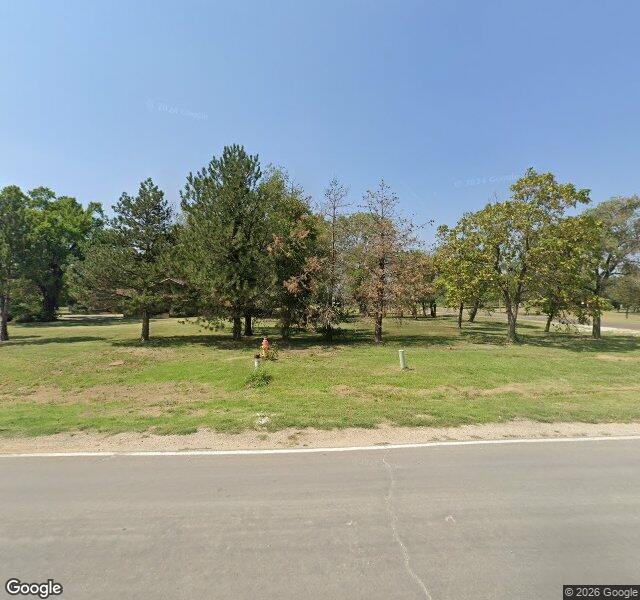
2620 N. Kentucky Street, Iola, KS 66749View map (opens in a new tab)
Overview and key essentials
State license
Active
KS KDADS
Google reviews
Not available
Public reviews not linked
Size & payment
Ask directly
Confirm pricing & payment
Public records for this community are limited. Use the checklist below when you call or visit to confirm pricing, services, and openings.
Cost, payment & care details
Updated Nov 28, 2026| Monthly cost | Not published | Ask for the full monthly cost, including care fees and one-time charges. |
|---|---|---|
| Payment options | Ask directly | Payment details are not confirmed in our records. Ask about private pay, long-term care insurance, veterans benefits, and Medicaid waivers. |
| Size & availability | Confirm directly | We don't publish live openings. Ask about current availability, waitlist length, and move-in timing. |
| Care & support | Assisted living | Usually offers housing and help with everyday tasks, such as bathing and dressing. What to confirm about care levelsThis describes the licensed category. Ask how care plans adjust if mobility, nursing, or memory needs change over time. Read the family care guide → |
State licensing
State inspection history
14inspections
21deficiencies listed
Oct 8, 2025Routine7 deficiencies reported7
7 deficiencies reported
View official state report (opens in a new tab)
The following citations represent the findings of the licensure resurvey with attached complaint numbers 196869, 196627, 195794, 195722, and 192066 for the above named facility conducted on 10/06/25, 10/07/25 and 10/08/25.
Final ObservationsS 9999
K.S.A. 39-928 Upon receipt of an application for license, the licensing agency with the approval of the state fire marshal shall issue a license if the applicant is fit and qualified and if the adult care home facilities meet the requirements established under this law. A license, unless sooner suspended or revoked, shall remain in effect upon filing by the licensee, and approval by the licensing agency and the state fire marshal or their duly authorized agents, of an annual report upon such uniform dates and containing such information in such form as the licensing agency prescribes and payment of an annual fee. S/S level F Findings included: Department records revealed the facility failed to file and pay the 2024 annual renewal licensing fees. Interview on 10/09/25 at approximately 05:00 PM with Operator A confirmed the facility had been working with the department on the facility's failure to provide the required requested information to the department, and the further failure to pay the renewal fee to the department for 2024. The facility failed to file and pay the 2024 annual renewal licensing fee to the department as required by KSA 39- 928.
STATE FORM6899
825G11 STATE FORM 825G11 STATE FORM 825G11 STATE FORM 825G11 STATE FORM 825G11 STATE FORM 825G11 STATE FORM 825G11 STATE FORM 825G11 STATE FORM 825G11 STATE FORM 825G11 STATE FORM 825G11 STATE FORM 825G11 STATE FORM 825G11 STATE FORM 825G11 STATE FORM 825G11 STATE FORM 825G11 STATE FORM 825G11 STATE FORM 825G11
moderateS 3171
Practice (i) All health care services shall be provided to residents by qualified staff in accordance with acceptable standards of practice. This REQUIREMENT is not met as evidenced by: K.A.R. 26-41-204 (i) The facility reported a census of 21 residents. The sample included 3 "Residents'" (R)'s and 1 closed record review. Based on observation, record review, and interview the Operator failed to ensure health care services were provided within professional standards of practice when Operator A failed to ensure an annual re-assessment was performed for R1 showing R1's bed assist device posed no risk for entrapment, confirmed the device was not a restraint, R1's ability to safely use the bed assist device, and provide a description of the device, the purpose of the device and special instructions on use and monitoring in R1's "Negotiated Service Agreement" (NSA). Operator A further failed to ensure the documentation in the facility's "Controlled Drug Administration Record" was performed within professional standards of practice when facility "Certified Medication Aides (CMA)s used white out on the "Controlled Drug Administration Records" for R1. Findings included: - Record review for R1 revealed an admission date of 02/28/19 with diagnoses of Parkinson's disease, Neuropathy, hypertension, chronic pain, depression, chronic obstructive pulmonary disease, anemia, heart failure, anxiety, and fibromyalgia. Review of R1's "Functional Capacity Screen" (FCS) dated 06/11/25 revealed R1 required physical assistance with bathing, and dressing. R1 required supervision with toileting and eating. R1 was independent with walking/mobility and transferring. R1 required physical assistance with the management of her medications/medical treatments. R1 was occasionally incontinent and had impaired short-term memory. R1 was able to make herself understood and R1 understood others. R1 had impaired vision and impaired hearing. R1 used a walker and wheelchair mobility device. R1's FCS lacked documentation in the comments section of a bed assist device. Review of R1's combined NSA/"Health Service Plan" (HSP) dated 02/26/24 under the section titled "Transfers" identified R1 was "Independent" and "Has grab bar on bed to assist". R1's NSA lacked a description of the device and special instructions on use and monitoring of the device. Review of R1's medical record revealed a document titled "Supportive Device/Bed Entrapment Assessment" dated 02/26/23 revealed the handwritten description of the device was a "bed cane". R1's medical record lacked documentation of an annual re-assessment of the bed assist device. Observation on 10/08/25 at approximately 05:15 PM of R1's bed revealed the head of the bed sat against the northeast corner of the room with one side of the bed against the east wall and one side of the bed open to the west side of the room. An inverted "U" shaped bed assist device was slid under the mattress and the device was securely attached to the bed. The device had a cloth covering over the open "U" shape of the device. The device measured approximately 20.5 inches wide and 19 inches from the top of the device to the bottom side of the mattress where it slid under the mattress. Interview on 10/08/25 at approximately 05:00 PM with Operator A and "Licensed Nurse" (LN) LN B confirmed the medical record for R1 lacked an annual re-assessment of R1's bed assist device, its purpose and R1's ability to safely use the device. The FDA (food and drug...
moderateS 3310
(b) (5) prohibiting any employee with a communicable disease or any infected skin lesions from coming in direct contact with any resident, any resident ' s food, or resident care equipment until the condition is no longer infectious; (6) providing orientation to new employees and employee in-service education at least annually on the control of infections in a health care setting; and (c) Each administrator or operator shall ensure the facility ' s compliance with the department ' s tuberculosis guidelines for adult care homes adopted by reference in K.A.R. 26-39-105 This REQUIREMENT is not met as evidenced by: K.A.R. 26-41-207 (c) The facility reported a census of 21 residents. The sample included 3 "Residents'" (R)'s, 1 closed record review, and 5 newly hired employees. Based on record review and interview the Operator failed to ensure the facility's compliance with the department's "Tuberculosis" (TB) guidelines adopted by reference in K.A.R. 26-39-105 for R3, "Licensed Nurse" (LN) B, and Dietary Staff E. Findings included: - Record review for R3 revealed an admission date of 08/20/25 with diagnoses of anxiety, mild episode of recurrent major depressive disorder, type two diabetes mellitus, and coronary artery disease. Review of R3's medical record revealed a document titled "Resident TB Skin Test" dated 08/20/25 that revealed the first step of the required two step TB skin test was administered on 08/20/25. The document lacked a date of the skin test being read in 48 to 72 hours after the administration of the test. The document further lacked the documentation of the required second step of the TB skin test being administered. Review of LN B's personnel record revealed she began her employment on 05/11/25. LN B's personnel record lacked documentation of the required two step TB skin test being administered within 7 days of employment. Review of Dietary Staff E's personnel record revealed he began his employment on 04/29/25. Dietary Staff E's personnel record lacked documentation of the required two step TB skin test being administered within 7 days of employment. Interview on 10/08/25 at approximately 05:00 PM with Operator A and LN B confirmed R3's medical record lacked documentation of the first step of her TB skin test being read and Operator A and LN B further confirmed R3's medical record lacked documentation of the second step of the required two step TB skin test being administered. Operator A and LN B continued to confirm the personnel records for LN B and Dietary Staff E lacked the documentation of the required two step TB skin test being administered within 7 days of employment. The Operator failed to ensure the facility's compliance with the department's TB guidelines adopted by reference in K.A.R. 26-39-105 for R3, LN B, and Dietary Staff E.
moderateS 3175
Medication (a) Self-administration of medication. Any resident may self-administer and manage medications independently or by using a medication container or syringe prefilled by a licensed nurse or pharmacist or by a family member or friend providing this service gratuitously, if a licensed nurse has performed an assessment and determined that the resident can perform this function safely and accurately without staff assistance. (1) An assessment shall be completed before the resident initially begins self-administration of medication, if the resident experiences a significant change of condition, and annually. This REQUIREMENT is not met as evidenced by: K.A.R. 26-41-205 (a) (1) The facility reported a census of 21 residents. The sample included 3 "Residents'" (R)'s and 1 closed record review. Based on record review and interview the Operator failed to ensure the "Licensed Nurse" (LN) performed an annual re-assessment for R1 that determined she could safely, accurately and without staff assistance self-administer her own medications. The Operator further failed to ensure the LN performed an assessment for R3 that determined that R3 could safely, accurately and without staff assistance self-administer her insulin. Findings included: - Record review for R1 revealed an admission date of 02/28/19 with diagnoses of Parkinson's disease, Neuropathy, hypertension, chronic pain, depression, chronic obstructive pulmonary disease, anemia, heart failure, anxiety, and fibromyalgia. Review of R1's "Functional Capacity Screen" (FCS) dated 06/11/25 revealed R1 required physical assistance with bathing, and dressing. R1 required supervision with toileting and eating. R1 was independent with walking/mobility and transferring. R1 required physical assistance with the management of her medications/medical treatments. R1 was occasionally incontinent and had impaired short-term memory. R1 was able to make herself understood and R1 understood others. R1 had impaired vision and impaired hearing. R1 used a walker and wheelchair mobility device. Review of R1's combined NSA/"Health Service Plan" (HSP) dated 02/26/24 under the section titled "Medication Management" identified the facility staff would provide physician ordered medications, and "Over-the-counter" (OTC) medications were at "chair side" , "Melatonin-May leave 1 tab at bedside, Ventolin also". It was documented that the "Registered Nurse determined" that it was safe for R1 to self-administer her own medications. Review of R1's medical record revealed a document titled "Negotiated Service Agreement Updates" dated 06/11/25 revealed the NSA was reviewed with no revisions made. Review of R1's medical record revealed a document titled "Resident Qualification for Self-Medication" was dated 02/26/23. Interview on 10/08/25 at approximately 05:00 PM with Operator A and LN B confirmed the medical record for R1 lacked an annual re-assessment that determined that R1 could safely, accurately and without staff assistance self-administer her medications. - Record review for R3 revealed an admission date of 08/20/25 with diagnoses of anxiety, mild episode of recurrent major depressive disorder, type two diabetes mellitus, and coronary artery disease. Review of R3's FCS dated 08/20/25 revealed R3 required supervision with bathing and physical assistance with dressing. R3 was independent with toileting, transferring, walking/mobility, and eating. R3 lacked the ability to manage her own medications/medical...
moderateS 3186
Medications (b) Administration of select medications. Any resident who self-administers medication may select some medications to be administered by a licensed nurse or medication aide. The negotiated service agreement shall reflect this service and identify who is responsible for the administration and management of selected medications. This REQUIREMENT is not met as evidenced by: K.A.R. 26-41-205 (b) The facility reported a census of 21 residents. The sample included 3 "Residents'" (R)'s and 1 closed record review. Based on record review and interview the Operator failed to ensure the "Negotiated Service Agreement" (NSA) for R3 identified who was responsible for the administration of R3's insulin. Findings included: - Record review for R3 revealed an admission date of 08/20/25 with diagnoses of anxiety, mild episode of recurrent major depressive disorder, type two diabetes mellitus, and coronary artery disease. Review of R3's "Functional Capacity Screen" (FCS) dated 08/20/25 revealed R3 required supervision with bathing and physical assistance with dressing. R3 was independent with toileting, transferring, walking/mobility, and eating. R3 lacked the ability to manage her own medications/medical treatments and was incontinent. R3 had impaired decision making and was able to make herself understood and she understood others. R3 was documented at risk for falls, impaired vision, and impaired hearing. R3 used a walker mobility device. Review of R3's combined NSA/"Health Service Plan" (HSP) dated 08/20/25 under the section titled "Medication Management" identified facility staff would provide physician ordered medications. The NSA lacked identification of who was responsible for R3's administration of her insulin. Review of R3's "Medication Administration Record" (MAR) dated 10/25 revealed the following orders: Lantus Solostar inject 6 units subcutaneous daily in the evening. Novolog Flex Pen Inject 3 units subcutaneous 3 times a day with meals. Ozempic injection 2 milligrams/1 milliliter inject 0.5 milligrams subcutaneous once weekly on Thursday. Interview on 09/08/25 at approximately 05:00 PM with Operator A and LN B confirmed the staff "Certified Mediation Aides" (CMA)'s dial the insulin pen and then hand the insulin pen to R3 for the self-administration of the insulin. Operator A and LN B continued to confirm the NSA for R3 lacked identification of who was responsible for the administration of R3's insulin. The Operator failed to ensure the NSA for R3 identified who was responsible for the administration of R3's insulin.
moderateS 3216
(i) Accountability and disposition of medications. Licensed nurses and medication aides shall maintain records of the receipt and disposition of all medications managed by the facility in sufficient detail for an accurate reconciliation. (1) Records shall be maintained documenting the destruction of any deteriorated, outdated, or discontinued controlled medications and biologicals according to acceptable standards of practice by one of the following combinations: (A) Two licensed nurses; or (B) a licensed nurse and a licensed pharmacist. (2) Records shall be maintained documenting the destruction of any deteriorated, outdated, or discontinued non-controlled medications and biologicals according to acceptable standards of practice by any of the following combinations: (A) Two licensed nurses; (B) a licensed nurse and a medication aide; (C) a licensed nurse and a licensed pharmacist; or (D) a medication aide and a licensed pharmacist. This REQUIREMENT is not met as evidenced by: K.A.R. 26-41-205 (i) The facility reported a census of 21 residents. The sample included 3 "Residents'" (R)'s and 1 closed record review. Based on record review and interview the Operator failed to ensure the "Licensed Nurse" (LN) maintained documentation of the destruction of any deteriorated, outdated, or discontinued controlled medications by one of the two following combinations; two licensed nurses or a licensed nurse and a licensed pharmacist. Findings included: - Record review for R1 revealed an admission date of 02/28/19 with diagnoses of Parkinson's disease, Neuropathy, hypertension, chronic pain, depression, chronic obstructive pulmonary disease, anemia, heart failure, anxiety, and fibromyalgia. Review of R1's "Functional Capacity Screen" (FCS) dated 06/11/25 revealed R1 required physical assistance with bathing, and dressing. R1 required supervision with toileting and eating. R1 was independent with walking/mobility and transferring. R1 required physical assistance with the management of her medications/medical treatments. R1 was occasionally incontinent and had impaired short-term memory. R1 was able to make herself understood and R1 understood others. R1 had impaired vision and impaired hearing. R1 used a walker and wheelchair mobility device. Review of R1's combined NSA/"Health Service Plan" (HSP) dated 02/26/24 under the section titled "Medication Management" identified the facility staff would provide physician ordered medications, and "Over-the-counter" (OTC) medications were at "chair side", "Melatonin-May leave 1 tab at bedside, Ventolin also". It was documented that the "Registered Nurse determined" that it was safe for R1 to self-administer her own medications. Review of R1's medical record revealed a document titled "Negotiated Service Agreement Updates" dated 06/11/25 revealed the NSA was reviewed with no revisions made. Review of R1's medical record revealed a document titled "Resident Qualification for Self-Medication" was dated 02/26/23. Review of the facility provided documents titled "Controlled Drug Administration Record" for Oxycodone/ Acetaminophen 7.5milligrams-325milligrams every 6 hours, revealed CMA C wrote the medication had been dropped on the following dates; 07/23/25, 07/26/25, 08/10/25. Review of the facility provided documents titled "Controlled Drug Administration Record" for Gabapentin 100 milligrams one by mouth three times daily, revealed CMA C wrote the medication was dropped on the following dates; 07/26/25,...
Feb 12, 2024Routine11 deficiencies reported11
11 deficiencies reported
View official state report (opens in a new tab)
The following citations represent the findings of the licensure resurvey with attached complaint numbers 185614, 185528, 181741, 179690, 179518, 179081 for the above named facility conducted on 02/08/24 and 02/12/24.
moderateS 140
Confidentiality (i) Privacy and confidentiality. The administrator or operator shall ensure that each resident is afforded the right to personal privacy and confidentiality of personal and clinical records. (1) The administrator or operator shall ensure that each resident is provided privacy during medical and nursing treatment, written and telephone communications, personal care, visits, and meetings of family and resident groups. (2) The administrator or operator shall ensure that the personal and clinical records of the resident are maintained in a confidential manner. (3) The administrator or operator shall ensure that a release signed by the resident or the resident's legal representative is obtained before records are released to anyone outside the adult care home, except in the case of transfer to another health care institution or as required by law. This STANDARD is not met as evidenced by: K.A.R. 26-39-103 (i) (2) The facility reported a census of 15 "Residents'" (R). Based on observation, interview, and record review, the operator failed to ensure that the personal and clinical records for R's 1, 4, 5, 6, 7, 8, 9, 10, 11, and 12 were maintained in a confidential manner. Findings included: - Observation on 02/08/24 at approximately 11:00 AM showed 2 white binders in the common dining room laying on top of the fireplace mantle. The binders contained a typed document with two columns. The first column was titled "Full Code", and listed R4, R9, R11, R10 and R12. The second column was titled "Do Not Resuscitate" (DNR), listed R1, R5, R6, R7, and R8. Record review on 02/02/24 of the binders revealed they contained eight documents titled "Resident Profile". The "Resident Profile" documents contained the following information: The first "Resident Profile" identified R 4, her apartment number, and there was a check mark by the word "Code". The document revealed R4 required partial assistance twice a week on Monday and Thursday evenings for bathing. The document revealed R4 was independent and required partial assistance with putting on her compression stockings and her undergarments. The document instructed staff to monitor R4 for cleanliness and they were to perform her nail care with her showers, provide cranberry juice with meals, and when R4 was "manic" to encourage her to have healthy and nutritious snacks. The document also instructed staff to encourage R4 to elevate her legs to prevent edema. The binder contained a typed document for R4 dated 08/11/19 revealing R4 had a fall on 08/10/19 and received a laceration above her left brow. The document revealed R4 was sent to the emergency room for evaluation and had returned to the facility with four sutures and a dressing in place. Staff were instructed to ensure R4 had on appropriate footwear. The second "Resident Profile" identified R6, her apartment number, and had a check mark by DNR. The document revealed R6 would require partial assistance with bathing twice a week on Tuesdays and Saturdays on the evening shift. R6 used a wheelchair and a walker with standby assistance. R4 was identified as a fall risk and she required assistance with dressing in the mornings and undressing in the evenings. Staff were instructed to remind R6 to use her call light, and they were to provide stand by assistance for all transfers. Staff were instructed to provide standby assistance when R6 went to the bathroom and remind R6 to perform hygiene after toileting. The document revealed R6...
moderateS 3080
Admission a) On or before each individual ' s admission to an assisted living facility or residential health care facility, a licensed nurse, a licensed social worker, or the administrator or operator shall conduct a screening to determine the individual ' s functional capacity and shall record all findings on a screening form specified by the department. The administrator or operator may integrate the department ' s screening form into a form developed by the facility, which shall include each element and definition specified by the department. (b) A licensed nurse shall assess any resident whose functional capacity screening indicates the need for health care services. This REQUIREMENT is not met as evidenced by: KAR 26-41-201(a) The facility reported a census of 15 residents with three residents included in the sample. Based on interview and record review the operator failed to ensure facility staff fully documented the screening performed for R2 when a change of condition was identified. Findings included: -Record review for R2 revealed an admission date of 11/11/23 with diagnoses of coronary artery disease, osteoarthritis, hypertension, atrial fibrillation, chronic systolic heart failure. Review of R2's unsigned FCS dated 02/01/24 revealed R2 required physical assistance with bathing, dressing, toileting, eating and walking/mobility; was unable to perform management of medications and treatments; he is frequently incontinent of bladder; has short-term and memory/recall cognitive difficulties; and was marked for falls and impaired hearing. The 02/01/24 "Negotiated Service Agreement" (NSA) directed hospice staff to provide R2 physical assistance of one staff with bathing; facility staff to provide dressing assistance; physical assistance with toileting and walking/mobility; with transfers; facility staff manage medications and treatments; he wears incontinence products for bladder incontinence and colostomy care; facility staff assist with hearing aids. On 02/12/24 at approximately 02:30 PM at findings meeting Administrative Staff A, Administrative Nurse B and Nurse C confirmed R2's most recent "FCS" was performed on 02/01/24 for a significant change in condition and they further confirmed the second page of the screening form lacked any documentation including the signature of person performing the screen. The operator failed to ensure facility staff fully documented the screening performed for R2 when a change of condition was identified.
moderateS 3171
Practice (i) All health care services shall be provided to residents by qualified staff in accordance with acceptable standards of practice. This REQUIREMENT is not met as evidenced by: K.A.R. 26-41-204 (i) The facility reported a census of 15 residents. The sample included three "Residents" ((R)'s 1, 2, and 3). Based on observation, record review and interview, the operator failed to provide healthcare services for R2 in accordance with professional standards of practice when Operator A failed to conduct a periodic review of R2's bed assist device to ensure the device posed no risk for entrapment, confirmed the device was not a restraint, and R2's ability to safely use the bed assist device. The operator further failed to ensure the "Licensed Nurse" (LN) provided healthcare services in accordance with professional standards of practice when the LN documented dates prior to her employment and dates in the future on R2's Tuberculosis screening form and his Negotiated Service Agreement addendum signature page. Findings included: - Record review for R2 revealed an admission date of 11/11/23 with diagnoses of coronary artery disease, osteoarthritis, hypertension, atrial fibrillation, chronic systolic heart failure. Review of R2's unsigned "Functional Capacity Screen" (FCS) dated 02/01/24 revealed R2 required physical assistance with bathing, dressing, toileting, eating and walking/mobility; was unable to perform management of medications and treatments; he is frequently incontinent of bladder; has short-term and memory/recall cognitive difficulties; and was marked for falls and impaired hearing. The FCA lacked documentation of a bilateral bed assist device in the comment section. The 02/01/24 "Negotiated Service Agreement" (NSA) directed hospice staff to provide R2 physical assistance of one staff with bathing; facility staff to provide dressing assistance; physical assistance with toileting and walking/mobility; with transfers; facility staff manage medications and treatments; he wears incontinence products for bladder incontinence and colostomy care; facility staff assist with hearing aids. The NSA lacked a description of the bilateral bed assist device. R 2's record lacked the documentation of an assessment being performed to confirm the device was not a restraint, R 2's ability to safely use the device and documentation of the findings in R2's record. Observation on 02/12/24 at approximately 2:34 PM of R 2's bed revealed there was a half rail attached to each side of the head of his bed. The rails were attached to the bedframe and had no large open areas. Interview on 02/12/23 at 03:20 PM with Nurse C revealed a bedrail assessment should have been in R2's medical record. Interview on 02/12/24 at 03:20 PM with Nurse C confirmed R2's medical record lacked documentation of an assessment being performed to confirm the device was not a restraint, R 2's ability to safely use the device and documentation of the findings in R2's record. The FDA (food and drug administration) "Bedrails in Assisted Living, Residential Health Care and Home Plus Facilities" recommended the following: Complete an assessment of the resident to confirm that the device is not a restraint. Complete an assessment of the resident to determine the purpose of the device and the resident's ability to safely use the device and document the findings in the resident's record. Complete an assessment of the device using the recommendations in the FDA guidance to ensure the...
moderateS 3320
(a) The assisted living facility or residential health care facility shall be designed, constructed, equipped and maintained to protect the health and safety of residents, personnel and the public. (b) All new construction, renovation, remodeling and changes in building use in existing buildings shall comply with building and fire codes, ordinances and regulations enforced by city, county, and state jurisdictions, including the state fire marshal. (c) New construction, modifications and equipment shall conform to the following codes and standards: (1) Title III of the Americans with disabilities act, 42 U.S.C. 12181, effective as of January 26, 1992; and (2) "Food Service Sanitation Manual," health, education, and welfare (HEW) publication no. FDA 78-2081, as in effect on July 1, 1981. This REQUIREMENT is not met as evidenced by: K.A.R 28-39-254 (a) The facility reported a census of 15 resident. Based on observation and interview the operator failed to ensure the facility was maintained to protect the health and safety of the residents, personnel and the public. Findings included: - Record review of the facility provided resident roster on 02/08/24 revealed the facility had seven residents who were cognitively impaired Observation on 02/08/24 at approximately 10:45AM revealed the housekeeping closet door was propped open with a white plastic door stop. The opened housekeeping closet held the following unsecured chemicals: 1 can of furniture polish, 1 bottle of Pine Sol which had no lid on the bottle, 1 can of Brody disinfectant spray, 4 cans of Comet cleaner, 1 bottle of Awesome cleaner de-scaler, and 1 bottle of Lysol spray. Across the hall from the housekeeping closet was the facility beauty shop with the door standing open and in the unlocked cabinet on the left side of the east wall was an unlabeled gallon plastic container with a large, mouthed opening, and contained a blue solution with a hairbrush floating in the solution. In the facility common television room there sat a dinette set with 4 chairs. The backs of the chairs were mesh. Two of the four chairs had a large hole in the mesh measuring approximately 6 inches by 6 and 1/2 inches. Observation during the facility tour at 11:05 AM with Administrative Nurse B and "Licensed Nurse" (LN) C, revealed in the storage closet down the southwest hall across an oxygen tank sitting freely on the floor next to the oxygen tank holder, and a can of Brody disinfectant spray. Observation of the janitor closet in the middle of the southwest hallway, revealed the door freely opened and the closet contained the following unsecured chemicals: 2 large containers of Pine Sol, 5 large bottles of Clorox liquid, 1 can of Pro Spray, 4 cans of Bed Bug Spray, a container of Hot Shot bed bug dust, 4 cans of Hot Shot Spray, and 8 cans of Champion furniture polish. Interview on 02/12/24 at approximately 02:30PM with Operator A, Administrative nurse B, and LN C, confirmed the facility should have the chemicals secured, the broken chairs had been removed and the oxygen tank had been placed in the oxygen tank holder. Request for the facility policy on chemical storage was made on 02/12/23 at 02:30PM, and the policy was not provided. The operator failed to ensure the facility was maintained to protect the health and safety of the residents, personnel and the public.
moderateS 3211
DRUGS (3) A licensed nurse or medication aide may accept over-the-counter medication only in its original, unbroken manufacturer ' s package. A licensed pharmacist or licensed nurse shall place the full name of the resident on the package. If the original manufacturer ' s package of an over-the-counter medication contains a medication in a container, bottle, or tube that can be removed from the original package, the licensed pharmacist or a licensed nurse shall place the full name of the resident on both the original manufacturer ' s medication package and the medication container. This REQUIREMENT is not met as evidenced by: K.A.R. 26-41-205 (g) (3) The facility reported a census of 15 residents. Based on observation and interview the operator failed to ensure a "Licensed Nurse" (LN) or a Licensed Pharmacist placed the full name of the resident on the "Over-the-Counter" (OTC) medications. Findings included: - Observation on 02/08/24 at approximately 11:05AM with Administrative Nurse B and LN C in the facility medication room, Administrative Nurse B unlocked the locked cabinets and revealed the following OTC medications that lacked the full name of the resident: 1bottle Ibuprofen 200 milligrams 1 bottle Stool Softener 1 bottle Fluticasone spray 1 bottle Stomach Relief tablets 1 bottle Bayer Aspirin 81milligrams 1 tube Anti Itch Cream 1bottle L-Lysine 1bottle Melatonin 1 bottle Glucosamine Chondroitin 1 bottle of Fish oil capsules 1 bottle of Iron 1 box Pseudoephedrine Hydrochloride 120 milligrams Interview on 02/08/24 at approximately 11:20AM with Administrative Nurse B and LN C confirmed the OTC's were not labeled with the resident's full name. The operator failed to ensure a LN or a Licensed Pharmacist placed the full name of the resident on the OTC medications.
moderateS 3305
(a) The administrator or operator of each assisted living facility or residential health care facility shall ensure the provision of a safe, sanitary, and comfortable environment for residents. (b) Each administrator or operator shall ensure the development of policies and implementation of procedures to prevent the spread of infections. These policies and procedures shall include the following requirements: (1) Using universal precautions to prevent the spread of blood-borne pathogens; (2) techniques to ensure that hand hygiene meets professional health care standards; (3) techniques to ensure that the laundering and handling of soiled and clean linens meet professional health care standards; (4) providing sanitary conditions for food service; (5) prohibiting any employee with a communicable disease or any infected skin lesions from coming in direct contact with any resident, any resident ' s food, or resident care equipment until the condition is no longer infectious; (6) providing orientation to new employees and employee in-service education at least annually on the control of infections in a health care setting; and (7) transferring a resident with an infectious disease to an appropriate health care facility if the administrator or operator is unable to provide the isolation precautions necessary to protect the health of other residents. This REQUIREMENT is not met as evidenced by: K.A.R. 26-41-207 (b) (4) The facility reported a census of 15 residents. All 15 residents ate food prepared in the same kitchen. The administrator failed to ensure sanitary conditions for food service by not ensuring the dishwasher chemical strengths were tested and documented daily. Findings included: - Observation on 02/08/24 at approximately 11:15AM during the tour of the facility of the kitchen revealed a clear plastic sleeve 8 x11 inches taped to the short wall that went from the kitchen to the dirty dish room. Within the sleeve were two white plastic tubes that contained the test strips for the dish machine sanitation checks. Administrative Staff A confirmed at the time of the observation that there were no log sheets for dish machine sanitation checks and facility staff is not performing sanitation checks with strips. On 02/12/24 at approximately 02:30PM requested the policy for the dish machine water temperature and sanitation checks from Administrative Staff A. No policy was provided as requested. The administrator failed to ensure sanitary conditions for food service by not ensuring the dishwasher chemical strengths were tested and documented daily.
moderateS 3395
(c) Laundry facility. (1) The facility shall store soiled laundry in a manner which prevents odors and spread of disease. (2) If laundry is processed in the facility, the facility shall provide washing and drying machines. The facility shall arrange the work area to provide a "one-way flow" of laundry from a soiled area to a clean area. (3) The facility shall provide a work counter and a locked cabinet for storage of chemicals and supplies. (4) The facility shall provide a handwashing lavatory with a non-reusable method of hand-drying within or accessible to the laundry facility. This REQUIREMENT is not met as evidenced by: KAR 28-39-255(c)(1) The facility reported a census of 15 residents. Based on observation and interview the operator failed to ensure the facility provide storage for soiled laundry in a manner which prevents odors and spread of disease. Findings included: - Observation on 02/08/24 at approximately 10:30 AM of the unlocked and open door to the laundry room revealed soiled laundry located on the floor which was not contained to prevent odor and spread of infection. On 02/08/24 at approximately 01:28 PM Administrative Staff A, Administrative Nurse B and Nurse C confirmed the unlocked and open laundry door with soiled laundry on the floor not contained. The operator failed to ensure the facility shall provide storage for soiled laundry in a manner which prevents odors and spread of disease.
moderateS 3215
(h) Storage. Licensed nurses and medication aides shall ensure that all medications and biologicals are securely and properly stored in accordance with each manufacturer ' s recommendations or those of the pharmacy provider and with federal and state laws and regulations. (1) Licensed nurses or medication aides shall store non-controlled medications and biologicals managed by the facility in a locked medication room, cabinet, or medication cart. Licensed nurses and medication aides shall store controlled medications managed by the facility in separately locked compartments within a locked medication room, cabinet, or medication cart. Only licensed nurses and medication aides shall have access to the stored medications and biologicals. (2) Each resident managing and self-administering medication shall store medications in a place that is accessible only to the resident, licensed nurses, and medication aides. (3) Any resident who self-administers medication and is unable to provide proper storage as recommended by the manufacturer or pharmacy provider may request that the medication be stored by the facility. (4) A licensed nurse or medication aide shall not administer medication beyond the manufacturer ' s or pharmacy provider ' s recommended date of expiration. This REQUIREMENT is not met as evidenced by: KAR 26-41-205(h)(2) The facility reported a census of 15 residents. Based on observation and interview, the Operator failed to ensure that each resident managing and self-administering medication shall store medications in a place that is accessible only to the resident, licensed nurses, and medication aides. Findings included: - Observation on 02/08/24 at 10:20 AM revealed the assisted living front lobby had an unlabeled over the counter medication located beside the couch on the side table. Medications included, an opened and partially used bottle of Visine eye drops, a tube of Bengay cream, a bottle of nasal spray and a bottle of Dry Eye drops. Interview on 02/08/24 at approximately 11:00 AM Administrative Nurse B and Nurse C confirmed the over the counter unlabeled medications of a bottle of Visine eye drops, a tube of Bengay cream, a bottle of nasal spray and a bottle of dry eye drops were opened and partially used located in the front lobby of facility beside the couch on the side table. The Operator failed to ensure that each resident managing and self-administering medication shall store medications in a place that is accessible only to the resident, licensed nurses, and medication aides.
moderateS 3280
Preparedness (d) Each administrator or operator shall ensure disaster and emergency preparedness by ensuring the performance of the following: (1) Orientation of new employees at the time of employment to the facility ' s emergency management plan; (2) education of each resident upon admission to the facility regarding emergency procedures; (3) quarterly review of the facility ' s emergency management plan with employees and residents; and (4) an emergency drill, which shall be conducted at least annually with staff and residents. This drill shall include evacuation of the residents to a secure location. This REQUIREMENT is not met as evidenced by: KAR 26-41-104(d)(4) The facility reported a census of 15 residents. Based on interview and record review the operator failed to provide an emergency drill, which shall be conducted at least annually with staff and residents. This drill shall include evacuation of the residents to a secure location. Findings included: - Review of the facility's emergency plan records lacked evidence of documentation of an emergency drill being conducted annually with staff and residents during the year of 2023. On 02/08/24 at approximately11:30AM Administrative Staff A confirmed receipt of email sent on 02/08/24 at 11:01AM requesting documents needed for the survey process which included request for the last full evacuation. On 02/12/24 at 02:30 PM Administrative Staff A confirmed the facility's record lacked documentation that an emergency drill that shall include evacuation of residents was conducted annually with staff and residents. The administrator failed to provide an emergency drill, which shall be conducted at least annually with staff and residents. This drill shall include evacuation of the residents to a secure location.
STATE FORM6899
GX0511 STATE FORM GX0511 STATE FORM GX0511 STATE FORM GX0511 STATE FORM GX0511 STATE FORM GX0511 STATE FORM GX0511 STATE FORM GX0511 STATE FORM GX0511 STATE FORM GX0511 STATE FORM GX0511 STATE FORM GX0511 STATE FORM GX0511 STATE FORM GX0511 STATE FORM GX0511 STATE FORM GX0511 STATE FORM GX0511 STATE FORM GX0511 STATE FORM GX0511 STATE FORM GX0511 STATE FORM GX0511 STATE FORM GX0511 STATE FORM GX0511 STATE FORM GX0511 STATE FORM GX0511
moderateS 3248
Records (d) The employee records and agency staff records shall contain the following documentation: (1) Evidence of licensure, registration, certification, or a certificate of successful completion of a training course for each employee performing a function that requires specialized education or training; (2) supporting documentation for criminal background checks of facility staff and contract staff, excluding any staff licensed or registered by a state agency, pursuant to K.S.A. 39-970 and amendments thereto; (3) supporting documentation from the Kansas nurse aide registry that the individual does not have a finding of having abused, neglected, or exploited a resident in an adult care home; and (4) supporting documentation that the individual does not have a finding of having abused, neglected, or exploited any resident in an adult care home, from the nurse aide registry in each state in which the individual has been known to have worked as a certified nurse aide. This REQUIREMENT is not met as evidenced by: KAR 26-41-102(d)(1) The facility reported a census of 15 residents. The sample included three residents and five newly hired employees. Based on interview and record review the administrator failed to ensure there was evidence of the licensure, registration or certification for each employee performing a function that required specialized education or training for two out of five sampled staff, (Administrative Nurse B and Certified Nurse Aide D). Findings included: - Review of Administrative Nurse B's employee record revealed a hire date of 12/26/23. Her personnel record lacked evidence of the required Board of Nursing registry check. Review of Certified Nurse Aide (CNA) D's employee record revealed a hire date of 07/07/23. Her personnel record lacked evidence of the required certification check. On 02/12/24 at approximately 03:30 PM Administrative Staff A confirmed Administrative Nurse B and CNA D's records lacked evidence employee licensure and certification had been confirmed through the appropriate credentialing web sites. The administrator failed to ensure there was evidence of the licensure, registration or certification for each employee performing a function that required specialized education or training for Administrative Nurse B and Certified Nurse Aide D.
Jan 4, 2023Routine3 deficiencies reported3
3 deficiencies reported
View official state report (opens in a new tab)
The following citations represent the findings of the licensure resurvey with attached complaint number 169769 for the above named facility conducted on 01/03/23 & 01/04/23.
moderateS 3155
. (a) The administrator or operator in each assisted living facility or residential health care facility shall ensure that a licensed nurse provides or coordinates the provision of necessary health care services that meet the needs of each resident and are in accordance with the functional capacity screening and the negotiated service agreement. This REQUIREMENT is not met as evidenced by: K.A.R. 26-41-204 (a) The facility reported a census of sixteen residents. The sample included three "Residents'" (R). Based on observation, interview and record review the operator failed to ensure a licensed nurse provided or coordinated the provision of necessary health care services to meet the needs for R3 in accordance with the "Functional Capacity Screen" (FCS) and the "Negotiated Service Agreement" (NSA) regarding the use of a bed assist device. Findings included: - Record review for R3 on 01/04/23 revealed an admission date of 11/30/22 with diagnoses of depression, coronary artery disease, chronic obstructive pulmonary disease, edema, Parkinson's disease, hypertension, diabetes mellites, and anxiety. Record review on 01/04/23 of R3 FCS identified the resident required physical assistance with bathing, walking, eating, and management of her medications. She required supervision with dressing and toileting. She was occasionally incontinent, her cognition was intact, and she was able to make herself understandable and she understood others. She was marked with falls and used a walker and wheelchair mobility device. Record review on 01/04/23 of R3 combined NSA/" Health Care Service Plan" (HSP) identified the following health care services to be provided and instructed staff how the health care services would be provided; staff to assist with bathing and staff to wash the resident's hair. R3 is independent with mobility bar to assist with transferring in bed. Staff to stand by assist R3 when she used a walker for mobility and a wheelchair for long distances. The record lacked an assessment of the bed assist device to ensure the device was not a restraint, to determine the purpose of the device, to ensure the device was securely attached to the bed or bedframe and posed no risk for entrapment and further lacked a description of the device its purpose and any special instructions on use and monitoring. Observation on 01/04/22 at 01:00 PM revealed R3 bed sat with the head of the bed at the wall with each side of the bed open. On the left side of the bed is a wide U shaped rail that attached to a frame that slid under the mattress and was secured to the right side of the bed frame. Interview on 01/04/23 with "Licensed Nurse A", she confirmed the R3 record lacked an assessment ensuring the bed assist device to ensure the device was not a restraint, to determine the purpose of the device, to ensure the device was securely attached to the bed or bedframe and posed no risk for entrapment and further lacked a description of the device its purpose and any special instructions on use and monitoring. The operator failed to ensure a licensed nurse provided or coordinated the provision of necessary health care services to meet the needs for R3 in accordance with the "Functional Capacity Screen" (FCS) and the "Negotiated Service Agreement" (NSA) regarding the use of a bed assist device.
STATE FORM6899
C77711 STATE FORM C77711 STATE FORM C77711 STATE FORM C77711 STATE FORM C77711 STATE FORM C77711 STATE FORM C77711
moderateS 3165
(d) The negotiated service agreement shall contain a description of the health care services to be provided and the name of the licensed nurse responsible for the implementation and supervision of the plan. This REQUIREMENT is not met as evidenced by: K.A.R. 26-41-204 (d) The facility reported a census of sixteen residents. The sample included three "Residents'" (R's 1, 2, and 3). Based on record review and interview, the operator failed to ensure the "Negotiated Service Agreement" (NSA) included the name of the "Licensed Nurse" (LN) responsible for the implementation and supervision of the "Health Care Service Plan" for R1, R2 and R3. Findings included: - Record review for R1 on 01/04/23 revealed an admission date of 10/15/20 with diagnoses of hypertension, coronary artery disease, pain, degenerative joint disease of the knee, depression and mitral valve prolapse. Record review on 01/04/23 of R1 "Functional Capacity Screen" (FCS) identified the resident required physical assistance with bathing and dressing, transferring, she was independent with toileting, and required supervision with walking and eating. She lacked the ability to manager her own medications, and she was occasionally incontinent. She had intact cognition and was able to make herself understood and she understood others. She was marked with falls and impaired vision and used a wheelchair mobility device. Record review on 01/04/23 of R1 "Negotiated Service Agreement" (NSA) / "Health Care Service Plan" (HSP) identified the following health care services to be provided and instructed staff how the health care services would be provided; Staff would provide stand by assistance with showers, assist resident getting into and out of the shower, staff to assist with resident getting dressed, and staff to assist with transferring. Resident could self-propel wheelchair. R1 NSA/HSP record lacked the name of the nurse responsible for the implementation and supervision of the HSP. Interview on 01/04/23 with "Licensed Nurse A", she confirmed R1 NSA/HSP lacked the name of the nurse responsible for the implementation and supervision of the HSP - Record review for R2 on 01/04/23 revealed an admission date of 03/18/22 with diagnoses of coronary artery disease, anemia, vertigo, and irritable bowel syndrome. Record review on 01/04/23 of R2 FCS identified the resident required physical assistance with bathing and dressing. She was independent with toileting and transferring, and she required supervision with walking and eating. She administered her own medications, she was usually continent, and her cognition was intact. She was able to make herself understood and she understood others. She required a walker and wheelchair mobility devices. Record review on 01/04/23 of R2 NSA/HSP identified the following health care services to be provided and instructed staff how the health care services would be provided; staff would assist R2 with showers and putting R2 socks on as needed. R2 NSA/HSP record lacked the name of the nurse responsible for the implementation and supervision of the HSP. Interview on 01/04/23 with "Licensed Nurse A", she confirmed R2 NSA/HSP lacked the name of the nurse responsible for the implementation and supervision of the HSP - Record review for R3 on 01/04/23 revealed an admission date of 11/30/22 with diagnoses of depression, coronary artery disease, chronic obstructive pulmonary disease, edema, Parkinson's disease, hypertension, diabetes mellites, and...
Dec 7, 2020RoutineNo deficiencies reportedNone
No deficiencies reported
View official state report (opens in a new tab)
graystone residential care 12.07.2020
Jun 23, 2020RoutineNo deficiencies reportedNone
No deficiencies reported
View official state report (opens in a new tab)
graystone residential care covid 6.23.2020
Show all 14 inspections
Nov 27, 2019RoutineNo deficiencies reportedNone
Nov 19, 2018RoutineNo deficiencies reportedNone
No deficiencies reported
View official state report (opens in a new tab)
graystone residential 11 19 2018
Mar 27, 2017RoutineNo deficiencies reportedNone
Mar 7, 2017RoutineNo deficiencies reportedNone
No deficiencies reported
View official state report (opens in a new tab)
graystone residential care 3 7 2017
Mar 17, 2015RoutineNo deficiencies reportedNone
No deficiencies reported
View official state report (opens in a new tab)
Graystone Residential Care 031715
Sep 24, 2014RoutineNo deficiencies reportedNone
Aug 12, 2013RoutineNo deficiencies reportedNone
Jul 29, 2013RoutineNo deficiencies reportedNone
Feb 1, 2012RoutineNo deficiencies reportedNone
Neighborhood & resident support
Emergency access, hazards & advocacy
Nearest hospital
Allen County Regional Hospital
0.2 mi · Iola, KS · Medicare 3/5 ★
Emergency room
FEMA hazard risk
Very LowAllen County, KS
- Winter Weather
- Ice Storm
- Drought
Free resident advocacy
Kansas Office of the State Long-Term Care Ombudsman
More neighborhood context (specialists, VA, dialysis, air & affordability)
VA & dialysis access
VA Eastern Kansas Healthcare System
76.5 mi · Topeka, KS · VA 4/5 ★
Renal Care Group - Chanute
21.2 mi · 3/5 ★ · Home dialysis
Specialists within 15 mi
- Geriatricians
- 0
- Neurologists
- 2
- Palliative care
- 1
- PM&R rehab
- 0
Environment & mobility
- EPA Walkability
- 7.0/20 (Below Average)
- USDA Grocery Access
- High Grocery Access
- Primary care access
- HRSA Shortage Area
County demographics
- Age 65+ median income
- $47,830/yr
- Rent-burdened households
- 39%
- Cognitive disability (2023)
- 16.6%
- Mobility disability
- 13.0%
Call & tour checklist
Questions to ask Graystone Residential Care
Check off questions as you call or tour. Your progress stays private in this browser.
Show 3 more suggested questions
Verification & public records
Official records & sources
Licensing & contact
- License #
- N001006
- Status
- active
- Phone
- (620) 365-6002
- Federal OIG LEIE
- Clear (2026-11-27)
Original public sources
Verify licensing, ratings, and inspection reports directly with each official source.
- KS KDADS official record (opens in a new tab)Kansas Dept. for Aging & Disability Services
- Google Maps (opens in a new tab)Directions, photos & neighborhood
- Google Reviews (opens in a new tab)Read public reviews
EveryPlace is an independent research directory. Information is compiled from public Medicare.gov, state licensing, Google Places, and street-level imagery sources. Some summaries, suggested questions, and pricing notes are AI-generated or AI-assisted and may contain errors or omissions. We do not accept payment for placement. Confirm all details directly with the community and official sources. Research Policy.
Keep exploring