Loading EveryPlace content…
Assisted LivingActive licenseMemory care certified
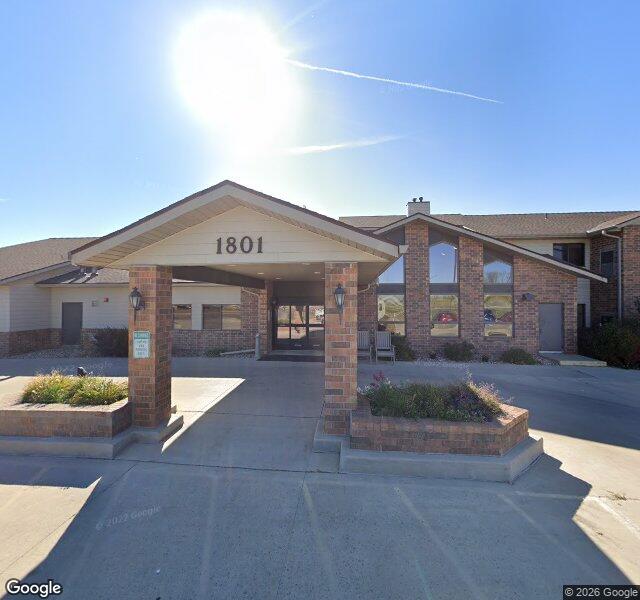
Ecumen Worthington the Meadows
1801 Collegeway, Worthington, MN 56187View map (opens in a new tab)
Overview and key essentials
State license
Active
MN MDH
Google reviews
5.0/ 5
1 reviews
Size & payment
Ask directly
Confirm pricing & payment
Cost, payment & care details
Updated Nov 28, 2026| Monthly cost | Not published | Ask for the full monthly cost, including care fees and one-time charges. |
|---|---|---|
| Payment options | Ask directly | Payment details are not confirmed in our records. Ask about private pay, long-term care insurance, veterans benefits, and Medicaid waivers. |
| Size & availability | Confirm directly | We don't publish live openings. Ask about current availability, waitlist length, and move-in timing. |
| Care & support | Assisted livingMemory care certified | Usually offers housing and help with everyday tasks, such as bathing and dressing. What to confirm about care levelsThis describes the licensed category. Ask how care plans adjust if mobility, nursing, or memory needs change over time. Read the family care guide → |
State licensing
State inspection history
4inspections
17deficiencies listed
Dec 11, 2025Routine6 deficiencies reported6
6 deficiencies reported
View official state report (opens in a new tab)
YZC8116899
(a) Except as provided in paragraph (b), food must be prepared and served according to the Minnesota Food Code, Minnesota Rules, chapter 4626. (b) For an assisted living facility with a licensed capacity of ten or fewer residents: (1) notwithstanding Minnesota Rules, part 4626. 0033, item A, the facility may share a certified food protection manager (CFPM) with one other facility located within a 60-mile radius and under common management provided the CFPM is present at each facility frequently enough to effectively administer, manage, and supervise each facility's food service operation; (2) notwithstanding Minnesota Rules, part 4626. 0545, item A, kick plates that are not removable or cannot be rotated open are allowed unless the facility has been issued repeated correction orders for violations of Minnesota Rules, part 4626. 1565 or 4626. 1570; (3) notwithstanding Minnesota Rules, part 4626. 0685, item A, the facility is not required to provide integral drainboards, utensil racks, or tables large enough to accommodate soiled and clean items that may accumulate during hours of operation provided soiled items do not contaminate clean items, surfaces, or food, and clean equipment and dishes are air dried in a manner that prevents contamination before storage; (4) notwithstanding Minnesota Rules, part 4626. 1070, item A, the facility is not required to install a dedicated handwashing sink in its existing kitchen provided it designates one well of a two-compartment sink for use only as a handwashing sink; (5) notwithstanding Minnesota Rules, parts 4626. 1325, 4626. 1335, and 4626. 1360, item A, existing floor, wall, and ceiling finishes are STATE FORM YZC811 allowed provided the facility keeps them clean and in good condition; (6) notwithstanding Minnesota Rules, part 4626. 1375, shielded or shatter- resistant lightbulbs are not required, but if a light bulb breaks, the facility must discard all exposed food and fully clean all equipment, dishes, and surfaces to remove any glass particles; and (7) notwithstanding Minnesota Rules, part 4626. 1390, toilet rooms are not required to be provided with a self-closing door. This MN Requirement is not met as evidenced by: Based on observation, interview, and record review, the licensee failed to ensure food was prepared and served according to the Minnesota Food Code. This practice resulted in a level two violation (a violation that did not harm a resident' s health or safety but had the potential to have harmed a resident' s health or safety, but was not likely to cause serious injury, impairment, or death) , and is issued at a widespread scope (when problems are pervasive or represent a systemic failure that has affected or has the potential to affect a large portion or all of the residents) . The findings include: Please refer to the document titled, Food and Beverage Establishment Inspection Report (FBEIR) dated December 8, 2025, for the specific Minnesota Food Code violations. The Inspection Report was provided to the licensee within 24 hours of the inspection. STATE FORM YZC811 TIME PERIOD FOR CORRECTION: Please refer to the FBEIR for any compliance dates. YZC811 affect all residents, staff, and visitors of the facility. This practice resulted in a level two violation (a violation that did not harm a resident' s health or safety but had the potential to have harmed a resident' s health or safety, but was not likely to cause serious injury, impairment, or death) , and was issued at a...
College Way1801
Worthington, MN 56187 Risk: Nobles County License: Parcel: Expires on: CFPM: Nancy Kay Ward Phone: CFPM #: 42898; Exp: 3/1/2028 New Order: 4-500 Equipment Maintenance and Operation 4-501.11AB Priority Level: Priority 3 CFP#: 47 MN Rule 4626.0735AB All equipment and components must be in good repair and maintained and adjusted in accordance with manufacturer's specifications. COMMENT: REPLACE TORN DOOR GASKET ON THE MIDDLE DOOR OF THE TRUE 3 DOOR REACH IN COOLER. Comply By: 12/29/2025 Originally Issued On: 12/8/2025 New Order: 4-500 Equipment Maintenance and Operation 4-502.13 Priority Level: Priority 3 CFP#: 45 MN Rule 4626.0830 Discontinue re-use of any single-service and single-use articles. COMMENT: DISCONTINUE THE RE-USE OF SINGLE USE SOUR CREAM CONTAINERS BEING USED FOR FOOD STORAGE IN THE SOUTH KITCHEN TRAULSEN REACH IN COOLER. Comply By: 12/22/2025 Originally Issued On: 12/8/2025 New Order: 4-600 Cleaning Equipment and Utensils 4-601.11C Priority Level: Priority 3 CFP#: 49 MN Rule 4626.0840C Clean non-food contact surfaces of equipment and maintain free of accumulations of dust, dirt, food residue, and other debris. COMMENT: CLEAN AND MAINTAIN CLEAN THE INSIDE BOTTOM OF THE ARCTIC AIR REACH IN FREEZER. Comply By: 12/15/2025 Originally Issued On: 12/8/2025 New Order: 6-300 Physical Facility Numbers and Capacities 6-303.11B Priority Level: Priority 3 CFP#: 56 MN Rule 4626.1470B Provide at least 20 foot candles (215 LUX) of light intensity at a distance of 30 inches from the floor for areas where food is provided for consumer self-service, including buffets and salad bars or where fresh produce or packaged foods are sold or offered for consumption, inside equipment including reach-in and under counter refrigerators, in utensil storage areas, warewashing areas, and in toilet rooms. COMMENT: REPLACE BURNT OUT LIGHT BULBS INSIDE ARCTIC AIR REACH IN FREEZER AND VICTORY REACH IN FREEZER. Comply By: 12/29/2025 Originally Issued On: 12/8/2025 Food & Beverage General Comment I acknowledge receipt of the Mankato District Office inspection report number F7990251022 from 12/8/2025 Nancy Kay Ward Ben Ische, Public Health Sanitarian Supervisor 507-344-2710 ben.ische@state.mn.us Temperature Observations/Recordings Page: 1 Establishment Info ECUMEN WORTHINGTON THE MEADOWS Worthington County/Group: Nobles County Food Temperature: Product/Item/Unit: Hoshizaki Reach in Cooler Chili; Temperature Process: Cold-Holding Location: Reach-in Cooler at 37 Degrees F. Comment: Violation Issued?: No Food Temperature: Product/Item/Unit: True Glass 3 Door Reach in Cheese; Temperature Process: Cold-Holding Location: Reach-in Cooler at 41 Degrees F. Comment: Violation Issued?: No Equipment Temperature: Product/Item/Unit: Undercounter Cooler; Temperature Process: Ambient Air Location: Under Counter Cooler at 40 Degrees F. Comment: Violation Issued?: No Food Temperature: Product/Item/Unit: South Kitchen Traulsen Cooler Pears; Temperature Process: Cold-Holding Location: Reach-in Cooler at 37 Degrees F. Comment: Violation Issued?: No Equipment Temperature: Product/Item/Unit: South Kitchen Reach in Condiment Cooler; Temperature Process: Ambient Air Location: Reach-in Cooler at 37 Degrees F. Comment: Violation Issued?: No Sanitizer Observations/Recordings Page: 1 Establishment Info ECUMEN WORTHINGTON THE MEADOWS Worthington County/Group: Nobles County Sanitizing Chemical: Product: Quaternary Ammonia; Sanitizing Process: 3-Compartment Sink Location: 3-Comp Sink Equal...
144G. 42 Subd. 10 Disaster planning and0680
SS= F emergency preparedness (a) The facility must meet the following requirements: (1) have a written emergency disaster plan that contains a plan for evacuation, addresses elements of sheltering in place, identifies temporary relocation sites, and details staff assignments in the event of a disaster or an emergency; (2) post an emergency disaster plan prominently; (3) provide building emergency exit diagrams to all residents; (4) post emergency exit diagrams on each floor; and (5) have a written policy and procedure regarding missing residents. (b) The facility must provide emergency and disaster training to all staff during the initial staff orientation and annually thereafter and must make emergency and disaster training annually available to all residents. Staff who have not received emergency and disaster training are allowed to work only when trained staff are also working on site. (c) The facility must meet any additional requirements adopted in rule. This MN Requirement is not met as evidenced by: Based on interview and record review, the licensee failed to complete a hazard/ risk vulnerability assessment and failed to have a written emergency preparedness plan (EPP) with all the required content. This had the potential to STATE FORM
144G. 45 Subd. 2. (a) Fire protection and physical0775
SS= F environment Each assisted living facility must comply with the State Fire Code in Minnesota Rules, chapter 7511, and: This MN Requirement is not met as evidenced by: Based on observation, interview, and record review, the licensee failed to ensure the physical environment of the facility was maintained in compliance with the requirements of Minnesota Statute 144G. This practice resulted in a level two violation (a violation that did not harm a resident' s health or safety but had the potential to have harmed a resident' s health or safety, but was not likely to cause serious injury, impairment, or death) and was issued at a widespread scope (when problems are pervasive or represent a systemic failure that has affected or has the potential to affect a large portion or all of the residents) . The findings include: Please refer to the document titled, Physical Environment Inspection Report (PEIR) dated 12/12/2025, for the specific violations related the physical environment under Minnesota Statute 144G. TIME PERIOD FOR CORRECTION: Seven (7) days.
144G. 41 Subdivision 1 Subd. 1a (a-b) Minimum0480
SS= F requirements; required food services 0 480 STATE FORM
144G. 50 Subd. 5 Waivers of liability prohibited0970
SS= C The contract must not include a waiver of facility liability for the health and safety or personal STATE FORM property of a resident. The contract must not include any provision that the facility knows or should know to be deceptive, unlawful, or unenforceable under state or federal law, nor include any provision that requires or implies a lesser standard of care or responsibility than is required by law. This MN Requirement is not met as evidenced by: Based on interview and record review, the licensee failed to ensure the assisted living did not require residents to waive liability for health, safety, or personal property for two of two residents (R5, R13) . This practice resulted in a level one violation (a violation that has no potential to cause more than a minimal impact on the resident and does not affect health or safety) and was issued at a widespread scope (when problems are pervasive or represent a systemic failure that has affected or has potential to affect a large portion or all of the residents) . The findings include: R5 R5's record included an untitled document signed by R5 on September 19, 2022, which included the following statements: - "Please review the following "DISCLAIMER, WAIVER, AND RELEASE OF LIABILITY" carefully. " - "7.I expressly agree, on behalf of myself, my heirs, executors, administrators, successors and assigns, that the Community and its insurers, employees, officers, directors, parent corporations, subsidiaries, and associates, shall not be liable for any damages arising from STATE FORM personal injuries (including death) sustained by me as a result of participating in exercise or the use of the equipment, regardless of whether such injuries result, in whole or in part, from the negligence of the Community, its employees, or agents; and - 8. I agree to release, discharge, indemnify, and hold harmless Community and its officers, directors, shareholders, members, employees, agents, parent corporations, subsidiaries, and their respective successors and assigns against any loss, liability, damage, claim, cause of action, known or unknown cost, or expense of any nature whatsoever, arising from my participation in exercise classes or use or operation of the equipment. " - "1 (community disclaimer, waiver, release of liability for exercise equipment and classes) I HAVE READ THE FOREGOING DISCLAIMER, WAIVER AND RELEASE OF LIABILITY AND VOLUNTARILY EXECUTED THIS DOCUMENT WITH FULL KNOWLEDGE OF ITS CONTENT. " R13 R13' s record included an untitled document signed by R13' s power of attorney (POA) on September 25, 2025, which included the following statements: - "Please review the following "DISCLAIMER, WAIVER, AND RELEASE OF LIABILITY" carefully. " - "7.I expressly agree, on behalf of myself, my heirs, executors, administrators, successors and assigns, that the Community and its insurers, employees, officers, directors, parent corporations, subsidiaries, and associates, shall not be liable for any damages arising from personal injuries (including death) sustained by me as a result of participating in exercise or the use of the equipment, regardless of whether such STATE FORM injuries result, in whole or in part, from the negligence of the Community, its employees, or agents; and - 8. I agree to release, discharge, indemnify, and hold harmless Community and its officers, directors, shareholders, members, employees, agents, parent corporations, subsidiaries, and their respective successors and assigns...
Sep 4, 2024Complaint1 deficiency reported1
1 deficiency reported
View official state report (opens in a new tab)
Substantiated, facility responsibility. The facility neglected the resident when the facility failed to provide adequate skin care when the resident developed a stage three pressure injury (a skin injury that goes through the full thickness of the skin to the fat layer) to her buttocks. The wounds became infected, and the resident went to the hospital for treatment
severeHL200113322M
The facility neglected the resident when the facility failed to provide adequate skin care when the resident developed a stage three pressure injury (a skin injury that goes through the full thickness of the skin to the fat layer) to her buttocks. The wounds became infected, and the resident went to the hospital for treatment. The Minnesota Department of Health determined neglect was substantiated. The facility was responsible for the maltreatment. The facility sent the resident to the emergency department for a wound check ten days after becoming aware of the wounds. Upon emergency department arrival, the resident’s wounds were infected, and she was found to have sepsis (a serious condition in which the body responds improperly to an infection). The facility failed to ensure the wounds were kept clean from foreign matter and did not follow-up with providers regarding the wound worsening prior to infection. Page 2 of 5 The investigator conducted interviews with facility staff members, including administrative staff, nursing staff, and unlicensed staff. The investigator contacted clinic and hospital providers. The investigation included review of resident medical records, facility incident reports, staff schedules, and related facility policy and procedures. Also, the investigator observed staff interacting with residents. The resident resided in an assisted living facility. The resident’s diagnoses included diabetes, chronic blood thinner usage, and obesity. The resident’s service plan included assistance with bathing, dressing, grooming, toileting, and medication management. The resident’s assessment indicated the resident had thin fragile skin and had bowel and urinary incontinence. Progress notes indicated a staff member notified a facility nurse that the resident had an uncomfortable, open area on her buttocks. A nurse indicated there were purple discolored spots on the residents’ buttocks and, “two areas of alteration of intact skin on both sides.” A dressing was placed on the right side as it appeared open, calmoseptine ointment (an ointment that is used to protect, treat, or heal skin) was applied. No further information about size or location of the wounds were included. Progress notes dated five days after the wounds were first noted indicated the resident had two open areas on her buttocks. The wound on the resident’s right buttock appeared to be increasingly larger and more open, bleeding when wiped. The left buttock wound no longer had a first layer of skin and had a hard, maroon colored scab. The note indicated staff were repositioning and transferring the resident, “often,” and wound dressings were attempted but did not stay adhered for more than one toileting. The note indicated staff applied calmoseptine ointment with every toileting and...
Sep 4, 2024Complaint1 deficiency reported1
1 deficiency reported
View official state report (opens in a new tab)
Substantiated, facility responsibility. The facility neglected the resident when the facility failed to ensure appropriate follow-up care was provided for a resident who hit his head during a fall. Later the same day, the resident was unresponsive and sent to the hospital where he passed away
severeHL200113161M
The facility neglected the resident when the facility failed to ensure appropriate follow-up care was provided for a resident who hit his head during a fall. Later the same day, the resident was unresponsive and sent to the hospital where he passed away. The Minnesota Department of Health determined neglect was substantiated. The facility was responsible for the maltreatment. The resident had a history of chronic blood thinner use, and after the resident fell he told staff he hit his head during the fall. The resident was unable to be aroused by staff later that same day and emergency services were contacted to transport the resident to the hospital. The resident was diagnosed with a subdural hemorrhage (a type of bleeding in the head that us usually caused by serious head injuries and can be lift threatening) and died. Request for Reconsideration received Page 2 of 4 The investigator conducted interviews with facility staff members, including administrative staff, nursing staff, and unlicensed staff. The investigation included review of the resident ‘s medical records, death record, facility incident reports, staff schedules, and related facility policy and procedures. Also, the investigator observed staff members interacting with residents. The resident resided in an assisted living facility with diagnoses including Parkinson’s disease, long term use of blood thinner, and mild cognitive impairment. The resident’s service plan included assistance with transferring and toileting. The resident’s assessment indicated he was at high risk for falls, tired easily with any effort, used a four wheeled walker, and needed the physical assist of one person for toileting. Review of the fall incident report indicated the resident had a fall in the early morning hours. The resident was alone in the bathroom while a staff member was picking out clothing for the resident. The report indicated the resident hit his head, sustained a skin tear, and was transferred back to bed and made comfortable. In the evening, the resident went to the emergency room for a change in level of consciousness. The residents progress notes, entered by a nurse approximately four hours after the fall, indicated an unlicensed personnel member contacted the on-call nurse approximately thirty minutes after the residents fall to report the incident. The note indicated the resident had a skin tear to his right arm, usual range of motion and was, “aware and alert, acting his usual self. No other changes or concerns at this time.” The nurse wrote, “Instructed caller to call the nurse back for questions or changes. Caller verbalizes understanding and denies any other needs. Plan of care ongoing.” Progress notes from...
Nov 3, 2022Routine9 deficiencies reported9
9 deficiencies reported
View official state report (opens in a new tab)
moderate0470
0 470 (11) develop and implement a staffing plan for determining its staffing level that: (i) includes an evaluation, to be conducted at least twice a year, of the appropriateness of staffing levels in the facility; (ii) ensures sufficient staffing at all times to meet the scheduled and reasonably foreseeable unscheduled needs of each resident as required by the residents' assessments and service plans on a 24-hour per day basis; and (iii) ensures that the facility can respond promptly and effectively to individual resident emergencies and to emergency, life safety, and disaster situations affecting staff or residents in the facility; (12) ensure that one or more persons are available 24 hours per day, seven days per week, who are responsible for responding to the requests of residents for assistance with health or safety needs. Such persons must be: (i) awake; (ii) located in the same building, in an attached building, or on a contiguous campus with the facility in order to respond within a reasonable amount of time; (iii) capable of communicating with residents; (iv) capable of providing or summoning the appropriate assistance; and (v) capable of following directions; This MN Requirement is not met as evidenced by: Based on observation and interview, the licensee failed to ensure the staffing plan was posted for residents, staff, and visitors to review as required. This had the potential to affect all residents, staff, and visitors. This practice resulted in a level two violation (a violation that did not harm a resident's health or safety but had the potential to have harmed a resident's health or safety, but was not likely to cause serious injury, impairment, or death), and was issued at a widespread scope (when problems are pervasive or represent a systemic failure that has affected or has potential to affect a large portion or all of the residents). The findings include: The licensee lacked a posted daily staffing schedule developed by the clinical nurse supervisor to: - include direct-care staff work schedules for each direct-care staff member showing all work shifts, including days and hours worked - identify the direct-care staff member's resident assignments or work location - be posted after redacting direct-care staff member's resident assignments, at the beginning of each work shift in a central location in each building During observation on November 1, 2022, at 10:30 a.m., the surveyor did not observe a posted staff schedule in any area of the facility. On November 2, 2022, at 10:48 a.m., licensed assisted living director (LALD)-C stated there had been a staffing schedule posted at one time at the front entrance, but she felt that this was not appropriate and removed the schedule. LALD-C stated there was a staffing plan displayed in a plastic holder that defined how many staff members were needed to work on each shift. The form did not indicate the names of the staff members, nor the staff members work assignments for each of the determined shifts. No further information was provided. TIME PERIOD FOR CORRECTION: Twenty-one (21) days
College Way1801
Worthington, MN56187 Nobles County, 53 License Categories: Operator: Expires on: / / The violations listed in this report include any previously issued orders and deficiencies identified during this inspection. Compliance dates are shown for each item. The following orders were issued during this inspection. 3-500D Microbial Control: disposition of food 3-501.18A ** Priority 1 ** MN Rule 4626.0405A Discard all TCS food prepared in the establishment or opened commercially packaged food when the time exceeds 7 days from the preparation or opening date or if the container or package is not marked. Food prepared in the establishment more than 7 days ago must be discarded. Corrected on Site 4-600 Cleaning Equipment and Utensils 4-601.11A ** Priority 2 ** MN Rule 4626.0840A Equipment food-contact surfaces and utensils must be clean to sight and touch. The blade of the stationary can opener in the main kitchen and serving kitchen must be cleaned to remove food debris. Comply By: 11/03/22 4-600 Cleaning Equipment and Utensils 4-601.11C MN Rule 4626.0840C Clean non-food contact surfaces of equipment and maintain free of accumulations of dust, dirt, food residue, and other debris. The shelving in the refrigerator in the memory care kitchenette must be cleaned to remove food debris and mold-like residue. 6-301.14A MN Rule 4626.1457 Provide a sign or poster at all handwashing sinks used by food employees that notifies them to wash their hands Provide a handwashing sign at the handwashing sink in the memory care kitchenette. Comply By: 11/03/22 Surface and Equipment Sanitizers Quaternary Ammonia: = 200ppm at Degrees Fahrenheit Location: 3-Compartment Sink Violation Issued: No Hot Water: = at 188 Degrees Fahrenheit Location: Dish Machine - Rinse Violation Issued: No Hot Water: = at 180 Degrees Fahrenheit Location: Dish Machine - Rinse Violation Issued: No Food and Equipment Temperatures Process/Item: Upright Freezer Temperature: -5 Degrees Fahrenheit - Location: Victory - Ambient Violation Issued: No Process/Item: Upright Freezer Temperature: -20 Degrees Fahrenheit - Location: Arctic Air - Ambient Violation Issued: No Process/Item: Cold Holding Temperature: 39 Degrees Fahrenheit - Location: Roast Beef Violation Issued: No Process/Item: Upright Cooler Temperature: 38 Degrees Fahrenheit - Location: Sliced Tomatoes Violation Issued: No Process/Item: Upright Freezer Temperature: 5 Degrees Fahrenheit - Location: Saturn - Ambient Violation Issued: No Process/Item: Upright Cooler Temperature: 36 Degrees Fahrenheit - Location: Traulsen - Ambient Violation Issued: No This Inspection was conducted in conjunction with HRD. NOTE: Plans and specifications must be submitted for review and approval prior to new construction, remodeling or alterations. I acknowledge receipt of the Minnesota Dept. of Health inspection report number 1028221177 of 11/02/22. Nancy Ward Certified Food Protection Manager: Certification Number: Expires: FM8416 02/28/25 Inspection report reviewed with person in charge and emailed. Signed: Signed: Nancy Ward Culinary Director
moderate0810
physical environment (b) Each assisted living facility shall develop and maintain fire safety and evacuation plans. The plans shall include but are not limited to: (1) location and number of resident sleeping rooms; (2) employee actions to be taken in the event of a fire or similar emergency; (3) fire protection procedures necessary for residents; and (4) procedures for resident movement, evacuation, or relocation during a fire or similar emergency including the identification of unique or unusual resident needs for movement or evacuation. (c) Employees of assisted living facilities shall receive training on the fire safety and evacuation plans upon hiring and at least twice per year thereafter. (d) Fire safety and evacuation plans shall be readily available at all times within the facility. (e) Residents who are capable of assisting in their own evacuation shall be trained on the proper actions to take in the event of a fire to include movement, evacuation, or relocation. The training shall be made available to residents at least once per year. (f) Evacuation drills are required for employees twice per year per shift with at least one evacuation drill every other month. Evacuation of the residents is not required. Fire alarm system activation is not required to initiate the evacuation drill. This MN Requirement is not met as evidenced by: Based on a record review and interview, the licensee failed to develop a fire safety and evacuation plan with required elements and failed to conduct required evacuation drills. This had the potential to affect all staff, residents, and visitors. This practice resulted in a level two violation (a violation that did not harm a resident's health or safety but had the potential to have harmed a resident 's health or safety, but was not likely to cause serious injury, impairment, or death), and was issued at a widespread scope (when problems are pervasive or represent a systemic failure that has affected or has potential to affect a large portion or all of the residents). Findings include: A record review and interview were conducted on November 1, 2022, at approximately 10:20 a.m. with Licensed Assisted Living Director (LALD)-C and Environmental Services (ES)-F on the fire safety and evacuation plan, fire safety and evacuation training, and evacuation drills for the facility. Record review of the available documentation indicated that the fire safety and evacuation plan did not include procedures for resident movement, evacuation, or relocation during a fire or similar emergency including the identification of unique or unusual resident needs for movement or evacuation. The facility plan did include some provisions for relocation of residents but did not specify how to move or evacuate residents or identify the unique and unusual needs of the residents. During interview, LALD-C and ES-F verified that the fire safety and evacuation plan for the facility lacked these provisions. Record review of the available documentation indicated that the licensee did not conduct evacuation drills twice per year per shift and every other month as required by statute. During interview, LALD-C and ES-F verified that there were no further documented drills for the facility other than what was provided and verified this deficient condition. TIME PERIOD FOR CORRECTION: Twenty-one (21) days. 01370 SS=F 144G.61 Subd. 2 (a) Training and evaluation of unlicensed personn (a) Training and competency evaluations for...
moderate0510
(a) All assisted living facilities must establish and maintain an infection control program that complies with accepted health care, medical, and nursing standards for infection control. (b)The facility's infection control program must be consistent with current guidelines from the national Centers for Disease Control and Prevention (CDC) for infection prevention and control in long-term care facilities and, as applicable, for infection prevention and control in assisted living facilities. (c) The facility must maintain written evidence of compliance with this subdivision. This MN Requirement is not met as evidenced by: Based on observation, interview, and record review, the licensee failed to establish and maintain an infection control program that complies with accepted health care, medical, and nursing standards for infection control. The deficient practice had the potential to affect all residents, employees, and visitors. This practice resulted in a level two violation (a violation that did not harm a resident's health or safety but had the potential to have harmed a resident's health or safety) and was issued at a widespread scope (when problems are pervasive or represent a systemic failure that has affected or has the potential to affect all staff, residents and visitors.) The findings include: On November 1, 2022, at approximately 11:48 a.m., the surveyor observed unlicensed personnel (ULP)-B provide medication administration to R8, which included oral medications, and prescription topical powder application. ULP-B did not perform hand hygiene when donning (putting on) and doffing (taking off) gloves. During observation on November 1, 2022, at approximately 11:48 a.m., ULP-B obtained R8's medications, and a prescription topical powder from the medication storage container. ULP-B then administered the oral medications to R8. ULP-B returned to the medication storage container on the kitchen counter and disposed of R8's medication cup. ULP-B donned gloves to both hands without application of any hand sanitizer or hand washing prior. ULP-B proceeded into the bedroom with R8 and assisted with positioning resident on the bed. R8 was laying on their back. ULP-B assisted R8 to lower their pants and undergarment. ULP-B applied a topical powder to the folds of the abdomen. When completed, ULP-B doffed their gloves and returned to the medication cart to document in the electronic medication administration record (MAR). ULP-B did not apply any hand sanitizer or perform hand washing after doffing gloves. ULP-B completed documentation in the MAR, returned medications, and locked a cabinet. ULP-B proceeded to leave R8's room. On November 1, 2022, at approximately 12:20 p.m., registered nurse (RN)-D was notified of ULP-B not performing hand hygiene before or after application of donning or doffing gloves. RN-D stated all ULPs had been trained and instructed to wash hands by the licensed practical nurse (LPN) after every application of donning or doffing gloves. The licensee's Handwashing policy dated May 2015, indicated handwashing would be performed before and after any direct contact with a client and after removing gloves. No further information provided. TIME PERIOD FOR CORRECTION: Seven (7) days
STATE FORM6899
W5NR11 STATE FORM W5NR11 STATE FORM W5NR11 STATE FORM W5NR11 STATE FORM W5NR11 STATE FORM W5NR11 STATE FORM W5NR11 STATE FORM W5NR11 STATE FORM W5NR11 STATE FORM W5NR11 STATE FORM W5NR11 STATE FORM W5NR11 STATE FORM W5NR11 STATE FORM W5NR11 STATE FORM W5NR11 01370 01370 reminders; (9) basic nutrition, meal preparation, food safety, and assistance with eating; (10) preparation of modified diets as ordered by a licensed health professional; (11) communication skills that include preserving the dignity of the resident and showing respect for the resident and the resident's preferences, cultural background, and family; (12) awareness of confidentiality and privacy; (13) understanding appropriate boundaries between staff and residents and the resident's family; (14) procedures to use in handling various emergency situations; and (15) awareness of commonly used health technology equipment and assistive devices. This MN Requirement is not met as evidenced by: Based on interview and record review, the licensee failed to ensure training and competency evaluation were completed by a registered nurse (RN), or another instructor in conjunction with the RN, for one of one unlicensed personnel ((ULP)-B). This practice resulted in a level two violation (a violation that did not harm a resident's health or safety but had the potential to have harmed a resident's health or safety), and was issued at a widespread scope (when problems are pervasive or represent a systemic failure that has affected or has the potential to affect a large portion or all of the residents). The findings include: ULP- B was hired on August 24, 2022. ULP-B's training record lacked documentation of STATE FORM W5NR11 01370 01370 completed training and competency by a RN, or another instructor in conjunction with the RN, for the following: - documentation requirements for all services provided; - maintenance of a clean and safe environment; - medication, exercise, and treatment reminders; - communication skills that include preserving the dignity of the resident and showing respect for the resident and the resident's preferences, cultural background, and family; - awareness of confidentiality and privacy; - understanding appropriate boundaries between staff and residents and the resident's family; - procedures to utilize in handling various emergency situations; and - awareness of commonly used health technology equipment and assistive devices. During interview on November 1, 2022, RN-A stated licensed practical nurse (LPN)-G provided ULPs with orientation and all required trainings. RN-A stated she was at one time responsible to provide training and orientation to ULPs but LPN-G had assumed the responsibility. RN-A stated she was responsible to ensure LPN-G completed documentation indicating all training and orientation were completed. RN-A stated she was not involved in any of the training. On November 2, 2022, at 9:30 a.m., ULP-B stated they were trained by LPN-G in the above identified areas prior to providing services to residents. ULP-B stated they were trained and oriented to the needs of residents by LPN-G. ULP-B stated neither RN-A nor RN-D were involved in any training or orientation. On November 2, 2022, at 10:20 a.m., RN-D stated RN-A was involved in assisting with STATE FORM W5NR11 01370 01370 orientation and required training. RN-D stated RN-A and ULP-B were incorrect in their responses. The licensee's Training and Competency Evaluation of Unlicensed Staff policy...
moderate0800
physical environment (4) keep the physical environment, including walls, floors, ceiling, all furnishings, grounds, systems, and equipment in a continuous state of good repair and operation with regard to the health, safety, comfort, and well-being of the residents in accordance with a maintenance and repair program. This MN Requirement is not met as evidenced by: Based on observation and interview, the licensee failed to maintain the physical environment, including walls, floors, ceiling, all furnishings, grounds, systems, and equipment in a continuous state of good repair and operation with regard to the health, safety, comfort, and well-being of the residents. This deficient condition had the potential to affect all staff, residents, and visitors. This practice resulted in a level two violation (a violation that did not harm a resident's health or safety but had the potential to have harmed a resident 's health or safety, but was not likely to cause serious injury, impairment, or death), and was issued at a widespread scope (when problems are pervasive or represent a systemic failure that has affected or has potential to affect a large portion or all of the residents). Findings include: On a facility tour on November 1, 2022, at approximately 11:00 a.m. with Licensed Assisted Living Director (LALD)-C and Environmental Services (ES)-F, the following items were observed: - The south building second floor computer room had an extension cord with an altered plug powering the permanently installed exhaust fan. The cord was also cut in the middle and had an open-air splice in the middle of the cord. Electric cords are not allowed to be a power source for permanently installed equipment, all electrical splices or junctions must be made within a listed box, and cutting and replacing the cord end violates the listing and safety of the cord. - The main building first floor laundry room had considerable damage to sheetrock ceiling by the light with evidence of water damage. LALD-C and ES-F visually verified these deficient findings at the time of discovery. TIME PERIOD FOR CORRECTION: Seven (7) days.
moderate0680
emergency preparedness (a) The facility must meet the following requirements: (1) have a written emergency disaster plan that contains a plan for evacuation, addresses elements of sheltering in place, identifies temporary relocation sites, and details staff assignments in the event of a disaster or an emergency; (2) post an emergency disaster plan prominently; (3) provide building emergency exit diagrams to all residents; (4) post emergency exit diagrams on each floor; and (5) have a written policy and procedure regarding missing tenant residents. (b) The facility must provide emergency and disaster training to all staff during the initial staff orientation and annually thereafter and must make emergency and disaster training annually available to all residents. Staff who have not received emergency and disaster training are allowed to work only when trained staff are also working on site. (c) The facility must meet any additional requirements adopted in rule. This MN Requirement is not met as evidenced by: Based on observation, interview, and record review, the licensee failed to post an emergency preparedness plan prominently. This had the potential to impact all residents, staff, and visitors to the licensee's facility. This practice resulted in a level two violation (a violation that did not harm a resident's health or safety but had the potential to have harmed a resident's health or safety), and was issued at a widespread scope (when problems are pervasive or represent a systemic failure that has affected or has the potential to affect a large portion or all of the residents). The findings include: On November 1, 2022, at 12:15 p.m. during a tour of the facility, the surveyor did not observe any signage or information regarding the licensee's emergency disaster or preparedness plan posted in a prominent location. On November 2, 2022, at approximately 9:10 a.m., the surveyor requested the licensee's emergency disaster or preparedness plan. Licensed assisted living director (LALD)-C provided a red binder consisting of all documents related to the licensee's emergency management plan. During an interview on November 2, 2022, at approximately 11:15 a.m., LALD-C stated she had posted the emergency preparedness information and proceeded to bring surveyor to the area where it was posted. Emergency preparedness information was posted in an alcove area of the south building and was not in a prominent location for staff and visitors to view. The licensee's undated Emergency Preparedness policy did indicate the licensee would have a written plan of action posted to facilitate residents' care and services in response to a natural disaster or any type of emergency that may affect their ability to provide services. No additional information provided. TIME PERIOD FOR CORRECTION: Twenty-one (21) days
moderate0650
(a) The facility must maintain current records of each paid employee, each regularly scheduled volunteer providing services, and each individual contractor providing services. The records must include the following information: (1) evidence of current professional licensure, registration, or certification if licensure, registration, or certification is required by this chapter or rules; (2) records of orientation, required annual training and infection control training, and competency evaluations; (3) current job description, including qualifications, responsibilities, and identification of staff persons providing supervision; (4) documentation of annual performance reviews that identify areas of improvement needed and training needs; (5) for individuals providing assisted living services, verification that required health screenings under subdivision 9 have taken place and the dates of those screenings; and (6) documentation of the background study as required under section 144.057. (b) Each employee record must be retained for at least three years after a paid employee, volunteer, or contractor ceases to be employed by, provide services at, or be under contract with the facility. If a facility ceases operation, employee records must be maintained for three years after facility operations cease. This MN Requirement is not met as evidenced by: Based on interview and record review, the licensee failed to ensure employee records included an annual performance review for one of two employees (registered nurse (RN)-A). This practice resulted in a level two violation (a violation that did not harm a resident's health or safety but had the potential to have harmed a resident's health or safety, but was not likely to cause serious injury, impairment, or death and was issued at an isolated scope (when one or a limited number of clients are affected or one or a limited number of staff are involved or the situation has occurred only occasionally). The findings include: RN-A had a hire date of February 16, 2018. RN-A's employee record lacked evidence an annual performance review was completed. On November 1, 2022, at 1:18 p.m., RN-A and RN-D both stated they believed RN-A had a performance review completed and stated they would obtain the record for surveyor to view. The licensee's Performance Review policy dated May 2015, indicated a performance review would be conducted at least annually on the employee's anniversary date. No further information was provided. TIME PERIOD FOR CORRECTION: Twenty-One (21) days
moderate0480
requirements (13) offer to provide or make available at least the following services to residents: (i) at least three nutritious meals daily with snacks available seven days per week, according to the recommended dietary allowances in the United States Department of Agriculture (USDA) guidelines, including seasonal fresh fruit and fresh vegetables. The following apply: (B) food must be prepared and served according to the Minnesota Food Code, Minnesota Rules, chapter 4626; and This MN Requirement is not met as evidenced by: Based on observation, interview, and record review, the licensee failed to ensure food was prepared and served according to the Minnesota Food Code. This had the potential to affect all sixty-two (62) residents in the Assisted Living Dementia Care facility. This practice resulted in a level two violation (a violation that did not harm a resident's health or safety but had the potential to have harmed a resident's health or safety) and was issued at a widespread scope (when problems are pervasive or represent a systemic failure that has affected or has the potential to affect a large portion or all the residents). The findings include: Please refer to the included document titled, Food and Beverage Establishment Inspection Report, dated November 2, 2022, for the specific Minnesota Food Code deficiencies. TIME PERIOD FOR CORRECTION: Twenty-one (21) days
Neighborhood & resident support
Emergency access, hazards & advocacy
Nearest hospital
Sanford Worthington Medical Ce
1.6 mi · Worthington, MN · Medicare 4/5 ★
Emergency room
FEMA hazard risk
Relatively LowNobles County, MN
- Hail
- Winter Weather
- Cold Wave
Free resident advocacy
Minnesota Office of Ombudsman for Long-Term Care
More neighborhood context (specialists, VA, dialysis, air & affordability)
VA & dialysis access
Sioux Falls VA Medical Center
56.7 mi · Sioux Falls, SD · VA 5/5 ★
Sanford Worthington Medical Center
2.4 mi · 4/5 ★
Environment & mobility
- EPA Walkability
- 6.3/20 (Below Average)
- USDA Grocery Access
- Limited Grocery Access
- Primary care access
- HRSA Shortage Area
County demographics
- Age 65+ median income
- $51,211/yr
- Rent-burdened households
- 35%
- Cognitive disability (2023)
- 16.2%
- Mobility disability
- 13.6%
Call & tour checklist
Questions to ask Ecumen Worthington the Meadows
Check off questions as you call or tour. Your progress stays private in this browser.
Show 3 more suggested questions
Verification & public records
Official records & sources
Licensing & contact
- License #
- 20011
- Status
- active
- Phone
- (507) 372-7838
- Federal OIG LEIE
- Clear (2026-11-27)
Original public sources
Verify licensing, ratings, and inspection reports directly with each official source.
- MN MDH official record (opens in a new tab)MN Dept. of Health
- Google Maps (opens in a new tab)Directions, photos & neighborhood
- Google Reviews (opens in a new tab)1 public reviews
EveryPlace is an independent research directory. Information is compiled from public Medicare.gov, state licensing, Google Places, and street-level imagery sources. Some summaries, suggested questions, and pricing notes are AI-generated or AI-assisted and may contain errors or omissions. We do not accept payment for placement. Confirm all details directly with the community and official sources. Research Policy.
Keep exploring
Nearby communities to compare
- 4.3(4)Assisted Living< 1 miGolden HorizonsWorthington, MN
- Medicare 1/54.2(38)69 bedsMedicaidNursing Home1.4 miThe Shores of WorthingtonWorthington, MN
- Cap. 16HUD Senior Housing1.7 miWindsor AptsWorthington, MN
- Cap. 60HUD Senior Housing1.9 miOkabena TowerWorthington, MN
- Hospice Care2.4 miCompassionate Care HospiceWorthington, MN
- Medicare 4/5Cap. 8Dialysis Center2.4 miSanford Worthington Medical CenterWorthington, MN