Loading EveryPlace content…
Assisted LivingActive licenseMemory care certified
Diamond Willow Assisted Living
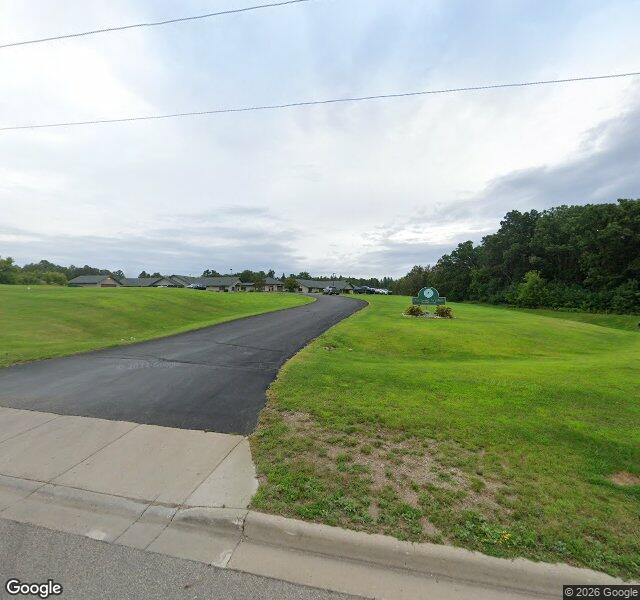
1558 Randolph Road, Detroit Lakes, MN 56501View map (opens in a new tab)
Overview and key essentials
State license
Active
MN MDH
Google reviews
4.0/ 5
3 reviews
Size & payment
Ask directly
Confirm pricing & payment
Cost, payment & care details
Updated Nov 28, 2026| Monthly cost | Not published | Ask for the full monthly cost, including care fees and one-time charges. |
|---|---|---|
| Payment options | Ask directly | Payment details are not confirmed in our records. Ask about private pay, long-term care insurance, veterans benefits, and Medicaid waivers. |
| Size & availability | Confirm directly | We don't publish live openings. Ask about current availability, waitlist length, and move-in timing. |
| Care & support | Assisted livingMemory care certified | Usually offers housing and help with everyday tasks, such as bathing and dressing. What to confirm about care levelsThis describes the licensed category. Ask how care plans adjust if mobility, nursing, or memory needs change over time. Read the family care guide → |
State licensing
State inspection history
5inspections
22deficiencies listed
Dec 10, 2025Routine9 deficiencies reported9
9 deficiencies reported
View official state report (opens in a new tab)
144G. 41 Subd. 3 Infection control program0510
SS= E (a) All assisted living facilities must establish and maintain an infection control program that complies with accepted health care, medical, and nursing standards for infection control. (b)The facility's infection control program must be consistent with current guidelines from the national Centers for Disease Control and Prevention (CDC) for infection prevention and control in long-term care facilities and, as applicable, for infection prevention and control in assisted living facilities. (c) The facility must maintain written evidence of compliance with this subdivision. This MN Requirement is not met as evidenced by: Based on observation, interview, and record review, the licensee failed to ensure services were provided according to accepted health care, medical, or nursing standards in regard to infection control during medication administration STATE FORM observed ULP-E administer R2's scheduled insulin, ULP-E removed ULP-E's gloves, returned to the computer to document the administration of R2's insulin, ULP-E put on a new pair of gloves, and went to the kitchen to pour a glass of orange juice for a resident. The surveyor did not observe ULP-E complete hand hygiene in between glove changes. On December 10, 2025, at 9:59 a.m., ULP-E stated ULP-E received infection control training upon hire and ULP-E was trained to complete hand hygiene before putting on gloves and after removing gloves. On December 10, 2025, at 12:12 p.m., clinical nurse supervisor (CNS) -B stated ULPs were expected to complete hand hygiene before putting on gloves and immediately after removing gloves. LALD/LPN-A stated ULPs received infection control training upon hire and annually thereafter. The licensee' s 8.07 Gloves policy dated January 1, 2025, indicated to wash hands before applying gloves and after removal of gloves. The licensee' s 8.14 Standard Precautions policy dated January 1, 2025, indicated hand should be washed or sanitized after removing gloves and after any direct contact with body secretions. No further information was provided. TIME PERIOD FOR CORRECTION: Seven (7) days
KR03116899
(a) Except as provided in paragraph (b), food must be prepared and served according to the Minnesota Food Code, Minnesota Rules, chapter 4626. (b) For an assisted living facility with a licensed capacity of ten or fewer residents: (1) notwithstanding Minnesota Rules, part 4626. 0033, item A, the facility may share a certified food protection manager (CFPM) with one other facility located within a 60-mile radius and under common management provided the CFPM is present at each facility frequently enough to effectively administer, manage, and supervise each facility's food service operation; (2) notwithstanding Minnesota Rules, part 4626. 0545, item A, kick plates that are not removable or cannot be rotated open are allowed unless the facility has been issued repeated correction orders for violations of Minnesota Rules, part 4626. 1565 or 4626. 1570; (3) notwithstanding Minnesota Rules, part 4626. 0685, item A, the facility is not required to provide integral drainboards, utensil racks, or tables large enough to accommodate soiled and clean items that may accumulate during hours of operation provided soiled items do not contaminate clean items, surfaces, or food, and clean equipment and dishes are air dried in a manner that prevents contamination before storage; (4) notwithstanding Minnesota Rules, part 4626. 1070, item A, the facility is not required to install a dedicated handwashing sink in its existing kitchen provided it designates one well of a two-compartment sink for use only as a handwashing sink; (5) notwithstanding Minnesota Rules, parts 4626. 1325, 4626. 1335, and 4626. 1360, item A, existing floor, wall, and ceiling finishes are STATE FORM KR0311 allowed provided the facility keeps them clean and in good condition; (6) notwithstanding Minnesota Rules, part 4626. 1375, shielded or shatter- resistant lightbulbs are not required, but if a light bulb breaks, the facility must discard all exposed food and fully clean all equipment, dishes, and surfaces to remove any glass particles; and (7) notwithstanding Minnesota Rules, part 4626. 1390, toilet rooms are not required to be provided with a self-closing door. This MN Requirement is not met as evidenced by: Based on observation, interview, and record review, the licensee failed to ensure food was prepared and served according to the Minnesota Food Code. This practice resulted in a level two violation (a violation that did not harm a resident' s health or safety but had the potential to have harmed a resident' s health or safety, but was not likely to cause serious injury, impairment, or death) , and is issued at a widespread scope (when problems are pervasive or represent a systemic failure that has affected or has the potential to affect a large portion or all of the residents) . The findings include: Please refer to the document titled, Food and Beverage Establishment Inspection Report (FBEIR) dated December 9, 2025, for the specific Minnesota Food Code violations. The Inspection Report was provided to the licensee within 24 hours of the inspection. STATE FORM KR0311 TIME PERIOD FOR CORRECTION: Please refer to the FBEIR for any compliance dates. KR0311 failure that has affected or has potential to affect a large portion or all of the residents) . The findings include: During the entrance conference on December 8, 2025, at 9:24 a.m., licensed assisted living director/ licensed practical nurse (LALD/LPN)-A stated the licensee was familiar with current minimum assisted living...
144G. 43 Subd. 3 Contents of resident record0730
SS= D Contents of a resident record include the following for each resident: (1) identifying information, including the resident' s name, date of birth, address, and telephone number; (2) the name, address, and telephone number of the resident' s emergency contact, legal representatives, and designated representative; (3) names, addresses, and telephone numbers of the resident' s health and medical service providers, if known; (4) health information, including medical history, allergies, and when the provider is managing medications, treatments or therapies that require documentation, and other relevant health records; (5) the resident' s advance directives, if any; (6) copies of any health care directives, guardianships, powers of attorney, or conservatorships; (7) the facility's current and previous STATE FORM DISCHARGE SUMMARY R1's diagnoses included right side hemiplegia (paralysis or severe weakness in one side of the body), hypertension (HTN- high blood pressure) , and depression. R1's Service Plan (Waiver) - Addendum to Contract (service plan) dated July 1, 2025, indicated R1 received medication administration, assistance with bathing, grooming, dressing, toileting, transferring, and housekeeping. R1's Discharge/ Transfer Summary dated November 20, 2025, included R1's diagnoses, allergies, finance/ care decisions, and R1 was admitted to a skilled nurse facility. R1's discharge lacked evidence of R1's status from last assessment, a reconciliation of all predischarge medications with the resident' s postdischarge prescribed and over- the- counter medications, and a postdischarge plan that is developed with the resident or resident' s representative that includes any arrangements that have been made for the resident' s follow-up care, and any postdischarge medical and nonmedical services the resident will need. On December 8, 2025, at 2:07 p.m., LALD/LPN-A stated R1's record lacked the required documentation for a discharge, however, the licensee was aware of the requirement. LALD/LPN-A further stated the previous registered nurse (RN) had quit the licensee the same day R1 was discharged, and the discharge paperwork was not completed as required. The licensee' s 2.38 Resident Record- Information and Content policy dated January 1, 2025, STATE FORM
144G. 41 Subdivision 1.a (a) Minimum0485
SS= C requirements; required food services (a) All assisted living facilities must offer to provide or make available at least three nutritious meals daily with snacks available seven days per week, according to the recommended dietary allowances in the United States Department of Agriculture (USDA) guidelines, including seasonal fresh fruit and fresh vegetables. The menus must be prepared at least one week in advance and made available to all residents. The facility must encourage residents' involvement in menu planning. Meal substitutions must be of similar nutritional value if a resident refuses a food that is served. Residents must be informed in advance of menu changes. The facility must not require a resident to include and pay for meals in the resident' s contract. This MN Requirement is not met as evidenced by: Based on interview and record review, the licensee failed to ensure the assisted living contract did not require any resident to include and pay for meals as a part of their assisted living contract. This had the potential to affect all residents. This practice resulted in a level one violation (a violation that will cause only minimal impact on the resident and does not affect health or safety) and was issued at a widespread scope (when problems are pervasive or represent a systemic STATE FORM
144G. 41 Subdivision 1 Subd. 1a (a-b) Minimum0480
SS= F requirements; required food services 0 480 STATE FORM
144G. 42 Subd. 9 Tuberculosis prevention and0660
SS= D control STATE FORM (a) The facility must establish and maintain a comprehensive tuberculosis infection control program according to the most current tuberculosis infection control guidelines issued by the United States Centers for Disease Control and Prevention (CDC), Division of Tuberculosis Elimination, as published in the CDC's Morbidity and Mortality Weekly Report. The program must include a tuberculosis infection control plan that covers all paid and unpaid employees, contractors, students, and regularly scheduled volunteers. The commissioner shall provide technical assistance regarding implementation of the guidelines. (b) The facility must maintain written evidence of compliance with this subdivision. This MN Requirement is not met as evidenced by: Based on observation, interview, and record review, the licensee failed to establish and maintain a tuberculosis (TB) prevention program based on the most current guidelines issued by the Centers for Disease Control and Prevention (MDH), including completion of a two-step TST (tuberculin skin test) or other evidence of TB screening such as a blood test for one of two employees (clinical nurse supervisor (CNS) -B). This practice resulted in a level two violation (a violation that did not harm a resident' s health or safety but had the potential to have harmed a resident' s health or safety, but was not likely to cause serious injury, impairment, or death) , and was issued at an isolated scope (when one or a limited number of residents are affected or one or a limited number of staff are involved or the situation has occurred only occasionally) . STATE FORM The findings include: During the entrance conference on December 8, 2025, at 9:24 a.m., licensed assisted living director/ licensed practical nurse (LALD/LPN)-A stated the licensee was familiar with current minimum assisted living requirements. The licensee' s Facility TB Risk Assessment Worksheet for Health Care Settings Licensed by MDH was completed on November 11, 2025, and the facility was determined to be a low risk level. CNS- B was hired on October 22, 2025, to provide direct care services to residents and supervision to the staff at the assisted living facility. Throughout the survey on December 8, 2025, through December 10, 2025, the surveyor observed CNS- B provide direct care to residents and supervised staff at the assisted living with dementia care facility. CNS- B's employee record contained a negative TB screen dated October 27, 2025, and a negative blood test collected on April 7, 2025 (198 days prior to CNS- B's employment start date) . In addition, CNS- B's employee record contained a negative TB screen dated December 2, 2025, and a negative first-step TST dated December 5, 2025. CNS- B's employee record lacked evidence of a two-step TST or other evidence of a TB screening such as a blood draw within 90 days of employment or upon hire. On December 9, 2025, at 10:14 a.m., LALD/LPN-A stated LALD/LPN-A had thought the STATE FORM
144G. 42 Subd. 10 Disaster planning and0680
SS= C emergency preparedness (a) The facility must meet the following requirements: (1) have a written emergency disaster plan that contains a plan for evacuation, addresses elements of sheltering in place, identifies temporary relocation sites, and details staff assignments in the event of a disaster or an emergency; (2) post an emergency disaster plan prominently; (3) provide building emergency exit diagrams to all residents; (4) post emergency exit diagrams on each floor; and (5) have a written policy and procedure regarding missing residents. (b) The facility must provide emergency and disaster training to all staff during the initial staff orientation and annually thereafter and must make emergency and disaster training annually available to all residents. Staff who have not received emergency and disaster training are allowed to work only when trained staff are also working on site. (c) The facility must meet any additional requirements adopted in rule. This MN Requirement is not met as evidenced by: Based on interview and record review, the STATE FORM
144G. 45 Subd. 2 (b-f) Fire protection and0810
SS= F physical environment (b) Each assisted living facility shall develop and maintain fire safety and evacuation plans. The plans shall include but are not limited to: (1) location and number of resident sleeping rooms; (2) staff actions to be taken in the event of a fire or similar emergency; (3) fire protection procedures necessary for residents; and (4) procedures for resident movement, evacuation, or relocation during a fire or similar emergency including the identification of unique or unusual resident needs for movement or evacuation. (c) Staff of assisted living facilities shall receive STATE FORM Environment Inspection Report (PEIR) dated December 08, 2025, for the specific violations related the physical environment under Minnesota Statute 144G. TIME PERIOD FOR CORRECTION: Twenty-one (21) days 01640 144G. 70 Subd. 4 (a-e) Service plan, SS= D implementation and revisions to (a) No later than 14 calendar days after the date that services are first provided, an assisted living facility shall finalize a current written service plan. (b) The service plan and any revisions must include a signature or other authentication by the facility and by the resident documenting agreement on the services to be provided. The service plan must be revised, if needed, based on resident reassessment under subdivision 2. The facility must provide information to the resident about changes to the facility's fee for services and how to contact the Office of Ombudsman for Long-Term Care and the Office of Ombudsman for Mental Health and Developmental Disabilities. (c) The facility must implement and provide all services required by the current service plan. (d) The service plan and the revised service plan must be entered into the resident record, including notice of a change in a resident' s fees when applicable. (e) Staff providing services must be informed of the current written service plan. This MN Requirement is not met as evidenced by: Based on observation, interview, and record review, the licensee failed to ensure the service plan included a resident or resident STATE FORM
RANDOLPH ROAD1558
Detroit Lakes, MN 56501 Becker County Parcel: License Info License: HFID 25380 Risk: License: Expires on: CFPM: Lisa Vogt CFPM #: FM 125282; Exp: 05/06/2027 Phone: New Order: 2-100 Supervision 2-102.12DMN Priority Level: Priority 3 CFP#: 2 MN Rule 4626.0033D Post the certified food protection manager certificate. COMMENT: THE CFPM CERTIFICATE WAS NOT POSTED AT THE ESTABLISHMENT. PIC INSTRUCTED TO POST THE CFPM CERTIFICATE AT THE ESTABLISHMENT. Comply By: 12/9/2025 Originally Issued On: 12/9/2025 New Order: 4-300 Equipment Numbers and Capacities 4-302.12A Priority Level: Priority 2 CFP#: 36 MN Rule 4626.0705A Provide a readily accessible food temperature measuring device to ensure attainment and maintenance of food temperatures. COMMENT: THE ESTABLISHMENT LACKS A FOOD THERMOMETER. PIC INSTRUCTED TO OBTAIN A FOOD THERMOMETER FOR BOTH KITCHENS. Comply By: 12/9/2025 Originally Issued On: 12/9/2025 Food & Beverage General Comment INSPECTOR MET WITH MDH NURSE EVALUATOR, SARA UMLAUF, AND ESTABLISHMENT REPRESENTATIVE. DISCUSSED THE FOLLOWING: - MAINTAIN TEMPERATURE LOGS - MAINTAIN COOLING LOGS - TRANSPORT FOOD FROM GROCERY STORE IN COOLER BAGS TO MAINTAIN TCS FOODS AT 41 DEGREES F OR BELOW. - SAME DAY SERVICE REQUIREMENTS (DOMESTIC KITCHEN) VS COOKING, COOLING AND REHEATING REQUIREMENTS (ANSI KITCHEN). BOTH KITCHENS HAVE TILE FLOORING, WOOD CABINETS WITH LAMINATE COUNTERTOPS, SMOOTH WALLS AND CEILING. ESTABLISHMENT IS USING THE SECOND KITCHEN'S DISH MACHINE TO SANITIZE DISHES AND UTENSILS. THE DISH MACHINE REACHED THE CORRECT TEMPERATURE REQUIRED BY CODE. 2. Educate employees on the importance of reporting to management any illness they have or have had recently. Management should exclude any workers ill with vomiting or diarrhea from handling food, and they should keep an up to date employee illness log. 3. There should be a Person in Charge at the establishment during all hours of operation. This person should ensure that employees are practicing good hand washing procedures, including being knowledgeable about when hand washing should be done and how to properly wash hands. 4. Employees should use spatula, tongs, deli tissue, gloves, or some other approved means to prevent any direct bare hand contact with ready to eat foods. NOTE: All new food equipment must meet the applicable standards of the American National Standards Institute (ANSI). Plans and specifications must be submitted for review and approval prior to new construction, remodeling or alterations. I acknowledge receipt of the Fergus Falls District Office inspection report number F1049251219 from 12/9/2025 Establishment Representative Stephanie Reynolds, Public Health Sanitarian 2 218-332-5179 stephanie.reynolds@state.mn.us Temperature Observations/Recordings Page: 1 Establishment Info DIAMOND WILLOW ASSISTED LIVING Detroit Lakes County/Group: Becker County Food Temperature: Product/Item/Unit: Rice; Temperature Process: Re-Heating Location: Stove - Kitchen 1 at 155 Degrees F. Comment: Inspector rechecked the temperature, the rice fully reheated to 169.5 Degrees F. Violation Issued?: No Food Temperature: Product/Item/Unit: Ham and Bean Soup; Temperature Process: Cooling Location: Upright Cooler - Kitchen 1 at 84.5 Degrees F. Comment: Establishment started cooling at 11:10 AM. Inspector rechecked the soup at 12:10 PM, the temperature rechecked at 73.5 Degrees F. Violation Issued?: No Food Temperature: Product/Item/Unit: Chicken Salad; Temperature Process: Cold-Holding Location:...
Jan 14, 2025Complaint1 deficiency reported1
1 deficiency reported
View official state report (opens in a new tab)
Substantiated, facility responsibility. The alleged perpetrator (AP), facility staff, neglected the resident when the AP did not follow the resident’s plan of care, falsely documented services were completed, and the resident fell from a mechanical lift
severeHL253806722M
The alleged perpetrator (AP), facility staff, neglected the resident when the AP did not follow the resident’s plan of care, falsely documented services were completed, and the resident fell from a mechanical lift. The Minnesota Department of Health determined neglect was substantiated. The facility was responsible for the maltreatment. Facility licensed staff failed to accurately assess and care plan in order to provide the resident with appropriate transfer assistance following the resident’s change in condition. As a result, the resident fell from a standing lift. The investigator conducted interviews with facility staff members, including administrative staff, nursing staff, and unlicensed staff. The investigator contacted a hospice agency and a family member. The investigation included review of the resident record, death record, hospital records, pharmacy records, facility incident reports, personnel files, staff schedules, and related Page 2 of 4 facility policy and procedures. Also, the investigator observed facility staff provide cares and transfer a resident. The resident resided in an assisted living memory care unit. The resident’s diagnoses included dementia. The resident’s service plan included assistance with medication administration and activities of daily living (ADL’s). The resident’s assessment indicated the resident was disoriented daily, had a lumbar (low back) fracture, was a full code (CPR), was dependent on staff for wheelchair mobility, and oxygen assistance. The resident’s record indicated the resident was hospitalized for pain from a compression fracture (break in the bones of the back causing a collapse) and returned to the facility. Discharge instructions from the first hospitalization included a specialized orthopedic back brace, several new pain medications, supplemental oxygen, and two staff for all transfers. The resident’s record indicated the resident had received the new pain medications for three days when licensed staff observed the resident with increased lethargy, shallow breathing, and leaning to one side. The resident’s record indicated licensed staff had not reassessed the resident’s ability to safely transfer and interventions were not implemented with the change in the resident’s condition. The resident’s plan of care for transfers had not changed from a standing lift (utilizes hydraulic arms and a sling requiring participation from the resident to stand and hold on) and three days after the observation by licensed staff the resident fell from the lift. The resident was hospitalized for two days. Hospital records indicated the resident was seen at the emergency room after falling from the...
Aug 2, 2024Complaint1 deficiency reported1
1 deficiency reported
View official state report (opens in a new tab)
Substantiated, facility responsibility. The resident was abused when facility staff restrained the resident using chemical restraints, bed railings, and other objects. Then, staff forced dentures into the resident’s mouth causing the resident to cry and be visibly shaken. In addition, the resident was neglected when staff failed to provide the resident assistance with cares and the resident was observed wearing food encrusted clothing and smelling of urine with a saturated brief
severeHL253803962M
The resident was abused when facility staff restrained the resident using chemical restraints, bed railings, and other objects. Then, staff forced dentures into the resident’s mouth causing the resident to cry and be visibly shaken. In addition, the resident was neglected when staff failed to provide the resident assistance with cares and the resident was observed wearing food encrusted clothing and smelling of urine with a saturated brief. The Minnesota Department of Health determined neglect was substantiated. The facility was responsible for the neglect. The facility failed to ensure toileting and incontinence care was consistently provided. The resident was observed multiple times over several months in soiled clothing with a saturated incontinence brief. Page 2 of 5 The allegation of abuse was not substantiated. The residents medications, side rails, and body pillow was reviewed and no restraints were identified. The investigator conducted interviews with facility staff members, including administrative staff, nursing staff, and unlicensed staff. The investigator contacted the resident’s family members, and hospice providers. The investigation included review of the resident record(s), facility incident reports, complaints, grievances, personnel files, staff schedules, and related facility policy and procedures. Also, the investigator observed the resident and staff at the facility. The resident resided in an assisted living facility memory care unit with diagnoses including dementia with behavioral disturbance, cognitive deficits, delusional disorder, and hallucinations. The resident’s assessment, service plan, and care plan indicated the resident required full assistance from staff with dressing, grooming, and assistance from 2 staff with transfers, toileting, incontinence care, and repositioning every 2-3 hours and PRN. The resident assessment indicated the resident utilized a hospital bed with half side rails for mobility and repositioning which met FDA guidelines to prevent entrapment. The resident’s individual abuse prevention plan (IAPP) identified the resident was at risk to be abused, and indicated staff were trained to identify and report abuse and neglect. The resident’s medication administration record (MAR) was reviewed and indicated the resident was prescribed lorazepam 0.5 mg every 4 hours PRN. The resident record showed the medication was utilized appropriately 1-2 times a day, 12 out of 30 days, for resistance of cares, aggression with cares, anxiety, restlessness, repeatedly yelling out for help, and indicated the medication was effective. The facility complaints and grievances indicated the resident’s family had reported staff refused to provide toileting when the resident requested to use the bathroom. The report indicated the resident was to be toileted every 2 hours, but staff told the resident that was what his brief was for. The...
Jun 17, 2024Complaint1 deficiency reported1
1 deficiency reported
View official state report (opens in a new tab)
Substantiated, facility responsibility. The facility neglected the resident when the resident sustained multiple falls and staff failed to assess and develop new interventions to prevent further falls. In addition the facility failed to ensure medication was administered as prescribed and the resident was not administered scheduled morphine and lorazepam
severeHL253802460M
The facility neglected the resident when the resident sustained multiple falls and staff failed to assess and develop new interventions to prevent further falls. In addition the facility failed to ensure medication was administered as prescribed and the resident was not administered scheduled morphine and lorazepam. The Minnesota Department of Health determined neglect was substantiated. The facility was responsible for the maltreatment. The resident sustained multiple falls and the facility failed to investigate the cause, reassess the resident and failed to create and implement new fall interventions following each fall. The resident fell nine times in the month that he died; seven of the falls occurred in the days leading up to his death. In addition, the facility failed to ensure a system was in place to ensure medications were transcribed and administered in accordance with physician’s orders and the resident did not receive scheduled pain and anxiety medications. Page 2 of 5 The investigator conducted interviews with facility staff members, including administrative staff, nursing staff, and unlicensed staff. The investigator also contacted the resident’s family, hospice agency staff, and the facility’s corporate leadership staff. The investigation included review of the resident records, death record, autopsy report, hospice records, facility incident reports, personnel files, and related facility policies and procedures. Also, the investigator observed medication administration and care and services provided in the facility. The resident resided in an assisted living memory care unit. The resident’s diagnoses included Alzheimer's dementia with anxiety and hypertension (high blood pressure.) The resident’s service plan included assistance with dressing, grooming, bathing, repositioning, transfers with a mechanical lift, fall coordination ten times per day, safety checks eight times per day, and medication administration. The resident’s assessment indicated had impaired judgment, anxiety, and agitation. The RN was responsible for the resident's medication management, including ordering medications. The assessment failed to include the resident's risk of falls. The resident’s record contained an order for Morphine (an opioid pain medication) 4 mg every 4 hours around the clock and Lorazepam (an anti-anxiety medication) 1 mg every 4 hours around the clock. Due to a transcription error, the order was not processed correctly, and the medication was only scheduled to be given four times per day, not six as initially prescribed. Approximately one month before the resident died, he fell in his room and was hospitalized for one week. After returning from the hospital, the resident admitted to hospice services. The day he returned, he fell in...
Feb 1, 2023Routine10 deficiencies reported10
10 deficiencies reported
View official state report (opens in a new tab)
On February 1, 2023, at 9:17 a.m., the immediacy of correction order 2310 was removed, however, non-compliance remained at a scope and level of H.
STATE FORM6899
ED7W11 STATE FORM ED7W11 STATE FORM ED7W11 STATE FORM ED7W11 STATE FORM ED7W11 STATE FORM ED7W11 STATE FORM ED7W11 STATE FORM ED7W11 STATE FORM ED7W11 STATE FORM ED7W11 STATE FORM ED7W11 STATE FORM ED7W11 STATE FORM ED7W11 STATE FORM ED7W11 STATE FORM ED7W11 STATE FORM ED7W11 STATE FORM ED7W11 STATE FORM ED7W11 STATE FORM ED7W11 STATE FORM ED7W11 STATE FORM ED7W11 STATE FORM ED7W11 01060 01060 (3) contact information for the Office of Ombudsman for Long-Term Care; (4) if known and applicable, the approximate date or range of dates within which the resident is expected to return to the facility, or a statement that a return date is not currently known; and (5) a statement that, if the facility refuses to provide housing or services after a relocation, the resident has the right to appeal under section 144G.54. The facility must provide contact information for the agency to which the resident may submit an appeal. (c) The notice required under paragraph (b) must be delivered as soon as practicable to: (1) the resident, legal representative, and designated representative; (2) for residents who receive home and community-based waiver services under chapter 256S and section 256B.49, the resident's case manager; and (3) the Office of Ombudsman for Long-Term Care if the resident has been relocated and has not returned to the facility within four days. (d) Following an emergency relocation, a facility's refusal to provide housing or services constitutes a termination and triggers the termination process in this section. This MN Requirement is not met as evidenced by: Based on interview and record review, the licensee failed to provide written notice with required content to the resident, legal representative, and designated representative: and failed to provide the notification to the Office of Ombudsman for Long-Term Care (OOLTC) when the resident did not return from the emergency relocation within four days for one of one resident (R6). STATE FORM ED7W11 01060 01060 This practice resulted in a level two violation (a violation that did not harm a resident's health or safety but had the potential to have harmed a resident's health or safety) and was issued at an isolated scope (when one or a limited number of residents are affected or one or a limited number of staff are involved, or the situation has occurred only occasionally). The findings include: The licensee's Discharged Resident/Client Roster dated January 30, 2023, indicated R6 was admitted on October 11, 2021, and was discharged on November 18, 2022, to another facility. R6's record lacked a service plan. R6's Assessment dated July 12, 2022, indicated R6 received medication administration services and assistance with bathing, dressing, and housekeeping. R6's Resident Notes - Nurse included the following: - July 27, 2022, at 7:47 p.m., R6 was at home with family and had a fall which was witnessed by the grandson. R6 was brought to a nearby hospital by the daughter. R6 will require surgery to repair her ankle. - October 21, 2022, at 9:59 p.m., R6 has been hospitalized from July 27, 2022, through August 22, 2022, for repair of a fractured right fibula (smaller bone between the knee and the ankle). Following hospitalization R6 was admitted to a nursing home. - November 1, 2022, at 11:16 a.m., R6 will not be returning to the facility today. R6's Discharge - Transfer Summary dated STATE FORM ED7W11 01060 01060 December 14, 2022, noted R6 was discharged on November 18, 2022, to a nursing...
Randolph Road1558
Detroit Lakes, MN56501 Becker County, 03 License Categories: Operator: Expires on: / / The violations listed in this report include any previously issued orders and deficiencies identified during this inspection. Compliance dates are shown for each item. The following orders were issued during this inspection. 3-500D Microbial Control: disposition of food 3-501.18A ** Priority 1 ** MN Rule 4626.0405A Discard all TCS food prepared in the establishment or opened commercially packaged food when the time exceeds 7 days from the preparation or opening date or if the container or package is not marked. BREAD DATED 1/25, 1/25, AND 1/27 ALL THROWN AWAY ON SITE. Corrected on Site 3-800 Highly Susceptible Populations 3-801.11B ** Priority 1 ** MN Rule 4626.0447B Discontinue using unpasteurized eggs or egg products in the preparation of Caesar salad, hollandaise or Bearnaise sauce, mayonnaise, meringue, eggnog, ice cream, and egg-fortified beverages when serving a highly susceptible population. COMPLETELY COOK EGGS WHEN SERVING OR SERVE PASTEURIZED EGGS. Comply By: 01/30/23 5-200C Plumbing: Maintenance, fixture location 5-205.11AB ** Priority 2 ** MN Rule 4626.1110AB The handwashing sink must be accessible at all times for employee use, and must be used only for handwashing. 2-102.12AMN MN Rule 4626.0033A Employ a certified food protection manager (CFPM) for the establishment. LISA AND ANGELA WERE TAKING A FOOD SAFETY COURSE THAT DAY. MAKE SURE THEY REGISTER WITH THE STATE AS CFPMs. Comply By: 02/06/23 Surface and Equipment Sanitizers Hot Water: = at 167.9 Degrees Fahrenheit Location: Dishwasher 1 Violation Issued: No Hot Water: = at 168.8 Degrees Fahrenheit Location: Dishwasher 2 Violation Issued: No Food and Equipment Temperatures Process/Item: Upright Cooler 1 Temperature: 41.0 Degrees Fahrenheit - Location: Milk Violation Issued: No Process/Item: Upright Cooler 1 Temperature: 40.1 Degrees Fahrenheit - Location: Coffeemate Violation Issued: No Process/Item: Upright Cooler 2 Temperature: 39.2 Degrees Fahrenheit - Location: Coffeemate Violation Issued: No Process/Item: Upright Cooler 3 Temperature: 41.0 Degrees Fahrenheit - Location: Cheese Violation Issued: No Process/Item: Upright Cooler 4 Temperature: 32.4 Degrees Fahrenheit - Location: Milk Violation Issued: No Process/Item: Upright Cooler 5 Temperature: 41.0 Degrees Fahrenheit - Location: Yogurt Violation Issued: No Priority 1 Priority 3 2 1 1 Priority 2 Total Orders In This Report number 1034231017 of 01/30/23. Certified Food Protection Manager: Certification Number: Expires: / / Inspection report reviewed with person in charge and emailed. Signed: Signed: Establishment Representative McKenna Mathews Public Health Sanitarian 1 Fergus Falls District Office 218-332-5161
minor0910
(a) The contract must include in a conspicuous place and manner on the contract the legal name and the license number of the facility. (b) The contract must include the name, telephone number, and physical mailing address, which may not be a public or private post office box, of: (1) the facility and contracted service provider when applicable; (2) the licensee of the facility; (3) the managing agent of the facility, if applicable; and (4) the authorized agent for the facility. This MN Requirement is not met as evidenced by: Based on interview and record review, the licensee failed to execute a written contract with the required content for two of two residents (R7, R5). This practice resulted in a level one violation (a violation that has no potential to cause more than a minimal impact on the resident and does not affect health or safety), and was issued at a widespread scope (when problems are pervasive or represent a systemic failure that has affected or has potential to affect a large portion or all of the residents). The findings include: R7's Resident Lease and Services Agreement (assisted living contract) effective September 1, 2022, was signed by the resident's responsible person on September 1, 2022. R5's Resident Lease and Services Agreement effective November 22, 2022, was signed by the resident's responsible person on November 22, 2022. R7 and R5's assisted living contracts lacked the following required content: - the licensee's HFID number (provider identification number) On February 1, 2023, at 11:25 a.m., director of operations (DO)-L stated the contract was the current contract used by the licensee for all residents. DO-L stated the license number information listed on the contract was incorrect. The licensee's Contract Requirements policy dated September 5, 2022, indicated the contract would include the license number of the facility. No further information was provided. TIME PERIOD FOR CORRECTION: Twenty-One (21) days 01060 SS=D 144G.52 Subd. 9 Emergency relocation (a) A facility may remove a resident from the facility in an emergency if necessary due to a resident's urgent medical needs or an imminent risk the resident poses to the health or safety of another facility resident or facility staff member. An emergency relocation is not a termination. (b) In the event of an emergency relocation, the facility must provide a written notice that contains, at a minimum: (1) the reason for the relocation; (2) the name and contact information for the location to which the resident has been relocated and any new service provider;
moderate0800
physical environment (4) keep the physical environment, including walls, floors, ceiling, all furnishings, grounds, systems, and equipment in a continuous state of good repair and operation with regard to the health, safety, comfort, and well-being of the residents in accordance with a maintenance and repair program. This MN Requirement is not met as evidenced by: Based on observation and interview, the licensee failed to maintain the physical environment in a continuous state of good repair and operation regarding the health, safety, comfort, and well-being of the residents. This deficient condition had the potential to affect all staff, residents, and visitors. This practice resulted in a level two violation (a violation that did not harm a resident's health or safety but had the potential to have harmed a resident's health or safety, but was not likely to cause serious injury, impairment, or death), and was issued at a widespread scope (when problems are pervasive or represent a systemic failure that has affected or has potential to affect a large portion or all of the residents). Findings include: On a facility tour on January 30, 2023, at approximately 2:00 p.m. and with the Director of Operations (DO)-L, it was observed that the fire doors located in the Link area of the facility were propped in the open position by using furniture to prevent them from closing. Doors propped open by the use of furniture will not be allowed to automatically close and compartmentalize as designed in the event of a fire. These deficient conditions were visually verified by (DO)-L as he accompanied us on the tour. TIME PERIOD FOR CORRECTION: 7 DAYS
moderate0700
(b) Resident records, whether written or electronic, must be protected against loss, tampering, or unauthorized disclosure in compliance with chapter 13 and other applicable relevant federal and state laws. The facility shall establish and implement written procedures to control use, storage, and security of resident records and establish criteria for release of resident information. This MN Requirement is not met as evidenced by: Based on observation, interview, and record review, the licensee failed to ensure resident's personal health and medical information was kept private. This had the potential to affect all 21 residents. This practice resulted in a level two violation (a violation that did not harm a resident's health or safety but had the potential to have harmed a resident's health or safety), and was issued at a widespread scope (when problems are pervasive or represent a systemic failure that has affected or has the potential to affect a large portion or all of the residents). The findings include: On January 30, 2023, at 11:49 a.m., the evaluator observed an open computer tablet sitting on the arm of a recliner in the open living/dining room area. The computer screen displayed several resident's name and private information. There were four visitors seated at a dining room table with a resident and two other residents seated in wheelchairs adjacent to the recliner with the open computer tablet. On January 30, 2023, at 12:00 p.m., the evaluator observed two open computer tablets sitting on top of the medication cart in the open living/dining room area in the Burlington unit. The computer screens displayed resident names and medication information. There was one resident seated in a wheelchair near the medication cart. There were no staff in the immediate area. On January 30, 2023, at 12:16 p.m., licensed practical nurse (LPN)-B observed the two open computer tablets noted above with the evaluator. LPN-B stated the computer tablets should be covered or turned over when they are not in use, so the screen was not visible. On January 30, 2023, at 3:27 p.m., the evaluator observed two open computer tablets sitting on top of the medication cart in the open living/dining room area in the Soo unit. The computer screens displayed resident information. There was one resident seated on the couch near the medication cart and no staff were in the immediate area. On February 1, 2023, at 10:45 a.m., the evaluator observed one open computer tablet sitting on top of the medication care in the open/dining room area in the Burlington unit. The computer screen displayed resident information. There were three residents seated in the area near the medication cart with no staff in the immediate area. The licensee's Resident Record - Access and Storage policy dated September 5, 2022, noted all information in the resident record is confidential; all staff are responsible to make sure confidentiality is maintained for all resident records and information. No further information was provided. TIME PERIOD FOR CORRECTION: Twenty-One (21) days
moderate0250
(a) The commissioner may refuse to grant a provisional license, refuse to grant a license as a result of a change in ownership, refuse to renew a license, suspend or revoke a license, or impose a conditional license if the owner, controlling individual, or employee of an assisted living facility: (1) is in violation of, or during the term of the license has violated, any of the requirements in this chapter or adopted rules; (2) permits, aids, or abets the commission of any illegal act in the provision of assisted living services; (3) performs any act detrimental to the health, safety, and welfare of a resident; (4) obtains the license by fraud or misrepresentation; (5) knowingly makes a false statement of a material fact in the application for a license or in any other record or report required by this chapter; (6) denies representatives of the department access to any part of the facility's books, records, files, or employees; (7) interferes with or impedes a representative of the department in contacting the facility's residents; (8) interferes with or impedes ombudsman access according to section 256.9742, subdivision 4; (9) interferes with or impedes a representative of the department in the enforcement of this chapter or fails to fully cooperate with an inspection, survey, or investigation by the department; (10) destroys or makes unavailable any records or other evidence relating to the assisted living facility's compliance with this chapter; (11) refuses to initiate a background study under section 144.057 or 245A.04; (12) fails to timely pay any fines assessed by the commissioner; (13) violates any local, city, or township ordinance relating to housing or assisted living services; (14) has repeated incidents of personnel performing services beyond their competency level; or (15) has operated beyond the scope of the assisted living facility's license category. (b) A violation by a contractor providing the assisted living services of the facility is a violation by the facility. This MN Requirement is not met as evidenced by: Based on interview and record review, the licensee failed to show they met the requirements of licensure, by attesting the managerial officials who oversaw the day-to-day operations understood applicable statutes and rules; nor developed and/or implemented current policies and procedures as required with records reviewed. This had the potential to affect all residents, staff, and visitors. This practice resulted in a level two violation (a violation that did not harm a resident's health or safety but had the potential to have harmed a resident's health or safety, but was not likely to cause serious injury, impairment, or death), and is issued at a widespread scope (when problems are pervasive or represent a systemic failure that has affected or has the potential to affect a large portion or all of the residents). The findings include: During the entrance conference on January 30, 2023, at 10:15 a.m., licensed assisted living director (LALD)-A and licensed practical nurse (LPN)-B stated the licensee's employees in charge of the facility were familiar with the assisted living regulations and the licensee provided medication and treatment management services. The licensee's Application for Assisted Living License, section titled Official Verification of Owner or Authorized Agent director of operations (DO)-L, identified, I certify I have read and understand the following: [a check mark was placed before each...
moderate0510
(a) All assisted living facilities must establish and maintain an infection control program that complies with accepted health care, medical, and nursing standards for infection control. (b)The facility's infection control program must be consistent with current guidelines from the national Centers for Disease Control and Prevention (CDC) for infection prevention and control in long-term care facilities and, as applicable, for infection prevention and control in assisted living facilities. (c) The facility must maintain written evidence of compliance with this subdivision. This MN Requirement is not met as evidenced by: Based on observation, interview and record review, the licensee failed to establish and maintain an effective infection control program to comply with accepted health care, medical, and nursing standards for infection control and current recommendations for COVID-19 regarding wearing appropriate personal protective equipment (PPE). In addition, the licensee failed to ensure infection control standards were followed for one of two unlicensed personnel (ULP)-D during personal cares for R7. This had the potential to affect all 21 residents, staff, and visitors. This practice resulted in a level two violation (a violation that did not harm a resident's health or safety but had the potential to have harmed a resident's health or safety) and was issued at a widespread scope (when problems are pervasive or represent a systemic failure that has affected or has the potential to affect a large portion or all of the residents). The findings include: PPE - MASKS On January 30, 2023, at 10:00 a.m., upon entrance to the facility the evaluator observed the following signage posted on the wall in the main entrance area: "STOP masking is required at this time." On January 30, 2023, at 11:50 a.m., the evaluator observed ULP-D to conduct a blood glucose check and administer R1's scheduled medications which included insulin. The evaluator observed several times ULP-D's face mask be lower on her face exposing her nose. On January 31, 2023, at 6:05 a.m., the evaluator observed assisted living coordinator (ALC)-N in the kitchen not wearing a mask. On January 31, 2023, at 6:12 a.m., the evaluator observed ULP-J and ULP-K in the main dining room area and neither ULP were wearing a mask. On January 31, 2023, at 6:15 a.m., the evaluator observed ULP-F assisting R8 from his room to the open living room area and ULP-F was not wearing a mask. On January 31, 2023, at 2:16 p.m., the evaluator observed ULP-D to be seated in the open living room area speaking to an unknown resident who was seated directly beside ULP-D. The evaluator observed ULP-D's mask to be looped around each ear and positioned under her chin exposing her nose and mouth. On February 1, 2023, at 10:52 a.m., assistant director (AD)-G stated the facility followed the Centers for Disease Control and Prevention (CDC) guidelines with regards to PPE usage. AD-G stated she reviewed the county's transmission level weekly and sends this information out to the facility. AD-G stated all staff should be wearing masks and the masks should be applied appropriately as the facility's county transmission level was high. On February 1, 2023, at 11:08 a.m., AD-G provided the county's transmission level and CDC guidance for PPE for the facility based off the following reference: The CDC COVID Data Tracker: COVID:19 Integrated County View (covid.cdc.gov/covid-data-tracker/#county-view). Masks: COVID-19...
moderate0900
(a) An assisted living facility may not offer or provide housing or assisted living services to any individual unless it has executed a written contract with the resident. (b) The contract must contain all the terms concerning the provision of: (1) housing; (2) assisted living services, whether provided directly by the facility or by management agreement or other agreement; and (3) the resident's service plan, if applicable. (c) A facility must: (1) offer to prospective residents and provide to the Office of Ombudsman for Long-Term Care a complete unsigned copy of its contract; and (2) give a complete copy of any signed contract and any addendums, and all supporting documents and attachments, to the resident promptly after a contract and any addendum has been signed. (d) A contract under this section is a consumer contract under sections 325G.29 to 325G.37. (e) Before or at the time of execution of the contract, the facility must offer the resident the opportunity to identify a designated representative according to subdivision 3. (f) The resident must agree in writing to any additions or amendments to the contract. Upon agreement between the resident and the facility, a new contract or an addendum to the existing contract must be executed and signed. This MN Requirement is not met as evidenced by: Based on observation, interview and record review, the licensee failed to develop and execute a written assisted living contract with the required content for one of three residents (R1) with records reviewed. This practice resulted in a level two violation (a violation that did not harm a resident's health or safety but had the potential to have harmed a resident's health or safety) and was issued at an isolated scope (when one or a limited number of residents are affected or one or a limited number of staff are involved, or the situation has occurred only occasionally). The findings include: R1's diagnoses included diabetes, hyperlipidemia (high cholesterol), congested heart failure (condition in which the heart's function as a pump is inadequate to meet the body's needs), chronic obstructive pulmonary disease (COPD-chronic obstruction of lung airflow that interferes with normal breathing), obesity, hypertension (HTN-high blood pressure), memory impairment, and depression. R1's service plan dated July 15, 2022, indicated the resident received services to include medication administration, blood glucose monitoring, oxygen therapy, assistance with bathing, toileting, dressing, grooming, and transferring. On January 30, 2023, at 11:50 a.m., the evaluator observed unlicensed personnel (ULP)-D conduct a blood glucose check and administer R1's scheduled medications. R1's records lacked a written contract which included the terms concerning the provisions of the following as required: (1) housing (2) assisted living services, whether provided directly by the facility or by management agreement or other agreement In addition, R1's records lacked evidence that the contract had been fully executed as the facility must: - give a complete copy of any signed contract and any addendums, and all supporting documents and attachments, to the resident promptly after a contract and any addendum has been signed; and - the facility must offer the resident the opportunity to identify a designated representative. On February 1, 2023, at 12:06 p.m., licensed assisted living director (LALD)-A stated she did not have a signed assisted living contract for R1. The...
moderate0640
reporting suspected c The facility shall support protection and safety through access to the state's systems for reporting suspected criminal activity and suspected vulnerable adult maltreatment by: (1) posting the 911 emergency number in common areas and near telephones provided by the assisted living facility; (2) posting information and the reporting number for the Minnesota Adult Abuse Reporting Center to report suspected maltreatment of a vulnerable adult under section 626.557; and (3) providing reasonable accommodations with information and notices in plain language. This MN Requirement is not met as evidenced by: Based on observation and interview, the licensee failed to post required content in common areas to include posting the 911 emergency number in common areas and near telephones provided by the assisted living. This had the potential to affect all residents, staff, and visitors. This practice resulted in a level two violation (a violation that did not harm a resident's health or safety but had the potential to have harmed a resident's health or safety) and was issued at a widespread scope (when problems are pervasive or represent a systemic failure that has affected or has the potential to affect a large portion or all of the residents). The findings include: On January 30, 2023, from 11:20 a.m. through 12:10 p.m., during the facility tour, the evaluator did not observe 911 posted on or near telephones in the commons areas as required. On January 30, 2023, at 12:10 p.m., licensed practical nurse (LPN)-B verified the 911 emergency number were not posted at or near telephones or in the Burlington wing or Soo Line wing. The licensee's Emergency Contacts for Staff policy dated September 5, 2022, indicated emergency numbers would be posted in the office or available on R-task (electronic medical record). No further information was provided. TIME PERIOD FOR CORRECTION: Twenty-One (21) days
moderate0480
requirements (13) offer to provide or make available at least the following services to residents: (i) at least three nutritious meals daily with snacks available seven days per week, according to the recommended dietary allowances in the United States Department of Agriculture (USDA) guidelines, including seasonal fresh fruit and fresh vegetables. The following apply: (B) food must be prepared and served according to the Minnesota Food Code, Minnesota Rules, chapter 4626; and This MN Requirement is not met as evidenced by: Based on observation, interview and record review, the licensee failed to ensure food was prepared and served according to the Minnesota Food Code. This practice resulted in a level two violation (a violation that did not harm a resident's health or safety but had the potential to have harmed a resident's health or safety) and was issued at a widespread scope (when problems are pervasive or represent a systemic failure that has affected or has the potential to affect a large portion or all the residents). The findings include: Please refer to the included document titled, Food and Beverage Establishment Inspection Report dated January 30, 2023, for the specific Minnesota Food Code deficiencies. TIME PERIOD FOR CORRECTION: Twenty-one (21) days
Neighborhood & resident support
Emergency access, hazards & advocacy
Nearest hospital
Perham Health
18.7 mi · Perham, MN · Medicare 3/5 ★
Emergency room
FEMA hazard risk
Very LowBecker County, MN
- Winter Weather
- Landslide
- Wildfire
Free resident advocacy
Minnesota Office of Ombudsman for Long-Term Care
More neighborhood context (specialists, VA, dialysis, air & affordability)
VA & dialysis access
Fargo VA Medical Center
46.1 mi · Fargo, ND · VA 5/5 ★
Sanford Dialysis Detroit Lakes
2.4 mi · 3/5 ★
Specialists within 15 mi
- Geriatricians
- 0
- Neurologists
- 2
- Palliative care
- 1
- PM&R rehab
- 0
Environment & mobility
- EPA Air (2025)
- 74% good days · AQI 38
- EPA Walkability
- 5.8/20 (Below Average)
- USDA Grocery Access
- Limited Grocery Access
- Primary care access
- HRSA Shortage Area
County demographics
- Age 65+ median income
- $57,238/yr
- Rent-burdened households
- 45%
- Cognitive disability (2023)
- 14.7%
- Mobility disability
- 11.0%
Call & tour checklist
Questions to ask Diamond Willow Assisted Living
Check off questions as you call or tour. Your progress stays private in this browser.
Show 3 more suggested questions
Verification & public records
Official records & sources
Licensing & contact
- License #
- 25380
- Status
- active
- Phone
- (218) 846-0825
- Federal OIG LEIE
- Clear (2026-11-27)
Original public sources
Verify licensing, ratings, and inspection reports directly with each official source.
- MN MDH official record (opens in a new tab)MN Dept. of Health
- Google Maps (opens in a new tab)Directions, photos & neighborhood
- Google Reviews (opens in a new tab)3 public reviews
EveryPlace is an independent research directory. Information is compiled from public Medicare.gov, state licensing, Google Places, and street-level imagery sources. Some summaries, suggested questions, and pricing notes are AI-generated or AI-assisted and may contain errors or omissions. We do not accept payment for placement. Confirm all details directly with the community and official sources. Research Policy.
Keep exploring
Nearby communities to compare
- Medicare 3/54.1(14)57 bedsMedicaidNursing Home1.0 miEmmanuel Nursing HomeDetroit Lakes, MN
- Cap. 65HUD Senior Housing1.1 miLamplighter ManorDetroit Lakes, MN
- 1.0(2)Assisted Living1.1 miEcumen Detroit Lakes the CottaDetroit Lakes, MN
- 4.1(7)Assisted Living1.2 miPelican Landing Senior LivingDetroit Lakes, MN
- Assisted Living1.3 miGolden Manor CorporationDetroit Lakes, MN
- Cap. 97HUD Senior Housing1.3 miPark Manor EstatesDetroit Lakes, MN