Loading EveryPlace content…
Assisted LivingActive license
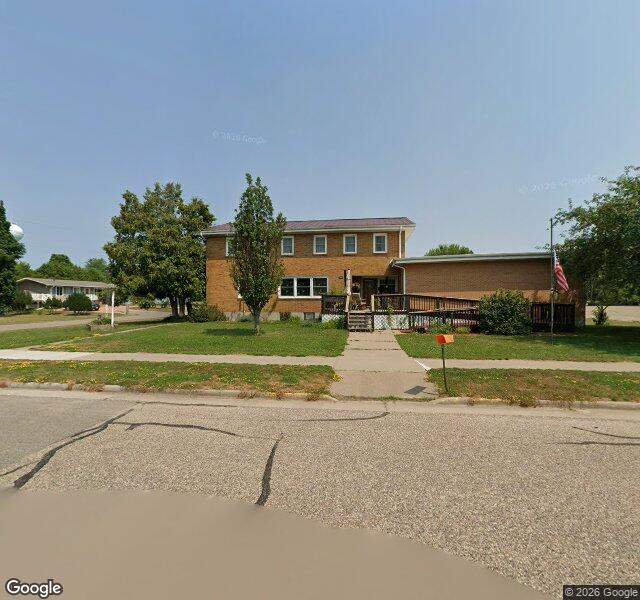
Delaney Home
5342 3rd Ave, Pittsville, WI 54466View map (opens in a new tab)
Overview and key essentials
State license
Active
WI DHS
Google reviews
5.0/ 5
1 reviews
Monthly cost
$5,000–$7,000/ mo
AI-assisted estimate
Cost, payment & care details
Updated Nov 28, 2026| Monthly cost | $5,000–$7,000AI-assisted estimate | Research may contain errors. Request a current quote from the provider. Source: AI-assisted online research, Nov 2026. |
|---|---|---|
| Payment options | Medicaid | Participation is reported in our source data. Confirm eligibility, covered services, and any private-pay costs. Verified Medicaid waiver: Wisconsin Family Care / IRIS Medicaid Waiver (WI Dept. of Health Services (DHS DQA)). |
| Size & availability | Confirm directly | We don't publish live openings. Ask about current availability, waitlist length, and move-in timing. |
| Care & support | Assisted living | Usually offers housing and help with everyday tasks, such as bathing and dressing. What to confirm about care levelsThis describes the licensed category. Ask how care plans adjust if mobility, nursing, or memory needs change over time. Read the family care guide → |
Safety screening & compliance
State licensing depth & federal screening
HHS OIG LEIE: Clear (2026-11-27)OIG database ↗ (opens in a new tab)
WI DHS directory details (CBRF)
Class: CLASS CS (SEMIAMBULATORY)Public Funding (Family Care / IRIS)HCBS CompliantWI DHS rates: $5,000–$7,000/mo
State licensing
State inspection history
3inspections
12deficiencies listed
Jun 25, 2025Follow-up1 deficiency reported1
Jan 15, 2025Complaint11 deficiencies reported11
11 deficiencies reported
View official state report (opens in a new tab)
On 01/10/2025-01/15/2025, Surveyor conducted a complaint investigation and standard survey at Delaney Home LLC. Seven deficiencies were identified. One of 7 deficiencies was a repeat violation. See Statement of Deficiency (SOD) 6FEQ11, dated 07/11/2022. The complaint was unsubstantiated. Census: 8
STATE FORM6899
OBYC11 STATE FORM OBYC11 STATE FORM OBYC11 STATE FORM OBYC11 STATE FORM OBYC11 STATE FORM OBYC11 STATE FORM OBYC11 STATE FORM OBYC11 STATE FORM OBYC11 STATE FORM OBYC11 STATE FORM OBYC11 STATE FORM OBYC11 STATE FORM OBYC11 STATE FORM OBYC11 STATE FORM OBYC11
and 2024.2023
On 01/15/2025 at 4:47 PM, Surveyor conducted an exit conference and shared findings with Administrator A and Licensee B. Licensee B reported s/he talked to the pharmacy and the person who completed the audit did not complete a report and s/he no longer worked there. Administrator A and Licensee B acknowledged a review should have been completed in 2023 and 2024. Administrator A stated the pharmacy would be contacted.
83.37(1)(e) Medication regimen, administrationN 404
review. Medication Regimen Review. 1. If residents ' medications are administered by a CBRF employee, the CBRF shall arrange for a pharmacist or a physician to review each resident ' s medication regimen. This review shall occur within 30 days before or 30 days after the resident ' s admission, whenever there is a significant change in medication, and at least every 12 months. 2. At least annually, the CBRF shall have a physician, pharmacist, or registered nurse conduct an on-site review of the CBRF ' s medication administration and medication storage systems. 3. The CBRF shall obtain a written report of findings under subds. 1. and 2., and address any irregularities for appropriate action. When the review is done by someone other than the prescribing practitioner, the prescribing practitioner shall receive a copy of the report when there are irregularities identified with the resident's medication regimen, which may need physician involvement to address. This Rule is not met as evidenced by: Based on interview and record review, the provider did not arrange on an annual basis, for a physician, pharmacist, or registered nurse to conduct an on-site review of the CBRF's medication administration and medication storage systems for 2023 and 2024. This is a repeat deficiency. See Statement of Deficiency (SOD) 6FEQ11, dated 07/11/2022. Findings include: On 01/10/2025, Surveyor conducted a standard survey and asked Licensee B for the annual reviews of the medications administration and storage reviews for 2023 and 2024. The provider did not have evidence of the medication administration and storage review for
83.31(4)(c) Involuntary discharge noticeN 328
requirements. Discharge or transfer initiated by CBRF. Notice requirements. Every notice of involuntary discharge shall be in writing to the resident or resident ' s legal representative and shall include all of the following: 1. A statement setting forth the reason and justification for discharge listed under par. (b). 2. A statement that the resident or the resident ' s legal representative may ask the department to review the involuntary discharge by sending a written request within 10 days of receipt of the discharge statement to the department ' s regional office with a copy to the CBRF. The notice shall state that the request must provide an explanation why the discharge should not take place. 3. The name, address and telephone number of the department ' s regional office director. 4. The name, address and telephone number of the regional office of the board on aging and long term care ' s ombudsman program. For residents with developmental disability or mental illness, the notice shall include the name, address and telephone number of the protection and advocacy agency designated under s. 51.62(2)(a), Stats. This Rule is not met as evidenced by: Based on record review and interview, the provider did not ensure the involuntary discharge notice issued to Resident 1 included the following requirements: 2. A statement that the resident or the resident's legal representative may ask the department to review the involuntary discharge by sending a written request within 10 days of receipt of the discharge statement to the department's regional office with a copy to the CBRF. The notice shall state that the request must provide an explanation why the discharge should not take place. 3. The name, address and telephone number of the department's regional office director. 4. The name, address and telephone number of the regional office of the board on aging and long term care's ombudsman program. For residents with developmental disability or mental illness, the notice shall include the name, address and telephone number of the protection and advocacy agency designated under s. 51.62(2)(a), Stats. Findings include: On 01/10/2025, Surveyor completed a standard survey and identified the following: On 01/10/2025 at 11:15 AM, Surveyor interviewed Licensee B. Licensee B reported over the last few months, Resident 1 had exceeded the level of care staff can provide and due to Resident 1's guardian request to move him/her closer, a 30-day notice was issued to the managed care organization (MCO). Licensee A provided an email sent from Administrator A to Case Manager F dated 10/25/2024 at 12:51 PM, which indicated: "Hello [Case Manager F], This is the formal notice that [Resident 1's] care team is being given a 30-day notice as [s/he] exceeding our level of care with [his/her] declining mental faculties. I have talked to [Resident 1's guardian] and [s/he] agrees that [Resident 1] should be moved." Licensee A stated Resident 1 had been hospitalized since yesterday and did not know if the MCO would find alternative placement at this time. Licensee A stated s/he was unaware of the involuntary discharge requirements. Licensee A stated s/he would review the requirement with Administrator A prior to issuing anymore involuntary discharges.
83.36(1)(b) Qualified staff in charge, on duty andN 397
awake. The CBRF shall ensure all of the following: 1. An administrator or other designated qualified resident care staff in charge is on the premises of the CBRF daily to ensure the CBRF is providing safe and adequate care, treatment and services. 2. At least one qualified resident care staff is present in the CBRF when one or more residents are present in the CBRF. 3. At least one qualified resident care staff is on duty and awake if at least one resident in the CBRF is in need of supervision, intervention or services on a 24-hour basis to prevent, control or improve the resident ' s constant or intermittent mental or physical condition that may occur or may become critical at any time including residents who are at risk of elopement, who have dementia, who are self-abusive, who become agitated or emotionally upset or who have changing or unstable health conditions that require close monitoring. 4. At least one qualified resident care staff is on duty and awake if the evacuation capability of at least one resident is 4 minutes or more. This Rule is not met as evidenced by: Based on observation, record review and interview, the provider did not ensure at least one qualified resident care staff was present during the 1st shift (7am-3pm) or 2nd shift (3pm-11pm) on 58 occasions between 07/01/2024-12/31/2024. Findings include: On 01/10/2025, Surveyor conducted a complaint investigation and reviewed staff records. The following was found: DHS Chapter 83 defines "Qualified resident care staff" as an employee who has successfully completed all of the applicable training and orientation under subch. IV. The provider is licensed as a Class CS (semi-ambulatory) facility and can serve up to 8 residents in the following client groups: advanced age, developmentally disabled, and physically disabled. On 01/10/2025 at 11:15 AM, Surveyor interviewed Licensee B. Licensee B reported the typical staffing ratio was 1 day shift staff (AM) and 1 evening staff (PM). Licensee B reported their current residents did not require overnight supervision or cares, so the provider did not staff the 3rd shift. Licensee B stated s/he and Administrator A were married and lived in the upstairs of the building and were around in the event of an emergency. On 01/10/2025, Surveyor reviewed Caregiver C's record to verify compliance with training requirements. Caregiver C was hired 08/30/2023 and was documented as working 1st or 2nd shift. Caregiver C's date of birth is 05/23/2006, which made him/her a minor at time of hire Caregiver C's record did not include training in Fire Safety or First Aid and Choking. Surveyor verified on the CBRF training registry, Caregiver C had not received training in Fire Safety or First Aid and Choking or met an exemption. On 01/10/2025, Surveyor reviewed the provider's electronic file and did not observe a waiver on file to employ a minor. On 01/10/2025, Surveyor reviewed the staff schedule from 07/01/2024 to 12/31/2024. The schedule indicated Caregiver C was the only staff member present during the 1st shift (7am-3pm) or 2nd shift (3pm-11pm) on the following dates: 07/01/2024, 07/09/2024, 07/11/2024, 07/15/2024, 07/29/2024, 08/01/2024, 08/12/2024, 08/26/2024, 08/29/2024, 09/02/2024, 09/04/2024, 09/05/2024, 09/09/2024, 09/11/2024, 09/16/2024, 09/18/2024, 09/19/2024, 09/23/2024, 09/30/2024, 10/02/2024, 10/03/2024, 10/07/2024, 10/09/2024, 10/11/2024, 10/16/2024, 10/17/2024, 10/18/2024, 10/21/2024, 10/23/2024, 10/25/2024,...
83.37(1)(g) Disposition of medications.N 406
Disposition of medications. 1. When a resident is discharged, the resident ' s medications shall be sent with the resident. 2. If a resident ' s medication has been changed or discontinued, the CBRF may retain a resident ' s medication for no more than 30 days unless an order by a physician or a request by a pharmacist is written every 30 days to retain the medication. 3. The CBRF shall develop and implement a policy for disposing unused, discontinued, outdated, or recalled medications in compliance with federal, state and local standards or laws. The CBRF shall arrange for the stored medications to be destroyed in compliance with standard practices. Medications that cannot be returned to the pharmacy shall be separated from other medication in current use in the facility and stored in a locked area, with access limited to the administrator or designee. The administrator or designee and one other employee shall witness, sign, and date the record of destruction. The record shall include the medication name, strength and amount. This Rule is not met as evidenced by: Based on observation and interview, the provider did not ensure 7 of 8 resident medications were disposed of after 30 days of the expiration date. Findings include: On 09/27/2024 at 10:18 AM-10:26 AM, Surveyor observed the providers medication cabinet and observed the following expired medications: -Resident 1 had 30 tabs of Senna Docusate 50 mg to be taken as needed and an expiration date of 05/04/2024. -Resident 2 had 10 tabs of Acetaminophen 600 mg to be taken as needed and an expiration date of 01/30/2024. -Resident 2 had 1 tab of Ibuprofen 600 mg to be taken as needed and an expiration date of 10/25/2023. -Resident 3 had 21 tabs of Acetaminophen 500 mg to be taken as needed and an expiration date of 01/03/2024. -Resident 3 had 17 tabs of Melatonin 1 mg to be taken as needed and an expiration date of 04/02/2024. -Resident 3 had 3 tabs of Melatonin 1 mg to be taken as needed and an expiration date of 08/27/2024. -Resident 4 had 2 tabs of Acetaminophen 500 mg to be taken as needed and an expiration date of 07/13/2024. -Resident 4 had 30 tabs of Acetaminophen 500 mg to be taken as needed and an expiration date of 10/02/2024. -Resident 6 had 56 tabs of Acetaminophen 325 mg to be taken as needed and an expiration date of 02/20/2024. -Resident 7 had 30 tabs of Hydroxyzine 25 mg to be taken as needed and an expiration date of 06/25/2024. -Resident 7 had 10 tabs of Hydroxyzine 25 mg to be taken as needed and an expiration date of 11/15/2024. -Resident 8 had 12 tabs of Acetaminophen 325 mg to be taken as needed an expiration date of 05/23/2023. On 01/10/2025 at 11:15 AM, Surveyor interviewed Licensee B. Licensee B acknowledged many resident medications were expired and stated s/he planned to have staff review the cabinet later today. Licensee B reported s/he needed a system in place to review as needed medications monthly.
83.17(1) Licensee conduct caregiver backgroundN 219
check Caregiver background check. At the time of hire, employment or contract and every 4 years after, the licensee shall conduct and document a caregiver background check following the procedures in s. 50.065, Stats., and ch. DHS 12. A licensee shall not employ, contract with or permit a person to reside at the CBRF if the person has been convicted of the crimes or offenses, or has a governmental finding of misconduct, found in s. 50.065, Stats., and ch. DHS 12, Appendix A, unless the person has been approved under the department ' s rehabilitation process as defined in ch. DHS 12. This Rule is not met as evidenced by: Based on record review and interview, the provider did not ensure complete background employees reviewed. The complete background check is to include the background information disclosure form (BID), the criminal history search form from the department of justice (DOJ), and the information maintained by the department of safety and professional service regarding a person's credentials (IBIS). Findings include: On 01/10/2025, Surveyor reviewed employee records and identified the following: -Caregiver D was hired 06/14/2022. Caregiver D's record did not include a DOJ and IBIS letter. -Caregiver E was hired 12/26/2023. Caregiver E's record did not include a BID, DOJ, and IBIS letter. On 01/15/2025 at 4:47 PM, Surveyor conducted an exit conference and shared findings with Administrator A and Licensee B. Administrator A reported s/he ran a background check for Caregiver D upon hire, but s/he could not locate the documentation. Administrator A acknowledged s/he should have retained the background check in Caregiver D's record. Administrator A reported Caregiver E was hired from 2019-2022 and rehired in late 2023. Administrator A stated s/he did not know another background check was required upon rehire.
83.37(1)(h) Scheduled psychotropic medications.N 407
Scheduled psychotropic medications. When a psychotropic medication is prescribed for a resident, the CBRF shall do all of the following: 1. Ensure the resident is reassessed by a pharmacist, practitioner or registered nurse, as needed, but at least quarterly for the desired responses and possible side effects of the medication. The results of the assessments shall be documented in the resident ' s record as required under s. HFS 83.42(1)(q). 2. Ensure all resident care staff understands the potential benefits and side effects of the medication. This Rule is not met as evidenced by: Based on record review and interview, the provider did not ensure 4 of 8 residents were reassessed by a pharmacist, practitioner, or registered nurse as needed, but at least quarterly during the year 2024 for the desired response and possible side effects of scheduled psychotropic medications. Findings include: On 01/15/2025, Surveyor reviewed resident records and identified the following: Resident 2 admitted to the facility on 01/21/2023. Resident 2's physician orders included the following: Escitalopram 20mg tablet to be taken daily with a start date of 10/28/2024, Quetiapine 25mg tablet to be taken daily with a start date of 12/04/2024. Resident 2's record did not contain psychotropic medication reviews for the 4th quarter of 2024. Resident 3 admitted to the facility on 12/08/2020. Resident 3's physician orders included the following: Citalopram 10mg tablet to be taken daily with a start date of 10/28/2024. Resident 3's record did not contain psychotropic medication reviews for the 4th quarter of 2024. Resident 4 admitted to the facility on 11/20/2020. Resident 4's physician orders included the following: Duloxetine 40mg tablet to be taken daily with a start date of 09/03/2024. Resident 4's record did not contain psychotropic medication reviews for the 4th quarter of 2024. Resident 6 admitted to the facility on 07/13/2020. Resident 6's physician orders included the following: Quetiapine 50mg tablet to be taken daily with a start date of 10/078/2024. Resident 6's record did not contain psychotropic medication reviews for the 4th quarter of 2024. On 01/15/2025 at 4:47 PM, Surveyor conducted an exit conference and shared findings with Administrator A and Licensee B. Administrator A acknowledged quarterly psychotropic reviews were not completed for all residents in 2024. Licensee B reported this requirement was missed somehow and the provider had plans to resume when their nurse who does the reviews is available.
DHS 83.20(2)(a-d) Department ApprovedN 0239
DHS 83.20(2)(a-d) Department Approved
DHS 83.36(1)(b) Qualified Staff In Charge,N 0397
On Duty And Awake
83.20(2)(a)-(d) Department-approved trainingN 239
courses. Standard Precautions. All employees who may be occupationally exposed to blood, body fluids or other moist body substances, including mucous membranes, non-intact skin, secretions, and excretions except sweat, whether or not they contain visible blood shall successfully complete training in standard precautions before the employee assumes any responsibilities that may expose the employee to such material. Fire safety. Within 90 days after starting employment, all employees shall successfully complete training in fire safety. First aid and choking. Within 90 days after starting employment, all employees shall successfully complete training in first aid and procedures to alleviate choking. Medication administration and management. Any employee who manages, administers or assists residents with prescribed or over-the-counter medications shall complete training in medication administration and management prior to assuming these job duties. This Rule is not met as evidenced by: Based on record review and interview, the provider did not ensure Caregiver C obtained all department approved training as required. Caregiver C did not have training in fire safety or first aid and choking within 90 days after starting employment. Findings include: On 01/10/2025, Surveyor conducted a review of employee files to verify compliance with department approved training requirements. Fire Safety: The record for Caregiver C, hired 08/30/2023, did not contain evidence of training or evidence of meeting an exemption for fire safety. First Aid and Choking: The record for Caregiver C, hired 08/30/2023, did not contain evidence of training or evidence of meeting an exemption for First Aid and Choking. On 01/10/2025, Surveyor verified Caregiver C was not on the Community-Based Care and Treatment training registry for fire safety or first aid and choking. On 01/15/2025 at 4:47 PM, Surveyor conducted an exit conference with Administrator A and Licensee B. Administrator A acknowledged Caregiver C's record did not contain department approved training requirements in fire safety. Administrator A reported Caregiver C was a certified nursing assistant (CNA) and was in school to be a nurse. Administrator A reported s/he thinks Caregiver C had to complete first aid and choking training in order to be a CNA. Administrator A provided a college transcript for Caregiver C that did not contain evidence of training in first aid and choking. Cross Reference:
Jan 15, 2025EnforcementEnforcement actionPenalty
Enforcement action
View official state report (opens in a new tab)
No deficiencies are reported in this inspection record.
Neighborhood & resident support
Emergency access, hazards & advocacy
Nearest hospital
Riverview Hsptl Assoc
15.2 mi · Wisconsin Rapids, WI
Emergency roomTrauma Iii
FEMA hazard risk
Relatively LowWood County, WI
- Cold Wave
- Hail
- Tornado
Free resident advocacy
Wisconsin Board on Aging & Long Term Care Ombudsman
More neighborhood context (specialists, VA, dialysis, air & affordability)
VA & dialysis access
Tomah VA Medical Center
35.8 mi · Tomah, WI
DaVita Marshfield Dialysis
14.1 mi · 2/5 ★ · Home dialysis
Specialists within 15 mi
- Geriatricians
- 2
- Neurologists
- 24
- Palliative care
- 2
- PM&R rehab
- 10
Environment & mobility
- EPA Walkability
- 6.9/20 (Below Average)
- Primary care access
- HRSA Shortage Area
County demographics
- Age 65+ median income
- $48,716/yr
- Rent-burdened households
- 39%
- Cognitive disability (2023)
- 14.4%
- Mobility disability
- 11.7%
Call & tour checklist
Questions to ask Delaney Home
Check off questions as you call or tour. Your progress stays private in this browser.
Show 3 more suggested questions
Verification & public records
Official records & sources
Licensing & contact
- License #
- 11989
- Status
- active
Original public sources
Verify licensing, ratings, and inspection reports directly with each official source.
- WI DHS official record (opens in a new tab)WI Dept. of Health Services
- Google Maps (opens in a new tab)Directions, photos & neighborhood
- Google Reviews (opens in a new tab)1 public reviews
EveryPlace is an independent research directory. Information is compiled from public Medicare.gov, state licensing, Google Places, and street-level imagery sources. Some summaries, suggested questions, and pricing notes are AI-generated or AI-assisted and may contain errors or omissions. We do not accept payment for placement. Confirm all details directly with the community and official sources. Research Policy.
Keep exploring