Loading EveryPlace content…
Assisted LivingActive license
Circle Drive Manor Assisted Li
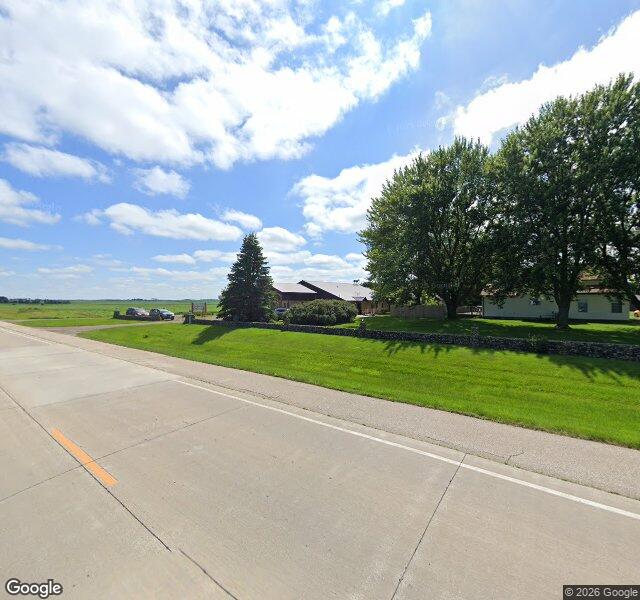
56733 State Highway 56 South, West Concord, MN 55985View map (opens in a new tab)
Overview and key essentials
State license
Active
MN MDH
Google reviews
5.0/ 5
2 reviews
Size & payment
Ask directly
Confirm pricing & payment
Cost, payment & care details
Updated Nov 28, 2026| Monthly cost | Not published | Ask for the full monthly cost, including care fees and one-time charges. |
|---|---|---|
| Payment options | Ask directly | Payment details are not confirmed in our records. Ask about private pay, long-term care insurance, veterans benefits, and Medicaid waivers. |
| Size & availability | Confirm directly | We don't publish live openings. Ask about current availability, waitlist length, and move-in timing. |
| Care & support | Assisted living | Usually offers housing and help with everyday tasks, such as bathing and dressing. What to confirm about care levelsThis describes the licensed category. Ask how care plans adjust if mobility, nursing, or memory needs change over time. Read the family care guide → |
State licensing
State inspection history
2inspections
21deficiencies listed
May 8, 2025Routine10 deficiencies reported10
10 deficiencies reported
View official state report (opens in a new tab)
144G.42 Subd. 8 (a) Staff records0650
SS=F (a) The facility must maintain current records of each paid staff member, each regularly STATE FORM
144G.41 Subdivision 1 Subd. 1a (a-b) Minimum0480
SS=F requirements; required food services STATE FORM (a) Except as provided in paragraph (b), food must be prepared and served according to the Minnesota Food Code, Minnesota Rules, chapter 4626. (b) For an assisted living facility with a licensed capacity of ten or fewer residents: (1) notwithstanding Minnesota Rules, part 4626.0033, item A, the facility may share a certified food protection manager (CFPM) with one other facility located within a 60-mile radius and under common management provided the CFPM is present at each facility frequently enough to effectively administer, manage, and supervise each facility's food service operation; (2) notwithstanding Minnesota Rules, part 4626.0545, item A, kick plates that are not removable or cannot be rotated open are allowed unless the facility has been issued repeated correction orders for violations of Minnesota Rules, part 4626.1565 or 4626.1570; (3) notwithstanding Minnesota Rules, part 4626.0685, item A, the facility is not required to provide integral drainboards, utensil racks, or tables large enough to accommodate soiled and clean items that may accumulate during hours of operation provided soiled items do not contaminate clean items, surfaces, or food, and clean equipment and dishes are air dried in a manner that prevents contamination before storage; (4) notwithstanding Minnesota Rules, part 4626.1070, item A, the facility is not required to install a dedicated handwashing sink in its existing kitchen provided it designates one well of a two-compartment sink for use only as a handwashing sink; (5) notwithstanding Minnesota Rules, parts 4626.1325, 4626.1335, and 4626.1360, item A, STATE FORM
JY3E116899
(a) All assisted living facilities must provide to prospective residents: (1) a disclosure of the categories of assisted living licenses available and the category of license held by the facility; (2) a written checklist listing all services permitted under the facility's license, identifying all services the facility offers to provide under the assisted living facility contract, and identifying all services allowed under the license that the facility does not provide; and (3) an oral explanation of the services offered under the contract. (b) The requirements of paragraph (a) must be completed prior to the execution of the assisted living contract. (c) The commissioner must, in consultation with all interested stakeholders, design the uniform checklist disclosure form for use as provided under paragraph (a). This MN Requirement is not met as evidenced by: Based on interview and record review, the licensee failed to provide a copy of the Uniform Disclosure of Assisted Living Services and Amenities (UDALSA) with the required content for two of two residents (R6, R7). This practice resulted in a level one violation (a violation that has no potential to cause more than a minimal impact on the resident and does not affect health or safety) and was issued at a widespread scope (when problems are pervasive or represent a systemic failure that has affected or has potential to affect a large portion or all the residents). The findings include: STATE FORM JY3E11 JY3E11 UDALSA at or before time of admission; but had the UDALSA posted on the bulletin board with other postings and thought that was sufficient. LALD-A stated she would follow up with all residents to ensure they receive a copy. The licensee's Uniform Disclosure of Assisted Living Services & Amenities (UDALSA) policy dated August 1, 2021, indicated [licensee name] will provide a "Uniform Disclosure of Assisted Living Services and Amenities" (UDALSA) to prospective residents prior to signing an Assisted Living contract. Additionally, the policy indicated the facility will obtain written acknowledgement from the resident or resident representative that [licensee name] provided the UDALSA or document the reason why an acknowledgement was not obtained. No further information was provided. TIME PERIOD FOR CORRECTION: Twenty-One (21) days JY3E11 situations affecting staff or residents in the facility; (12) ensure that one or more persons are available 24 hours per day, seven days per week, who are responsible for responding to the requests of residents for assistance with health or safety needs. Such persons must be: (i) awake; (ii) located in the same building, in an attached building, or on a contiguous campus with the facility in order to respond within a reasonable amount of time; (iii) capable of communicating with residents; (iv) capable of providing or summoning the appropriate assistance; and (v) capable of following directions; This MN Requirement is not met as evidenced by: Based on interview and record review, the licensee failed to ensure the required staffing plan was developed as required, potentially affecting the licensee's residents, staff, and any visitors of the licensee. This practice resulted in a level two violation (a violation that did not harm a licensee's health or safety but had the potential to have harmed a resident's health or safety, but was not likely to cause serious injury, impairment, or death), and was issued at a widespread scope (when problems are...
144G.42 Subd. 6 (b) Compliance with0630
SS=F requirements for reporting ma (b) The facility must develop and implement an individual abuse prevention plan for each vulnerable adult. The plan shall contain an individualized review or assessment of the person's susceptibility to abuse by another individual, including other vulnerable adults; the person's risk of abusing other vulnerable adults; and statements of the specific measures to be taken to minimize the risk of abuse to that person and other vulnerable adults. For purposes of the abuse prevention plan, abuse includes self-abuse. This MN Requirement is not met as evidenced STATE FORM
144G.42 Subd. 9 Tuberculosis prevention and0660
SS=F control (a) The facility must establish and maintain a comprehensive tuberculosis infection control program according to the most current tuberculosis infection control guidelines issued by the United States Centers for Disease Control and Prevention (CDC), Division of Tuberculosis STATE FORM On May 7, 2025, at 12:00 p.m., LALD-A stated ULP-E was an active staff and provided direct care services to the residents in the facility. ULP-E's employee record included a TB symptom screening dated February 22, 2024, and TST testing completed on February 22, 2024, and March 24, 2024, (both with negative results for TB). On May 8, 2025, at 9:15 a.m., O/ULP-B stated after reviewing the facility TB plan, he just realized ULP-E's TB testing and symptom screening was greater than 90 days prior to hire. He further stated ULP-E would need to redo her symptom screening and testing to be in compliance with requirements. The licensee's Tuberculosis Screening policy dated August 1, 2021, indicated [licensee name] will establish and maintain a comprehensive tuberculosis infection control program according to the most current tuberculosis infection control guidelines issued by the United States Centers for Disease Control and Prevention (CDC), Division of Tuberculosis Elimination, as published in the CDC's Morbidity and Mortality Weekly Report (MMWR). The facility will maintain a current community TB risk assessment. The assessment will be updated annually, using the data and form provided by the Minnesota Staff whose essential job functions require work within the same air space of home care clients will be screened and tested for tuberculosis prior to the staff being exposed to clients. Baseline (upon hire) screening will be completed, but serial (annual) screening will only be required with increased occupational risk or exposure. New STATE FORM
144G.42 Subd. 10 Disaster planning and0680
SS=F emergency preparedness (a) The facility must meet the following requirements: (1) have a written emergency disaster plan that contains a plan for evacuation, addresses elements of sheltering in place, identifies temporary relocation sites, and details staff assignments in the event of a disaster or an emergency; (2) post an emergency disaster plan prominently; (3) provide building emergency exit diagrams to all residents; (4) post emergency exit diagrams on each floor; and (5) have a written policy and procedure regarding missing residents. (b) The facility must provide emergency and disaster training to all staff during the initial staff orientation and annually thereafter and must make emergency and disaster training annually available to all residents. Staff who have not received emergency and disaster training are allowed to work only when trained staff are also working on site. (c) The facility must meet any additional STATE FORM command center, or designee; and - the licensee failed to review the missing resident procedure quarterly as required. On May 8, 2025, at 12:45 p.m., LALD-A and O/ULP-B indicated the above listed requirements "still needed work" and had planned on reviewing the required content as they had just been to a conference to better understand the EP plan. The licensee's Emergency Preparedness Plan-Appendix Z Compliance, dated August 1, 2021, indicated [licensee's name] emergency preparedness plan will include all required elements of appendix Z. The plan will be in writing and reviewed annually. The plan is based on our assisted living-based and community-based risk assessments, utilizing an all-hazards approach. Key elements of the plan include four primary components. No further information was provided. TIME PERIOD FOR CORRECTION: Twenty-One (21) days
144G.41 Subdivision 1 Minimum requirements0470
SS=F (11) develop and implement a staffing plan for determining its staffing level that: (i) includes an evaluation, to be conducted at least twice a year, of the appropriateness of staffing levels in the facility; (ii) ensures sufficient staffing at all times to meet the scheduled and reasonably foreseeable unscheduled needs of each resident as required by the residents' assessments and service plans on a 24-hour per day basis; and (iii) ensures that the facility can respond promptly and effectively to individual resident emergencies and to emergency, life safety, and disaster STATE FORM
144G.42 Subd. 2 Quality management0580
SS=F The facility shall engage in quality management appropriate to the size of the facility and relevant to the type of services provided. "Quality management activity" means evaluating the quality of care by periodically reviewing resident services, complaints made, and other issues that have occurred and determining whether changes in services, staffing, or other procedures need to be made in order to ensure safe and competent services to residents. Documentation about quality management activity must be available for two years. Information about quality management must be available to the commissioner at the time of the survey, investigation, or renewal. This MN Requirement is not met as evidenced by: Based on interview and record review, the licensee failed to implement and maintain a quality management program appropriate to the size of the facility and relevant to the type of services provided. This had the potential to affect all current residents, staff, and visitors. This practice resulted in a level two violation (a violation that did not harm a resident's health or safety but had the potential to have harmed a resident's health or safety, but was not likely to cause serious injury, impairment, or death), and is issued at a widespread scope (when problems are pervasive or represent a systemic failure that has affected or has the potential to affect a large portion or all of the residents). STATE FORM
144G.45 Subd. 2 (b-f) Fire protection and0810
SS=F physical environment (b) Each assisted living facility shall develop and maintain fire safety and evacuation plans. The plans shall include but are not limited to: (1) location and number of resident sleeping rooms; (2) staff actions to be taken in the event of a fire or similar emergency; (3) fire protection procedures necessary for residents; and (4) procedures for resident movement, STATE FORM The findings include: On May 6, 2025, from 2:45 p.m. to 4:30 p.m., license assisted living director (LALD)-A provided documents on the fire safety and evacuation plan (FSEP), fire safety and evacuation training, and evacuation drills for the facility. FIRE SAFETY AND EVACUATION PLAN: The licensee's FSEP, titled "Fire Policy", undated, failed to include the following: RESIDENT ACTIONS: The FSEP did not identify specific fire protection actions for residents. There was no section in the policy that addressed the responsibilities or basic evacuation procedures that residents should follow in case of a fire or similar emergency. UNIQUE AND UNUSUAL RESIDENT NEEDS: The facility uses an electronic care plan website for standard resident evacuation procedures. The FSEP does not include instructions on how to use or what do in the loss of power/Internet event for resident movement and evacuation or relocation during a fire or similar emergency including individualized unique needs of residents. On May 6, 2025, at 3:30 p.m., LALD-A stated they understood the areas of their policy that were incomplete and would work on bringing them into compliance. The policy reviewed was an unedited policy purchased from a third-party provider that was not specific to the facility. TRAINING: The licensee failed to provide evacuation training to residents at least once per year. LALD-A lacked documentation showing any training was STATE FORM offered or training was scheduled for a future date for residents on the fire safety and evacuation plan. The licensee failed to provide training to employees on the FSEP upon hire and at least twice per year. Staff does web-based training at the time of hire, LALD-A stated they were using evacuation drills as training. No other training documentation was provided. On May 6, 2025, at 3:30 p.m., LALD-A stated they understood the requirements for training residents and staff and would implement a training program that was compliant with statute requirements. DRILLS The licensee failed to conduct evacuation drills for employees twice per year, per shift with at least one evacuation drill every other month. Record review of licensee's evacuation drill log, titled "Fire Drills Report", undated, indicated evacuation drills were conducted on June 13, 2024, and August 13, 2024. No other documentation was provided. On May 6, 2025, at 3:30 p.m., LALD-A stated they have a lot of part-time staff, and it was very difficult to schedule drills. LALD-A understands the statue requirements and will implement a new drill schedule immediately. TIME PERIOD FOR CORRECTION: Twenty-one (21) days. 01440 144G.62 Subd. 4 Supervision of staff providing SS=F delegated nurs STATE FORM
144G.40 Subd. 2 Uniform checklist disclosure of0430
SS=C services STATE FORM R6 and R7's records lacked evidence the resident received a copy of the licensee's UDALSA to include: - a disclosure of the categories of assisted living licenses available and the category of license held by the facility; - a written checklist listing all services permitted under the facility's license, identifying all services the facility offers to provide under the assisted living facility contract, and identifying all services allowed under the license that the facility does not provide; and - an oral explanation of all services offered under the contract R6 R6's diagnoses included type 2 diabetes, congestive heart failure and hypertension. R6's Service Plan dated March 13, 2024, indicated R6 received services including medication management, blood sugar monitoring, and assistance with bathing. R7 R7's diagnoses included cerebral palsy (a brain injury usually at birth affecting the body). R7's Service Plan dated January 1, 2025, indicated R7 received services including medication management, blood sugar monitoring, suprapubic catheter (a urinary catheter placed through the abdominal wall into the bladder) management, compression wraps, assistance with dressing, grooming, bathing, transfers and repositioning in bed and in wheelchair. On May 6, 2025, at 12:00 p.m., licensed assisted living director (LALD)-A stated she was not aware each resident was to receive a copy of the STATE FORM
Dec 13, 2022Routine11 deficiencies reported11
11 deficiencies reported
View official state report (opens in a new tab)
moderate0550
maltreatment All facilities must post in a conspicuous place information about the facilities' grievance procedure, and the name, telephone number, and e-mail contact information for the individuals who are responsible for handling resident grievances. The notice must also have the contact information for the state and applicable regional Office of Ombudsman for Long-Term Care and the Office of Ombudsman for Mental Health and Developmental Disabilities, and must have information for reporting suspected maltreatment to the Minnesota Adult Abuse Reporting Center. This MN Requirement is not met as evidenced by: Based on observation and interview, the licensee failed to post the required information related to the grievance procedure. This had the potential to affect all the licensee's current residents, staff, and visitors. This practice resulted in a level two violation (a violation that did not harm a resident's health or safety but had the potential to have harmed a resident's health or safety, but was not likely to cause serious injury, impairment, or death), and was issued at a widespread scope (when problems are pervasive or represent a systemic failure that has affected or has potential to affect a large portion or all of the residents). The findings include: On December 12, 2022, at approximately 11:30 a.m., during a facility-wide tour, the surveyor did not observe a posting of the required grievance procedure content in a conspicuous place. On December 12, 2022, at 3:05 p.m., licensed assisted living director (LALD)-C confirmed the required grievance procedure content had not been posted. No further information was provided. TIME PERIOD FOR CORRECTION: Twenty-one (21) days
severe0470
0 470 (11) develop and implement a staffing plan for determining its staffing level that: (i) includes an evaluation, to be conducted at least twice a year, of the appropriateness of staffing levels in the facility; (ii) ensures sufficient staffing at all times to meet the scheduled and reasonably foreseeable unscheduled needs of each resident as required by the residents' assessments and service plans on a 24-hour per day basis; and (iii) ensures that the facility can respond promptly and effectively to individual resident emergencies and to emergency, life safety, and disaster situations affecting staff or residents in the facility; (12) ensure that one or more persons are available 24 hours per day, seven days per week, who are responsible for responding to the requests of residents for assistance with health or safety needs. Such persons must be: (i) awake; (ii) located in the same building, in an attached building, or on a contiguous campus with the facility in order to respond within a reasonable amount of time; (iii) capable of communicating with residents; (iv) capable of providing or summoning the appropriate assistance; and (v) capable of following directions; This MN Requirement is not met as evidenced by: Based on interview and record review, the licensee failed to ensure night staff were awake to monitor residents needs and to minimize the risk of self-abuse. This had the potential to affect all eight residents residing in the facility. This resulted in an immediate correction order on December 12, 2022, at 1:20 p.m. This practice resulted in a level three violation (a violation that harmed a residents health or safety, not including serious injury, impairment, or death, or a violation that has the potential to lead to serious injury, impairment, or death), and was issued at a widespread scope (when problems are pervasive or represent a systemic failure that has affected or has potential to affect a large portion or all of the residents). The findings include: During an entrance conference interview on December 12, 2022, at 10:50 a.m., licensed assisted living director (LALD)-C stated the licensee did employee staff to work on the overnight shift during 8:00p.m. to 6:00 a.m. LALD-C stated the staff were not required to stay awake. LALD-C also stated if a resident were to need assistance, they have been instructed to use their call button. This call button will ring to the unlicensed staff (ULP) to notify them that there is someone in need of assistance. LALD-C stated this plan has been in effect since the new Minnesota Assisted Living statutes went into effect August 1, 2021. LALD-C brought to (MDH) Assisted Living Variance form that LALD-C states she completed and submitted to MDH on December 9, 2022, requesting permission to allow overnight staff to sleep. The licensee's 2.01 24-Hour Emergency Response policy dated August 1, 2021, indicated residents will have access to 24-hour emergency response by staff. The policy did not indicate if staff were required to be awake during the 24-hour period. No further information was provided. TIME PERIOD OF CORRECTION: IMMEDIATE
moderate0640
reporting suspected c The facility shall support protection and safety through access to the state's systems for reporting suspected criminal activity and suspected vulnerable adult maltreatment by: (1) posting the 911 emergency number in common areas and near telephones provided by the assisted living facility; (2) posting information and the reporting number for the Minnesota Adult Abuse Reporting Center to report suspected maltreatment of a vulnerable adult under section 626.557; and (3) providing reasonable accommodations with information and notices in plain language. This MN Requirement is not met as evidenced by: Based on observation and interview, the licensee failed to support protection and safety by not posting information and phone numbers for reporting to the Minnesota Adult Abuse Reporting Center (MAARC) in common areas and near telephones in the licensee's assisted living facility. This practice resulted in a level two violation (a violation that did not harm a resident's health or safety but had the potential to have harmed a resident's health or safety, but was not likely to cause serious injury, impairment, or death), and is issued at a widespread scope (when problems are pervasive or represent a systemic failure that has affected or has the potential to affect a large portion or all of the residents). The findings include: During a building tour on December 12, 2022, at approximately 11:45 a.m., the surveyor noted the licensee's common areas had no posting information related to reporting suspected maltreatment to MAARC. During an interview on December 12, 2022, at 2:25 p.m., licensed assisted living director (LALD)-C stated she was not aware the licensee needed to post information related to reporting suspected maltreatment to MAARC. TIME PERIOD FOR CORRECTION: Twenty-one (21) days
moderate0680
emergency preparedness (a) The facility must meet the following requirements: (1) have a written emergency disaster plan that contains a plan for evacuation, addresses elements of sheltering in place, identifies temporary relocation sites, and details staff assignments in the event of a disaster or an emergency; (2) post an emergency disaster plan prominently; (3) provide building emergency exit diagrams to all residents; (4) post emergency exit diagrams on each floor; and (5) have a written policy and procedure regarding missing tenant residents. (b) The facility must provide emergency and disaster training to all staff during the initial staff orientation and annually thereafter and must make emergency and disaster training annually available to all residents. Staff who have not received emergency and disaster training are allowed to work only when trained staff are also working on site. (c) The facility must meet any additional requirements adopted in rule. This MN Requirement is not met as evidenced by: Based on observation, interview, and record review, the licensee failed to post an emergency preparedness plan prominently. This had the potential to impact all residents, staff, and visitors to the licensee's facility. This practice resulted in a level two violation (a violation that did not harm a resident's health or safety but had the potential to have harmed a resident's health or safety), and was issued at a widespread scope (when problems are pervasive or represent a systemic failure that has affected or has the potential to affect a large portion or all of the residents). The findings include: On December 12, 2022, at approximately 11:25 a.m., during a tour of the facility, the surveyor did not observe any signage or information regarding the licensee's emergency disaster or preparedness plan posted in a prominent location. On December 12, 2022, at approximately 12:10 p.m., the surveyor requested the licensee's emergency disaster or preparedness plan. Licensed assisted living director (LALD)-C provided a binder consisting of the licensee's policies for the surveyor to review. During an interview on December 12, 2022, at approximately 2:15 p.m., LALD-C stated she was not aware the licensee had to post the emergency preparedness information. No additional information provided. TIME PERIOD FOR CORRECTION: Twenty-one (21) days
severe0495
(14) provide staff access to an on-call registered nurse 24 hours per day, seven days per week. This MN Requirement is not met as evidenced by: Based on observation and interview, the licensee failed to ensure that a registered nurse was available on-call 24 hours a day, seven days per week. This had the potential to affect all residents and staff of the facility. This resulted in an immediate correction order on December 12, 2022, at 1:20 p.m. This practice resulted in a level three violation (a violation that did not harm a resident's health or safety but had the potential to have harmed a resident's health or safety, but was not likely to cause serious injury, impairment, or death), and was issued at a widespread scope (when problems are pervasive or represent a systemic failure that has affected or has potential to affect a large portion or all of the residents). The findings include: On December 12, 2022, at approximately 10:30 a.m., during entrance conference, licensed assisted living director (LALD)-C stated there was one registered nurse (RN)-A and one licensed practical nurse (LPN)-F employed with licensee. LALD-C stated RN-A worked a full-time position at another establishment but was available for phone calls twenty-four hours per day; seven days a week. When the surveyor asked who would cover RN-A if they were sick, taking a vacation, or unable to answer a call due to other full-time employment, LALD-C stated LPN-F would take calls or the licensee could have a previous RN work (who was no longer on the payroll). LALD-C stated this RN felt it was too overwhelming to work her other job and be on call for licensee. On December 12, 2022, at 12:26 p.m., owner/unlicensed personnel (ULP)-B confirmed the licensee did not have another RN on staff to back up RN-A if needed. ULP-B stated he would be able to add her to his staff as she was willing to take call if needed. No further information was provided. TIME PERIOD FOR CORRECTION: Immediate
moderate0650
(a) The facility must maintain current records of each paid employee, each regularly scheduled volunteer providing services, and each individual contractor providing services. The records must include the following information: (1) evidence of current professional licensure, registration, or certification if licensure, registration, or certification is required by this chapter or rules; (2) records of orientation, required annual training and infection control training, and competency evaluations; (3) current job description, including qualifications, responsibilities, and identification of staff persons providing supervision; (4) documentation of annual performance reviews that identify areas of improvement needed and training needs; (5) for individuals providing assisted living services, verification that required health screenings under subdivision 9 have taken place and the dates of those screenings; and (6) documentation of the background study as required under section 144.057. (b) Each employee record must be retained for at least three years after a paid employee, volunteer, or contractor ceases to be employed by, provide services at, or be under contract with the facility. If a facility ceases operation, employee records must be maintained for three years after facility operations cease. This MN Requirement is not met as evidenced by: Based on interview and record review, the licensee failed to ensure the employee record contained the required content for one of one employee (registered nurse (RN)-A). This practice resulted in a level two violation (a violation that did not harm a resident's health or safety but had the potential to have harmed a resident's health or safety, but was not likely to cause serious injury, impairment, or death), and was issued at an isolated scope (when one or a limited number of residents are affected or one or a limited number of staff are involved or the situation has occurred only occasionally). The findings include: RN-A had a hire date of December 1, 2021. RN-A's record lacked records of orientation and infection control training. On December 12, 2022, at 11:12 a.m., licensed assisted living director (LALD)-C indicated she believed RN-A had a record of orientation and infection control training. LALD-C stated she would need to look for the paperwork. The licensee's 4.05 Employee Records Policy dated, August 1, 2021, indicated the licensee would retain in the employee record verification of completed orientation. No further information was provided. TIME PERIOD FOR CORRECTION: Twenty-One (21) days
minor0485
Requirements (13) offer to provide or make available at least the following services to residents: (i) at least three nutritious meals daily with snacks available seven days per week, according to the recommended dietary allowances in the United States Department of Agriculture (USDA) guidelines, including seasonal fresh fruit and fresh vegetables. The following apply: (A) menus must be prepared at least one week in advance, and made available to all residents. The facility must encourage residents' involvement in menu planning. Meal substitutions must be of similar nutritional value if a resident refuses a food that is served. Residents must be informed in advance of menu changes; (C) the facility cannot require a resident to include and pay for meals in their contract; This MN Requirement is not met as evidenced by: Based on observation, interview and record review, the licensee failed to ensure a menu was prepared and provided to residents a week in advance. This had the potential to affect all residents. This practice resulted in a level one violation (a violation that has no potential to cause more than a minimal impact on the resident and does not affect health or safety) and was issued at a widespread scope (when problems are pervasive or represent a systemic failure that has affected or has potential to affect a large portion or all the residents). The findings include: On December 12, 2022, at approximately 10:30 a.m., during the entrance conference, licensed assisted living director (LALD)-C stated meals are provided and prepared by the licensee and the licensee does have a menu available to the residents to view. On December 12, 2022, at approximately 11:30 a.m., during a facility tour, the surveyor did observe a daily menu available in the dining area. The surveyor did not observe a menu for at least a week available in any common area. During an interview on December 12, 2022, at approximately 2:15 p.m., unlicensed personnel (ULP)-B stated there was a menu that is available for the residents to see, but it was in a drawer somewhere in the kitchen. ULP-B stated he made the majority of the meals and there were times that he needed to change the menu. ULP-B was not aware the weekly menu needed to be available for the residents to view. No further information was provided. TIME PERIOD FOR CORRECTION: Twenty-one (21) days
moderate0810
physical environment (b) Each assisted living facility shall develop and maintain fire safety and evacuation plans. The plans shall include but are not limited to: (1) location and number of resident sleeping rooms; (2) employee actions to be taken in the event of a fire or similar emergency; (3) fire protection procedures necessary for residents; and (4) procedures for resident movement, evacuation, or relocation during a fire or similar emergency including the identification of unique or unusual resident needs for movement or evacuation. (c) Employees of assisted living facilities shall receive training on the fire safety and evacuation plans upon hiring and at least twice per year thereafter. (d) Fire safety and evacuation plans shall be readily available at all times within the facility. (e) Residents who are capable of assisting in their own evacuation shall be trained on the proper actions to take in the event of a fire to include movement, evacuation, or relocation. The training shall be made available to residents at least once per year. (f) Evacuation drills are required for employees twice per year per shift with at least one evacuation drill every other month. Evacuation of the residents is not required. Fire alarm system activation is not required to initiate the evacuation drill. This MN Requirement is not met as evidenced by: Based on observation, and staff interview, the facility was unable to provide documentation associated to annual evacuation training for residents. This deficient condition has the ability to affect all staff and residents. This practice resulted in a level two violation (a violation that did not harm a resident's health or safety but had the potential to have harmed a resident's health or safety, but was not likely to cause serious injury, impairment, or death), and was issued at a widespread scope (when problems are pervasive or represent a systemic failure that has affected or has potential to affect a large portion or all of the residents). The findings include: On 12/13/2022 between 10:30 AM TO 11:30 AM, survey staff observed that no documentation was presented during documentation review to confirm that residents of the facility are being offered annual training of evacuation procedures ( OE ) verbally confirmed survey staff observations. TIME PERIOD FOR CORRECTION: Twenty-one (21) days 01370 SS=F 144G.61 Subd. 2 (a) Training and evaluation of unlicensed personn 01370
moderate0480
requirements (13) offer to provide or make available at least the following services to residents: (i) at least three nutritious meals daily with snacks available seven days per week, according to the recommended dietary allowances in the United States Department of Agriculture (USDA) guidelines, including seasonal fresh fruit and fresh vegetables. The following apply: (B) food must be prepared and served according to the Minnesota Food Code, Minnesota Rules, chapter 4626; and This MN Requirement is not met as evidenced by: Based on observation, interview, and record review, the licensee failed to ensure food was prepared and served according to the Minnesota Food Code. This had the potential to affect all residents in the Assisted Living facility. This practice resulted in a level two violation (a violation that did not harm a resident's health or safety but had the potential to have harmed a resident's health or safety) and was issued at a widespread scope (when problems are pervasive or represent a systemic failure that has affected or has the potential to affect a large portion or all the residents). The findings include: Please refer to the included document titled, Food and Beverage Establishment Inspection Report, dated December 12, 2022, for the specific Minnesota Food Code deficiencies. TIME PERIOD FOR CORRECTION: Twenty-one (21) days
moderate0800
physical environment (4) keep the physical environment, including walls, floors, ceiling, all furnishings, grounds, systems, and equipment in a continuous state of good repair and operation with regard to the health, safety, comfort, and well-being of the residents in accordance with a maintenance and repair program. This MN Requirement is not met as evidenced by: Based on observation, and staff interview, the facility failed to maintain the facility in good repair in regards to resident health and safety in accordance with maintenance and repair program. This deficient condition has the ability to affect all staff and residents. This practice resulted in a level two violation (a violation that did not harm a resident's health or safety but had the potential to have harmed a resident's health or safety, but was not likely to cause serious injury, impairment, or death), and was issued at a widespread scope (when problems are pervasive or represent a systemic failure that has affected or has potential to affect a large portion or all of the residents). The findings include: 1. On 12/13/2022 between 10:30 AM TO 11:30 AM, survey staff observed during the tour of the facility that in the Office, a power-strip was connected to an extension cord which was connected to a 1-to-3 multi-tap adapter 2. On 12/13/2022 between 10:30 AM TO 11:30 AM, survey staff observed during the tour of the facility that in the Living Room, an extension cord was in use 3. On 12/13/2022 between 10:30 AM TO 11:30 AM, survey staff observed during the tour of the facility that the smoke alarms appeared to be dated. Documentation was not available to confirm the age or manufacture dated of the devices. ULP-B verbally confirmed survey staff observations. TIME PERIOD FOR CORRECTION: Twenty-one (21) days
STATE FORM6899
32O311 STATE FORM 32O311 STATE FORM 32O311 STATE FORM 32O311 STATE FORM 32O311 STATE FORM 32O311 STATE FORM 32O311 STATE FORM 32O311 STATE FORM 32O311 STATE FORM 32O311 STATE FORM 32O311 STATE FORM 32O311 STATE FORM 32O311 STATE FORM 32O311 STATE FORM 32O311 STATE FORM 32O311 STATE FORM 32O311 01370 01370 (a) Training and competency evaluations for all unlicensed personnel must include the following: (1) documentation requirements for all services provided; (2) reports of changes in the resident's condition to the supervisor designated by the facility; (3) basic infection control, including blood-borne pathogens; (4) maintenance of a clean and safe environment; (5) appropriate and safe techniques in personal hygiene and grooming, including: (i) hair care and bathing; (ii) care of teeth, gums, and oral prosthetic devices; (iii) care and use of hearing aids; and (iv) dressing and assisting with toileting; (6) training on the prevention of falls; (7) standby assistance techniques and how to perform them; (8) medication, exercise, and treatment reminders; (9) basic nutrition, meal preparation, food safety, and assistance with eating; (10) preparation of modified diets as ordered by a licensed health professional; (11) communication skills that include preserving the dignity of the resident and showing respect for the resident and the resident's preferences, cultural background, and family; (12) awareness of confidentiality and privacy; (13) understanding appropriate boundaries between staff and residents and the resident's family; (14) procedures to use in handling various emergency situations; and (15) awareness of commonly used health STATE FORM 32O311 01370 01370 technology equipment and assistive devices. This MN Requirement is not met as evidenced by: Based on interview and record review, the licensee failed to ensure competency evaluations were completed by a registered nurse (RN) for two of two unlicensed personnel (ULP-B, ULP-D, ULP-E). This practice resulted in a level two violation (a violation that did not harm a resident's health or safety but had the potential to have harmed a resident's health or safety), and was issued at a widespread scope (when problems are pervasive or represent a systemic failure that has affected or has the potential to affect a large portion or all of the residents). The findings include: ULP-B was hired on June 1, 2000. ULP-B's training record lacked documentation of completed competency evaulation by a RN. ULP-D was hired on March 19, 2022. ULP-D's training record lacked documentation of completed competency evaulation by a RN. ULP-E was hired on August 23, 2022. ULP-E's training record lacked documentation of completed competency evaulation by a RN. ULP-B, ULP-D, and ULP-E's employee records lacked competency evaluation for the following: (1) documentation requirements for all services provided; (2) reports of changes in the resident's condition to the supervisor designated by the facility; (3) basic infection control, including blood-borne STATE FORM 32O311 01370 01370 pathogens; (4) maintenance of a clean and safe environment; (5) appropriate and safe techniques in personal hygiene and grooming, including: (i) hair care and bathing; (ii) care of teeth, gums, and oral prosthetic devices; (iii) care and use of hearing aids; and (iv) dressing and assisting with toileting; (6) training on the prevention of falls; (7) standby assistance techniques and how to perform them; (8) medication, exercise,...
Neighborhood & resident support
Emergency access, hazards & advocacy
Nearest hospital
Owatonna Hospital
17.4 mi · Owatonna, MN · Medicare 5/5 ★
Emergency room
FEMA hazard risk
Very LowDodge County, MN
- Drought
- Hail
- Strong Wind
Free resident advocacy
Minnesota Office of Ombudsman for Long-Term Care
More neighborhood context (specialists, VA, dialysis, air & affordability)
VA & dialysis access
Minneapolis VA Medical Center
55.5 mi · Minneapolis, MN · VA 5/5 ★
Mayo Dialysis - Owatonna
16.9 mi · 3/5 ★
Environment & mobility
- EPA Walkability
- 8.8/20 (Below Average)
- USDA Grocery Access
- High Grocery Access
County demographics
- Age 65+ median income
- $56,886/yr
- Rent-burdened households
- 39%
- Cognitive disability (2023)
- 12.9%
- Mobility disability
- 9.2%
Call & tour checklist
Questions to ask Circle Drive Manor Assisted Li
Check off questions as you call or tour. Your progress stays private in this browser.
Show 3 more suggested questions
Verification & public records
Official records & sources
Licensing & contact
- License #
- 30326
- Status
- active
- Phone
- (507) 527-2424
- Federal OIG LEIE
- Clear (2026-11-27)
Original public sources
Verify licensing, ratings, and inspection reports directly with each official source.
- MN MDH official record (opens in a new tab)MN Dept. of Health
- Google Maps (opens in a new tab)Directions, photos & neighborhood
- Google Reviews (opens in a new tab)2 public reviews
EveryPlace is an independent research directory. Information is compiled from public Medicare.gov, state licensing, Google Places, and street-level imagery sources. Some summaries, suggested questions, and pricing notes are AI-generated or AI-assisted and may contain errors or omissions. We do not accept payment for placement. Confirm all details directly with the community and official sources. Research Policy.
Keep exploring