Loading EveryPlace content…
Assisted LivingActive license
Christ Care Home Plus LLC
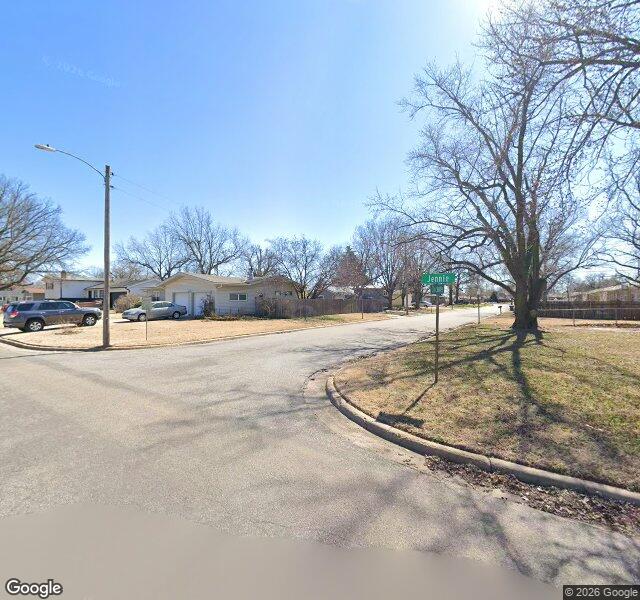
7901 W Jennie Street, Wichita, KS 67212View map (opens in a new tab)
Overview and key essentials
State license
Active
KS KDADS
Google reviews
Not available
Public reviews not linked
Size & payment
Ask directly
Confirm pricing & payment
Public records for this community are limited. Use the checklist below when you call or visit to confirm pricing, services, and openings.
Cost, payment & care details
Updated Nov 28, 2026| Monthly cost | Not published | Ask for the full monthly cost, including care fees and one-time charges. |
|---|---|---|
| Payment options | Ask directly | Payment details are not confirmed in our records. Ask about private pay, long-term care insurance, veterans benefits, and Medicaid waivers. |
| Size & availability | Confirm directly | We don't publish live openings. Ask about current availability, waitlist length, and move-in timing. |
| Care & support | Assisted living | Usually offers housing and help with everyday tasks, such as bathing and dressing. What to confirm about care levelsThis describes the licensed category. Ask how care plans adjust if mobility, nursing, or memory needs change over time. Read the family care guide → |
State licensing
State inspection history
8inspections
14deficiencies listed
Aug 28, 2025Routine8 deficiencies reported8
8 deficiencies reported
View official state report (opens in a new tab)
The following citations represent the findings of a Re-Licensure Survey for the above named Home Plus Facility conducted on 08/27/25 & 08/28/25.
moderateS 5258
Records (d) The employee records and agency staff records shall contain the following information: (1) Evidence of licensure, registration, certification, or a certificate of successful completion of a training course for each employee performing a function that requires specialized education or training; (2) supporting documentation for criminal background checks of facility staff and contract staff, excluding any staff licensed or registered by a state agency, pursuant to K.S.A. 39-970 and amendments thereto; (3) supporting documentation from the Kansas nurse aide registry that the individual does not have a finding of having abused, neglected, or exploited a resident in an adult carehome; and (4) supporting documentation that the individual does not have a finding of having abused, neglected, or exploited any resident in an adult care home, from the nurse aide registry in each state in which the individual has been known to work as a certified nurse aide. This REQUIREMENT is not met as evidenced by: KAR 26-42-102(d)(1) The facility reported a census of four residents. Based on record review and interview the operator failed have evidence of registration by failing to complete verification of certification for one of two newly hired staff. This had the potential to affect all residents for whom the employees provided care. Findings included: - Review of newly hired employee records revealed the following: Certified Medication Aide D (CMA) hired on 09/18/24 did not have her registration checked until 11/12/24, almost two months after she was hired. Interview on 08/27/25 at 11:59 AM, Administrative Staff A reported she thought maybe she realized she did not have the registry printed so then she did it when she realized they had not done it before. The operator failed to ensure newly hired employee records contained evidence of completion of the required registry check upon hire.
STATE FORM6899
H2C611 STATE FORM H2C611 STATE FORM H2C611 STATE FORM H2C611 STATE FORM H2C611 STATE FORM H2C611 STATE FORM H2C611 STATE FORM H2C611 STATE FORM H2C611 STATE FORM H2C611 STATE FORM H2C611 STATE FORM H2C611 STATE FORM H2C611 STATE FORM H2C611 STATE FORM H2C611 STATE FORM H2C611 STATE FORM H2C611 STATE FORM H2C611 STATE FORM H2C611
moderateS 5300
Medications (d) Home administration of resident ' s medications. If a home is responsible for the administration of a resident ' s medications, the administrator or operator shall ensure that all medications and biologicals are administered to that resident in accordance with a medical care provider ' s written order, professional standards of practice, and each manufacturer ' s recommendations. The administrator or operator shall ensure that all of the following are met: (1) Only licensed nurses and medication aides shall administer and manage medications for which the home has responsibility. (2) Medication aides shall not administer medication through the parenteral route. This REQUIREMENT is not met as evidenced by: KAR 26-42-205(d) The facility reported a census of four residents (R). The sample included three residents. Based on record review and interview the operator failed to ensure staff administered as needed (PRN) medications according to standards of practice for one (R5) of three sampled residents. Findings included: - Review of R5's medical record revealed she moved into the facility on 09/10/24 with a diagnosis of osteoarthritis. R5's "Functional Capacity Screen" (FCS) dated 09/10/25 she needed physical assistance with activities of daily living and was unable to participate in the management of her medications. R5's "Negotiated Service Agreement/Health Care Service Plan" (NSA/HCSP) dated 09/10/25 revealed facility staff assisted R5 with completing her activities of daily living and administered her medications. Review of R5's "Medication Administration Records" (MAR) revealed the following: - May 2025 MAR revealed staff administered cough syrup 18 times without follow up for effectiveness, Acetaminophin (pain reliever) eight times with only one time followed up for effectiveness, and Meloxicam (non-steroidal anti-inflammatory) 5 times with no follow-up for effectiveness. -June 2025 MAR revealed staff administered Acetaminophen nine times with one follow-up and Meloxicam three times with two time followed up for effectiveness. -August 2025 MAR revealed staff administered Acetaminophen 37 times with no follow-up and Meloxicam and Zofran (anti-nausea) administered one time, both without any follow up. Interview on 08/27/25 at 03:14 PM Certified Medication Aide D reported when we give an as needed medication we initial we gave it, and we document on the back of the MAR the date, time and what we gave and then follow up and write if it was better or not. Interview on 08/28/25 at 08:16 AM Administrative Nurse B reported she expected staff to initial, date, and time on the back of the MAR and follow up if it was effective or not. Review of the undated PRN (as needed) Medication Documentation Policy revealed staff must document ont he back of the MAR when provided and effectiveness with 30 minutes to one hour after. The operator failed to ensure staff who administered PRN medications documented the administration according to standards of practice.
moderateS 5327
Variance Report (l) (2) The licensed pharmacist or licensed nurse shall notify the medical care provider upon discovery of any variance identified in the medication regimen review that requires immediate action by the medical care provider. The licensed pharmacist shall notify a licensed nurse within 48 hours of any variance identified in the resident ' s regimen review that does not require immediate action by the medical care provider and specify a time within which the licensed nurse must notify the resident ' s medical care provider. The licensed nurse shall seek a response from the medical care provider within five working days of the medical care provider ' s notification of a variance. This REQUIREMENT is not met as evidenced by: KAR 26-42-205 (l)(2) The facility reported a census of four residents. The sample included three residents. Based on interview and record review the operator failed to ensure the licensed nurse attempted to get a response from the medical provider for pharmacy recommendations for two (R3 and R5) of three sampled residents. Findings included: - Review of R3's medical record revealed she moved into the facility on 06/13/24 with diagnosis of Alzheimer's dementia. R3's "Functional Capacity Screen" 06/10/25 identified she needed physical assistance with management of medications. R3's "Negotiated Service Agreement/Health Care Service Plan" dated 06/10/25 identified facility staff would administer R3's medications. R3's record included a "Consultant Pharmacist Drug Regimen Review Log" that indicated the pharmacist reviewed R3's medication regimen on 11/17/24 and 02/27/25 and both times made recommendations to the physician. R3's record lacked evidence the physician had been informed of the pharmacist's recommendations for 11/17/24 and 02/27/25. It also lacked indications that a pharmacist reviewed R3's record for the second quarter of 2025. - Review of R5's medical record revealed she moved into the facility on 09/10/24 with a diagnosis of osteoarthritis. R5's "Functional Capacity Screen" (FCS) dated 09/10/25 she was unable to participate in the management of her medications. R5's "Negotiated Service Agreement/Health Care Service Plan" (NSA/HCSP) dated 09/10/25 revealed facility staff would administer her medications. R5's record included a "Consultant Pharmacist Drug Regimen Review Log" which indicated on 02/27/25 and 05/20/25 the pharmacist made recommendations to the physician. Review of R5's record lacked evidence the physician had been informed of the pharmacists recommendations for 02/27/25 and 05/20/25. On 08/28/25 at 07:59 AM Administrative Nurse B reported she gets an email, and Administrative Staff A also gets an email from the pharmacist. During this same interview, Administrative Staff A said she had another book and provided a notebook that included recommendations for R3 and R5 from the pharmacist for the month of February. Administrative staff A confirmed the recommendations had not been sent to the physician. On 08/28/25 at 08:45 AM Administrative Staff A brought a stack of papers dated 05/20/25 which were the pharmacist reviews and confirmed she had not sent them to the physician for review. The operator failed to ensure a licensed nurse attempted to get a response from the medical care provider related to pharmacy recommendations for R3 and R5.
moderateS 5251
Documentation of Incidents (f) (11) documentation of all incidents, symptoms, and other indications of illness or injury including the date, time of occurrence, action taken, and results of the action. This REQUIREMENT is not met as evidenced by: KAR 26-42-105(f)(11) The facility reported a census of four residents(R). The sample included three residents. Based on interview, and record review the operator failed to ensure the medical record contained documentation of all incidents, symptoms, and other indications of illness or injury including the date and time, action taken, and results of the action for three (R3, R4, R5) of three sampled residents. Findings included: Review of R3's medical record revealed she moved into the facility on 06/13/24 with diagnosis of Alzheimer's dementia. R3's "Functional Capacity Screen" 06/10/25 identified she needed physical assistance with dressing, bathing, toileting, and management of medications. She also had impaired cognition and impaired decision making ability. R3's "Negotiated Service Agreement/Health Care Service Plan" dated 06/10/25 identified facility staff would provide physical assistance for R3 to complete activities of daily living and supervision where required. Staff also administered R3's medications. R3's nursing progress notes revealed the following: From 6/17/24 to 7/10/24 the resident expressed anger toward her family for dropping her off at the facility. Her antidepressant was increased to 30 milligrams (mg) but R3 continued to express questions as to why she was at the facility and was angry with her family. 07/10/24 Seroquel (antipsychotic) medication was started. The documentation lacked documentation of symptoms that would indicate the need to start an antipsychotic. 07/23/24 new order for Seroquel 25mg as needed for agitation. The record lacked follow up symptoms R3 had to indicate an addition of an antipsychotic medications. 08/02/24 Cipro (Antibiotic) for seven days for urinary tract infection. The record lacked follow up if antibiotic resolved the infection and symptoms. 09/14/24 new order to increase Seroquel to 25 mg at noon and 5pm and start 0.25 mg (1/2) tablet of Lorazepam (antianxiety) every 6 hours as needed. The record lacked documentation of R3 having any anxiety or increased agitation to warrant the increase and addition of medications. 09/29/24 - discontinue Seroquel and start Geodon (antipsychotic) at bedtime and provide distraction. The record lacked any follow up related to discontinuing Seroquel and starting the Geodon. 10/12 24 Ziprasidone (antipsychotic) 25mg twice a day and Lorazepam scheduled at bedtime. Again, the record lacked documentation of symptoms the resident exhibited to indicate to increase medications and no follow up if the medications were effective for symptoms administered. 02/20/25 Ziprasidone time was changed to noon instead of 08:00 AM due to increased anxiety in the afternoon. The record lacked follow up as to effectiveness of medication changes. 04/14/25 - New order for Myrbetriq 25 mg for overactive bladder. The record lacked documentation of effectiveness of medication. Interview on 08/28/25 at 07:46 AM Administrative Nurse B reported she would expect documentation in the chart whenever the resident had changes, any infections or sores. The operator failed to ensure designated staff documented all symptoms, indications of illness or injury, what action was taken and results of the action for R3 who had multiple...
moderateS 5095
Accurate (d) Designated staff shall ensure that each resident ' s functional capacity at the time of screening is accurately reflected on that resident ' s screening form. This REQUIREMENT is not met as evidenced by: KAR 26-42-201(d) The facility reported a census of four residents(R). The sample include three residents. Based on observation, interview, and record review the operator failed to ensure designated staff completed two (R4, R5) of three sampled resident's "Functional Capacity Screen" accurately to reflect the resident's functional ability. Findings Included: - Review of R4's medical record revealed she moved into the facility on 09/13/23 with a diagnosis of dementia. R4's "Functional Capacity Screen" (FCS) dated 02/03/25 identified staff coded him a "3" for walk/mobility, indicating he could not participate in any task related to walk/mobility. R4's "Negotiated Service Agreement/Health Care Service Plan" dated 02/03/25 identified R4 used a wheelchair for mobility and a walker for assistance with transfers. Interview on 08/27/25 at 03:14 PM Certified Nurse Aide D reported he used to use the wheelchair when he first came back from the hospital, but he is using his walker now and doing so much better. Interview on 08/28/25 at 07:54 AM Administrative Nurse B reviewed the FCS and confirmed R4 was mobile in the wheelchair and she should have coded it a "2". The operator failed to ensure designated staff completed R4's FCS section accurately related to walk/mobility. - Review of R5's medical record revealed she moved into the facility on 09/10/24 with a diagnosis of osteoarthritis. R5's "Functional Capacity Screen" (FCS) dated 09/10/25 failed to include "coding" to identify R5's functional ability related to eating. Observation on 08/27/25 at 08:40 AM R5 sat at the breakfast table and had scrambled eggs on her plate and was eating them with her fingers. Interview on 08/28/25 at 08:01 AM Administrative B reported she must have just missed coding her ability to eat. The operator failed to ensure designated staff completed R5's FCS completely to identify R5's functional ability related to eating.
moderateS 5230
(b)(5) prohibiting any employee with a communicable disease or any infected skin lesions from coming in direct contact with any resident, any resident ' s food, or resident care equipment until the condition is no longer infectious; (6) providing orientation to new employees and employee in-service education at least annually on the control of infections in a health care setting; (c) Each administrator or operator shall ensure the home ' s compliance with the department ' s tuberculosis guidelines for adult care homes adopted by reference in K.A.R. 26-39-105. This REQUIREMENT is not met as evidenced by: K.A.R 26-42-207(c) The facility reported a census of four residents(R). The sample included three residents and two newly hired staff. Based on interview and record review for one of two newly hired staff, the operator failed to ensure the facility remained in compliance with the department's tuberculosis (TB) guidelines for adult care homes adopted by reference in K.A.R. 26-39-105. Findings included: - Review Certified Nurse Aide (CNA) C's employee file revealed a hire date of 07/20/25. The file lacked a TB symptom screen and lacked a two-step TB skin test or other approved testing completed according to TB guidelines. Interview on 08/27/25 at 11:38 AM Administrative Staff A thought the information provided for CNA C was a blood test results for TB. The file lacked results of any type of blood test for TB. Review of the "Tuberculosis (TB) Guidelines for Adult Care Homes" June 2013 revealed each new employee shall have an initial TB symptom screen that includes the components of the TB questionnaire and a two step TB skin test or equivalent, within seven days of employment. The operator failed to ensure one of two newly hired staff had a TB symptom screen completed and a two-step TB skin test or equivalent completed according to TB guidelines.
moderateS 5105
a) The administrator or operator of each home plus shall ensure the development of a written negotiated service agreement for each resident, based on the resident ' s functional capacity screening, service needs, and preferences, in collaboration with the resident or the resident ' s legal representative, the case manager, and, if agreed to by the resident or the resident ' s legal representative, the resident ' s family. The negotiated service agreement shall provide the following information: (1) A description of the services the resident will receive; (2) identification of the provider of each service; and (3) identification of each party responsible for payment if outside resources provide a service. This REQUIREMENT is not met as evidenced by: KAR 26-42-202(a)(1) The facility reported a census of four residents (R). The sample included three residents. Based on interview, and record review for two (R4, R5) of three sampled residents, the operator failed to ensure designated staff developed a "Negotiated Service Agreement" based on the resident's "Functional Capacity Screen" and service needs that included a description of services to be provided. Findings included: - Review of R4's medical record revealed he moved into the facility on 01/29/22 with a diagnosis chronic respiratory failure. . R4's "Functional Capacity Screen" (FCS) dated 02/03/25 identified he needed physical assistance with bathing, dressing, toileting, had impaired cognition and impaired vision. R4's "Negotiated Service Agreement/Health Care Service Plan" (NSA/HCSP) dated 02/03/25 failed to include a description of services related to his impaired vision. Interview on 08/28/25 at 07:55 AM Administrative Nurse B reviewed R4's NSA/HCSP and confirmed it did not include services related to his impaired vision. Review of the undated facility Negotiated Service Agreement policy revealed the NSA will include services based on the "Functional Capacity Screen" and include a description of the service provided. The operator failed to ensure designated staff completed R4's NSA/HCSP to include a description of services related to the identified need on his FCS related to impaired vision. - Review of R5's medical record revealed she moved into the facility on 09/10/24 with a diagnosis of osteoarthritis. R5's "Functional Capacity Screen" (FCS) dated 09/10/25 identified had impaired cognition. R5's "Negotiated Service Agreement/Health Care Service Plan" (NSA/HCSP) dated 09/10/25 failed to included services related to impaired cognition. Interview on 08/28/25 at 08:00 AM Administrative Nurse B reviewed R5's NSA/HCSP and confirmed it did not include services to provide related to her impaired cognition. Review of the undated Negotiated Service Agreement policy revealed the NSA will include services based on the "Functional Capacity Screen" and include a description of the service provided. The operator failed to ensure designated staff completed R5's NSA/HCSP to include a description of services related to the identified need on her FCS related to impaired cognition.
Mar 5, 2024Routine6 deficiencies reported6
6 deficiencies reported
View official state report (opens in a new tab)
The following citations represent the findings of a Re-Licensure survey for the above named facility conducted on 03/04/24 and 03/05/24.
moderateS 5315
(h) Storage. Licensed nurses and medication aides shall ensure that all medications and biologicals are securely and properly stored in accordance with each manufacturer ' s recommendations or those of the pharmacy provider and with federal and state laws and regulations. (1) Licensed nurses or medication aides shall store non-controlled medications and biologicals managed by the home in a locked medication room, cabinet, or medication cart. Licensed nurses and medication aides shall store controlled medications managed by the home in separately locked compartments within a locked medication room, cabinet, or medication cart. Only licensed nurses and medication aides shall have access to the stored medications and biologicals. (2) Each resident managing and self-administering medication shall store medications in a place that is accessible only to the resident, licensed nurses, and medication aides. (3) Any resident who self-administers medication and is unable to provide proper storage as recommended by the manufacturer or pharmacy provider may request that the medication be stored by the home. (4) A licensed nurse or medication aide shall not administer medication beyond the manufacturer ' s or pharmacy provider ' s recommended date of expiration. This REQUIREMENT is not met as evidenced by: KAR 26-42-205(h)(1) The facility reported a census of four residents (R). Based on observation, interview, and record review the operator failed to ensure staff stored controlled non-controlled medications managed by the home securely in a locked cabinet and controlled medications in separately locked compartment within a locked medication cabinet or cart to ensure only licensed nurses and medication aides have access to the stored medications. Findings included: - Observation on 03/04/24 at 10:10 AM the small refrigerator in the laundry room was unlocked. The refrigerator contained the following medications, three Lantus insulin pens, three Trulicity pens, and five insulin Aspart pens for R3. A box of Latanoprost eye drops and a box of Arformoterol Tartrate inhalation solution for R6. The refrigerator also contained a lock box that Operator/Certified Medication Aide A thought was empty. Staff A unlocked the lockbox which contained a syringe with a "cream" in it and it's label partially torn off. Staff A stated it had to have been for a Hospice resident and did not know who it belonged to. The operator failed to ensure medications were stored securely in locked cabinet to ensure only "Licensed Nurses" and "Certified Medication Aides" had access to controlled and non-controlled medications.
moderateS 5302
Administration (4) Any licensed nurse may delegate nursing procedures not included in the medication aide curriculum to medication aides under the Kansas nurse practice act, K.S.A. 65-1124 and amendments thereto. This REQUIREMENT is not met as evidenced by: KAR 26-42-205(d)(4) The facility reported a census of four residents(R). Based on interview and record review for four of four current "Certified Medications Aide's", revealed the operator failed to ensure a Licensed Nurse delegated the nursing procedure for dialing of insulin pens for each certified medication under the Kansas nurse practice act, K.S.A. 65-1124 and amendments thereto. Findings included: - Review of the resident roster provided by Operator/Certified Medication Aide (CMA) revealed one resident received insulin injections. On 03/04/24 at 02:07 PM surveyor requested to review delegation for Certified Medication Aide (CMA) A, CMA B, CMA C, and CMA D regarding the preparing of insulin pens and dialing them to the ordered administration dosage. On 03/04/25 at 02:26 Operator/ CMA C stated the nurse left instructions in the Medication Administration Record for how to prepare the insulin pen but was unable to find delegation that the licensed nurse oriented and instructed the CMAs how to prepare and dial an insulin pen correctly. The operator failed to ensure the procedure for dialing of insulin pens was delegated to CMA's according to the Kansas nurse practice act, K.S.A. 65-1124 and amendments thereto.
moderateS 5105
a) The administrator or operator of each home plus shall ensure the development of a written negotiated service agreement for each resident, based on the resident ' s functional capacity screening, service needs, and preferences, in collaboration with the resident or the resident ' s legal representative, the case manager, and, if agreed to by the resident or the resident ' s legal representative, the resident ' s family. The negotiated service agreement shall provide the following information: (1) A description of the services the resident will receive; (2) identification of the provider of each service; and (3) identification of each party responsible for payment if outside resources provide a service. This REQUIREMENT is not met as evidenced by: KAR 26-42-202(a)(1)(2)(3) The facility reported a census of eight residents(R). The sample included three residents. Based on interview, and record review for three (R3, R4 and R5) of three sampled residents, the operator failed to ensure designated staff developed a "Negotiated Service Agreement" based on the resident's "Functional Capacity Screen" and service needs that included identification of services provided related to falls, cognition, impaired vision, and impaired decision-making ability. Findings included: - R3's medical record revealed she moved into the facility on 02/26/24 with diagnosis of diabetes mellitus type II. R3's "Functional Capacity Screen" (FCS) completed on 02/26/24 revealed she was at risk for falls. R3's "Negotiated Service Agreement" (NSA) dated 02/26/24 failed to include services the staff provided related to R3 being at risk for falls. On 03/05/24 at 07:30 AM Licensed Nurse E reviewed R3's NSA and acknowledged it did not address services related to R3's risk for falls. The operator failed to ensure designated staff completed R3's NSA to include a description for services related to her risk for falls. - R4's medical record revealed she moved into the facility on 09/10/22 with a diagnosis of Crohn's disease. R4's "Functional Capacity Screen" dated 09/19/23 revealed she had impaired cognition and impaired decision-making ability. R4's "Negotiated Service Agreement" (NSA) dated 09/19/23, failed to include a description of services related to R4's impaired cognition and impaired decision-making ability. On 03/05/24 at 07:37 AM Licensed Nurse E reviewed R4's NSA and confirmed it did not include a description of services related to cognition and impaired decision-making ability. - R5's medical record revealed she moved into the facility on 09/24/21 with diagnosis of bipolar disorder. R5's "Functional Capacity Screen" dated 09/30/23 revealed she had current risk/problems with falls, had impaired vision and impaired decision-making ability. R5's "Negotiated Service Agreement" signed 09/30/23 failed to include a description of services related to R5's risk for falls, impaired vision and impaired decision-making ability. On 03/05/24 at 07:39 AM Licensed Nurse E reviewed R5's NSA and confirmed it did not include services related to falls, impaired vision and impaired decision-making ability. The operator failed to ensure designated staff completed R5's NSA to include a description of services related to falls, impaired vision, and impaired decision-making ability.
STATE FORM6899
470111 STATE FORM 470111 STATE FORM 470111 STATE FORM 470111 STATE FORM 470111 STATE FORM 470111 STATE FORM 470111 STATE FORM 470111 STATE FORM 470111 STATE FORM 470111 STATE FORM 470111
moderateS 5266
content (a) (2) Each assessment shall include an evaluation of the resident ' s physical, cognitive, and functional ability to safely and accurately self-administer and manage medications independently or by using a prefilled medication container or prefilled syringe. This REQUIREMENT is not met as evidenced by: KAR 26-42-205(a)(2) The facility reported a census of four resident's (R). The sample included three residents. Based on interview, and record review, the operator failed to ensure license nurse assessed R3 for her ability to self-inject her insulin after qualified staff prepared and dialed the insulin pen to the correct ordered dosage. Findings included: - R3's medical record revealed she moved into the facility on 02/26/24 with diagnosis of diabetes mellitus type II. R3's Functional Capacity screen dated 02/26/24 revealed the resident was unable to manage her own medications or medical treatments. R3's Negotiated Service Agreement dated 02/26/24 revealed facility Certified Medication Aides and Licensed Nurses will administer the resident's medications and medical treatments. R3's Health Care Service Plan dated 02/26/24 identified she administered her insulin injections, and the rest of her medications were administered by facility staff. R3's medical record lacked evidence of a licensed nurse assessing the resident to ensure she could accurately and safely self inject her insulin. On 03/05/24 at 07:27 AM Licensed Nurse E confirmed she had not completed a self-medication assessment that included R3's physical, cognitive, and functional ability to safely and accurately self manage injecting her insulin after prepared by qualified facility staff. The operator failed to ensure a license nurse assessed R3 for her ability to self-inject her insulin after her insulin pen was prepared and dialed to the correct ordered dosage.
moderateS 5251
Documentation of Incidents (f) (11) documentation of all incidents, symptoms, and other indications of illness or injury including the date, time of occurrence, action taken, and results of the action. This REQUIREMENT is not met as evidenced by: KAR 26-42-105(f)(11) The facility reported a census of four residents(R). The sample included three residents. Based on interview and record review the operator failed to ensure the medical record contained documentation of all incidents, symptoms, and other indications of illness or injury including the date and time, action taken, and results of the action for two (R4 and R5) of three sampled residents. Findings included: - R4's medical record revealed she moved into the facility on 09/10/22 with a diagnosis of Crohn's disease. R4's "Functional Capacity Screen" dated 09/19/23 revealed she required physical assistance with bathing, was unable to participate in the management of her medications and medical treatments. She also had impaired cognition, bladder incontinence, and impaired decision-making ability. R4's "Negotiated Service Agreement" (NSA) dated 09/19/23, revealed facility staff provided R4 assistance with bathing, qualified staff administered medications and managed medical treatments. R4's medical record included the following medication orders: 12/04/23 - increase Seroquel (an antipsychotic) to twice a day instead of bedtime only. The record lacked documentation of behaviors or symptoms to account for the need to increase the medication or follow up if the increase was effective. 01/15/24 - increase Lorazepam (antianxiety) to 1 milligram at bedtime and every four hours as needed. The record lacked follow-up on the effectiveness of the changes in her antianxiety medication. On 03/05/24 at 07:38 AM Licensed Nurse E acknowledged she had not documented follow up when R4 had changes to her antipsychotic and antianxiety medications. The operator failed to ensure R4's record included documentation of the results of actions taken related to changes in R4's antipsychotic and antianxiety medication. - R5's medical record revealed she moved into the facility on 09/24/21 with diagnosis of bipolar disorder. R5's "Functional Capacity Screen" dated 09/30/23 revealed she needed physical assistance with all activities of daily living except for eating, was unable to manage her medications or medical treatments, and was at risk for falls. R5's "Negotiated Service Agreement" signed 09/30/23 revealed qualified staff provided R5 assistance with activities of daily living and administered her medications. R5's nursing notes revealed the following: 09/14/23 - has days of being lethargic and other days she is talkative and more alert - decrease hydroxyzine to daily and hold Melatonin but can give if not sleeping at night. The record lacked follow up on holding the melatonin or the results of the decreasing of the Hydroxyzine (antihistamine). 10/20/23 - has been lethargic last four mornings, new orders to decreasing Norco (narcotic pain medication) to every 8 hours. The record lacked follow up related to the resident having lethargy or how decreasing the Norco effected the resident's pain. 11/30/23 - resident started on Remeron (antidepressant). The record lacked documentation related to the effects of the resident starting on and antidepressant. On 03/05/24 at 07:42 PM Licensed Nurse E reviewed R5's nursing notes and acknowledged they lacked documentation of the effectiveness and any adverse effects...
Oct 19, 2022RoutineNo deficiencies reportedNone
No deficiencies reported
View official state report (opens in a new tab)
christ care rs10-19-22 st2567
Jun 30, 2020RoutineNo deficiencies reportedNone
No deficiencies reported
View official state report (opens in a new tab)
christ care home plus covid 6.30.2020
Nov 14, 2018RoutineNo deficiencies reportedNone
Show all 8 inspections
Oct 8, 2018RoutineNo deficiencies reportedNone
No deficiencies reported
View official state report (opens in a new tab)
christ care home plus 10 8 2018
Dec 19, 2016RoutineNo deficiencies reportedNone
Dec 1, 2016RoutineNo deficiencies reportedNone
No deficiencies reported
View official state report (opens in a new tab)
christ care home plus 12 1 2016
Neighborhood & resident support
Emergency access, hazards & advocacy
Nearest hospital
Via Christi Hospital Wichita St Teresa Inc
4.9 mi · Wichita, KS · Medicare 4/5 ★
Emergency room
FEMA hazard risk
Relatively HighSedgwick County, KS
- Ice Storm
- Cold Wave
- Tornado
Free resident advocacy
Kansas Office of the State Long-Term Care Ombudsman
More neighborhood context (specialists, VA, dialysis, air & affordability)
VA & dialysis access
Wichita VA Medical Center
8.7 mi · Wichita, KS · VA 5/5 ★
Renal Care Group - Wichita West
0.7 mi · 4/5 ★
Specialists within 15 mi
- Geriatricians
- 2
- Neurologists
- 24
- Palliative care
- 7
- PM&R rehab
- 13
Environment & mobility
- EPA Air (2025)
- 58% good days · AQI 48
- EPA Walkability
- 10.2/20 (Below Average)
- USDA Grocery Access
- Moderate Grocery Access
- Primary care access
- HRSA Shortage Area
County demographics
- Age 65+ median income
- $54,659/yr
- Rent-burdened households
- 44%
- Cognitive disability (2023)
- 15.3%
- Mobility disability
- 13.0%
Call & tour checklist
Questions to ask Christ Care Home Plus LLC
Check off questions as you call or tour. Your progress stays private in this browser.
Show 3 more suggested questions
Verification & public records
Official records & sources
Licensing & contact
- License #
- B087215
- Status
- active
- Phone
- (316) 308-6488
- Federal OIG LEIE
- Clear (2026-11-27)
Original public sources
Verify licensing, ratings, and inspection reports directly with each official source.
- KS KDADS official record (opens in a new tab)Kansas Dept. for Aging & Disability Services
- Google Maps (opens in a new tab)Directions, photos & neighborhood
- Google Reviews (opens in a new tab)Read public reviews
EveryPlace is an independent research directory. Information is compiled from public Medicare.gov, state licensing, Google Places, and street-level imagery sources. Some summaries, suggested questions, and pricing notes are AI-generated or AI-assisted and may contain errors or omissions. We do not accept payment for placement. Confirm all details directly with the community and official sources. Research Policy.
Keep exploring
Nearby communities to compare
- Cap. 50HUD Senior Housing< 1 miAlmond Tree ApartmentsWichita, KS
- Cap. 56HUD Senior Housing< 1 miCountry Acres Senior ResidencesWichita, KS
- MedicaidHospice Care< 1 miInfinity Hospice Care LLCWichita, KS
- Medicare 4/5Home Health< 1 miInfinity Home Health, LLCWichita, KS
- Medicare 4/5Cap. 12Dialysis Center< 1 miRenal Care Group - Wichita WestWichita, KS
- Cap. 24HUD Senior Housing< 1 miMohr Place IIWichita, KS