Loading EveryPlace content…
Memory CareActive license
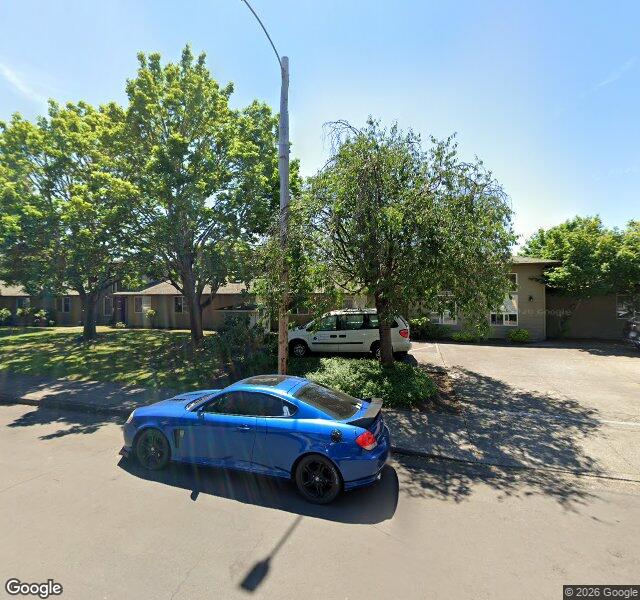
Carlty Gardens
2669 S Cloverleaf Loop, Springfield, OR 97477View map (opens in a new tab)
Overview and key essentials
State license
Active
OR ODHS
Google reviews
3.9/ 5
15 reviews
Size & payment
28 residents
Medicaid listed
Mixed signals — tour closely
Public Google reviews reflect mixed experiences (3.9/5). Compare recent reviews and tour in person.
Cost, payment & care details
Updated Nov 28, 2026| Monthly cost | Not published | Ask for the full monthly cost, including care fees and one-time charges. |
|---|---|---|
| Payment options | Medicaid | Participation is reported in our source data. Confirm eligibility, covered services, and any private-pay costs. Verified Medicaid waiver: Oregon Medicaid APD Long-Term Services (Oregon Dept. of Human Services (ODHS)). |
| Size & availability | 28 residents | We don't publish live openings. Ask about current availability, waitlist length, and move-in timing. |
| Care & support | Memory care | Designed for people living with dementia who need a supported daily routine. What to confirm about care levelsThis describes the licensed category. Ask how care plans adjust if mobility, nursing, or memory needs change over time. Read the family care guide → |
State licensing
State inspection history
11inspections
66deficiencies listed
Apr 23, 2026Inspection2 deficiencies reported2
2 deficiencies reported
View official state report (opens in a new tab)
Kitchen
moderateC0240
OAR 411-054-0030 (1)(a) Resident Services Meals, Food Sanitation Rule (1) The residential care or assisted living facility must provide a minimum scope of services as follows: (a) Three daily nutritious, palatable meals with snacks available seven days a week, in accordance with the recommended dietary allowances found in the United States Department of Agriculture (USDA) guidelines, including seasonal fresh fruit and fresh vegetables; (A) Modified special diets that are appropriate to residents' needs and choices. The facility must encourage residents' involvement in developing menus. (B) Menus must be prepared at least one week in advance, and must be made available to all residents. Meal substitutions must be of similar nutritional value if a resident refuses a food that is served. Residents must be informed in advance of menu changes. (C) Food must be prepared and served in accordance with OAR 333-150-0000 (Food Sanitation Rules). This Rule is not met as evidenced by:
moderateZ0142
OAR 411-057-0140(2) Administration Compliance (2) The licensee of a memory care community must comply with both the licensing rules for the facility and Chapter 411, Division 57. This Rule is not met as evidenced by:
May 7, 2025Routine21 deficiencies reported21
21 deficiencies reported
View official state report (opens in a new tab)
Re-Licensure
moderateC0260
OAR 411-054-0036 (1-4) Service Plan: General (1) If the resident has a Person-Centered Service Plan pursuant to 411- 004-0030, the facility must incorporate all elements identified in the person centered service plan into the resident's service plan. (2) SERVICE PLAN. The service plan must reflect the resident's needs as identified in the evaluation and include resident preferences that support the principles of dignity, privacy, choice, individuality, and independence. (a) The service plan must be completed: (A) Before resident move-in, with updates and changes as appropriate within the first 30-days; and (B) Following quarterly evaluations. (b) The service plan must be readily available to staff and provide clear direction regarding the delivery of services. (c) The service plan must include a written description of who shall provide the services and what, when, how, and how often the services shall be provided. (d) Changes and entries made to the service plan must be dated and initialed. (e) When the resident experiences a significant change of condition the service plan must be reviewed and updated as needed. (f) A copy of the service plan, including each update, must be offered to the resident or to the resident's legal representative. (g) The facility administrator is responsible for ensuring the implementation of services. (h) Changes to the service plan, including updates due to a significant change of condition and quarterly updates must be reflected in the facility’s ABST care elements. (3) SERVICE PLAN REQUIREMENTS BEFORE MOVE-IN. (a) Based on the resident evaluation performed before move-in, an initial service plan must be developed before move-in that reflects the identified needs and preferences of the resident. (b) The initial service plan must be reviewed within 30-days of movein to ensure that any changes made to the plan during the initial 30- days, accurately reflect the resident's needs and preferences. (c) Staff must document and date adjustments or changes as applicable. (4) QUARTERLY SERVICE PLAN REQUIREMENTS. (a) Service plans must be completed quarterly after the resident moves into the facility. (b) The quarterly evaluation is the basis of the resident's quarterly service plan. (c) If the resident's service plan is revised and updated at the quarterly review, changes must be dated and initialed, and prior historical information must be maintained. This Rule is not met as evidenced by:
moderateC0330
OAR 411-054-0055 (6) Systems: Psychotropic Medication (6) PSYCHOTROPIC MEDICATION. Psychotropic medications may be used only pursuant to a prescription that specifies the circumstances, dosage and duration of use.(a) Facility administered psychotropic medications may be used only when required to treat a resident's medical symptoms or to maximize a resident's functioning.(b) The facility must not request psychotropic medication to treat a resident's behavioral symptoms without a consultation from a physician, nurse practitioner, registered nurse, or mental health professional. This does not apply when a resident is enrolled in a hospice program as defined in OAR 333-035-0050.(c) Prior to requesting a psychotropic medication, the facility must demonstrate through the evaluation and service planning process that non-pharmacological interventions have been attempted.(d) Prior to administering any psychotropic medications to treat a resident's behavior, all direct care staff administering medications for the resident must know:(A) The specific reasons for the use of the psychotropic medication for that resident.(B) The common side effects of the medications.(C) When to contact a health professional regarding side effects.(e) When a psychotropic medication is ordered by a health care practitioner other than the resident's primary care provider, the facility is responsible for notifying the resident's primary care provider of that medication order within 72 hours of when the facility was notified of the order. This includes weekends and holidays. Notification may be either by telephone or electronic submission and should be documented by the facility.(f) Medications that are administered p.r.n. that are given to treat a resident's behavior must have written, resident-specific parameters.(A) These p.r.n. medications may be used only after documented; non-pharmacological interventions have been tried with ineffective results.(B) All direct care staff must have knowledge of non-pharmacological interventions.(g) Psychotropic medications must not be given to discipline a resident, or for the convenience of the facility. This Rule is not met as evidenced by:
moderateC0305
OAR 411-054-0055 (1)(j-k) Systems: Resident Right to Refuse (j) The resident or the person legally authorized to make health care decisions for the resident has the right to consent to, or refuse, medications and treatments.(k) The physician or other practitioner must be notified if a resident refuses consent to an order. Subsequent refusals to consent to an order will be reported as requested by the prescriber. This Rule is not met as evidenced by:
moderateC0422
OAR 411-054-0090 (5) Fire and Life Safety: Training for Residents (5) TRAINING FOR RESIDENTS. Residents must be instructed about the facility's fire and life safety procedures per OFC. (a) Each resident must be instructed within 24 hours of admission and re-instructed, at least annually, in general safety procedures, evacuation methods, responsibilities during fire drills, and designated meeting places outside the building or within the fire safe area in the event of an actual fire. This requirement does not apply to residents whose mental capability does not allow for following such instruction. (b) A written record of fire safety training, including content of the training sessions and the residents attending, must be kept. This Rule is not met as evidenced by:
moderateC0340
OAR 411-054-0060 Restraints and Supportive Devices Residential care and assisted living facilities are intended to be restraint free environments. (1) Restraints are not permitted except when a resident's actions present an imminent danger to self or others and only until immediate action is taken by medical, emergency, or police personnel. (2) Supportive devices with restraining qualities are permitted under the following documented circumstances: (a) The resident specifically requests or approves of the device and the facility has informed the individual of the risks and benefits associated with the device; and (b) The facility registered nurse, a physical therapist or occupational therapist has conducted a thorough assessment; and (c) The facility has documented other less restrictive alternatives evaluated prior to the use of the device; and (d) The facility has instructed caregivers on the correct use and precautions related to use of the device. (3) Supportive devices with restraining qualities may be utilized for residents who are unable to evaluate the risks and benefits of the device when sections (2)(b), (2)(c) and (2)(d) have been met. (4) Documentation of the use of supportive devices with restraining qualities must be included in the resident service plan and evaluated on a quarterly basis. Stat. Auth.: ORS 410.070 & 443.450 Stats. Implemented: ORS 443.400 - 443.455, 443.991 Hist.: SPD 14-2007, f. 8-31-07, cert. ef. 11-1-07 This Rule is not met as evidenced by:
moderateC0372
OAR 411-054-0070 (5 & 9-10) Training Within 30 Days of Hire – Direct Care Staff (5) TRAINING WITHIN 30 DAYS OF HIRE FOR DIRECT CARE STAFF. (a) The facility is responsible to verify that direct care staff have demonstrated satisfactory performance in any duty they are assigned. (b) Knowledge and performance must be demonstrated in all areas within the first 30 days of hire, including, but not limited to: (A) The role of service plans in providing individualized resident care. (B) Providing assistance with the activities of daily living. (C) Changes associated with normal aging. (D) Identification of changes in the resident's physical, emotional and mental functioning and documentation and reporting on the resident's changes of condition. (E) Conditions that require assessment, treatment, observation and reporting. (F) General food safety, serving and sanitation. (G) If the direct care staff person’s duties include the administration of medication or treatments, appropriate facility staff, in accordance with OAR 411-054-0055 (Medications and Treatments) must document that they have observed and evaluated the individual’s ability to perform safe medication and treatment administration unsupervised. (9) ADDITIONAL REQUIREMENTS. Staff: (a) Under 18 years of age may not perform medication administration or delegated nursing tasks. Staff under the age of 18 must be directly supervised when providing bathing, toileting, incontinence care or transferring services. (b) Must be trained in the use of the abdominal thrust and First Aid. Cardiopulmonary resuscitation (CPR) training is recommended, but not required. (c) Must have sufficient communication and language skills to enable them to perform their duties and communicate with residents, other staff, family members, and health care professionals, as needed. (10) Contractors who provide services or supports directly to residents must complete the required LGBTQIA2S+ trainings outlined in paragraph (6)(b)(C) of this rule. (a) Contractors who must be trained include, but are not limited to, RN and administrative consultants, housekeeping services, dietary services, beauticians, barbers, or other contractors who provide services or supports directly to residents. This Rule is not met as evidenced by:
moderateZ0163
OAR 411-057-0160(2)(c)(A)(B) Nutrition and Hydration (c) A daily meal program for nutrition and hydration must be provided based upon the resident ' s preferences and needs available throughout each resident ' s waking hours. The individualized nutritional plan for each resident must be documented in the resident ' s service or care plan. In addition, the memory care community must provide: (A) Visual contrast between plates, eating utensils, and the table to maximize the independence of each resident; and (B) Adaptive eating utensils for those residents who have been evaluated as needing them to maintain their eating skills. This Rule is not met as evidenced by:
moderateC0513
OAR 411-054-0200 (4)(d-i) Doors, Walls, Elevators, Odors (d) INTERIOR DOORS. Lever-type door handles must be provided on all doors used by residents.(e) EXIT DOORS. Exit doors may not include locks that delay evacuation except as specified by the building codes. Such locks may not be installed except with written approval of the Department.(A) Exit doors may not include locks that prevent evacuation.(B) If an electronic code must be entered to use an exit door that code must be clearly posted for residents, visitors, and staff use.(f) WALLS AND CEILINGS. Walls and ceilings must be cleanable in kitchen, laundry, and bathing areas. Kitchen walls must be finished smooth per OAR 333-150-0000 (Food Sanitation Rules).(g) ELEVATORS. A RCF with residents on more than one floor must provide at least one elevator that meets Oregon Elevator Specialty Code (OESC) requirements.(h) The interior of the facility must be free from unpleasant odors.(i) All interior and exterior materials and surfaces (e.g., floors, walls, roofs, ceilings, windows, and furniture) and all equipment necessary for the health, safety, and comfort of the resident will be kept clean and in good repair. This Rule is not met as evidenced by:
moderateZ0142
OAR 411-057-0140(2) Administration Compliance (2) The licensee of a memory care community must comply with both the licensing rules for the facility and Chapter 411, Division 57. This Rule is not met as evidenced by:
moderateC0310
OAR 411-054-0055 (2) Systems: Medication Administration (2) MEDICATION ADMINISTRATION. An accurate Medication Administration Record (MAR) must be kept of all medications, including over-the-counter medications that are ordered by a legally recognized prescriber and are administered by the facility.(a) Documentation of the MAR must be completed using one of the following processes. An alternative process may be used only with a written exception from the Department.(A) The MAR may be signed as the medications are set-up or poured. Medications must not be set-up in advance for more than one administration time. If a medicine cup or other individual container is used to set-up the medications, it must be placed in a closed compartment labeled with the resident's name. Changes to the MAR that occur after the medication is delivered, must be documented by the same staff person who administered the medication.(B) The facility may choose to sign the MAR after the medication is administered to a specific resident and prior to the next resident-specific medication or treatment.(b) MEDICATION RECORD. At minimum, the medication record for each resident that the facility administers medications to, must include:(A) Current month, day and year.(B) Name of medications, reason for use, dosage, route and date and time given.(C) Any medication specific instructions, if applicable (e.g., significant side effects, time sensitive dosage, when to call the prescriber or nurse).(D) Resident allergies and sensitivities, if any.(E) Resident specific parameters and instructions for p.r.n. medications.(F) Initials of the person administering the medication. This Rule is not met as evidenced by:
moderateC0510
OAR 411-054-0200 (3) General Building Exterior (3) GENERAL BUILDING EXTERIOR.(a) All exterior pathways and accesses to the RCF common-use areas, entrance, and exit ways must be made of hard, smooth material, be accessible, and maintained in good repair.(b) A RCF must take measures to prevent the entry of rodents, flies, mosquitoes, and other insects. There must be locked storage for all poisons, chemicals, rodenticides, and other toxic materials. All materials must be properly labeled.(c) RCF grounds must be kept orderly and free of litter and refuse. Garbage must be stored in covered refuse containers.(d) As described in OAR 411, division 057, memory care communities licensed as a RCF must be located on the ground floor. A CF cannot be endorsed as a memory care community.(e) A RCF must provide storage for all maintenance equipment, including yard maintenance tools, if not provided by a third-party contract.(f) A RCF must provide an accessible outdoor recreation area. The outdoor recreation area must be available to all residents. Lighting must be equal to a minimum of five foot candles. Memory Care Communities must provide residents with direct access to a secure outdoor recreation area as described in OAR chapter 411, division 057.(g) Outdoor perimeter fencing may not be secured to prevent exit unless the RCF has written approval from the Department for an exception or the RCF is in compliance with OAR chapter 411, division 057 (Memory Care Communities) or OAR 309-019-0100 through 309-019-0220.(h) A RCF must have an entry and exit drive to and from the main building entrance that allows for a vehicle to pick up and drop off residents and mail deliveries without the need for vehicles to back up. This Rule is not met as evidenced by:
moderateC0420
OAR 411-054-0090 (1-2) Fire and Life Safety: Safety (1) FIRE DRILLS. All fire drills shall be conducted according to the Oregon Fire Code (OFC). (a) Unannounced fire drills must be conducted and recorded every other month at different times of the day, evening, and night shifts. (b) Fire and life safety instruction to staff must be provided on alternate months. (c) The Fire Authority may develop an alternative fire drill plan for the facility. Any such plan must be submitted to the Department. (d) A written fire drill record must be kept to document fire drills that include: (A) Date and time of day; (B) Location of simulated fire origin; (C) The escape route used; (D) Problems encountered and comments relating to residents who resisted or failed to participate in the drills; (E) Evacuation time period needed; (F) Staff members on duty and participating; and (G) Number of occupants evacuated. (e) Alternate exit routes must be used during fire drills to react to varying potential fire origin points. (f) The evacuation capability of the residents and staff is a function of both the ability of the residents to evacuate and the assistance provided by the staff. (g) Staff must provide fire evacuation assistance to residents from the building to a designated point of safety as determined by the Fire Authority having jurisdiction. Points of safety may include, outside the building, through a horizontal exit, or other areas as determined by the Fire Authority having jurisdiction. (h) The fire alarm system shall be activated during each fire drill, unless otherwise directed by the Fire Authority having jurisdiction. (2) If the facility is unable to meet the applicable evacuation level, the facility must make an immediate effort to make changes to ensure the evacuation standard is met. Changes must include, but not be limited to: (a) Increasing staff levels, (b) Changing staff assignments, (c) Requesting change in resident rooms, and (d) Arranging for special equipment. After making necessary changes, if the facility fails to meet the applicable evacuation level, the facility must issue an involuntary move-out notice to the residents in accordance with OAR 411-054-0080. This Rule is not met as evidenced by:
moderateZ0164
OAR 411-057-0160(2d) Activities (d) Meaningful activities that promote or help sustain the physical and emotional well-being of residents. The activities must be person centered and available during residents ' waking hours. (A) Each resident must be evaluated for activities according to the licensing rules of the facility. In addition, the evaluation must address the following: (i) Past and current interests; (ii) Current abilities and skills; (iii) Emotional and social needs and patterns; (iv) Physical abilities and limitations; (v) Adaptations necessary for the resident to participate; and (vi) Identification of activities for behavioral interventions. (B) An individualized activity plan must be developed for each resident based on their activity evaluation. The plan must reflect the resident ' s activity preferences and needs. (C) A selection of daily structured and non-structured activities must be provided and included on the resident ' s activity service or care plan as appropriate. Daily activity options based on resident evaluation may include but are not limited to: (i) Occupation or chore related tasks; (ii) Scheduled and planned events (e.g. entertainment, outings); (iii) Spontaneous activities for enjoyment or those that may help diffuse a behavior; (iv) One to one activities that encourage positive relationships between residents and staff (e.g. life story, reminiscing, music); (v) Spiritual, creative, and intellectual activities; (vi) Sensory stimulation activities; (vii) Physical activities that enhance or maintain a resident ' s ability to ambulate or move; and (viii) Outdoor activities. This Rule is not met as evidenced by:
moderateH1518
OAR411-004-0020(2)(e) Individual Door Locks: Key Access (2) Provider owned, controlled, or operated residential settings must have all of the following qualities: (e) Units must have entrance doors lockable by the individual, with the individual and only appropriate staff having a key to access the unit. This Rule is not met as evidenced by:
moderateC0270
OAR 411-054-0040 (1-2) Change of Condition and Monitoring (1) CHANGE OF CONDITION. These rules define a resident's change of condition as either short term or significant with the following meanings: (a) Short term change of condition means a change in the resident's health or functioning that is expected to resolve or be reversed with minimal intervention or is an established, predictable, cyclical pattern associated with a previously diagnosed condition. (b) Significant change of condition means a major deviation from the most recent evaluation that may affect multiple areas of functioning or health that is not expected to be short term and imposes significant risk to the resident.(c) If a resident experiences a significant change of condition that is a major deviation in the resident's health or functional abilities, the facility must evaluate the resident, refer to the facility nurse, document the change, and update the service plan as needed. (d) If a resident experiences a short-term change of condition that is expected to resolve or reverse with minimal intervention, the facility must determine and document what action or intervention is needed for the resident. (A) The determined action or intervention must be communicated to staff on each shift. (B) The documentation of staff instructions or interventions must be resident specific and made part of the resident record with weekly progress noted until the condition resolves. (2) MONITORING. The facility must have written policies to ensure a resident monitoring and reporting system is implemented 24-hours a day. The policies must specify staff responsibilities and identify criteria for notifying the administrator, registered nurse, or healthcare provider. The facility must: (a) Monitor each resident consistent with his or her evaluated needs and service plan; (b) Train staff to identify changes in the resident's physical, emotional and mental functioning and document and report on the resident's changes of condition; (c) Have a reporting protocol with access to a designated staff person, 24-hours a day, seven days a week, who can determine if a change in the resident's condition requires further action; and (d) Provide written communication of a resident's change of condition, and any required interventions, for caregivers on each shift. This Rule is not met as evidenced by:
moderateZ0162
OAR 411-057-0160(2b) Compliance with Rules Health Care (b) Health care services provided in accordance with the licensing rules of the facility. This Rule is not met as evidenced by:
moderateC0231
OAR 411-054-0028 (1-3) Reporting & Investigating Abuse-Other Action (Amended 12/15/21)(1) The facility must have policies and procedures in place to assure the prevention and appropriate response to any incident. In the case of incidents of abuse, suspected abuse, or injury of unknown cause, policies and procedures must follow the requirements outlined below. In the case of incidents that are not abuse or injuries of unknown cause where abuse has been ruled out, the facility must have policies and procedures in place to respond appropriately, which may include such things as re-assessment, monitoring, or medication review. (2) ABUSE REPORTING. Abuse is prohibited. The facility employees, agents and licensee must not permit, aid, or engage in abuse of residents who are under their care. (a) STAFF REPORTING. All facility employees are required to immediately report abuse and suspected abuse to the local SPD office, or the local AAA, the facility administrator, or to the facility administrator's designee. (b) FACILITY REPORTING. The facility administrator, or designee, must immediately notify the local SPD office, or the local AAA, of any incident of abuse or suspected abuse, including events overheard or witnessed by observation. (c) LAW ENFORCEMENT AGENCY. The local law enforcement agency must be called first when the suspected abuse is believed to be a crime (e.g., rape, murder, assault, burglary, kidnapping, theft of controlled substances, etc.). (d) INJURY OF UNKNOWN CAUSE. Physical injury of unknown cause must be reported to the local SPD office, or the local AAA, as suspected abuse, unless an immediate facility investigation reasonably concludes and documents that the physical injury is not the result of abuse. (3) FACILITY INVESTIGATION. In addition to immediately reporting abuse or suspected abuse to SPD, AAA, or the law enforcement agency, the facility must promptly investigate all reports of abuse and suspected abuse and take measures necessary to protect residents and prevent the reoccurrence of abuse. Investigation of suspected abuse must document: (a) Time, date, place and individuals present; (b) Description of the event as reported; (c) Response of staff at the time of the event; (d) Follow-up action; and (e) Administrator's review. This Rule is not met as evidenced by:
moderateZ0173
OAR 411-057-0170(6) Secure Outdoor Recreation Area (6) SECURE OUTDOOR RECREATION AREA. The memory care community must comply with facility licensing requirements for outdoor recreation areas as well as the following standards. These requirements apply to newly endorsed, constructed, or remodeled communities which have construction documents approved on or after November 1, 2010 with the exception of subsections (d) and (e) of this section. (a) The space must be a minimum of 600 square feet or 15 square feet per resident, whichever is greater and is exclusive of normal walkways and landscaping. The space must have a minimum dimension of 15 feet in any direction; (b) Fences surrounding the perimeter of the outdoor recreation area must be no less than six feet in height, constructed to reduce the risk of resident elopement, and maintained in functional condition; (c) Walkways must meet the accessibility requirements of the Oregon Structural Specialty Code. Walkway surfaces must be a medium to dark reflectance value to prevent glare from reflected sunlight; (d) Outdoor furniture must be sufficient weight, stability, design, and be maintained to prevent resident injury or aid in elopement; and (e) Doors to the outdoor recreation area may be locked during nighttime hours or during severe weather per facility policy. This Rule is not met as evidenced by:
moderateZ0155
OAR 411-057-0155(1-6) Staff Training Requirements (1) A memory care community must ensure staff who provide support to residents with dementia have a basic understanding and fundamental knowledge of the residents' emotional and unique health care needs prior to providing services to residents. The training requirements for staff who work in memory care communities are described in the following sections. (2) ALL STAFF TRAINING REQUIREMENTS. All staff who work in memory care communities licensed as residential care facilities or assisted living facilities must complete the following: (a) Orientation as required in OAR 411-054-0070(3) before performing any job duties. (b) Pre-service dementia care training as required before independently providing personal care or other services. The dementia care training must address these topics: (A) Education on the dementia disease process, including the progression of the disease, memory loss and psychiatric and behavioral symptoms. (B) Techniques for understanding, communicating and responding to distressful behavioral symptoms; including but not limited to, reducing the use of antipsychotic medications for non-standard uses when responding to distressful behavioral symptoms. (C) Strategies for addressing social needs of persons with dementia and engaging them with meaningful activities; (D) Information concerning specific aspects of dementia care and ensuring safety of residents with dementia including, but not limited to, how to: (i) Identify and address pain; (ii) Provide food and fluid; (iii) Prevent wandering and elopement; (iv) Use a person-centered approach. (c) Additional pre-service training topics that must be completed before independently providing personal care to residents: (A) Environmental factors that are important to resident ' s well-being (e.g. noise, staff interactions, lighting, room temperature, etc.); (B) Family support and the role the family may have in the care of the resident; (C) How to recognize behaviors that indicate a change in the resident ' s condition and report behaviors that require on-going assessment. (3) DIRECT CARE STAFF TRAINING REQUIREMENTS. Direct care staff must be directly supervised by a qualified staff person until they have successfully demonstrated satisfactory performance in any task assigned in the provision of individualized resident services. In addition to training required for all staff as described in paragraph (2): (a) Before independently providing personal care or other services to residents, direct care staff must complete training on: (A) How to provide personal care to a resident with dementia, including an orientation to the resident and the resident ' s service plan, as required in OAR 411-054-0070(4). (B) The use of supportive devices with restraining qualities in memory care communities. (b) Within 30 days after hire, direct care staff must complete training as outlined in OAR 411-054-0070(5). (c) Direct care staff who work in memory care communities licensed as residential care facilities or assisted living facilities must complete a total of 16 hours of in-service training annually. The six hours of annual dementia care training required pursuant to OAR 411-054-0070(6) may be included in the 16 hours of in-service training. Annual in-service hours required of each staff are due by the anniversary date of that person ' s hire. All completed trainings must be documented by the facility. (4) NURSING FACILITY STAFF. Staff who...
moderateC0303
OAR 411-054-0055 (1)(f-h) Systems: Treatment Orders (f) Medication and treatment orders must be carried out as prescribed.(g) Written, signed physician or other legally recognized practitioner orders must be documented in the resident's facility record for all medications and treatments that the facility is responsible to administer.(h) Only a physician or other legally recognized prescribing practitioner is authorized to make changes in a medication or treatment order. This Rule is not met as evidenced by:
moderateC0252
OAR 411-054-0034 (1-6) Resident Move-in & Evaluation: Res Evaluation (1) INITIAL SCREENING AND MOVE-IN. (a) The facility must determine whether a potential resident meets the facility's admission requirements. (b) Before the resident moving in, the facility must conduct an initial screening to determine the prospective resident's service needs and preferences. The screening must determine the ability of the facility to meet the potential resident's needs and preferences, while considering the needs of the other residents and the facility's overall service capability. (c) Each resident record must, before move-in and when updated, include the following information: (A) Legal name for billing purposes. (B) To promote person-centered care, any variance from legal records, as indicated by the resident, regarding: (i) Name. (ii) Pronouns. (iii) Gender identity. (C) Prior living arrangements; (D) Emergency contacts; (E) Service plan involvement - resident, family, and social supports; (F) Financial and other legal relationships, if applicable, including, but not limited to: (i) Advance directives; (ii) Guardianship; (iii) Conservatorship; and (iv) Power of attorney. (G) Primary language; (H) Community connections; and (I) Health and social service providers. (2) RESIDENT EVALUATION - GENERAL. The resident evaluation identifies the resident's preferences, strengths, and relationships, as well as activities that are meaningful to the individual. The evaluation describes the resident's physical health status, mental status, and the environmental factors that help the individual function at their optimal level. The evaluation is the foundation that a facility uses to develop the resident's service plan. The evaluation information may be collected using tools and protocols established by the facility, but must contain the elements stated in this rule. (a) Resident evaluations must be: (A) Performed before the resident moves into the facility, with updates and changes as appropriate within the first 30 days; and (B) Performed at least quarterly, to correspond with the quarterly service plan updates. (C) Reviewed and any updates must be documented each time a resident has a significant change in condition. (D) Done in person and the facility must gather data that is relevant to the needs and current condition of the resident. (E) Documented, dated, and indicate who was involved in the evaluation process. (b) 24 months of past evaluations must be kept in the resident's files in an accessible, on-site location. (c) The facility administrator is responsible for assuring only trained and experienced staff perform resident evaluations. (3) EVALUATION REQUIREMENTS AT MOVE-IN. (a) The resident evaluation must be completed before the resident moves into the facility. This evaluation provides baseline information of the resident's physical and mental condition at move-in. (b) If there is an urgent need and the evaluation is not completed before move-in, the facility must document the reasons and complete the evaluation within eight hours of move-in. (c) The initial evaluation must contain the elements specified in section (5) of this rule and address sufficient information to develop an initial service plan to meet the resident's needs. (d) The initial evaluation must be updated and modified as needed during the 30 days following the resident's move into the facility. (e) After the initial 30 day move-in period, the initial evaluation must be retained in...
Dec 31, 2024Inspection3 deficiencies reported3
3 deficiencies reported
View official state report (opens in a new tab)
Kitchen
moderateZ0142
OAR 411-057-0140(2) Administration Compliance (2) The licensee of a memory care community must comply with both the licensing rules for the facility and Chapter 411, Division 57. This Rule is not met as evidenced by:
moderateC0535
OAR 411-054-0200 (7)(e) Kitchen and Food Storage (e) KITCHEN AND FOOD STORAGE. Kitchen facilities and equipment in residential care facilities with a capacity of 16 or fewer may be of residential type except as required by the building codes. Residential care facilities licensed for a capacity of more than 16, must comply with OAR 333-150-0000 (Food Sanitation Rules). The following are required: (A) Dry storage space, not subject to freezing, for a minimum one-week supply of staple foods. (B) Refrigeration and freezer space at proper temperature to store a minimum two days' supply of perishable foods. (C) Storage for all dishware, utensils, and cooking utensils used by residents must meet OAR 333-150-0000 (Food Sanitation Rules). (D) In facilities licensed to serve 16 or fewer residents, a dishwasher must be provided (may be residential type) with a minimum final rinse temperature of 140 degrees Fahrenheit (160 degrees recommended), unless a chemical disinfectant is used in lieu of the otherwise required water temperature. In facilities of 17 or more capacity, a commercial dishwasher is required meeting OAR 333-150-0000 (Food Sanitation Rules). (E) In residential care facilities with a capacity of 16 or fewer, a two compartment sink or separate food preparation sink and hand wash lavatory must be provided. In residential care facilities with 17 or more capacity, a triple pot wash sink (unless all pots are sanitized in the dishwasher), a food prep sink, and separate hand wash lavatory must be provided. (F) Food preparation and serving areas must have smooth and cleanable counters. (G) Stove and oven equipment for cooking and baking needs. (H) Storage in the food preparation area for garbage must be enclosed and separate from food storage. (I) Storage for a mop and other cleaning tools and supplies used for dietary areas must be separate from those used in toilet rooms, resident rooms, and other support areas. In residential care facilities with a capacity of 17 or more, a separate janitor closet or alcove must be provided with a floor or service sink and storage for cleaning tools and supplies. (J) Storage must be available for cookbooks, diet planning information, and records. (K) The wall base shall be continuous and coved with the floor, tightly sealed to the wall, and constructed without voids that can harbor insects or moisture. This Rule is not met as evidenced by:
moderateC0240
OAR 411-054-0030 (1)(a) Resident Services Meals, Food Sanitation Rule (1) The residential care or assisted living facility must provide a minimum scope of services as follows: (a) Three daily nutritious, palatable meals with snacks available seven days a week, in accordance with the recommended dietary allowances found in the United States Department of Agriculture (USDA) guidelines, including seasonal fresh fruit and fresh vegetables; (A) Modified special diets that are appropriate to residents' needs and choices. The facility must encourage residents' involvement in developing menus. (B) Menus must be prepared at least one week in advance, and must be made available to all residents. Meal substitutions must be of similar nutritional value if a resident refuses a food that is served. Residents must be informed in advance of menu changes. (C) Food must be prepared and served in accordance with OAR 333-150-0000 (Food Sanitation Rules). This Rule is not met as evidenced by:
Nov 20, 2024Complaint2 deficiencies reported2
2 deficiencies reported
View official state report (opens in a new tab)
Complaint Investig.
moderateC0363
Acuity Based Staffing Tool - Updates & Plan
moderateC0360
Staffing Requirements and Training: Staffing
Apr 3, 2024Complaint6 deficiencies reported6
6 deficiencies reported
View official state report (opens in a new tab)
Complaint Investig.
moderateC0303
Based on interview and record review, conducted during a site visit on 04/03/24, it was confirmed the facility failed to carry out medication and treatment orders as prescribed for 1 of 1 sampled resident (#3). Findings include, but not limited to: Compliance Specialist (CS) reviewed Resident 3's March 2024 MAR and physician orders which indicated the following: · Order dated 03/21/23 for Hydroxyzine Pamoate 25 MG Capsule to be given one capsule by mouth twice daily for itching · MAR shows resident did not receive his/her Hydroxyzine scheduled for 8 pm on 03/24/24 · Order dated 03/31/23 for Melatonin Soft Gel 10 MG Capsule to be given 1 capsule by mouth every day at bedtime for insomnia · MAR shows between 03/02/24-03/20/24 resident did not receive his/her Melatonin on twelve different dates due to "awaiting med from pharmacy" During an interview, Staff 1 (MT/RCC) stated the power did go out for a few days, however, they had printed MARs and the correct orders were added or updated on the paper MAR. Staff 5 (MT/RA) stated medications are not always re-ordered timely. The findings were reviewed with and acknowledged by Staff 3 on 04/03/24. It was confirmed the facility failed to carry out medication and treatment orders as prescribed. Verbal plan of correction: ED has been working with each MT doing 1:1 training, re-doing competencies, going over the medication rights, checking the MAR and documentation. There will be a MT meeting this month to go over policy and procedures. Based on interview and record review, conducted during a site visit on 04/03/24, it was confirmed the facility failed to carry out medication and treatment orders as prescribed for 1 of 1 sampled resident (#1). Findings include, but not limited to: Compliance Specialist (CS) reviewed Resident 1's December 2023 MAR, progress notes, and physician orders which indicated the following: · Order dated 03/30/23 for Clonazepan 1 MG Tablet to be given one tablet by mouth twice daily for anxiety · Progress note and incident report dated 12/26/23 stated resident was given his/her PRN Lorazepam on 12/24/23 and 12/25/23 instead of scheduled Clonazepan During an interview, Staff 3 (MT/RCC) stated the incident did occur and the MT should have matched the bubble pack to the MAR. The findings were reviewed with and acknowledged by Staff 3 on 04/03/24. It was confirmed the facility failed to carry out medication and treatment orders as prescribed. Verbal plan of correction: ED has been working with each MT doing 1:1 training, Re-doing competencies, going over the medication rights, checking the MAR and documentation. There will be a MT meeting this month to go over policy and procedures. Based on interview and record review, conducted during a site visit on 04/03/24, it was confirmed the facility failed to carry out medication and treatment orders as prescribed for 2 of 2 sampled residents (#1's and 4). Findings include, but are not limited to: Compliance Specialist (CS) reviewed Resident 1's January 2024 MAR, progress notes, and physician orders which indicated the following: · Order dated 03/30/23 for Clonazepam 1 MG Tablet to be given one tablet by mouth twice daily for anxiety · Progress notes and incident report dated 01/22/24 reported resident missed his/her 7:30am Clonazepam Compliance Specialist (CS) reviewed Resident 4's January 2024 MAR, progress notes, and physician orders which indicated the following: · Order dated 08/17/23 for Lorazepam 1 MG Tablet to be given one...
moderateC0260
Based on interview and record review, conducted during a site visit on 04/03/24, it was confirmed the facility failed to ensure service plans were updated quarterly for 2 of 3 sampled residents (#2, 4, and 5), whose service plans were reviewed. Findings include, but are not limited to: A review of Resident 2's service plan dated 12/17/23 and Resident 5's service plan dated 12/21/23 indicated the facility had not updated the residents service plan quarterly. During an interview, Staff 1 (ED) confirmed the facility had been behind on resident service plans and stated s/he had been working on getting them updated. The findings were reviewed with and acknowledged by Staff 1 on 04/04/24. It was confirmed the facility failed to ensure service plans were updated quarterly. Verbal plan of correction: ED and RCC have already been working on getting all of the service plans updated that are out of date.
moderateC0155
Based on interview and document review, it was confirmed that the facility failed to develop and implement a written policy that prohibits the falsification of records. Findings include, but not limited to: A review of medication incident report dated 12/26/23 for Resident 1 indicated the following: · Corrective actions taken following med error reported " Counseling performed, Physician Contacted, Review of the 8 rights of medication assistance with return demonstration. " During interviews on 04/03/24, Staff 3 (MT/RCC) stated the previous RCC did mark on the incident report that staff was counseled which is incorrect. Staff 5 (MT/RA) stated "I made a med error and the documents said I was counseled and talked to, but I never was" . S/he stated that staff member who documented that was no longer working at the facility. The findings were reviewed with and acknowledged by Staff 3 on 04/03/24 and with Staff 1 (ED) on 04/04/24. It was confirmed the facility failed to develop and implement a written policy that prohibits the falsification of records. Plan of correction: Previous RCC no longer is working at the facility. ED will ensure that the new RCC is trained on accurate documentation and will be documenting any follow up conversations or trainings given to staff. ED will follow up with all parties involved before signing off on incident reports.
moderateC0361
Based on interview and record review, conducted during a site visit on 04/03/24, it was confirmed the facility failed to fully implement and update an Acuity Based Staffing Tool (ABST). Findings include, but are not limited to: In review of the facility's ABST and resident roster on 04/03/24, it was determined all 17 residents were entered into the ABST. The tool contained all 22 required ADLs and generated a 24-hour staffing plan. There were 7 residents on the ABST that had not been updated at least quarterly with the oldest date being 11/14/23. In an interview on 04/05/24, Staff 1 (ED) stated the previous RCC had not been keeping the ABST updated. On 04/05/24, findings were reviewed with and acknowledged by Staff 1. The facility failed to fully implement and update an ABST.
moderateC0365
Based on interview and record review, it was confirmed the facility failed to have a training program that includes methods to determine competency of direct care staff through evaluation, observation, or written testing for 3 of 3 sampled staff (#'s 3, 4, and 5). Findings include, but are not limited to: Compliance Specialist (CS) reviewed completed MT training and Medication Aide Training procedures for Staff 3 (MT), Staff 4 (MT), and Staff 5 (MT) which indicated the following: · Staff 3's completed MT Skills checklist was dated 03/01/24, however, was working as the MT on the February 2024 staff schedule. · Staff 4 did not have a completed MT Skills checklist and was working as MT. · Staff 5's completed MT Skills checklist was dated 03/26/24, however, was scheduled as the MT alone in March 2024 prior to completing the training. During an interview on 04/05/24, Staff 1 (ED) stated s/he could not find completed training documents for some staff. S/he also stated they had found some that hadn't been completed by the previous RCC. The findings were reviewed with and acknowledged by Staff 1 on 04/05/24. It was determined the facility failed to have a training program that includes methods to determine competency of direct care staff through evaluation, observation, or written testing. Plan of correction: ED is working to make sure that all staff have completed their required trainings and document them. They will make sure that MTs have the trainings completed before their next shifts.
moderateC0231
Reporting & Investigating Abuse-Other Action
Show all 11 inspections
Jan 3, 2024Complaint3 deficiencies reported3
3 deficiencies reported
View official state report (opens in a new tab)
Complaint Investig.
moderateC0361
The findings of the on-site investigation, conducted 01/03/2024, are documented in this report. The investigation was conducted to determine compliance with the OARs 411 Division 54 for Residential Care and Assisted Living Facilities. Abbreviations possibly used in this document: ADL: activities of daily living CBG: capillary blood glucose or blood sugar CG: caregiver CS: Compliance Specialist cm: centimeter ED: Executive Director F: Fahrenheit HH: Home Health LPN: Licensed Practical Nurse MT: Medication Tech MAR: Medication Administration Record MCC: Memory Care Community OT: Occupational Therapist PT: Physical Therapist PRN: as needed RCC: Resident Care Coordinator RN: Registered Nurse
moderateC0231
The findings of the on-site investigation, conducted 01/03/2024, are documented in this report. The investigation was conducted to determine compliance with the OARs 411 Division 54 for Residential Care and Assisted Living Facilities. Abbreviations possibly used in this document: ADL: activities of daily living CBG: capillary blood glucose or blood sugar CG: caregiver CS: Compliance Specialist cm: centimeter ED: Executive Director F: Fahrenheit HH: Home Health LPN: Licensed Practical Nurse MT: Medication Tech MAR: Medication Administration Record MCC: Memory Care Community OT: Occupational Therapist PT: Physical Therapist PRN: as needed RCC: Resident Care Coordinator RN: Registered Nurse
moderateC0280
The findings of the on-site investigation, conducted 01/03/2024, are documented in this report. The investigation was conducted to determine compliance with the OARs 411 Division 54 for Residential Care and Assisted Living Facilities. Abbreviations possibly used in this document: ADL: activities of daily living CBG: capillary blood glucose or blood sugar CG: caregiver CS: Compliance Specialist cm: centimeter ED: Executive Director F: Fahrenheit HH: Home Health LPN: Licensed Practical Nurse MT: Medication Tech MAR: Medication Administration Record MCC: Memory Care Community OT: Occupational Therapist PT: Physical Therapist PRN: as needed RCC: Resident Care Coordinator RN: Registered Nurse
Sep 14, 2023Complaint2 deficiencies reported2
2 deficiencies reported
View official state report (opens in a new tab)
Complaint Investig.
moderateC0010
Licensing Complaint Investigation
moderateC0303
Based on interview and record review, conducted during a site visit on 09/14/23, it was confirmed the facility failed to carry out medication and treatment orders as prescribed for 2 of 2 sampled residents (#s 1 and 2) whose MARs were reviewed. Findings include, but are not limited to: Resident 1's February 2023 Medication Administration Record (MAR) and progress notes, indicated the following: * fixed order for Novolog 100 u/ml flexpen 13 units 3x daily before meals. Hold scheduled insulin if BG level at mealtime is less than 120. * order Novolog 100 u/ml flexpen 0-11 sliding scale <100-no insulin, 101-150- 6 units, 151-200- 7 units, 201-250- 8 units, 251-300- 9 units, 301-350- 10 units, BS>350 give- 11 units. Give in addition to fixed units *Resident 1 missed his/her 2:00 pm dose of Lactulose 10gm/15ml SOLN on 02/19/23 with a noted exception of "awaiting med from pharmacy"; *Progress note on 2/24/23 at 3:19 pm indicated on 02/23/23, Resident 1 was ordered to recieved an additional 6 units of Insulin Novalog 100U/ML per sliding scale order (101-150= 6 units) for CBG of 105 at 5:00 pm. Staff gave the base 13 units and did not give the additional 6 units; and *On 02/09/23 and 02/10/23, there was no evidence of the 11:30 am CBG, or units given for Insulin Novalog 100U/ML Flex pen. * On 02/21/23 at 4:30 pm CBG was 99 and 13 units were given. Order was to hold if less than 120. * On 02/24/23 at 4:30 pm CBG was 171 and only 13 units were given. * On 02/18/23 and 02/24/23, there was no evidence of the 11:30 am CBG, or units given for Insulin Novalog 100U/ML Flex pen. Resident 2's February 2023 MAR and progress notes indicated Resident 2 missed his/her 8:00 pm dose of Melatonin 5mg Tab due to med not being available. During an interview, Staff 1 (ED) stated most medications are on cycle fill. S/he also stated that they had been doing a lot of re-training on medication administration since s/he started in August 2023. The findings were reviewed with and acknowledged by Staff 1 on 09/14/23. It was confirmed the facility failed to carry out medication and treatment orders as prescribed. Verbal plan of correction: Staff received in-service training last week on Wednesday (Sept 6th) and the RN, ED, MT lead, and RCC will be having a "boot camp" for the med techs. Training will be provided on ordering/re-ordering medications and the 3-check system. A lead MT was hired, there have been increased MT meetings, and the RCC will start auditing the MAR and pulling missed med reviews next week to ensure medications are being administered as ordered.
Sep 14, 2023Complaint3 deficiencies reported3
3 deficiencies reported
View official state report (opens in a new tab)
Complaint Investig.
moderateC0010
The findings of the on-site investigation, conducted on 09/14/23 , are documented in this report. The investigation was conducted to determine compliance with the OARs 411 Division 54 for Residential Care and Assisted Living Facilities, OARs 411 Division 57 for Memory Care Communities. Abbreviations possibly used in this document: ADL: activities of daily living CBG: capillary blood glucose or blood sugar CG: caregiver CS: Compliance Specialist cm: centimeter ED: Executive Director F: Fahrenheit HH: Home Health LPN: Licensed Practical Nurse MT: Medication Tech MAR: Medication Administration Record MCC: Memory Care Community OT: Occupational Therapist PT: Physical Therapist PRN: as needed RCC: Resident Care Coordinator RN: Registered Nurse
moderateC0303
Based on interview and record review, conducted during a site visit on 09/14/23, it was confirmed the facility failed to carry out medication and treatment orders as prescribed for 5 of 7 sampled residents (#s 1, 2, 3, 4, and 5) whose MARs were reviewed. Findings include, but are not limited to: Compliance Specialist reviewed Residents 1, 2, 3, 4, and 5s' August 2023 Medication Administration Record (MAR), progress notes, doctor's orders, and the facility's alert charting log and incident reports. The following discrepancies were found: a. Resident 1's records indicated: · Alert charting log reported "missed meds" for 08/22/23; · MAR showed medications as given on 08/22/23; and · Progress note dated 08/24/23 at 2:09 am reported Resident on alert charting for "missed meds" on 08/22/23. b. Resident 2's records indicated: · Alert charting log reported "missed meds" for 08/22/23; · Medication incident report dated 8/22/23 reported that resident did not receive 8 am medications; · MAR showed medications as given on 08/22/23; and · Progress note dated 08/26/23 at 1:54 am reported resident on alert charting for "missed medication 8/22". c. Resident 3's records indicated: · Alert charting log reported "missed med" 08/22/23; · MAR showed medications as given on 08/22/23; and · Progress note dated 8/24/23 at 9:32 am reported resident on alert charting for "missed medication". d. Resident 4's records indicated: · Alert charting log reported "missed med" 08/22/23; · MAR showed medications as given on 08/22/23; and · Progress note dated 8/26/23 at 2:11 am reported resident on alert charting for "missed medication". e. Resident 5's records indicated: · Medication incident report, dated 08/22/23, reported resident did not receive their 8 am medications; · There were no entries in the progress notes regarding alert charting for missed med · MAR showed medications as given on 08/22/23; * MAR indicated Resident 5 did not recieve their 12 pm dose of Cephalexin 500 mg capsule due to waiting on med from pharmacy; and · MAR indicated on 08/12/23, 08/13/23, and 08/14/23 Resident 5 did not recieve their Trazadone HCL 50 mg tablet due to awaiting med from pharmacy or Doctor needs to be called for refill. During separate interviews, Staff 1 (ED) stated s/he did their own investigation of the incidents on 08/22/23. S/he stated, "they were given and documented, but they were not popped on the right day". Staff 1 stated s/he had not document his/her investigation or findings. S/he also stated that they had been doing a lot of re-training on medication administration since s/he started in August 2023. Staff 4 (CG) stated s/he had two med errors at the same time. S/he stated they "signed it out on the MAR and forgot to pop it" so s/he was "no longer passing meds" . The findings were reviewed with and acknowledged by Staff 1 on 09/14/23. It was confirmed the facility failed to carry out medication and treatment orders as prescribed. Verbal plan of correction: Staff received in-service training last week on Wednesday (Sept 6th) and the RN, ED, MT lead, and RCC will be having a " boot camp " for the med techs. Training will be provided on ordering/re-ordering medications and the 3-check system. A lead MT was hired, there have been increased MT meetings, and the RCC will start auditing the MAR and pulling missed med reviews next week to ensure medications are being administered as ordered.
moderateC0155
Based on interview and record review, conducted during a site visit on 09/14/23, it was confirmed the facility failed to ensure the completeness, accuracy, and preservation of resident records for 5 of 7 sampled residents (#s 1, 2, 3, 4, and 5) whose records were reviewed. Findings include, but are not limited to: Compliance Specialist reviewed Resident 1, 2, 3, 4, and 5s' August 2023 Medication Administration Records (MARs), progress notes, doctor's orders, and the facility's alert charting log and incident reports. Documents indicated Residents1, 2, 3, 4, and 5s' all had missed medication on 08/22/23 as indicated by their progress note, incident report, or alert charting log; however, documentation on the MAR reported that the medications were given. During separate interviews, Staff 1 (ED) stated s/he did their own investigation of the incidents on 08/22/23. S/he stated, "they were given and documented, but they were not popped on the right day". Staff 1 stated that s/he had not documented his/her investigation or findings. S/he also stated that they had been doing a lot of retraining on medication administration since s/he started in August 2023. Staff 4 (CG) stated s/he had two med errors at the same time. S/he stated they "signed it out on the MAR and forgot to pop it " so they are "no longer passing meds". The findings were reviewed with and acknowledged by Staff 1 on 09/14/23. It was confirmed the facility failed to ensure the completeness, accuracy, and preservation of resident records. Verbal plan of correction: Staff received in-service training last week on Wednesday (Sept 6th) and the RN, ED, MT lead, and RCC will be having a "boot camp" for the med techs. Training will be provided on documentation, ordering/re-ordering medications, and the 3-check system. A lead MT was hired, there have been increased MT meetings, and the RCC will start auditing the MAR and pulling missed med reviews next week to ensure medications are being administered as ordered.
Sep 14, 2023Complaint4 deficiencies reported4
4 deficiencies reported
View official state report (opens in a new tab)
Complaint Investig.
moderateC0010
The findings of the on-site investigation, conducted 9/14/23 through 9/14/23, are documented in this report. The investigation was conducted to determine compliance with the OARs 411 Division 54 for Residential Care and Assisted Living Facilities, OARs 411 Division 57 for Memory Care Communities. ADL: activities of daily living CBG: capillary blood glucose or blood sugar CG: caregiver CS: Compliance Specialist cm: centimeter ED: Executive Director F: Fahrenheit HH: Home Health LPN: Licensed Practical Nurse MT: Medication Tech MAR: Medication Administration Record MCC: Memory Care Community OT: Occupational Therapist PT: Physical Therapist PRN: as needed RCC: Resident Care Coordinator RN: Registered Nurse
moderateC0260
The findings of the on-site investigation, conducted 9/14/23 through 9/14/23, are documented in this report. The investigation was conducted to determine compliance with the OARs 411 Division 54 for Residential Care and Assisted Living Facilities, OARs 411 Division 57 for Memory Care Communities. ADL: activities of daily living CBG: capillary blood glucose or blood sugar CG: caregiver CS: Compliance Specialist cm: centimeter ED: Executive Director F: Fahrenheit HH: Home Health LPN: Licensed Practical Nurse MT: Medication Tech MAR: Medication Administration Record MCC: Memory Care Community OT: Occupational Therapist PT: Physical Therapist PRN: as needed RCC: Resident Care Coordinator RN: Registered Nurse
moderateC0361
The findings of the on-site investigation, conducted 9/14/23 through 9/14/23, are documented in this report. The investigation was conducted to determine compliance with the OARs 411 Division 54 for Residential Care and Assisted Living Facilities, OARs 411 Division 57 for Memory Care Communities. ADL: activities of daily living CBG: capillary blood glucose or blood sugar CG: caregiver CS: Compliance Specialist cm: centimeter ED: Executive Director F: Fahrenheit HH: Home Health LPN: Licensed Practical Nurse MT: Medication Tech MAR: Medication Administration Record MCC: Memory Care Community OT: Occupational Therapist PT: Physical Therapist PRN: as needed RCC: Resident Care Coordinator RN: Registered Nurse
moderateC0303
The findings of the on-site investigation, conducted 09/14/23 through 09/14/23, are documented in this report. The investigation was conducted to determine compliance with the OARs 411 Division 54 for Residential Care and Assisted Living Facilities, OARs 411 Division 57 for Memory Care Communities. ADL: activities of daily living CBG: capillary blood glucose or blood sugar CG: caregiver CS: Compliance Specialist cm: centimeter ED: Executive Director F: Fahrenheit HH: Home Health LPN: Licensed Practical Nurse MT: Medication Tech MAR: Medication Administration Record MCC: Memory Care Community OT: Occupational Therapist PT: Physical Therapist PRN: as needed RCC: Resident Care Coordinator RN: Registered Nurse
Jun 30, 2023Inspection4 deficiencies reported4
4 deficiencies reported
View official state report (opens in a new tab)
State Licensure
CommentC0000
The findings of the second re-visit to the kitchen inspection of 06/30/23, conducted 01/11/24, are documented in this report. It was determined the facility was in substantial compliance with the OARs 411-054-0030 for Residential Care and Assisted Living Facilities for Resident Services - Meals and Oregon Health Service Food Sanitation Rules OARs 333-150-0000.
moderateC0240Corrected Dec 19, 2023
There are no detail notes for this visit.
Inspections and Investigation: Insp IntervalC0455Corrected Dec 19, 2023
There are no detail notes for this visit.
moderateZ0142Corrected Dec 19, 2023
There are no detail notes for this visit.
Apr 4, 2022Inspection16 deficiencies reported16
16 deficiencies reported
View official state report (opens in a new tab)
Validation
moderateZ0173Corrected Aug 25, 2022
There are no detail notes for this visit.
moderateC0513Corrected Jan 5, 2023
There are no detail notes for this visit.
moderateC0510Corrected Jan 5, 2023
There are no detail notes for this visit.
moderateC0455Corrected Jan 5, 2023
There are no detail notes for this visit.
moderateC0555Corrected Aug 25, 2022
There are no detail notes for this visit.
moderateC0270Corrected Jan 5, 2023
There are no detail notes for this visit.
moderateC0303Corrected Jan 5, 2023
There are no detail notes for this visit.
moderateZ0164Corrected Jan 5, 2023
There are no detail notes for this visit.
moderateC0420Corrected Jan 5, 2023
There are no detail notes for this visit.
moderateC0282Corrected Jan 5, 2023
There are no detail notes for this visit.
moderateZ0142Corrected Jan 5, 2023
There are no detail notes for this visit.
CommentC0000
The findings of the second revisit to the re-licensure survey of 04/22/22, conducted from 03/13/23 through 03/14/23 are documented in this report. It was determined the facility was in substantial compliance with the OARs 411 Division 54 for Residential Care and Assisted Living Facilities, OARs 411 Division 57 for Memory Care Communities, and Home and Community Based Services Regulations OARs 411 Division 004.
moderateC0252Corrected Aug 25, 2022
There are no detail notes for this visit.
moderateZ0163Corrected Jan 5, 2023
There are no detail notes for this visit.
moderateC0262Corrected Aug 25, 2022
There are no detail notes for this visit.
moderateZ0162Corrected Jan 5, 2023
There are no detail notes for this visit.
Neighborhood & resident support
Emergency access, hazards & advocacy
Nearest hospital
Sacred Heart Medical Center Riverbend
0.8 mi · Springfield, OR · Medicare 4/5 ★
Emergency roomTrauma Ii
FEMA hazard risk
Relatively HighLane County, OR
- Earthquake
- Inland Flooding
- Heat Wave
Free resident advocacy
Oregon Office of the Long-Term Care Ombudsman
More neighborhood context (specialists, VA, dialysis, air & affordability)
VA & dialysis access
VA Roseburg Healthcare System
60.6 mi · Roseburg, OR
Qualicenters - Eugene-Springfield Ltd
1.6 mi · 3/5 ★
Specialists within 15 mi
- Geriatricians
- 9
- Neurologists
- 35
- Palliative care
- 4
- PM&R rehab
- 13
Environment & mobility
- EPA Air (2025)
- 56% good days · AQI 46
- EPA Walkability
- 11.5/20 (Above Average)
- USDA Grocery Access
- Moderate Grocery Access
- Primary care access
- HRSA Shortage Area
County demographics
- Age 65+ median income
- $57,916/yr
- Rent-burdened households
- 54%
- Cognitive disability (2023)
- 16.0%
- Mobility disability
- 11.9%
Call & tour checklist
Questions to ask Carlty Gardens
Check off questions as you call or tour. Your progress stays private in this browser.
Show 3 more suggested questions
Verification & public records
Official records & sources
Licensing & contact
- License #
- 50M172
- Status
- active
- Phone
- (541) 746-9703
- ed@carltygardens.com
- Federal OIG LEIE
- Clear (2026-11-27)
Original public sources
Verify licensing, ratings, and inspection reports directly with each official source.
- OR ODHS official record (opens in a new tab)OR Dept. of Human Services
- Google Maps (opens in a new tab)Directions, photos & neighborhood
- Google Reviews (opens in a new tab)15 public reviews
EveryPlace is an independent research directory. Information is compiled from public Medicare.gov, state licensing, Google Places, and street-level imagery sources. Some summaries, suggested questions, and pricing notes are AI-generated or AI-assisted and may contain errors or omissions. We do not accept payment for placement. Confirm all details directly with the community and official sources. Research Policy.
Keep exploring
Nearby communities to compare
- Cap. 100HUD Senior Housing< 1 miMckenzie Meadow AptsSpringfield, OR
- 3.2(26)Cap. 123MedicaidMemory Care< 1 miGateway LivingSpringfield, OR
- 4.2(18)Cap. 14MedicaidMemory Care< 1 miBayberry Commons Memory CareSpringfield, OR
- 4.2(18)Cap. 62MedicaidAssisted Living< 1 miBayberry Commons Assisted LivingSpringfield, OR
- 4.3(48)Cap. 72MedicaidMemory Care< 1 miThe Rawlin at RiverbendSpringfield, OR
- Cap. 55HUD Senior Housing< 1 miAster ApartmentsSpringfield, OR