Loading EveryPlace content…
Assisted LivingActive license
Cannon Country
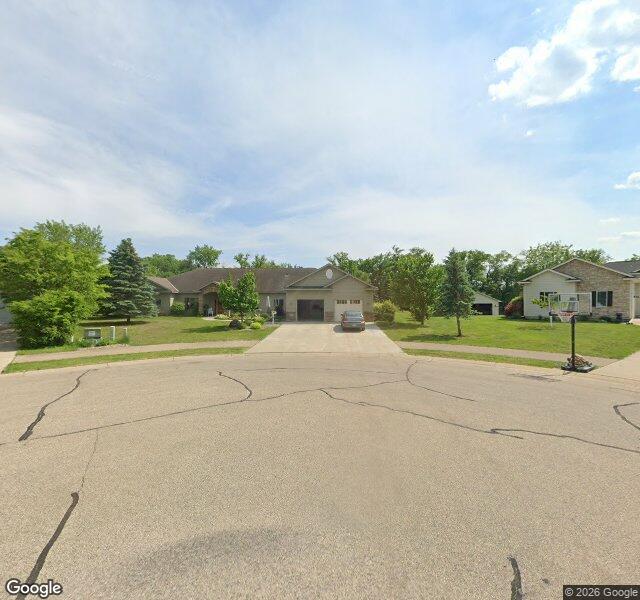
308 Larkspur Lane, Cannon Falls, MN 55009View map (opens in a new tab)
Overview and key essentials
State license
Active
MN MDH
Google reviews
4.9/ 5
7 reviews
Size & payment
Ask directly
Confirm pricing & payment
Strong public signals
Rated 4.9/5 across 7 public Google reviews. Visit in person to confirm daily care and pricing.
Cost, payment & care details
Updated Nov 28, 2026| Monthly cost | Not published | Ask for the full monthly cost, including care fees and one-time charges. |
|---|---|---|
| Payment options | Ask directly | Payment details are not confirmed in our records. Ask about private pay, long-term care insurance, veterans benefits, and Medicaid waivers. |
| Size & availability | Confirm directly | We don't publish live openings. Ask about current availability, waitlist length, and move-in timing. |
| Care & support | Assisted living | Usually offers housing and help with everyday tasks, such as bathing and dressing. What to confirm about care levelsThis describes the licensed category. Ask how care plans adjust if mobility, nursing, or memory needs change over time. Read the family care guide → |
State licensing
State inspection history
2inspections
24deficiencies listed
Jan 15, 2025Routine18 deficiencies reported18
18 deficiencies reported
View official state report (opens in a new tab)
144G.45 Subd. 2 (a) (2-3) Fire protection and0790
SS=D physical environment (2) install and maintain portable fire extinguishers in accordance with the State Fire Code; (3) install portable fire extinguishers having a minimum 2-A:10-B:C rating within Group R-3 occupancies, as defined by the State Fire Code, located so that the travel distance to the nearest fire extinguisher does not exceed 75 feet, and maintained in accordance with the State Fire Code; and This MN Requirement is not met as evidenced by: Based on observation and interview, the licensee failed to maintain a portable fire extinguisher as required by statute. This practice resulted in a level two violation (a violation that did not harm a resident's health or safety but had the potential to have harmed a resident's health or safety) and was issued at an isolated scope (when one or a limited number of residents are affected or one or a limited number of staff are involved, or the situation has occurred only occasionally). The findings include: On January 13, 2025, at 1:30 p.m., the surveyor toured the facility with licensed assisted living director (LALD)-B and owner (O)-A. During the tour, the surveyor observed monthly inspections had not been recorded on the back of the tag attached to the portable fire extinguisher installed in the mechanical room. Fire extinguisher STATE FORM
144G.50 Subdivision 1 Contract required0900
SS=D (a) An assisted living facility may not offer or provide housing or assisted living services to any individual unless it has executed a written contract with the resident. (b) The contract must contain all the terms concerning the provision of: (1) housing; (2) assisted living services, whether provided directly by the facility or by management agreement or other agreement; and (3) the resident's service plan, if applicable. (c) A facility must: (1) offer to prospective residents and provide to the Office of Ombudsman for Long-Term Care a complete unsigned copy of its contract; and (2) give a complete copy of any signed contract and any addendums, and all supporting documents and attachments, to the resident promptly after a contract and any addendum has been signed. (d) A contract under this section is a consumer contract under sections 325G.29 to 325G.37. (e) Before or at the time of execution of the contract, the facility must offer the resident the opportunity to identify a designated representative according to subdivision 3. (f) The resident must agree in writing to any additions or amendments to the contract. Upon agreement between the resident and the facility, a new contract or an addendum to the STATE FORM
144G.41 Subdivision 1 Minimum requirements0470
SS=I (11) develop and implement a staffing plan for determining its staffing level that: (i) includes an evaluation, to be conducted at least twice a year, of the appropriateness of staffing levels in the facility; (ii) ensures sufficient staffing at all times to meet the scheduled and reasonably foreseeable unscheduled needs of each resident as required by the residents' assessments and service plans on a 24-hour per day basis; and (iii) ensures that the facility can respond promptly and effectively to individual resident emergencies and to emergency, life safety, and disaster situations affecting staff or residents in the facility; (12) ensure that one or more persons are available 24 hours per day, seven days per week, who are responsible for responding to the requests of residents for assistance with health or safety needs. Such persons must be: (i) awake; (ii) located in the same building, in an attached building, or on a contiguous campus with the facility in order to respond within a reasonable amount of time; (iii) capable of communicating with residents; (iv) capable of providing or summoning the appropriate assistance; and (v) capable of following directions; This MN Requirement is not met as evidenced by: Based on observation, interview, and record review, the licensee failed to ensure that one or more awake staff were available in the assisted living, 24 hours per day, seven days per week, to be responsible for responding to the requests of residents for assistance with health or safety needs. This resulted in an immediate correction STATE FORM
144G.41 Subd. 2 Policies and procedures0500
SS=F Each assisted living facility must have policies and procedures in place to address the following and keep them current: (1) requirements in section 626.557, reporting of STATE FORM
144G.42 Subd. 9 Tuberculosis prevention and0660
SS=F control (a) The facility must establish and maintain a comprehensive tuberculosis infection control program according to the most current tuberculosis infection control guidelines issued by the United States Centers for Disease Control and Prevention (CDC), Division of Tuberculosis Elimination, as published in the CDC's Morbidity and Mortality Weekly Report. The program must include a tuberculosis infection control plan that covers all paid and unpaid employees, contractors, students, and regularly scheduled STATE FORM The licensee's Tuberculosis Screening/Prevention policy dated January 10, 2025, indicated the following: -The Director would conduct the formal TB Risk Assessment and update it annually. -Employees would receive baseline TB screening which included an assessment for TB history and current TB symptoms and a baseline TST or BAMT. No further information was provided. TIME PERIOD FOR CORRECTION: Twenty-one (21) days
144G.42 Subd. 10 Disaster planning and0680
SS=F emergency preparedness (a) The facility must meet the following requirements: (1) have a written emergency disaster plan that contains a plan for evacuation, addresses elements of sheltering in place, identifies temporary relocation sites, and details staff assignments in the event of a disaster or an emergency; (2) post an emergency disaster plan prominently; (3) provide building emergency exit diagrams to all residents; (4) post emergency exit diagrams on each floor; and (5) have a written policy and procedure regarding missing residents. (b) The facility must provide emergency and disaster training to all staff during the initial staff orientation and annually thereafter and must make emergency and disaster training annually available to all residents. Staff who have not STATE FORM - Policy and procedure to address food, water, medical supplies and pharmaceutical supplies whether evacuated or sheltered in place for staff and residents. - Policy and procedure to address alternate sources of energy to maintain: temperatures, safe/sanitary storage, emergency lighting, and sewage and waste disposal; - policy and procedure for system to track the location of on-duty staff and sheltered residents; - policy and procedure to address safe evacuation from the facility, including consideration of care/treatment needs of evacuees, staff responsibilities, transportation, identification of evacuation locations, primary/alternate communication means with external sources of assistance; - policy and procedure to shelter in place for residents, staff and volunteers who remain in the facility; - policy and procedure to address system of medical documentation that preserves resident information, protects confidentiality, and secures/maintains availability of records; - policy and procedure to address the use of volunteers, including the process/role for integration; - policy and procedure that address development of arrangements with other facilities/providers to receive residents in the event of limitations/cessation of operations to maintain the continuity of services to residents; - policy and procedure to address role of facility under a waiver declared by the Secretary; - communication plan that included all the following names/contact information: staff, entities providing services under agreement, residents physicians, other facilities and volunteers; - communication plan that included information STATE FORM The licensee's Emergency Preparedness policy dated August 1, 2021, indicated the licensee would have an identified plan in place to assure the safety and well-being of residents and staff during periods of emergency or disaster that disrupts services. No additional information was provided. TIME PERIOD FOR CORRECTION: Twenty-one (21) days
144G.30 Subd. 5 Correction orders0340
SS=F 0 340 (a) A correction order may be issued whenever STATE FORM
144G.45 Subd. 2 (a) (4) Fire protection and0800
SS=D physical environment (4) keep the physical environment, including walls, floors, ceiling, all furnishings, grounds, systems, and equipment in a continuous state of good repair and operation with regard to the health, safety, comfort, and well-being of the residents in accordance with a maintenance and repair program. This MN Requirement is not met as evidenced by: Based on observation and interview, the licensee failed to provide the physical environment in a continuous state of good repair and operation with regard to the health, safety, and well-being of the residents. This had the potential to directly affect a limited number of residents, staff, and visitors. This practice resulted in a level two violation (a violation that did not harm a resident's health or safety but had the potential to have harmed a resident's health or safety) and was issued at an STATE FORM
144G.50 Subd. 5 Waivers of liability prohibited0970
SS=C The contract must not include a waiver of facility liability for the health and safety or personal property of a resident. The contract must not include any provision that the facility knows or should know to be deceptive, unlawful, or unenforceable under state or federal law, nor include any provision that requires or implies a lesser standard of care or responsibility than is required by law. This MN Requirement is not met as evidenced by: Based on interview and record review, the licensee failed to ensure the assisted living contract did not include language waiving the licensee's liability for health, safety, or personal property of a resident. This had the potential to affect all residents. This practice resulted in a level one violation (a violation that has no potential to cause more than a minimal impact on the resident and does not affect health or safety) and was issued at a widespread scope (when problems are pervasive or represent a systemic failure that has affected or has potential to affect a large portion or all of the residents). The findings include: The licensee's Assisted Living Contract included a clause that indicated the resident would waive STATE FORM
144G.45 Subd. 2 (a) (1) Fire protection and0780
SS=F physical environment for dwellings or sleeping units, as defined in the State Fire Code: (i) provide smoke alarms in each room used for sleeping purposes; (ii) provide smoke alarms outside each separate sleeping area in the immediate vicinity of bedrooms; (iii) provide smoke alarms on each story within a dwelling unit, including basements, but not including crawl spaces and unoccupied attics; (iv) where more than one smoke alarm is required within an individual dwelling unit or sleeping unit, interconnect all smoke alarms so that actuation of one alarm causes all alarms in STATE FORM this sleeping area. LALD-B verified these required smoke alarms were not installed. MEANS OF EGRESS 3. The posted floor plans labeled the door leading to the back patio as an exit. An exit sign was posted at this patio door. The patio was covered with snow and an exterior exit path from the patio to the public right of way was not maintained free of snow. 4. At the back of the kitchen, an illuminated exit sign was installed for a side door. An exterior path from this exit door to the public right of way was not maintained free of snow. All paths of egress must provide unobstructed exiting for occupants and access for emergency responders in the event of an emergency. A means of egress shall be free from obstructions that would prevent its use, including the accumulation of snow. LALD-B stated it had snowed over the weekend and verified the above listed observations. FIRE ALARM AND SPRINKLER SYSTEM MAINTENANCE 5. Annual inspection tags and/or stickers were not available for the fire alarm and sprinkler systems. During the facility tour interview, the surveyor requested inspection reports for the fire alarm and sprinkler systems completed in the last year from LALD-B and O-A. An inspection report from the city dated 2022 was provided. LALD-B and O-A stated during the facility tour interview they were unsure if inspections had been completed since 2022 and would email the reports if located by 8:00 a.m. on January 14, 2025. No further information was provided to the surveyor. TIME PERIOD FOR CORRECTION: Seven (7) days STATE FORM
144G.45 Subd. 3 Local laws apply0830
SS=F Assisted living facilities shall comply with all applicable state and local governing laws, STATE FORM regulations, standards, ordinances, and codes for fire safety, building, and zoning requirements, except a facility with a licensed resident capacity of six or fewer is exempt from rental licensing regulations imposed by any town, municipality, or county. This MN Requirement is not met as evidenced by: Based on observation and interview, the licensee failed to submit a plan review application for the addition of a resident sleeping room. This had the potential to directly affect all residents, staff, and visitors. This practice resulted in a level two violation (a violation that did not harm a resident's health or safety but had the potential to have harmed a resident's health or safety) and was issued at a widespread scope (when problems are pervasive or represent a systemic failure that has affected or has potential to affect a large portion or all of the residents). The findings include: On January 13, 2025, at 1:30 p.m., the surveyor toured the facility with licensed assisted living director (LALD)-B and owner (O)-A. During the tour, the surveyor observed the posted floor plans labeled a room as a library. This "library" was occupied by a resident and used as their sleeping room. LALD-B stated during the facility tour interview that the "library" was made into a resident room approximately 9 months to a year ago. LALD-B verified a plan review application had not been submitted to Minnesota Department of Health Engineering Services for the addition of STATE FORM
I5S4136899
{0 480} 4626. 0685, item A, the facility is not required to provide integral drainboards, utensil racks, or tables large enough to accommodate soiled and clean items that may accumulate during hours of operation provided soiled items do not contaminate clean items, surfaces, or food, and clean equipment and dishes are air dried in a manner that prevents contamination before storage; (4) notwithstanding Minnesota Rules, part 4626. 1070, item A, the facility is not required to install a dedicated handwashing sink in its existing kitchen provided it designates one well of a two-compartment sink for use only as a handwashing sink; (5) notwithstanding Minnesota Rules, parts 4626. 1325, 4626. 1335, and 4626. 1360, item A, existing floor, wall, and ceiling finishes are allowed provided the facility keeps them clean and in good condition; (6) notwithstanding Minnesota Rules, part 4626. 1375, shielded or shatter- resistant lightbulbs are not required, but if a light bulb breaks, the facility must discard all exposed food and fully clean all equipment, dishes, and surfaces to remove any glass particles; and (7) notwithstanding Minnesota Rules, part 4626. 1390, toilet rooms are not required to be provided with a self-closing door. This MN Requirement is not met as evidenced by: {0 660} 144G. 42 Subd. 9 Tuberculosis prevention and SS= F control STATE FORM I5S413 {0 660} (a) The facility must establish and maintain a comprehensive tuberculosis infection control program according to the most current tuberculosis infection control guidelines issued by the United States Centers for Disease Control and Prevention (CDC), Division of Tuberculosis Elimination, as published in the CDC's Morbidity and Mortality Weekly Report. The program must include a tuberculosis infection control plan that covers all paid and unpaid employees, contractors, students, and regularly scheduled volunteers. The commissioner shall provide technical assistance regarding implementation of the guidelines. (b) The facility must maintain written evidence of compliance with this subdivision. This MN Requirement is not met as evidenced by: {0 775} 144G. 45 Subd. 2. (a) Fire protection and physical {0 775} SS= F environment Each assisted living facility must comply with the State Fire Code in Minnesota Rules, chapter 7511, and: This MN Requirement is not met as evidenced by: Based on observation and interview, the licensee failed to comply with the requirements of Minnesota State Fire Code Rules, Chapter 7511. This had the potential to directly affect all residents, staff, and visitors. This practice resulted in a level two violation (a violation that did not harm a resident' s health or safety but had the potential to have harmed a STATE FORM I5S413 resident' s health or safety, but was not likely to cause serious injury, impairment, or death) and was issued at a widespread scope (when problems are pervasive or represent a systemic failure that has affected or has the potential to affect a large portion or all of the residents) . The findings include: On November 10, 2025, at 2:00 p.m., surveyor requested to tour R6's bedroom, identified as library on facility floor plan. Surveyor was escorted by LALD-B, resident no longer resides in that area of the house. Resident moved into a shared room where the exit goes through another resident room. Means of egress from dwelling units or sleeping areas shall not lead through other sleeping areas, toilet rooms or bathrooms. On November 10,...
144G.42 Subd. 6 (b) Compliance with0630
SS=E requirements for reporting ma (b) The facility must develop and implement an individual abuse prevention plan for each vulnerable adult. The plan shall contain an individualized review or assessment of the person's susceptibility to abuse by another individual, including other vulnerable adults; the person's risk of abusing other vulnerable adults; and statements of the specific measures to be STATE FORM
144G.43 Subdivision 1 Resident record0690
SS=F (a) Assisted living facilities must maintain records for each resident for whom it is providing services. Entries in the resident records must be current, legible, permanently recorded, dated, and authenticated with the name and title of the person making the entry. This MN Requirement is not met as evidenced by: Based on interview and record review, the licensee failed to ensure entries in the resident records were authenticated by the name and title of the person making the entry for two of two residents (R1 and R2). This practice resulted in a level two violation (a violation that did not harm a resident's health or safety but had the potential to have harmed a resident's health or safety, but was not likely to cause serious injury, impairment, or death), and is issued at a widespread scope (when problems are pervasive or represent a systemic failure that has affected or has the potential to affect a large portion or all of the residents). STATE FORM The findings include: R1 R1 was admitted on July 15, 2024, with diagnoses that included diabetes. R1's Service Plan and Home Health Aide Interventions document dated July 18, 2024, indicated R1 received services to include bathing, nail and foot care, skin care, standby assistance, meal assistance, homemaker services, monthly vital signs, blood glucose monitoring and medication administration. R1's Medication and Treatment Record dated January 2025, included staff initials but lacked staff names/signatures and credentials/title. R1's Services Charting Sheet dated January 2025, included staff initials but lacked staff names/signatures and credentials/title. R2 R2 was admitted on February 19, 2024, with diagnoses that included diabetes and chronic pain. R2's service plan dated February 19, 2024, indicated R2 received services to include dressing, bathing, nail and foot care, skin care, toileting, supervision with ambulation, meal assistance, monthly vital signs, blood glucose monitoring and medication administration. R2's Medication and Treatment Record dated January 2025, included staff initials but lacked staff names/signatures and credentials/title. R2's Services Charting Sheet dated January STATE FORM
144G.50 Subd. 3 Designation of representative0950
SS=F (a) Before or at the time of execution of an assisted living contract, an assisted living facility must offer the resident the opportunity to identify a designated representative in writing in the contract and must provide the following verbatim notice on a document separate from the contract: "RIGHT TO DESIGNATE A REPRESENTATIVE FOR CERTAIN PURPOSES. You have the right to name anyone as your "Designated Representative." A Designated Representative can assist you, receive certain information and notices about you, including some information related to your health care, and advocate on your behalf. A Designated Representative does not take the place of your guardian, conservator, power of attorney ("attorney-in-fact"), or health care power of attorney ("health care agent"), if applicable." (b) The contract must contain a page or space for the name and contact information of the designated representative and a box the resident must initial if the resident declines to name a designated representative. Notwithstanding subdivision 1, paragraph (f), the resident has the right at any time to add, remove, or change the name and contact information of the designated representative. This MN Requirement is not met as evidenced by: Based on interview and record review, the STATE FORM
144G.45 Subd. 2 (b-f) Fire protection and0810
SS=F physical environment (b) Each assisted living facility shall develop and maintain fire safety and evacuation plans. The plans shall include but are not limited to: (1) location and number of resident sleeping rooms; (2) staff actions to be taken in the event of a fire or similar emergency; (3) fire protection procedures necessary for residents; and (4) procedures for resident movement, evacuation, or relocation during a fire or similar emergency including the identification of unique STATE FORM On January 13, 2025, licensed assisted living director (LALD)-B and owner (O)-A provided documents on the fire safety and evacuation plan (FSEP), fire safety and evacuation training, and employee evacuation drills for the facility. FIRE SAFETY AND EVACUATION PLAN The licensee FSEP failed to identify the location and number of resident sleeping rooms and an emergency exit. On January 13, 2025, at 1:30 p.m., the surveyor toured the facility with LALD-B and O-A. During the tour, the surveyor observed the following: 1. The posted FSEP floor plans labeled a resident sleeping room as a library. This occupied resident room was verbally identified as room zero by LALD-B during the tour. 2. O-A verbally identified resident room 5 during the tour. The surveyor observed room identifiers were not posted on or at the resident room doors for rooms zero and 5. Resident sleeping room identifiers are required to be posted and correspond with the FSEP floor plan labels. Resident sleeping rooms must be accurately identified to provide efficient communication for exiting in the event of a fire or similar emergency. 3. An illuminated exit sign was installed for a side door (adjacent to the door for the garage) leading out to the front of the building. This exit was not labeled on the FSEP floor plans. Exit labels are required to be included on the FSEP floor plans in order to direct occupants to the exits in the event of an emergency. The FSEP floor plans shall be readily understandable by the building occupants in the event of an emergency. During the facility tour STATE FORM
144G.41 Subdivision 1 Subd. 1a (a-b) Minimum0480
SS=F requirements; required food services (a) Except as provided in paragraph (b), food must be prepared and served according to the Minnesota Food Code, Minnesota Rules, chapter 4626. (b) For an assisted living facility with a licensed capacity of ten or fewer residents: (1) notwithstanding Minnesota Rules, part 4626.0033, item A, the facility may share a STATE FORM
144G.45 Subd. 2. (a) Fire protection and physical0775
SS=F environment Each assisted living facility must comply with the State Fire Code in Minnesota Rules, chapter 7511, and: This MN Requirement is not met as evidenced by: Based on observation and interview, the licensee failed to comply with the requirements of Minnesota State Fire Code Rules, Chapter 7511. This had the potential to directly affect all residents, staff, and visitors. This practice resulted in a level two violation (a violation that did not harm a resident's health or safety but had the potential to have harmed a resident's health or safety, but was not likely to cause serious injury, impairment, or death) and was issued at a widespread scope (when problems are pervasive or represent a systemic failure that has affected or has the potential to affect a large portion or all of the residents). The findings include: - On August 25, 2025, at 11:50 a.m., surveyor requested to tour R4's bedroom, identified on licensee's Current Resident Roster as 5B. Surveyor was escorted by unlicensed personnel (ULP) to a room identified at 5A and 5B. Upon entering the identified room, cloth floor standing dividers were noted. The dividers prevented a person entering the room from seeing the area STATE FORM
Jun 14, 2022Routine6 deficiencies reported6
6 deficiencies reported
View official state report (opens in a new tab)
moderate0800
physical environment (4) keep the physical environment, including walls, floors, ceiling, all furnishings, grounds, systems, and equipment in a continuous state of good repair and operation with regard to the health, safety, comfort, and well-being of the residents in accordance with a maintenance and repair program. This MN Requirement is not met as evidenced by: Based on observation and interview, the licensee failed to maintain the facility physical environment in a continuous state of good repair and operation regarding the health, safety, and well-being of the residents. This had the potential to directly affect all residents, staff, and visitors. This practice resulted in a level two violation (a violation that did not harm a resident's health or safety but had the potential to have harmed a resident's health or safety) and was issued at a widespread scope (when problems are pervasive or represent a systemic failure that has affected or has the potential to affect a large portion or all residents). Findings include: On 06/14/2022 at approximately 11:00 AM, survey staff observed improper use of power strips in the facility's mechanical room. On 06/14/2022 at approximately 11:00 AM, survey staff observed combustible items being stored less-than 3 feet from a fuel-fired appliance (furnace). On 06/14/2022 at approximately 11:00 AM, survey staff observed bedroom egress windows were visually and physically obstructed. CEO-A verbally confirmed survey staff observations. TIME PERIOD FOR CORRECTION: Twenty-one (21) days
moderate0660
control (a) The facility must establish and maintain a comprehensive tuberculosis infection control program according to the most current tuberculosis infection control guidelines issued by the United States Centers for Disease Control and Prevention (CDC), Division of Tuberculosis Elimination, as published in the CDC's Morbidity and Mortality Weekly Report. The program must include a tuberculosis infection control plan that covers all paid and unpaid employees, contractors, students, and regularly scheduled volunteers. The commissioner shall provide technical assistance regarding implementation of the guidelines. (b) The facility must maintain written evidence of compliance with this subdivision. This MN Requirement is not met as evidenced by: Based on interview and record review, the licensee failed to establish and maintain a comprehensive tuberculosis (TB) infection control prevention program according to the most current guidelines issued by the Centers for Disease Control (CDC), including a (TB) facility risk assessment, a baseline TB screening and testing for the presence of the infection with a two-step tuberculin skin test (TST) or single TB blood test, and provide staff education for six of six employees (Chief Executive Officer (CEO)-A, Housing Manager (HM)-B, Register nurse (RN)-C, Assistant Manager (AM)-D and unlicensed personnel (ULP)-E, ULP-F) with records reviewed. This had the potential to affect all three residents receiving assisted living services, as well as staff and visitors. This practice resulted in a level two violation (a violation that did not harm a resident's health or safety but had the potential to have harmed a resident's health or safety) and was issued at a widespread scope (when problems are pervasive or represent a systemic failure that has affected or has the potential to affect a large portion or all the residents). The findings include: FACILITY TB RISK ASSESSMENT The CDC guidelines indicate a facility risk assessment should be performed on an annual basis to ensure infection control measures match the facilities risk level. The guidelines also indicate the level of infection control measures employed by the facility should match the risk classification for the setting. During an interview on June 13, 2022, at approximately 11:15 a.m., the CEO-A stated he believed the licensee had a completed facility TB risk assessment but was unable to indicate the licensee's facility risk level. During a phone interview on June 13, 2022, at 12:26 p.m., the HM-B stated the licensee did not have a completed facility TB risk assessment. EMPLOYEE SCREENING AND EMPLOYEE TB TESTING RESULTS CEO-A CEO-A was hired on November 15, 2021. CEO-A's employee record lacked evidence of an assessment for TB history, a baseline test (with either TST 2-step or a blood assay for M. tuberculosis (BAMT), and TB education. HM-B HN-B was hired on November 15, 2021. HM-B's employee record lacked evidence of an assessment for TB history, a complete baseline test (with either TST 2-step or a blood assay for M. tuberculosis (BAMT), and TB education. RN-C RN-C was hired on August 1, 2021. RN-C's employee record lacked evidence of an assessment for TB history, a baseline test (with either TST 2-step or a blood assay for M. tuberculosis (BAMT), and TB education. AM-D AM-D was hired on January 2, 2022. AM-D's employee record employee record lacked evidence of an assessment for TB history, a complete baseline test (with either TST 2-step...
moderate0810
physical environment (b) Each assisted living facility shall develop and maintain fire safety and evacuation plans. The plans shall include but are not limited to: (1) location and number of resident sleeping rooms; (2) employee actions to be taken in the event of a fire or similar emergency; (3) fire protection procedures necessary for residents; and (4) procedures for resident movement, evacuation, or relocation during a fire or similar emergency including the identification of unique or unusual resident needs for movement or evacuation. (c) Employees of assisted living facilities shall receive training on the fire safety and evacuation plans upon hiring and at least twice per year thereafter. (d) Fire safety and evacuation plans shall be readily available at all times within the facility. (e) Residents who are capable of assisting in their own evacuation shall be trained on the proper actions to take in the event of a fire to include movement, evacuation, or relocation. The training shall be made available to residents at least once per year. (f) Evacuation drills are required for employees twice per year per shift with at least one evacuation drill every other month. Evacuation of the residents is not required. Fire alarm system activation is not required to initiate the evacuation drill. This MN Requirement is not met as evidenced by: Based on observation, interview and record review, the licensee failed to provide the required fire safety training and evacuation plans for residents and staff. This has the potential to directly affect all residents, staff, and visitors. This practice resulted in a level two violation (a violation that did not harm a resident's health or safety but had the potential to have harmed a resident's health or safety, but was not likely to cause serious injury, impairment, or death), and was issued at a widespread scope (when problems are pervasive or represent a systemic failure that has affected or has the potential to affect a large portion or all residents). Findings include: On 06/14/2022 at approximately 11:00 AM, survey review of documentation showed the following: 1. No records were provided to confirm that the staff of the facility had received initial fire safety and evacuation training at the time of hire, as well as ongoing required twice per year thereafter. 2. No records were provided to confirm that residents capable of assisting in their own evacuation are being trained on proper actions at least annually. 3. No records were provided to confirm that evacuation drills are being conducted twice per year per shift with at least one drill every other month CEO-A verbally confirmed survey staff observations. TIME PERIOD FOR CORRECTION: Twenty-one (21) days 01460 SS=E 144G.63 Subdivision 1 Orientation of staff and supervisors All staff providing and supervising direct services must complete an orientation to assisted living facility licensing requirements and regulations before providing assisted living services to
moderate0480
requirements (13) offer to provide or make available at least the following services to residents: (i) at least three nutritious meals daily with snacks available seven days per week, according to the recommended dietary allowances in the United States Department of Agriculture (USDA) guidelines, including seasonal fresh fruit and fresh vegetables. The following apply: (B) food must be prepared and served according to the Minnesota Food Code, Minnesota Rules, chapter 4626; and This MN Requirement is not met as evidenced by: Based on observation, and interview, the licensee failed to ensure food was prepared and served according to the Minnesota Food Code. This practice resulted in a level two violation (a violation that did not harm a resident's health or safety but had the potential to have harmed a resident's health or safety) and was issued at a widespread scope (when problems are pervasive or represent a systemic failure that has affected or has the potential to affect a large portion or all the residents). The findings include: Please refer to the included document titled, Food and Beverage Establishment Inspection Report dated June 13, 2022, for the specific Minnesota Food Code deficiencies. TIME PERIOD FOR CORRECTION: Twenty-one (21) days
moderate0780
physical environment (a) Each assisted living facility must comply with the State Fire Code in Minnesota Rules, chapter 7511, and: (1) for dwellings or sleeping units, as defined in the State Fire Code: (i) provide smoke alarms in each room used for sleeping purposes; (ii) provide smoke alarms outside each separate sleeping area in the immediate vicinity of bedrooms; (iii) provide smoke alarms on each story within a dwelling unit, including basements, but not including crawl spaces and unoccupied attics; (iv) where more than one smoke alarm is required within an individual dwelling unit or sleeping unit, interconnect all smoke alarms so that actuation of one alarm causes all alarms in the individual dwelling unit or sleeping unit to operate; and (v) ensure the power supply for existing smoke alarms complies with the State Fire Code, except that newly introduced smoke alarms in existing buildings may be battery operated; This MN Requirement is not met as evidenced by: Based on observation and interview, the licensee failed to maintain smoke alarms in the facility and ensure smoke alarms are interconnected so that actuation of one alarm causes all alarms in the dwelling to actuate as required. This had the potential to directly affect all residents, staff, and visitors. This practice resulted in a level two violation (a violation that did not harm a resident's health or safety but had the potential to have harmed a resident's health or safety, but was not likely to cause serious injury, impairment, or death), and issued at a widespread scope (when problems are pervasive or represent a systemic failure that has affected or has the potential to affect a large portion or all residents). The findings include: On 06/14/2022 at approximately 11:00 AM, survey staff observed facility smoke alarms located in bedrooms could not be assessed for month/year of install or manufacture date. On 06/14/2022 at approximately 11:00 AM, survey staff observed that the smoke alarms located just outside of each bedroom were not interconnected to those in the bedrooms. CEO-A verbally confirmed survey staff observations. No further information was provided. TIME PERIOD FOR CORRECTION: Twenty-one (21) days
STATE FORM6899
9ZWC11 STATE FORM 9ZWC11 STATE FORM 9ZWC11 STATE FORM 9ZWC11 STATE FORM 9ZWC11 STATE FORM 9ZWC11 STATE FORM 9ZWC11 STATE FORM 9ZWC11 STATE FORM 9ZWC11 STATE FORM 9ZWC11 STATE FORM 9ZWC11 01460 01460 residents. The orientation may be incorporated into the training required under subdivision 5. The orientation need only be completed once for each staff person and is not transferable to another facility. This MN Requirement is not met as evidenced by: Based on observation, interview, and record review, the licensee failed to ensure four of six employees (Chief Executive Officer (CEO)-A, Housing Manager (HM)-B, registered nurse (RN)-C, unlicensed personnel (ULP)-E) received orientation to assisted living facility licensing requirements and regulations with records reviewed. This practice resulted in a level two violation (a violation that did not harm a resident's health or safety but had the potential to have harmed a resident's health or safety) and was issued at a pattern scope (when more than a limited number of residents are affected, more than a limited number of staff are involved, or the situation has occurred repeatedly; but is not found to be pervasive). The findings include: CEO-A CEO-A was hired on November 15, 2021. HM-B HM-B was hired on November 15, 2021. RN-C RN-C was hired on August 1, 2021. ULP-E ULP-E was hired on March 10, 2022. STATE FORM 9ZWC11 01460 01460 CEO-A, HM-B, RN-C, and ULP-E's records did not include evidence the employees received orientation to include the following topics prior to providing assisted living services: - an overview of this chapter [144G] - an introduction and review of the facility's policies and procedures related to the provision of assisted living services by the individual staff person. - handling of emergencies and use of emergency services. - the assisted living bill of rights and staff responsibilities related to ensuring the exercise and protection of those rights. - the principles of person-centered planning and service delivery and how they apply to direct support services provided by the staff person. - handling of residents' complaints, reporting of complaints, and where to report complaints, including information on the Office of Health Facility Complaints. - consumer advocacy services of the Office of Ombudsman for Long-Term Care, Office of Ombudsman for Mental Health and Developmental Disabilities, Managed Care Ombudsman at the Department of Human Services, county-managed care advocates, or other relevant advocacy services; and - a review of the types of assisted living services the employee will be providing and the facility's category of licensure During an interview on June 14, 2022, at 11:25 a.m., CEO-A stated the employee records provided to surveyors was what the licensee had for employee record content. The licensee provided Staff Orientation and Education policy dated August 1, 2021, indicated STATE FORM 9ZWC11 01460 01460 orientation topics will include: -an overview of Minnesota Assisted Living Statute 144G and Minnesota Rules Chapter 4659 -review of the employee's job description and responsibilities -introduction to and review of the organization's policies and procedures related to the provision of assisted living services by the individual staff person -handling of emergencies and the use of emergency services -compliance with Minnesota's Vulnerable Adult (Sections 626.556 and 5572), including requirements based on organization policy, identification of...
Neighborhood & resident support
Emergency access, hazards & advocacy
Nearest hospital
Mayo Clinic Health Sys Cf
2.7 mi · Cannon Falls, MN
Emergency room
FEMA hazard risk
Relatively LowGoodhue County, MN
- Strong Wind
- Hail
- Landslide
Free resident advocacy
Minnesota Office of Ombudsman for Long-Term Care
More neighborhood context (specialists, VA, dialysis, air & affordability)
VA & dialysis access
Minneapolis VA Medical Center
30.5 mi · Minneapolis, MN · VA 5/5 ★
Fresenius Medical Care - Two Rivers Dialysis
13.0 mi · 4/5 ★
Specialists within 15 mi
- Geriatricians
- 0
- Neurologists
- 11
- Palliative care
- 1
- PM&R rehab
- 1
Environment & mobility
- EPA Air (2025)
- 90% good days · AQI 38
- EPA Walkability
- 7.1/20 (Below Average)
- USDA Grocery Access
- High Grocery Access
- Primary care access
- HRSA Shortage Area
County demographics
- Age 65+ median income
- $59,708/yr
- Rent-burdened households
- 48%
- Cognitive disability (2023)
- 13.8%
- Mobility disability
- 10.4%
Call & tour checklist
Questions to ask Cannon Country
Check off questions as you call or tour. Your progress stays private in this browser.
Show 3 more suggested questions
Verification & public records
Official records & sources
Licensing & contact
- License #
- 37873
- Status
- active
- Phone
- (507) 320-3788
- Federal OIG LEIE
- Clear (2026-11-27)
Original public sources
Verify licensing, ratings, and inspection reports directly with each official source.
- MN MDH official record (opens in a new tab)MN Dept. of Health
- Google Maps (opens in a new tab)Directions, photos & neighborhood
- Google Reviews (opens in a new tab)7 public reviews
EveryPlace is an independent research directory. Information is compiled from public Medicare.gov, state licensing, Google Places, and street-level imagery sources. Some summaries, suggested questions, and pricing notes are AI-generated or AI-assisted and may contain errors or omissions. We do not accept payment for placement. Confirm all details directly with the community and official sources. Research Policy.
Keep exploring