Loading EveryPlace content…
Assisted LivingActive licenseMemory care certified
Campus A/L
809 Forest Avenue, Northfield, MN 55057View map (opens in a new tab)
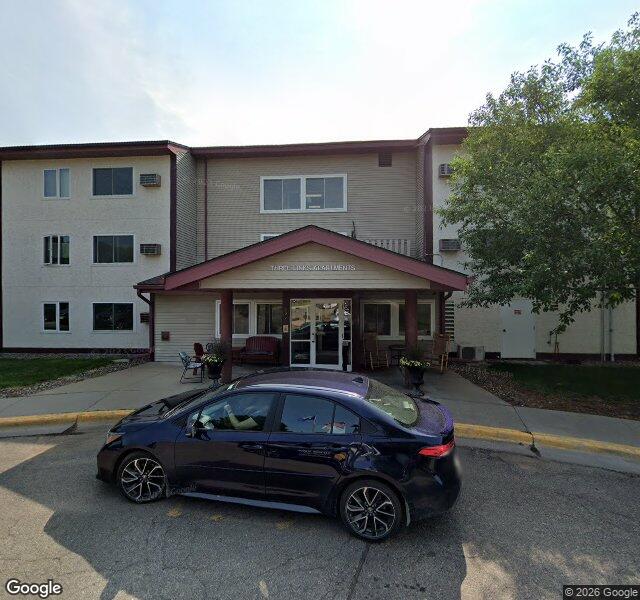
Overview and key essentials
State license
Active
MN MDH
Google reviews
4.0/ 5
6 reviews
Size & payment
Ask directly
Confirm pricing & payment
Strong public signals
Rated 4.0/5 across 6 public Google reviews. Visit in person to confirm daily care and pricing.
Cost, payment & care details
Updated Nov 28, 2026| Monthly cost | Not published | Ask for the full monthly cost, including care fees and one-time charges. |
|---|---|---|
| Payment options | Ask directly | Payment details are not confirmed in our records. Ask about private pay, long-term care insurance, veterans benefits, and Medicaid waivers. |
| Size & availability | Confirm directly | We don't publish live openings. Ask about current availability, waitlist length, and move-in timing. |
| Care & support | Assisted livingMemory care certified | Usually offers housing and help with everyday tasks, such as bathing and dressing. What to confirm about care levelsThis describes the licensed category. Ask how care plans adjust if mobility, nursing, or memory needs change over time. Read the family care guide → |
State licensing
State inspection history
4inspections
11deficiencies listed
Jul 15, 2026Routine8 deficiencies reported8
8 deficiencies reported
View official state report (opens in a new tab)
144G. 43 Subdivision 1 Resident record0700
SS= F (b) Resident records, whether written or electronic, must be protected against loss, tampering, or unauthorized disclosure in compliance with chapter 13 and other applicable relevant federal and state laws. The facility shall establish and implement written procedures to control use, storage, and security of resident records and establish criteria for release of resident information. This MN Requirement is not met as evidenced by: Based on observation, interview, and record review, the licensee failed to ensure resident' s personal health and medical information was kept private. This had the potential to affect all residents residing within the facility. This practice resulted in a level two violation (a violation that did not harm a resident' s health or safety but had the potential to have harmed a resident' s health or safety) and was issued at a widespread scope (when problems are pervasive or represent a systemic failure that has affected STATE FORM
144G. 45 Subd. 2 (b-f) Fire protection and0810
SS= E physical environment (b) Each assisted living facility shall develop and maintain fire safety and evacuation plans. The plans shall include but are not limited to: (1) location and number of resident sleeping rooms; (2) staff actions to be taken in the event of a fire or similar emergency; (3) fire protection procedures necessary for residents; and (4) procedures for resident movement, evacuation, or relocation during a fire or similar emergency including the identification of unique STATE FORM The findings include: Please refer to the document titled, Physical Environment Inspection Report (PEIR) dated July 13, 2026, for the specific violations related the physical environment under Minnesota Statute 144G. TIME PERIOD FOR CORRECTION: Twenty-one (21) days 01290 144G. 60 Subdivision 1 Background studies SS= I required (a) Employees, contractors, and regularly scheduled volunteers of the facility are subject to the background study required by section 144. 057 and may be disqualified under chapter 245C. Nothing in this subdivision shall be construed to prohibit the facility from requiring self-disclosure of criminal conviction information. (b) Data collected under this subdivision shall be classified as private data on individuals under section 13.02, subdivision 12. (c) Termination of a staff member in good faith reliance on information or records obtained under this section regarding a confirmed conviction does not subject the assisted living facility to civil liability or liability for unemployment benefits. This MN Requirement is not met as evidenced by: Based on interview and record review, the licensee failed to ensure a background study was submitted and received in affiliation with the assisted living license for three of three employees (licensed assisted living STATE FORM
LBT1116899
(a) Except as provided in paragraph (b), food must be prepared and served according to the Minnesota Food Code, Minnesota Rules, chapter 4626. (b) For an assisted living facility with a licensed capacity of ten or fewer residents: (1) notwithstanding Minnesota Rules, part 4626. 0033, item A, the facility may share a certified food protection manager (CFPM) with one other facility located within a 60-mile radius and under common management provided the CFPM is present at each facility frequently enough to effectively administer, manage, and supervise each facility's food service operation; (2) notwithstanding Minnesota Rules, part 4626. 0545, item A, kick plates that are not removable or cannot be rotated open are allowed unless the facility has been issued repeated correction orders for violations of Minnesota Rules, part 4626. 1565 or 4626. 1570; (3) notwithstanding Minnesota Rules, part 4626. 0685, item A, the facility is not required to provide integral drainboards, utensil racks, or tables large enough to accommodate soiled and clean items that may accumulate during hours of operation provided soiled items do not contaminate clean items, surfaces, or food, and clean equipment and dishes are air dried in a manner that prevents contamination before storage; (4) notwithstanding Minnesota Rules, part 4626. 1070, item A, the facility is not required to install a dedicated handwashing sink in its existing kitchen provided it designates one well of a two-compartment sink for use only as a handwashing sink; (5) notwithstanding Minnesota Rules, parts 4626. 1325, 4626. 1335, and 4626. 1360, item A, existing floor, wall, and ceiling finishes are STATE FORM LBT111 allowed provided the facility keeps them clean and in good condition; (6) notwithstanding Minnesota Rules, part 4626. 1375, shielded or shatter- resistant lightbulbs are not required, but if a light bulb breaks, the facility must discard all exposed food and fully clean all equipment, dishes, and surfaces to remove any glass particles; and (7) notwithstanding Minnesota Rules, part 4626. 1390, toilet rooms are not required to be provided with a self-closing door. This MN Requirement is not met as evidenced by: Based on observation, interview, and record review, the licensee failed to ensure food was prepared and served according to the Minnesota Food Code. This practice resulted in a level two violation (a violation that did not harm a resident' s health or safety but had the potential to have harmed a resident' s health or safety) and was issued at a widespread scope (when problems are pervasive or represent a systemic failure that has affected or has the potential to affect a large portion or all the residents) . The findings include: Please refer to the document titled, Food and Beverage Establishment Inspection Report (FBEIR) dated July 14, 2026, for the specific Minnesota Food Code violations. The Inspection Report was provided to the licensee within 24 hours of the inspection. TIME PERIOD FOR CORRECTION: Please refer STATE FORM LBT111 to the FBEIR for any compliance dates. LBT111 R2 was admitted on June 12, 2026, with diagnoses that included congestive heart failure. On July 14, 2026, 9:23 a.m., the surveyor observed unlicensed personnel (ULP)-D administer medication to R2. R2's service plan dated June 12, 2026, indicated R2 received services to include grooming, dressing, bathing, catheter care, toileting, mobility/ambulation, oxygen and medication administration. R2's IAPP...
144G. 45 Subd. 2. (a) Fire protection and physical0775
SS= E environment Each assisted living facility must comply with the State Fire Code in Minnesota Rules, chapter 7511, and: This MN Requirement is not met as evidenced by: Based on observation, record review, and interview, the licensee failed to ensure the physical environment of the facility was maintained in compliance with the requirements STATE FORM
144G. 43 Subd. 3 Contents of resident record0730
SS= D Contents of a resident record include the following for each resident: (1) identifying information, including the resident' s name, date of birth, address, and telephone number; (2) the name, address, and telephone number of the resident' s emergency contact, legal representatives, and designated representative; (3) names, addresses, and telephone numbers of the resident' s health and medical service providers, if known; (4) health information, including medical history, allergies, and when the provider is managing medications, treatments or therapies that require documentation, and other relevant health records; (5) the resident' s advance directives, if any; (6) copies of any health care directives, guardianships, powers of attorney, or conservatorships; (7) the facility's current and previous assessments and service plans; (8) all records of communications pertinent to the resident' s services; (9) documentation of significant changes in the resident' s status and actions taken in response to the needs of the resident, including reporting to the appropriate supervisor or health care professional; (10) documentation of incidents involving the resident and actions taken in response to the needs of the resident, including reporting to the appropriate supervisor or health care professional; (11) documentation that services have been provided as identified in the service plan; (12) documentation that the resident has received STATE FORM
144G. 41 Subdivision 1 Subd. 1a (a-b) Minimum0480
SS= F requirements; required food services 0 480 STATE FORM
144G. 42 Subd. 6 (b) Compliance with0630
SS= D requirements for reporting ma (b) The facility must develop and implement an individual abuse prevention plan for each vulnerable adult. The plan shall contain an individualized review or assessment of the person' s susceptibility to abuse by another individual, including other vulnerable adults; the person' s risk of abusing other vulnerable adults; and statements of the specific measures to be taken to minimize the risk of abuse to that person and other vulnerable adults. For purposes of the abuse prevention plan, abuse includes self-abuse. This MN Requirement is not met as evidenced by: Based on observation, interview, and record review, the licensee failed to ensure an individual abuse prevention plan (IAPP) was developed to include the required content for two of three residents (R2 and R3). This practice resulted in a level two violation (a violation that did not harm a resident' s health or safety but had the potential to have harmed a resident' s health or safety, but was not likely to cause serious injury, impairment, or death) and was issued at an isolated scope (when one or a limited number of residents are affected or one or a limited number of staff are involved, or the situation has occurred only occasionally) . The findings include: R2 STATE FORM
144G. 42 Subd. 9 Tuberculosis prevention and0660
SS= D control (a) The facility must establish and maintain a comprehensive tuberculosis infection control program according to the most current tuberculosis infection control guidelines issued by the United States Centers for Disease Control and Prevention (CDC), Division of Tuberculosis Elimination, as published in the CDC's Morbidity and Mortality Weekly Report. The program must include a tuberculosis infection control plan that covers all paid and unpaid employees, contractors, students, and regularly scheduled volunteers. The commissioner shall provide technical assistance regarding implementation of the guidelines. STATE FORM
Jun 12, 2025ComplaintNo deficiencies reportedNone
No deficiencies reported
View official state report (opens in a new tab)
Inconclusive. The alleged perpetrator (AP) financially exploited four residents, Resident #1, #2, #3, and #4, when the AP stole narcotics, oxycodone and morphine tablets, from four residents’ medication supply
Jul 29, 2024Complaint1 deficiency reported1
1 deficiency reported
View official state report (opens in a new tab)
Substantiated, individual responsibility. The alleged perpetrator (AP) neglected the resident when the AP left chemical cleaner unsecured in the kitchen. The resident drank some of the cleaner and was transferred to the hospital via emergency services
severeHL307022240M
The alleged perpetrator (AP) neglected the resident when the AP left chemical cleaner unsecured in the kitchen. The resident drank some of the cleaner and was transferred to the hospital via emergency services. The Minnesota Department of Health determined neglect was substantiated. The AP was responsible for the maltreatment. The AP left cleaning chemicals out in the kitchen in the memory care unit. The resident drank some of the chemical, experienced pain and burning in his mouth and throat, and was sent to the hospital. The investigator conducted interviews with facility staff members, including administrative staff, nursing staff, and unlicensed staff. The investigation included review of resident medical records, facility incident reports, personnel files, staff schedules, and related facility policy and procedures. Also, the investigator observed staff providing care and interacting with residents. Page 2 of 3 The resident resided in an assisted living memory care unit. The resident’s diagnoses included dementia. The resident’s service plan included assistance with cognitive support and safety checks and the resident’s assessment indicated the resident was forgetful, confused, and had impaired decision-making. The assessment also indicated the resident slept on and off throughout the day and night. Resident progress notes indicated the resident saw a jug on the counter and thought it was water and poured some out and drank the contents. The AP returned from mopping the bathroom and saw the resident with a look of pain and disgust on his face. The resident indicated he drank contents from the jug containing chemicals because, “… it was dark and I wanted water, but the fridge was locked and that looked like a pitcher of water, so I poured it out in my mug and took a sip. After that I spit it out because it was bad.” The AP contacted staff and the manager on call regarding the incident. Emergency services was contacted, and the resident went to the emergency department. The resident returned from the facility later that morning and reported mouth pain when eating a few bites of food. The AP’s employee file indicated the facility educated the AP regarding use of chemicals for housekeeping tasks. Observation of facility revealed locked storage under the kitchen sink for chemicals and door code entry to the laundry room where other chemicals are stored. During interview, a leadership staff stated staff were directed to keep cleaning chemicals in a secured area when they were not using them. During interview, an unlicensed staff stated staff utilize chemicals for cleaning duties and are taught to keep chemicals secured. The...
Mar 29, 2024Routine2 deficiencies reported2
2 deficiencies reported
View official state report (opens in a new tab)
FLV2116899
following services to residents: (B) food must be prepared and served according to the Minnesota Food Code, Minnesota Rules, chapter 4626; and This MN Requirement is not met as evidenced by: Based on observation, interview, and record review, the licensee failed to ensure food was prepared and served according to the Minnesota Food Code. This practice resulted in a level two violation (a violation that did not harm a resident's health or safety but had the potential to have harmed a resident's health or safety) and was issued at a widespread scope (when problems are pervasive or represent a systemic failure that has affected or has the potential to affect a large portion or all the residents). The findings include: Please refer to the document titled, Food and Beverage Establishment Inspection Report (FBEIR) dated March 25, 2024, for the specific Minnesota Food Code violations. The Inspection Report was provided to the licensee within 24 hours of the inspection. TIME PERIOD FOR CORRECTION: Please refer to the FBEIR for any compliance dates. 01690 144G.71 Subdivision 1 Medication management 01690 SS=D services (a) This section applies only to assisted living facilities that provide medication management services. STATE FORM FLV211 (b) An assisted living facility that provides medication management services must develop, implement, and maintain current written medication management policies and procedures. The policies and procedures must be developed under the supervision and direction of a registered nurse, licensed health professional, or pharmacist consistent with current practice standards and guidelines. (c) The written policies and procedures must address requesting and receiving prescriptions for medications; preparing and giving medications; verifying that prescription drugs are administered as prescribed; documenting medication management activities; controlling and storing medications; monitoring and evaluating medication use; resolving medication errors; communicating with the prescriber, pharmacist, and resident and legal and designated representatives; disposing of unused medications; and educating residents and legal and designated representatives about medications. When controlled substances are being managed, the policies and procedures must also identify how the provider will ensure security and accountability for the overall management, control, and disposition of those substances in compliance with state and federal regulations and with subdivision 23. This MN Requirement is not met as evidenced by: Based on observation, interview, and record review the license failed to implement its policy regarding wasting of medication for one of three residents (R4) when unlicensed personnel (ULP)-E improperly discarded a dropped medication. This practice resulted in a level two violation (a STATE FORM FLV211 violation that did not harm a resident's health or safety but had the potential to have harmed a resident's health or safety, but was not likely to cause serious injury, impairment, or death), and was issued at an isolated scope (when one or a limited number of residents are affected or one or a limited number of staff are involved or the situation has occurred only occasionally). The findings include: R4 was admitted on June 4, 2013. R4's Service Plan dated January 20, 2024, indicated R4 received medication administration every day per R4's medication administration record (MAR). ULP-E was hired March 6, 2024. On March...
144G.41 Subd 1 (13) (i) (B) Minimum0480
SS=F requirements 0 480 (13) offer to provide or make available at least the STATE FORM
Neighborhood & resident support
Emergency access, hazards & advocacy
Nearest hospital
Northfield City Hospital & Nsg
1.5 mi · Northfield, MN · Medicare 4/5 ★
Emergency room
FEMA hazard risk
Relatively LowRice County, MN
- Strong Wind
- Hail
- Tornado
Free resident advocacy
Minnesota Office of Ombudsman for Long-Term Care
More neighborhood context (specialists, VA, dialysis, air & affordability)
VA & dialysis access
Minneapolis VA Medical Center
30.8 mi · Minneapolis, MN · VA 5/5 ★
DaVita Northfield at Home
1.2 mi · 1/5 ★ · Home dialysis
Specialists within 15 mi
- Geriatricians
- 1
- Neurologists
- 13
- Palliative care
- 0
- PM&R rehab
- 2
Environment & mobility
- EPA Walkability
- 7.4/20 (Below Average)
- USDA Grocery Access
- Moderate Grocery Access
- Primary care access
- HRSA Shortage Area
County demographics
- Age 65+ median income
- $58,710/yr
- Rent-burdened households
- 47%
- Cognitive disability (2023)
- 13.9%
- Mobility disability
- 10.5%
Call & tour checklist
Questions to ask Campus A/L
Check off questions as you call or tour. Your progress stays private in this browser.
Show 3 more suggested questions
Verification & public records
Official records & sources
Licensing & contact
- License #
- 30702
- Status
- active
- Phone
- (507) 664-8809
- Federal OIG LEIE
- Clear (2026-11-27)
Original public sources
Verify licensing, ratings, and inspection reports directly with each official source.
- MN MDH official record (opens in a new tab)MN Dept. of Health
- Google Maps (opens in a new tab)Directions, photos & neighborhood
- Google Reviews (opens in a new tab)6 public reviews
EveryPlace is an independent research directory. Information is compiled from public Medicare.gov, state licensing, Google Places, and street-level imagery sources. Some summaries, suggested questions, and pricing notes are AI-generated or AI-assisted and may contain errors or omissions. We do not accept payment for placement. Confirm all details directly with the community and official sources. Research Policy.
Keep exploring
Nearby communities to compare
- Medicare 5/54.0(6)92 bedsMedicaidNursing Home< 1 miThree Links Care CenterNorthfield, MN
- Cap. 84HUD Senior Housing< 1 miThree Links ApartmentsNorthfield, MN
- Cap. 20HUD Senior Housing< 1 miPark Ridge ApartmentsNorthfield, MN
- 5.0(1)Assisted Living< 1 miMillstream CommonsNorthfield, MN
- Cap. 30HUD Senior Housing< 1 miWellstone Commons Aka GreenvaleNorthfield, MN
- 3.2(15)Assisted Living< 1 miValleyview of NorthfieldNorthfield, MN