Loading EveryPlace content…
Assisted LivingActive license
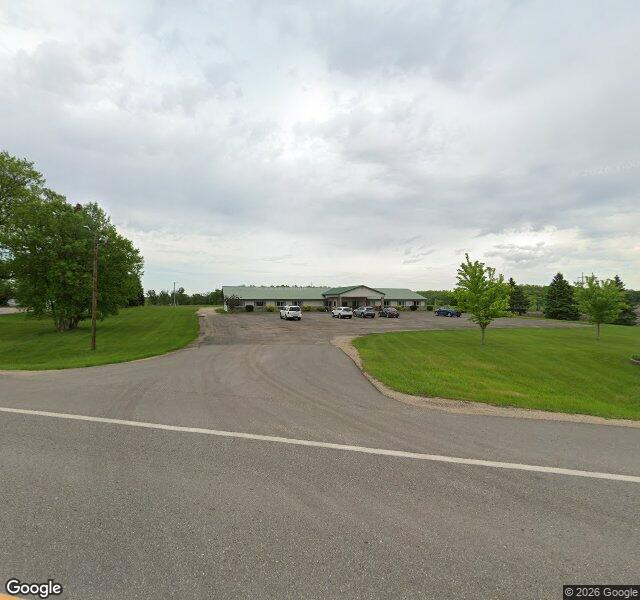
Brandon's Assisted Living
305 Central Avenue South, Brandon, MN 56315View map (opens in a new tab)
Overview and key essentials
State license
Active
MN MDH
Google reviews
5.0/ 5
2 reviews
Size & payment
Ask directly
Confirm pricing & payment
Cost, payment & care details
Updated Nov 28, 2026| Monthly cost | Not published | Ask for the full monthly cost, including care fees and one-time charges. |
|---|---|---|
| Payment options | Ask directly | Payment details are not confirmed in our records. Ask about private pay, long-term care insurance, veterans benefits, and Medicaid waivers. |
| Size & availability | Confirm directly | We don't publish live openings. Ask about current availability, waitlist length, and move-in timing. |
| Care & support | Assisted living | Usually offers housing and help with everyday tasks, such as bathing and dressing. What to confirm about care levelsThis describes the licensed category. Ask how care plans adjust if mobility, nursing, or memory needs change over time. Read the family care guide → |
State licensing
State inspection history
3inspections
21deficiencies listed
Aug 26, 2026Routine15 deficiencies reported15
15 deficiencies reported
View official state report (opens in a new tab)
144G. 10 Subdivision 1 License required0100
SS= F 0 100 (a)(1) Beginning August 1, 2021, no assisted STATE FORM
144G. 45 Subd. 2 (b-f) Fire protection and0810
SS= F physical environment (b) Each assisted living facility shall develop and maintain fire safety and evacuation plans. The plans shall include but are not limited to: STATE FORM
144G. 10 Subd. 2 Licensure categories0115
SS= F (a) The categories in this subdivision are established for assisted living facility licensure. (1) The assisted living facility category is for assisted living facilities that only provide assisted living services. (2) The assisted living facility with dementia care category is for assisted living facilities that provide assisted living services and dementia care services. An assisted living facility with dementia care may also provide dementia care services in a secured dementia care unit. (b) An assisted living facility that has a secured dementia care unit must be licensed as an assisted living facility with dementia care. This MN Requirement is not met as evidenced by: Based on observation, interview, and record review, the licensee failed to obtain an assisted living with dementia care license (ALFDC). The facility was secured with a Wander guard system (device worn by a resident, which locked the doors and alarms staff when a resident is near an exit), and four of 13 residents (R6, R7, R8, R9) were not able to leave the building without staff assistance. STATE FORM This practice resulted in a level two violation (a violation that did not harm a resident' s health or safety but had the potential to have harmed a resident' s health or safety, but was not likely to cause serious injury, impairment, or death) , and is issued at a widespread scope (when problems are pervasive or represent a systemic failure that has affected or has the potential to affect a large portion or all of the residents) . The findings include: The licensee held an assisted living facility license effective November 1, 2025, and expired October 31, 2026. The licensee' s Uniform Disclosure of Assisted Living Services and Amenities (UDALSA) dated April 3, 2026, indicated the licensee was licensed as an assisted living facility. The UDALSA included services offered by the licensee, which included the licensee offered a wander alert system at facility exits based on the assessment of the registered nurse (RN). On page one of licensee' s undated (licensee name) Handbook indicated the licensee was licensed with the State of Minnesota as an Assisted Living with Dementia Care establishment. On page five of the Handbook had written, "(licensee name) is licensed as an Assisted Living with Dementia Care facility by the On August 24, 2026, at 9:02 a.m., assisted living director in residency (ALDIR)-A stated clinical nurse supervisor (CNS) -B had completed the entrance form and was current information for the licensee. The licensee' s undated Entrance STATE FORM R9's Service Plan Report dated April 1, 2026, indicated R9's services included Wander Guard. R9's Elopement Risk Assessment Form dated March 20, 2026, indicated R9 was at risk for elopement and included the following potential and definitive risk factors: -R9 had a diagnosis of dementia, organic brain syndrome, Alzheimer' s, intellectual/ developmental disability, delusions, hallucinations, anxiety disorder, depression, bi-polar, and schizophrenia; -R9 was able to ambulate independently with or without the use of an assistive device; -R9 had hearing, vision, or communication problems; -R9's wandering behavior was tied to R9's past; -R9 took medications that increase restlessness and/ or agitation; -R9 was ambulatory, yet cognitively impaired with poor decision- making skills; -R9's family/responsible party voice concerns R9 had wandering tendencies or attempted to leave their home/ community without...
144G. 42 Subd. 10 Disaster planning and0680
SS= F emergency preparedness (a) The facility must meet the following requirements: (1) have a written emergency disaster plan that contains a plan for evacuation, addresses elements of sheltering in place, identifies temporary relocation sites, and details staff assignments in the event of a disaster or an emergency; (2) post an emergency disaster plan prominently; (3) provide building emergency exit diagrams to all residents; (4) post emergency exit diagrams on each floor; and (5) have a written policy and procedure regarding missing residents. (b) The facility must provide emergency and disaster training to all staff during the initial staff orientation and annually thereafter and must make emergency and disaster training annually available to all residents. Staff who have not received emergency and disaster training are allowed to work only when trained staff are also working on site. (c) The facility must meet any additional requirements adopted in rule. This MN Requirement is not met as evidenced by: STATE FORM
144G. 50 Subd. 2 (a-b) Contract information0910
SS= C (a) The contract must include in a conspicuous place and manner on the contract the legal name and the health facility identification of the facility. (b) The contract must include the name, telephone number, and physical mailing address, which may not be a public or private post office box, of: (1) the facility and contracted service provider when applicable; (2) the licensee of the facility; (3) the managing agent of the facility, if applicable; and (4) the authorized agent for the facility. This MN Requirement is not met as evidenced by: Based on observation, interview, and record STATE FORM
144G. 50 Subd. 2 (d-e; 1-4) Contract information0930
SS= C (d) The contract must include a description of the facility's complaint resolution process available to residents, including the name and contact information of the person representing the facility who is designated to handle and resolve complaints. (e) The contract must include a clear and conspicuous notice of: (1) the right under section 144G. 54 to appeal the termination of an assisted living contract; (2) the facility's policy regarding transfer of STATE FORM
144G. 11 APPLICABILITY OF OTHER LAWS0120
SS= C Assisted living facilities: (1) are subject to and must comply with chapter 504B; (2) must comply with section 325F. 72; and (3) are not required to obtain a lodging license under chapter 157 and related rules. This MN Requirement is not met as evidenced by: Based on interview and record review, the licensee failed to ensure the assisted living facility's marketing information did not advertise that the facility provided dementia care. This had the potential to affect all current and prospective residents. This practice resulted in a level one violation (a violation that will cause only minimal impact on the resident and does not affect health or safety) and was issued at a widespread scope (when problems are pervasive or represent a systemic failure that has affected or has potential to affect a large portion or all of the residents) . The findings include: The licensee held an assisted living facility license effective November 1, 2025, and expired October 31, 2026. The licensee' s Uniform Disclosure of Assisted Living Services and Amenities (UDALSA) dated April 3, 2026, indicated the licensee was licensed as an assisted living facility. STATE FORM On August 24, 2026, at 9:02 a.m., assisted living director in residency (ALDIR)-A stated clinical nurse supervisor (CNS) -B had completed the entrance form and was current information for the licensee. The licensee' s undated Entrance Conference: State Evaluations document indicated the licensee was familiar with current assisted living laws and regulations. On page one of licensee' s undated (licensee name) Handbook indicated the licensee was licensed with the State of Minnesota as an Assisted Living with Dementia Care establishment. On page five of the Handbook had written, "(licensee name) is licensed as an Assisted Living with Dementia Care facility by the On August 25, 2026, at 11:11 a.m., ALDIR-A and CNS- B stated the resident handbook did not reflect accurate information, and the licensee was not licensed as an assisted living with dementia care. ALDIR-A further stated the licensee did not advertise for providing dementia services, however, the resident handbook was given to all residents and resident' s representatives. ALDIR-A stated the licensee was in the process of rewriting the resident handbook to reflect current services offered. No further information was provided. TIME PERIOD FOR CORRECTION: Two (2) days
144G. 43 Subd. 3 Contents of resident record0730
SS= D Contents of a resident record include the following for each resident: (1) identifying information, including the resident' s name, date of birth, address, and telephone number; (2) the name, address, and telephone number of the resident' s emergency contact, legal representatives, and designated representative; (3) names, addresses, and telephone numbers of the resident' s health and medical service providers, if known; (4) health information, including medical history, allergies, and when the provider is managing medications, treatments or therapies that require documentation, and other relevant health records; (5) the resident' s advance directives, if any; (6) copies of any health care directives, guardianships, powers of attorney, or conservatorships; (7) the facility's current and previous assessments and service plans; (8) all records of communications pertinent to the resident' s services; (9) documentation of significant changes in the resident' s status and actions taken in response to the needs of the resident, including reporting to the appropriate supervisor or health care professional; (10) documentation of incidents involving the resident and actions taken in response to the needs of the resident, including reporting to the appropriate supervisor or health care professional; (11) documentation that services have been provided as identified in the service plan; (12) documentation that the resident has received STATE FORM DOCUMENTATION OF SERVICES R3's diagnoses included diabetes, hypertension (HTN-high blood pressure) , and chronic kidney disease. R3's Service Plan Report dated July 9, 2026, indicated R3's services included medication administration, blood glucose checks, TEDS (compression stockings used to reduce swelling in the legs and prevent blood clots) , assistance with bathing, grooming, toileting, dressing, and housekeeping. On August 24, 2026, at 11:33 a.m., the surveyor observed unlicensed personnel (ULP)-C complete a blood glucose check and administer R3's scheduled medication. R3's Schedule for July 2026, indicated the following: -July 12, and 19, respectively, indicated R3 did not have bathroom assistance documented at R3's Schedule for August 2026, indicated the following: -August 8, indicated R3 did not have bathroom assistance documented at 0600 (6:00 a.m.), 0800 (8:00 a. m.), or 1000 (10:00 a.m.); -August 9, indicated R3 did not have bathroom assistance documented at 0800 (8:00 a.m.); -August 10, indicated R3 did not have bathroom assistance documented at 0600 (6:00 a.m.), 0800 (8:00 a. m.), 1000 (10:00 a.m.), 1200 (12:00 p.m.), or 1400 (2:00 p.m.); -August 12, indicated R3 did not have a safety check documented at 2100 (9:00 p.m.); -August 13, indicated R3 did not have bathroom assistance documented at 1600 (4:00 p.m.), 1800 (6:00 p.m.), 2000 (8:00 p.m.), or 2200 (10:00 p.m.); -August 14, indicated R3 did not have bathroom assistance documented at 0600 (6:00 a.m.), 0800 (8:00 a. m.), 1000 (10:00 a.m.), 1200 (12:00 p.m.), or 1400 (2:00 p.m.); -August 19, indicated R3 did not have ambulation assistance in the hallway documented during the morning shift; -August 19, indicated R3 did not have bathroom assistance documented at 1600 (4:00 p.m.), 1800 (6:00 p.m.), 2000 (8:00 p.m.), or 2200 (10:00 p.m.); -August 19, indicated R3 did not have a safety check documented at 2100 (9:00 p.m.); -August 22, indicated R3 did not have ambulation assistance in the hallway documented during the morning...
144G. 50 Subd. 2 (e; 5-7) Contract information0940
SS= C (5) a description of the facility's policies related to medical assistance waivers under chapter 256S and section 256B. 49 and the housing support program under chapter 256I, including: (i) whether the facility is enrolled with the commissioner of human services to provide customized living services under medical assistance waivers; (ii) whether the facility has an agreement to provide housing support under section 256I.04, subdivision 2, paragraph (b); (iii) whether there is a limit on the number of people residing at the facility who can receive customized living services or participate in the housing support program at any point in time. If so, the limit must be provided; (iv) whether the facility requires a resident to pay privately for a period of time prior to accepting payment under medical assistance waivers or the housing support program, and if so, the length of time that private payment is required; (v) a statement that medical assistance waivers provide payment for services, but do not cover the cost of rent; (vi) a statement that residents may be eligible for assistance with rent through the housing support program; and (vii) a description of the rent requirements for people who are eligible for medical assistance waivers but who are not eligible for assistance through the housing support program; (6) the contact information to obtain long-term care consulting services under section 256B. 0911; and (7) the toll-free phone number for the Minnesota Adult Abuse Reporting Center. STATE FORM TIME PERIOD FOR CORRECTION: Twenty-one (21) days
144G. 50 Subd. 2 (c) Contract information0920
SS= C (c) The contract must include: (1) a disclosure of the category of assisted living facility license held by the facility and, if the facility is not an assisted living facility with dementia care, a disclosure that it does not hold an assisted living facility with dementia care license; (2) a description of all the terms and conditions of the contract, including a description of and any limitations to the housing or assisted living services to be provided for the contracted amount; (3) a delineation of the cost and nature of any other services to be provided for an additional fee; (4) a delineation and description of any additional fees the resident may be required to pay if the resident' s condition changes during the term of the contract; (5) a delineation of the grounds under which the resident may be transferred or have housing or services terminated or be subject to an emergency relocation; STATE FORM
(12:00 p.m.);1200
-July 12, and 19, respectively, indicated R3 did not have bathroom assistance documented at
144G. 41 Subdivision 1.a (a) Minimum0485
SS= C requirements; required food services STATE FORM
(2:00 p.m.);1400
-July 13, indicated R3 did not have bathroom assistance documented at 2200 (10:00 p.m.); -July 19, indicated R3 did not have bathroom assistance documented at 0600 (6:00 a.m.), 0800 (8:00 a. m.), or 1000 (10:00 a.m.); -July 22, indicated R3 did not have bathroom assistance documented at 1400 (2:00 p.m.); -July 26, indicated R3 did not have bathroom assistance documented at 1600 (4:00 p.m.), 1800 (6:00 p.m.), 2000 (8:00 p.m.), or 2200 (10:00 p.m.); and -July 26, indicated R3 did not have a safety check documented at 2100 (9:00 p.m.). STATE FORM
144G. 50 Subd. 5 Waivers of liability prohibited0970
SS= C The contract must not include a waiver of facility liability for the health and safety or personal property of a resident. The contract must not include any provision that the facility knows or should know to be deceptive, unlawful, or unenforceable under state or federal law, nor include any provision that requires or implies a lesser standard of care or responsibility than is required by law. This MN Requirement is not met as evidenced by: Based on observation, interview, and record review, the licensee failed to ensure the assisted living contract did not include language waiving the facility's liability for health, safety, or personal property of a resident for one of one resident (R5). This had the potential to affect all residents at the assisted living facility. This practice resulted in a level one violation (a violation that will cause only minimal impact on the resident and does not affect health or safety) and was issued at a widespread scope (when problems are pervasive or represent a systemic failure that has affected or has potential to affect a large portion or all of the residents) . The findings include: On August 24, 2026, at 9:02 a.m., assisted living director in residency (ALDIR)-A stated clinical nurse supervisor (CNS) -B had completed the STATE FORM does, assume all risk associated with occupancy. Tenant further acknowledges that Management is not an insurer of Tenant' s (resident' s) safety. (licensee name) , it's employees, and its agents are not liable to Tenant (resident) ... for any loss or inconvenience of any kind, including personal injuries sustained by Tenant (resident) ..., or any loss or damage to property, which is not a direct result of intentional or negligent acts in violation of applicable standards of care. On August 25, 2026, at 11:14 a.m., ALDIR-A stated the licensee was aware the assisted living contract lacked required content, and the licensee was in the process of rewriting the assisted living contract. ALDIR-A further stated the same resident contract was used for all admissions. On August 25, 2026, at 11:22 a.m., CNS- B stated the previous director of the facility cleared out the licensee' s computer drive with the licensee' s previous contract used, and the licensee no longer had access to the previous assisted living contract. No further information was provided. TIME PERIOD FOR CORRECTION: Twenty-one (21) days 01290 144G. 60 Subdivision 1 Background studies SS= F required (a) Employees, contractors, and regularly scheduled volunteers of the facility are subject to the background study required by section 144. 057 and may be disqualified under chapter 245C. Nothing in this subdivision shall be construed to prohibit the facility from requiring STATE FORM
YMV4116899
living facility may operate in Minnesota unless it is licensed under this chapter. (2) No facility or building on a campus may provide assisted living services until obtaining the required license under paragraphs (c) to (e). (b) The licensee is legally responsible for the management, control, and operation of the facility, regardless of the existence of a management agreement or subcontract. Nothing in this chapter shall in any way affect the rights and remedies available under other law. (c) Upon approving an application for an assisted living facility license, the commissioner shall issue a single license for each building that is operated by the licensee as an assisted living facility and is located at a separate address, except as provided under paragraph (d) or (e). If a portion of a licensed assisted living facility building is utilized by an unlicensed entity or an entity with a license type not granted under this chapter, the licensed assisted living facility must ensure there is at least a vertical two-hour fire barrier as defined by the National Fire Protection Association Standard 101, Life Safety Code, between any licensed assisted living facility areas and unlicensed entity areas of the building and between the licensed assisted living facility areas and any licensed areas subject to another license type. (d) Upon approving an application for an assisted living facility license, the commissioner may issue a single license for two or more buildings on a campus that are operated by the same licensee as an assisted living facility. An assisted living facility license for a campus must identify the address and licensed resident capacity of each building located on the campus in which assisted living services are provided. (e) Upon approving an application for an assisted STATE FORM YMV411 living facility license, the commissioner may: (1) issue a single license for two or more buildings on a campus that are operated by the same licensee as an assisted living facility with dementia care, provided the assisted living facility for dementia care license for a campus identifies the buildings operating as assisted living facilities with dementia care; or (2) issue a separate assisted living facility with dementia care license for a building that is on a campus and that is operating as an assisted living facility with dementia care. This MN Requirement is not met as evidenced by: Based on observation, interview, and record review, the licensee failed to demonstrate legal responsibility for the control and operation of the facility when the licensee allowed use of the facility space to operate a home care agency. This had the potential to affect all residents, staff, and visitors. This practice resulted in a level two violation (a violation that did not harm a resident' s health or safety but had the potential to have harmed a resident' s health or safety, but was not likely to cause serious injury, impairment, or death) , and is issued at a widespread scope (when problems are pervasive or represent a systemic failure that has affected or has the potential to affect a large portion or all of the residents) . The findings include: On August 24, 2026, at 9:02 a.m., assisted living director in residency (ALDIR)-A stated clinical nurse supervisor (CNS) -B had completed the entrance form and was current information for the STATE FORM YMV411 licensee. The licensee' s undated Entrance Conference: State Evaluations document indicated the...
May 17, 2024Routine5 deficiencies reported5
5 deficiencies reported
View official state report (opens in a new tab)
144G.41 Subd 1 (13) (i) (B) Minimum0480
SS=F requirements 0 480 STATE FORM
144G.50 Subd. 5 Waivers of liability prohibited0970
SS=C The contract must not include a waiver of facility liability for the health and safety or personal property of a resident. The contract must not include any provision that the facility knows or should know to be deceptive, unlawful, or unenforceable under state or federal law, nor include any provision that requires or implies a lesser standard of care or responsibility than is required by law. This MN Requirement is not met as evidenced by: Based on interview and record review, the licensee failed to ensure the assisted living contract did not include language waiving the facility's liability for health, safety, or personal property of a resident. This had the potential to affect all residents. This practice resulted in a level one violation (a violation that has no potential to cause more than a minimal impact on the resident and does not affect health or safety) and was issued at a STATE FORM
144G.42 Subd. 9 Tuberculosis prevention and0660
SS=D control (a) The facility must establish and maintain a comprehensive tuberculosis infection control STATE FORM program according to the most current tuberculosis infection control guidelines issued by the United States Centers for Disease Control and Prevention (CDC), Division of Tuberculosis Elimination, as published in the CDC's Morbidity and Mortality Weekly Report. The program must include a tuberculosis infection control plan that covers all paid and unpaid employees, contractors, students, and regularly scheduled volunteers. The commissioner shall provide technical assistance regarding implementation of the guidelines. (b) The facility must maintain written evidence of compliance with this subdivision. This MN Requirement is not met as evidenced by: Based on interview and record review, the licensee failed to establish and maintain a tuberculosis (TB) prevention program based on the most current guidelines issued by the Centers for Disease Control and Prevention (CDC), which includes documentation of completion of a two-step TST (tuberculin skin test) or other evidence of TB screening such as a blood test for one of one employee unlicensed personnel (ULP)-B. This practice resulted in a level two violation (a violation that did not harm a resident's health or safety but had the potential to have harmed a resident's health or safety, but was not likely to cause serious injury, impairment, or death), and was issued at an isolated scope (when one or a limited number of residents are affected or one or a limited number of staff are involved or the situation has occurred only occasionally). The findings include: STATE FORM
RXP4116899
(13) offer to provide or make available at least the following services to residents: (B) food must be prepared and served according to the Minnesota Food Code, Minnesota Rules, chapter 4626; and This MN Requirement is not met as evidenced by: Based on observation, interview, and record review, the licensee failed to ensure food was prepared and served according to the Minnesota Food Code. This practice resulted in a level two violation (a violation that did not harm a resident's health or safety but had the potential to have harmed a resident's health or safety) and was issued at a widespread scope (when problems are pervasive or represent a systemic failure that has affected or has the potential to affect a large portion or all the residents). The findings include: Please refer to the document titled, Food and Beverage Establishment Inspection Report (FBEIR) dated May 14, 2024, for the specific Minnesota Food Code violations. The Inspection Report was provided to the licensee within 24 hours of the inspection. TIME PERIOD FOR CORRECTION: Please refer to the FBEIR for any compliance dates. RXP411 The licensee's TB facility risk assessment, dated January 2, 2024, indicated the facility was low risk for TB. ULP-B began providing direct care services for the licensee on February 10, 2021. ULP-B employee record included a Baseline TB screening tool for Health Care Workers (HCWs), dated May 3, 2022; 447 days after date of hire. ULP'-B's employee record included a second step of a two-step TST, dated May 20, 2022; 464 days after date of hire. On May 14, 2024, at 1:00 p.m., licensed assisted living director/licensed practical nurse (LALD/LPN)-A verified ULP-B completed the first step of a two-step TST on May 20, 2022. LALD/LPN stated ULP-B had lacked a two-step TST upon hire and performed the TST after an audit was performed. The licensee's 8.16 Infection Control policy dated August 1, 2021, indicated staff whose job function require work within the same air space of residents would be screened and tested for tuberculosis prior to the staff being exposed to residents. guidelines, Regulations for Tuberculosis Control in Minnesota Health Care Settings, dated July 2013, and the CDC guidelines, indicated a TB infection control program should include a facility TB risk assessment. The guidelines also indicated an employee may begin working with patients after a negative TB history and symptom screen (no symptoms of active TB disease) and a negative IGRA (serum blood test) or TST (first STATE FORM RXP411 step) dated within 90 days before hire. The second TST may be performed after the HCW (health care worker) starts working with patients. Baseline TB screening should be documented in the employee's record." No further information was provided. TIME PERIOD FOR CORRECTION: Twenty-one (21) days RXP411 least once per year. (f) Evacuation drills are required for employees twice per year per shift with at least one evacuation drill every other month. Evacuation of the residents is not required. Fire alarm system activation is not required to initiate the evacuation drill. This MN Requirement is not met as evidenced by: Based on a record review and interview, the licensee failed to develop a fire safety and evacuation plan with required elements. This had the potential to affect all staff, residents, and visitors. This practice resulted in a level two violation (a violation that did not harm a resident's health or safety but had the potential to have...
144G.45 Subd. 2 (b)-(f) Fire protection and0810
SS=F physical environment (b) Each assisted living facility shall develop and maintain fire safety and evacuation plans. The plans shall include but are not limited to: (1) location and number of resident sleeping rooms; (2) employee actions to be taken in the event of a fire or similar emergency; (3) fire protection procedures necessary for residents; and (4) procedures for resident movement, evacuation, or relocation during a fire or similar emergency including the identification of unique or unusual resident needs for movement or evacuation. (c) Employees of assisted living facilities shall receive training on the fire safety and evacuation plans upon hiring and at least twice per year thereafter. (d) Fire safety and evacuation plans shall be readily available at all times within the facility. (e) Residents who are capable of assisting in their own evacuation shall be trained on the proper actions to take in the event of a fire to include movement, evacuation, or relocation. The training shall be made available to residents at STATE FORM
Oct 31, 2023Complaint1 deficiency reported1
1 deficiency reported
View official state report (opens in a new tab)
Substantiated, individual responsibility. An alleged perpetrator (AP), facility staff, neglected a resident when the AP smoked methamphetamine (illegal stimulant) with the resident in the resident’s room
severeHL307426303M
An alleged perpetrator (AP), facility staff, neglected a resident when the AP smoked methamphetamine (illegal stimulant) with the resident in the resident’s room. The Minnesota Department of Health determined neglect was substantiated. The AP was responsible for the maltreatment. The AP admitted to smoking methamphetamine with the resident and bringing drug paraphernalia (used to smoke methamphetamine) into the facility. The investigator conducted interviews with facility staff members, including administrative staff, nursing staff, unlicensed staff, and the AP. The investigator contacted law enforcement and reviewed the law enforcement report. The investigation included review of the resident’s record, facility’s policy and procedures, facility’s investigation into the incident, and personnel files. Also, the investigator observed the facility, the resident, and staff interactions with residents. Maltreatment Report #: HL307426303M Compliance #: HL307421960C Date Concluded: October 31, 2023 Name, Address, and County of Licensee Investigated: Brandon’s Assisted Living 305 Central Avenue South Brandon, MN, 56315 Douglas County Facility Type: Assisted Living Facility (ALF) Evaluator’s Name: Angela Vatalaro, RN Special Investigator Page 2 of 3 The resident resided in an assisted living facility. The resident’s diagnoses included peripheral vascular disease (reduced circulation), chronic obstructive pulmonary disease (COPD), dementia, high blood pressure, anxiety, and depression. The resident’s services included assistance with medication administration, bathing, cues for dressing and grooming. The resident’s assessment indicated the resident was alert, oriented, forgetful, and was able to summon for staff assistance. Review of the facility’s internal investigation and incident report indicated when conducting wellness checks, unlicensed personnel (ULP) overheard talking from the resident’s room. The ULP walked into the resident’s room and observed the AP smoking methamphetamine with the resident. The ULP contacted law enforcement. When interviewed by facility staff, the resident stated the methamphetamine belonged to the AP. The AP stated the methamphetamine belonged to the resident. During an interview, the unlicensed personnel stated while doing room checks she witnessed the AP and the resident smoking methamphetamine from a pipe in the resident’s room. The ULP stated she contacted law enforcement. During an interview, leadership stated the AP stayed after her scheduled shift to assist the resident with setting up a dresser. When the unlicensed personnel conducted scheduled rounds, the...
Neighborhood & resident support
Emergency access, hazards & advocacy
Nearest hospital
Douglas County Hospital
12.3 mi · Alexandria, MN
Emergency room
FEMA hazard risk
Relatively LowDouglas County, MN
- Winter Weather
- Cold Wave
- Strong Wind
Free resident advocacy
Minnesota Office of Ombudsman for Long-Term Care
More neighborhood context (specialists, VA, dialysis, air & affordability)
VA & dialysis access
St Cloud VA Medical Center
71.9 mi · St. Cloud, MN
Fresenius Kidney Care Douglas County
11.9 mi · 5/5 ★
Specialists within 15 mi
- Geriatricians
- 0
- Neurologists
- 0
- Palliative care
- 1
- PM&R rehab
- 2
Environment & mobility
- EPA Walkability
- 6.7/20 (Below Average)
- USDA Grocery Access
- Moderate Grocery Access
County demographics
- Age 65+ median income
- $58,040/yr
- Rent-burdened households
- 39%
- Cognitive disability (2023)
- 13.5%
- Mobility disability
- 9.9%
Call & tour checklist
Questions to ask Brandon's Assisted Living
Check off questions as you call or tour. Your progress stays private in this browser.
Show 3 more suggested questions
Verification & public records
Official records & sources
Licensing & contact
- License #
- 30742
- Status
- active
- Phone
- (320) 524-2207
- Federal OIG LEIE
- Clear (2026-11-27)
Original public sources
Verify licensing, ratings, and inspection reports directly with each official source.
- MN MDH official record (opens in a new tab)MN Dept. of Health
- Google Maps (opens in a new tab)Directions, photos & neighborhood
- Google Reviews (opens in a new tab)2 public reviews
EveryPlace is an independent research directory. Information is compiled from public Medicare.gov, state licensing, Google Places, and street-level imagery sources. Some summaries, suggested questions, and pricing notes are AI-generated or AI-assisted and may contain errors or omissions. We do not accept payment for placement. Confirm all details directly with the community and official sources. Research Policy.
Keep exploring