Loading EveryPlace content…
Assisted LivingActive license
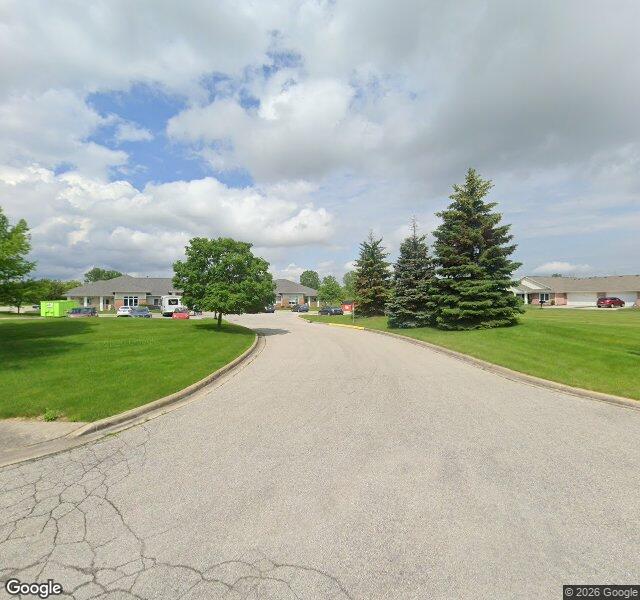
Bloom at German Church
2250 Harvest Moon Dr, Indianapolis, IN 46229View map (opens in a new tab)
Overview and key essentials
State license
Active
IN IDOH
Google reviews
Not available
Public reviews not linked
Size & payment
66 residents
Confirm pricing & payment
Public records for this community are limited. Use the checklist below when you call or visit to confirm pricing, services, and openings.
Cost, payment & care details
Updated Nov 28, 2026| Monthly cost | Not published | Ask for the full monthly cost, including care fees and one-time charges. |
|---|---|---|
| Payment options | Ask directly | Payment details are not confirmed in our records. Ask about private pay, long-term care insurance, veterans benefits, and Medicaid waivers. |
| Size & availability | 66 residents | We don't publish live openings. Ask about current availability, waitlist length, and move-in timing. |
| Care & support | Assisted living | Usually offers housing and help with everyday tasks, such as bathing and dressing. What to confirm about care levelsThis describes the licensed category. Ask how care plans adjust if mobility, nursing, or memory needs change over time. Read the family care guide → |
State licensing
State inspection history
13inspections
46deficiencies listed
Oct 8, 2026Complaint5 deficiencies reported5
5 deficiencies reported
View official state report (opens in a new tab)
INITIAL COMMENTS This visit was for a State Residential Licensure Survey. This visit included the Investigation of Intake 472410. Intake 472410- State deficiencies related to the allegations are cited at R0091, R0216, R0240, R0273. Survey dates: October 7 and 8th, 2026 Facility number: 003916 Residential Census: 54 These State Residential Findings are cited in accordance with 410 IAC (Indiana Administrative Code) 16.2-5. Quality review completed October 13, 2026. 410 IAC 16.2-5-1.3(h)(1-4) (h) The facility shall establish and implement a written policy manual to ensure that resident care and facility objectives are attained, to include the following: (1) The range of services offered. (2) Residents' rights. (3) Personnel administration. (4) Facility operations. The policies shall be made available to residents upon request. Based on interview and record review, the facility failed to ensure that controlled substances were destroyed by two licensed staff members, as required, for 1 of 3 residents reviewed for death/discharge. Findings include: The clinical record for Resident K was reviewed on 10/8/2026 at 1:05 PM. The medical diagnoses included, but were not limited to, cancer...
Personnel - DeficiencyR 0117
R 0117 R 0117 410 IAC 16.2-5-1.4(b) Based on interview and record review, the facility failed to ensure at least one awake staff member with current first aid certification was present at all times for 4 of 7 days reviewed. Findings include: During an interview with the Business Office Manager on 10/8/2026 at 3:15 PM, she stated she maintained records of CPR, first aid, and licensure for facility staff. The Business Office Manager verified she could not locate documentation demonstrating first aid-certified staff coverage for 4 of the 7 days reviewed. During an interview on 10/8/2026 at 3:20 PM, the Business Office Manager stated she had spoken with the facility's corporate support and was informed that the facility did not have a policy specific to first aid coverage, but would defer to state regulatory requirements.
Pharmaceutical Services -R 0299Corrected Oct 30, 2026
Noncompliance R 0299 R 0299 410 IAC 16.2-5-6(c)(3) (3) The medication review, recommendations, and notification of the physician, if necessary, shall be documented in accordance with the facility ' s policy. Findings include: The clinical record for Resident C was reviewed on 10/8/26 at 11:22 a.m. Resident C's diagnoses included, but were not limited to, sleep apnea. Resident C's service plan, dated 8/22/26, indicated Resident C required assistance from staff with medication management four or more times daily for more than eleven medications, including inhalers and injections. The October, 2026 physician's orders indicated to administer one 0.625 mg tablet of Premarin every 14 days, starting 4/20/26; apply Premarin vaginal cream 0.0625% twice weekly that could be self administered, starting 6/5/26; 17 grams of Polyethylene Glycol 3350 mixed in eight ounces of water every day, starting 4/27/26; one 100 mg capsule of Docusate Sodium twice a day, hold for loose stool, starting 4/27/26; and one injection of Emgality (injectable medication to prevent migraines and treat episodic cluster headaches in adults) every month, starting 5/29/26. The Note To Attending Physician/Prescriber, dated 8/12/26 indicated Resident C was receiving Polyethylene Glycol 3350 and Docusate Sodium on a routine basis, and would it be appropriate to discontinue the Docusate Sodium order or change the Docusate Sodium order to 100 mg twice a day as needed for constipation. There was not Physician/Prescriber Response on the note or documented in the clinical record. The Consultant Pharmacist's Medication Regimen Review form, dated 10/6/26, indicated Resident C's Emgality injection was marked as not administered on 9/30/26 due to it not being available. This should have been followed-up on and once received, administered. Please investigate as there is no documentation of this. There was no information documented in the follow-through section of the form or documented in the clinical record. correcting provided it is determined that other safeguards provide sufficient protection to the patients. (See instructions.) SIGNATUREEmily Schafer
Evaluation - NoncomplianceR 0216
R 0216 R 0216 410 IAC 16.2-5-2(c)(1-4)(d) (c) The scope and content of the evaluation shall be delineated in the facility policy manual, but at a minimum the needs assessment shall include an evaluation of the following: (3) The resident ' s weight taken on admission and semiannually thereafter. (4) If applicable, the resident ' s ability to self-administer medications. (d) The evaluation shall be documented in writing and kept in the facility. Based on interview and record review, the facility failed to ensure a self-administration of medication assessment was completed for 1 of 5 residents reviewed for medication management (Resident F). Findings include: The clinical record for Resident F was reviewed on 10/8/2026 at 11:30 AM. The medical diagnoses included, but were not limited to, pain. The individualized service plan dated, 7/23/2026, indicated Resident F either did not receive medications or self-managed medications. The medication administration record for Resident F for October 2026 indicated Resident F self-administered multiple medications. During an interview on 10/7/2026 at 11:45 AM, LPN 4 stated that Resident F self-administered his medications. During an interview on 10/8/2026 at 2:15 PM, the Executive Director stated the facility could not locate a self-administration of medication assessment for Resident F. A policy titled, "Medications - Self Administration", was provided by the Marketing Director on 10/8/2026 at 2:45 PM. The policy indicated that residents who demonstrate to the Wellness Director that they are capable of following directions for medication and who have been assessed using a recognized self-administration tool may qualify for self-administration of medications. The Wellness Director then reports to the physician to obtain the physician ' s final determination. Nursing staff are required to verify the resident ' s ability to self-administer monthly and document this verification in a nursing note. R 0240 R 0240
Health Services - DeficiencyR 0240
410 IAC 16.2-5-4(d) (d) Personal care, and assistance with activities of daily living, shall be provided based upon individual needs and preferences. 4. The clinical record for Resident E was reviewed on 10/8/2026 at 11:05 AM. The medical diagnoses included, but were not limited to, cancer and seizures. An individualized service plan dated 7/16/2026 indicated Resident E did not receive medications or manage her own medications. The same service plan indicated Resident E required medications to be passed once a day for 5-10 medications. During an observation on 10/8/2026 at 11:30 AM, LPN 4 was observed passing medications to Resident E. The October 2026 Medication Administration Record indicated staff were administering Resident E ' s medications. One administration was noted as held due to medication not being available. 5. The clinical record for Resident H was reviewed on 10/8/2026 at 12:10 PM. The medical diagnoses included, but were not limited to, dementia and visual impairments. An individualized service plan dated 9/23/2026 indicated Resident H required assistance with medication management. Resident H utilized 11 or more medications, required injections three times a day, and had medications passed three times a day. The September 2026 Medication Administration Record indicated staff were administering Resident H ' s medications. One administration was noted as held due to medication not being available. An individualized service plan dated 7/11/2026 indicated Resident M required assistance with medication management. Resident M utilized 5-10 medications, required injections three times a day, and had medications passed two times a day. The October 2026 Medication Administration Record indicated staff were administering Resident M ' s medications. Three administrations were noted as held due to medications not being available. During an interview, on 10/8/2026 at 11:45 AM, LPN 4 stated there were times when medications were not available for administration. LPN 4 stated she believed it was an ongoing issue with the pharmacy. During an interview, on 10/9/2026 at 11:30 AM, QMA 7 stated there were issues with obtaining medications, primarily for residents who use outside pharmacies. She stated that when medications were not available, staff would call the pharmacy or the resident ' s family and then document the issue. She stated they did not obtain backup medication from the facility's contracted pharmacy. A policy titled, "Medication Refills", was provided by the Marketing Director on 10/8/2026 at 2:30 PM. The policy indicated it was the responsibility of the facility to obtain refills for medications and treatments unless otherwise specified. In the event a resident ' s responsible party was designated to obtain medications, but a refill was not delivered within two days of depletion, facility staff were required to reorder medications through the preferred pharmacy. This Residential tag relates to relates to Intake 472410. Based on interview and record Findings include: 1. The clinical record for Resident D was reviewed on 10/8/26 at 12:21 p.m. Resident D's diagnoses included, but were not limited to, anxiety and hyponatremia (a medical condition where the concentration of sodium in your blood drops below the normal range, causing excess water to move into your cells and make them swell.) Resident D's service plan, dated 6/20/26, indicated Resident D required assistance from staff with medication management two or more...
Food and Nutritional Services -R 0273
Deficiency R 0273 R 0273 410 IAC 16.2-5-5.1(f) (f) All food preparation and serving areas (excluding areas in residents ' units) are maintained in accordance with state and local sanitation and safe food handling standards, including 410 IAC 7-24. Findings include: During an observation, on 10/7/2026 at 12:10 PM, the air ventilation vent located on the ceiling near the food preparation area and steam table in the kitchen was noted to have brown debris on its surface and was not maintained in a clean condition. Additionally, the air ventilation vent on the ceiling in the dishwashing room was observed to have black and brown substances on the vent and extending onto the surrounding ceiling surface. During an interview on 10/7/2026 at 12:15 PM, the Dietary Manager stated that staff attempt to clean the vents at least quarterly. The Dietary Manager indicated due to the height and difficulty of accessing the vents, the facility has been working on obtaining a contractor to complete the cleaning. The "Daily Closing Checklist", was provided by the Executive Director on 10/8/2026 at 2:33 PM. The checklist indicated to ensure the floors, walls, and ceiling were clean and free of repair. This Residential tag relates to relates to Intake 472410.
Oct 2, 2026Complaint4 deficiencies reported4
4 deficiencies reported
View official state report (opens in a new tab)
INITIAL COMMENTS This visit was for a Post Survey Revisit (PSR) to the Investigation of Intake IN00471340 completed on 8/13/26. Intake IN00471340 - Corrected. Survey date: October 2, 2026 Facility number: 003916 Residential Census: 54 Bloom At German Church was found to be in compliance with 410 IAC (Indiana Administrative Code) 16.2 in regard to the PSR to the Investigation of Intake IN00471340. Quality review completed on October 7, 2026.
Residents' Rights - DeficiencyR 0029
410 IAC 16.2-5-1.2(d)
Mental Health Screening -R 0383
Deficiency R 0383 10/08/2026 410 IAC 16.2-5-11.1(g)(1-2) (g) The residential care facility, in cooperation with the mental health service providers, shall develop the comprehensive careplan for the resident that includes the following: (1) Psychosocial rehabilitation services that are to be provided within the community. (A) Recreational and socialization activities. (B) Social skills. (C) Training, occupational, and work programs. (D) Opportunities for progression into less restrictive and more independent living arrangements. correcting provided it is determined that other safeguards provide sufficient protection to the patients. (See instructions.) SIGNATURE
Health Services - OffenseR 0241
R 0241 10/08/2026 410 IAC 16.2-5-4(e)(1) (e) The administration of medications and the provision of residential nursing care shall be as ordered by the resident ' s physician and shall be supervised by a licensed nurse on the premises or on call as follows: (1) Medication shall be administered by licensed nursing personnel or qualified medication aides.
Mental Health Screening-R 0378
Deficiency R 0378 10/08/2026 410 IAC 16.2-5-11.1(b)(1)(A-H)(2-3) (b) If the individual is a recipient of Medicaid or federal Supplemental Security Income (SSI), the individual needs evaluation provided in section 2(a) of this rule shall include, but not be limited to, the following: (1) Screening of the individual for major mental illness, such as a diagnosed major mental illness, is limited to the following disorders: (A) Schizophrenia. (C) Mood (bipolar and major depressive type) disorder. (D) Paranoid or delusional disorder. (E) Panic or other severe anxiety disorder. (F) Somatoform or paranoid disorder. (G) Personality disorder. (H) Atypical psychosis or other psychotic disorder (not otherwise specified). (2) Obtaining a history of treatment received by the individual for a major mental illness within the last two (2) years. (3) Obtaining a history of individual behavior within the last two (2) years that would be considered dangerous to facility residents, the staff, or the individual.
Aug 26, 2026ComplaintNo deficiencies reportedNone
No deficiencies reported
View official state report (opens in a new tab)
INITIAL COMMENTS This visit was for the Investigation of Intake 4715533. Intake 4715533 - No deficiencies related to the allegations are cited. Survey date: August 26, 2026. Facility number: 003916 Residential Census: 52 Bloom at German Church was found to be in compliance with 410 IAC (Indiana Administrative Code) 16.2-5 in regard to the Investigation of Intake 4715533 . Quality review completed on August 27th, 2026.
Aug 13, 2026Complaint5 deficiencies reported5
5 deficiencies reported
View official state report (opens in a new tab)
INITIAL COMMENTS This visit was for the Investigation of Intake IN00471340. Intake IN004713400 - State deficiencies related to the allegations are cited at R29, R241, R378, and R383. Survey dates: August 12 and 13, 2026 Facility number: 003916 Residential Census: 52 These State Residential Findings are cited in accordance with 410 IAC (Indiana Administrative Code) 16.2-5. Quality review completed August 19, 2026.
Mental Health Screening-R 0378
Deficiency R 0378 410 IAC 16.2-5-11.1(b)(1)(A-H)(2-3) (b) If the individual is a recipient of Medicaid or federal Supplemental Security Income (SSI), the individual needs evaluation provided in section 2(a) of this rule shall include, but not be limited to, the following: (1) Screening of the individual for major mental illness, such as a diagnosed major mental illness, is limited to the following disorders: (A) Schizophrenia. (B) Schizoaffective disorder. (C) Mood (bipolar and major depressive type) disorder. (D) Paranoid or delusional disorder. (E) Panic or other severe anxiety disorder. (F) Somatoform or paranoid disorder. (G) Personality disorder. (2) Obtaining a history of treatment received by the individual for a major mental illness within the last two (2) years. (3) Obtaining a history of individual behavior within the last two (2) years that would be considered dangerous to facility residents, the staff, or the individual. Based on interview and record review, the facility failed to obtain a two year treatment history for a major mental illness for 1 of 3 residents reviewed for behaviors. (Resident B) Findings include: The clinical record for Resident B was reviewed on 8/12/26 at 11:14 a.m. Resident B's diagnoses included, but were not limited to, schizoaffective disorder. Resident B was admitted to the facility on 6/26/26 from home. The After Visit Summary from Resident B's mental health care provider, dated 7/15/26, indicated Resident B's current medications included Olanzapine (commonly known by the brand name Zyprexa- atypical antipsychotic prescription medication used to treat schizophrenia and bipolar I disorder) 30 mg at bedtime. The progress note, dated 7/28/26, indicated the Executive Director (ED) and Activity Director (AD) took Resident B to a local hospital, because he was hitting and pushing the wall, and stating he would "hurt/kill" someone and be in jail like his brother. The hospital note, dated 7/29/26, indicated, "Primary diagnosis for assessment likely schizoaffective disorder depressive type per documentation review from prior psychiatry provider at [name of Resident B's mental health care provider referenced in the above order for Olanzapine...] Suspect that pt's [patient's] aggression in ALF [assisted living facility] could be due to pt not receiving prescribed Zyprexa...Will start 15 mg Zyprexa, currently not receiving at ALF but prescribed by [name of physician] on 6/22 [6/22/26,] will provide at discharge and recommend outpatient follow up to optimize medication management." An interview was conducted with Licensed Practical Nurse (LPN) 2 on 8/13/26 at 2:11 p.m. An interview was conducted with the ED on 8/13/26 at 11:29 a.m. The ED indicated they did not have the Olanzapine order upon Resident B's admission, so he did not begin receiving it until after he came back from the July, 2026 hospitalization. On 8/13/26 at 12:34 p.m., an interview was conducted with Resident B's Care Coordinator from Resident B's mental health care provider that prescribed the Olanzapine on 6/22/26. The Care Coordinator indicated they normally coordinated mental health care for patients when they resided in an assisted living facility. They had no contact with this particular facility in regards to Resident B's treatment. The Bill of Rights policy was provided by the ED on 8/13/26 at 3:29 p.m. It indicated, "Every Resident Shall Have The Right This Citation relates to Intake IN00471340.
Health Services - OffenseR 0241
R 0241 410 IAC 16.2-5-4(e)(1) (e) The administration of medications and the provision of residential nursing care shall be as ordered by the resident ' s physician and shall be supervised by a licensed nurse on the premises or on call as follows: (1) Medication shall be administered by licensed nursing personnel or qualified medication aides. Based on interview and record review, the facility failed to administer a resident's antipsychotic medication, as ordered, for 1 of 3 residents reviewed for behaviors. (Resident B) The clinical record for Resident B was reviewed on 8/12/26 at 11:14 a.m. Resident B's diagnoses included, but were not limited to, schizoaffective disorder. Resident B was admitted to the facility on 6/26/26 from home. The After Visit Summary from Resident B's mental health care provider, dated 7/15/26, indicated Resident B's current medications included Olanzapine (commonly known by the brand name Zyprexa- atypical antipsychotic prescription medication used to treat schizophrenia and bipolar I disorder) 30 mg at bedtime. The June, 2026, July, 2026, and August, 2026 MARs (medication administration records) at the facility indicated Resident B did not begin receiving Olanzapine at the facility until 8/2/26. The progress note, dated 7/28/26, indicated the Executive Director (ED) and Activity Director (AD) took Resident B to a local hospital, because he was hitting and pushing the wall, and stating he would "hurt/kill" someone and be in jail like his brother. The July, 2026 and August,
Residents' Rights - DeficiencyR 0029Corrected Sep 15, 2026
410 IAC 16.2-5-1.2(d) Based on interview and record review, the facility failed to ensure residents were treated with consideration and respect in regard to the behavior of residents in the facility. (Residents H, J, K, L, M and G) Findings include: An interview was conducted with Resident G on 8/12/26 at 3:05 p.m. Resident G indicated Resident B got mad and yelled at a nurse in front of her one day. It made Resident G feel uncomfortable. The Bill of Rights policy was provided by the ED on 8/13/26 at 3:29 p.m. It indicated, "In accordance with this right to dignity and respect, residents are entitled to all of the freedom and privileges of any there citizen...Every Resident Shall Have The Right to: ...Courteous treatment in address and handling." This Citation relates to Intake IN00471340.
Mental Health Screening -R 0383
Deficiency R 0383 9/15/2026 410 IAC 16.2-5-11.1(g)(1-2) (g) The residential care facility, in cooperation with the mental health service providers, shall develop the comprehensive careplan for the resident that includes the following: (1) Psychosocial rehabilitation services that are to be provided within the community. (2) A comprehensive range of activities to meet multiple levels of need, including the following: (A) Recreational and socialization activities. (B) Social skills. (C) Training, occupational, and work programs. (D) Opportunities for progression into less restrictive and more independent living arrangements. Findings include: The clinical record for Resident B was reviewed on 8/12/26 at 11:14 a.m. Resident B's diagnoses included, but were not limited to, schizoaffective disorder. Resident B was admitted to the facility on 6/26/26 from home. The After Visit Summaries from Resident B's mental health care provider, dated 6/16/26 and 7/15/26, indicated Resident B's current medications included Olanzapine (commonly known by the brand name Zyprexa- atypical antipsychotic prescription medication used to treat schizophrenia and bipolar I disorder), Escitalopram (commonly known by the brand name Lexapro- a prescription antidepressant used to treat major depressive disorder and generalized anxiety disorder), and Invega Sustenna (long-acting atypical antipsychotic injection given once a month by a healthcare professional, approved to treat schizophrenia and schizoaffective disorder in adults.) The June, 2026, July, 2026, and August, 2026 MARs (medication administration records) at the facility indicated Resident B did not begin receiving Olanzapine at the facility until 8/2/26. The hospital note, dated 7/29/26, indicated, "Primary diagnosis for assessment likely schizoaffective disorder depressive type per documentation review from prior psychiatry provider at [name of Resident B's mental health caare provider referenced in the above order for Olanzapine...] Suspect that pt's [patient's] aggression in ALF [assisted living facility] could be due to pt not receiving prescribed Zyprexa...Will start 15 mg Zyprexa, currently not receiving at ALF but prescribed by [name of physician] on 6/22 [6/22/26,] will provide at discharge and recommend outpatient follow up to optimize medication management." On 8/13/26 at 12:34 p.m., an interview was conducted with Resident B's Care Coordinator from his mental health care provider that prescribed the Olanzapine on 6/22/26. The Care Coordinator indicated they normally coordinated mental health care for patients when they resided in an assisted living facility. They had no contact with this particular facility in regards to Resident B's treatment. correcting provided it is determined that other safeguards provide sufficient protection to the patients. (See instructions.) SIGNATUREKim Lingle
MARs indicated Resident2026
B did not receive the ordered Olanzapine on 7/31/26 or 8/1/26 due to "medication not available." An interview was conducted with the ED on 8/13/26 at 11:29 a.m. The ED indicated they did not have the Olanzapine order upon Resident B's 6/26/26 admission, so he did not begin receiving it until after he came back from the the July, 2026 hospitalization. On 8/13/26 at 12:34 p.m., an interview was conducted with Resident B's Care Coordinator from Resident B's mental health care provider that prescribed the Olanzapine on 6/22/26. The Care Coordinator indicated they normally coordinated mental health care for patients when they resided in an assisted living facility. They had no contact with this particular facility in regards to Resident B's treatment. The Medications policy was provided by the ED on 8/13/26 at 11:30 a.m. It indicated, "It is the policy of [name of facility] to supervise or administer all medications that the residents receive as ordered by their physician. [Name of facility] provides appropriate method and procedures for the obtaining, dispensing and administering of drugs approved This Citation relates to Intake IN00471340.
Jul 16, 2026Complaint1 deficiency reported1
1 deficiency reported
View official state report (opens in a new tab)
INITIAL COMMENTS Quality review completed July 17, 2026. This visit was for a Post Survey Revisit (PSR) to Investigation of Intake 470050 completed on 6/12/26. Intake 470050 - Corrected Survey dates: July 16, 2026 Facility number: 003916 Residential Census: 52 Bloom at German Church was found to be in compliance with 410 IAC (Indiana Administrative Code) 16.2-5 in regard to the PSR to Investigation of Intake 470050.
Residents' Rights - OffenseR 0052
410 IAC 16.2-5-1.2(v)(1-6) (1) sexual abuse; (2) physical abuse; (3) mental abuse; (4) corporal punishment; (5) neglect; and (6) involuntary seclusion. correcting provided it is determined that other safeguards provide sufficient protection to the patients. (See instructions.) SIGNATURE
Show all 13 inspections
Jun 17, 2026Complaint1 deficiency reported1
1 deficiency reported
View official state report (opens in a new tab)
INITIAL COMMENTS This visit was for the Investigation of Intake 470050. Intake 470050 - State deficiencies related to the allegations are cited at R0052. Survey date: June 12, 2026 Facility number: 003916 Residential Census: 53 These State Residential Findings are cited in accordance with 410 IAC (Indiana Administrative Code) 16.2-5. Quality review completed on 6/4/26.
Residents' Rights - OffenseR 0052Corrected Jun 26, 2026
410 IAC 16.2-5-1.2(v)(1-6) (v) Residents have the right to be free from: (2) physical abuse; (3) mental abuse; (4) corporal punishment; (5) neglect; and (6) involuntary seclusion. Based on interview and record review, the facility failed to protect the resident's right to be free from sexual abuse by a resident which resulted in the resident being fearful of further sexual assault and not leaving their room, for 2 of 4 residents reviewed for abuse (Resident D and Resident E). Findings include: 1 a. The clinical record for Resident D was 6/17/26 at 11:10 a.m. The resident's diagnosis included, but were not limited to, Frontocortex dementia (progressive brain disorder caused by degeneration of the frontal and temporal lobes of the brain). An undated pre-admission assessment indicated Resident D had no behavior expressions and that "female attention could be a problem". A Resident Assessment, dated 4/26/26, indicated Resident D was independent in mobility and A progress note, dated 6/2/26 at 9:49 a.m., indicated a housekeeper was cleaning Resident D's bathroom when Resident D opened the door to the bathroom. Resident D was naked and masturbating. Resident D then went to his bed and told the housekeeper to keep her gloves on and that he had money. The housekeeper left Resident D's room and informed the management staff. A Psychiatric Nurse Practitioner Progress Note, dated 6/5/26, indicated Resident D had been seen due to inappropriate sexual behaviors. Resident D had ongoing reports of inappropriate sexual behaviors directed toward female staff members. The staff reported these behaviors have occurred on multiple occasions and appear to be continuing despite redirections. A Resident Assessment, dated 5/2/26, indicated Resident E needed moderate assistance with mobility and used a walker or a wheelchair. The resident needed minimal assistance with cognition and occasional reminders due to dementia. On 6/17/26 at 10:45 a.m., the Executive Director (ED) provided an Incident Report that had been sent to the Indiana 6/8/26 at 8:45 a.m. The Incident Report indicated Resident D and Resident E had been involved in an incident. The Brief Description, added 6/8/26, indicated the ED was informed by a staff member that Resident E stated Resident D had "groped" Resident E's breast. Resident E had been uncharacteristically quiet. Resident E had not opened the door when the ED had gone to check on her. The Immediate Action Taken was that Resident E was placed on one-on-one observation (observation of resident by staff). An interview was conducted with the Director of Nursing (DON) on 6/17/26 at 3:10 p.m. The DON indicated she had not been made aware of the accusations of inappropriate sexual behaviors at the previous facility prior to Resident D's admission. If the DON would have known, she would not have admitted Resident D because of the risk to female residents at the facility. On 6/17/26 at 11:35 a.m., the ED provided the Abuse and Neglect Policy, dated September 2011, that read "...It is the policy of Bloom Senior Living to ensure that all reporting of abuse and neglect is handled in accordance with State rules and regulations...Physical Abuse- Intentionally inflicting or allowing injury on a vulnerable adult by an act or failure to act. Physical abuse includes, but is not limited to...actual or attempted sexual battery..." This Residential Tag relates to Intake 470050
May 27, 2026Complaint3 deficiencies reported3
3 deficiencies reported
View official state report (opens in a new tab)
INITIAL COMMENTS This visit was for a Post Survey Revisit (PSR) to Investigation of Intake 469021 completed on 4/17/26. Intake 469021- Corrected Survey date: May 27, 2026 Facility number: 003916 Residential Census: 54 Bloom at German Church was found to be in compliance with 410 IAC 16.2-5 in regard to the PSR to Investigation of Intake 469021. Quality review completed on May 29, 2026.
Administration and Management -R 0090
Deficiency R 0090 06/01/2026 410 IAC 16.2-5-1.3(g)(1-6) (1) Informing the division within twenty-four (24) hours of becoming aware of an unusual occurrence that directly threatens the welfare, safety, or health of a resident. Notice of unusual occurrence may be made by telephone, followed by a written report, or by a written report only that is faxed or sent by electronic mail to the division within the twenty-four (24) hour time period. Unusual occurrences include, but are not limited to: (A) epidemic outbreaks; (B)poisonings; (C) fires; or (D) major accidents. If the division cannot be reached, a call shall be made to the emergency telephone number published by the division. (2) Promptly arranging for or assisting with the provision of medical, dental, podiatry, or nursing care or other health care services as requested by the resident or resident's legal representative. (3) Obtaining director approval prior to the admission of an individual under eighteen (18) years of age to an adult facility. (4) Ensuring the facility maintains, on the premises, an accurate record of actual time worked that indicates the: (B) dates and hours worked during the past twelve (12) months. (5) Posting the results of the most recent annual survey of the facility conducted by state surveyors, any plan of correction in effect with respect to the facility, and any subsequent surveys. The results must be available for examination in the facility in a place readily accessible to residents and a notice posted of their availability. (6) Maintaining reports of surveys conducted by the division in each facility for a period of two (2) years and making the reports available for inspection to any member of the public upon request correcting provided it is determined that other safeguards provide sufficient protection to the patients. (See instructions.) SIGNATURE
Residents' Rights - OffenseR 0052
R 0052 06/01/2026 410 IAC 16.2-5-1.2(v)(1-6) (v) Residents have the right to be free from: (1) sexual abuse; (2) physical abuse; (3) mental abuse; (4) corporal punishment; (5) neglect; and (6) involuntary seclusion.
Residents' Rights- DeficiencyR 0036
410 IAC 16.2-5-1.2(k)(1-2) (1) a significant decline in the resident ' s physical, mental, or psychosocial status; or (2) a need to alter treatment significantly, that is, a need to discontinue an existing form of treatment due to adverse consequences or to commence a new form of treatment.
May 11, 2026Complaint1 deficiency reported1
1 deficiency reported
View official state report (opens in a new tab)
INITIAL COMMENTS This visit was for the Investigation of Intake 469410. Intake 469410 - State deficiency related to the allegations is cited at R217 Survey date: May 11, 2026 Facility number: 003916 Residential Census: 57 This State Residential Finding is cited in accordance with 410 IAC (Indiana Administrative Code) 16.2-5. Quality review completed on May 12, 2026.
Evaluation - DeficiencyR 0217
410 IAC 16.2-5-2(e)(1-5) (1) The services offered to the individual resident shall be appropriate to the: (A) scope; (B) frequency; (C) need; and (D) preference; of the resident. (2) The services offered shall be reviewed and revised as appropriate and discussed by the resident and facility as needs or desires change. Either the facility or the resident may request a service plan review. (3) The agreed upon service plan shall be signed and dated by the resident, and a copy of the service plan shall be given to the resident upon request. (4) No identification and documentation of services provided is needed if evaluations subsequent to the initial evaluation indicate no need for a change in services. (5) If administration of medications or the provision of residential nursing services, or both, is needed, a licensed nurse shall be involved in identification and documentation of the services to be provided. Findings include: The clinical record for Resident B was reviewed on 5/11/26 at 11:30 a.m. The resident's diagnoses included, but were not limited to, Parkinson's Disease (impairment or death of nerve cells in the brain) and major neurocognitive disorder (a decline in cognitive) due to another medical condition. The resident was admitted to the facility on 3/19/26. A Mini Mental State Examination, dated 3/12/26, indicated Resident B was cognitively intact. A nursing note, dated 3/20/26, indicated Resident B had exited the building and was found out front. The resident had stated he was not staying in the facility. Staff was able to bring resident back into building. A service plan unsigned by resident dated 3/24/26, indicated the resident's cognition support was needed minimally due to forgetfulness and difficulty concentrating. The resident did not have any history of wandering or elopement. A medical provider visit note, dated 4/6/26, indicated Resident B's diagnoses included, but were not limited to, Parkinson's Disease and Major Neurocognitive disorder due to another medical condition. The medical provider ordered the resident to be evaluated and seen by psych as needed. A Montreal Cognition Assessment (MOCA), dated 4/10/26, indicated Psych Provider 2 had conducted a cognition assessment with Resident B. The resident scored a 14 out of 30 on the assessment. The score total indicated the resident was moderately cognitively impaired. Resident B's service plan was not updated with a risk of elopement. A nursing note written by Executive Director (ED), dated 4/28/26, indicated she had given Resident B the door code to exit the building at approximately 3:00 p.m. on 4/27/26. The resident had asked her to leave, so he could take a walk. She has had multiple conversations with Resident B each day, and he had not made any statements to the ED the desire to leave the facility. The resident wanted to look around the neighborhood. The resident did not elope. An interview was conducted with the Wellness Director on 5/11/26 at 1:38 p.m. She indicated Resident B had exited the building on another occasion, the day he was admitted. He was found at the dumpsters on the facility property. He had voiced he was not staying and did report he wanted to go home. He had not made any other attempts to leave until 4/27/26. Resident B had been confused since admission. He turned his walker backwards often. He was not cognitively intact. The resident's service plan should have been updated. A service plan policy was provided by the ED on 5/12/26 at 1:56...
Apr 17, 2026Complaint3 deficiencies reported3
3 deficiencies reported
View official state report (opens in a new tab)
INITIAL COMMENTS This visit was for the Investigation of Intake 469021. Intake 469021 - Residential deficiencies related to the allegations are cited at R0036,
and R0090.R 0052
Survey date: April 17, 2026 Facility number: 003916 Residential Census: 57 These deficiencies reflect State Findings in accordance with 410 IAC (Indiana Administrative Code) 16.2-5. Quality review completed on April 21, 2026. Residents' Rights - Offense 410 IAC 16.2-5-1.2(v)(1-6) (v) Residents have the right to be free from: (1) sexual abuse; (2) physical abuse; (3) mental abuse; (4) corporal punishment; (6) involuntary seclusion. Based on interview and record review, the residents have the right to be free from neglect, resulting in a resident identified by the facility as having a mental decline with a diagnosis of dementia, who had attempted to elope from the facility and two days later, successfully eloped from the facility. The resident was found approximately 0.1 miles from the facility off of the residents reviewed for neglect. (Resident B) Findings include: In interviews with the ED on 4-17-26 at 11:20 a.m., the ED described Resident B as very pleasant, but demented person. She indicated, on 4-3-26, two days prior to the elopement, Resident B had followed another group of persons (non-staff members) outside into the parking lot area. However, at that time, a facility staff member had observed the resident exiting and was able to follow her to the outside and redirect her to return to the safety of the facility. Since the return of the resident from the 4-5-26 elopement, the resident was being monitored with "15 minute" (staff visible checking on the resident every 15 minutes) checks by staff to ensure her safety, and that was to continue until the resident was able to be placed into a secured dementia care unit. The reason the staff found out she was missing was that she had not shown up for lunch. The ED was unsure exactly how long the resident had been outside the building until she was identified as missing and at the time of the elopement, the facility did not have security cameras in place to aide in the determination of exactly when she left the building. In an observation and interview with Resident B on 4-17-26 at 12:40 p.m., Resident B indicated she was only visiting the facility and did not reside there. She was observed to be seated in the common area, near the entrance, and had her rollator (type of walker device) located adjacent to where she was seated. She did not recall the elopement event of 4-5-26. A review of Resident B's clinical record on 4-17-26 at 11:25 a.m., indicated she was admitted to the facility approximately 4 months ago and has diagnoses which included, but were not limited to, Lewy Body disease (a progressive fatal brain disease which causes cognitive decline, hallucinations, depression, anxiety and stiffening movements) and dementia without behaviors. It indicated on 11-22-25, she had a MMSE (Mini-Mental State Examination) which indicated she displayed cognition of borderline dementia. A "Montreal Cognitive Assessment," dated 12-19-25, was suggestive of mild cognitive impairment. In an interview with the ED on In an interview with the Wellness Director and ED on 4-17-26 at 1:40 p.m., the Wellness Director indicated although the Elopement Risk Assessment form did not have a scoring tool for specific level of risk, she simply used her best judgement in regards to what, if any, interventions should have been put into place for each resident's elopement risk. The ED indicated she considered the elopement risking tool as a part of her facility's emergency protocols/prevention. She had noticed when...
Residents' Rights- DeficiencyR 0036Corrected May 2, 2026
410 IAC 16.2-5-1.2(k)(1-2) (1) a significant decline in the resident ' s physical, mental, or psychosocial status; or (2) a need to alter treatment significantly, that is, a need to discontinue an existing form of treatment due to adverse consequences or to commence a new form of treatment. Based on observation, interview and record review, the facility failed to establish interventions and alter treatment of a resident who was admitted with a mental decline and had attempted to elope from the facility prior to the resident eloping from the facility for 1 of 3 residents reviewed for resident rights. (Resident B) Findings include: In an observation and interview with Resident B on 4-17-26 at 12:40 p.m., Resident B indicated that she was only visiting the facility and did not reside there. The resident was observed to be seated in the common area, near the entrance, and had her rollator (type of walker device) located adjacent to where she was seated. The resident's service plan prior to 4-6-26 lacked interventions or care plan interventions related to the resident's mental decline. During an interview, on 4-17-26 at 11:20 a.m., the Executive Director (ED) indicated Resident B had tried to leave the facility, on 4-3-26, by following non staff members out of the facility locked door into the parking lot. The facility staff member had observed the resident leaving and was able to follow her to the outside and redirect the resident back into the facility for her safety. On 4-5-26 after the resident had not shown up for lunch Resident B was found to be missing. The ED was unsure exactly how long the resident had been outside the building before being identified as missing and at the time of the elopement, the facility did not have security cameras in place to aide in the determination of exactly when she left the building. In an interview with the Wellness Director, she On 4-17-26 at 1:14 p.m., the Marketing Director provided a copy of a document entitled, "Admission/Discharge Criteria," with a revision date of December, 2016. This document indicated, "Admission Criteria. The community may admit and retain age 62 and older adults who meet the following criteria: a. Can exhibit signs of confusion and forgetfulness...b. Can exhibit wandering behavior, but if elopement is a risk, behavior must be managed through programmatic services...j. Cannot be a danger to himself/herself or others...Discharge Criteria. Residency will be terminated when any of the following conditions occur...c. The resident requires care or service that is not available at the community..." This citation relates to Intake 469021.
Administration and Management -R 0090
Deficiency R 0090 What corrective action(s) will be accomplished for those residents found to be affected by the same deficient practice: 410 IAC 16.2-5-1.3(g)(1-6) (g) The administrator is responsible for the overall management of the facility. The responsibilities of the administrator shall include, but are not limited to, the following: (1) Informing the division within twenty-four (24) hours of becoming aware of an unusual occurrence that directly threatens the welfare, safety, or health of a resident. Notice of unusual occurrence may be made by telephone, followed by a written report, or by a written report only that is faxed or sent by electronic mail to the division within the twenty-four (24) hour time period. Unusual occurrences include, but are not limited to: (A) epidemic outbreaks; (B)poisonings; (C) fires; or (D) major accidents. (2) Promptly arranging for or assisting with the provision of medical, dental, podiatry, or nursing care or other health care services as requested by the resident or resident's legal representative. (3) Obtaining director approval prior to the admission of an individual under eighteen (18) years of age to an adult facility. (4) Ensuring the facility maintains, on the premises, an accurate record of actual time worked that indicates the: (A) employee's full name; and (B) dates and hours worked during the past twelve (12) months. (5) Posting the results of the most recent annual survey of the facility conducted by state surveyors, any plan of correction in effect with respect to the facility, and any subsequent surveys. The results must be available for examination in the facility in a place readily accessible to residents and a notice posted of their availability. (6) Maintaining reports of surveys conducted by the division in each facility for a period of two (2) years and making the reports available for inspection to any member of the public upon request Findings include: In interviews with the Executive Director (ED) on 4-17-26 at 11:20 a.m., the ED indicated on 4-3-26, two days prior to the elopement, Resident B had followed another group of non staff persons outside into the parking lot area. However, at that time, facility staff had observed her exiting and were able to redirect her to return to the safety of the facility. The resident was found missing when she failed to show up for lunch. The ED was unsure exactly how long the resident had been outside the building and off facility property. The facility did not have security cameras in place to aide in the determination of exactly when she left the building. In an interview with the ED on 4-17-26 at 1:20 p.m., she indicated facility had missed four months of elopment drills, for the months of August, September, October and November, 2025. A review of Resident B's clinical record on 4-17-26 at 11:25 a.m., indicated she was admitted to the facility approximately 4 months ago and has diagnoses which included, but were not limited to, Lewy Body disease (a progressive fatal brain disease which causes cognitive decline, hallucinations, depression, anxiety and stiffening movements) and dementia without behaviors. On 4-17-26 at 12:59 p.m., the ED provided a copy of a document entitled, "Elopement Prevention," with an issue date of May, 2-12. This policy indicated, "It is the policy of this community to keep all clients safe from harm. Those at risk for elopement will be identified and proactive interventions will be implemented..." This...
Aug 28, 2025Routine2 deficiencies reported2
2 deficiencies reported
View official state report (opens in a new tab)
INITIAL COMMENTS This visit was for a State Residential Licensure Survey. Survey date: August 28, 2025 Facility number: 003916 Residential Census: 53 These State Residential Findings are cited in accordance with 410 IAC 16.2-5. Quality review completed on September 3, 2025.
Personnel - DeficiencyR 0117Corrected Sep 15, 2025
410 IAC 16.2-5-1.4(b) Based on record review and interview, the facility failed to ensure a staff member had an active license while providing employees reviewed for Qualifications of Personnel. (Qualified Medication Aide 3) Findings include: The employee records were provided by the Business Office Manager (BOM) on 08/28/25 at 11:15 A.M. Qualified Medication Aide (QMA) 3 was hired to work at the facility on 02/19/2004. During an interview, on 08/28/25 at 1:47 P.M., the BOM indicated she always kept the employee license binder, and she would frequently go through it to ensure everyone's license was active. QMA 3's license was expired, and the employee should not have been working with an expired license. QMA 3's timecard was reviewed on 08/28/25 at 2:18 P.M. The QMA had worked the following dates when their license was expired: 08/04/25, 08/05/25, 08/06/25, 08/07/25, 08/09/25, 08/10/25, 08/11/25, 08/13/25, 08/14/25, 08/18/25, 08/19/25, 08/20/25, 08/21/25, 08/23/25, 08/24/25, 08/25/25, and 08/27/25. The current facility policy titled, "Medication Training of Unlicensed Associates", was provided by the BOM on 08/28/25 at 2:18 P.M. The policy indicated, "...All unlicensed associates who supervise medications for the residents will have completed a State-approved program..." Findings include: The employee records were provided by the Business Office Manager (BOM) on 08/28/25 at 11:15 A.M. Qualified Medication Aide (QMA) 3 was hired to work at the facility on 02/19/2004. The employees' licenses were reviewed on 08/28/25 at 1:30 P.M. QMA 3's license expired on 08/02/25. During an interview, on 08/28/25 at 1:47 P.M., the BOM indicated she always kept the employee license binder, and she would frequently go through it to ensure everyone's license was active. QMA 3's license was expired, and the employee should not have been working with an expired license. QMA 3's timecard was reviewed on 08/28/25 at 2:18 P.M. The QMA had worked the following dates when their license was expired: 08/04/25, 08/05/25, 08/06/25, 08/07/25, 08/09/25, 08/10/25, 08/11/25, 08/13/25, 08/14/25, 08/18/25, 08/19/25, 08/20/25, 08/21/25, 08/23/25, 08/24/25, 08/25/25, and 08/27/25.
Pharmaceutical Services -R 0298
Deficiency R 0298 Citation R 298 Pharmaceutical Services Deficiency 410 IAC 16.2-5-6(c)(2) (2) A consultant pharmacist shall be employed, or under contract, and shall: (A) be responsible for the duties as specified in 856 IAC 1-7; (B) review the drug handling and storage practices in the facility; (C) provide consultation on methods and procedures of ordering, storing, administering, and disposing of drugs as well as medication record keeping; (D) report, in writing, to the administrator or his or her designee any irregularities in dispensing or administration of drugs; and (E) review the drug regimen of each resident receiving these services at least once every sixty (60) days. Findings include: 1. The clinical record for Resident 103 was reviewed on 08/28/25 at 11:00 A.M. The resident's diagnoses included, but were not limited to, diabetes and dementia. The resident's current physician's orders were reviewed and included, but were not limited to, the following: - An open-ended physician's order, with a start date of 06/16/25, for the resident to receive Sulfamethoxazole-TMP (an antibiotic), 800-160 milligrams (mg). The resident was to take one tablet every day. A Nursing Recommendation from the Consultant Pharmacist, dated 07/11/25, indicated the resident received Sulfamethoxazole/trimethoprim. If the antibiotic was supposed to be for prophylaxis, it was recommended that the facility update the physician's order with "for ____ prophylaxis, no stop date indicated". The resident's record lacked documentation the pharmacist's recommendation was addressed. The resident's current physician's orders included, but were not limited to, the following: - An open-ended order, with a start date of 07/29/24, for the resident to receive Divalproex (Depakote, a medication sometimes used as a mood stabilizer) 125 mg. The resident was to take two capsules (250 mg) by mouth, twice a day. - An open-ended order, with a start date of 05/14/25, for the resident to receive Clonazepam (a medication used for anxiety) 0.5 mg. The resident was to take one tablet by mouth nightly. The resident's record lacked documentation the pharmacist's recommendation was addressed. During an interview, on 08/28/25 at 1:35 P.M., Licensed Practical Nurse 2 indicated the residents' July pharmacy recommendations were not addressed. The current facility policy, titled "Consultant Pharmacist Services Provider Requirements", dated 05/16/24, was provided by the Administrator on 08/28/25 at 2:31 P.M. The policy indicated, "...Regular and reliable consultant pharmacist services are provided to residents...in collaboration with facility staff, the consultant pharmacist helps to identify, communicate, address, and resolve concerns and issues related to the provision of pharmaceutical services..." 1. The clinical record for Resident 103 was reviewed on 08/28/25 at 11:00 A.M. The resident's diagnoses included, but were not limited to, diabetes and dementia. The resident's current physician's orders were reviewed and included, but were not limited to, the following: - An open-ended physician's order, with a start date of 06/16/25, for the resident to receive Sulfamethoxazole-TMP (an antibiotic), 800-160 milligrams (mg). The resident was to take one tablet every day. A Nursing Recommendation from the Consultant Pharmacist, dated 07/11/25, indicated the resident received Sulfamethoxazole/trimethoprim. If the antibiotic was supposed to be for prophylaxis, it was recommended that the...
Jun 26, 2024Complaint6 deficiencies reported6
6 deficiencies reported
View official state report (opens in a new tab)
INITIAL COMMENTS This visit was for a State Residential Licensure Survey. This visit included the Investigation of Complaint IN00421227. Complaint IN00421227 - State deficiencies related to the allegations are cited at R0045. Survey dates: June 25 and 26,
Residents' Rights - DeficiencyR 0045Corrected Jul 24, 2024
410 IAC 16.2-5-1.2(r)(6-9) (A) Notify the resident of the transfer or discharge and the reasons for the move, in writing, and in a language and manner that the resident understands. The health facility must place a copy of the notice in the resident ' s clinical record and transmit a copy to the following: (i) The resident. (ii) A family member of the resident if known. (iii) The resident ' s legal representative if known. (iv) The local long term care ombudsman program (for involuntary relocations or discharges only). (v) The person or agency responsible for the resident ' s placement, maintenance, and care in the facility. (vi) In situations where the resident is developmentally disabled, the regional office of the division of disability, aging, and rehabilitative services, who may assist with placement decisions. (vii) The resident ' s physician when the transfer or discharge is necessary under subdivision (4)(C), (4)(D), (4)(E), or (4)(F). (B) Record the reasons in the resident ' s clinical record. (7) Except when specified in subdivision (8), the notice of transfer or discharge required under subdivision (6) must be made by the facility at least thirty (30) days before the resident is transferred or discharged. (8) Notice may be made as soon as practicable before transfer or discharge when: (A) the safety of individuals in the facility would be endangered; (B) the health of individuals in the facility would be endangered; (C) the resident ' s health improves sufficiently to allow a more immediate transfer or discharge; (D) an immediate transfer or discharge is required by the resident ' s urgent medical needs; or (E) a resident has not resided in the facility for thirty (30) days. (9) For health facilities, the written notice specified in subdivision (7) must include the following: (A) The reason for transfer or discharge. (B) The effective date of transfer or discharge. (C) The location to which the resident is transferred or discharged. (E) The name of the director and the address, telephone number, and hours of operation of the division. (F) A hearing request form prescribed by the department. (G) The name, address, and telephone number of the state and local long term care ombudsman. (H) For health facility residents with developmental disabilities or who are mentally ill, the mailing address and telephone number of the protection and advocacy services commission. Findings include: 1. The clinical record for Resident B was reviewed on 6/26/24 at 9:49 a.m. Resident B's diagnoses included, but not limited to, anxiety disorder and depression. The clinical record for Resident B did not contain the 11/1/23 discharge paperwork from the mental health facility. In addition, Resident B's clinical record did not contain documentation to indicate the resident or the resident's representative was provided with the completed State's Transfer and Discharge form when sent to the mental health facility, on 10/25/23, nor the local hospital's emergency room on 11/3/23. An interview with Director of Nursing (DON) conducted, on 6/26/24 at 1:09 p.m., indicated she was unable to find evidence in Resident B's nor Resident D's clinical record of the form prescribed by the department, of the transfer or discharge and the reasons for the move, in writing, nor was a copy of the completed notice placed in the residents' clinical record. An Admission/Discharge Criteria policy received, on 6/26/24 at 10:00 a.m., from Executive Director (ED)...
Food and Nutritional Services -R 0273
Deficiency R 0273 410 IAC 16.2-5-5.1(f) (f) All food preparation and serving areas (excluding areas in residents ' units) are maintained in accordance with state and local sanitation and safe food handling standards, including 410 IAC 7-24. Findings include: A tour of the kitchen and main dining room was conducted, on 6/25/24 at 9:50 a.m., with DM (Dietary Manager). The following was noted: A personal water bottle was observed next to sink at the cook station. DM removed the personal water bottle. DM indicated the personal water bottle should not have been there. DPO (Director of Plant Operations) came into the kitchen without donning a hair or beard net covering. The DM informed the DPO that hair nets and beard covers were required to be used in the kitchen The facility dishwasher was observed with a wash temperature of 116 degrees Fahrenheit (F) and a rinse cycle temperature of 119 degrees F. The information plate located on the dishwasher unit was observed with the DM. DM indicated the temperature of the wash and rinse cycles should be no lower than 120 degrees F. The drink dispenser in main dining room was observed to have visible soil at area where spigots are attached to unit. The interview with DM indicated they should not look that way. Juice and tea containers in drink dispenser observed to have no received date or use by date. Ice machine was observed to have a black substance accumulating on both sides internally where ice is housed. DM indicated there should not be black substance growing in the ice machine. Refrigerator/freezer unit in main dining room observed to have unopened containers of 7 units of juice (3 white cranberry, 1 sweet tea, 2 fruit punch, 1 orange juice for use in drink dispenser) with no received on or use by date. Popsicles observed in freezer with no received on or use by date. No log for temperature available on unit and no thermometer in refrigerator or freezer was observed. DM indicated they will place a temperature log on refrigerator and a thermometer in each the refrigerator and freezer. Based on observation, interview, and record review, the facility failed to ensure the facility kitchen food preparation and serving areas were free of personal staff items, hair nets were utilized while staff were in the kitchen, food was dated with open dates, expired food disposed of, the dish machine was at appropriate temperatures, and the kitchen was maintained, clean, and sanitary. This had the potential to effect 54 of 54 residents who reside at the facility. Findings include: A tour of the kitchen and main dining room was conducted, on 6/25/24 at 9:50 a.m., with DM (Dietary Manager). The following was noted: DPO (Director of Plant Operations) came into the kitchen without donning a hair or beard net covering. The DM informed the DPO that hair nets and beard covers were required to be used in the kitchen The facility dishwasher was observed with a wash temperature of 116 degrees Fahrenheit (F) and a rinse cycle temperature of 119 degrees F. The information plate located on the dishwasher unit was observed with the DM. DM indicated the temperature of the wash and rinse cycles should be no lower than 120 degrees F. Rolled up black mats were observed under the sink in dishwashing area. KA (Kitchen Aide) 2 indicated that the black mats were anti-slip mats and were too soiled to use. The drink dispenser in main dining room was observed to have visible soil at area where spigots are attached to unit....
Infection Control - NoncomplianceR 0410
410 IAC 16.2-5-12(e)(f)(g) (e) In addition, a tuberculin skin test shall be completed within three (3) months prior to admission or upon admission and read at forty-eight (48) to seventy-two (72) hours. The result shall be recorded in millimeters of induration with the date given, date read, and by whom administered and read. (g) All residents who have a positive reaction to the tuberculin skin test shall be required to have a chest x-ray and other physical and laboratory examinations in order to complete a diagnosis. Based on interview and record review, the facility failed to ensure tuberculin skin tests were administered prior to or at records reviewed. (Resident C) Finding includes: The clinical record for Resident 45 was reviewed on 6/25/24 at 11:27 a.m. The resident was admitted to the facility on 3/19/24. The clinical record did not contain evidence that tuberculin (TB) skin tests completed for Resident C prior to or upon admission to the facility. A Resident TB testing policy received, on 6/26/24 at 1:29 p.m., from Executive Director (ED) indicated, "Residents will be asked to provide proof of a negative TB test prior to move-in...Procedure: 1. The required tuberculosis test shall include the two-step Mantoux test for tuberculosis using five tuberculin units of purified protein derivative (PPD); or, if the individual has a documented history of a significant Mantoux test, PPD reactor, a chest x-ray." Based on interview and record review, the facility failed to ensure tuberculin skin tests were administered prior to or at records reviewed. (Resident C) Finding includes: The clinical record for Resident 45 was reviewed on 6/25/24 at 11:27 a.m. The resident was admitted to the facility on 3/19/24. The clinical record did not contain evidence that tuberculin (TB) skin tests completed for Resident C prior to or upon admission to the facility. A Resident TB testing policy received, on 6/26/24 at 1:29 p.m., from Executive Director (ED) indicated, "Residents will be asked to provide proof of a negative TB test prior to move-in...Procedure: 1. The required tuberculosis test shall include the two-step Mantoux test for tuberculosis using five tuberculin units of purified protein derivative (PPD); or, if the individual has a documented history of a significant Mantoux test, PPD reactor, a chest x-ray." correcting provided it is determined that other safeguards provide sufficient protection to the patients. (See instructions.) SIGNATURE
Facility number: 0039162024
Residential Census: 54 These State Residential Findings are cited in accordance with 410 IAC 16.2-5. Quality review completed on July 1, 2024.
Physical Plant Standards -R 0187
Deficiency R 0187 Deficiency ID:R 187 410 IAC 16.2-5-1.6(k) Based on observation, interview, and record review, the facility failed to maintain hot water temperatures between 100 degrees and 120 degrees Fahrenheit at point of use for 3 of 3 rooms observed (Resident 8, 25, and 46). Findings include: On 6/25/24 at 3:04 p.m., an environmental tour of the facility was conducted with the DPO (Director of Plant Operations). Resident 46's kitchen sink was observed. The hot water temperature was obtained from the kitchen sink by the DPO at 131 degrees Fahrenheit (F). The DPO indicated that the hot water temperature was "way to high". Resident 25's kitchen sink had a hot water temperature, obtained by the DPO, at 124 degrees F. Resident 8's kitchen sink hot water temperature was obtained at 128 degrees F. On 6/26/24 at 1:45 p.m., the Executive Director indicated the facility did not have a policy for hot water temperature. Based on observation, interview, and record review, the facility failed to maintain hot water temperatures between 100 degrees and 120 degrees Fahrenheit at point of use for 3 of 3 rooms observed (Resident 8, 25, and 46). Findings include: The facility mixing valves were observed with the DPO on 6/25/24 at 3:20 p.m. The thermometers present on the mixing valves read 133 degrees F. The DPO indicated that was the actual hot water temperature at the point of the mixing valves. The DPO had adjusted the hot water heater temperature due to the kitchen dish machine not meeting temperature. On 6/26/24 at 1:45 p.m., the Executive Director indicated the facility did not have a policy for hot water temperature.
Clinical Records - NoncomplianceR 0354
R 0354 Deficiency ID:R 354 410 IAC 16.2-5-8.1(g)(1-7) (g) A transfer form shall include the following: (1) Identification data. (2) Name of the transferring institution. (3) Name of the receiving institution and date of transfer. (4) Resident ' s personal property when transferred to an acute care facility. (A) functional abilities and physical limitations; (B) nursing care; (C) medications; (D) treatment; and (E) current diet and condition on transfer. (6) Diagnosis. (7) Date of chest x-ray and skin test for tuberculosis. Based on interview and record review, the facility failed to ensure a transfer form included the necessary information for a resident who was transferred to residents reviewed for closed records. (Residents B and D) Findings include: 1. The clinical record for Resident B was reviewed on 6/26/24 at 9:49 a.m. Resident B's diagnoses included, but not limited to, anxiety disorder and depression. Resident B was transferred from the facility, on 11/3/23, to a local hospital's emergency room for suicidal ideation. The clinical record for Resident B did not contain a transfer form for the 11/3/23 transfer to the local emergency room which indicated the following information: - Name of the receiving institution and date of transfer. - Resident's personal property when transferred to an acute care facility. - Nurses' notes relating to the resident's: functional abilities and physical limitations; nursing care and treatment; current diet and condition on transfer; and date of chest x-ray and skin test for tuberculosis. The clinical record for Resident D did not contain a transfer form for the 2/16/24 transfer to another health care facility which indicated the following information: - Name of the receiving institution and date of transfer. - Resident's personal property when transferred to an acute care facility. - Nurses' notes relating to the resident's: functional abilities and physical limitations; nursing care and treatment; current diet and condition on transfer; and date of chest x-ray and skin test for tuberculosis. A blank copy of an Indiana Transfer/Discharge form was provided by Executive Director (ED) on 6/26/24 at 2:39 p.m. ED indicated, neither Resident B nor Resident D's clinical record contained the completed Indiana Transfer/Discharge forms in their clinical record for their respective transfers. She also indicated, they were unable to produce a Transfer/Discharge procedure and/or policy instead the Admission/Transfer/Discharge Criteria policy was provided. Findings include: 1. The clinical record for Resident B was reviewed on 6/26/24 at 9:49 a.m. Resident B's diagnoses included, but not limited to, anxiety disorder and depression. Resident B was transferred from the facility, on 11/3/23, to a local hospital's emergency room for suicidal ideation. A nursing note, dated 11/3/23 at 3:35 p.m., indicated Resident B stated she might as well kill herself and get it over with. Resident B then stated she wanted to hang herself in the bathroom. Resident B's Nurse Practitioner was notified and gave an order for Resident B to be sent to the local hospital's emergency room for suicidal ideation. Resident B left the facility with emergency medical services (EMS) transport. Resident B's son was notified, and report was given to the ER (emergency room). The clinical record for Resident B did not contain a transfer form for the 11/3/23 transfer to the local emergency room which indicated the following information: -...
Jun 9, 2023ComplaintNo deficiencies reportedNone
No deficiencies reported
View official state report (opens in a new tab)
INITIAL COMMENTS This visit was for a Post Survey Revisit (PSR) to the State Residential Licensure Survey and a PSR to Investigations of Complaints IN00406175 and IN00406078 completed on April 20, 2023. Complaint IN00406175 - Corrected Complaint IN00406078 - Corrected Survey dates: June 9, 2023 Facility number: 003916 Residential Census: 53 Bloom at German Church was found to be in compliance with 410 IAC 16.2-5 in regard to the PSR to the State Residential Licensure Survey and PSR to Investigation of Complaint IN00406175 and IN00406078. Complaint IN00406175 - Corrected Complaint IN00406078 - Corrected Survey dates: June 9, 2023 Facility number: 003916 Residential Census: 53 Bloom at German Church was found to be in compliance with 410 IAC 16.2-5 in regard to the PSR to the State Residential Licensure Survey and PSR to Investigation of Complaint IN00406175 and IN00406078. Quality review completed on June 14, 2023 correcting provided it is determined that other safeguards provide sufficient protection to the patients. (See instructions.) SIGNATURE
Apr 20, 2023Complaint15 deficiencies reported15
15 deficiencies reported
View official state report (opens in a new tab)
INITIAL COMMENTS This visit was for a State Residential Licensure Survey. This visit included the Investigation of Complaints IN00406175 and IN00406078. Complaint IN00406175 - State deficiencies related to the allegations are cited at R268,
Evaluation - NoncomplianceR 0216
R 0216 What corrective actions will be accomplished for those residents found to have been affected by the deficient practice: The facility failed to ensure an evaluation of an individual’s needs assessment included a resident’s semiannual weights for 1 of 5 residents viewed for their evaluation of needs. 410 IAC 16.2-5-2(c)(1-4)(d) (c) The scope and content of the evaluation shall be delineated in the facility policy manual, but at a minimum the needs assessment shall include an evaluation of the following: (1) The resident ' s physical, cognitive, and mental status. (2) The resident ' s independence in the activities of daily living. (3) The resident ' s weight taken on admission and semiannually thereafter. (4) If applicable, the resident ' s ability to self-administer medications. (d) The evaluation shall be documented in writing and kept in the facility. Based on interview and record review, the facility failed to ensure an evaluation of an individual's needs assessment included a resident's residents reviewed for their evaluation of needs. (Resident D) The clinical record for Resident D was reviewed on 4/18/23 at 10:18 a.m. Resident D's diagnoses included, but not limited to, diabetes type II, chronic obstruction pulmonary disease, and cerebral vascular accident (CVA, stroke). A review of Resident D's progress notes did not indicate Resident D's semi-annual weight. Resident D's Service Plan dated 10/14/22 did not indicate her semi-annual weight. An interview with DON (Director of Nursing) on 4/18/23 at 10:23 a.m. indicated, she did not have Resident D's semi-annual weights documented. She further indicated, the resident's Service Plan is what she considers as an evaluation of needs assessment. A Service Plan policy was received on 4/19/23 @ 11:05 a.m. from DON. The policy indicated, "A Resident Service Plan should be developed, implemented and maintained for each resident...2. The Resident Service Plan should be reviewed and revised as necessary by the community care team...minimally every quarter." Findings include: The clinical record for Resident D was reviewed on 4/18/23 at 10:18 a.m. Resident D's diagnoses included, but not limited to, diabetes type II, chronic obstruction pulmonary disease, and cerebral vascular accident (CVA, stroke). A review of Resident D's progress notes did not indicate Resident D's semi-annual weight. Resident D's Service Plan dated 10/14/22 did not indicate her semi-annual weight. An interview with DON (Director of Nursing) on 4/18/23 at 10:23 a.m. indicated, she did not have Resident D's semi-annual weights documented. She further indicated, the resident's Service Plan is what she considers as an evaluation of needs assessment.
Residents' Rights - OffenseR 0052
R 0052 What corrective actions will be accomplished for those residents found to have been affected by the deficient practice: Resident M is no longer residing at Bloom at German Church. Resident N has been seen by Cheryl Ditltzer, NP, Tiffini Smith, NP, follow-up orders, care plan updated. 410 IAC 16.2-5-1.2(v)(1-6) (v) Residents have the right to be free from: (1) sexual abuse; (2) physical abuse; (3) mental abuse; (4) corporal punishment; (5) neglect; and (6) involuntary seclusion. Based on interview and record review, the facility failed to protect residents from sexual and mental abuse by not determining their capacity to consent to sexual activity and not developing a plan to address the sexual activity and subsequent psychological harassment for 2 of 2 residents reviewed for abuse. (Resident M and Resident N) Findings include: 1. The clinical record for Resident M was reviewed on 4/19/23 at 11:30 a.m. Resident M's diagnosis included, but was not limited to, brain aneurysm (bleed in brain). Resident M's Mini Mental State Examination (MMSE) dated 3/12/23 indicated the resident scored an 18. The resident's service plan does not address residents bullying him or his sexual relationship with a female resident. 2. The clinical record for Resident N was reviewed on 4/19/23 at 11:35 a.m. Resident N's diagnoses included, but not limited to, dementia with behavioral disturbance and major depressive disorder. Resident N's Mini-Mental State Examination (MMSE) dated 1/20/23 indicated the resident score was a 15. The resident's service plan does not address the resident's sexual interactions with a male resident. A nursing progress note for Resident N dated 1/6/23 indicated "Writer locked door of apartment after given resident am [a.m.] meds [medications] which male resident came to door and she let him in her room. CNA [Certified Nursing Assistant] later walked in the room on the 2 residents having intercourse and left out immediately and reported to nurse/DON [Director of Nursing] aware." A psych visit for Resident M dated 1/20/23 indicated "...Spends lot times with peers in front lobby or female peer's rm [room]...mental status exam...Though process: Forgetful at times...Thought Content:...He has girlfriend here 'I call her my girlfriend', he goes to her apt [apartment] dly [daily], they eat chips/ice cream, watch tv, joke and laugh. He admits at times she can say something harsh, but he ignores it. He says they are having sexual relations...Orientation: Knows Jan [January], thinks spring, not know correct yr [year], not know exact name of place. Major Neuro cog [neurocognitive] d/o [disorder]..." An interview was conducted with the Executive Director (ED) on 4/19/23 at 1:42 p.m. She indicated she had been in the facility for 3 months. The sexual relationship between Resident N and Resident M had been going on prior to her arrival. Resident N was embarrassed with the relationship with Resident M, because of the race differences. She does not recognize him as her boyfriend in public. There are other residents in the facility that are in relationships, but she was unsure if they were sexual. The ED indicated the facility did not have policies and/or procedures related to residents engaging in sexual relationships. The former Executive Director had reported to her, he had educated Resident N regarding the consequences of sexual relations in the past, but had not documented the discussion in the resident's medical record. A documented list...
Administration and Management -R 0091
Noncompliance R 0091 410 IAC 16.2-5-1.3(h)(1-4) attained, to include the following: (1) The range of services offered. (2) Residents' rights. (3) Personnel administration. (4) Facility operations. The policies shall be made available to residents upon request. Based on interview and record review, the facility failed to develop an abuse policy that clearly states the assurance of all residents that reside in the facility are free of abuse. This residents that resident in the facility. Findings include: Based on interview and record review, the facility failed to develop an abuse policy that clearly states the assurance of all residents that reside in the facility are free of abuse. This residents that resident in the facility. Findings include: An interview was conducted with the Executive Director on 4/20/23 at 11:18 p.m. She indicated after review of the abuse policy the statement, "physical abuse does not include altercations or acts of assault between vulnerable adults," was poorly written. That was written based on if cognitive impaired residents "bumped" into each other accidentally the staff did not need to report incident. It was not worded clearly. The corporate office was correcting the statement and rewording to indicate the meaning of that statement.
Food and Nutritional Services -R 0273
Deficiency R 0273 What corrective actions will be accomplished for those residents found to have been affected by the deficient practice: The facility failed to ensure kitchen equipment was maintained in good working order by the reach in freezer’s condenser unit leaking onto foods stored below, not having expired food items, not properly labeling and dating of opened food items, and kitchen staff not wearing beard/mustache restraints residents who eat meals from the facility kitchen. 410 IAC 16.2-5-5.1(f) (f) All food preparation and serving areas (excluding areas in residents ' units) are maintained in accordance with state and local sanitation and safe food handling standards, including 410 IAC 7-24. Findings include: A kitchen tour was conducted with KS (kitchen staff) 2 on 4/17/23 at 9:29 a.m. During the kitchen tour, the following was observed: In the reach in refrigerator were: - A pitcher containing a red liquid, identified as cranberry juice by KS 2, had no label or date. - A pitcher containing an orange liquid, identified as orange juice by KS 2, had no label or date. - Two large pitchers containing a brown liquid, identified as tea by KS 2, had no labels or dates. - A pitcher containing a pink liquid, identified as fruit punch by KS 2, had no label or date. - An unopened gallon of milk with an expiration date of 4/16/23. - Three, previously opened gallons of milk without opened dates. - A large container of cottage cheese with an expiration date of 3/20/23. - An opened package of sliced deli ham with an expiration date of 4/7/23. In the reach in Freezer: - A metal pan containing ice was located under the freezer's condenser unit. An interview with KS 2 conducted at the same time as the observation indicated, the condenser had been leaking for a few weeks and they put the pan there to catch the leaking water in the mean time. A repair person had come out a few weeks back but did not complete the repair as it was too late in his day to do it. KS 2 indicated, the repair person said they would be back but had never returned. - A five gallon, cardboard container of ice cream located below the condenser unit had ice built up on the top of the container as well as drips of frozen water down the sides of the ice cream container possibly contaminating the contents of the container and the ice cream had no opened date. An observation made during lunch service on 4/17/23 at 12:09 p.m. was made of Kitchen staff (KS) 22. He was observed in the kitchen without a beard restraint over his beard and mustache while placing cake slices onto plates. KS 22's beard and/or mustache was longer than 1/4" in length. An interview with DM conducted at the same time as the observation indicated, they currently did not have any beard/mustache restraints in the facility. An Infection Control - Food Storage policy was received on 4/18/23 at 11 a.m. from DM (Dietary Manager). The policy indicated, "It is the policy of the Dining Services Department that food storage occurs in a strictly defined manner...to prevent the transmission of disease carrying organisms...5. Meats, poultry, seafood should be stored in the same areas and boxes...and labeled as to when the items is scheduled for use." The Indiana Retail Food Establishment Sanitation Requirements effective on November 14, 2004 indicated, "Date Marking and Disposition 410 IAC 7-24-191 Ready-to-eat, potentially hazardous food; date marking Sec. 191. (a) Except as specified in subsection...
Food and Nutritional Services -R 0268
Deficiency R 0268 What corrective actions will be accomplished for those residents found to have been affected by the deficient practice: The facility failed to ensure it provided meals that provided a balanced distribution of the daily nutritional requirements for 57 of 57 residents who reside in the facility. 410 IAC 16.2-5-5.1(a) (a) The facility shall provide, arrange, or make available three (3) well-planned meals a day, seven (7) days a week that provide a balanced distribution of the daily nutritional requirements. Based on interview, observation, and record review, the facility failed to ensure it provided meals that provided a balanced distribution of the daily nutritional requirements for 57 of 57 residents who reside in the facility. (Facility) Findings include: A weekly lunch and dinner entree menu was provided by the Dietary Manager (DM) on 4/18/23 at 10:06 a.m. This state tag relates to complaints IN00406175 and IN00406078. Based on interview, observation, and record review, the facility failed to ensure it provided meals that provided a balanced distribution of the daily nutritional requirements for 57 of 57 residents who reside in the facility. (Facility) Findings include: A weekly lunch and dinner entree menu was provided by the Dietary Manager (DM) on 4/18/23 at 10:06 a.m. This state tag relates to complaints IN00406175 and IN00406078. 410 IAC 16.2-5-5.1(b) (b) The menu or substitutions, or both, for all meals shall be approved by a registered dietician. Based on interview and record review, the facility failed to ensure meals and/or substitutions were approved by a registered dietician for 57 of 57 residents who reside in the facility. (Facility) Findings include: A weekly lunch and dinner entree menu was provided by the Dietary Manager (DM) on 4/18/23 at 10:06 a.m. A Food Preparation policy received on 4/18/23 at 11 a.m. from DM indicated, "Production Records A. All kitchen associates are to produce foods according to specified recipes and amounts indicated on the Food Production Sheet." This state tag relates to complaint IN00406078. Based on interview and record review, the facility failed to ensure meals and/or substitutions were approved by a registered dietician for 57 of 57 residents who reside in the facility. (Facility) Findings include: A weekly lunch and dinner entree menu was provided by the Dietary Manager (DM) on 4/18/23 at 10:06 a.m. A Food Preparation policy received on 4/18/23 at 11 a.m. from DM indicated, "Production Records A. All kitchen associates are to produce foods according to specified recipes and amounts indicated on the Food Production Sheet." This state tag relates to complaint IN00406078.
Clinical Records - NoncomplianceR 0349
R 0349 What corrective actions will be accomplished for those residents found to have been affected by the deficient practice: The facility failed to ensure a resident’s medical record was complete that included the emergency residents reviewed. 410 IAC 16.2-5-8.1(a)(1-4) (a) The facility must maintain clinical records on each resident. These records must be maintained under the supervision of an employee of the facility designated with that responsibility. The records must be as follows: (1) Complete. (2) Accurately documented. (3) Readily accessible. (4) Systematically organized. Findings include: The clinical record for Resident H was reviewed on 4/17/23 at 12:00 p.m. Resident H's diagnosis included, but was not limited to, giant cell arteritis. The resident's medical record did not include a face sheet with the emergency contact information. An interview was conducted with the Director of Nursing on 4/17/23 at 1:29 p.m. She indicated after reviewing Resident H's medical record; she was unable to locate the emergency face sheet for Resident H that contained the emergency information. It should not be removed from the chart. Based on interview and record review, the facility failed to ensure a resident's medical record was complete that included the emergency contant information for 1 of 5 residents reviewed. (Resident H) Findings include: The resident's medical record did not include a face sheet with the emergency contact information. An interview was conducted with the Director of Nursing on 4/17/23 at 1:29 p.m. She indicated after reviewing Resident H's medical record; she was unable to locate the emergency face sheet for Resident H that contained the emergency information. It should not be removed from the chart.
Infection Control - OffenseR 0406
R 0406 410 IAC 16.2-5-12(a) (a) The facility must establish and maintain an infection control practice designed to provide a safe, sanitary, and comfortable environment and to help prevent the development and transmission of diseases and infection. 1. The clinical record for Resident B was reviewed on 4/17/23 at 9:00 a.m. Resident B's diagnosis included, but was not limited to, COVID. The resident tested positive for COVID-19 on 4/13/23. An interview was conducted with Resident B on 4/17/23 at 10:42 a.m. She indicated some staff wear face shields and other staff do not while in her apartment. LPN 4 had administered an inhaler and obtained her blood sugar while she was in her apartment. During the interview, CNA 2 had entered the resident's room and was observed at that time with a gown, gloves and surgical mask. CNA 2 was not observed with an N95 nor face shield. An interview was conducted with the Executive Director at 11:00 a.m. She indicated the staff are to wear N95 and face shields in resident's rooms that are in isolation with COVID-19. The CDC's (Centers for Diseases and Control) website at cdc.gov/coronavirus, last accessed on 4/24/23 at 2:41 p.m., "Use Personal Protective Equipment (PPE) When Caring for Patients with Confirmed or Suspected COVID-19" indicated, "Doffing (taking off the gear)... 1. Remove gloves. Ensure glove removal does not cause additional contamination of hands. Gloves can be removed using more than one technique (e.g., glove-in-glove or bird beak). 3. HCP [sic, healthcare provider] may now exit patient room. 4. Perform hand hygiene. 5. Remove face shield or goggles. Carefully remove face shield or goggles by grabbing the strap and pulling upwards and away from head. Do not touch the front of face shield or goggles. 6. Remove and discard respirator (or facemask if used instead of respirator). Do not touch the front of the respirator or facemask. - Respirator: Remove the bottom strap by touching only the strap and bring it carefully over the head. Grasp the top strap and bring it carefully over the head, and then pull the respirator away from the face without touching the front of the respirator. - Facemask: Carefully untie (or unhook from the ears) and pull away from face without touching the front. 7. Perform hand hygiene after removing the respirator/facemask and before putting it on again if your workplace is This state tag relates to complaints IN00406175. Based on observation, interview and record review, the facility failed to properly prevent and/or contain COVID-19, and ensure infection control was maintained by staff not donning of doffing the appropriate personnel protective equipment (PPE) that was required to enter/exit a resident's room that was in droplet transmission with COVID-19 for 1 of 2 residents reviewed for infection control (Resident B) and for not performing hand hygiene between each resident's lunch tray delivery for 1 of 9 room trays observed (Resident T). Findings include: 1. The clinical record for Resident B was reviewed on 4/17/23 at 9:00 a.m. Resident B's diagnosis included, but was not limited to, COVID. The resident tested positive for COVID-19 on 4/13/23. An interview was conducted with the Executive Director at 11:00 a.m. She indicated the staff are to wear N95 and face shields in resident's rooms that are in isolation with COVID-19. 3. Continuing the lunch tray observation with HHA 17, she approached Resident B's room. Resident B was on droplet isolation related to an...
Clinical Records - NoncomplianceR 0357
R 0357 What corrective actions will be accomplished for those residents found to have been affected by the deficient practice: The facility failed to ensure the information regarding a resident’s death included the notification of the physician for 1 of 2 closed records reviewed. 410 IAC 16.2-5-8.1(j)(1-3) (j) If a death occurs, information concerning the resident ' s death shall include the following: (1) Notification of the physician, family, responsible person, and legal representative. (2) The disposition of the body, personal possessions, and medications. (3) A complete and accurate notation of the resident ' s condition and most recent vital signs and symptoms preceding death. Findings include: The clinical record for Resident K was reviewed on 4/18/23 at 3:40 p.m. Resident K's diagnoses included, but not limited to, dementia and depressive disorder. A nursing progress note dated 1/1/23 at 7:30 p.m. indicated, a CNA (Certified Nursing Assistant) had informed the nurse that Resident K had passed away. The nursing note stated, "Hospice notified" but did not indicate the resident's physician had been notified of Resident K's death. An interview with DON (Director of Nursing) conducted on 4/18/23 at 4:39 p.m. indicated, she was unable to find where the physician was notified of Resident K's death in the clinical record. Based on interview and record review, the facility failed to ensure the information regarding a resident's death included the notification of the physician for 1 of 2 closed records reviewed. (Resident K) Findings include: A nursing progress note dated 1/1/23 at 7:30 p.m. indicated, a CNA (Certified Nursing Assistant) had informed the nurse that Resident K had passed away. The nursing note stated, "Hospice notified" but did not indicate the resident's physician had been notified of Resident K's death. An interview with DON (Director of Nursing) conducted on 4/18/23 at 4:39 p.m. indicated, she was unable to find where the physician was notified of Resident K's death in the clinical record.
Personnel - NoncomplianceR 0121
R 0121 What corrective actions will be accomplished for those residents found to have been affected by the deficient practice: All residents living in the community had the potential to be affected. None were affected. 410 IAC 16.2-5-1.4(f)(1-4) (f) A health screen shall be required for each employee of a facility prior to resident contact. The screen shall include a tuberculin skin test, using the Mantoux method (5 TU, PPD), unless a previously positive reaction can be documented. The result shall be recorded in millimeters of induration with the date given, date read, and by whom administered. The facility must assure the following: (2) All employees who have a positive reaction to the skin test shall be required to have a chest x-ray and other physical and laboratory examinations in order to complete a diagnosis. (3) The facility shall maintain a health record of each employee that includes reports of all employment-related health screenings. (4) An employee with symptoms or signs of active disease, (symptoms suggestive of active tuberculosis, including, but not limited to, cough, fever, night sweats, and weight loss) shall not be permitted to work until tuberculosis is ruled out. Findings include: 1. The employee record for QMA (Qualified Medication Assistant) 11 was reviewed on 4/19/23 at 4:49 p.m. a.m. The date of hire for QMA 11 was 11/29/21. The employee record for QMA 11 did not contain documentation of a 2 step tuberculin skin test. During an interview on 4/19/23 at 5:26 p.m., the WD (Wellness Director) indicated, she was unable to find QMA 11's 2 step tuberculin skin test documentation. 2. The employee record for LPN (Licensed Practical Nurse) 12 was reviewed on 4/19/23 at 4:49 p.m. a.m. The date of hire for LPN 12 was 2/8/23. The employee record for LPN 12 contained documentation of the first step of a 2 step tuberculin skin test. The first step was completed on 1/9/23. Based on interview and record review the facility did not assure a 2 step tuberculin skin test was completed for 2 of 5 employee records reviewed. (Facility) Findings include: 1. The employee record for QMA (Qualified Medication Assistant) 11 was reviewed on 4/19/23 at 4:49 p.m. a.m. The date of hire for QMA 11 was 11/29/21. The employee record for QMA 11 did not contain documentation of a 2 step tuberculin skin test. During an interview on 4/19/23 at 5:26 p.m., the WD (Wellness Director) indicated, she was unable to find QMA 11's 2 step tuberculin skin test documentation. 2. The employee record for LPN (Licensed Practical Nurse) 12 was reviewed on 4/19/23 at 4:49 p.m. a.m. The date of hire for LPN 12 was 2/8/23. The employee record for LPN 12 contained documentation of the first step of a 2 step tuberculin skin test. The first step was completed on 1/9/23.
Mental Health Screening -R 0383
Deficiency R 0383 What corrective actions will be accomplished for those residents found to have been affected by the deficient practice: The facility failed to ensure a resident’s comprehensive care plan was developed in cooperation with their mental health service provider for 1 of 5 residents reviewed for care plans. 410 IAC 16.2-5-11.1(g)(1-2) (g) The residential care facility, in cooperation with the mental health service providers, shall develop the comprehensive careplan for the resident that includes the following: (1) Psychosocial rehabilitation services that are to be provided within the community. (B) Social skills. (C) Training, occupational, and work programs. (D) Opportunities for progression into less restrictive and more independent living arrangements. Based on interview and record review, the facility failed to ensure a resident's comprehensive care plan was developed in cooperation with their mental health service provider for 1 of 5 residents reviewed for care plans. (Resident D) Findings include: The clinical record for Resident D was reviewed on 4/18/23 at 10:18 a.m. Resident D's diagnoses included, but not limited to, diabetes type II, chronic obstruction pulmonary disease,cerebral vascular accident (CVA, stroke), and major depressive disorder. A psychotherapy progress note for Resident D dated 3/1/23 indicated, "Patient reports an increase in depressive symptoms due to cold, cloudy weather. Patient reports she has been going on more outings and trying to keep herself busy by participating in activities and seeing family and friends...Separation for psychotherapy does not appear appropriate at this time in view of exacerbation of depressive symptoms. Will create new treatment plan at next encounter. A psychotherapy progress note for Resident D dated 3/8/23 indicated, treatment plan changes are "Will schedule patient for 4-6 sessions of cognitive-behavioral and insight oriented psychotherapy in view of depressive symptoms including anxiety, rumination, and depression. Resident D's Service most current service plan dated 10/14/22 included, but not limited to, the following needs and actions: - Expressive Communication: Provide no assistance with communication. Resident D's service plan did not address her major depressive disorder, anxiety, and rumination nor did it contain actions the facility should take to help alleviate the signs/symptoms she was experiencing. An interview with DON (Director of Nursing) conducted on 4/18/23 at 10:23 a.m. indicated, Resident D's service plan should have included the recommendations from the mental health provider. A Service Plan policy received on 4/19/23 at 11:05 a.m. from DON indicated, "The Resident Service Plan should be reviewed and revised as necessary... 3. The Resident Service Plan should include: A. Specific and individualized needs of the resident. B. Specific and individualized approaches for the care of the resident based on their needs." Based on interview and record review, the facility failed to ensure a resident's comprehensive care plan was developed in cooperation with their mental health service provider for 1 of 5 residents reviewed for care plans. (Resident D) Findings include: The clinical record for Resident D was reviewed on 4/18/23 at 10:18 a.m. Resident D's diagnoses included, but not limited to, diabetes type II, chronic obstruction pulmonary disease,cerebral vascular accident (CVA, stroke), and major depressive disorder. A psychotherapy progress...
Health Services - DeficiencyR 0240
R 0240 What corrective actions will be accomplished for those residents found to have been affected by the deficient practice: The facility failed to ensure a resident was assessed to self-administer medications for 1 of 5 residents reviewed. 410 IAC 16.2-5-4(d) (d) Personal care, and assistance with activities of daily living, shall be provided based upon individual needs and preferences. Based on observation, interview and record review, the facility failed to ensure a resident was assessed to self administer medications for 1 of 5 residents reviewed. (Resident B) Findings include: The clinical record for Resident B was reviewed on 4/17/23 at 9:00 a.m. Resident B's diagnosis included, but was not limited to, COVID. Resident B's clinical record did not include a self medication administration assessment indicating the resident was able to take her medications without the assistance of the nursing staff presence. A negotiated risk assessment for Resident B was provided by the Executive Director on 4/17/23 at 1:18 p.m. It indicated "Resident has had some swallowing issues. If she chokes, injury or death could occur. Resident prefers to eat and drink in her room..." An interview was conducted with the Director of Nursing (DON) on 4/17/23 at 12:45 p.m. She indicated the medications should not have been left at bedside for Resident B to take without nurse presence. Based on observation, interview and record review, the facility failed to ensure a resident was assessed to self administer medications for 1 of 5 residents reviewed. (Resident B) Findings include: An observation was made of Resident B in her room on 4/17/23 at 10:42 a.m. The resident's bedside table was observed with a cup full of whole pill medications sitting on a bedside table next to Resident B. There was no staff present in the room at that time. The resident indicated, the medication was her morning medications. She had told the nursing staff she would take the medications "in a minute." The nursing staff do not always stay in the room while she takes her medications. During the interview, Resident B has had some swallowing issues. Resident B's clinical record did not include a self medication administration assessment indicating the resident was able to take her medications without the assistance of the nursing staff presence. An interview was conducted with the Director of Nursing (DON) on 4/17/23 at 12:45 p.m. She indicated the medications should not have been left at bedside for Resident B to take without nurse presence.
Evaluation - DeficiencyR 0217
R 0217 What corrective actions will be accomplished for those residents found to have been affected by the deficient practice: A Fall Risk assessment for Resident F dated 8/8/22 indicated Resident F was a moderate risk for falls. A Fall Risk assessment completed on 2/17/23 indicated that Resident F was now a high risk for falls. A Service Plan review would have indicated the need for interventions. 410 IAC 16.2-5-2(e)(1-5) (e) Following completion of an evaluation, the facility, using appropriately trained staff members, shall identify and document the services to be provided by the facility, as follows: (1) The services offered to the individual resident shall be appropriate to the: (A) scope; (B) frequency; (C) need; and (D) preference; of the resident. (2) The services offered shall be reviewed and revised as appropriate and discussed by the resident and facility as needs or desires change. Either the facility or the resident may request a service plan review. (3) The agreed upon service plan shall be signed and dated by the resident, and a copy of the service plan shall be given to the resident upon request. (5) If administration of medications or the provision of residential nursing services, or both, is needed, a licensed nurse shall be involved in identification and documentation of the services to be provided. Based on interview and record review, the facility failed to revise a resident's service plan as their needs changed related resident's service plans. (Resident F) Findings include: The clinical record for Resident F was reviewed on 4/18/23 at 11:41 a.m. Resident F's diagnoses included, but not limited to, arthritis, macular degeneration (an eye disease which causes vision loss), and cerebral vascular accident (CVA, stroke). A Fall Risk assessment for Resident F dated 8/8/22 indicated, Resident F was a moderate risk for falls. A Fall Risk assessment completed on 2/17/23 indicated, Resident F was now a high risk for falls. A nursing progress note dated 1/15/23 at 7:45 a.m. indicated, Resident F was observed sitting on the floor in the bathroom. Resident F stated, "I fell". A nursing progress note dated 3/31/23 at 3 p.m. indicated, a CNA (Certified Nursing Assistant) reported to the nurse that Resident F was on the floor in her bathroom. Resident F had indicated to the nurse that she had slipped. A nursing progress note dated 4/2/23 at 9:25 a.m. indicated a CNA reported to the nurse that Resident F was sitting on her bottom by her bed. Resident F was encouraged not to get up alone. An incident report dated 1/13/23 was received on 4/18/23 at 2:28 p.m. from DON. The report indicated, Resident F was observed on the floor in a sitting position in her apartment by her bathroom door with her walker by her on the floor. The action taken as indicated by the box being checked next to them was: Care Plan update and Therapy screen. Mobility- "No assistance with mobility. Uses a walker for mobility" Night Checks- "Provide no night checks" Nighttime preparation- "Provide no nighttime preparation assistance" Toileting/Incontinence- "No assistance with toileting..." Transfers- "No assistance with transfers" The Service Plan did not address Resident F's falls, fall risk, or therapy needs. An interview with DON conducted on 4/18/23 at 12:13 p.m. indicated, Resident F's service plan did not address her frequent falls, increased fall risk, nor needs to help prevent future falls. Based on interview and record review, the facility failed...
Complaint IN00406078 - StateR 406
deficiencies related to the allegations are cited at R268, R269, R273, and R272. Survey dates: April 17, 18, 19, and 20, 2023 Facility number: 003916 Residential Census: 57 These State Residential Findings are cited in accordance with 410 IAC 16.2-5. Quality review completed on April 26, 2023
Health Services - DeficiencyR 0246
R 0246 What corrective actions will be accomplished for those residents found to have been affected by the deficient practice: The facility failed to ensure as needed (PRN) medications administered by Qualified Medication Assistants (QMA) were authorized by licensed nursing personnel for 2 of 5 residents reviewed. 410 IAC 16.2-5-4(e)(6) (6) PRN medications may be administered by a qualified medication aide (QMA) only upon authorization by a licensed nurse or physician. The QMA must receive appropriate authorization for each administration of a PRN medication. All contacts with a nurse or physician not on the premises for authorization to administer PRNs shall be documented in the nursing notes indicating the time and date of the contact. Findings include: 1. The clinical record for Resident H was reviewed on 4/17/23 at 12:00 p.m. Resident H's diagnosis included, but was not limited to, giant cell arteritis. A physician order dated 3/29/23 indicated Resident H was to receive 5/325 milligrams of hydrocodone every 6 hours as needed. A physician order dated 2/10/23 indicated Resident H was to receive 4 milligrams of tizanidine every 6 hours as needed. The April 2023 Medication Administration Record (MAR) indicated Resident H had received the 5/325 milligrams of hydrocodone on the following days and times by QMA 10: 4/5/23 at 3:22 a.m., 4/9/23 at 12:37 a.m., 4/13/23 at 3:35 a.m., and 4/15/23 at 3:22 a.m. 4/5/23 at 3:22 a.m., 4/13/23 at 3:35 a.m., and 4/15/23 at 3:22 a.m. The resident's clinical record did not include a license nurse authorization for QMA 10 to administer the hydrocodone or the tizanidine to Resident H on 4/5/23, 4/9/23, 4/13/23, and 4/15/23. 2. The clinical record for Resident D was reviewed on 4/18/23 at 10:18 a.m. Resident D's diagnoses included, but not limited to, anxiety disorder, atrial fibrillation, chronic obstructive pulmonary disease, diabetes type II, and COVID-19. A physician's order for Resident D placed on 1/27/23 indicated, to give 10 ml (milliliters) of chest congestion relief DM liquid every 4 hours as needed for cough. The April 2023 MAR indicated, Resident D received 10 ml of chest congestions relief DM liquid by QMA 10 on the following dates and times: 4/8/23 at 12:18 p.m. 4/8/23 at 9:07 p.m. 4/9/23 at 12:08 a.m. 4/9/23 at 9:10 p.m. 4/10/23 at 2:35 a.m. The April 2023 MAR indicated, Resident D received two tablets of acetaminophen 325 mg for discomfort and/or fever by QMA 10 on the following dates and times: 4/8/23 at 9:07 p.m. 4/9/23 at 12:08 a.m. 4/9/23 at 9:10 p.m. 4/10/23 at 2:25 a.m. An interview with DON (Director of Nursing) conducted on 4/18/23 at 11:23 a.m. indicated the QMA's are to get approval for administration of PRN medication from the licensed nurse prior to administering it to the residents. She indicated, the licensed nursing authorization for PRN medications is usually documented on the MAR or in progress notes. An interview with DON conducted on 4/18/23 at 1:39 p.m. indicated, QMA 10 believed only narcotic PRN medications needed prior authorization from the licensed nurse prior to the administration of PRN medications. Based on interview and record review, the facility failed to ensure as needed (PRN) medications administered by Qualified Medication Assistants (QMA) were authorized by licensed nursing personnel for 2 of 5 residents reviewed. (Residents H and D) Findings include: 1. The clinical record for Resident H was reviewed on 4/17/23 at 12:00 p.m. Resident H's diagnosis...
Food and Nutritional Services -R 0272
Deficiency R 0272 What corrective actions will be accomplished for those residents found to have been affected by the deficient practice: The facility failed to ensure food was served at safe and appropriate temperatures for 9 residents who received room trays (Facility) and one resident with a puree consistency diet. 410 IAC 16.2-5-5.1(e) (e) All food shall be served at a safe and appropriate temperature. Based on observation, interview, and record review, the facility failed to ensure food was served at a safe and appropriate temperatures for 9 residents who received room trays (Facility) and one resident with a puree consistency diet (Resident S). Findings include: Once the dining room was served, KS (kitchen Staff) 2 began to prepare the room trays. As each room tray was made, they were placed onto a three shelved cart until all 9 of the room trays plus one test tray had been prepared. The room tray service began at 12:48 p.m. with HHA (Home Health Aide) 17. After 7 of the 9 room trays had been delivered, CNA (Certified Nursing Assistant) 2 took the food temperature readings of the test tray. The temperature readings were as follows: Herbed chicken breast: 109.6 degrees Fahrenheit Rice pilaf: 123 degrees Fahrenheit Mixed vegetables: 113 degrees Fahrenheit An interview with DM (Dietary Manager) was conducted immediately following the room tray observation. DM indicated, the service temperature of the test room tray was too cool. She indicated, they need something to help keep the room trays warmer. 1. Broths, 180 Degrees F. 2. Creams Soups, 165-170 Degrees F. 3. Entrees, 145 Degrees F. 4. Starches, 160 Degrees F. 5. Vegetables, 145 Degrees F... B. If temperatures are inadequate, food is returned to the cooks to modify the temperatures to the correct degree. Temperatures are checked half-way through service and at the end of service." Puree chicken - 92.3 degrees Fahrenheit Mixed vegetables - 113.6 degrees Fahrenheit. An interview with KS 2 immediately following the testing of Resident S's food temperatures indicated, the food needed to be reheated to the appropriate temperature. This state tag relates to complaint IN00406078. Based on observation, interview, and record review, the facility failed to ensure food was served at a safe and appropriate temperatures for 9 residents who received room trays (Facility) and one resident with a puree consistency diet (Resident S). Findings include: 1. An observation of the lunch service was conducted on 4/17/23 at 12:07 p.m. Residents in the dining room were served lunch first. Herbed chicken breast: 109.6 degrees Fahrenheit Rice pilaf: 123 degrees Fahrenheit Mixed vegetables: 113 degrees Fahrenheit An interview with DM (Dietary Manager) was conducted immediately following the room tray observation. DM indicated, the service temperature of the test room tray was too cool. She indicated, they need something to help keep the room trays warmer. 1. Broths, 180 Degrees F. 2. Creams Soups, 165-170 Degrees F. 3. Entrees, 145 Degrees F. 4. Starches, 160 Degrees F. 5. Vegetables, 145 Degrees F... B. If temperatures are inadequate, food is returned to the cooks to modify the temperatures to the correct degree. Temperatures are checked half-way through service and at the end of service." Puree chicken - 92.3 degrees Fahrenheit Mixed vegetables - 113.6 degrees Fahrenheit. An interview with KS 2 immediately following the testing of Resident S's food temperatures indicated, the food needed to be reheated...
Neighborhood & resident support
Emergency access, hazards & advocacy
Nearest hospital
Community Hospital East
5.5 mi · Indianapolis, IN · Medicare 3/5 ★
Emergency room
FEMA hazard risk
Relatively HighMarion County, IN
- Tornado
- Heat Wave
- Cold Wave
Free resident advocacy
Indiana Long-Term Care Ombudsman Program
More neighborhood context (specialists, VA, dialysis, air & affordability)
VA & dialysis access
Indianapolis VA Medical Center
11.4 mi · Indianapolis, IN · VA 3/5 ★
DaVita Indy East Dialysis
3.9 mi · 1/5 ★ · Home dialysis
Specialists within 15 mi
- Geriatricians
- 32
- Neurologists
- 210
- Palliative care
- 48
- PM&R rehab
- 50
Environment & mobility
- EPA Air (2025)
- 40% good days · AQI 54
- EPA Walkability
- 10.8/20 (Above Average)
- USDA Grocery Access
- Limited Grocery Access
- Primary care access
- HRSA Shortage Area
County demographics
- Age 65+ median income
- $49,408/yr
- Rent-burdened households
- 51%
- Cognitive disability (2023)
- 15.3%
- Mobility disability
- 13.9%
Call & tour checklist
Questions to ask Bloom at German Church
Check off questions as you call or tour. Your progress stays private in this browser.
Show 3 more suggested questions
Verification & public records
Official records & sources
Licensing & contact
- License #
- 003916
- Status
- active
- Expiration
- Jul 31, 2027
- Phone
- (317) 249-8092
- Federal OIG LEIE
- Clear (2026-11-27)
Original public sources
Verify licensing, ratings, and inspection reports directly with each official source.
- IN IDOH official record (opens in a new tab)Indiana Dept. of Health
- Google Maps (opens in a new tab)Directions, photos & neighborhood
- Google Reviews (opens in a new tab)Read public reviews
EveryPlace is an independent research directory. Information is compiled from public Medicare.gov, state licensing, Google Places, and street-level imagery sources. Some summaries, suggested questions, and pricing notes are AI-generated or AI-assisted and may contain errors or omissions. We do not accept payment for placement. Confirm all details directly with the community and official sources. Research Policy.
Keep exploring
Nearby communities to compare
- Cap. 50HUD Senior Housing1.2 miHickory GroveIndianapolis, IN
- Cap. 60HUD Senior Housing1.7 miGerman Church Senior ApartmentsIndianapolis, IN
- Cap. 134Assisted Living2.2 miHeritage Woods of GreenbriarIndianapolis, IN
- Cap. 94Assisted Living2.9 miCharter Senior Living of Gateway ParkGreenfield, IN
- Cap. 71HUD Senior Housing3.2 miHeritage Place at ParkviewIndianapolis, IN
- Medicare 2/54.1(46)110 bedsMedicaidNursing Home3.3 miHarrison TerraceIndianapolis, IN