Loading EveryPlace content…
Assisted LivingActive licenseMemory care certified
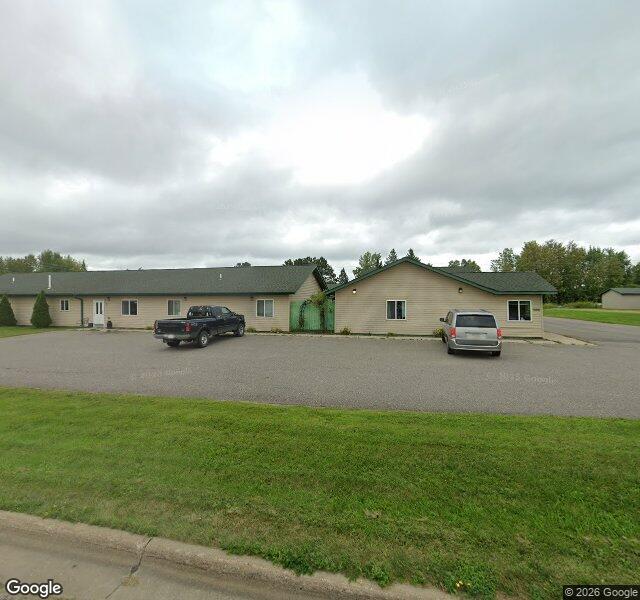
Aspen Grove Assisted Living
504 Iron Drive, Chisholm, MN 55719View map (opens in a new tab)
Overview and key essentials
State license
Active
MN MDH
Google reviews
2.4/ 5
7 reviews
Size & payment
Ask directly
Confirm pricing & payment
Important items to verify
Public Google reviews average 2.4/5 — read critical comments closely and tour unannounced if possible.
Cost, payment & care details
Updated Nov 28, 2026| Monthly cost | Not published | Ask for the full monthly cost, including care fees and one-time charges. |
|---|---|---|
| Payment options | Ask directly | Payment details are not confirmed in our records. Ask about private pay, long-term care insurance, veterans benefits, and Medicaid waivers. |
| Size & availability | Confirm directly | We don't publish live openings. Ask about current availability, waitlist length, and move-in timing. |
| Care & support | Assisted livingMemory care certified | Usually offers housing and help with everyday tasks, such as bathing and dressing. What to confirm about care levelsThis describes the licensed category. Ask how care plans adjust if mobility, nursing, or memory needs change over time. Read the family care guide → |
State licensing
State inspection history
3inspections
30deficiencies listed
Jul 7, 2025ComplaintNo deficiencies reportedNone
No deficiencies reported
View official state report (opens in a new tab)
Not Substantiated. The alleged perpetrator (AP) sexually abused the resident when she performed oral sex on the resident
Jun 25, 2025Routine11 deficiencies reported11
11 deficiencies reported
View official state report (opens in a new tab)
144G.45 Subd. 2 (a) (1) Fire protection and0780
SS=F physical environment (a) Each assisted living facility must comply with the State Fire Code in Minnesota Rules, chapter 7511, and: (1) for dwellings or sleeping units, as defined in the State Fire Code: (i) provide smoke alarms in each room used for sleeping purposes; (ii) provide smoke alarms outside each separate sleeping area in the immediate vicinity of bedrooms; (iii) provide smoke alarms on each story within a dwelling unit, including basements, but not including crawl spaces and unoccupied attics; (iv) where more than one smoke alarm is required within an individual dwelling unit or sleeping unit, interconnect all smoke alarms so that actuation of one alarm causes all alarms in the individual dwelling unit or sleeping unit to operate; and (v) ensure the power supply for existing smoke alarms complies with the State Fire Code, except that newly introduced smoke alarms in existing buildings may be battery operated; This MN Requirement is not met as evidenced by: Based on observation and interview, the licensee STATE FORM
144G.45 Subd. 2 (a) (4) Fire protection and0800
SS=E physical environment (4) keep the physical environment, including walls, floors, ceiling, all furnishings, grounds, systems, and equipment in a continuous state of good repair and operation with regard to the health, safety, comfort, and well-being of the residents in accordance with a maintenance and repair program. This MN Requirement is not met as evidenced by: Based on observation and interview, the licensee failed to maintain the facility's physical environment in a continuous state of good repair and operation regarding the health, safety, and well-being of the residents. This had the potential to affect a limited number of residents, staff, and visitors. This practice resulted in a level two violation (a STATE FORM
144G.41 Subdivision 1.a (a) Minimum0485
SS=C requirements; required food services (a) All assisted living facilities must offer to provide or make available at least three nutritious meals daily with snacks available seven days per week, according to the recommended dietary allowances in the United States Department of Agriculture (USDA) guidelines, including seasonal fresh fruit and fresh vegetables. The menus must be prepared at least one week in advance and made available to all residents. The facility must encourage residents' involvement in menu planning. Meal substitutions must be of similar nutritional value if a resident refuses a food that is served. Residents must be informed in advance of menu changes. The facility must not require a resident to include and pay for meals in the resident's contract. This MN Requirement is not met as evidenced by: Based on observation, interview, and record review, the licensee failed to ensure weekly menus were made available to the residents, in three of three houses (one, two, three). This had the potential to affect all 29 residents. This practice resulted in a level one violation (a violation that has no potential to cause more than a minimal impact on the resident and does not affect health or safety) and was issued at a widespread scope (when problems are pervasive or represent a systemic failure that has affected STATE FORM
144G.42 Subd. 8 (a) Staff records0650
SS=F (a) The facility must maintain current records of each paid staff member, each regularly scheduled volunteer providing services, and each individual contractor providing services. The records must include the following infomation: (1) evidence of current professional licensure, registration, or certification if licensure, registration, or certification is required by this chapter or rules; (2) records of orientation, required annual training and infection control training, and competency STATE FORM ULP-E ULP-E was hired on December 23, 2020, to provide direct care services to the facility's residents. TILT-N-SPACE WHEELCHAIR (wheelchair that allows the chair to tilt up to 30-60 degrees, depending on the model, while maintaining hip and knee angles at 90 degrees, designed to help distribute pressure) On June 24, 2025, at 5:53 a.m., the surveyor observed ULP-E and ULP-G transfer R6 from a sit to stand lift (mechanical lift) into a tilt-n-space wheelchair. On June 24, 2025, at 5:58 a.m., ULP-E asked R6 if he was comfortable, are you leaning back far enough, do you want to lean back more? Do you want the footrests on? ULP-E used the controls on the wheelchair handles to tilt R6's chair. ULP-E's employee record did not include documentation of training and competency for tilt-n-space wheelchair. ULP-H ULP-H was hired on August 8, 2021, to provide direct care services to the facility's residents. On June 24, 2025, at 10:50 a.m., the surveyor observed ULP-H place R5's feet onto the foot plate of a sit-to stand lift. ULP-H placed R5's hands onto the sit-to stand lift also. ULP-H asked R5 to open her (R5's) eyes. ULP-H stated she was trying to get R5 to wake up. R5's diagnoses included Alzheimer's dementia. STATE FORM No further information was provided. TIME PERIOD FOR CORRECTION: Twenty-one (21) days
144G.41 Subd. 3 Infection control program0510
SS=D (a) All assisted living facilities must establish and maintain an infection control program that complies with accepted health care, medical, and nursing standards for infection control. (b)The facility's infection control program must be consistent with current guidelines from the national Centers for Disease Control and Prevention (CDC) for infection prevention and control in long-term care facilities and, as applicable, for infection prevention and control in assisted living facilities. (c) The facility must maintain written evidence of compliance with this subdivision. This MN Requirement is not met as evidenced by: Based on observation, interview, and record review, the licensee failed to ensure infection control standards were followed by one of two unlicensed personnel (ULP)-B while providing assistance to one of three residents (R7). This practice resulted in a level two violation (a violation that did not harm a resident's health or safety but had the potential to have harmed a resident's health or safety, but was not likely to cause serious injury, impairment, or death), and was issued at an isolated scope (when one or a limited number of residents are affected or one or a limited number of staff are involved or the situation has occurred only occasionally). The findings include: ULP-B was hired on October 20, 2017, to provide direct care services to the facility's residents. On June 24, 2025, at 6:31 a.m., the surveyor STATE FORM observed ULP-B and ULP-F assist R7 to a standing position. With gloved hands ULP-B removed the wet incontinence brief worn by R7 and put the brief into a trash can. ULP-B used a prepared (moistened) wash cloth to clean R7's peri area. ULP-B tossed the used washcloth on R7's carpeted floor. ULP-B dried R7's peri area with a clean and dry towel. ULP-B tossed the used towel on R7's carpeted floor. ULP-B pulled a clean brief up that had been positioned under R7's pants. ULP-F picked up the used towels from R7's floor. On June 24, 2025, at 12:04 p.m., registered nurse (RN)-C stated ULPs should not put used, dirty towels on resident's carpet. RN-C stated she had instructed ULPs to "drape" used towels over trash cans. The licensee's Standard Precautions policy dated March 5, 2025, noted standard precautions apply to exposure to all body fluids, secretions, and excretions, except sweat, regardless of whether they contain visible blood. Further all linen shall be handled using standard precautions. The licensee's Pathogen Exposure Control Plan dated March 5, 2025, noted standard precautions represent the minimum infection prevention measures that apply to all resident care, regardless of suspected or confirmed infection status of the resident, in any setting where healthcare was delivered. Precautions include safe handling of potentially contaminated equipment or surfaces in the environment. No further information provided. TIME PERIOD FOR CORRECTION: Seven (7) days STATE FORM
144G.45 Subd. 2. (a) Fire protection and physical0775
SS=F environment Each assisted living facility must comply with the State Fire Code in Minnesota Rules, chapter 7511, and: This MN Requirement is not met as evidenced by: Based on observation and interview, the licensee failed to comply with the requirements of the Minnesota State Fire Code. This had the potential to directly affect all residents, staff, and visitors. This practice resulted in a level two violation (a violation that did not harm a resident's health or safety but had the potential to have harmed a resident's health or safety) and was issued at a widespread scope (when problems are pervasive or represent a systemic failure that has affected or has the potential to affect a large portion or all of the residents). Findings include: On a facility tour on June 23, 2025, from 12:30 p.m. to 2:45 p.m., with director of maintenance (DM)-D, the following observations were made of non-compliance with the requirements of the Minnesota State Fire Code (MSFC) in Minnesota Rules Chapter 7511: EXIT DOOR SPECIAL LOCKING STATE FORM MARKED EXIT DOOR OPERATION The main marked exit door of building one was provided with a panic bar and additional dead bolt requiring to actions to exit in the event of a fire or similar emergency. It was explained to DM-D, that required marked exit doors shall required one operation to open to exit the building in the event of an emergency. EXTERIOR EXIT GATE There were exterior exit doors from each building leading to a courtyard with an exterior exit gate which was operatable with hardware on the outside (non-egress) side of the gate only. During the tour DM-D, stated the exterior exit gate was not openable from the inside (egress) side. DM-D, also stated exit signs would be installed on the doors leading through the intervening buildings. SMOKE ALARM MAINTENANCE The smoke alarms in building two were removed by DM-D, to verify year of manufacture. It was observed the smoke alarms were manufactured in 2009 and 2010. During the tour DM-D, stated they will be replacing the alarms in building two to be maintained within ten years of manufacture and check manufacture dates on alarms in the other to buildings to maintain all alarms within ten years of manufacture. It was explained to DM-D, that all smoke alarms are required to be maintained within ten years of manufacture date stamped on the alarm. STATE FORM TIME PERIOD FOR CORRECTION: Seven (7) days.
XR7G116899
(a) Except as provided in paragraph (b), food must be prepared and served according to the Minnesota Food Code, Minnesota Rules, chapter 4626. (b) For an assisted living facility with a licensed capacity of ten or fewer residents: (1) notwithstanding Minnesota Rules, part 4626.0033, item A, the facility may share a certified food protection manager (CFPM) with one other facility located within a 60-mile radius and under common management provided the CFPM is present at each facility frequently enough to effectively administer, manage, and supervise each facility's food service operation; (2) notwithstanding Minnesota Rules, part 4626.0545, item A, kick plates that are not removable or cannot be rotated open are allowed unless the facility has been issued repeated correction orders for violations of Minnesota Rules, part 4626.1565 or 4626.1570; (3) notwithstanding Minnesota Rules, part 4626.0685, item A, the facility is not required to provide integral drainboards, utensil racks, or tables large enough to accommodate soiled and clean items that may accumulate during hours of operation provided soiled items do not contaminate clean items, surfaces, or food, and clean equipment and dishes are air dried in a manner that prevents contamination before storage; (4) notwithstanding Minnesota Rules, part 4626.1070, item A, the facility is not required to install a dedicated handwashing sink in its existing kitchen provided it designates one well of a two-compartment sink for use only as a handwashing sink; (5) notwithstanding Minnesota Rules, parts 4626.1325, 4626.1335, and 4626.1360, item A, existing floor, wall, and ceiling finishes are STATE FORM XR7G11 allowed provided the facility keeps them clean and in good condition; (6) notwithstanding Minnesota Rules, part 4626.1375, shielded or shatter-resistant lightbulbs are not required, but if a light bulb breaks, the facility must discard all exposed food and fully clean all equipment, dishes, and surfaces to remove any glass particles; and (7) notwithstanding Minnesota Rules, part 4626.1390, toilet rooms are not required to be provided with a self-closing door. This MN Requirement is not met as evidenced by: Based on observation, interview, and record review, the licensee failed to ensure food was prepared and served according to the Minnesota Food Code. This practice resulted in a level two violation (a violation that did not harm a resident's health or safety but had the potential to have harmed a resident's health or safety, but was not likely to cause serious injury, impairment, or death), and is issued at a widespread scope (when problems are pervasive or represent a systemic failure that has affected or has the potential to affect a large portion or all of the residents). The findings include: Please refer to the document titled, Food and Beverage Establishment Inspection Report (FBEIR) dated, June 23, 2025, for the specific Minnesota Food Code violations. The Inspection Report was provided to the licensee within 24 hours of the inspection. STATE FORM XR7G11 TIME PERIOD FOR CORRECTION: Please refer to the FBEIR for any compliance dates. XR7G11 or has potential to affect a large portion or all of the residents). The findings include: During the entrance conference on June 23, 2025, at approximately 10:00 a.m., licensed assisted living director/clinical nurse supervisor (LALD/CNS)-A and registered nurse (RN)-C stated the licensee provided three meals daily to include fresh fruits and...
144G.45 Subd. 2 (b-f) Fire protection and0810
SS=F physical environment (b) Each assisted living facility shall develop and maintain fire safety and evacuation plans. The plans shall include but are not limited to: (1) location and number of resident sleeping rooms; (2) staff actions to be taken in the event of a fire or similar emergency; (3) fire protection procedures necessary for residents; and (4) procedures for resident movement, evacuation, or relocation during a fire or similar emergency including the identification of unique or unusual resident needs for movement or evacuation. (c) Staff of assisted living facilities shall receive training on the fire safety and evacuation plans upon hiring and at least twice per year thereafter. (d) Fire safety and evacuation plans shall be readily available at all times within the facility. (e) Residents who are capable of assisting in their own evacuation shall be trained on the proper actions to take in the event of a fire to include movement, evacuation, or relocation. The training shall be made available to residents at least once per year. (f) Evacuation drills are required for staff twice per year per shift with at least one evacuation drill every other month. Evacuation of the residents is not required. Fire alarm system activation is not required to initiate the evacuation drill. STATE FORM This MN Requirement is not met as evidenced by: Based on observation, interview and record review, the licensee failed to provide required training to residents. This had the potential to directly affect all residents, staff, and visitors. This practice resulted in a level two violation (a violation that did not harm a resident's health or safety but had the potential to have harmed a resident 's health or safety) and was issued at a widespread scope (when problems are pervasive or represent a systemic failure that has affected or has potential to affect a large portion or all of the residents). The findings include: On June 23, 2023, at 12:00 p.m., licensed assisted living director/clinical nurse supervisor (LALD/CNS)-A, provided documents on the fire safety and evacuation plan (FSEP), fire safety and evacuation training, and evacuation drills for the facility. TRAINING Record review of the available documentation indicated the licensee failed to provide evacuation training to residents at least once per year as evident by not providing documentation the training was provided to residents as required. During an interview on June 23, 2025, at 12:10 p.m., LALD/CNS-A, stated written documentation was not available indicating residents were provided training annually as required. STATE FORM TIME PERIOD FOR CORRECTION: Twenty-one (21) days. 01060 144G.52 Subd. 9 Emergency relocation SS=F (a) A facility may remove a resident from the facility in an emergency if necessary due to a resident's urgent medical needs or an imminent risk the resident poses to the health or safety of another facility resident or facility staff member. An emergency relocation is not a termination. (b) In the event of an emergency relocation, the facility must provide a written notice that contains, at a minimum: (1) the reason for the relocation; (2) the name and contact information for the location to which the resident has been relocated and any new service provider; (3) contact information for the Office of Ombudsman for Long-Term Care and the Office of Ombudsman for Mental Health and Developmental Disabilities; (4) if known and applicable, the approximate date or...
144G.41 Subd. 7 Resident grievances; reporting0550
SS=D maltreatment All facilities must post in a conspicuous place information about the facilities' grievance procedure, and the name, telephone number, and email contact information for the individuals who are responsible for handling resident grievances. The notice must also have the contact information for the Office of Ombudsman for Long-Term Care and the Office of Ombudsman for Mental Health and Developmental Disabilities and must have information for reporting suspected maltreatment to the Minnesota Adult Abuse Reporting Center. The notice must also state that if an individual has a complaint about the facility or person providing services, the individual may contact the Office of Health Facility Complaints at the Minnesota Department of Health. This MN Requirement is not met as evidenced by: Based on observation, interview and record review, the licensee failed to post the required information related to the grievance procedure in one of three houses (house one). This practice resulted in a level two violation (a violation that did not harm a resident's health or safety but had the potential to have harmed a resident's health or safety, but was not likely to cause serious injury, impairment, or death), and was issued at an isolated scope (when one or a limited number of residents are affected or one or a limited number of staff are involved or the situation has occurred only occasionally). The findings include: STATE FORM During a tour of the facility on June 23, 2025, at 10:25 a.m., with registered nurse (RN)-C the surveyor did not observe information about the facility's grievance procedure, and the name, telephone number, and e-mail contact information for the individuals who are responsible for handling resident grievances in house one. RN-C stated there was a binder that normally was located on the counter near the kitchen, which contained the licensee's grievance procedure. RN-C stated the binder was not where it was supposed to be. RN-C went into the kitchen and opened a cabinet. RN-C stated the binder was too high for her (RN-C) to reach. RN-C asked director of maintenance (DM)-D to obtain the binder. RN-C stated someone must have put the binder in the cabinet. RN-C confirmed the required information was not in a conspicuous place as required. The licensee's Compliant/Grievance Posting policy dated March 5, 2025, noted the licensee would post, in a conspicuous place, information about the licensee's complaint/grievance procedure, and the name, telephone number, and email contact information for the individual(s) who are responsible for handling resident complaint/grievances. No further information was provided. TIME PERIOD FOR CORRECTION: Twenty-One (21) days
144G.41 Subdivision 1 Subd. 1a (a-b) Minimum0480
SS=F requirements; required food services 0 480 STATE FORM
144G.42 Subd. 7 Posting information for0640
SS=F reporting suspected c The facility shall support protection and safety through access to the state's systems for STATE FORM reporting suspected criminal activity and suspected vulnerable adult maltreatment by: (1) posting the 911 emergency number in common areas and near telephones provided by the assisted living facility; (2) posting information and the reporting number for the Minnesota Adult Abuse Reporting Center to report suspected maltreatment of a vulnerable adult under section 626.557; and (3) providing reasonable accommodations with information and notices in plain language. This MN Requirement is not met as evidenced by: Based on observation and interview, the licensee failed to post the required content in common areas, including posting the 911 emergency number in common areas and by telephones for resident use in the facility in three of three houses (one, two, three). This had the potential to affect residents, staff and visitors. This practice resulted in a level two violation (a violation that did not harm a resident's health or safety but had the potential to have harmed a resident's health or safety, but was not likely to cause serious injury, impairment, or death), and was issued at a widespread scope (when problems are pervasive or represent a systemic failure that has affected or has potential to affect a large portion or all of the residents). The findings include: During a tour of the facility on June 23, 2025, at approximately 10:15 a.m., the surveyor observed that the facility was separated into three houses (one, two, three) joined by an outdoor common's area. The surveyor did not observe 911 posted in any of the common area or on or near telephones STATE FORM
Sep 10, 2021Routine19 deficiencies reported19
19 deficiencies reported
View official state report (opens in a new tab)
moderate0640
reporting suspected c The facility shall support protection and safety through access to the state's systems for reporting suspected criminal activity and suspected vulnerable adult maltreatment by: (1) posting the 911 emergency number in common areas and near telephones provided by the assisted living facility; (2) posting information and the reporting number for the Minnesota Adult Abuse Reporting Center to report suspected maltreatment of a vulnerable adult under section 626.557; and (3) providing reasonable accommodations with information and notices in plain language. This MN Requirement is not met as evidenced by: Based on observation and interview, the licensee failed to post required content in common areas to include: posting the 911 emergency number in common areas and near telephones provided by the assisted living facility and posting information and the reporting number for the Minnesota Adult Abuse Reporting Center (MAARC) to report suspected maltreatment of a vulnerable adult under section 626.557. This had the potential to impact all 29 residents, staff, and visitors. This practice resulted in a level two violation (a violation that did not harm a client's health or safety but had the potential to have harmed a resident's health or safety, but was not likely to cause serious injury, impairment, or death), and was issued at a widespread scope (when problems are pervasive or represent a systemic failure that has affected or has potential to affect a large portion or all of the residents). The findings include: The licensee lacked a posting of the 911 emergency number in common areas and near telephones provided by the assisted living. In addition, there was no evidence of the contact information or reporting number for the Minnesota Adult Abuse Reporting Center (MAARC). During tour of the facility on September 7, 2021, at approximately 2:00 p.m., it was observed the three unit common areas did not have the required postings for the 911 emergency number and the reporting number for MAARC. On September 8, 2021, at approximately 6:45 a.m., an observation of the telephone in unit #3's den did not have the 911 emergency number or the reporting number for MAARC posted by the telephone. On September 9, 2021, at approximately 2:45 p.m., Registered Nurse (RN)-B confirmed the required content noted above was not posted by the licensee as required. The licensee's 2.44 Vulnerable Adult Maltreatment - Prevention & Reporting policy dated August 30, 2021, noted the licensee would post the 911 emergency number in common areas and near telephones provided by the assisted living and would post information and the reporting number for MAARC to report suspected maltreatment of a vulnerable adult. No further information was provided. TIME PERIOD FOR CORRECTION: Twenty-One (21) days
moderate0470
(11) develop and implement a staffing plan for determining its staffing level that: (i) includes an evaluation, to be conducted at least twice a year, of the appropriateness of staffing levels in the facility; (ii) ensures sufficient staffing at all times to meet the scheduled and reasonably foreseeable unscheduled needs of each resident as required by the residents' assessments and service plans on a 24-hour per day basis; and (iii) ensures that the facility can respond promptly and effectively to individual resident emergencies and to emergency, life safety, and disaster situations affecting staff or residents in the facility; (12) ensure that one or more persons are available 24 hours per day, seven days per week, who are responsible for responding to the requests of residents for assistance with health or safety needs. Such persons must be: (i) awake; (ii) located in the same building, in an attached building, or on a contiguous campus with the facility in order to respond within a reasonable amount of time; (iii) capable of communicating with residents; (iv) capable of providing or summoning the appropriate assistance; and (v) capable of following directions; This MN Requirement is not met as evidenced by: Based on interview and record review, the licensee failed to develop and implement a staffing plan to determine staffing levels to meet the needs of all residents. This had the potential to affect all 29 residents and staff. This practice resulted in a level two violation (a violation that did not harm a client's health or safety but had the potential to have harmed a resident's health or safety, but was not likely to cause serious injury, impairment, or death), and was issued at a widespread scope (when problems are pervasive or represent a systemic failure that has affected or has potential to affect a large portion or all of the residents). The findings include: The licensee held an assisted living facility with dementia care license. The facility was licensed for a bed capacity of 31 residents and had a current census of 29 residents. During the entrance conference on September 7, 2021, at approximately 1:40 p.m., Registered Nurse (RN)-B was identified as the clinical nurse supervisor. On September 9, 2021, at 1:30 p.m., Office Manager (OM)-J stated one of her responsibilities was to make the staffing schedule, which was then approved by RN-A. OM-J further indicated the staff schedule was created based on the needs of the residents; however, OM-J was unable to explain what criteria was used to determine how many staff members were schedule per shift for each of the three resident care units. The licensee's 4.06 Staffing & Scheduling policy dated August 30, 2021, indicated the clinical nurse supervisor would develop and implement a written staffing plan that provided an adequate number of qualified direct-care staff to meet the residents' needs 24 hours a day, seven days a week. No further information was provided. TIME PERIOD FOR CORRECTION: Seven (7) days
moderate0780
physical environment (a) Each assisted living facility must comply with the State Fire Code in Minnesota Rules, chapter 7511, and: (1) for dwellings or sleeping units, as defined in the State Fire Code: (i) provide smoke alarms in each room used for sleeping purposes; (ii) provide smoke alarms outside each separate sleeping area in the immediate vicinity of bedrooms; (iii) provide smoke alarms on each story within a dwelling unit, including basements, but not including crawl spaces and unoccupied attics; (iv) where more than one smoke alarm is required within an individual dwelling unit or sleeping unit, interconnect all smoke alarms so that actuation of one alarm causes all alarms in the individual dwelling unit or sleeping unit to operate; and (v) ensure the power supply for existing smoke alarms complies with the State Fire Code, except that newly introduced smoke alarms in existing buildings may be battery operated; This MN Requirement is not met as evidenced by: Based on observation and interview, a smoke alarm in a resident room had been compromised. In addition, the facility failed to provide two smoke alarms in the hallways. This practice resulted in a level two violation (a violation that did not harm a client's health or safety but had the potential to have harmed a client's health or safety, but was not likely to cause serious injury, impairment, or death), and was issued at an isolated scope (when one or a limited number of clients are affected or one or a limited number of staff are involved or the situation has occurred only occasionally). The findings include: On September 8, 2021, between 9:45 a.m. and 1:15 p.m., survey staff toured the facility with Registered Nurse (RN)-A and Office Manager (OM)-J. COMPROMISED SMOKE ALARMS On September 8, 2021, at 11:00 a.m., it was observed tape was placed over the smoke alarm in the sleeping room of R6. On September 8, 2021, at approximately 11:00 a.m., OM-J stated she did not know tape had been placed on the smoke alarm. MISSING SMOKE ALARMS On September 8, 2021, at 10:15 a.m., two smoke alarms were observed unplugged and removed from the ceiling in the main hallways. On September 8, 2021, at 10:15 a.m., RN-A confirmed she did not know the smoke alarms were missing. The licensee's 9.03 Physical Plant Requirements policy dated August 30, 2021, noted the licensee would comply with the site, physical environment, and fire safety requirements. The licensee would provide and maintain a smoke alarm in each room used for sleeping purposes. A smoke alarm outside each sleeping room. No further information was provided. TIME PERIOD FOR CORRECTION: Seven (7) days
STATE FORM6899
J6QL12 {0 680} {0 680} (a) The facility must meet the following requirements: (1) have a written emergency disaster plan that contains a plan for evacuation, addresses elements of sheltering in place, identifies temporary relocation sites, and details staff assignments in the event of a disaster or an emergency; (2) post an emergency disaster plan prominently; (3) provide building emergency exit diagrams to all residents; (4) post emergency exit diagrams on each floor; and (5) have a written policy and procedure regarding missing tenant residents. (b) The facility must provide emergency and disaster training to all staff during the initial staff orientation and annually thereafter and must make emergency and disaster training annually available to all residents. Staff who have not received emergency and disaster training are allowed to work only when trained staff are also working on site. (c) The facility must meet any additional requirements adopted in rule. This MN Requirement is not met as evidenced by: Based on interview and record review, the licensee failed to develop a written emergency disaster plan with all the required content. This had the potential to affect all 30 residents receiving services under the assisted living with dementia care license. This practice resulted in a level two violation (a violation that did not harm a client's health or safety but had the potential to have harmed a STATE FORM J6QL12 {0 680} {0 680} resident's health or safety, but was not likely to cause serious injury, impairment, or death), and was issued at a widespread scope (when problems are pervasive or represent a systemic failure that has affected or has potential to affect a large portion or all of the residents). The findings include: The licensee's plan provided to the surveyors included a Hazard Vulnerability Assessment dated August 1, 2021, which identified 12 events (such as fire, tornado, winter storm) and scored each event based on probability, risk and preparedness. The plan provided a generic outline of what should be included in an emergency preparedness plan with several checklist forms that could be used in emergencies, such as missing resident, water main break, gas line break, water/electrical outage, fire and natural disasters (tornado watch/warning, blizzard, and flooding). The licensee's plan included contact information for some external emergency and service contacts and natural disaster policies and procedures (not all customized to the facility). The emergency employee roster and emergency family/physician contact tabs were blank. The licensee's plan did not include the following required content: - a comprehensive program to include infectious diseases and pandemics; - a description of the population served by the licensee; - process for emergency preparedness (EP) cooperation with state and local EP officials/organizations; - procedure for tracking staff and residents; - subsistence needs for staff and residents during STATE FORM J6QL12 {0 680} {0 680} emergency situation; - development of policies/procedures to address: - evacuation plan; - fire; - shelter in place; - a tracking system used to document locations or residents and staff - the medical record documentation system to preserve resident information - emergency staff strategies - the facilities role in providing care and treatment at alternative sites - a communication plan that included: - arrangement with other facilities - names and contact...
moderate0790
physical environment (2) install and maintain portable fire extinguishers in accordance with the State Fire Code; (3) install portable fire extinguishers having a minimum 2-A:10-B:C rating within Group R-3 occupancies, as defined by the State Fire Code, located so that the travel distance to the nearest fire extinguisher does not exceed 75 feet, and maintained in accordance with the State Fire Code; and This MN Requirement is not met as evidenced by: Based on observation and interview, fire extinguishers were not being maintained. This had the potential to directly affect all residents and staff. This practice resulted in a level two violation (a violation that did not harm a client's health or safety but had the potential to have harmed a client's health or safety, but was not likely to cause serious injury, impairment, or death), and is issued at a widespread scope (when problems are pervasive or represent a systemic failure that has affected or has the potential to affect a large portion or all of the clients). The findings include: On September 8, 2021, between 9:45 a.m. and 1:15 p.m., survey staff toured the facility with Registered Nurse (RN)-A and Office Manager (OM)-J. On September 8, 2021, between 9:45 a.m., and 1:15 p.m., fire extinguishers located in kitchens were observed with no labels or tags attached indicating when maintenance was performed. On September 8, 2021, during the exit conference at approximately 1:30 p.m., Owner-K confirmed he did not know annual maintenance was required for portable fire extinguishers. The licensee's 9.03 Physical Plant Requirements policy dated August 30, 2021, noted the licensee would comply with the site, physical environment, and fire safety requirements. No further information was provided. TIME PERIOD FOR CORRECTION: Seven (7) days
moderate0680
emergency preparedness (a) The facility must meet the following requirements: (1) have a written emergency disaster plan that contains a plan for evacuation, addresses elements of sheltering in place, identifies temporary relocation sites, and details staff assignments in the event of a disaster or an emergency; (2) post an emergency disaster plan prominently; (3) provide building emergency exit diagrams to all residents; (4) post emergency exit diagrams on each floor; and (5) have a written policy and procedure regarding missing tenant residents. (b) The facility must provide emergency and disaster training to all staff during the initial staff orientation and annually thereafter and must make emergency and disaster training annually available to all residents. Staff who have not received emergency and disaster training are allowed to work only when trained staff are also working on site. (c) The facility must meet any additional requirements adopted in rule. This MN Requirement is not met as evidenced by: Based on observation, interview, and record review, the licensee failed to have a written emergency preparedness plan with all the required content and failed to post an emergency preparedness plan prominently. This had the potential to affect all 29 residents receiving services under the assisted living with dementia care license. This practice resulted in a level two violation (a violation that did not harm a client's health or safety but had the potential to have harmed a resident's health or safety, but was not likely to cause serious injury, impairment, or death), and was issued at a widespread scope (when problems are pervasive or represent a systemic failure that has affected or has potential to affect a large portion or all of the residents). The findings include: During the entrance conference on September 7, 2021, at approximately 2:20 p.m., an MDH surveyor requested to view the licensee's emergency preparedness plan, which was provided to and later reviewed by the surveyor. On September 7, 2021, at approximately 2:40 p.m., MDH surveyors toured the facility with registered nurse (RN)-A and RN-B. The facility's physical layout included three (3) separate, unattached secure units (houses) which all opened to a common enclosed courtyard. There was no observed signage posted or information regarding the licensee's emergency plan in any of the three houses' main entrances or elsewhere in the facility. The licensee's plan provided to the surveyors included a Hazard Vulnerability Assessment dated August 1, 2021, which identified 12 events (such as fire, tornado, winter storm) and scored each event based on probability, risk and preparedness. The plan provided a generic outline of what should be included in an emergency preparedness plan with several checklist forms that could be used in emergencies, such as missing resident, water main break, gas line break, water/electrical outage, fire and natural disasters (tornado watch/warning, blizzard, and flooding). The licensee's plan included contact information for some external emergency and service contacts and natural disaster policies and procedures (not all customized to the facility). The emergency employee roster and emergency family/physician contact tabs were blank. The licensee's plan did not include the following required content: - a comprehensive program to include infectious diseases and pandemics; - a description of the population served by the licensee; - process for...
moderate0510
(a) All assisted living facilities must establish and maintain an infection control program that complies with accepted health care, medical, and nursing standards for infection control. (b)The facility's infection control program must be consistent with current guidelines from the national Centers for Disease Control and Prevention (CDC) for infection prevention and control in long-term care facilities and, as applicable, for infection prevention and control in assisted living facilities. (c) The facility must maintain written evidence of compliance with this subdivision. This MN Requirement is not met as evidenced by: Based on observation, interview, and record review, the licensee failed to ensure infection control standards were followed for one of three unlicensed personnel (ULP)-G) providing personal cares. In addition, the licensee failed to establish and maintain an effective infection control program that complies with accepted health care, medical and nursing standards for infection control related to COVID-19. This had the potential to affect all 29 residents, staff, and visitors. This practice resulted in a level two violation (a violation that did not harm a client's health or safety but had the potential to have harmed a resident's health or safety, but was not likely to cause serious injury, impairment, or death), and was issued at a widespread scope (when problems are pervasive or represent a systemic failure that has affected or has potential to affect a large portion or all of the residents). The findings include: HAND HYGIENE On September 8, 2021, at approximately 7:45 a.m., ULP-G was observed assisting ULP-H providing transferring and toileting assistance to R13. ULP-G and ULP-H both had gloves on during the observation while R13 was transferred from bed to wheelchair and then wheelchair to toilet. ULP-G removed R13's soiled brief and put a clean brief on R13. As ULP-G and ULP-H stood R13 up with a transfer belt, ULP-G provided perineal care to R13 using the same gloved hands. After R13 was transferred from the toilet to wheelchair, ULP-G removed her gloves and continued assisting R13 with dressing. At approximately 7:55 a.m., ULP-G was observed washing her hands at the sink with soap and water. On September 9, 2021, at approximately 10:05 a.m., Registered Nurse (RN)-A stated her expectations would be for staff to complete hand hygiene whenever their gloves were changed. The licensee's 8.07 Gloves policy dated August 30, 2021, noted staff should wash their hands prior to donning gloves and after doffing gloves. The licensee's 8.09 Hand Washing policy dated August 30, 2021, noted staff should complete proper hand washing techniques including, but not limited to, after changing diapers or cleaning up after someone who as used the toilet, as well as between tasks and procedures. COVID-19 On September 9, 2021, at approximately 9:20 a.m., RN-A stated it was the licensee's expectations that staff follow the current Center for Disease Control and Prevention (CDC) guidelines with regards to COVID-19. COVID-19 EMPLOYEE SCREENING The licensee lacked evidence employees were screened prior to entering the facility and that the screening included COVID-19 symptom screening. The MDH document titled, COVID-19 Toolkit, Information for Long Term Care Facilities, dated March 8, 2021, indicated on page 7 all staff should be screened for fever and symptoms of illness before starting each shift. This includes an assessment for fever...
moderate0900
(a) An assisted living facility may not offer or provide housing or assisted living services to any individual unless it has executed a written contract with the resident. (b) The contract must contain all the terms concerning the provision of: (1) housing; (2) assisted living services, whether provided directly by the facility or by management agreement or other agreement; and (3) the resident's service plan, if applicable. (c) A facility must: (1) offer to prospective residents and provide to the Office of Ombudsman for Long-Term Care a complete unsigned copy of its contract; and (2) give a complete copy of any signed contract and any addendums, and all supporting documents and attachments, to the resident promptly after a contract and any addendum has been signed. (d) A contract under this section is a consumer contract under sections 325G.29 to 325G.37. (e) Before or at the time of execution of the contract, the facility must offer the resident the opportunity to identify a designated representative according to subdivision 3. (f) The resident must agree in writing to any additions or amendments to the contract. Upon agreement between the resident and the facility, a new contract or an addendum to the existing contract must be executed and signed. This MN Requirement is not met as evidenced by: Based on observation, interview and record review, the licensee failed to develop and execute a written contract with the required content to provided assisted living services for three of three residents (R1, R2, R3) with records reviewed. This has the potential to affect all residents. This practice resulted in a level two violation (a violation that did not harm a client's health or safety but had the potential to have harmed a resident's health or safety, but was not likely to cause serious injury, impairment, or death), and was issued at a widespread scope (when problems are pervasive or represent a systemic failure that has affected or has potential to affect a large portion or all of the residents). The findings include: R1, R2, and R3's records lacked a written contract which included all of the terms concerning the provisions of the following as required: (1) housing (2) assisted living services, whether provided directly by the facility or by management agreement or other agreement; and (3) the resident's service plan, if applicable In addition, R1, R2, and R3 records lacked evidence that the contract had been fully executed as the facility must: - offer to prospective residents and provide to the Office of Ombudsman for Long-Term Care a complete unsigned copy of its contract; - give a complete copy of any signed contract and any addendums, and all supporting documents and attachments, to the resident promptly after a contract and any addendum has been signed; and - the facility must offer the resident the opportunity to identify a designated representative. R1 R1's diagnoses included, but were not limited to, dementia, depression and anxiety. R1's service plan, dated January 27, 2017, indicated R1 received services which included medication administration and assistance with bathing, grooming and dressing. On September 8, 2021, at approximately 8:15 a.m., unlicensed personnel (ULP)-H was observed providing feeding assistance to R1. R2 R2's diagnoses included, but were not limited to, Type II diabetes mellitus, hypertension, depression and anxiety. R2's service plan dated August 31, 2021, indicated R2 received services which...
minor0920
(c) The contract must include: (1) a disclosure of the category of assisted living facility license held by the facility and, if the facility is not an assisted living facility with dementia care, a disclosure that it does not hold an assisted living facility with dementia care license; (2) a description of all the terms and conditions of the contract, including a description of and any limitations to the housing or assisted living services to be provided for the contracted amount; (3) a delineation of the cost and nature of any other services to be provided for an additional fee; (4) a delineation and description of any additional fees the resident may be required to pay if the resident's condition changes during the term of the contract; (5) a delineation of the grounds under which the resident may be discharged, evicted, or transferred or have services terminated; (6) billing and payment procedures and requirements; and (7) disclosure of the facility's ability to provide specialized diets. This MN Requirement is not met as evidenced by: Based on observation, interview and record review, the licensee failed to execute a written assisted living contract with the required content for four of four residents (R1, R2, R3, and R14) with record reviewed. This had the potential to affect all 30 residents receiving services under the assisted living with dementia care license. This practice resulted in a level one violation (a violation that has no potential to cause more than a minimal impact on the resident and does not affect health or safety) and was issued at a widespread scope (when problems are pervasive or represent a systemic failure that has affected or has the potential to affect a large portion or all the residents). The findings include: R1, R2, R3 and R14's assisted living contract lacked all the required content. R1 R1's Service Plan dated September 21, 2021, indicated services included assistance with activities of daily living, feeding, housekeeping, laundry and medication administration. R1's Individual Resident Placement Agreement (assisted living contract) dated September 21, 2021, lacked the following required content. - a delineation of the cost and nature of any other services to be provided for an individual fee; - a delineation and description of any additional fees the resident may be required to pay if the resident's condition changes during the term of the contract; and - a disclosure of the facility's ability to provide specialized diets. R2 R2's service plan, dated September 28, 2021, indicated the resident received services which included medication administration, weekly vitals signs and monthly weight monitoring, assistance with bathing and grooming, as well as assistance with dressing and continence care. R3's Individual Resident Placement Agreement dated September 20, 2021, lacked the following required content. - a delineation of the cost and nature of any other services to be provided for an individual fee; - a delineation and description of any additional fees the resident may be required to pay if the resident's condition changes during the term of the contract; and - a disclosure of the facility's ability to provide specialized diets. R3 R3's Service Plan dated September 20, 2021, indicated services included assistance with activities of daily living, wound care, housekeeping, laundry and medication administration. On November 23, 2021, at approximately 7:10 a.m., unlicensed personnel (ULP)-C...
moderate0630
for reporting ma (b) The facility must develop and implement an individual abuse prevention plan for each vulnerable adult. The plan shall contain an individualized review or assessment of the person's susceptibility to abuse by another individual, including other vulnerable adults; the person's risk of abusing other vulnerable adults; and statements of the specific measures to be taken to minimize the risk of abuse to that person and other vulnerable adults. For purposes of the abuse prevention plan, abuse includes self-abuse. This MN Requirement is not met as evidenced by: Based on observation, interview and record review, the licensee failed to ensure development of an individual abuse prevention plan with the required content for three of three residents (R1, R2, R3) with records reviewed. This practice resulted in a level two violation (a violation that did not harm a resident's health or safety but had the potential to have harmed a client's health or safety, but was not likely to cause serious injury, impairment, or death), and was issued at a pattern scope (when more than a limited number of residents are affected, more than a limited number of staff are involved, or the situation has occurred repeatedly; but is not found to be pervasive). The findings include: R1 R1's diagnoses included, but were not limited to, dementia, depression and anxiety. R1's service plan dated January 27, 2017, indicated R1 received services which included medication administration and assistance with bathing, grooming and dressing. On September 8, 2021, at approximately 8:15 a.m., unlicensed personnel (ULP)-H was observed providing feeding assistance to R1. R1's Vulnerability Assessment/Abuse Prevention Plan dated January 27, 2017, identified areas of vulnerability with interventions in the following areas: orientation to person, place, and time; ability to understand and/or follow instructions; risk for falls; aggression towards others; wandering; unable to call for help; and unable to report abuse, neglect or other concerns. R1's assessment did not include a review of R1's risk of abusing other vulnerable adults and indicated R1 did not appear to have any areas of vulnerability requiring intervention despite notation of the above mentioned areas of vulnerability. In addition, the assessment did not include a review of R1's susceptibility to be abused by another individual, including other vulnerable adults. On September 9, 2021, at 10:00 a.m., registered nurse (RN)-A confirmed R1's assessment did not address the above noted areas of risk. R2 R2's diagnoses included, but were not limited to, Type II diabetes mellitus, hypertension, depression and anxiety. R2's service plan dated August 31, 2021, indicated R2 received services which included medication administration, weekly vitals signs and monthly weight monitoring, and assistance with bathing, grooming, dressing and continence care. On September 8, 2021, at approximately 8:30 a.m., ULP-G was observed checking R2's blood glucose. R2's Vulnerability Assessment/Abuse Prevention Plan dated August 31, 2021, identified areas of vulnerability with interventions in the following areas: orientation to person, place, and time; visual difficulties; hearing difficulties; ability to understand and/or follow instructions; aggression towards others; and risk for falls. R2's assessment did not include a review of R2's susceptibility to be abused by another individual, including other vulnerable adults. On...
moderate0460
(5) provide a means for residents to request assistance for health and safety needs 24 hours per day, seven days per week; (6) allow residents the ability to furnish and decorate the resident's unit within the terms of the assisted living contract; (7) permit residents access to food at any time; (8) allow residents to choose the resident's visitors and times of visits; (9) allow the resident the right to choose a roommate if sharing a unit; (10) notify the resident of the resident's right to have and use a lockable door to the resident's unit. The licensee shall provide the locks on the unit. Only a staff member with a specific need to enter the unit shall have keys, and advance notice must be given to the resident before entrance, when possible. An assisted living facility must not lock a resident in the resident's unit; This MN Requirement is not met as evidenced by: Based on observation, interview and record review, the licensee failed to provide a means for four of four residents (R3, R8, R1, and R2) to request assistance for health and safety needs as required. The licensee did not have a system in place for residents at the facility to request assistance for health and safety needs 24 hours a day, seven days a week. This had the potential to affect all 29 residents at the facility. This practice resulted in a level two violation (a violation that did not harm a client's health or safety but had the potential to have harmed a resident's health or safety, but was not likely to cause serious injury, impairment, or death), and is issued at a widespread scope (when problems are pervasive or represent a systemic failure that has affected or has the potential to affect a large portion or all of the residents). The findings include: The licensee held an assisted living with dementia care license and was licensed for a bed capacity of 31 residents. During the entrance conference on September 7, 2021, at approximately 1:55 p.m., registered nurse (RN)-A and RN-B confirmed the facility did not have a call system in place for residents to request assistance when needed. RN-A stated the staff were supposed to check on the residents every two hours. During the initial tour of the facility with RN-A on September 7, 2021, at approximately 2:30 p.m., it was observed the facility consisted of three (3) separate secure units (houses) which all opened to a common enclosed courtyard. Each secure unit had a capacity to house a total of ten to eleven residents. The current census at the facility was 29 residents. R3 R3's diagnoses included, but were not limited to, hypertension (high blood pressure), dementia, atrial fibrillation (an irregular, often rapid heart rate), and hyperlipidemia (high cholesterol). R3 resided in secure unit #2. On September 8, 2021, at approximately 6:00 a.m., R3 was observed dressed and walking around in the open living room/dining room area with a cup of coffee in his hands. R3 was unable to articulate how he would call for assistance, if needed. R8 R8's diagnoses included, but were not limited to, diabetes, congested heart failure (CHF- a condition in which the heart's function as a pump is inadequate to meet the body's needs), hypertension, and Parkinson's disease (a chronic progressive neurological disease which exhibits symptoms such as tremors, rigidity, impaired balance, slowness of movement and a shuffling gait). R8 resided in secure unit #2. On September 8, 2021, at approximately 7:15 a.m., R8 was observed walking...
moderate0800
physical environment (4) keep the physical environment, including walls, floors, ceiling, all furnishings, grounds, systems, and equipment in a continuous state of good repair and operation with regard to the health, safety, comfort, and well-being of the residents in accordance with a maintenance and repair program. This MN Requirement is not met as evidenced by: Based on observation and interview, the facility was not being maintained in a continuous state of good repair. This practice resulted in a level two violation (a violation that did not harm a client's health or safety but had the potential to have harmed a client's health or safety, but was not likely to cause serious injury, impairment, or death), and was issued at an isolated scope (when one or a limited number of clients are affected or one or a limited number of staff are involved or the situation has occurred only occasionally). The findings include: On September 8, 2021, between 9:45 a.m. and 1:15 p.m., survey staff began the tour with Registered Nurse (RN)-A and finished the tour with office manager (OM)-J. The following observations were made during the facility tour on September 8, 2021: -Sidewalks within the outdoor activity space were cracked and chipped in multiple locations, creating a tripping and fall hazard; -The exterior exit door of house #1, located within the storage room was sticking badly, making it difficult to open; -On the exterior wall of house #1 above the patio area, there were capped electrical wires near the roof; -The uncovered outdoor electrical outlet adjacent to patio on house #2 was not secured to the outlet box; -In community bathroom of house #2, the folding shower bench had two slats that were disconnected from the front side of the frame; -The cover for the exhaust vent was missing in the bathroom of R8 in house #2; and -Two holes in the wall were observed in the bathroom of R6 in house #2. On September 8, 2021, during the facility tour, a resident commented the outlet outside of house #2 still worked. At 11:40 a.m., three unsupervised residents were observed on the patio adjacent to the outlet. The licensee's 9.03 Physical Plant Requirements policy dated August 30, 2021, noted the licensee would comply with the site, physical environment, and fire safety requirements. In addition, all weather roads and walks would be provided and maintained. The physical environment would be maintained in a good repair and operation in accordance with a maintenance and repair program. No further information was provided. TIME PERIOD FOR CORRECTION: Twenty-one (21) days
minor0910
(a) The contract must include in a conspicuous place and manner on the contract the legal name and the license number of the facility. (b) The contract must include the name, telephone number, and physical mailing address, which may not be a public or private post office box, of: (1) the facility and contracted service provider when applicable; (2) the licensee of the facility; (3) the managing agent of the facility, if applicable; and (4) the authorized agent for the facility. This MN Requirement is not met as evidenced by: Based on observation, interview and record review, the licensee failed to execute a written assisted living contract with the required content for four of four residents (R1, R3, R2, and R14) with record reviewed. This had the potential to affect all 30 residents receiving services under the assisted living with dementia care license. This practice resulted in a level one violation (a violation that has no potential to cause more than a minimal impact on the resident and does not affect health or safety) and was issued at a widespread scope (when problems are pervasive or represent a systemic failure that has affected or has the potential to affect a large portion or all the residents). The findings include: R1, R2, R3, and R14's record lacked an assisted living contract to include: - the license number of the facility. R1 R1's Service Plan dated September 21, 2021, indicated services included assistance with activities of daily living, feeding, housekeeping, laundry and medication administration. R1's Individual Resident Placement Agreement (assisted living contract) dated September 21, 2021, lacked the license number of the facility. R2 R2's service plan, dated September 28, 2021, indicated the resident received services which included medication administration, weekly vitals signs and monthly weight monitoring, assistance with bathing and grooming, as well as assistance with dressing and continence care. R2's Individual Resident Placement Agreement (assisted living contract) dated September 26, 2021, lacked the license number of the facility. R3 R3's Service Plan dated September 20, 2021, indicated services included assistance with activities of daily living, wound care, housekeeping, laundry and medication administration. R3's Individual Resident Placement Agreement dated September 20, 2021, lacked the license number of the facility. On November 23, 2021, at approximately 7:10 a.m., unlicensed personnel (ULP)-C was observed to administer R3 his scheduled morning medications. R14 R14's service plan, dated October 27, 2021, indicated the resident recieved services which included assistance with activities of daily living, wound care, housekeeping, laundry and medication administration. R14's Individual Resident Placement Agreement (assisted living contract) dated October 27, 2021, lacked the license number of the facility. On November 23, 2021, at approximately 9:05 a.m., registered nurse (RN)-B confirmed R1, R3, R2, R14 and all other residents assisted living contract did not include license number of the facility. The licensee's 1.05 Signing an Assisted Living Contract policy dated August 30, 2021, noted when a prospective resident is ready to sign a lease and move in fill in all the blanks of the contract and provide the prospective resident and/or responsible person a copy of the appropriate assisted living contract. No further information was provided. TIME PERIOD FOR CORRECTION: Twenty-One (21) days
moderate0480
(13) offer to provide or make available at least the following services to residents: (i) at least three nutritious meals daily with snacks available seven days per week, according to the recommended dietary allowances in the United States Department of Agriculture (USDA) guidelines, including seasonal fresh fruit and fresh vegetables. The following apply: (A) menus must be prepared at least one week in advance, and made available to all residents. The facility must encourage residents' involvement in menu planning. Meal substitutions must be of similar nutritional value if a resident refuses a food that is served. Residents must be informed in advance of menu changes; (B) food must be prepared and served according to the Minnesota Food Code, Minnesota Rules, chapter 4626; and (C) the facility cannot require a resident to include and pay for meals in their contract; (ii) weekly housekeeping; (iii) weekly laundry service; This MN Requirement is not met as evidenced by: Based on observation, interview, and record review, the licensee failed to comply with Minnesota Food Code, Chapter 4626. This had the potential to affect all 29 residents residing at the facility. This practice resulted in a level two violation (a violation that did not harm a client's health or safety but had the potential to have harmed a resident's health or safety, but was not likely to cause serious injury, impairment, or death), and was issued at a widespread scope (when problems are pervasive or represent a systemic failure that has affected or has potential to affect a large portion or all of the residents). The findings include: Please refer to the additional documentation included in the Food and Beverage Establishment Inspection Reports dated September 7, 2021. TIME PERIOD FOR CORRECTION: Twenty-One (21) days
moderate0450
All assisted living facilities shall: (1) distribute to residents the assisted living bill of rights; (2) provide services in a manner that complies with the Nurse Practice Act in sections 148.171 to 148.285; (3) utilize a person-centered planning and service delivery process; (4) have and maintain a system for delegation of health care activities to unlicensed personnel by a registered nurse, including supervision and evaluation of the delegated activities as required by the Nurse Practice Act in sections 148.171 to 148.285; This MN Requirement is not met as evidenced by: Based on observation, interview and record review, the licensee failed to ensure utilization of person-centered planning and service delivery process for one of one resident (R9) with records reviewed. This practice resulted in a level two violation (a violation that did not harm a client's health or safety but had the potential to have harmed a resident's health or safety, but was not likely to cause serious injury, impairment, or death), and was issued at an isolated scope (when one or a limited number of residents are affected or one or a limited number of staff are involved or the situation has occurred only occasionally). The findings include: R9's diagnoses included, but were not limited to, dementia, pulmonary emphysema (lung disease resulting in shortness of breath) and osteopenia (weak bones). R9's record lacked documentation in the service plan and care plan person-centered services. On September 8, 2021, at approximately 6:30 a.m., R9 was observed to be sitting in a wheelchair at the dining room table. On September 8, 2021, at 7:15 a.m., R9 was observed sitting with her face down against the dining room table. Unlicensed personnel (ULP)-H woke R9. ULP-G stated R9 liked to get up early, although she confirmed R9 frequently was found asleep at the dining room table in the mornings. ULP-H and ULP-G transferred R9 from her wheelchair to a recliner with total assist and a gait belt. On September 8, 2021, at 8:20 a.m., R9 was again observed sitting in a wheelchair at the dining room table. During the observation, R9 fell asleep and her face hit the table and her glasses fell off. ULP-H woke R9 and provided her breakfast. On September 9, 2021, at approximately 9:00 a.m., registered nurse (RN)-B confirmed R9 should have been allowed to sleep. RN-B stated residents should be served breakfast once at the table in the morning. The licensee's 6.08 Service Plan policy dated August 30, 2021, noted services would be provided based on the needs and preferences of individual residents. No further information was provided. TIME PERIOD FOR CORRECTION: Twenty-one (21) days
moderate0550
maltreatment All facilities must post in a conspicuous place information about the facilities' grievance procedure, and the name, telephone number, and e-mail contact information for the individuals who are responsible for handling resident grievances. The notice must also have the contact information for the state and applicable regional Office of Ombudsman for Long-Term Care and the Office of Ombudsman for Mental Health and Developmental Disabilities, and must have information for reporting suspected maltreatment to the Minnesota Adult Abuse Reporting Center. This MN Requirement is not met as evidenced by: Based on observation, interview, and record review, the licensee failed to post required information related to the licensee's grievance procedure, contact information for the Office of Ombudsman for Long-Term Care and Mental Health and Developmental Disabilities, and information for reporting suspected maltreatment to the Minnesota Adult Abuse Reporting Center (MAARC). This had the potential to affect all 29 residents, staff, and visitors. This practice resulted in a level two violation (a violation that did not harm a client's health or safety but had the potential to have harmed a resident's health or safety, but was not likely to cause serious injury, impairment, or death), and was issued at a widespread scope (when problems are pervasive or represent a systemic failure that has affected or has potential to affect a large portion or all of the residents). The findings include: The licensee lacked a posting of the grievance procedure to include the name, telephone number, and e-mail contact information for the individuals who are responsible for handling resident grievances. In addition, there was no evidence of the contact information for the state and applicable regional Office of Ombudsman for Long-Term Care and the Office of Ombudsman for Mental Health and Developmental Disabilities, or any information for reporting suspected maltreatment to the Minnesota Adult Abuse Reporting Center (MAARC). During a facility tour on September 7, 2021, at approximately 2:00 p.m., it was observed the three unit common areas lack the required posting of the grievance procedure and information related to reporting suspected maltreatment to MAARC. On September 9, 2021, at approximately 2:45 p.m., registered nurse (RN)-B confirmed the required content noted above was not posted as required. The licensee's 2.44 Vulnerable Adult Maltreatment - Prevention & Reporting policy dated August 30, 2021, noted the licensee would post information for reporting suspected crime and maltreatment. No further information was provided. TIME PERIOD FOR CORRECTION: Twenty-One (21) days
moderate0430
services (a) All assisted living facilities must provide to prospective residents: (1) a disclosure of the categories of assisted living licenses available and the category of license held by the facility; (2) a written checklist listing all services permitted under the facility's license, identifying all services the facility offers to provide under the assisted living facility contract, and identifying all services allowed under the license that the facility does not provide; and (3) an oral explanation of the services offered under the contract. (b) The requirements of paragraph (a) must be completed prior to the execution of the assisted living contract. (c) The commissioner must, in consultation with all interested stakeholders, design the uniform checklist disclosure form for use as provided under paragraph (a). This MN Requirement is not met as evidenced by: Based on interview, observation, and record review, the licensee failed to provide a copy of the uniform checklist disclosure of services with the required content for three of three residents (R3, R1, R2) with records reviewed. This had the potential to affect all 29 residents. This practice resulted in a level two violation (a violation that did not harm a resident's health or safety but had the potential to have harmed a client's health or safety, but was not likely to cause serious injury, impairment, or death), and is issued at a widespread scope (when problems are pervasive or represent a systemic failure that has affected or has the potential to affect a large portion or all of the residents). The findings include: Review of R3, R1, and R2's records lacked evidence a a uniform checklist disclosure of services to include: - a disclosure of the categories of assisted living licenses available and the category of license held by the facility; and - a written checklist listing all services permitted under the facility's license, identifying all services the facility offers to provide under the assisted living facility contract, and identifying all services allowed under the license that the facility does not provide. R3 R3's diagnoses included, but were not limited to, hypertension (high blood pressure), dementia, atrial fibrillation (an irregular, often rapid heart rate), and hyperlipidemia (high cholesterol). R3's service plan dated December 16, 2020, indicated R3 received services which included medication administration, wound care, housekeeping, and bathing and grooming assistance. On September 8, 2021, at approximately 7:35 a.m., registered nurse (RN)-B was observed providing wound care to R3's lower right leg wound. At approximately 8:05 a.m., unlicensed personnel (ULP)-C was observed administering R3 his scheduled morning medications. R1 R1's diagnoses included, but were not limited to, dementia, depression, and anxiety. R1's service plan dated January 17, 2017, indicated R1 received services which included medication administration and assistance with bathing, grooming, and dressing. On September 8, 2021, at approximately 8:15 a.m., ULP-H was observed providing feeding assistance to R1. R2 R2's diagnoses included, but were not limited to, Type II diabetes mellitus, hypertension, depression and anxiety. R2's service plan dated August 31, 2021, indicated R2 received services which included medication administration, weekly vitals signs and monthly weight monitoring, and assistance with bathing, grooming, dressing and continence care. On September 8, 2021, at...
moderate0810
physical environment (b) Each assisted living facility shall develop and maintain fire safety and evacuation plans. The plans shall include but are not limited to: (1) location and number of resident sleeping rooms; (2) employee actions to be taken in the event of a fire or similar emergency; (3) fire protection procedures necessary for residents; and (4) procedures for resident movement, evacuation, or relocation during a fire or similar emergency including the identification of unique or unusual resident needs for movement or evacuation. (c) Employees of assisted living facilities shall receive training on the fire safety and evacuation plans upon hiring and at least twice per year thereafter. (d) Fire safety and evacuation plans shall be readily available at all times within the facility. (e) Residents who are capable of assisting in their own evacuation shall be trained on the proper actions to take in the event of a fire to include movement, evacuation, or relocation. The training shall be made available to residents at least once per year. (f) Evacuation drills are required for employees twice per year per shift with at least one evacuation drill every other month. Evacuation of the residents is not required. Fire alarm system activation is not required to initiate the evacuation drill. This MN Requirement is not met as evidenced by: Based on interview and record review, the facility failed to provide the required documentation on fire safety and evacuation plans, as well as required evacuation drills. In addition, the facility failed to provide documentation on staff training and training plan frequency related to evacuation. This had the potential to directly affect all residents and staff. This practice resulted in a level two violation (a violation that did not harm a client's health or safety but had the potential to have harmed a resident's health or safety, but was not likely to cause serious injury, impairment, or death), and was issued at a widespread scope (when problems are pervasive or represent a systemic failure that has affected or has potential to affect a large portion or all of the residents). The findings include: On September 8, 2021, between 9:45 a.m. and 1:15 p.m., survey staff toured the facility with Registered Nurse (RN)-A and office manager (OM)-J, which included document review. Survey staff requested the facility fire safety and evacuation plans for review. EVACUATION PLAN The facility documentation did not include the following: a. Details of evacuation routes for fire safety and emergencies on the facility floor plans posted within each of the three houses; room names and/or numbers were illegible on posted evacuation floor plans and identifiers for many of the resident rooms were not provided in hallways or on doors. b. A plan that included accurate instructions on fire protection procedures necessary for residents. In the Fire Protection and Physical Environment plans provided, the following items were noted: -Magnetic door holders were referenced, which the facility did not have; -The plan noted residents should stay behind fire doors, but locations of these fire doors were not identified; -The plans noted that all should be evacuated to the safest exit or behind nearest set of smoke compartment doors, although locations of these smoke compartment doors were not identified; and c. Procedures necessary for residents including their movements, and relocation during a fire or similar emergency,...
moderate0950
(a) Before or at the time of execution of an assisted living contract, an assisted living facility must offer the resident the opportunity to identify a designated representative in writing in the contract and must provide the following verbatim notice on a document separate from the contract: "RIGHT TO DESIGNATE A REPRESENTATIVE FOR CERTAIN PURPOSES. You have the right to name anyone as your "Designated Representative." A Designated Representative can assist you, receive certain information and notices about you, including some information related to your health care, and advocate on your behalf. A Designated Representative does not take the place of your guardian, conservator, power of attorney ("attorney-in-fact"), or health care power of attorney ("health care agent"), if applicable." (b) The contract must contain a page or space for the name and contact information of the designated representative and a box the resident must initial if the resident declines to name a designated representative. Notwithstanding subdivision 1, paragraph (f), the resident has the right at any time to add, remove, or change the name and contact information of the designated representative. This MN Requirement is not met as evidenced by: Based on interview and record review, the licensee failed to offer the opportunity to identify a designated representative for three of three residents (R1, R2 and R3) with records reviewed. This has the potential to affect all residents. This practice resulted in a level two violation (a violation that did not harm a client's health or safety but had the potential to have harmed a resident's health or safety, but was not likely to cause serious injury, impairment, or death), and was issued at a widespread scope (when problems are pervasive or represent a systemic failure that has affected or has potential to affect a large portion or all of the residents). The findings include: R1 R1's diagnoses included, but were not limited to, dementia, depression and anxiety. R1's service plan dated January 27, 2017, indicated R1 received services which included medication administration and assistance with bathing, grooming and dressing. R1's Resident Information form dated January 27, 2017, indicated R1 had a supportive husband and family. R1's record did not contain a notice with the required statutory language for R1 to identify a designated representative or documentation that R1 declined to name a designated representative. R2 R2's diagnoses included, but were not limited to, Type II diabetes mellitus, hypertension, depression and anxiety. R2's service plan dated August 31, 2021, indicated R2 received services which included medication administration, weekly vitals signs and monthly weight monitoring, and assistance with bathing, grooming, dressing and continence care. R2's Resident Information form dated August 31, 2021, indicated R2 had a supportive niece and nephew. R2's record did not contain a notice with the required statutory language for R2 to identify a designated representative or documentation that R2 declined to name a designated representative. R3 R3's diagnoses included, but were not limited to, hypertension (high blood pressure), dementia, atrial fibrillation (an irregular, often rapid heart rate), and hyperlipidemia (high cholesterol). R3's service plan dated December 16, 2020, indicated R3 received services which included medication administration, wound care, housekeeping, and assistance with bathing...
Neighborhood & resident support
Emergency access, hazards & advocacy
Nearest hospital
Cook Hospital
27.5 mi · Cook, MN
Emergency room
FEMA hazard risk
Relatively ModerateSt. Louis County, MN
- Cold Wave
- Winter Weather
- Lightning
Free resident advocacy
Minnesota Office of Ombudsman for Long-Term Care
More neighborhood context (specialists, VA, dialysis, air & affordability)
VA & dialysis access
St Cloud VA Medical Center
146.1 mi · St. Cloud, MN
Fresenius Medical Care Of Hibbing
10.6 mi · 2/5 ★
Specialists within 15 mi
- Geriatricians
- 1
- Neurologists
- 1
- Palliative care
- 0
- PM&R rehab
- 2
Environment & mobility
- EPA Air (2025)
- 67% good days · AQI 42
- EPA Walkability
- 9.1/20 (Below Average)
- Primary care access
- HRSA Shortage Area
County demographics
- Age 65+ median income
- $53,378/yr
- Rent-burdened households
- 54%
- Cognitive disability (2023)
- 14.2%
- Mobility disability
- 11.3%
Call & tour checklist
Questions to ask Aspen Grove Assisted Living
Check off questions as you call or tour. Your progress stays private in this browser.
Show 3 more suggested questions
Verification & public records
Official records & sources
Licensing & contact
- License #
- 30680
- Status
- active
- Phone
- (218) 254-2750
- Federal OIG LEIE
- Clear (2026-11-27)
Original public sources
Verify licensing, ratings, and inspection reports directly with each official source.
- MN MDH official record (opens in a new tab)MN Dept. of Health
- Google Maps (opens in a new tab)Directions, photos & neighborhood
- Google Reviews (opens in a new tab)7 public reviews
EveryPlace is an independent research directory. Information is compiled from public Medicare.gov, state licensing, Google Places, and street-level imagery sources. Some summaries, suggested questions, and pricing notes are AI-generated or AI-assisted and may contain errors or omissions. We do not accept payment for placement. Confirm all details directly with the community and official sources. Research Policy.
Keep exploring
Nearby communities to compare
- 2.4(7)Assisted Living< 1 miAspen Grove Alternative SeniorChisholm, MN
- Cap. 41HUD Senior Housing< 1 miLincoln CenterChisholm, MN
- Medicare 1/54.5(6)65 bedsMedicaidNursing Home1.1 miHeritage ManorChisholm, MN
- 5.0(2)Assisted Living1.2 miServing Hart INCChisholm, MN
- Medicare 2/53.0(9)65 bedsMedicaidNursing Home4.0 miGuardian Angels Health & Rehab CenterHibbing, MN
- Assisted Living4.4 miHillcrest SuitesHibbing, MN