Loading EveryPlace content…
Assisted LivingActive licenseMemory care certified
Armstead Ventures LLC
2877 North 53rd Street, Saint Joseph, Milwaukee, WI 53210View map (opens in a new tab)
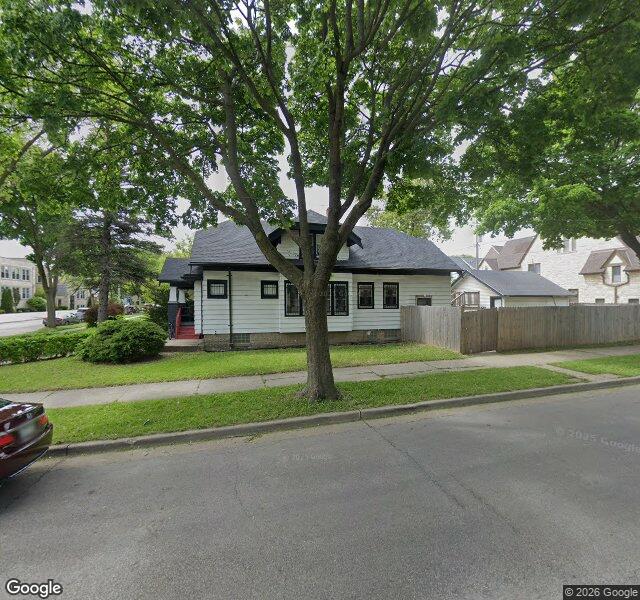
Overview and key essentials
State license
Active
WI DHS
Google reviews
Not available
Public reviews not linked
Monthly cost
$3,500–$15,000/ mo
AI-assisted estimate
Public records for this community are limited. Use the checklist below when you call or visit to confirm pricing, services, and openings.
Cost, payment & care details
Updated Nov 28, 2026| Monthly cost | $3,500–$15,000AI-assisted estimate | Research may contain errors. Request a current quote from the provider. Source: AI-assisted online research, Nov 2026. |
|---|---|---|
| Payment options | Medicaid | Participation is reported in our source data. Confirm eligibility, covered services, and any private-pay costs. Verified Medicaid waiver: Wisconsin Family Care / IRIS Medicaid Waiver (WI Dept. of Health Services (DHS DQA)). |
| Size & availability | Confirm directly | We don't publish live openings. Ask about current availability, waitlist length, and move-in timing. |
| Care & support | Assisted livingMemory care certified | Usually offers housing and help with everyday tasks, such as bathing and dressing. What to confirm about care levelsThis describes the licensed category. Ask how care plans adjust if mobility, nursing, or memory needs change over time. Read the family care guide → |
Safety screening & compliance
State licensing depth & federal screening
HHS OIG LEIE: Clear (2026-11-27)OIG database ↗ (opens in a new tab)
WI DHS directory details (CBRF)
Class: CLASS AA (AMBULATORY)Public Funding (Family Care / IRIS)HCBS CompliantDementia approvedWI DHS rates: $3,500–$15,000/mo
State licensing
State inspection history
2inspections
16deficiencies listed
Jan 23, 2026EnforcementEnforcement actionPenalty
Enforcement action
View official state report (opens in a new tab)
No deficiencies are reported in this inspection record.
Jan 23, 2026Complaint16 deficiencies reported16
16 deficiencies reported
View official state report (opens in a new tab)
On 01/23/2026, Surveyor concluded a standard survey and one complaint investigation at Armstead Ventures LLC. Fourteen deficiencies were identified. One complaint was substantiated. Census: 4
83.32(3)(k) Rights of Residents:N 355
Self-determination In addition to the rights under s. 50.09, Stats., each resident shall have all of the following rights: Self-determination. Make decisions relating to care, activities, daily routines and other aspects of life which enhance the resident ' s self reliance and support the resident ' s autonomy and decision making. This Rule is not met as evidenced by: Based on observation and interview, the provider did not ensure 4 of 4 residents (Resident 1, Resident 2, Resident 3 and Resident 4) reviewed had the right to make decisions related to his/her activities in the home. The provider locked all the kitchen cabinets, the refrigerator and the freezer to ensure residents would not go into cabinets, the refrigerator or the freezer unsupervised. Findings include: On 01/21/2026 at approximately 8:45 a.m., Surveyor toured the community based residential facility (CBRF). Surveyor observed the common kitchen area. Nine kitchen cabinets contained locking mechanisms and were locked during tour. Surveyor also observed the refrigerator and freezer contained locks. The large, chest freezer in the hallway was also locked. Caregiver C unlocked the cabinets and the refrigerator doors with a key. On 01/21/2026 at approximately 9:40 a.m., Surveyor interviewed Resident 4, who stated s/he could not come into the kitchen and have a snack, if s/he wanted to. "I have to ask a worker, and they have to unlock the cabinets. They are locked all of the time." On 01/21/2026 at 12:38 p.m., Surveyor reviewed resident records. The following was identified: Resident 1 was admitted on 05/01/2023, with diagnoses including bipolar/manic depressive and related disorders, brain injury with onset before age 22 and liver disease. Resident 1 was decisional. Resident 1's record contained an ISP with no dates and no signatures of agreement. Resident 1's ISP did not indicate any restriction on a resident's freedom of choice of when and what to eat. Resident 2 was admitted on 05/01/2024, with diagnoses including cognitive impairment, memory lapses or loss, nocturia and urinary incontinence. Resident 2 was decisional. Resident 2's record contained ISPs dated 05/01/2024. Surveyor was unable to find evidence that Resident 2's ISP had been reviewed in 05/2025. Resident 2's ISP dated 05/01/2024, did not contain any signatures. Resident 2's ISP did not indicate any restriction on a resident's freedom of choice of when and what to eat. On 01/21/2026 at 4:30 p.m., Surveyor interviewed Licensee A, who informed Surveyor that Resident 2 and Resident 3 had been stealing food and taking it into their rooms. Licensee A stated, "We ended up having to get pest control because we had had roaches." Surveyor asked what kinds of interventions were put in place when the roaches were discovered. Licensee A confirmed, "The locks on the food were the intervention."
83.35(3)(d) Service plans updated annually or onN 389
changes Individual service plan review. Annually or when there is a change in a resident ' s needs, abilities or physical or mental condition, the individual service plan shall be reviewed and revised based on the assessment under sub. (1). All reviews of the individual service plan shall include input from the resident or legal representative, case manager, resident care staff, and other service providers as appropriate. The resident or resident ' s legal representative shall sign the individual service plan, acknowledging their involvement in, understanding of and agreement with the individual service plan. This Rule is not met as evidenced by: Based on record review and interview, the provider did not ensure the Individual Service resident (Resident 2) in 2025. Findings include: On 01/21/2026 at 12:38 p.m., Surveyor reviewed Resident 2's record. The following was identified: Resident 2 was admitted on 05/01/2024, with diagnoses including cognitive impairment, memory lapses or loss, nocturia and urinary incontinence. Resident 2 was decisional. Resident 2's record contained ISPs dated 05/01/2024. Surveyor was unable to find evidence Resident 2's ISP had been reviewed in 05/2025. Resident 2's ISP dated 05/01/2024, did not contain any signatures. Resident 2's ISP dated 05/01/2024, stated Resident 2 started to display increased decline in memory. The ISP was amended in July 2024, and read, "Resident 2 was wandering around outside and could not find the facility." In November 2024, Resident 2's ISP was amended and stated Resident 2 was no longer able to be out in the community by themselves as they are not aware of their whereabouts. Resident 2's care management team was made aware of his/her need for additional supervision due to cognitive decrease. Surveyor did not observe any level of supervision indicated or interventions for elopement in Resident 2's ISP. On 01/21/2026 at 12:50 p.m., Surveyor reviewed Resident 2's neuropsychological evaluation dated 06/24/2025 by Neuropsychologist (MD) E. In summary, it read Resident 2 demonstrated cognitive impairment indicative of moderate dementia or major neurocognitive disorder with behavioral disturbance (delusions). MD E stated, "In absence of significant new neurological findings, s/he currently meets the diagnostic criteria for moderate late onset Alzheimer's disease with behavioral disturbance." On 01/21/2026 at 11:05 a.m., Surveyor interviewed Licensee A, who stated, "[Resident 2] is decisional. S/He needs twenty-four hours, 1:1 staffing. However, the managed care organization (MCO) only provided 12 hours of additional staff a day to me. I have tried several interventions to keep him/her safe. We tried alarms on the doors, additional staffing, and now we have the safety doorknob covers." On 01/21/2026 at 3:15 p.m., Surveyor interviewed Licensee A, who stated there is mention of elopement in Resident 2's ISP. Licensee A confirmed there was nothing related to what kind of supervision s/he requires or the 1:1 staffing s/he required. Licensee A confirmed the 05/01/2024 ISP was the only one in his/her file. Licensee A confirmed Resident 2's ISP was not updated in 05/2025. Cross Reference N0637 DHS 83.59(1)(g) Proper Exit Locations, Sidewalks, Driveways Cross Reference N0396 DHS 83.36(1)(a) Adequate Staffing To Meet Resident Needs
and 2025.2024
Findings include: On 01/21/2026 at 11:35 a.m., Surveyor requested and 2025 annual pharmacy review for the facility from Licensee A. On 01/21/2026 at 11:40 a.m., Surveyor interviewed Licensee A, who stated, "We are trying to do a pharmacy medication review." On 01/21/2026 at 11:55 a.m., Licensee A placed telephone call to facility's contracted pharmacy to inquire about the CBRF's medication administration and medication storage systems reviews. and 2025 annual pharmacy reviews to be sent to Surveyor by 01/23/2026 at 12:00 p.m. On 01/23/2026 at 12:28 p.m., Licensee A emailed Surveyor and stated s/he did not have the 2024 and 2025 annual pharmacy reviews. and 2025 annual fire inspections to be sent to Surveyor by 01/23/2026 at 12:00 p.m. On 01/23/2026 at 12:28 p.m., Licensee A emailed Surveyor and stated s/he did not have the annual fire inspections for 2024 and 2025.
83.47(3) Fire inspection.N 530
Fire inspection. The CBRF shall arrange for an annual inspection by the local fire authority or certified fire inspector and shall retain fire inspection reports for 2 years. This Rule is not met as evidenced by: Based on record review and interview, the provider did not arrange for an annual inspection by the local fire authority or certified fire inspector and retain the report for 2 of 2 years reviewed (2024 and 2025). Findings include: On 01/21/2026 at 11:54 a.m., Surveyor requested the annual fire inspections for 2024 and 2025. On 01/21/2026 at 5:15 p.m., Surveyor interviewed Licensee A, who stated s/he was unable to find the local fire authority inspection for 2024 and 2025. On 01/21/2026 at 5:25 p.m., Surveyor requested
83.17(2)(a) Employees screened forN 220
communicable disease. The CBRF shall obtain documentation from a physician, physician assistant, clinical nurse practitioner or a licensed registered nurse indicating all employees have been screened for clinically apparent communicable disease including tuberculosis. Screening for tuberculosis shall be conducted using centers for disease control and prevention standards. The screening and documentation shall be completed within 90 days before the start of employment. The CBRF shall keep screening documentation confidential, except the department shall have access to the screening documentation for verification purposes. This Rule is not met as evidenced by: Based on record review and interview, the provider did not ensure documentation was obtained from a physician, physician assistant, clinical nurse practitioner or licensed registered nurse indicating 2 of 2 employees (Caregiver B and Caregiver D) had been screened for illness detrimental to residents, including tuberculosis (TB), within 90 days before the start of employment. Findings include: On 01/21/2026 at 12:58 p.m., Surveyor completed reviewing the caregiver's records. The following was identified: Caregiver B was hired on 01/05/2026. Caregiver B's record had no documentation that a screening for clinically apparently communicable disease was completed. Caregiver B's TB skin test was dated 05/16/2025. Caregiver B's TB skin test was not completed 90 days before the start of his/her employment. Caregiver D was hired on 11/11/2024. Caregiver D's record contained a TB screening dated 05/14/2025; which did not meet the criteria of being screened for TB before the start of employment. Caregiver D's TB test was 6 months late. On 01/21/2026 at approximately 10:30 a.m., Licensee A confirmed that caregivers hire date and start on the floor date were the same. On 01/21/2026 at approximately 1:20 p.m., Licensee A confirmed s/he provided complete files for Caregiver B and Caregiver D. On 01/21/2026 at approximately 1:50 p.m., Surveyor interviewed Licensee A, who confirmed that Caregiver B and Caregiver D did not have complete communicable disease screenings before they started on the floor working with residents.
83.47(2)(e) Other evacuation drills.N 526
Other evacuation drills. Tornado, flooding, or other emergency or disaster evacuation drills shall be conducted at least semi-annually. This Rule is not met as evidenced by: Based on record review and interview, the provider did not document evacuation drills, such as tornado, flooding or other emergency or disaster, at least semi-annually for 1 of 1 year reviewed (2025). Findings include: On 01/21/2026 at approximately 11:30 a.m., Surveyor reviewed the provider's documentation of evacuation drills, including tornado, flooding or other emergency or disaster for 2025. Surveyor observed no documented evidence of other emergency or evacuation drills for 2025. On 01/21/2026 at 11:35 a.m., Surveyor interviewed Licensee A, who confirmed s/he did not have any other evacuation drills besides the facility's fire drills for 2025.
83.36(1)(a) Adequate staff to meet residentN 396
needs. The CBRF shall provide employees in sufficient numbers on a 24-hour basis to meet the needs of the residents. This Rule is not met as evidenced by: Based on observation, record review and interview, the provider did not provide employees in sufficient numbers on a 24-hour basis to meet the needs of the residents. Resident 2 required 1:1 staffing for 12 hours a day and the building was primarily staffed with 1 caregiver. Findings include: On 01/21/2026 at approximately 7:30 a.m., Surveyor arrived at the community based residential facility (CBRF). Surveyor observed Caregiver B working alone. On 01/21/2026 at approximately 8:00 a.m., Surveyor observed Caregiver C arrived at the CBRF. Surveyor observed Caregiver B leave the CBRF and Caregiver C worked alone until Licensee A arrived at approximately 10:00 a.m. On 01/21/2026 at 11:55 a.m., Surveyor reviewed staffing schedule for the months of November 2025, December 2025 and January 2026. Surveyor observed one day shift caregiver scheduled from 8:00 a.m. to 8:00 p.m. and one night shift caregiver from 8:00 p.m. to 8:00 a.m. scheduled on all three months. On 01/21/2026 at 12:38 p.m., Surveyor reviewed Resident 2's record. The following was identified: Resident 2 was admitted on 05/01/2024, with diagnoses including cognitive impairment, memory lapses or loss, nocturia and urinary incontinence. Resident 2 was decisional. Resident 2's record contained an ISP dated 05/01/2024. On 01/21/2026 at 12:50 p.m., Surveyor reviewed Resident 2's neuropsychological evaluation dated 06/24/2025 by Neuropsychologist (MD) E. In summary, it read Resident 2 demonstrated cognitive impairment indicative of moderate dementia or major neurocognitive disorder with behavioral disturbance (delusions). On 01/23/2026 at 12:30 p.m., Surveyor received and reviewed a copy of Resident 2's managed care organization (MCO) notice of adverse benefit determination, dated 10/17/2025. The letter read, "You do not need this service/level of service/support to support your outcome(s) ... Description of current level: Intensive Staffing 16 hours per day. New level after reduction: Intensive Staffing 12 hours per day ...Reduce 1:1 staffing pattern to 12 hours per day ...Effective date of intended action: 11/01/2025 ...electronically signed by: [Care Manager (CM) F]." On 01/21/2026 at approximately 7:40 a.m., Surveyor interviewed Caregiver B, who stated, s/he typically worked alone. On 01/21/2026 at approximately 8:10 a.m., Surveyor interviewed Caregiver C, who stated, s/he typically worked alone. Cross Reference N0637 DHS 83.59(1)(g) Proper Exit Locations, Sidewalks, Driveways Cross Reference N0389 83.35(3)(d) Service Plans Updated Annually Or On Changes
83.44(1)(c) Clothes dryers enclosed and ventedN 488
Clothes dryers. The CBRF shall enclose any clothes dryer having a rated capacity of more than 37,000 Btu/hour in a one-hour fire resistive rated enclosure. If the clothes dryer requires a vent, the CBRF shall use dryer vent tubing that is of rigid material with a fire rating that exceeds the temperature rating of the dryer. The dryer vent tubing shall be clean and maintained. This Rule is not met as evidenced by: Based on observation and interview, the provider did not ensure that rigid metal vent pipe was used for the clothes dryer. The clothes dryer was observed to have partial flexible venting. Findings include: On 01/21/2026 at 10:55 a.m., Surveyor toured the basement with Licensee A and observed the clothes dryer was equipped with approximately 10-11 inches of accordion style, flexible venting. On 01/21/2026 at 10:57 a.m., Surveyor interviewed Licensee A, who stated several years ago, a car hit the side of the home, the dryer tubing was reinstalled. Licensee A stated that was the way it was fixed. Licensee A was not able to recall when s/he replaced the accordion style, flexible venting. S/He stated it was several years ago.
50.065(4m)(c) COMPLETE BACKGROUNDZ 024
INFORMATION DISCLOSURE If the background information form completed by a person under sub. (6) (am) indicates that the person is not ineligible to be employed or contracted with for a reason specified under par. (b) 1. to 5., an entity may employ or contract with the person for not more than 60 days pending the receipt of the information sought under sub. (2) (b). If the background information form completed by a person under sub. (6) (am) indicates that the person is not ineligible to be permitted to reside at an entity for a reason specified in par. (b) 1. to 5. and if an entity otherwise has no reason to believe that the person is ineligible to be permitted to reside at an entity for any of these reasons, the entity may permit the person to reside at the entity for not more than 60 days pending receipt of information sought under sub. (2) (am). An entity shall provide supervision for a person who is employed or contracted with or permitted to reside as permitted under this paragraph. This Rule is not met as evidenced by: Based on record review and interview, the facility did ensure that each employee completed a background information disclosure (BID) form for 1 of 2 caregivers (Caregiver C) upon hire. Findings include: On 01/21/2026 at 12:58 p.m., Surveyor completed reviewing the Caregiver's records. The following was identified: Caregiver C was hired on 01/15/2026. Surveyor did not observe a BID document in Caregiver C's file. On 01/21/2026 at approximately 1:20 p.m., Licensee A confirmed s/he provided complete file for Caregiver C. On 01/21/2026 at approximately 1:50 p.m., Surveyor interviewed Licensee A, who stated s/he thought s/he had taken care of the background check. "I do everything here. I must have forgot."
83.55(6)(b) Bath and toilet areas: waterN 617
temperature The CBRF shall set the temperature of all water heaters connected to sinks, showers and tubs used by residents at a temperature of at least 140°F. The temperature of water at fixtures used by residents shall be automatically regulated by valves and may not exceed 115°F, except for CBRFs serving residents recovering from alcohol or drug dependency or clients of a government correctional agency. This Rule is not met as evidenced by: Based on observation and interview, the provider did not ensure 2 of 2 bath and toilet areas had safe water temperatures. The water temperatures of 1 of 1 first floor bathroom sink faucets tested at 130° Fahrenheit (F). One of 1 second-floor bathroom sinks faucets tested at 120° F. The temperature of water at fixtures used by residents shall be automatically regulated by valves and may not exceed 115°F. Findings include: On 01/21/2026, between 8:30 a.m. and 12:10 p.m., Surveyor tested the water temperature at 2 common bathroom faucets. The temperature readings were between 120°F and 130°F. The following was observed: -The 1st floor contained 1 bathroom. At 8:30 a.m., the water temperature of the first-floor common bathroom sink faucet tested at 130° F. -The 2nd floor contained 1 bathroom. At 12:10 p.m., the second-floor bathroom sink faucet tested at 120° F. On 01/21/2026, at 12:03 p.m., Surveyor and Caregiver C tested water temperature in second floor bathroom sink faucet with thermometer. Surveyor and Caregiver C observed thermometer time out at 120° F. On 01/21/2026, at 12:05 p.m., Surveyor interviewed Caregiver C, who stated, "[Resident 1] really likes his/her water hot especially his/her showers. I think that's why they keep it up so hot." On 01/21/2026, at 5:05 p.m., Surveyor interviewed Licensee A, who reported s/he was unaware that the water temperatures were that high. Licensee A stated s/he would turn the water temperature down.
83.47(4)(a) Fire extinguishers: type andN 531
inspection. At least one portable dry chemical fire extinguisher with a minimum 2A, 10-B-C rating shall be provided on each floor of the CBRF. All fire extinguishers shall be maintained in readily usable condition. Inspections of the fire extinguisher shall be done by a qualified professional one year after initial purchase and annually thereafter. Each fire extinguisher shall be provided with a tag documenting the date of inspection. This Rule is not met as evidenced by: Based on observation and interview, the provider did not ensure 1 of 3 fire extinguishers were available, maintained in readily usable condition and inspected by a qualified professional annually for the year 2025. There was no fire extinguisher in the basement. Findings include: On 01/21/2026 at 10:55 a.m., Surveyor toured the basement with Licensee A and observed there was not an extinguisher in the basement. On 01/21/2026 at 10:59 a.m., Surveyor interviewed Licensee A, who stated s/he did not know s/he needed a fire extinguisher in the basement. Licensee A stated, "I am surprised I have not been cited before."
83.59(1)(g) Proper exit locations, sidewalks,N 637
driveways. All habitable floors shall have at least 2 exits providing unobstructed travel to the outside. Small class AA CBRFs licensed on or before the effective date of this section with no more than 2 habitable floors may have one exit from the second floor. Exits, sidewalks and driveways used for exiting shall be kept free of ice, snow, and obstructions. For facilities serving only ambulatory residents, the CBRF shall maintain a cleared pathway from all exterior doors to be used in an emergency to a public way or safe distance away from the building. For facilities serving semi-ambulatory and non-ambulatory residents, a CBRF shall maintain a cleared, hard surface, barrier-free walkway to a public way or safe distance away from the building for at least 2 primary exits from the building. All other required exits shall have at least a cleared pathway maintained to a public way or safe distance from the building. An exit door or walkway to a cleared driveway leading away from the CBRF also meets this requirement. This Rule is not met as evidenced by: Based on observation and interview, the provider did not ensure that 2 of 2 exits were kept free of obstruction. The facility had 2 exits to the outside. The two exit door handles contained doorknob covers, limiting the ability to exit in an emergency to the designated safe space. Findings include: On 01/21/2026 at 7:35 a.m., Surveyor observed a doorknob cover on the front emergency exit (main, front door). On 01/21/2026 at 9:43 a.m., Surveyor observed a doorknob cover on the secondary emergency exit (back, side door). On 01/21/2026 at 9:43 a.m., Surveyor observed Caregiver C, attempt to open the secondary emergency exit (back, side door). Caregiver C struggled with door handle. Door handle had a doorknob cover on it. It took Caregiver C approximately 90 seconds to get the door open. On 01/21/2026 at 9:45 a.m., Surveyor interviewed Caregiver C, who stated, "We need these on the door because [Resident 2] is an eloper. We put these on the door, so s/he can't get out." Cross Reference N0396 DHS 83.36(1)(a) Adequate Staffing To Meet Resident Needs Cross Reference N0389 83.35(3)(d) Service Plans Updated Annually Or On Changes
STATE FORM6899
VSFV11 STATE FORM VSFV11 STATE FORM VSFV11 STATE FORM VSFV11 STATE FORM VSFV11 STATE FORM VSFV11 STATE FORM VSFV11 STATE FORM VSFV11 STATE FORM VSFV11 STATE FORM VSFV11 STATE FORM VSFV11 STATE FORM VSFV11 STATE FORM VSFV11 STATE FORM VSFV11 STATE FORM VSFV11 STATE FORM VSFV11 STATE FORM VSFV11 STATE FORM VSFV11 STATE FORM VSFV11 STATE FORM VSFV11 STATE FORM VSFV11
83.59(7)(a) Emergency egress lighting providedN 666
All exit passageways and stairways shall be provided with emergency egress lighting with a stand-by power source. This Rule is not met as evidenced by: Based on observation and interview, the provider did not ensure 2 of 2 exit passageways and stairways were provided with emergency egress lighting with a stand-by power source. There was no emergency egress lighting with a stand-by power source as required in the hallway leading to the side door exit and in the second level stairway/hallway leading down to the side exit. Findings include: The provider is licensed as a class AA (ambulatory) community based residential facility (CBRF), able to serve up to 5 residents within the client groups of advanced age, alcohol and drug dependent, emotionally disturbed/mental illness, physically disabled, irreversible dementia/Alzheimer's, developmentally disabled and public funding. The facility was in a two-story building, The main level had 3 exits. The 2nd level had 1 exit, which was the stairway. On 01/21/2026 from 9:45 a.m. to 12:15 p.m., Surveyor toured the community based residential facility (CBRF). Surveyor observed the provider's exits. Surveyor observed that there was no emergency egress lighting with a stand-by power source as required in the hallway leading to the side door exit and in the second level stairway/hallway leading down to the side exit. Surveyor observed each of these exits were indicated as an emergency exit on the building floor plan. On 01/21/2026 at approximately 5:10 p.m., Surveyor interviewed Licensee A, who stated s/he did not know the exit passageways and stairways needed emergency egress lighting with a stand-by power source. Licensee A stated, "I can't believe that you are the first Surveyor to point that out. I did not know. "
83.17(1) Licensee conduct caregiver backgroundN 219
check Caregiver background check. At the time of hire, employment or contract and every 4 years after, the licensee shall conduct and document a caregiver background check following the procedures in s. 50.065, Stats., and ch. DHS 12. A licensee shall not employ, contract with or permit a person to reside at the CBRF if the person has been convicted of the crimes or offenses, or has a governmental finding of misconduct, found in s. 50.065, Stats., and ch. DHS 12, Appendix A, unless the person has been approved under the department ' s rehabilitation process as defined in ch. DHS 12. This Rule is not met as evidenced by: Based on record review and staff interview, the provider did not ensure a complete background check was completed for 1 of 2 employees reviewed. Caregiver B did not have an Integrated Background Information System (IBIS) document of findings in his/her employee record. A complete background check consists of a Background Information Disclosure (BID) form by the employee, a report of findings from the DOJ findings, and the IBIS document of findings from Findings include: On 01/21/2026 at 12:58 p.m., Surveyor completed reviewing the Caregiver's records. The following was identified: Caregiver B was hired on 01/05/2026. Caregiver B's file contained a DOJ with findings. Surveyor did not observe an IBIS with findings. On 01/21/2026 at approximately 1:20 p.m., Licensee A confirmed s/he provided complete file for Caregiver B. On 01/21/2026 at approximately 1:50 p.m., Surveyor interviewed Licensee A, who stated s/he thought s/he had taken care of the background check. "I do everything here. I must have forgot."
83.37(1)(e) Medication regimen, administrationN 404
review. Medication Regimen Review. 1. If residents ' medications are administered by a CBRF employee, the CBRF shall arrange for a pharmacist or a physician to review each resident ' s medication regimen. This review shall occur within 30 days before or 30 days after the resident ' s admission, whenever there is a significant change in medication, and at least every 12 months. 2. At least annually, the CBRF shall have a physician, pharmacist, or registered nurse conduct an on-site review of the CBRF ' s medication administration and medication storage systems. 3. The CBRF shall obtain a written report of findings under subds. 1. and 2., and address any irregularities for appropriate action. When the review is done by someone other than the prescribing practitioner, the prescribing practitioner shall receive a copy of the report when there are irregularities identified with the resident's medication regimen, which may need physician involvement to address. This Rule is not met as evidenced by: Based on interview and record review, the provider did not ensure that a physician, pharmacist, or registered nurse conducted an annual on-site review of the community based residential facility's (CBRF's) medication administration and medication storage systems in On 01/21/2026 at 5:15 p.m., Surveyor requested
Neighborhood & resident support
Emergency access, hazards & advocacy
Nearest hospital
Wheaton Franciscan Inc- St Joseph
0.3 mi · Milwaukee, WI · Medicare 5/5 ★
Emergency room
FEMA hazard risk
Relatively HighMilwaukee County, WI
- Cold Wave
- Heat Wave
- Tornado
Free resident advocacy
Wisconsin Board on Aging & Long Term Care Ombudsman
More neighborhood context (specialists, VA, dialysis, air & affordability)
VA & dialysis access
Milwaukee VA Medical Center
3.6 mi · Milwaukee, WI · VA 3/5 ★
DaVita Capitol Court Dialysis
1.0 mi · 3/5 ★
Specialists within 15 mi
- Geriatricians
- 75
- Neurologists
- 223
- Palliative care
- 38
- PM&R rehab
- 101
Environment & mobility
- EPA Walkability
- 13.4/20 (Above Average)
- Primary care access
- HRSA Shortage Area
County demographics
- Age 65+ median income
- $49,195/yr
- Rent-burdened households
- 48%
- Cognitive disability (2023)
- 14.5%
- Mobility disability
- 14.2%
Call & tour checklist
Questions to ask Armstead Ventures LLC
Check off questions as you call or tour. Your progress stays private in this browser.
Show 3 more suggested questions
Verification & public records
Official records & sources
Licensing & contact
- License #
- 18235
- Status
- active
Original public sources
Verify licensing, ratings, and inspection reports directly with each official source.
- WI DHS official record (opens in a new tab)WI Dept. of Health Services
- Google Maps (opens in a new tab)Directions, photos & neighborhood
- Google Reviews (opens in a new tab)Read public reviews
EveryPlace is an independent research directory. Information is compiled from public Medicare.gov, state licensing, Google Places, and street-level imagery sources. Some summaries, suggested questions, and pricing notes are AI-generated or AI-assisted and may contain errors or omissions. We do not accept payment for placement. Confirm all details directly with the community and official sources. Research Policy.
Keep exploring
Nearby communities to compare
- Home Health< 1 miAdd to Life INC.Milwaukee, WI
- Inpatient Rehab< 1 miSt Josephs HospitalMilwaukee, WI
- MedicaidAssisted Living< 1 miBarnett HouseMilwaukee, WI
- MedicaidAssisted Living< 1 miBell Therapy ChambersMilwaukee, WI
- Assisted Living< 1 miJoshua Glover HouseMilwaukee, WI
- Cap. 151HUD Senior Housing< 1 miThe GardensMilwaukee, WI