Loading EveryPlace content…
Nursing HomeActive license
Arizona State Veteran Home-Tucson
555 East Ajo Way, Veteran's Hospital, Tucson, AZ 85713View map (opens in a new tab)
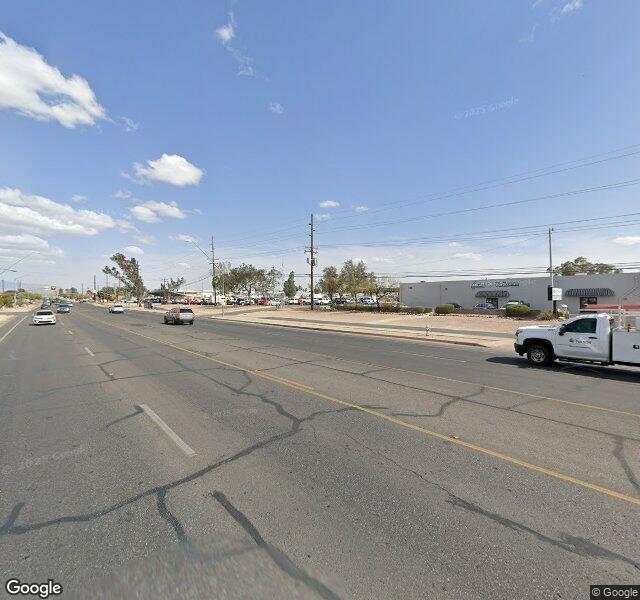
Overview and key essentials
Medicare overall
4/ 5 stars
Inspections 3/5Staffing 3/5
Size & payment
120 beds
Medicaid & Medicare listed
Strong public signals
Rated 4/5 overall by Medicare. Reports ~39 RN min/resident daily. Check individual staffing and inspection scores before touring.
Families praise: Dedicated and attentive nursing staff
Worth asking: Difficulty communicating with medical staff for updates (mentioned by 2 reviewers)
Cost, payment & care details
Updated Nov 28, 2026| Health inspections | 3 / 5 | Medicare component rating |
|---|---|---|
| Quality measures | 5 / 5 | Medicare component rating |
| Staffing rating | 3 / 5 | Medicare component rating |
| Monthly cost | Not published | Ask for the full monthly cost, including care fees and one-time charges. |
| Payment options | MedicaidMedicare | Participation is reported in our source data. Confirm eligibility, covered services, and any private-pay costs. Medicare participation generally covers short-term rehabilitation, not long-term custodial stays. |
| Size & availability | 120 beds | We don't publish live openings. Ask about current availability, waitlist length, and move-in timing. Resident councilAutomatic sprinklers |
| Care & support | Nursing home | Provides nursing care and help with daily activities. Some offer short-term rehabilitation. What to confirm about care levelsThis describes the licensed category. Ask how care plans adjust if mobility, nursing, or memory needs change over time. Read the family care guide → |
Safety screening & compliance
Fire safety, federal screening & immunization
State Veterans Home
State-operated long-term care home for eligible veterans
Nursing CareMemory CareSkilled Nursing
HHS OIG LEIE: Clear (2026-11-27)OIG database ↗ (opens in a new tab)
Fire safety inspections (K-tags)
Last survey 2026-04-103-year citations
4
6 total
Severe harm (G–L)
0
None cited
Sprinkler & alarm
0
Suppression tags
Exits & drills
2
Egress tags
Top areas:Gas, Vacuum, and Electrical Systems Deficiencies (2)Services Deficiencies (2)Egress Deficiencies (1)
AZ nursing home vaccination benchmarks (CDC NHSN)
Statewide benchmark (week ending 2026-03-29). Confirm this home's own rate on your tour.
Flu
38%
US 59%
COVID-19
22%
US 36%
RSV
13%
US 24%
Public Google reviews
What families say
The Arizona State Veteran Home-Tucson receives polarized feedback, with many families praising the facility for its dedicated nursing staff and quality rehabilitation care. However, recent critical reviews highlight serious concerns regarding patient safety, medication administration, and communication responsiveness. Families should be aware that while many report excellent experiences, there are recurring reports of neglect and difficulty reaching staff for updates.
What families praise
- Dedicated and attentive nursing staff
- Effective rehabilitation services
- Clean and well-maintained interior facilities
- Spacious private rooms
Concerns to ask about
- Difficulty communicating with medical staff for updates (mentioned by 2 reviewers)
- Inconsistent medication administration (mentioned by 2 reviewers)
- Poor responsiveness to patient needs and safety (mentioned by 2 reviewers)
Topics families mention
0–10 review sentiment · tap to readStaff warmth & care7.0
Many reviewers commend the RNs and CNAs for being amazing, though some report neglect.
Communication4.0
Reports of excellent communication during the pandemic contrast with complaints about being unable to reach staff.
Cleanliness6.0
While some praise the clean environment, others cite poor maintenance of outdoor areas.
Food & dining5.0
Reviews are split between praise for good food and complaints that it is garbage.
Medication support2.0
A recent review explicitly mentions medications are not delivered in a timely fashion.
Cost & value8.0
Reviewers contrast the facility favorably against more expensive private alternatives.
Star breakdown
42 analyzed5 stars32 (76%)
4 stars2 (5%)
3 stars0 (0%)
2 stars0 (0%)
1 star8 (19%)
Federal rating trajectory
Recent rating, staffing & turnover trends
Month-by-month Medicare Care Compare trajectory across 7 federal releases (Mar '26 – Oct '26), showing whether star ratings, staffing hours, and turnover are improving or declining.
Overall star rating
4★-1★
Was 5★ in Mar '26
Staffing star rating
3★-2★
Was 5★ in Mar '26
Total nurse hrs / day
4.89h-0.38h
Was 5.27h in Mar '26
View 7-month federal snapshot history (Mar '26 – Oct '26)
| Release | Overall | Health | Staffing | Nurse hrs/day | RN hrs/day | Turnover | Penalties |
|---|---|---|---|---|---|---|---|
| Oct '26 | 4★ | 3★ | 3★ | 4.89h | 0.64h | — | 0 |
| Aug '26 | 3★ | 3★ | 3★ | 5.05h | 0.70h | — | 0 |
| Jul '26 | 3★ | 3★ | 3★ | 5.05h | 0.70h | — | 0 |
| Jun '26 | 3★ | 3★ | 1★ | — | — | — | 0 |
| May '26 | 3★ | 3★ | 1★ | — | — | — | 0 |
| Apr '26 | 3★ | 3★ | 1★ | — | — | — | 0 |
| Mar '26 | 5★ | 3★ | 5★ | 5.27h | 0.75h | 24.4% | 0 |
Nursing coverage
Staffing & nurse time
Medicare reports daily staffing as average hours per resident across all shifts. Ask how coverage changes overnight and on weekends.
Registered nurses (RN)
~39 min / resident / day
0.64 hrs / day
Reference target: 0.75 hrs (~45 min)
All nursing staff (RNs, LPNs & aides)
~4 hrs 53 min / resident / day
4.89 hrs / day
Reference target: 4.10 hrs (~4 hrs 6 min)
Daily payroll stability (CMS PBJ)
2026Q2 · 91 reported daysWeekend staffing change
−10.5%
5.04 wkday → 4.51 wkend hrs
Agency / contract nurses
32.6%
Higher reliance on temporary staff
Days with zero RN hours
0 / 91 days
RN logged every reported day
About staffing reference targets
EveryPlace uses comparison reference points of 0.75 registered-nurse hours and 4.1 total nursing hours per resident per day. These are research comparison guides, not current federal minimum requirements.
Medicare claims & readmissions
Hospital readmissions & resident profile
Medicare readmissions (FY 2026)
Bonus (+2.78%)VBP score
100.0/100
National rank
#1
Financial & ownership transparency
Ownership, chain record & Medicare cost report
Ownership & corporate structure
governmentNo PE / REIT disclosed
Medicare cost report (FY2023)
Clinical outcomes
Care quality measures
17 Medicare outcomes compared with national, state, and local averages · Medicare quality rating 5/5
| Measure | Here | US | AZ | Pima | Compared with averages |
|---|---|---|---|---|---|
| Residents on anti-anxiety or sleep medicationLower is better | Here 6.9% | US 19.5% | AZ 21.4% | Pima 20.8% | Better than avg |
| Residents with depression symptomsLower is betterVaries widely based on how each facility screens and codes depressive symptoms. | Here 0.0% | US 13.5% | AZ 3.7% | Pima 4.2% | Better than avg |
| Residents needing more daily help over timeLower is better | Here 19.2% | US 13.5% | AZ 10.6% | Pima 11.4% | Worse than avg |
| Measure | Here | US | AZ | Pima | Compared with averages |
|---|---|---|---|---|---|
| Short-stay residents vaccinated for the fluHigher is better | Here 94.1% | US 80.1% | AZ 87.9% | Pima 86.7% | Better than avg |
| Short-stay residents vaccinated for pneumoniaHigher is better | Here 84.4% | US 82.3% | AZ 92.6% | Pima 92.9% | Mixed vs avg |
| Short-stay residents newly given antipsychoticsLower is better | Here 0.0% | US 1.5% | AZ 1.1% | Pima 0.9% | Better than avg |
Show all 17 measures
| Measure | Here | US | AZ | Pima | Compared with averages |
|---|---|---|---|---|---|
| Residents vaccinated for pneumoniaHigher is better | Here 99.8% | US 93.7% | AZ 96.8% | Pima 97.0% | Better than avg |
| Residents on antipsychotic medicationLower is better | Here 16.2% | US 15.4% | AZ 10.6% | Pima 14.3% | Worse than avg |
| Residents whose bladder or bowel control got worseLower is better | Here 15.3% | US 18.3% | AZ 20.3% | Pima 20.7% | Better than avg |
| Residents whose walking got worseLower is better | Here 17.1% | US 12.7% | AZ 11.7% | Pima 14.3% | Worse than avg |
| Residents vaccinated for the fluHigher is better | Here 100.0% | US 95.3% | AZ 94.7% | Pima 95.0% | Better than avg |
| Residents with pressure sores (bedsores)Lower is better | Here 6.7% | US 4.5% | AZ 4.3% | Pima 4.2% | Worse than avg |
| Residents who lost too much weightLower is better | Here 3.2% | US 5.1% | AZ 5.4% | Pima 5.3% | Better than avg |
| Residents who fell and were seriously hurtLower is better | Here 4.0% | US 3.2% | AZ 2.3% | Pima 1.9% | Worse than avg |
| Residents who got a urinary tract infectionLower is better | Here 1.3% | US 1.5% | AZ 1.2% | Pima 1.0% | Mixed vs avg |
| Residents who were physically restrainedLower is better | Here 0.0% | US 0.1% | AZ 0.3% | Pima 0.1% | Better than avg |
| Residents with a long-term catheterLower is better | Here 0.7% | US 0.7% | AZ 0.7% | Pima 0.6% | Worse than avg |
Federal oversight
Medicare inspection history
19findings (3-yr lookback)
3complaint-triggered
Recent complaint-triggered deficiencies regarding resident abuse and neglect protection remain uncorrected as of December 2024, which is concerning for families. The facility has recurring issues with food safety and dietary services, medication management, and resident safety, though most past deficiencies were corrected. Given the pattern of family complaints and current unresolved protection issues, families should inquire about these specific concerns during visits.
Apr 10, 2026Routine4 findings
0851Potential for harm, widespreadCorrected Jun 30, 2026
Administration Deficiencies
Electronically submit to CMS complete and accurate direct care staffing information, based on payroll and other verifiable and auditable data.
0918Potential for harm, widespreadCorrected Feb 3, 2026
Gas, Vacuum, and Electrical Systems Deficiencies
Have generator or other power source capable of supplying service within 10 seconds.
0644Potential for harm, isolatedCorrected Jun 30, 2026
Resident Assessment and Care Planning Deficiencies
Coordinate assessments with the pre-admission screening and resident review program; and referring for services as needed.
0645Potential for harm, isolatedCorrected Jun 30, 2026
Resident Assessment and Care Planning Deficiencies
PASARR screening for Mental disorders or Intellectual Disabilities
Dec 29, 2025Complaint2 findings
0600Potential for harm, isolatedCorrected Mar 2, 2026
Freedom from Abuse, Neglect, and Exploitation Deficiencies
Protect each resident from all types of abuse such as physical, mental, sexual abuse, physical punishment, and neglect by anybody.
0602Potential for harm, isolatedCorrected Mar 2, 2026
Freedom from Abuse, Neglect, and Exploitation Deficiencies
Protect each resident from the wrongful use of the resident's belongings or money.
Nov 13, 2025Complaint1 finding
0812Potential for harm, patternCorrected Nov 28, 2025
Nutrition and Dietary Deficiencies
Procure food from sources approved or considered satisfactory and store, prepare, distribute and serve food in accordance with professional standards.
Jan 5, 2024Routine6 findings
0758Potential for harm, patternCorrected Feb 28, 2024
Pharmacy Service Deficiencies
Implement gradual dose reductions(GDR) and non-pharmacological interventions, unless contraindicated, prior to initiating or instead of continuing psychotropic medication; and PRN orders for psychotropic medications are only used when the medication is necessary and PRN use is limited.
0812Potential for harm, patternCorrected Feb 22, 2024
Nutrition and Dietary Deficiencies
Procure food from sources approved or considered satisfactory and store, prepare, distribute and serve food in accordance with professional standards.
0712Potential for harm, patternCorrected Feb 22, 2024
Miscellaneous Deficiencies
Have simulated fire drills held at unexpected times.
0623Potential for harm, isolatedCorrected Feb 28, 2024
Resident Rights Deficiencies
Provide timely notification to the resident, and if applicable to the resident representative and ombudsman, before transfer or discharge, including appeal rights.
0222Potential for harm, isolatedCorrected Feb 22, 2024
Egress Deficiencies
Add doors in an exit area that do not require the use of a key from the exit side unless in case of special locking arrangements.
0511Potential for harm, isolatedCorrected Feb 22, 2024
Services Deficiencies
Have properly installed electrical wiring and gas equipment.
Show all 5 inspections
Sep 30, 2022Routine6 findings
0804Potential for harm, patternCorrected Nov 14, 2022
Nutrition and Dietary Deficiencies
Ensure food and drink is palatable, attractive, and at a safe and appetizing temperature.
0806Potential for harm, patternCorrected Nov 14, 2022
Nutrition and Dietary Deficiencies
Ensure each resident receives and the facility provides food that accommodates resident allergies, intolerances, and preferences, as well as appealing options.
0812Potential for harm, patternCorrected Nov 14, 2022
Nutrition and Dietary Deficiencies
Procure food from sources approved or considered satisfactory and store, prepare, distribute and serve food in accordance with professional standards.
0688Potential for harm, isolatedCorrected Nov 14, 2022
Quality of Life and Care Deficiencies
Provide appropriate care for a resident to maintain and/or improve range of motion (ROM), limited ROM and/or mobility, unless a decline is for a medical reason.
0790Potential for harm, isolatedCorrected Nov 14, 2022
Quality of Life and Care Deficiencies
Provide routine and 24-hour emergency dental care for each resident.
0842Potential for harm, isolatedCorrected Nov 14, 2022
Resident Assessment and Care Planning Deficiencies
Safeguard resident-identifiable information and/or maintain medical records on each resident that are in accordance with accepted professional standards.
State licensing
State inspection history
13inspections
14deficiencies listed
Feb 26, 2026ComplaintNo deficiencies reportedNone
No deficiencies reported
View official state report (opens in a new tab)
An onsite complaint survey was conducted on February 26, 2026 for intake #00160036. There were no deficiencies cited.
Dec 18, 2025Other1 deficiency reported1
1 deficiency reported
View official state report (opens in a new tab)
NFPA 101 FederalCorrected Feb 3, 2026
Based on record review and staff interviews, the facility failed to provide documentation of the emergency generator's required maintenance. Failure to properly maintain and document routine emergency generator maintenance could lead to harm to residents and staff in the event of an emergency.
Oct 7, 2025Complaint2 deficiencies reported2
2 deficiencies reported
View official state report (opens in a new tab)
The complaint investigation was conducted 10/7/2025 with investigation of intake: 00145371. The following deficiencies were cited:
60(i) Food safety requirements. The facility must - §483.60(i)(1) - Procure food from sources approved or considered satisfactory by federal, state or local authorities. (i) This may include food iteFood Procurement,Store/Prepare/Serve-Sanitary - 0812 FederalCorrected Nov 28, 2025
Based on observation, interview, and review of facility policy and procedure, the facility failed to ensure three of three sampled ice machines were cleaned and maintained as needed for sanitary food service. The deficient practice could lead to the spread of foodborne illness for residents.
An administrator shall ensure that: R9-10-423.A.1. The nursing care institution has a license or permit as a food establishment under 9 A.A.C. 8, Article 1;R9-10-423.A.1.Corrected Nov 28, 2025
Violation cited
Jul 14, 2025ComplaintNo deficiencies reportedNone
No deficiencies reported
View official state report (opens in a new tab)
An onsite complaint survey was conducted on July 14, 2025 for the following intakes 00134939, 00134974, AZ00193578, AZ00193638, and AZ00187878. There were no deficiencies cited.
Apr 2, 2025ComplaintNo deficiencies reportedNone
No deficiencies reported
View official state report (opens in a new tab)
The Risk-Based complaint survey was conducted on April 02 through April 03, 2025 for the investigation of intake #s: AZ00180512, AZ00179344, AZ00178596, AZ00175244, AZ00169973, AZ00168374, AZ00168060, AZ00159815, AZ00182679. There were no deficiencies cited.
Show all 13 inspections
Apr 2, 2025ComplaintNo deficiencies reportedNone
No deficiencies reported
View official state report (opens in a new tab)
An onsite complaint investigation was conducted from April 2, 2025 through April 3, 2025 for the investigation of the of the following intake # 00123271. No deficiencies were cited.
Mar 18, 2025ComplaintNo deficiencies reportedNone
No deficiencies reported
View official state report (opens in a new tab)
An onsite complaint survey was conducted on March 18, 2025 for the investigation of intake # 00122804. There were no deficiencies cited.
Feb 24, 2025ComplaintNo deficiencies reportedNone
No deficiencies reported
View official state report (opens in a new tab)
An onsite complaint survey was conducted on February 24, 2025 for the investigation of intake # AZ00223542. There were no deficiencies cited.
Dec 2, 2024ComplaintNo deficiencies reportedNone
No deficiencies reported
View official state report (opens in a new tab)
An onsite complaint survey was conducted on December 2, 2024 for the investigation of the following intakes: AZ00207799, AZ00214897, and AZ00219305 No deficiencies were cited.
Jul 9, 2024ComplaintNo deficiencies reportedNone
No deficiencies reported
View official state report (opens in a new tab)
An onsite complaint survey was conducted on July 9, 2024 for the investigation of intake # AZ00212709. There were no deficiencies cited.
Jan 2, 2024Other3 deficiencies reported3
3 deficiencies reported
View official state report (opens in a new tab)
42 CFR 482.41 Nursing Home The facility must meet the applicable provisions of the 2012 Edition of the Life Safety Code of the National Fire Protection Association This is a recertification survey for Medicare under LSC 2012, Chapter 19, Existing Health Care Occupancies The entire facility was surveyed on January 10, 2024. The facility meets the standards, based on acceptance of a plan of correction.
NFPA 101Corrected Feb 22, 2024
Based on observation the facility failed to allow access to three (3) electrical panels in the kitchen. Failure to maintain access to electrical panels or equipment may delay personnel from controlling an emergency situation. Patients could be harmed if a fire should start because of a delay. NFPA 101 Life Safety Code, 2012, Chapter 19, Section 19.5.1.1 Utilities shall comply with the provisions of Section 9.1., Section 9.1.2 "Electrical wiring and equipment shall be in accordance with NFPA 70, 2011 Edition, "National Electrical Code, unless existing installations, which shall be permitted to be continued in service, subject to approval by the authority having jurisdiction." NEC, 2011 ARTICLE 110, SECTION 110-26 Spaces About Electrical Equipment. "Sufficient access and working space shall be provided and maintained about all electric equipment to permit ready and safe operation and maintenance of such equipment. Enclosures housing electrical apparatus that are controlled by lock and key shall be considered accessible to qualified persons." Table 110-26(a) Working Space Minimum of three (3) feet in all directions. Findings include: Observations made while on tour on January 10, 2024, revealed three (3) electrical panels in the kitchen were blocked with three (3) wheeled carts. At the time there was no food service being conducted. Above each of the electrical panels was a sign which stated not to block the panels. During the exit conference conducted on January 10, 2024, the above findings were again acknowledged by the management team. .
NFPA 101Corrected Feb 22, 2024
Based on observation the facility failed to maintain several special locking exit doors located in the facility. Failing to ensure the correct amount of force needed to release of the exit doors could cause harm to patients and/or staff in an emergency NFPA 101 Life Safety Court, 2012, Chapter 19, Section, 19.2.2.2.4 "Doors within a required means of egress shall not be equipped with a latch or lock that requires the use of a tool or key from the egress side." Exception No. 2 "Delayed-egress locks complying with 7.2.1.6.1 shall be permitted, provided that not more than one such device is located in any egress path. Section 7.2.1.6.1 "Special Locking Arrangements" " (c) An irreversible process shall release the lock within 15 to 30 seconds upon application of a force to the release device required in 7.2.1.5.4 that shall not be required to exceed 15 lbs nor be required to be continuously applied for more than 3 seconds. The initiation of the release process shall activate an audible signal in the vicinity of the door. Once the door lock has been released by the application of force to the releasing device, relocking shall be by manual means only." Findings include: Observations made while on tour on January 10, 2024, revealed the following; 1) Building 3- North delayed egress door exit door failed to open with a force of less than 15 lbf. The panic bar was pushed and set off the irreversible process at 20 lbf 2) Building 5- West hallway between B and C Halls delayed egress door exit door failed to open with a force of less than 15 lbf. The panic bar was pushed and set off the irreversible process at 42 lbf During the exit conference on January 10, 2024, the above findings were again acknowledged by the management team.
NFPA 101Corrected Feb 22, 2024
Based on record review and interview the facility failed to perform fire drills at varied times. Failing to conducted the fire drills in accordance with the life safety code to familiarize staff with conditions under an actual fire can result in harm to patients and staff during an actual fire or emergency situation. NFPA 101 Life Safety Code, 2012, Chapter 19, Section 19.7.1.6 Drills shall be conducted quarterly on each shift to familiarize facility personnel (nurses, interns, maintenance engineers and administrative staff) with the signals and emergency action required under varied conditions. NFPA 101 Life Safety Code, 2012, Chapter 19, Section 19.7.2.2 written health care occupancy fire safety plan shall provide for the following: 1. Use of alarms 2. Transmission to the fire department 3. Emergency phone call to the fire department 4. Response to alarms 5. Isolation of fire 6. Evacuation of immediate area 7. Evacuation of smoke compartment 8. Preparation of floors and building for evacuation 9. Extinguishment of fire. Findings include: Based on record review and interview on January 10, 2024, revealed the facility performed the following drills; 1) eleven (11) first shift drills for 2023 and 2024. The time of the drills occurred between 1:00 pm to 3:00 pm. Six (6) of the drills were done at 2:00 pm 2) eleven (11) second shift drill for 2023 and 2024. The time of the drills occurred between 9:00 pm and 9:05 pm. Ten (10) of the drills were done at 9:00 pm During the exit conference conducted on January 10, 2024, the above findings were again acknowledged by the management team.
Jan 2, 2024Complaint6 deficiencies reported6
6 deficiencies reported
View official state report (opens in a new tab)
The recertification survey was conducted January 2 through January 5, 2024, in conjunction with the investigation of complaints #s AZ00189525, AZ00189482, AZ00188704, AZ00187023. The following deficiencies were cited:
A registered dietitian or director of food services shall ensure that:R9-10-423.B.8.Corrected Feb 22, 2024
Based on observations, staff interview, and policy review, the facility failed to maintain a clean and sanitary kitchen and properly store food products. The deficient practice could result in a potential for food borne illness. The resident census was 96. Findings include: During an initial walk-through of the kitchen on January 2, 2024 at 8:23 A.M a cell phone was observed sitting on a food preparation counter. Staff #120 (dining services director) removed the cell phone, once it had been brought to his attention. Additionally, during the initial walk-through staff #120 was observed walking through the kitchen without wearing a hairnet. In the food storage area, 2 dented cans were observed in the 'ready to use' area of the kitchen and not stored separately in the area specified for dented cans. These consisted of one can of marinara and another can of mushroom soup. An interview was conducted on January 4, 2024 at 7:57 A.M. with staff #120 (Dietary services director). Staff #120 stated that the expectation is that phones are not left on food service preparation areas, and that hairnets are worn at all times in the kitchen. He stated that the risk for items such as cell phones on food preparation counters and not wearing a hairnet could include contamination of food. He further stated that the expectation is that dented cans are not utilized and that the risk for having dented cans in the ready to use area could include foodborne illness. An interview was conducted on January 4, 2024 with staff #67 (administrator). Staff #67 stated that the expectation is that everyone in the kitchen and handling food needs to wear a hairnet, as hair could otherwise get in to the food. Staff #67 further stated that there should be no cell phones in the kitchen area as these could convey germs. He stated dented cans should not be utilized and the risk could conceivably include botulism. A review of the facility policy entitled preventing foodborne illness with a revision date of November 2022 revealed that hairnets or caps are to be worn when cooking, preparing or assembling food to keep hair from contacting exposed food, clean equipment, utensils or linens. The policy further revealed that employees will demonstrate knowledge and competency of safe food handling practice.
An administrator shall ensure that:R9-10-403.C.2.a.Corrected Feb 28, 2024
Based on interviews and record review, the facility failed to provide documentation of transfer notification for one resident. This had the potential for Residents and/or their representative to be unaware of their rights. Resident #6 was admitted to the facility on November 17, 2020 with diagnoses that included Calculus of the Kidney, hypertension, Chronic Obstructive Pulmonary Disease (COPD), Mood disorder, and obesity. Review of resident #6's Electronic Health Record (EHR) indicated the resident was hospitalized on September 17, 2023, September 20, 2023, November 13, 2023, and December 21, 2023. There was no evidence of a transfer notice being provided to the resident and/or their representative. Review of the discharge Minimum Data Set (MDS), dated December 21, 2023 revealed the resident was not assessed for a Brief Interview for Mental Status (BIMS). The staff assessment indicated the resident's cognitive skills for daily decision making was independent. An interview was conducted with Social Services (staff #137) on January 4, 2024 at 1:50 PM. Staff #137 stated that when a resident is sent to the hospital, a bed hold form is reviewed with the resident or Power of Attorney (POA). If the form is not able to be signed prior to residents leaving, he would go to the hospital to review and have it signed by the resident. Staff #137 indicated that no other form is reviewed with residents during this period. An interview was conducted with medical records staff (staff #143) on January 5, 2024 at 12:00 PM. Staff #143 indicated the documentation of notification of transfer would be done in writing in the form of a progress note indicating the family and the primary provider was notified of the transfer. Staff #143 was not able to locate documentation in the EHR indicating transfer notification was provided for resident #6. An interview was conducted with the Director of Nursing (DON) on January 5, 2024 at 1:23 PM. The DON was asked to locate documentation indicating a notice of transfer was completed in resident #6's EHR. DON stated the documentation was not there and confirmed that this did not meet their expectation. Their expectation was if the resident was their own person, the family would not be notified of the transfer, however in this case the family should have been notified of the transfer. The DON stated that the risk of not notifying the family of the transfer was the family would be unaware of the transfer.
An administrator shall ensure that a resident's medical record contains:R9-10-411.C.22.e.ii.Corrected Feb 28, 2024
1) Based on clinical record review, staff interviews and facility policy, the facility failed to ensure that medication side effects were monitored and documented for 2 residents (#84, #60) Findings include: Resident #84 was admitted with diagnoses of depression A care plan included that veteran displays inappropriate hand gestures and cursing towards staff and peers; 8/30/2023 Psychotropic meeting per wife with history of behaviors (no specific). 12/8/2023 verbal Aggressive Behavior towards peer. This care plan also included that this resident receives antidepressant medication : Sertraline for depression, dated 6/8/23. Sertraline increased 100 mg to 125 mg, 10/5/2023. Then increased to 150 mg. on 12/12/2023. Added Mirtazapine 7.5 mg PO QHS due to poor intake, then increased the Mirtazapine increased to 15 mg on 10/5/2023. This care plan included to monitor and report signs of sedation, hypotension, or anticholinergic symptoms. A physician's order dated 12/12/23 included Mirtazapine tablet 7.5 mg increased to 15 mg for a diagnosis of depression as evidenced by self-isolation, irritability, and reduced appetite at bedtime. A Medication Administration Record (MAR) included that this medication had been given as ordered for December 2023 and January, 2024. However, review of the clinical record did not find documentation that this resident was monitored for side effects of Mirtazapine. A physician's order dated 10/5/23 included Sertraline tablet 100 mg, increased to 150 mg for a diagnosis of depression as evidenced by self-isolation, flat affect, irritability, and sleep disturbance one time a day. A Medication Administration Record (MAR) included that this medication had been given as ordered for October through December 2023 and January 2024. However, review of the clinical record did not find documentation that this resident was monitored for side effects of Mirtazapine or Sertraline. An interview was conducted on 1/4/24 at 11:35 AM with a Licensed Practical Nurse (LPN/staff #9) who said that psychotropic side effect monitoring should be in the order so there is be a place to chart if there are side effects. An interview was conducted on 1/4/24 at 12:20 PM with a LPN (staff #201) who said that monitoring psychotropic side effects is found in an order to follow up on side effects. This staff reviewed the medication orders for resident #84 and said that she did not see monitoring for side effects of this medication. She said that either the nurse entering the order or sometimes the providers will put their own orders in.
15(c)(3) Notice before transfer.483.15(c)(3)-(6)(8)Corrected Feb 28, 2024
Based on interviews and record review, the facility failed to provide documentation of transfer notification for one resident. This had the potential for Residents and/or their representative to be unaware of their rights. Resident #6 was admitted to the facility on November 17, 2020 with diagnoses that included Calculus of the Kidney, hypertension, Chronic Obstructive Pulmonary Disease (COPD), Mood disorder, and obesity. Review of resident #6's Electronic Health Record (EHR) indicated the resident was hospitalized on September 17, 2023, September 20, 2023, November 13, 2023, and December 21, 2023. There was no evidence of a transfer notice being provided to the resident and/or their representative. Review of the discharge Minimum Data Set (MDS), dated December 21, 2023 revealed the resident was not assessed for a Brief Interview for Mental Status (BIMS). The staff assessment indicated the resident's cognitive skills for daily decision making was independent. An interview was conducted with Social Services (staff #137) on January 4, 2024 at 1:50 PM. Staff #137 stated that when a resident is sent to the hospital, a bed hold form is reviewed with the resident or Power of Attorney (POA). If the form is not able to be signed prior to residents leaving, he would go to the hospital to review and have it signed by the resident. Staff #137 indicated that no other form is reviewed with residents during this period. An interview was conducted with medical records staff (staff #143) on January 5, 2024 at 12:00 PM. Staff #143 indicated the documentation of notification of transfer would be done in writing in the form of a progress note indicating the family and the primary provider was notified of the transfer. Staff #143 was not able to locate documentation in the EHR indicating transfer notification was provided for resident #6. An interview was conducted with the Director of Nursing (DON) on January 5, 2024 at 1:23 PM. The DON was asked to locate documentation indicating a notice of transfer was completed in resident #6's EHR. DON stated the documentation was not there and confirmed that this did not meet their expectation. Their expectation was if the resident was their own person, the family would not be notified of the transfer, however in this case the family should have been notified of the transfer. The DON stated that the risk of not notifying the family of the transfer was the family would be unaware of the transfer.
60(i) Food safety requirements.483.60(i)(1)(2)Corrected Feb 22, 2024
Based on observations, staff interview, and policy review, the facility failed to maintain a clean and sanitary kitchen and properly store food products. The deficient practice could result in a potential for food borne illness. The resident census was 96. Findings include: During an initial walk-through of the kitchen on January 2, 2024 at 8:23 A.M a cell phone was observed sitting on a food preparation counter. Staff #120 (dining services director) removed the cell phone, once it had been brought to his attention. Additionally, during the initial walk-through staff #120 was observed walking through the kitchen without wearing a hairnet. In the food storage area, 2 dented cans were observed in the 'ready to use' area of the kitchen and not stored separately in the area specified for dented cans. These consisted of one can of marinara and another can of mushroom soup. An interview was conducted on January 4, 2024 at 7:57 A.M. with staff #120 (Dietary services director). Staff #120 stated that the expectation is that phones are not left on food service preparation areas, and that hairnets are worn at all times in the kitchen. He stated that the risk for items such as cell phones on food preparation counters and not wearing a hairnet could include contamination of food. He further stated that the expectation is that dented cans are not utilized and that the risk for having dented cans in the ready to use area could include foodborne illness. An interview was conducted on January 4, 2024 with staff #67 (administrator). Staff #67 stated that the expectation is that everyone in the kitchen and handling food needs to wear a hairnet, as hair could otherwise get in to the food. Staff #67 further stated that there should be no cell phones in the kitchen area as these could convey germs. He stated dented cans should not be utilized and the risk could conceivably include botulism. A review of the facility policy entitled preventing foodborne illness with a revision date of November 2022 revealed that hairnets or caps are to be worn when cooking, preparing or assembling food to keep hair from contacting exposed food, clean equipment, utensils or linens. The policy further revealed that employees will demonstrate knowledge and competency of safe food handling practice.
45(e) Psychotropic Drugs.483.45(c)(3)(e)(1)-(5)Corrected Feb 28, 2024
2) Based on clinical record review, staff interviews and review of policy and procedure, the facility failed to ensure that medication side effects were monitored and documented for 2 residents (#60, #84). The deficient practice could result in unmonitored adverse side effects. Findings Include: Resident #60 was admitted o June 17, 2023 with diagnosis including vascular dementia, surgical after-care post ORIF of the left hip, chronic obstructive pulmonary disease, systolic congestive heart failure, atherosclerotic heart disease, ischemic cardio-myopathy, atrial fibrillation type II diabetes hypertension, chronic kidney disease, major depressive disorder-recurrent, and post-traumatic stress disorder. A review of the MDS (minimum data set), for resident #60, dated December 8, 2023 revealed a BIMS (brief interview of mental status sore) of 4, indicating severe impact on cognition. A review of the medical record revealed an open-ended physician's order for Fluoxetine 10 mg, 1 tablet per day for depression with an effective date of December 13, 2023. The order noted that the medication was prescribed for depression as evidenced by self-isolation. A review of the MAR (medication administration record) and TAR (treatment administration record) for December 2023 and January 2024 revealed no evidence of side-effect monitoring for resident #60. An interview was conducted on January 4, 2024 at 3:39 PM with staff #103, LPN (licensed practical nurse). Staff #103 stated that nurses monitor and chart the side-effects for residents receiving antidepressants. The LPN stated that a doctor's orders would be in place for the monitoring of medication side-effects; however, no evidence of an order for mediation side-effects was evident in the medical record for resident #60. She further stated that if based on the monitoring an issue was identified that the doctor would be notified immediately. Staff #103 then reviewed the resident electronic health record and stated that she was unable to locate an order for medication side-effect monitoring or charting in the MAR/ TAR for side-effects of the anti-depressant medication for resident #60. An interview was conducted on January 4, 2024 at 3:43 PM with staff #81, RN (registered nurse) and staff #38, ADON (assistant director of nursing). The ADON reviewed with electronic health record for resident #60 and stated that no orders for medication side-effect monitoring were present in the record. She further stated that the record showed no evidence that side effects were being monitored. Staff #38 stated that she would ensure that it is added this date. She further stated that the expectation is that orders are present for monitoring the side-effects of applicable medications and that side-effects are charted by nursing staff. Staff #81 stated that the risk to the resident could include suicidal ideations, lethargy and overall change in behavior. An interview was conducted on January 5, 2024 at 11:03 AM with the Director of Nu
Jun 14, 2023Complaint2 deficiencies reported2
2 deficiencies reported
View official state report (opens in a new tab)
The investigation of complaint AZ00196503 was conducted on June 14, 2023 through June 15, 2023. The following deficiencies were cited:
25(d) Accidents.483.25(d)(1)(2)Corrected Aug 11, 2023
Based on clinical record review, staff interviews, and facility policy and procedure, the facility failed to ensure adequate supervision was provided to prevent elopement for 1 out of 2 residents reviewed (resident #1). The deficient practice could result in increase the risk of harm and injury. Findings include: Resident #1 was admitted on September 16, 2022 with diagnoses that included dementia with other behavioral disturbance, depression and psychotic disorder with hallucinations due to known physiological condition. The admission Minimum Data Set assessment dated September 22, 2022 revealed the resident scored 13 on the Brief Interview for Mental Status, indicating intact cognition. According to the assessment, the resident displayed no behaviors, including wandering, and required supervision and oversight for most activities of daily living. A behavior symptoms care plan initiated October 4, 2022 related to exit-seeking behavior had a goal for the resident's behavior to be managed and redirected. Interventions included to ensure the resident was wearing a wanderguard and to provide an escort off memory care unit. A nursing progress note dated December 26, 2022 at 5:36 a.m. included that the writer had received a call from house security at about 6:45 p.m. indicating that when the resident returned from a leave of absence he did not set off the alarm. The note included that the writer checked the resident's wanderguard and realized that the resident had covered it with aluminum foil. According to the note, the writer took the foil off and let the resident know that it was not alright to do that. However, review of the resident's clinical record did not provide evidence that nursing administration had been notified of the incident or that the resident's plan of care had been updated to reflect it. A Wandering Assessment dated March 20, 2023 included that the resident was not able to leave the building on his own, that he did not exhibit wandering behaviors and that he had made no statements about "going home". According to the assessment the resident's conditions included dementia and depression and that interventions included a door alarm band having been applied (e.g. wanderguard). Per the assessment, the resident did not present an elopement risk. Review of a nursing progress note dated April 3, 2023 at 4:31 p.m. included that at 1:21 p.m. the writer received a call from security that the resident was up front and needed to be picked up. The note stated that the writer went to get him and on the way back to the unit discovered that the resident had left the unit on his own and had gone to the mental health clinic trying to be seen, but was unsuccessful. According to the note, the resident was asked how he had gotten off the unit without sounding the alarm, but he said that it was a secret and refused to say. Security was called to check the cameras to see when the resident had left and whether he had been escorted. Security reported that t
An administrator shall ensure that a care plan for a resident:R9-10-414.B.3.b.Corrected Aug 11, 2023
Based on clinical record review, staff interviews, and facility policy and procedure, the facility failed to ensure adequate supervision was provided to prevent elopement for 1 out of 2 residents reviewed (resident #1). Findings include: Resident #1 was admitted on September 16, 2022 with diagnoses that included dementia with other behavioral disturbance, depression and psychotic disorder with hallucinations due to known physiological condition. The admission Minimum Data Set assessment dated September 22, 2022 revealed the resident scored 13 on the Brief Interview for Mental Status, indicating intact cognition. According to the assessment, the resident displayed no behaviors, including wandering, and required supervision and oversight for most activities of daily living. A behavior symptoms care plan initiated October 4, 2022 related to exit-seeking behavior had a goal for the resident's behavior to be managed and redirected. Interventions included to ensure the resident was wearing a wanderguard and to provide an escort off memory care unit. A nursing progress note dated December 26, 2022 at 5:36 a.m. included that the writer had received a call from house security at about 6:45 p.m. indicating that when the resident returned from a leave of absence he did not set off the alarm. The note included that the writer checked the resident's wanderguard and realized that the resident had covered it with aluminum foil. According to the note, the writer took the foil off and let the resident know that it was not alright to do that. However, review of the resident's clinical record did not provide evidence that nursing administration had been notified of the incident or that the resident's plan of care had been updated to reflect it. A Wandering Assessment dated March 20, 2023 included that the resident was not able to leave the building on his own, that he did not exhibit wandering behaviors and that he had made no statements about "going home". According to the assessment the resident's conditions included dementia and depression and that interventions included a door alarm band having been applied (e.g. wanderguard). Per the assessment, the resident did not present an elopement risk. Review of a nursing progress note dated April 3, 2023 at 4:31 p.m. included that at 1:21 p.m. the writer received a call from security that the resident was up front and needed to be picked up. The note stated that the writer went to get him and on the way back to the unit discovered that the resident had left the unit on his own and had gone to the mental health clinic trying to be seen, but was unsuccessful. According to the note, the resident was asked how he had gotten off the unit without sounding the alarm, but he said that it was a secret and refused to say. Security was called to check the cameras to see when the resident had left and whether he had been escorted. Security reported that the resident had left unescorted at approximately 12:20 p.m. and that he had r
Neighborhood & resident support
Emergency access, hazards & advocacy
Nearest hospital
Southern Arizona VA Health Care System
0.2 mi · Tucson, AZ · Medicare 5/5 ★
Emergency room
FEMA hazard risk
Relatively HighPima County, AZ
- Heat Wave
- Wildfire
- Inland Flooding
Free resident advocacy
Arizona Long-Term Care Ombudsman Program
More neighborhood context (specialists, VA, dialysis, air & affordability)
VA & dialysis access
VA S. Arizona Healthcare System
0.3 mi · Tucson, AZ · VA 5/5 ★
DaVita Tucson South Central Dialysis
1.3 mi · 2/5 ★
Specialists within 15 mi
- Geriatricians
- 26
- Neurologists
- 148
- Palliative care
- 10
- PM&R rehab
- 26
Environment & mobility
- EPA Air (2025)
- 34% good days · AQI 54
- EPA Walkability
- 9.9/20 (Below Average)
- USDA Grocery Access
- Moderate Grocery Access
- Primary care access
- HRSA Shortage Area
County demographics
- Age 65+ median income
- $59,457/yr
- Rent-burdened households
- 52%
- Cognitive disability (2023)
- 15.5%
- Mobility disability
- 12.2%
Call & tour checklist
Questions to ask Arizona State Veteran Home-Tucson
Check off questions as you call or tour. Your progress stays private in this browser.
Show 3 more suggested questions
Verification & public records
Official records & sources
Licensing & contact
- License #
- Not listed
- Status
- active
- Phone
- (520) 638-2150
Operator & ownership
- Operator
- Arizona State Veteran Home-Tucson
- Type
- government
View ownership & management disclosures (2)
- Arizona Department of Veterans Services5% or Greater Direct Ownership Interest
- Coady, MaureenW-2 Managing Employee
Original public sources
Verify licensing, ratings, and inspection reports directly with each official source.
- Medicare Care Compare (opens in a new tab)Official Medicare ratings, inspections & staffing
- AZ DHS official record (opens in a new tab)AZ Dept. of Health Services
- Google Maps (opens in a new tab)Directions, photos & neighborhood
- Google Reviews (opens in a new tab)21 public reviews
- Official Website (opens in a new tab)dvs.az.gov
- Medicare Provider Data (opens in a new tab)Federal nursing home datasets
EveryPlace is an independent research directory. Information is compiled from public Medicare.gov, state licensing, Google Places, and street-level imagery sources. Some summaries, suggested questions, and pricing notes are AI-generated or AI-assisted and may contain errors or omissions. We do not accept payment for placement. Confirm all details directly with the community and official sources. Research Policy.
Keep exploring
Nearby communities to compare
- 5.0(12)Assisted Living< 1 miManantial De Vida, LLCTucson, AZ
- Medicare 5/5Veterans Home & VA< 1 miVa S. Arizona Healthcare SystemTucson, AZ
- Assisted Living1.0 miCare Haven #1 Trejo, LLCTucson, AZ
- 4.5(2)Assisted Living1.1 miMarshall Home for MenTucson, AZ
- 5.0(1)Assisted Living1.1 miCaring Hearts Assisted Living HomeTucson, AZ
- Cap. 96HUD Senior Housing1.2 miCasa Del PuebloTucson, AZ