Loading EveryPlace content…
Assisted LivingActive license
Advena Living at Fountainview
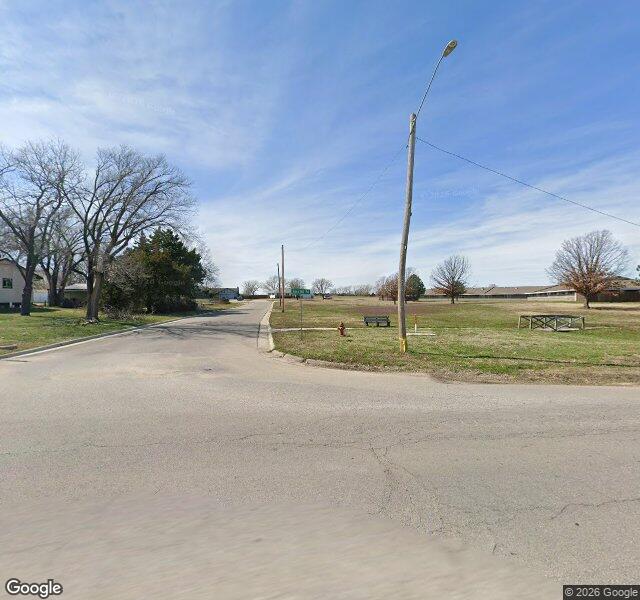
601 N. Rose Hill Road, Rose Hill, KS 67133View map (opens in a new tab)
Overview and key essentials
State license
Active
KS KDADS
Google reviews
Not available
Public reviews not linked
Size & payment
Ask directly
Confirm pricing & payment
Public records for this community are limited. Use the checklist below when you call or visit to confirm pricing, services, and openings.
Cost, payment & care details
Updated Nov 28, 2026| Monthly cost | Not published | Ask for the full monthly cost, including care fees and one-time charges. |
|---|---|---|
| Payment options | Ask directly | Payment details are not confirmed in our records. Ask about private pay, long-term care insurance, veterans benefits, and Medicaid waivers. |
| Size & availability | Confirm directly | We don't publish live openings. Ask about current availability, waitlist length, and move-in timing. |
| Care & support | Assisted living | Usually offers housing and help with everyday tasks, such as bathing and dressing. What to confirm about care levelsThis describes the licensed category. Ask how care plans adjust if mobility, nursing, or memory needs change over time. Read the family care guide → |
State licensing
State inspection history
15inspections
61deficiencies listed
Aug 3, 2026Routine1 deficiency reported1
1 deficiency reported
View official state report (opens in a new tab)
INITIAL COMMENTS The following citations represent the findings of complaint investigation 3072244. The census was 45. The sample included 3 residents.
moderateF 0600
CFR(s): 483.12(a)(1) §483.12 Freedom from Abuse, Neglect, and Exploitation The resident has the right to be free from abuse, neglect, misappropriation of resident property, and exploitation as defined in this subpart. This includes but is not limited to freedom from corporal punishment, involuntary seclusion and any physical or chemical restraint not required to treat the resident's medical symptoms. §483.12(a) The facility must- §483.12(a)(1) Not use verbal, mental, sexual, or physical abuse, corporal punishment, or involuntary seclusion; This REQUIREMENT is NOT MET as evidenced by: Based on record review, interview, and observation, the facility failed to ensure Resident (R) 1, who was dependent on staff for activities of daily living (ADLs) remained free from staff-to-resident abuse. Findings included: - R1’s Electronic Medical Record (EMR) documented R1 had diagnoses of multiple sites of muscle wasting and atrophy (wasting or decrease in size of a part of the body), epilepsy (brain disorder characterized by repeated seizures), hypotension (low blood pressure), and anxiety. The “Quarterly Minimum Data Set (MDS),” dated 06/30/2026, documented R1 had a Brief Interview for SS = D SS = D SS = D The facility’s “Abuse Policy,” revised August 2024, documented all allegations of abuse including physical, mental, emotional, verbal, and/or sexual abuse, neglect, exploitation, misappropriation of resident property, mistreatment, and/or injuries of unknown source and any reasonable suspicion of a crime shall be promptly reported to local, state, and federal agencies and thoroughly shall be investigated by facility management. The administrator will ensure that any further potential abuse or mistreatment is prevented.
Feb 26, 2026Routine5 deficiencies reported5
5 deficiencies reported
View official state report (opens in a new tab)
INITIAL COMMENTS The following citations represent the findings of the licensure resurvey with attached complaint number 2721425 for the above named facility conducted on 02/25/26 and 02/26/26.
moderateS 0180
CFR(s): 26-39-103 (q) (q) Self-administration of medication. The administrator shall ensure that each resident in a nursing facility or a nursing facility for mental health is afforded the right to self-administer medications unless the resident's attending physician and the interdisciplinary team have determined that this practice is unsafe. In any assisted living facility, residential health care facility, home plus, or adult day care facility, a resident may self-administer medication if a licensed nurse has determined that the resident can perform this function safely and accurately. This LICENSURE REQUIREMENT is NOT MET as evidenced by: K.A.R. 26-39-103 (q) The facility reported a census of 13 residents. The sample included 3 "Residents'" (R)'s. Based on record review and interview the Administrator failed to ensure that each resident was afforded the right to self-administer their own medications if a licensed nurse determined that the resident could perform the function safely and accurately. Findings included: -Record review for R2 revealed an admission date of 08/01/25 with diagnoses of other amnesia, type two diabetes mellitus, hypertension, venous insufficiency, hyperglycemia, history of falling, other fatigue, and chest pain on breathing. Review of R2's "Functional Capacity Screen" (FCS) dated 10/14/25 revealed R2 was independent with bathing, dressing, toileting, transferring, walking/mobility and SS = E eating. R2 required supervision with the administration of her medications and medical treatments. R2 was continent and had impaired short-term memory, memory/recall, and decision making. R2 could sometimes make herself understood and she sometimes understood others. R2 was at risk for impaired decision making and inappropriate behavior. R2 used a cane mobility device. Review of R2's combined "Negotiated Service Agreement" (NSA)/"Health Service Plan" (HSP)dated 09/25/25, under the section titled "Medication Management and Medical Treatments Management" identified the facility "Certified Medication Aide" (CMA)/"Licensed Nurse" (LN) were required to administer all of R2's medications and medical treatments. Record review of R2's "Admission Packet" to the facility dated 08/21/25, revealed the following page titled "Medication Administration Addendum" and was signed by R2 on 08/01/25 that revealed the following: It was the policy of the facility that they "administer any and all medications that are prescribed by the physician and from the physician orders, any over the counter medications are included in this". Residents were to bring "any and all" over the counter medications and prescription medications to the CMA's for them to properly store. Review of the untitled document signed by R2 revealed the following: "Policy": to provide the resident information regarding their "Rights". The document lacked the acknowledgement that R2 was afforded the right to self-administer his own medications if a licensed nurse determined that the resident could perform the function safely and accurately. -Record review for R3 revealed an admission date of 01/19/24 with diagnoses of dementia with behavioral disturbances, major depressive disorder, alcohol abuse with unspecified alcohol induced disorder, epilepsy and recurrent seizures, nonrheumatic aortic stenosis and Sialadenitis. Review of R3's FCS dated 10/14/25 revealed R3 required supervision with bathing, eating, and he was independent with dressing, toileting, transferring,...
moderateS 3085
CFR(s): 26-41-202 (a) (a) The administrator or operator of each assisted living facility or residential health care facility shall ensure the development of a written negotiated service agreement for each resident, based on the resident ' s functional capacity screening, service needs, and preferences, in collaboration with the resident or the resident ' s legal representative, the case manager, and, if agreed to by the resident or the resident ' s legal representative, the resident ' s family. The negotiated service agreement shall provide the following information: (1) A description of the services the resident will receive; (2) identification of the provider of each service; and (3) identification of each party responsible for payment if outside resources provide a service. This LICENSURE REQUIREMENT is NOT MET as evidenced by: K.A.R. 26-41-202 (a) (1) The facility reported a census of 13 residents. The sample included 3 "Residents'" (R)'s 1, 2, and 3. Based on interview and record review the Administrator failed to ensure the development of the written "Negotiated Service Agreement" (NSA) for each resident that was based on the "Functional Capacity Screen" (FCS). Findings included: -Record review for R1 revealed an admission date of 08/19/20 with diagnoses of hypertension, obsessive compulsive disorder, generalized anxiety disorder, bipolar disorder, chronic obstructive pulmonary disease, major depressive disorder, left ventricular failure and Parkinson's disease. SS = E Review of R1's combined NSA/"Health Service Plan" (HSP) dated 09/25/25 under the section titled "Cognition /Communication" facility staff were instructed that R1 had "no cognitive impairment", and R1 required the facility "Certified Medication Aide" (CMA)/ "Licensed Nurse" (LN) to administer her medications and medical treatments. On page four of the NSA/HSP there was a list of providers and the services they provided. The last entry in the list was a local Physical Therapy (PT) agency. Interview on 01/26/26 at approximately 03:30 PM with "Registered Nurses'" (RN)'s A and B confirmed R1's FCS was dated 10/14/25, the NSA/HSP was dated 09/25/25, and they continued to confirm R1 was not on physical therapy services. -Record review for R2 revealed an admission date of 08/01/25 with diagnoses of other amnesia, type two diabetes mellitus, hypertension, venous insufficiency, hyperglycemia, history of falling, other fatigue, and chest pain on breathing. Review of R2's FCS dated 10/14/25 revealed R2 was independent with bathing, dressing, toileting, transferring, walking/mobility and eating. R2 required supervision with the administration of her medications and medical treatments. R2 was continent and had impaired short-term memory, memory/recall, and decision making. R2 could sometimes make herself understood and she sometimes understood others. R2 was at risk for impaired decision making and inappropriate behavior. R2 used a cane mobility device. SS = E "Registered Nurses'" (RN)'s A and B confirmed R1's FCS was dated 10/14/25, the NSA/HSP was dated 09/25/25. -Record review for R3 revealed an admission date of 01/19/24 with diagnoses of dementia with behavioral disturbances, major depressive disorder, alcohol abuse with unspecified alcohol induced disorder, epilepsy and recurrent seizures, nonrheumatic aortic stenosis and Sialadenitis. Review of R3's FCS dated 10/14/25 revealed R3 required supervision with bathing, eating, and he was independent with dressing,...
moderateS 3280
SS = F performance of the following: (1) Orientation of new employees at the time of employment to the facility ' s emergency management plan; (2) education of each resident upon admission to the facility regarding emergency procedures; (3) quarterly review of the facility ' s emergency management plan with employees and residents; and (4) an emergency drill, which shall be conducted at least annually with staff and residents. This drill shall include evacuation of the residents to a secure location. This LICENSURE REQUIREMENT is NOT MET as evidenced by: K.A.R. 26-41-104 (d) (3) The facility reported a census of 13 residents. Based on interview and record review the Administrator failed to ensure a quarterly review of the facility's emergency preparedness plan with employees and residents. Findings included: -Review of the facility provided documents titled "Resident Council Notes" revealed the following: On 12/ (no actual date provided)/25 under the section titled "Discuss Safety Drills" it was handwritten "Earthquake" On 01/(no actual date provided)/26 under the section titled "Discuss Safety Drills" it was hand written for inside evacuations the residents were to come to the dining room. On 02/04/26 under the section titled "Discus Safety Drills" it was handwritten "Tornado Drills". Interview on 02/26/26 at approximately 10:15 AM with Activities Director G confirmed she does not include all nine topics of the emergency management plan with all residents quarterly. SS = F The Administrator failed to ensure a quarterly review of the facility's emergency preparedness plan with employees and residents.
moderateS 3310
CFR(s): 26-41-207 (b) (5-6) (c) (b) (5) prohibiting any employee with a communicable disease or any infected skin lesions from coming in direct contact with any resident, any resident ' s food, or resident care equipment until the condition is no longer infectious; (6) providing orientation to new employees and employee in-service education at least annually on the control of infections in a health care setting; and (c) Each administrator or operator shall ensure the facility ' s compliance with the department ' s tuberculosis guidelines for adult care homes adopted by reference in K.A.R. 26-39-105 This LICENSURE REQUIREMENT is NOT MET as evidenced by: K.A.R. 26-41-207 (c) The facility reported a census of 13 residents. The sample included 3 "Residents'" (R)'s and 5 newly hired employees. Based on record review and interview the Administrator failed to ensure the facility's compliance with the department's "Tuberculosis" (TB) guidelines adopted by reference in K.A.R. 26-39-105 for R1, R2, "Certified Medication Aides'" (CMA)'s E and F. Findings included: -Record review for CMA E revealed a hire date of 08/21/24. CMA E's personnel record lacked documentation of the required two step TB skin test being performed within seven days of employment. SS = F 08/19/20 with diagnoses of hypertension, obsessive compulsive disorder, generalized anxiety disorder, bipolar disorder, chronic obstructive pulmonary disease, major depressive disorder, left ventricular failure, and Parkinson's disease. Review of R1's electronic "Medical Record" under the "Forms" tab revealed a TB Symptoms Screen Questionnaire dated 03/01/24. R1's electronic "Medical Record" lacked documentation of the required annual TB Symptom Screen Questionnaire for 2025. Review of R2's electronic "Medical Record" revealed the electronic record lacked documentation of the required TB skin test being administered within 7 days of admission to the facility. Interview on 03/26/26 at approximately 03:30 PM with "Registered Nurses'" (RN)'s B and C, and Administrator A confirmed the personnel file for CMA E lacked the documentation of the required two step TB skin test being administered within seven days of employment, CMA F's personnel record lacked the documentation of the required second step of the required two step TB skin test being administered within one to three weeks of the first step reading negative, the electronic "Medical Record" for R1 lacked documentation of the required annual TB symptom screening questioner being performed for 2025, and R2's electronic "Medical Record" lacked documentation of the required two step TB skin test being administered within seven days of admission to the facility. The Administrator failed to ensure the facility's compliance with the department's TB guidelines adopted by reference in K.A.R. 26-39-105 for R's 1 and 2, and CMA's E and F.
moderateS 0225
CFR(s): 26-39-102 (a) (a) Each licensee, administrator, or operator shall develop written admission policies regarding the admission of residents. The admission policy shall meet the following requirements: SS = E care of a physician licensed to practice in Kansas. (B) The administrator or operator shall ensure that no children under the age of 16 are admitted to the adult care home. (C) The administrator or operator shall allow the admission of an individual in need of specialized services for mental illness to the adult care home only if accommodations and treatment that will assist that individual to achieve and maintain the highest practicable level of physical, mental, and psychosocial functioning are available. (2) Before admission, the administrator or operator, or the designee, shall inform the prospective resident or the resident ' s legal representative in writing of the rates and charges for the adult care home's services and of the resident's obligations regarding payment. This information shall include the refund policy of the adult care home.(3) At the time of admission, the administrator or operator, or the designee, shall execute with the resident or the resident ' s legal representative a written agreement that describes in detail the services and goods the resident will receive and specifies the obligations that the resident has toward the adult care home. (4) An admission agreement shall not include a general waiver of liability for the health and safety of residents. (5) Each admission agreement shall be written in clear and unambiguous language and printed clearly in black type that is 12-point type or larger. This LICENSURE REQUIREMENT is NOT MET as evidenced by: K.A.R. 26-39-102 (a) (1) (C) (3) The facility reported a census of 13 residents. The sample included 3 "Residents"" (R)'s. Based on record review and interview the administrator failed to ensure at the time of admission executed a written agreement that described in detail the services and goods the resident would receive and specified te obligations that the resident had toward the adult care home for R2 and R3. Findings included: SS = E 08/01/25 with diagnoses of other amnesia, type two diabetes mellitus, hypertension, venous insufficiency, hyperglycemia, history of falling, other fatigue, and chest pain on breathing. Review of R2's "Admission Packet" dated 08/01/25 under the section titled "Services and Accommodations", "C. Personal Service Plan" revealed the following statement: The facility "in its sole discretion, will use a personal service agreement to determine the personal services you require prior to moving in and periodically throughout your residency. The results of the assessments and the cost of providing the personal services will be shared with you and your Responsible Party..." R2's Admission Packet lacked documentation that described in detail the services and goods the resident would receive and specified the obligations that R2 had toward the adult care home. Record review for R3 revealed an admission date of 01/19/24 with diagnoses of dementia with behavioral disturbances, major depressive disorder, alcohol abuse with unspecified alcohol induced disorder, epilepsy and recurrent seizures, nonrheumatic aortic stenosis and Sialadenitis. Review of R3's "Admission Packet" dated 01/19/24, under the section titled "Services and Accommodations", "C. Personal Service Plan" revealed the following statement: The facility "in its sole...
Jan 23, 2025Routine6 deficiencies reported6
6 deficiencies reported
View official state report (opens in a new tab)
INITIAL COMMENTS The following citations represent the findings of a Health Resurvey and Complaint Investigation #KS00189612 The 2567 was electronically sent on 2/6/25
Infection Prevention & ControlF 880
CFR(s): 483.80(a)(1)(2)(4)(e)(f) SS=E §483.80 Infection Control The facility must establish and maintain an infection prevention and control program designed to provide a safe, sanitary and comfortable environment and to help prevent the development and transmission of communicable diseases and infections. §483.80(a) Infection prevention and control program. The facility must establish an infection prevention 88TC11 and control program (IPCP) that must include, at a minimum, the following elements: §483.80(a)(1) A system for preventing, identifying, reporting, investigating, and controlling infections and communicable diseases for all residents, staff, volunteers, visitors, and other individuals providing services under a contractual arrangement based upon the facility assessment conducted according to §483.71 and following accepted national standards; §483.80(a)(2) Written standards, policies, and procedures for the program, which must include, but are not limited to: (i) A system of surveillance designed to identify possible communicable diseases or infections before they can spread to other persons in the facility; (ii) When and to whom possible incidents of communicable disease or infections should be reported; (iii) Standard and transmission-based precautions to be followed to prevent spread of infections; (iv)When and how isolation should be used for a resident; including but not limited to: (A) The type and duration of the isolation, depending upon the infectious agent or organism involved, and (B) A requirement that the isolation should be the least restrictive possible for the resident under the circumstances. (v) The circumstances under which the facility must prohibit employees with a communicable disease or infected skin lesions from direct contact with residents or their food, if direct contact will transmit the disease; and (vi)The hand hygiene procedures to be followed 88TC11 by staff involved in direct resident contact. §483.80(a)(4) A system for recording incidents identified under the facility's IPCP and the corrective actions taken by the facility. §483.80(e) Linens. Personnel must handle, store, process, and transport linens so as to prevent the spread of infection. §483.80(f) Annual review. The facility will conduct an annual review of its IPCP and update their program, as necessary. This REQUIREMENT is not met as evidenced by: The facility identified a census of 47 residents. The facility identified residents on Enhanced Barrier Precautions (EBP-infection control interventions designed to reduce transmission of resistant organisms that employ targeted gown and glove use during high contact care). Based on record review, observations, and interviews, the facility failed to ensure the gait belts were sanitized after each resident's use and further failed to ensure staff followed the protocols when a nurse provided a tube feeding for a resident. These deficient practices placed the residents at risk for infectious diseases. Findings included: - R37's Electronic Medical Record (EMR) from the "Diagnoses" tab documented diagnoses of dysphagia, gastric ulcer, digestive system surgical aftercare, and gastritis. The "Significant Change Minimum Data Set" (MDS) dated 10/15/24 the staff assessment for 88TC11 mental status documented R37 had long and short-term memory problems and severely impaired cognition. R37 had loss of liquids/solids from mouth, held food in mouth/cheek, coughed or choked when swallowing, and had...
Free of Accident Hazards/Supervision/DevicesF 689
CFR(s): 483.25(d)(1)(2) SS=D §483.25(d) Accidents. The facility must ensure that - §483.25(d)(1) The resident environment remains as free of accident hazards as is possible; and §483.25(d)(2)Each resident receives adequate supervision and assistance devices to prevent accidents. This REQUIREMENT is not met as evidenced by: 88TC11 The facility had a census of 47 residents and the sample included 14 residents. Based on observation, record review, and interview, the facility failed to ensure a safe environment free from accident hazards for Resident (R) 25 who had a medication located in her room that was not secured. This failure placed the affected residents at risk for preventable accidents and related injuries. Findings included: - During the onsite survey, the surveyors identified a concern regarding the unsecured medications observed in one resident's room during interview. During an observation on 01/21/25 at 11:31 AM, R25 had a 16-ounce, spray wound cleaning medication on her over the bed table. The medication had a warning label "Keep out of reach of children". During an observation on 01/22/25 at 11:07 AM, R25 had a 16-ounce, spray wound cleaning medication on her dresser. The medication had a warning label "Keep out of reach of children". During an interview on 01/22/25 at 11:07 AM, R25's roommate R6 reported she was unsure why the spray bottle was there and that the staff must have forgotten it. During an interview on 01/23/25 at 08:10 AM, Certified Nurse Aide (CNA) N reported that residents should not have medications for wound care in their rooms. During an interview on 01/27/25 at 11:43 AM, 88TC11 License Nurse (LN) I reported she would not think that any wound care medication would be left at the bedside unsecured. During an interview on 01/27/25 at 12:53 PM, Administrative Nurse E reported that the wound cleanser should not be left unattended in any resident room. The facility's "Control of Hazardous Chemicals" policy dated October 2024 documented the facility was committed to eliminating ad controlling hazards that could cause injury of illness to our elders. The facility will meet the requirements of safety standards where there are specific rules about hazards or potential hazards in our facility. All substances with warning labels, including but not exclusive to "Keep out of reach of children", will be locked and inaccessible at all times. The facility failed to ensure a safe environment free from accident hazards for R25. This placed the resident at risk for injury and preventable accidents.
Pharmacy Srvcs/Procedures/Pharmacist/RecordsF 755
CFR(s): 483.45(a)(b)(1)-(3) SS=D §483.45 Pharmacy Services The facility must provide routine and emergency drugs and biologicals to its residents, or obtain them under an agreement described in §483.70(f). The facility may permit unlicensed personnel to administer drugs if State law permits, but only under the general supervision of a licensed nurse. §483.45(a) Procedures. A facility must provide pharmaceutical services (including procedures that assure the accurate acquiring, receiving, dispensing, and administering of all drugs and biologicals) to meet the needs of each resident. §483.45(b) Service Consultation. The facility must employ or obtain the services of a licensed pharmacist who- §483.45(b)(1) Provides consultation on all aspects of the provision of pharmacy services in the facility. §483.45(b)(2) Establishes a system of records of receipt and disposition of all controlled drugs in sufficient detail to enable an accurate reconciliation; and §483.45(b)(3) Determines that drug records are in order and that an account of all controlled drugs is maintained and periodically reconciled. This REQUIREMENT is not met as evidenced 88TC11 by: The facility identified a census of 47 residents. The sample included 13 residents. Based on observation, record review, and interviews, the facility failed to provide adequate pharmaceutical services to ensure Resident (R) 25 had their prescribed medications available in a timely manner for administration. This deficient practice placed both R25 and R38 at risk of delayed treatment, which could have adverse consequences. Findings included: - R25's Electronic Medical Record (EMR) from the "Diagnoses" tab documented diagnoses of diabetes mellitus (DM - when the body cannot use glucose, not enough insulin is made, or the body cannot respond to the insulin), hyperlipidemia (condition of elevated blood lipid levels), and anemia (inadequate number of healthy red blood cells to carry adequate oxygen to body tissues). The "Annual Minimum Data Set" (MDS) dated 11/05/24 documented a Brief Interview of Mental Status (BIMS) score of 0, which indicated severely impaired cognition. R25's "Care Plan" dated 06/27/24 documented nursing staff would administer medication as ordered, monitor for side effects, and notify the physician as needed. R25's EMR under the "Orders" tab documented the following physician orders: Atorvastatin (HMG-CoA reductase inhibitors -statins) tablet 20 milligrams (mg), give one tablet by mouth at bedtime for high cholesterol dated 88TC11 03//21/24. Review of R25's "Medication Administration Record" (MAR) for January 2025 revealed R25's high cholesterol medication Atorvastatin which was ordered on 03/2/24 was documented as a "9" (not administered) from 01/08/25 through 01/17/25. On 01/21/25 at 01:22 PM, R25 sat in her wheelchair out in the common area. On 01/23/25 at 08:10 AM, Certified Nurse Aide (CMA) R revealed she would inform the nurse if a resident did not have an ordered medication for administration. She stated that she could call the pharmacy if the nurse instructed her to, but that the nurse had to enter it in the electronic medical record. CMA R stated that she made a list daily and went over it with the nurse, she also gave a copy of the list to the ADON. On 01/23/25 at 08:41 AM, Licensed Nurse (LN) G revealed that if a CMA came to her with a missing medication, she would look in the medication room and in the overflow drawer, if she did not find it, she would contact the...
Nurse Aide Peform Review-12 hr/yr In-ServiceF 730
CFR(s): 483.35(d)(7) SS=F §483.35(d)(7) Regular in-service education. The facility must complete a performance review of every nurse aide at least once every 12 months, and must provide regular in-service education based on the outcome of these reviews. In-service training must comply with the requirements of §483.95(g). This REQUIREMENT is not met as evidenced 88TC11 by: The facility reported a census of 47 residents. Based on observation, interview, and record review, the facility failed to conduct annual performance reviews for five of five direct care staff reviewed, to ensure the residents received adequate cares. Findings included: - The facility failed to complete annual performance reviews for the five certified Medication Aide and/or Certified Nurse Aides (CMA/CNA) sampled that were employed by the facility for 12 months or greater as follows: 1. CNA M, hired 6/7/23 2. CNA N hired 4/3/23 3. CNA P hired 1/11/23 4. CNA Q hired 7/21/22 5. CMA S hired 2/22/23 On 1/23/25 at 12:48 PM, Administrative Staff A, confirmed the above findings. She stated she had been employed as administrator of the facility for approximately six weeks and could not explain why the sampled staff lacked annual performance evaluations. Administrative Staff A reported she had reviewed the personnel files and checked with human resources and could not locate performance evaluations for the direct care staff noted above. She agreed staff should have annual evaluations which identify their weaknesses and have an action plan to include training to address those identified areas. The facility lacked a policy to address annual performance evaluations for the direct care staff. 88TC11 The facility failed to conduct annual performance reviews for five direct care staff, to ensure the residents received adequate cares.
Respiratory/Tracheostomy Care and SuctioningF 695
CFR(s): 483.25(i) SS=D § 483.25(i) Respiratory care, including tracheostomy care and tracheal suctioning. The facility must ensure that a resident who needs respiratory care, including tracheostomy care and tracheal suctioning, is provided such care, consistent with professional standards of practice, the comprehensive person-centered care plan, the residents' goals and preferences, and 483.65 of this subpart. This REQUIREMENT is not met as evidenced 88TC11 by: The facility reported a census of 47 residents, which included one resident sampled for respiratory care. Based on observation, interview, and record review, the facility failed to provide appropriate respiratory care in maintaining respiratory equipment to prevent the spread of infection, for one Resident (R) 35. The facility failed to ensure safe storage of oxygen nasal cannula and oxygen tubing when not in use to prevent cross contamination and the spread of infection. Finding included: - Review of Resident (R)35's "Physician Orders," dated 01/14/25, revealed diagnoses which included acute respiratory failure with hypoxia (inadequate supply of oxygen). The "Admission Minimum Data Set," (MDS) dated 12/26/24, documented the "Brief Interview for Mental Status" (BIMS) of 15, indicating intact cognition. R35 received oxygen. The "Care Plan," (CP), dated 01/21/25, directed staff to know the resident received oxygen via nasal cannula. The CP lacked direction regarding the maintenance and upkeep of the resident's oxygen supplies such as the storage of oxygen cannulas and tubing when not in use. The "Physician Orders," revealed an order dated 12/20/24, which documented the resident required oxygen at one to two liters via nasal cannula, continuously. An observation on 01/21/25 at 12:43 PM, revealed the resident lying in the bed in his room. 88TC11 The resident's nasal cannula and oxygen tubing laid directly on the floor, next to his bed and without a storage bag present. During an interview on 01/21/25 at 12:48 PM, Certified Nurse Aide O, verified the above findings and stated oxygen tubing and nasal cannulas should be stored in a container when not in use to prevent cross contamination and the spread of infection. During an interveiw 01/22/25 at 01:18 PM, Administrative Nurse E stated oxygen tubing and nasal cannulas should be stored in a container when not in use to prevent cross contamination and the spread of infection. The facility policy "Policies and Practices-Infection Control," dated 10/2024, lacked address of storage of nasal cannulas and oxygen tubing to prevent cross contamination and the spread of infection. The facility failed to provide appropriate respiratory care for R35, related to storage of oxygen nasal cannula when not in use to prevent cross contamination and the spread of infection.
PASARR Screening for MD & IDF 645
CFR(s): 483.20(k)(1)-(3) SS=D §483.20(k) Preadmission Screening for individuals with a mental disorder and individuals with intellectual disability. §483.20(k)(1) A nursing facility must not admit, on or after January 1, 1989, any new residents with: (i) Mental disorder as defined in paragraph (k)(3) (i) of this section, unless the State mental health authority has determined, based on an independent physical and mental evaluation performed by a person or entity other than the State mental health authority, prior to admission, (A) That, because of the physical and mental condition of the individual, the individual requires the level of services provided by a nursing facility; and (B) If the individual requires such level of services, whether the individual requires specialized services; or (ii) Intellectual disability, as defined in paragraph (k)(3)(ii) of this section, unless the State intellectual disability or developmental disability authority has determined prior to admission- (A) That, because of the physical and mental condition of the individual, the individual requires the level of services provided by a nursing facility; and (B) If the individual requires such level of services, whether the individual requires specialized services for intellectual disability. §483.20(k)(2) Exceptions. For purposes of this section- (i)The preadmission screening program under paragraph(k)(1) of this section need not provide for determinations in the case of the readmission to a nursing facility of an individual who, after being admitted to the nursing facility, was transferred for care in a hospital. (ii) The State may choose not to apply the preadmission screening program under paragraph (k)(1) of this section to the admission to a nursing facility of an individual- (A) Who is admitted to the facility directly from a hospital after receiving acute inpatient care at the hospital, (B) Who requires nursing facility services for the condition for which the individual received care in the hospital, and (C) Whose attending physician has certified, before admission to the facility that the individual is likely to require less than 30 days of nursing facility services. §483.20(k)(3) Definition. For purposes of this section- (i) An individual is considered to have a mental disorder if the individual has a serious mental disorder defined in 483.102(b)(1). (ii) An individual is considered to have an intellectual disability if the individual has an intellectual disability as defined in §483.102(b)(3) or is a person with a related condition as described in 435.1010 of this chapter. This REQUIREMENT is not met as evidenced by: The facility reported a census of 47 residents with 14 residents sampled. Based on 88TC11 observations, interviews, and record review, the facility failed to ensure that one Resident (R) 6 had a current and valid Preadmission Screening and Annual Resident Review (PASARR). Findings included: - Review of the Electronic Health Record (EHR) for R6 included diagnoses of schizoaffective disorder bipolar type (mental illness is a combination of symptoms of schizophrenia and symptoms of a mood disorder, anxiety (mental or emotional reaction characterized by apprehension, uncertainty and irrational fear), and depressive disorder (a mood disorder that causes a persistent feeling of sadness and loss of interest). The "Annual Minimum Data Set (MDS)" dated 06/21/24, documented a "Brief Interview for Mental Status" (BIMS) score of 15,...
Jul 16, 2024Routine10 deficiencies reported10
10 deficiencies reported
View official state report (opens in a new tab)
The following citations represent the findings of the licensure resurvey with attached complaint numbers 189126 and 187523 for the above named facility conducted on 07/15/24 and 07/16/24.
moderateS 3090
Agreement (c) Each administrator or operator shall ensure the development of an initial negotiated service agreement at admission. This REQUIREMENT is not met as evidenced by: K.A.R. 26-41-202 (c) The facility reported a census of 10 residents. The sample included 5 "Residents'" (R)'s. Based on record review and interview the Administrator failed to ensure the development of a written "Negotiated Service Agreement" (NSA) at the time of admission for R3 and R4. Findings included: - Record review for R3 revealed an admission date of 01/19/24 with diagnoses of dementia with behavioral disturbances, major depressive disorder, alcohol abuse with unspecified alcohol induced disorder, Epilepsy and recurrent seizures, nonrheumatic aortic (valve) stenosis, essential hypertension, and sialadenitis. Record review of R3's FCS dated 01/22/24 revealed he was independent with bathing, dressing, toileting, transferring, walking/mobility and eating. He required supervision with his medications and medical treatments and was continent of his bladder. His cognition was intact. He was able to make himself understood and he understood others. He was not marked with any current or recent problems or risks and used no mobility device. Review of R3's NSA dated 01/22/24 identified the facility would provide the following health services: licensed staff would follow orders of mediation management as defined on the "Medication Administration Record" (MAR), and a licensed staff member would provide all ordered medical treatments. Review of R3's HSP instructed facility staff to assist R3 in lighting tobacco products and store the tobacco product for R3. Staff are to document wandering behaviors and provide resident with meaningful activities. Staff are to observe resident location in the community, administer R3's medications, observe for any episodes of acute sadness and report to the nurse any indications R3 might harm himself or others. Facility staff were instructed to monitor and report to the nurse any mood changes for R3. In the Column titled "Focus" on page 6 it was typed R3 had an "Activities of Daily Living" (ADL) self - care performance deficit related to cognitive impairment, and facility staff were instructed to encourage R3 to participate to the fullest extent possible with each interaction and to encourage R3 to use the call device for assistance. On page 8 under the column titled "Focus" it was typed R3 had memory loss/dementia related to dementia and impaired decision making. Facility staff were instructed to administer medications as ordered after attempting non-medical approaches, keep R3's routine consistent, and present R3 with one question or request at a time. R3's admission NSA was not completed on or before admission date of 01/19/24. - Record review for R4 revealed an admission date of 09/13/23 with diagnoses of hypocalcemia, bacterial pneumonia, alcohol abuse with unspecified alcohol induced disorder, chronic atrial fibrillation, essential hypertension, unspecified systolic congestive heart failure, chronic obstructive pulmonary disease, presence of cardiac pacemaker, and history of falling. Review of R4's FCS dated 09/20/23 revealed R4 was independent with bathing, dressing, toileting, transferring, walking/mobility, and eating. R4 lacked the ability to manage his own medications and medical treatments, and he was continent. R4's cognition was intact, and he was able to make himself understood and he understood others. He was not...
moderateS 3101
(h) Each individual involved in the development of the negotiated service agreement shall sign the agreement. The administrator or operator shall ensure that a copy of the initial agreement and any subsequent revisions are provided to the resident or the resident's legal representative. This REQUIREMENT is not met as evidenced by: K.A.R. 26-41-202 (h) The facility reported a census of 10 residents. The sample included 5 "Residents'" (R)'s. Based on record review and interview the Administrator failed to ensure the "Negotiated Service Agreement" (NSA) was signed by each individual involved in the development of the NSA for R3. Findings included: - Record review for R3 revealed an admission date of 01/19/24 with diagnoses of dementia with behavioral disturbances, major depressive disorder, alcohol abuse with unspecified alcohol induced disorder, Epilepsy and recurrent seizures, nonrheumatic aortic (valve) stenosis, essential hypertension, and sialadenitis. Record review of R3's FCS dated 01/22/24 revealed he was independent with bathing, dressing, toileting, transferring, walking/mobility and eating. He required supervision with his medications and medical treatments and was continent of his bladder. His cognition was intact. He was able to make himself understood and he understood others. He was not marked with any current or recent problems or risks and used no mobility device. Review of R3's unsigned NSA dated 01/22/24 identified the facility would provide the following health services: licensed staff would follow orders of mediation management as defined on the "Medication Administration Record" (MAR), and a licensed staff member would provide all ordered medical treatments. Review of R3's HSP instructed facility staff to assist R3 in lighting tobacco products and store the tobacco product for R3. Staff are to document wandering behaviors and provide resident with meaningful activities. Staff are to observe resident location in the community, administer R3's medications, observe for any episodes of acute sadness and report to the nurse any indications R3 might harm himself or others. Facility staff were instructed to monitor and report to the nurse any mood changes for R3. In the Column titled "Focus" on page 6 it was typed R3 had an "Activities of Daily Living" (ADL) self - care performance deficit related to cognitive impairment, and facility staff were instructed to encourage R3 to participate to the fullest extent possible with each interaction and to encourage R3 to use the call device for assistance. On page 8 under the column titled "Focus" it was typed R3 had memory loss/dementia related to dementia and impaired decision making. Facility staff were instructed to administer medications as ordered after attempting non-medical approaches, keep R3's routine consistent, and present R3 with one question or request at a time. Interview on 07/16/24 at approximately 12:00 PM with Administrator A and Director of Nursing / Registered Nurse C confirmed R3's NSA lacked the signatures of each individual involved in the development of the NSA. The Administrator failed to ensure the NSA was signed by each individual involved in the development of the NSA for R3.
moderateS 3085
(a) The administrator or operator of each assisted living facility or residential health care facility shall ensure the development of a written negotiated service agreement for each resident, based on the resident ' s functional capacity screening, service needs, and preferences, in collaboration with the resident or the resident ' s legal representative, the case manager, and, if agreed to by the resident or the resident ' s legal representative, the resident ' s family. The negotiated service agreement shall provide the following information: (1) A description of the services the resident will receive; (2) identification of the provider of each service; and (3) identification of each party responsible for payment if outside resources provide a service. This REQUIREMENT is not met as evidenced by: K.A.R. 26-41-202 (a) (1) (2) (3) The facility reported a census of 10 residents. The sample included 5 "Residents'" (R)'s. Based on record review and interview the Administrator failed to ensure the development of a written "Negotiated Service Agreement" (NSA) based on the individuals "Functional Capacity Screening) (FCS) service needs and preferences which included a full description of services the resident would receive and the provider of each service for R3 and R4. Findings included: - Record review for R3 revealed an admission date of 01/19/24 with diagnoses of dementia with behavioral disturbances, major depressive disorder, alcohol abuse with unspecified alcohol induced disorder, Epilepsy and recurrent seizures, nonrheumatic aortic (valve) stenosis, essential hypertension, and sialadenitis. Record review of R3's FCS dated 01/22/24 revealed he was independent with bathing, dressing, toileting, transferring, walking/mobility and eating. He required supervision with his medications and medical treatments and was continent of his bladder. His cognition was intact. He was able to make himself understood and he understood others. He was not marked with any current or recent problems or risks and used no mobility device. Review of R3's NSA dated 01/22/24 identified the facility would provide the following health services: licensed staff would follow orders of mediation management as defined on the "Medication Administration Record" (MAR), and a licensed staff member would provide all ordered medical treatments. Review of R3's HSP instructed facility staff to assist R3 in lighting tobacco products and store the tobacco product for R3. Staff are to document wandering behaviors and provide resident with meaningful activities. Staff are to observe resident location in the community, administer R3's medications, observe for any episodes of acute sadness and report to the nurse any indications R3 might harm himself or others. Facility staff were instructed to monitor and report to the nurse any mood changes for R3. In the Column titled "Focus" on page 6 it was typed R3 had an "Activities of Daily Living" (ADL) self - care performance deficit related to cognitive impairment, and facility staff were instructed to encourage R3 to participate to the fullest extent possible with each interaction and to encourage R3 to use the call device for assistance. On page 8 under the column titled "Focus" it was typed R3 had memory loss/dementia related to dementia and impaired decision making. Facility staff were instructed to administer medications as ordered after attempting non-medical approaches, keep R3's routine consistent, and present R3 with...
moderateS 3261
Documentation of Incidents (f) (11) documentation of all incidents, symptoms, and other indications of illness or injury including the date, time of occurrence, action taken, and results of the action This REQUIREMENT is not met as evidenced by: K.A.R. 26-41-105 (f) (11) The facility reported a census of 10 residents. The sample included 5 "Residents'" (R)'s. Based on record review and interview the Administrator failed to ensure the resident records contained documentation of all incidents, symptoms, and other indications of illness or injury including the date, time of the occurrence, action taken and results of the action for R2 and R3. Findings included: - Record review for R2 revealed an admission date of 03/23/24 with diagnoses of Paroxysmal atrial fibrillation, essential hypertension, arthritis, diverticulitis of the intestine, and wedge compression fracture of unspecified lumbar vertebra, sequela. Review of R2's "Functional Capacity Screen" dated 03/24/24 revealed R2 was independent with bathing, dressing, toileting, transferring, walking/mobility, and eating. She was occasionally incontinent, and her cognition was intact. She required physical assistance with managing her medications and medical treatments. She was able to make herself understood and she understood others. She had impaired vision and used a cane and walker mobility devices. Review of R2's NSA dated 03/24/24 identified the facility would provide the following health services: staff to assist with R2's bathing, dressing, toileting, and transferring as needed. Medications would be provided by certified facility staff and R2 could self-administer her Tylenol. The facility nurse may delegate simple wound care per physician orders. Review of R2's "Health Service Plan" (HSP) instructed facility staff to monitor R2 for changes in abilities with her independence, and change position slowly. Review of R2's "electronic Medical Record" under the "Progress Notes" tab revealed the following entries: On 04/24/24 at 02:55 PM an "Incident follow up note" revealed the writer of the note was called to R2's room for an unwitnessed fall. R2 was found on the floor on her back with blood on the back of her head. R2 stated she fell backwards. R2 complained of dizziness when assisted to a standing position. R2 was sent to the local emergency room for evaluation and treatment at 02:15 PM. 0n 04/25/24 at 05:26 AM a "Nursing Progress Note" revealed that R2 had returned from the local emergency room at 07:35 PM with staples to the laceration to the back of the head. The Progress notes lacked documentation of a description of the laceration and how many staples present to the laceration upon return from the local emergency room. - Record review for R3 revealed an admission date of 01/19/24 with diagnoses of dementia with behavioral disturbances, major depressive disorder, alcohol abuse with unspecified alcohol induced disorder, Epilepsy and recurrent seizures, nonrheumatic aortic (valve) stenosis, essential hypertension, and sialadenitis. Record review of R3's FCS dated 01/22/24 revealed he was independent with bathing, dressing, toileting, transferring, walking/mobility and eating. He required supervision with his medications and medical treatments and was continent of his bladder. His cognition was intact. He was able to make himself understood and he understood others. He was not marked with any current or recent problems or risks and used no mobility device. Review of R3's NSA dated...
moderateS 3215
(h) Storage. Licensed nurses and medication aides shall ensure that all medications and biologicals are securely and properly stored in accordance with each manufacturer ' s recommendations or those of the pharmacy provider and with federal and state laws and regulations. (1) Licensed nurses or medication aides shall store non-controlled medications and biologicals managed by the facility in a locked medication room, cabinet, or medication cart. Licensed nurses and medication aides shall store controlled medications managed by the facility in separately locked compartments within a locked medication room, cabinet, or medication cart. Only licensed nurses and medication aides shall have access to the stored medications and biologicals. (2) Each resident managing and self-administering medication shall store medications in a place that is accessible only to the resident, licensed nurses, and medication aides. (3) Any resident who self-administers medication and is unable to provide proper storage as recommended by the manufacturer or pharmacy provider may request that the medication be stored by the facility. (4) A licensed nurse or medication aide shall not administer medication beyond the manufacturer ' s or pharmacy provider ' s recommended date of expiration. This REQUIREMENT is not met as evidenced by: K.A.R. 26-41-205 (h) (4) The facility reported a census of 10 residents. The sample included 5 "Residents'" (R)'s. Based on observation, interview, and record review the administrator failed to ensure the "Licensed Nurse" (LN) did not use a prefilled insulin pen beyond the manufacturers or pharmacy provider's recommended date of expiration for R5. Findings included: - Observation on 07/15/24 at approximately 08:50 AM during the initial facility tour in the facility's medication room, on the counter on the southeast wall sat a black nylon bag with a Levemir 3 milliliter insulin pen with approximately 12 units of insulin in the pen. It was labeled with R5's name. The pen lacked a date the pen was opened. - Record review for R5 revealed an admission date of 01/19/24 with diagnoses of major depressive disorder recurrent, Type 1 Diabetes Mellitus, urinary tract infection, benign prostatic hyperplasia with lower urinary tract symptoms, anemia, essential hypertension, and retention of urine. Review of R5's "electronic Medication Administration Record" (eMAR) revealed the following order: Levemir Subcutaneous Solution 100 units / milliliter; inject 20 units subcutaneously at bedtime. Interview on 07/15/24 at approximately 08:54 AM with Director of Nursing / Registered Nurse C confirmed the Levemir insulin lacked a date of when the pen was opened for use. Review of the manufacturer's recommendations revealed open or in use Levemir insulin pens should be thrown away in the trash after 42 days even if there is insulin left in the pen. the administrator failed to ensure the "Licensed Nurse" (LN) did not use a prefilled insulin pen beyond the manufacturers or pharmacy provider's recommended date of expiration for R5.
moderateS 3310
(b) (5) prohibiting any employee with a communicable disease or any infected skin lesions from coming in direct contact with any resident, any resident ' s food, or resident care equipment until the condition is no longer infectious; (6) providing orientation to new employees and employee in-service education at least annually on the control of infections in a health care setting; and (c) Each administrator or operator shall ensure the facility ' s compliance with the department ' s tuberculosis guidelines for adult care homes adopted by reference in K.A.R. 26-39-105 This REQUIREMENT is not met as evidenced by: K.A.R. 26-41-207 (c) The facility reported a census of 10 residents. The sample included 5 "Residents'" (R)'s. Based on interview and record review the administrator failed to ensure the facility's compliance with the department's "Tuberculosis" (TB) guidelines for adult care homes adopted by reference in K.A.R. 26-39-105 for R3. Findings included: - Record review for R5 revealed an admission date of 01/19/24 with diagnoses of major depressive disorder recurrent, Type 1 Diabetes Mellitus, urinary tract infection, benign prostatic hyperplasia with lower urinary tract symptoms, anemia, essential hypertension, and retention of urine. Review of R5's "electronic Medical Record" under the tabs titled "Immunizations", "Forms" and "miscellaneous", revealed the electronic record lacked documentation of the required two step TB test being administered within seven days of admission to the facility. Interview on 07/15/24 at approximately 04:45 PM with Administrator A confirmed the "electronic Medical Record" lacked documentation of the required two step TB test being administered within seven days of admission to the facility. Review of the facility provided policy titled "Tuberculosis, Screening Resident for" dated 08/09/21 revealed the following: "6. Screening of new admission or readmissions for tuberculosis infection and disease in compliance with State regulations." The administrator failed to ensure the facility's compliance with the department's TB guidelines for adult care homes adopted by reference in K.A.R. 26-39-105 for R3.
moderateS 3080
Admission a) On or before each individual ' s admission to an assisted living facility or residential health care facility, a licensed nurse, a licensed social worker, or the administrator or operator shall conduct a screening to determine the individual ' s functional capacity and shall record all findings on a screening form specified by the department. The administrator or operator may integrate the department ' s screening form into a form developed by the facility, which shall include each element and definition specified by the department. (b) A licensed nurse shall assess any resident whose functional capacity screening indicates the need for health care services. This REQUIREMENT is not met as evidenced by: K.A.R. 26-41-201 (a) The facility reported a census of 10 residents. The sample included 5 "Residents'" (R)'s. Based on record review and interview the Administrator failed to ensure on or before each individual's admission the assisted living facility, a licensed nurse, a licensed social worker, or the administrator or operator conducted a screening to determine the individual's "Functional Capacity" (FCS) and record all findings on a screening form specified by the department for R3 and R4. Findings included: - Record review for R3 revealed an admission date of 01/19/24 with diagnoses of dementia with behavioral disturbances, major depressive disorder, alcohol abuse with unspecified alcohol induced disorder, Epilepsy and recurrent seizures, nonrheumatic aortic (valve) stenosis, essential hypertension, and sialadenitis. Record review of R3's FCS dated 01/22/24 revealed he was independent with bathing, dressing, toileting, transferring, walking/mobility and eating. He required supervision with his medications and medical treatments and was continent of his bladder. His cognition was intact. He was able to make himself understood and he understood others. He was not marked with any current or recent problems or risks and used no mobility device. Review of R3's NSA dated 01/22/24 identified the facility would provide the following health services: licensed staff would follow orders of mediation management as defined on the "Medication Administration Record" (MAR), and a licensed staff member would provide all ordered medical treatments. Review of R3's "electronic Medical Record" under the "Forms" tab revealed an electronic form titled "Admit/Readmit Screener V2" and was dated 01/19/24. - Record review for R4 revealed an admission date of 09/13/23 with diagnoses of hypocalcemia, bacterial pneumonia, alcohol abuse with unspecified alcohol induced disorder, chronic atrial fibrillation, essential hypertension, unspecified systolic congestive heart failure, chronic obstructive pulmonary disease, presence of cardiac pacemaker, and history of falling. Review of R4's FCS dated 09/20/23 revealed R4 was independent with bathing, dressing, toileting, transferring, walking/mobility, and eating. R4 lacked the ability to manage his own medications and medical treatments, and he was continent. R4's cognition was intact, and he was able to make himself understood and he understood others. He was not marked with any current or recent problems or risk and used a wheelchair mobility device. Review of R4's NSA dated 09/19/23 identified the facility would provide the following health services: Under the section titled "Walking/Mobility" it was typed R4 used a wheelchair sometimes if his legs are weak, and R4 was able to walk more than 50 feet....
moderateS 3165
(d) The negotiated service agreement shall contain a description of the health care services to be provided and the name of the licensed nurse responsible for the implementation and supervision of the plan. This REQUIREMENT is not met as evidenced by: K.A.R. 26-41-204 (d) The facility reported a census of 10 residents. The sample included 5 "Residents'" (R)'s. Based on record review and interview the Administrator failed to ensure the "Negotiated Service Agreement" (NSA) contained a description of the health care services to be provided, and the name of the licensed nurse responsible for the implementation and supervision of the health service plan for R2, R3, R4 and R5. Findings included: - Record review for R2 revealed an admission date of 03/23/24 with diagnoses of Paroxysmal atrial fibrillation, essential hypertension, arthritis, diverticulitis of the intestine, and wedge compression fracture of unspecified lumbar vertebra, sequela. Review of R2's "Functional Capacity Screen" dated 03/24/24 revealed R2 was independent with bathing, dressing, toileting, transferring, walking/mobility, and eating. She was occasionally incontinent, and her cognition was intact. She required physical assistance with managing her medications and medical treatments. She was able to make herself understood and she understood others. She had impaired vision and used a cane and walker mobility devices. Review of R2's NSA dated 03/24/24 identified the facility would provide the following health services: staff to assist with R2's bathing, dressing, toileting, and transferring as needed. Medications would be provided by certified facility staff and R2 could self-administer her Tylenol. The facility nurse may delegate simple wound care per physician orders. The NSA lacked the name of the nurse responsible for the supervision and implementation of the health service plan. Review of R2's "Health Service Plan" (HSP) instructed facility staff to monitor R2 for changes in abilities with her independence, and change position slowly. - Record review for R3 revealed an admission date of 01/19/24 with diagnoses of dementia with behavioral disturbances, major depressive disorder, alcohol abuse with unspecified alcohol induced disorder, Epilepsy and recurrent seizures, nonrheumatic aortic (valve) stenosis, essential hypertension, and sialadenitis. Record review of R3's FCS dated 01/22/24 revealed he was independent with bathing, dressing, toileting, transferring, walking/mobility and eating. He required supervision with his medications and medical treatments and was continent of his bladder. His cognition was intact. He was able to make himself understood and he understood others. He was not marked with any current or recent problems or risks and used no mobility device. Review of R3's NSA dated 01/22/24 identified the facility would provide the following health services: licensed staff would follow orders of mediation management as defined on the "Medication Administration Record" (MAR), and a licensed staff member would provide all ordered medical treatments. The NSA lacked the name of the nurse responsible for the supervision and implementation of the health service plan. Review of R3's HSP instructed facility staff to assist R3 in lighting tobacco products and store the tobacco product for R3. Staff are to document wandering behaviors and provide resident with meaningful activities. Staff are to observe resident location in the community, administer R3's...
STATE FORM6899
8DFB11 STATE FORM 8DFB11 STATE FORM 8DFB11 STATE FORM 8DFB11 STATE FORM 8DFB11 STATE FORM 8DFB11 STATE FORM 8DFB11 STATE FORM 8DFB11 STATE FORM 8DFB11 STATE FORM 8DFB11 STATE FORM 8DFB11 STATE FORM 8DFB11 STATE FORM 8DFB11 STATE FORM 8DFB11 STATE FORM 8DFB11 STATE FORM 8DFB11 STATE FORM 8DFB11 STATE FORM 8DFB11 STATE FORM 8DFB11 STATE FORM 8DFB11 STATE FORM 8DFB11 STATE FORM 8DFB11 STATE FORM 8DFB11 STATE FORM 8DFB11 STATE FORM 8DFB11 STATE FORM 8DFB11 STATE FORM 8DFB11 STATE FORM 8DFB11 STATE FORM 8DFB11 STATE FORM 8DFB11 STATE FORM 8DFB11
moderateS 3280
Preparedness (d) Each administrator or operator shall ensure disaster and emergency preparedness by ensuring the performance of the following: (1) Orientation of new employees at the time of employment to the facility ' s emergency management plan; (2) education of each resident upon admission to the facility regarding emergency procedures; (3) quarterly review of the facility ' s emergency management plan with employees and residents; and (4) an emergency drill, which shall be conducted at least annually with staff and residents. This drill shall include evacuation of the residents to a secure location. This REQUIREMENT is not met as evidenced by: K.A.R. 26-41-104 (d) (3) The facility reported a census of 10 residents. Based on record review and interview the Administrator failed to ensure a quarterly review of the facility's emergency management plan was performed at least quarterly with all staff and all residents. Findings included: - Record review on 07/15/24 of the facility provided "Employee Monthly Meeting" binder revealed it lacked documentation of a quarterly review with all staff of the facility's emergency management plan that included all of the following topics: fire, flood, severe weather, tornado, explosion, natural gas leak, lack of electrical or water service, missing residents, and any other potential emergency situations. Interview on 07/15/24 at approximately 09:34 AM with Administrator A and Maintenance staff B confirmed the "Employee Monthly Meeting" Binder lacked documentation of a quarterly review with all staff of the facility's emergency management plan that included all of the following topics: fire, flood, severe weather, tornado, explosion, natural gas leak, lack of electrical or water service, missing residents, and any other potential emergency situations, and they further confirmed the lack of documentation of a quarterly review of the facility's emergency management plan with all residents. Record review of the facility provided policy titled "Emergency Preparedness Training and Evacuation Exercise Policy" dated 01/2024 revealed the following statement under "Procedure" "Creating information for all new residents and family members about the facility's Emergency Preparedness Plan and ensuring the plan is reviewed with residents and family members periodically but not less than annually. The Administrator failed to ensure a quarterly review of the facility's emergency management plan was performed at least quarterly with all staff and all residents.
Nov 15, 2023Routine2 deficiencies reported2
2 deficiencies reported
View official state report (opens in a new tab)
INITIAL COMMENTS The following citations represent the findings of complaint investigation #KS 183928. This 2567 was electronically sent to the facility on 11/27/23.
Free from Abuse and NeglectF 600
CFR(s): 483.12(a)(1) SS=G §483.12 Freedom from Abuse, Neglect, and Exploitation The resident has the right to be free from abuse, neglect, misappropriation of resident property, and exploitation as defined in this subpart. This includes but is not limited to freedom from corporal punishment, involuntary seclusion and any physical or chemical restraint not required to treat the resident's medical symptoms. §483.12(a) The facility must- §483.12(a)(1) Not use verbal, mental, sexual, or physical abuse, corporal punishment, or involuntary seclusion; This REQUIREMENT is not met as evidenced by: The facility reported a census of 44 residents with seven residents selected for review, including two residents reviewed for allegations of abuse. Based on observation, interview, and record review, the facility failed to ensure staff provided a safe environment, free from abuse for Resident (R)1 and R7. During cares on 10/26/23, Certified Nurse Aide (CNA) M grabbed R1 by the arm, which resulted in an injury to R1's left arm near her wrist, which required steri-strips (thin adhesive bandage used to close wounds or cuts) for wound closure. During cares for R7, CNA M was verbally rude and physically forced a shirt on him, which he voiced he did not want to wear. Findings included: - The "Medical Diagnosis" tab for R1 included diagnoses of paraplegia (paralysis characterized by motor or sensory loss in the lower limbs and trunk), myopathy (muscle weakness due to a dysfunction in the muscle fibers), general anxiety disorder (mental or emotional reaction characterized by apprehension, uncertainty, and irrational fear), and major depressive disorder (major mood disorder). The "Significant Change Minimum Data Set" (MDS) dated 06/20/23 assessed R1 with a Brief Interview of Mental Status (BIMS) score of 15, indicating intact cognition. R1 lacked any behaviors of rejection of care. She required extensive assistance of one staff for bed mobility and dressing, and total dependence of two or more staff for transfers. The "Activities of Daily Living [ADL] Functional/Rehabilitation Potential Care Area Assessment" (CAA) dated 06/23/23, revealed R1 had generalized weakness and required assistance with ADL. The "Quarterly MDS" dated 09/15/23, assessed R1 with a BIMS score of eight, indicating moderate cognitive impairment. R1 did not have any behaviors or rejection of care. She continued to require extensive assistance of one staff for dressing and bed mobility and continued to be totally dependent on two or more staff for transfers. XT1S11 The "Care Plan", initiated on 06/17/23 revealed R1 had a left above the knee amputation, required assistance of two staff for transfers, was dependent on staff for repositioning and turning, and had a colostomy present (surgical creation of an artificial opening on the stomach wall to excrete feces from the body). The "Progress Notes" dated 10/26/23 at 08:04 PM by Licensed Nurse (LN) G revealed staff administered Ativan (medication for anxiety) to R1, due to her anxiety, crying, and emotional. The "Progress Notes" dated 10/26/23 at 10:27 PM entered by LN G revealed at approximately 08:00 PM, Certified Nurse Aide (CNA) M assisted R1 with changing her shirt and R1 acquired a skin tear on her left arm, near her wrist. The skin tear measured 1.5 centimeters (cm) by 1.0 cm and required two steri-strips for wound closure. The "Grievance/Concern Log Book" revealed a "Grievance/Complaint Report" dated 10/27/23 that concerned R1 and was...
Reporting of Alleged ViolationsF 609
CFR(s): 483.12(b)(5)(i)(A)(B)(c)(1)(4) SS=D §483.12(c) In response to allegations of abuse, neglect, exploitation, or mistreatment, the facility must: §483.12(c)(1) Ensure that all alleged violations involving abuse, neglect, exploitation or mistreatment, including injuries of unknown source and misappropriation of resident property, are reported immediately, but not later than 2 hours after the allegation is made, if the events that cause the allegation involve abuse or result in serious bodily injury, or not later than 24 hours if the events that cause the allegation do not involve XT1S11 abuse and do not result in serious bodily injury, to the administrator of the facility and to other officials (including to the State Survey Agency and adult protective services where state law provides for jurisdiction in long-term care facilities) in accordance with State law through established procedures. §483.12(c)(4) Report the results of all investigations to the administrator or his or her designated representative and to other officials in accordance with State law, including to the State Survey Agency, within 5 working days of the incident, and if the alleged violation is verified appropriate corrective action must be taken. This REQUIREMENT is not met as evidenced by: The facility reported a census of 44 residents with seven residents selected for review including two residents reviewed for allegations of abuse. Based on interview and record review, the facility failed to report allegations of abuse to the State Survey Agency when an allegation was made by Resident (R)1 and R7 against Certified Nurse Aide (CNA) M on 10/26/23. R1 reported CNA M tried to get her out of bed forcefully, grabbed her by the arm and hurt her and R7 reported CNA M forced a long sleeve shirt on him when he wanted a short sleeve shirt on and CNA M treated R7 with verbal abuse by being rude. Findings included: - The "Medical Diagnosis" tab for Resident (R)1 included diagnoses of paraplegia (paralysis characterized by motor or sensory loss in the lower limbs and trunk), myopathy (muscle weakness due to a dysfunction in the muscle fibers), general anxiety disorder (mental or XT1S11 emotional reaction characterized by apprehension, uncertainty and irrational fear), and major depressive disorder (major mood disorder). The "Significant Change Minimum Data Set" (MDS) dated 06/20/23 assessed R1 with a "Brief Interview of Mental Status" (BIMS) score of 15 indicating intact cognition. She required extensive assistance of one staff for bed mobility and dressing and required total dependence of two or more staff for transfers. R1 had range of motion impairment to both sides of her lower extremities and required a wheelchair for mobility. The "Activities of Daily Living [ADL] Functional/Rehabilitation Potential Care Area Assessment" (CAA) dated 06/23/23 revealed R1 had generalized weakness and required assistance with ADL's. The "Quarterly MDS" dated 09/15/23 assessed R1 with a "BIMS" score of eight, indicating moderate cognitive impairment. The "Care Plan" initiated on 06/17/23, revealed R1 had a left above the knee amputation, required assistance of two staff for transfers, dependent on staff for repositioning and turning and had a colostomy present (surgical creation of an artificial opening on the stomach wall to excrete feces from the body). The "Progress Notes" dated 10/26/23 at 10:27 PM entered by LN G revealed at approximately 08:00 PM, certified nurse's aide (CNA)...
Show all 15 inspections
Jul 11, 2023Routine11 deficiencies reported11
11 deficiencies reported
View official state report (opens in a new tab)
The following citations represent the findings of a Re-Licensure survey for the above named Assisted Living facility, conducted on 07/10/23 and 07/11/23.
moderateS 3080
Admission a) On or before each individual ' s admission to an assisted living facility or residential health care facility, a licensed nurse, a licensed social worker, or the administrator or operator shall conduct a screening to determine the individual ' s functional capacity and shall record all findings on a screening form specified by the department. The administrator or operator may integrate the department ' s screening form into a form developed by the facility, which shall include each element and definition specified by the department. (b) A licensed nurse shall assess any resident whose functional capacity screening indicates the need for health care services. This REQUIREMENT is not met as evidenced by: KAR 26-41-201(a)(b) The facility reported a census of nine residents(R). The sample included three residents. Based on interview and record review the administrator failed to ensure two (R3 and R5) of three sampled residents "Functional Capacity Screens" failed to identify who completed the screening tool and failed to indicate that a licensed nurse assessed R3 or R5 even though they both required health care services. Findings included: - Review of R3's "Electronic Medical Record" revealed she moved into the facility on 12/01/21 with diagnoses of heart disease and schizophrenia. R3's "Functional Capacity Screen" (FCS) dated 04/12/23 identified she needed supervision with bathing, management of medications and medical treatments. The FCS was signed by the resident's legal representative but did not include a signature of the person who completed it, or evidence of a licensed nurse participated in completing the FCS. On 07/11/23 at 10:21 AM Administrative Licensed Nurse C reported the FCS needed to be signed by those involved in completing it., including whoever did it and a licensed nurse. The administrator failed to ensure those who participated in the completion of the FCS signed it, including the person who completed it and a licensed nurse. - Review of R5's medical record revealed he moved into the facility on 05/01/23 with diagnoses of congestive heart failure and edema. R5's "Functional Capacity Screen" (FCS) dated 05/01/23 identified the resident needed supervision with bathing, was unable to participate in walking/mobility, and needed physical assistance with management of his medications. The FCS was signed by the resident but did not include a signature of the person who completed it or evidence a licensed nurse participated in completion of the FCS. On 07/11/23 at 10:21 AM Administrative Licensed Nurse C reported the FCS needed to be signed by those involved in completing it., including whoever completed it and a licensed nurse. The administrator failed to ensure those who participated in the completion of the FCS signed it, including the person who completed it and a licensed nurse.
moderateS 3201
Medication (3) A licensed nurse or medication aide shall perform the following: (A) Administer only the medication that the licensed nurse or medication aide has personally prepared; (B) identify the resident before medication is administered; (C) remain with the resident until the medication is ingested or applied; and (D) document the administration of each resident ' s medication in the resident ' s medication administration record immediately before or following completion of the task. If the medication administration record identifies only time intervals or events for the administration of medication, the licensed nurse or medication aide shall document the actual clock time the medication is administered. This REQUIREMENT is not met as evidenced by: KAR 26-41-205 (d)(3)(A) The facility reported a census of nine residents (R). The sample included three residents. Based on observation, interview, and record review the administrator failed to ensure facility staff followed professional standards of practice for documentation of medication administration for one (R4) of three sampled residents when certified medication aides documented they administered medications the resident self-administered. Findings included: - Review of R4's "Electronic Medical Record" (EMR) revealed she moved into the facility on 02/18/21 with a diagnosis of Parkinson's. R4's "Functional Capacity Screen" (FCS) dated 04/13/23 identified she needed supervision with management of medications. . R4's "Negotiated Service agreement/Health Care Service Plan" (NSA/HCSP) dated 04/24/23 identified the resident self-administered medications and the facility also administered some of her medications. Observation on 07/11/23 at 09:55 AM R4 had the following medications in her room that she self-administered: Carbo-levodopa (antiparkinson), Sirolemos (immunosuppressant), Oxycodone (narcotic), Tylenol, Calcium, and Loratadine (antihistamine). On 07/11/23 at 09:55 AM R4 stated that she takes her morning dose of Carbo-levodopa because she must take it first thing when she gets up for her to be able to function well the rest of the day. She also takes her Sirolemos because she must take it an hour after and before any other medications. She has her Calcium that she is taking herself because it kept falling out of the card in the medication cart, so she has it in her room now. R4 stated she also takes Tylenol when she needs it and Loratadine for her allergies if she needs it. Review of the July 2023 Medication Administration Record (MAR) revealed Certified Medication Aides initialed the administration of the residents' morning Carbo-levodopa, Sirolemos, and her Calcium. On 07/11/23 at 11:15 AM Certified Medication Aide D looked at the MAR for July and acknowledged the facility staff had initialed the administration of the medications when in fact the resident self administered the medications. On 07/11/23 at 10:45 AM Administrative Licensed Nurse C reported the facility staff should not be documenting the administration of medications the resident self-administers. The executive director failed to ensure medications that were the responsibility of the facility to manage and administer, were administered according to professional standards of practice when staff failed to remain with the resident until the medication was ingested.
STATE FORM6899
P9Z211 STATE FORM P9Z211 STATE FORM P9Z211 STATE FORM P9Z211 STATE FORM P9Z211 STATE FORM P9Z211 STATE FORM P9Z211 STATE FORM P9Z211 STATE FORM P9Z211 STATE FORM P9Z211 STATE FORM P9Z211 STATE FORM P9Z211 STATE FORM P9Z211 STATE FORM P9Z211 STATE FORM P9Z211 STATE FORM P9Z211 STATE FORM P9Z211 STATE FORM P9Z211 STATE FORM P9Z211 STATE FORM P9Z211 STATE FORM P9Z211
moderateS 3082
Accurate d) Designated facility staff shall ensure that each resident ' s functional capacity at the time of screening is accurately reflected on that resident ' s screening form. This REQUIREMENT is not met as evidenced by: K.A.R 26-41-201 (d) The facility reported a census of nine residents(R). The sample included three residents. Based on record review and interview the administrator failed to ensure designated facility staff completed two (R4 and R5) of three sampled residents "Functional Capacity Screen" accurately to reflect their functional ability and need for assistance. Findings included: - Review of R4's "Electronic Medical Record" EMR revealed she moved into the facility on 02/18/21 with a diagnosis of Parkinson's. R4's "Functional Capacity Screen" (FCS) dated 04/13/23 identified she was independent with dressing. R4's "Negotiated Service agreement/Health Care Service Plan" dated 04/24/23 identified the resident needed assistance with putting on her ted hose. On 07/10/23 at 12:25 PM Certified Medication Aide D reported the resident needed help with putting on her ted hose, shoes, and her bra in the mornings. On 07/11/23 at 10:41 AM Administrative Licensed Nurse C acknowledged if staff helped put on R4's ted hose, her FCS for dressing should have been coded a "2" for needing physical assistance and not independent. The administrator failed to ensure designated staff coded R4's FCS accurately, reflecting the resident's need for physical assistance with dressing. - Review of R5's medical record revealed he moved into the facility on 05/01/23 with diagnoses of congestive heart failure and edema. R5's "Functional Capacity Screen" dated 05/01/23, facility staff coded walking/mobility as a "3" indicating he could not perform any part of the tasks related to mobility/ambulation. On 07/10/23 at 12:10 PM R5 stated that he didn't need much help other than giving him his medications and cleaning his room when needed. He stated he could get around the facility without staff assistance. Observation on 07/10/23 at 12:30 PM R5 propelled himself down the hall and then went out the north side door and outside. Review of the "Functional Capacity Screen Manual" updated 07/11/08 revealed the walking/mobility section was to be coded a "3" for residents who are bedfast and do not use a wheelchair or other mobility devices. On 07/11/23 at 10:20 AM Administrative Licensed Nurse C acknowledged R5's "Functional Capacity Screen" should not have been coded a "3" for walking/mobility. The administrator failed to ensure designated staff accurately coded R5's "Functional Capacity Screen" related to his walking/mobility.
moderateS 3186
Medications (b) Administration of select medications. Any resident who self-administers medication may select some medications to be administered by a licensed nurse or medication aide. The negotiated service agreement shall reflect this service and identify who is responsible for the administration and management of selected medications. This REQUIREMENT is not met as evidenced by: KAR 26-41-205 (b) The facility reported a census of nine residents(R). The sample included three residents. Based on observation, interview, and record review the administrator failed to ensure one (R4) of three sampled residents who self-administered some of their medications had a Negotiated Service Agreement that identified the responsible person for the administration and management of selected medications. Findings included: - Review of R4's "Electronic Medical Record" (EMR) revealed she moved into the facility on 02/18/21 with a diagnosis of Parkinson's. R4's "Functional Capacity Screen" (FCS) dated 04/13/23 identified she needed supervision with management of medications. . R4's "Negotiated Service agreement/Health Care Service Plan" (NSA/HCSP) dated 04/24/23 identified the resident self-administered medications and the facility also administered some of her medications. The NSA/HCSP failed to include what medications the resident self administered and what medications the certified medication aides administered. Observation on 07/11/23 at 09:55 AM R4 had the following medications in her room that she self-administered: Carbo-levodopa (antiparkinson), Sirolemos (immunosuppressant), Oxycodone (narcotic), Tylenol, Calcium, and Loratadine (antihistamine). On 07/11/23 at 10:42 AM Administrative Licensed Nurse C acknowledged the NSA/HCSP did not specify what medications the resident had selected to self-administer. The administrator failed to ensure designated staff included in the NSA/HCSP who was responsible for administration of selected medications when a resident chose to self-administer some of their medications.
moderateS 3101
(h) Each individual involved in the development of the negotiated service agreement shall sign the agreement. The administrator or operator shall ensure that a copy of the initial agreement and any subsequent revisions are provided to the resident or the resident's legal representative. This REQUIREMENT is not met as evidenced by: KAR 26-41-202 (h) The facility reported a census of nine residents (R). The sample included three residents and seven focused record reviews. Based on interview and record review for one (R5) of three sampled residents, the executive director failed to ensure that everyone involved in the development of the Negotiated Service Agreement signed the agreement. Findings included: - Review of R3's "Electronic Medical Record" revealed she moved into the facility on 12/01/21 with diagnoses of heart disease and schizophrenia. R3's "Functional Capacity Screen" (FCS) dated 04/12/23 identified she needed supervision with bathing, management of medications and medical treatments. R3's "Negotiated Service Agreement/Health Care Service Plan" (NSA/HCSP) dated 04/24/23 included signatures of the resident and her legal representative but did not include signatures of a facility representative who completed the NSA/HCSP. On 07/11/23 at 10:29 AM Administrative Licensed Nurse C reported everyone who is involved in the development of the NSA/HCSP need to sign it. The administrator failed to ensure all who participated in the development of R3's NSA/HCSP.
moderateS 3296
(c) (1) Menu plans shall be available to each resident on at least a weekly basis. This REQUIREMENT is not met as evidenced by: KAR 26-41-206(c)(1) The facility reported a census of nine residents. Based on observation and interview the administrator failed to ensure the menu plans were available to each resident on at least a weekly basis. This had the potential to affect all residents who lived int he facility. Findings included: - Observation on 07/10/23 at 09:25 AM during initial tour of the Assisted Living section of the facility the weekly menu was not available for review. On a table in the dining room were "tickets" for the daily menu but there was no posting of the weekly menu. On 07/10/23 at 09:27 AM Certified Medication Aide (CMA) D reported the menus are not posted on the bulletin board or in the dining room. CMA D stated staff knew what they were having daily according to the menu ticket for each day. The operator failed to ensure the menu was available for each residents on at least a weekly basis.
moderateS 3280
Preparedness (d) Each administrator or operator shall ensure disaster and emergency preparedness by ensuring the performance of the following: (1) Orientation of new employees at the time of employment to the facility ' s emergency management plan; (2) education of each resident upon admission to the facility regarding emergency procedures; (3) quarterly review of the facility ' s emergency management plan with employees and residents; and (4) an emergency drill, which shall be conducted at least annually with staff and residents. This drill shall include evacuation of the residents to a secure location. This REQUIREMENT is not met as evidenced by: KAR 26-41-104(d)(3) The facility reported a census of nine residents. Based on interview and record review the administrator failed to provide disaster preparedness by the failure to complete quarterly reviews of the facility's emergency management plan with staff and residents. Findings included: - On 07/10/23 at 12:33 PM Administrative staff A provided the surveyor with information on review of the emergency management plan for residents and staff. Review of the information provided only included review of the plan on 05/29/23. On 07/10/23 at 01:15 PM Administrative staff A stated he did not have evidence of reviewing the emergency management plan with residents and staff prior to 05/29/23. The administrator failed to provide quarterly reviews of the facility's emergency management plan with staff and residents.
moderateS 3092
Revisions (d) Each administrator or operator shall ensure the review and, if necessary, revision of each negotiated service agreement according to the following requirements:(1) At least once every 365 days; (2) following any significant change in condition, as defined in K.A.R. 26-39-100; (3) at least quarterly, if the resident receives assistance with eating from a paid nutrition assistant; and (4) if requested by the resident or the resident ' s legal representative, facility staff, the case manager, or, if agreed to by the resident or the resident ' s legal representative, the resident ' s family. This REQUIREMENT is not met as evidenced by: KAR 26-41-202 (d)(2) The facility reported a census of nine residents (R). The sample included three residents. Based on interview and record review the administrator failed to ensure staff reviewed and revised the combined "Negotiated Service Agreement/Health Care Service Plan" if necessary, for one (R4) of three sampled residents who experienced a significant change in status related to initiation and discontinuation of therapy services. Findings included: - Review of R4's "Electronic Medical Record" (EMR) revealed she moved into the facility on 02/18/21 with a diagnosis of Parkinson's. R4's "Functional Capacity Screen" (FCS) dated 04/13/23 identified she was independent with dressing. R4's "Negotiated Service agreement/Health Care Service Plan" (NSA/HCSP) dated 04/24/23 identified the resident needed assistance with putting on her ted hose. R4's medical record also included an undated Addendum to the NSA that included the addition of outside services related to lab services, oxygen services, and x-ray services. The addendum was not dated and did not include services for occupational and physical therapy. Review of R4's record indicated she received physical and occupational therapy services from a local home health agency. She received physical therapy from 06/30/22 to 09/06/22 and occupational therapy from 09/01/22 to 10/12/22. On 07/11/23 at 10:26 AM Administrative Licensed Nurse C reported the nurse should be doing an addendum to the NSA when a resident starts and end therapy services. The administrator failed to ensure designated staff revised R4's NSA/HCSP when she started and stopped occupational and physical therapy.
moderateS 3175
Medication (a) Self-administration of medication. Any resident may self-administer and manage medications independently or by using a medication container or syringe prefilled by a licensed nurse or pharmacist or by a family member or friend providing this service gratuitously, if a licensed nurse has performed an assessment and determined that the resident can perform this function safely and accurately without staff assistance. (1) An assessment shall be completed before the resident initially begins self-administration of medication, if the resident experiences a significant change of condition, and annually. This REQUIREMENT is not met as evidenced by: KAR 26-41-205(a)(1) The facility reported a census of nine residents. The sample included three residents. Based on observation, interview, and record review the administrator failed to ensure a licensed nurse completed an assessment for self-administration of medications for one (R4) of three sampled residents. Findings included: - Review of R4's "Electronic Medical Record" (EMR) revealed she moved into the facility on 02/18/21 with a diagnosis of Parkinson's. R4's "Functional Capacity Screen" (FCS) dated 04/13/23 identified she needed supervision with management of medications. . R4's "Negotiated Service agreement/Health Care Service Plan" (NSA/HCSP) dated 04/24/23 identified the resident self-administered medications and the facility also administered some of her medications. The resident record lacked a self-administration assessment for the resident to be able to self-administer the medication. Observation on 07/11/23 at 09:55 AM the resident had the following medications in her room that she self-administered: Carbo-levodopa (antiparkinson), Sirolemos (immunosuppressant), Oxycodone (narcotic), Tylenol, Calcium, and Loratadine (antihistamine). On 07/11/23 at 10:43 AM Administrative Staff C looked in the resident record and acknowledged R4 did not have an assessment to assess her ability to self-administer her medications. The administrator failed to ensure a licensed nurse completed a self-administration assessment for R4 who self administered some of her medications.
moderateS 3261
Documentation of Incidents (f) (11) documentation of all incidents, symptoms, and other indications of illness or injury including the date, time of occurrence, action taken, and results of the action This REQUIREMENT is not met as evidenced by: KAR 26-41-105(f)(11) The facility reported a census of nine residents (R). The sample included three residents. Based on interview and record review the operator failed to ensure each resident record contained documentation of all incidents, symptoms, and other indications of illness or injury, what was done, and the results of action taken for two (R3 and R4) of three sampled residents. Findings included: - Review of R3's "Electronic Medical Record" revealed she moved into the facility on 12/01/21 with diagnoses of heart disease and schizophrenia. R3's "Functional Capacity Screen" (FCS) dated 04/12/23 identified she needed supervision with bathing, management of medications and medical treatments. R3's "Negotiated Service Agreement/Health Care Service Plan" dated 04/24/23 revealed staff needed to provide physical assistance to prepare the bath/shower for the resident and needed physical assistance with management of medications. Review of R4's progress notes revealed the following: 04/11/2023- New orders received for UA, CBC, BMP and left hip and pelvis. The record lacked documentation of any symptoms related to the need to obtain hip and pelvis x-ray. 05/16/2023- EKG results received showing incomplete R bundle branch block. The record lacked documentation of any symptoms the resident had related to the need to obtain an EKG. 06/14/2023- Resident told social worker that she had diarrhea like water. This SW reported this to the charge Nurse and medication aide. The record lacked follow up on the resident having diarrhea. 06/17/2023- Resident had a non-injury fall. She said that she was too weak to make it to her bed and too weak to get off floor once she was down. Denies hitting head, denies pain, no injuries present. 06/19/2023- This RN received orders from Dr Bryant office to send resident to Rock Regional to be checked out. The record lacked documentation of symptoms that sent the resident to the hospital, lacked documentation of her return and any follow up on condition post hospital stay. (the resident was in the hospital from 6/19/23 to 6/22/23) 07/01/2023 - Resident continues antibiotic for C-Difficile (an intestinal infection causing severe diarrhea) The record lacked documentation of the resident being on an antibiotic and having a new diagnosis of C-Difficile. On 07/11/23 at 10:34 AM Administrative Licensed Nurse C reported she would expect for the progress notes to include documentation of any changes, new medications, and if a resident went to the hospital and returned. Administrative Licensed Nurse C acknowledged R3's progress notes lacked documentation regarding symptoms related to pain and need for medical treatments and results of the treatments. The administrator failed to ensure designated staff documented in R3's record regarding symptoms of illness, what was done and results of the action taken. -Review of R4's "Electronic Medical Record" (EMR) revealed she moved into the facility on 02/18/21 with a diagnosis of Parkinson's. R4's "Functional Capacity Screen" (FCS) dated 04/13/23 identified she needed supervision with management of medications. . R4's "Negotiated Service agreement/Health Care Service Plan" (NSA/HCSP) dated 04/24/23 identified the resident...
May 31, 2023Routine1 deficiency reported1
1 deficiency reported
View official state report (opens in a new tab)
INITIAL COMMENTS A complaint survey for KS00179935, KS00179898, and KS00180392 was conducted by Kansas Department for Aging and Disability Services (KDADS), on behalf of the Centers for Medicare and Medicaid Services (CMS) on 05/30/23 and 05/31/23. On 05/30/23 at 05:00 PM, Administrative Staff A was provided the "Immediate Jeopardy Template" and notified the failure to provide a safe environment and adequate supervision to prevent elopement for R1, who was independently mobile and cognitively impaired, placed R1 in immediate jeopardy. The facility identified and implemented the following corrective actions completed 05/24/23 at 06:10 PM: 1. All staff in-service on facility "Wandering and Elopement" policy on 05/24/23 which ended at 06:10 PM. One staff member was out on FMLA (family medical leave of absence) with an unknown return date. She did return the call at 07:10 PM on 05/24/23 for in-service acknowledgment. All nurses were also in-serviced on the "Medication and Treatment Order" policy on 05/24/23 which was completed at 06:00 PM. Staff have been informed they will not be allowed to work until they sign the in-service form. 2. On 05/24/23 "Wander Risk Assessments" were...
Free of Accident Hazards/Supervision/DevicesF 689
CFR(s): 483.25(d)(1)(2) SS=J §483.25(d) Accidents. The facility must ensure that - §483.25(d)(1) The resident environment remains as free of accident hazards as is possible; and §483.25(d)(2)Each resident receives adequate supervision and assistance devices to prevent accidents. This REQUIREMENT is not met as evidenced by: The facility reported a census of 45 residents, with 3 residents sampled. Based on observation, interview, and record review, the facility failed to provide a safe environment for cognitively impaired and independently mobile Resident (R) 1 when the resident left the facility without staff supervision or knowledge. On 05/24/23 at around 04:40 AM, while on one-on-one staff supervision, R1 left the facility through a window he attempted to crawl out of prior, on 05/23/23. The staff located the resident 0.3 miles away from the facility, which is located in a heavily trafficked urban area with speed limits of 35 miles per hour. YEK511 This failure placed the resident in immediate jeopardy. Findings Included: - R1's diagnoses from the "Electronic Health Record" (EHR) included dementia (progressive mental disorder characterized by failing memory, confusion), mild cognitive impairment, and anxiety (mental or emotional reaction characterized by apprehension, uncertainty, and irrational fear). The 05/15/23 "Admission Minimum Data Set" (MDS) documented a Brief Interview for Mental Status (BIMS) score of 11, indicating moderately impaired cognition. R1 required limited assistance of one staff with all activities of daily living (ADL). R1 was unsteady, but able to stabilize without staff assistance. R1 did not have any range of motion impairments and did not use a wander/elopement alarm (a device/bracelet that sets off an alarm when a resident wearing one attempts to leave the facility without staff supervision). The 05/15/23 "Cognitive Loss/Dementia Care Area Assessment" (CAA) documented R1 had dementia, could make his needs known, and used his call light. The 05/09/23 "Care Plan" documented on 05/25/23, staff added additional guidance that staff were to encourage R1 to participate in activities of interest and distract R1 with food, conversation, television, or books. Staff were to give medications as ordered. R1 had a wander/elopement alarm in place, staff were to complete an elopement risk evaluation, R1 had YEK511 an actual elopement, R1 was to have one-on-one supervision, and R1 had been added to the elopement book, after the elopement. The 05/09/23 "Elopement Risk" assessment documented R1 was an elopement risk. The 05/09/23 "Physician Orders" documented an order for haloperidol 0.5 milligrams (mg) twice daily, discontinued on 05/21/23, and restarted on 05/24/23 for three times a day. As of 05/25/23, staff were to check placement and functionality of the wander/elopement alarm for R1, each shift. The "Progress Note" dated 05/23/23 at 06:30 PM documented R1 ambulated down the hall, became agitated, and yelled that another resident who stepped on his foot. Licensed Nurse (LN) D walked to the nurse's station and R1 followed her. LN D asked a Certified Nurse Aide (CNA) to keep R1 occupied while she called the provider. LN D got an order for haloperidol five mg one time only and to put R1 on one-to-one observation. An order for a psychiatric evaluation on 05/24/23. The "Progress Note" dated 05/23/23 at 06:54 PM, LN E documented that R1 wandered all day and staff took R1 outside for walks. The note documented R1 tore out the...
Apr 24, 2023Routine3 deficiencies reported3
3 deficiencies reported
View official state report (opens in a new tab)
INITIAL COMMENTS The following citations represent the findings of complaint investigation #KS00178708, #KS00178794, #KS00178991, #KS0017922, #KS00179505, and #KS00179675. This 2567 was electronically sent to the facility on 05/03/23.
Provide/Obtain Specialized Rehab ServicesF 825
CFR(s): 483.65(a)(1)(2) SS=D §483.65 Specialized rehabilitative services. NB5E11 §483.65(a) Provision of services. If specialized rehabilitative services such as but not limited to physical therapy, speech-language pathology, occupational therapy, respiratory therapy, and rehabilitative services for mental illness and intellectual disability or services of a lesser intensity as set forth at §483.120(c), are required in the resident's comprehensive plan of care, the facility must- §483.65(a)(1) Provide the required services; or §483.65(a)(2) In accordance with §483.70(g), obtain the required services from an outside resource that is a provider of specialized rehabilitative services and is not excluded from participating in any federal or state health care programs pursuant to section 1128 and 1156 of the Act. This REQUIREMENT is not met as evidenced by: The facility reported a census of 44 residents with five selected for review, including one resident reviewed for specialized rehabilitation services. Based on record review and interview, the facility failed to provide specialized rehabilitation services to Resident (R)1 as ordered by the physician as indicated for physical and occupational therapy services. Findings included: - The "Medical Diagnosis" tab for R1 included a diagnosis of intervertebral disc degeneration (a condition where one or more discs in the spine deteriorates) of the thoracic region (mid-region of the spine). The hospital "Transfer Record" dated 03/24/23 NB5E11 with a faxed time of 11:55 AM for R1, revealed orders for physical therapy and occupational therapy. The staff hand wrote on the form that they faxed the orders to the physician on 03/24/23. The hospital "Transfer Record" dated 03/24/23 with a faxed time of 02:19 PM for R1 revealed "err" written above where the physical and occupational therapy had been marked as an order. The "Baseline Care Plan" dated 03/24/23 for R1 revealed R1's goals was to receive therapy at some point and was wanting to move to a home or an assisted living facility. He required one person assist for personal hygiene, toilet use, dressing, bathing, bed mobility, transfers, locomotion, and did not ambulate. R1 used a wheelchair for mobility and had a history of falls. The care plan included for physician orders to see the current medication administration record, the treatment administration record, and current therapy orders. The "Progress Notes" dated 03/24/23 revealed R1 admitted to the facility for a less than 30 day stay and would like to get therapy when he could and if he could. R1 could stand and pivot with assist of two staff members for a very short period and could propel himself in the wheelchair which he used for mobility. R1 needed assistance to manage bowel and bladder incontinent episodes and assist of one for grooming. The "Rehabilitation Screen" form dated 03/27/23 for R1 revealed physical therapy and occupational therapy services indicated and under comments on the form revealed "no funds NB5E11 at this time" and signed by Consultant Staff HH. The facility "Therapy Cases" report dated 03/01/23 through 04/19/23 lacked therapy services provided for R1. On 04/19/23 at 12:18 PM, Consultant Staff HH and Consultant Staff II stated R1 had not been on their therapy caseload. Consultant Staff HH stated the nursing staff should provide them with any orders, would verbally tell them if a resident had orders when admitted, and would also be informed of any orders during the...
GrievancesF 585
CFR(s): 483.10(j)(1)-(4) SS=D §483.10(j) Grievances. §483.10(j)(1) The resident has the right to voice grievances to the facility or other agency or entity that hears grievances without discrimination or reprisal and without fear of discrimination or reprisal. Such grievances include those with respect to care and treatment which has been furnished as well as that which has not been furnished, the behavior of staff and of other residents, and other concerns regarding their LTC facility stay. §483.10(j)(2) The resident has the right to and the facility must make prompt efforts by the facility to resolve grievances the resident may have, in accordance with this paragraph. §483.10(j)(3) The facility must make information on how to file a grievance or complaint available to the resident. §483.10(j)(4) The facility must establish a grievance policy to ensure the prompt resolution of all grievances regarding the residents' rights contained in this paragraph. Upon request, the provider must give a copy of the grievance policy to the resident. The grievance policy must include: (i) Notifying resident individually or through postings in prominent locations throughout the facility of the right to file grievances orally (meaning spoken) or in writing; the right to file grievances anonymously; the contact information of the grievance official with whom a grievance can be filed, that is, his or her name, business address (mailing and email) and business phone number; a reasonable expected time frame for completing the review of the grievance; the right to obtain a written decision regarding his or her grievance; and the contact information of independent entities with whom grievances may be filed, that is, the pertinent State agency, Quality Improvement Organization, State Survey Agency and State Long-Term Care Ombudsman program or protection and advocacy system; (ii) Identifying a Grievance Official who is responsible for overseeing the grievance process, receiving and tracking grievances through to their conclusions; leading any necessary investigations by the facility; maintaining the confidentiality of all information associated with grievances, for example, the identity of the resident for those grievances submitted anonymously, issuing written grievance decisions to the resident; and coordinating with state and federal agencies as necessary in light of specific allegations; (iii) As necessary, taking immediate action to prevent further potential violations of any resident right while the alleged violation is being investigated; (iv) Consistent with §483.12(c)(1), immediately reporting all alleged violations involving neglect, abuse, including injuries of unknown source, and/or misappropriation of resident property, by anyone furnishing services on behalf of the NB5E11 provider, to the administrator of the provider; and as required by State law; (v) Ensuring that all written grievance decisions include the date the grievance was received, a summary statement of the resident's grievance, the steps taken to investigate the grievance, a summary of the pertinent findings or conclusions regarding the resident's concerns(s), a statement as to whether the grievance was confirmed or not confirmed, any corrective action taken or to be taken by the facility as a result of the grievance, and the date the written decision was issued; (vi) Taking appropriate corrective action in accordance with State law if the alleged violation of the residents' rights...
Pharmacy Srvcs/Procedures/Pharmacist/RecordsF 755
CFR(s): 483.45(a)(b)(1)-(3) SS=D §483.45 Pharmacy Services The facility must provide routine and emergency drugs and biologicals to its residents, or obtain them under an agreement described in §483.70(g). The facility may permit unlicensed personnel to administer drugs if State law permits, but only under the general supervision of a licensed nurse. NB5E11 §483.45(a) Procedures. A facility must provide pharmaceutical services (including procedures that assure the accurate acquiring, receiving, dispensing, and administering of all drugs and biologicals) to meet the needs of each resident. §483.45(b) Service Consultation. The facility must employ or obtain the services of a licensed pharmacist who- §483.45(b)(1) Provides consultation on all aspects of the provision of pharmacy services in the facility. §483.45(b)(2) Establishes a system of records of receipt and disposition of all controlled drugs in sufficient detail to enable an accurate reconciliation; and §483.45(b)(3) Determines that drug records are in order and that an account of all controlled drugs is maintained and periodically reconciled. This REQUIREMENT is not met as evidenced by: The facility reported a census of 44 residents with five residents sampled including one sampled resident reviewed for medication errors. Based on record review and interview, the facility failed to follow physician orders for Resident (R)1. Findings included: - The "Medical Diagnosis" tab for R1 included a diagnosis of bulimia nervosa (an eating disorder characterized by bouts of overeating followed by self-induced vomiting). The "Census" tab revealed R1 admitted to the facility on 03/24/23 and discharged on 04/17/23. NB5E11 The "History and Physical" dated 03/27/23 included diagnosis of bulimia nervosa and recurrent vomiting. The "Physician Order" dated 03/27/23, for R1, located under the miscellaneous tab in the electronic medical record (EMR), revealed an order which included Prozac (antidepressant medication), 10 milligrams (mg), by mouth, daily, for bulimia, and Reglan (medication used to treat the gastrointestinal tract), five mg, by mouth, before meals, three times a day. The "Medication Administration Record" for March 2023 and April 2023 for R1 lacked instructions for the staff to administer the Prozac and the Reglan. On 04/19/23 at 12:24 PM Administrative Nurse D stated he was not aware of the order. On 04/19/23 at 12:37 PM Administrative Staff A stated he expected the staff to follow physician orders. The facility failed to provide a policy for following physician orders. The facility failed to ensure R1 received medication ordered by the physician for 21 days from 03/28/23 through 04/17/23, his discharge date, when the facility failed to process the physician's orders.
Jan 23, 2023Routine22 deficiencies reported22
22 deficiencies reported
View official state report (opens in a new tab)
INITIAL COMMENTS The following citations are the result of a recertification health resurvey and complaint investigation KS00176494 and KS00176009. The 2567 was sent electronically on 02/02/23.
Free from Unnec Psychotropic Meds/PRN UseF 758
CFR(s): 483.45(c)(3)(e)(1)-(5) SS=D §483.45(e) Psychotropic Drugs. §483.45(c)(3) A psychotropic drug is any drug that affects brain activities associated with mental processes and behavior. These drugs include, but are not limited to, drugs in the following categories: (i) Anti-psychotic; (ii) Anti-depressant; (iii) Anti-anxiety; and (iv) Hypnotic Based on a comprehensive assessment of a resident, the facility must ensure that--- §483.45(e)(1) Residents who have not used psychotropic drugs are not given these drugs unless the medication is necessary to treat a specific condition as diagnosed and documented in the clinical record; §483.45(e)(2) Residents who use psychotropic drugs receive gradual dose reductions, and behavioral interventions, unless clinically contraindicated, in an effort to discontinue these drugs; §483.45(e)(3) Residents do not receive psychotropic drugs pursuant to a PRN order unless that medication is necessary to treat a diagnosed specific condition that is documented 3TMY11 in the clinical record; and §483.45(e)(4) PRN orders for psychotropic drugs are limited to 14 days. Except as provided in §483.45(e)(5), if the attending physician or prescribing practitioner believes that it is appropriate for the PRN order to be extended beyond 14 days, he or she should document their rationale in the resident's medical record and indicate the duration for the PRN order. §483.45(e)(5) PRN orders for anti-psychotic drugs are limited to 14 days and cannot be renewed unless the attending physician or prescribing practitioner evaluates the resident for the appropriateness of that medication. This REQUIREMENT is not met as evidenced by: The facility had a census of 42 residents. The sample included 12 residents, with five reviewed for unnecessary medications. Based on observations, interview and record review, the facility failed to ensure an appropriate indication for Resident (R)38's, and R32's antipsychotic (a medication used to treat any major mental disorder characterized by a gross impairment in reality testing)medication, failed to ensure a 14- day stop date for R17's received as needed (PRN) psychotropic (an antianxiety medication that calm and relax people with excessive restlessness) that lacked a 14 day stop date or rationale for use. This placed the affected residents at risk for unintended affects related to psychotropic drug medications. Findings include: - R38's Electronic Medical Record (EMR) recorded diagnoses of Alzheimer's disease 3TMY11 (progressive mental deterioration characterized by confusion and memory failure.) R 38's "Admission Minimum Data Set" (MDS), dated 11/10/22, recorded R38 had a Brief Interview for Mental Status (BIMS) score of eight which indicated moderate cognition impairment. The MDS recorded R38 required limited assistance of one staff for most activities of daily living (ADL). The MDS recorded R38 received an antipsychotic medication for all seven days of the look back period. The "Psychotropic Care Area Assessment" (CAA), dated 11/17/22, recorded the resident was able to make her needs know with a diagnosis of Alzheimer's. The CAA documented the resident received Black box medications (BBW-black box warning is the strictest and most serious type of warning that the FDA gives a medication due to the serious or life-threatening side effects or risk) but lacked any other information. The "Medication Care Plan," dated 11/17/22 recorded the resident received BBW medication and referenced...
Label/Store Drugs and BiologicalsF 761
CFR(s): 483.45(g)(h)(1)(2) SS=E 3TMY11 §483.45(g) Labeling of Drugs and Biologicals Drugs and biologicals used in the facility must be labeled in accordance with currently accepted professional principles, and include the appropriate accessory and cautionary instructions, and the expiration date when applicable. §483.45(h) Storage of Drugs and Biologicals §483.45(h)(1) In accordance with State and Federal laws, the facility must store all drugs and biologicals in locked compartments under proper temperature controls, and permit only authorized personnel to have access to the keys. §483.45(h)(2) The facility must provide separately locked, permanently affixed compartments for storage of controlled drugs listed in Schedule II of the Comprehensive Drug Abuse Prevention and Control Act of 1976 and other drugs subject to abuse, except when the facility uses single unit package drug distribution systems in which the quantity stored is minimal and a missing dose can be readily detected. This REQUIREMENT is not met as evidenced by: The facility had a census of 42 residents. Based on observation, interview, and record review the facility failed to ensure drugs were in locked storage when unattended by licensed staff. This deficient practice placed residents at risk for missing or tampered with medications. Findings included: - On 01/17/23 at 03:01 PM, observation revealed the facility's medication cart on the 100-hall unlocked and no nursing staff in sight. The 3TMY11 drawers of medications were accessible. At 03:05 PM, Certified Medication Aide (CMA) S verified she had left the cart unlocked when she went to assist a resident in their room. On 01/19/23 at 04:10 PM, observation of the medication cart on the 100 hall revealed the cart unlocked and medication accessible with no licensed staff in sight of the cart. Administrative Staff A locked the cart as he went past. On 01/19/23 at 04:10 PM, Administrative Staff A verified staff were to lock the medication cart when leaving the area or when out of sight of the cart. The facility's "Storage of Medications" policy, dated 10/2021, documented drugs and biologicals are stored in locked compartments. The policy stated unlocked medication carts would not be left unattended. The facility failed to ensure drugs were in locked storage when unattended by licensed staff, placing the residents at risk for missing or tampered with medications.
Nutritive Value/Appear, Palatable/Prefer TempF 804
CFR(s): 483.60(d)(1)(2) SS=F §483.60(d) Food and drink Each resident receives and the facility provides- §483.60(d)(1) Food prepared by methods that conserve nutritive value, flavor, and appearance; §483.60(d)(2) Food and drink that is palatable, 3TMY11 attractive, and at a safe and appetizing temperature. This REQUIREMENT is not met as evidenced by: The facility had a census of 42 residents. Based on observation, interview, and record review the facility failed to ensure foods remained at a safe, hot, holding temperature during the meal service. This deficient practice placed the 42 residents who received meals from the facility at risk for food borne illness. Findings included: - On 01/19/23 at 07:57 AM, Dietary Staff (DS) CC obtained breakfast food temperatures from ready to eat food brought to the facility from an outside source. DS CC stated when they brought the food in, it probably cooled. Temperatures included: White gravy : 145 degrees Fahrenheit (F) bacon: 131degrees F sausage: 130 degrees F fried potatoes: 128 degrees F scrambled eggs: 130 degrees F The temperature log indicated temperatures should be 140-165 degrees F. On 01/19/23, further observation at 08:00 AM, staff discovered the steam table outlet was not working and changed to another electrical outlet. At 08:38 AM, food temperatures were: Eggs: 120 degrees F Bacon: 140 degrees F Potatoes: 120 degrees F Gravy: 90 degrees F On 01/19/23 at 08:45 AM, DS BB stated as long 3TMY11 as the food had not been out two hours it was ok. Staff warm up plates/food as requested. The facility's "Food preparation and Service" policy, dated 10/2021, stated food and nutrition services employees prepare and serve foo in a manner that complies with safe food handling practices. The policy stated previously cooked food would be reheated to 165 degrees for at least 15 seconds. Proper hot and cold temperatures are to be maintained during food service. The facility failed to maintain food temperatures at a minimum of 135 degrees during the meals service, placing residents at risk for unpalatable food or food borne illness.
Qualified Dietary StaffF 801
CFR(s): 483.60(a)(1)(2) SS=F §483.60(a) Staffing The facility must employ sufficient staff with the appropriate competencies and skills sets to carry out the functions of the food and nutrition service, taking into consideration resident assessments, individual plans of care and the number, acuity and diagnoses of the facility's resident population in accordance with the facility assessment required at §483.70(e) 3TMY11 This includes: §483.60(a)(1) A qualified dietitian or other clinically qualified nutrition professional either full-time, part-time, or on a consultant basis. A qualified dietitian or other clinically qualified nutrition professional is one who- (i) Holds a bachelor's or higher degree granted by a regionally accredited college or university in the United States (or an equivalent foreign degree) with completion of the academic requirements of a program in nutrition or dietetics accredited by an appropriate national accreditation organization recognized for this purpose. (ii) Has completed at least 900 hours of supervised dietetics practice under the supervision of a registered dietitian or nutrition professional. (iii) Is licensed or certified as a dietitian or nutrition professional by the State in which the services are performed. In a State that does not provide for licensure or certification, the individual will be deemed to have met this requirement if he or she is recognized as a "registered dietitian" by the Commission on Dietetic Registration or its successor organization, or meets the requirements of paragraphs (a)(1)(i) and (ii) of this section. (iv) For dietitians hired or contracted with prior to November 28, 2016, meets these requirements no later than 5 years after November 28, 2016 or as required by state law. §483.60(a)(2) If a qualified dietitian or other clinically qualified nutrition professional is not employed full-time, the facility must designate a person to serve as the director of food and nutrition services. 3TMY11 (i) The director of food and nutrition services must at a minimum meet one of the following qualifications- (A) A certified dietary manager; or (B) A certified food service manager; or (C) Has similar national certification for food service management and safety from a national certifying body; or D) Has an associate's or higher degree in food service management or in hospitality, if the course study includes food service or restaurant management, from an accredited institution of higher learning; or (E) Has 2 or more years of experience in the position of director of food and nutrition services in a nursing facility setting and has completed a course of study in food safety and management, by no later than October 1, 2023, that includes topics integral to managing dietary operations including, but not limited to, foodborne illness, sanitation procedures, and food purchasing/receiving; and (ii) In States that have established standards for food service managers or dietary managers, meets State requirements for food service managers or dietary managers, and (iii) Receives frequently scheduled consultations from a qualified dietitian or other clinically qualified nutrition professional. This REQUIREMENT is not met as evidenced by: The facility had a census of 42 residents. Based on observation, interview, and record review the facility failed to employ a full time certified dietary manager for the 42 residents who resided in the facility and received meals from the facility kitchen....
Develop/Implement Comprehensive Care PlanF 656
CFR(s): 483.21(b)(1)(3) SS=D §483.21(b) Comprehensive Care Plans 3TMY11 §483.21(b)(1) The facility must develop and implement a comprehensive person-centered care plan for each resident, consistent with the resident rights set forth at §483.10(c)(2) and §483.10(c)(3), that includes measurable objectives and timeframes to meet a resident's medical, nursing, and mental and psychosocial needs that are identified in the comprehensive assessment. The comprehensive care plan must describe the following - (i) The services that are to be furnished to attain or maintain the resident's highest practicable physical, mental, and psychosocial well-being as required under §483.24, §483.25 or §483.40; and (ii) Any services that would otherwise be required under §483.24, §483.25 or §483.40 but are not provided due to the resident's exercise of rights under §483.10, including the right to refuse treatment under §483.10(c)(6). (iii) Any specialized services or specialized rehabilitative services the nursing facility will provide as a result of PASARR recommendations. If a facility disagrees with the findings of the PASARR, it must indicate its rationale in the resident's medical record. (iv)In consultation with the resident and the resident's representative(s)- (A) The resident's goals for admission and desired outcomes. (B) The resident's preference and potential for future discharge. Facilities must document whether the resident's desire to return to the community was assessed and any referrals to local contact agencies and/or other appropriate entities, for this purpose. (C) Discharge plans in the comprehensive care plan, as appropriate, in accordance with the requirements set forth in paragraph (c) of this 3TMY11 section. §483.21(b)(3) The services provided or arranged by the facility, as outlined by the comprehensive care plan, must- (iii) Be culturally-competent and trauma-informed. This REQUIREMENT is not met as evidenced by: The facility had a census of 42 residents. The sample included 12 residents, with two reviewed for indwelling urinary catheters (tube inserted directly into the bladder to drain urine). Based on observations, interview and record review, the facility failed to develop a care plan for Resident (R) 15's indwelling catheter as well as need for assistance with activities of daily living. This placed R15 at risk for uncommunicated and unmet care needs. Findings included: - R15's Electronic Medical Record (EMR) recorded diagnoses of pain, heart failure, neuromuscular dysfunction (lack of bladder control due to brain, spinal cord or nerve problems) of bladder and urinary tract infection. The "Admission Minimum Data Set" (MDS), dated 11/21/22, recorded R15 had intact cognition, required extensive assistance of one staff for activities of daily living (ADL), had an indwelling urinary catheter and was always incontinent of bowel. The "Urinary Incontinence/Indwelling Catheter Care Area Assessment" (CAA), dated 11/28/22, documented R15 had a catheter, required extensive assistance with ADL, and usually refused to get out of bed. 3TMY11 The comprehensive care plan was to be completed by 12/05/22. The comprehensive care plan, dated 12/19/22, lacked specific documentation for ADL assistance and urinary catheter. The care plan was updated 01/12/23 to include the catheter but lacked interventions. On 01/23/23 at 09:20 AM Administrative Nurses D and E verified R15's comprehensive care plan had not been completed in the required time frame...
Discharge SummaryF 661
CFR(s): 483.21(c)(2)(i)-(iv) SS=D §483.21(c)(2) Discharge Summary When the facility anticipates discharge, a resident must have a discharge summary that includes, 3TMY11 but is not limited to, the following: (i) A recapitulation of the resident's stay that includes, but is not limited to, diagnoses, course of illness/treatment or therapy, and pertinent lab, radiology, and consultation results. (ii) A final summary of the resident's status to include items in paragraph (b)(1) of §483.20, at the time of the discharge that is available for release to authorized persons and agencies, with the consent of the resident or resident's representative. (iii) Reconciliation of all pre-discharge medications with the resident's post-discharge medications (both prescribed and over-the-counter). (iv) A post-discharge plan of care that is developed with the participation of the resident and, with the resident's consent, the resident representative(s), which will assist the resident to adjust to his or her new living environment. The post-discharge plan of care must indicate where the individual plans to reside, any arrangements that have been made for the resident's follow up care and any post-discharge medical and non-medical services. This REQUIREMENT is not met as evidenced by: The facility identified a census of 42 residents. The sample included 13 residents with one reviewed for discharge. Based on interviews, and record review, the facility failed to complete a recapitulation of Resident (R) 42 stay at the facility. This placed R42 at risk for uncommunicated care needs and missed health care opportunities. Findings Included: - R42's Electronic Medical Record (EMR) 3TMY11 recorded diagnoses of diabetes mellitus (when the body cannot use glucose, not enough insulin made or the body cannot respond to the insulin), anxiety (mental or emotional reaction characterized by apprehension, uncertainty and irrational fear), and depression (mood disorder characterized by feelings of persistent sadness). R42's "Admission Minimum Data Set" (MDS) dated 10/02/22 recorded R42had a Brief Interview for mental Status (BIMS) score of 15 which indicated he was cognitively intact. He required supervision with set up help for activities of daily living (ADL). The MDS recorded R42 was at risk for pressure injuries, received ointments or medication to areas other than his feet and had two physician visits with three order changes during the 14 day look back period. The MDS documented the resident participated in the assessment and goal setting. The MDS further recorded the resident expected to remain in the facility and had no active discharge plan. R42's "Care Plan" dated 09/27/22, documented R42 had diabetic neuropathy (disease or dysfunction of one or more peripheral nerves, typically causing numbness or weakness) to both feet, was on a diabetic diet, had full dentures, and was independent with activities of daily living (ADLs). R42's goal was to improve functioning. The "Admission Note," dated 09/27/22, documented R42 arrived at the facility on 09/26/2022 at 06:20 PM. He was transported to his room in a wheelchair. He was a smoker; staff accompanied him out to smoke a couple of times, and he gave his cigarettes to the nurse. R42 stated that he walked with a cane but did not have one. The note stated R42 had foot pain 3TMY11 caused by neuropathy. A Wander Guard bracelet (body alarm which alerts when a resident nears a door or exit) wasexit) was placed on...
Discharge Planning ProcessF 660
CFR(s): 483.21(c)(1)(i)-(ix) SS=D §483.21(c)(1) Discharge Planning Process The facility must develop and implement an effective discharge planning process that focuses on the resident's discharge goals, the preparation of residents to be active partners and effectively transition them to post-discharge care, and the reduction of factors leading to preventable readmissions. The facility's discharge planning process must be consistent with the discharge rights set forth at 483.15(b) as applicable and- (i) Ensure that the discharge needs of each resident are identified and result in the development of a discharge plan for each resident. (ii) Include regular re-evaluation of residents to identify changes that require modification of the discharge plan. The discharge plan must be updated, as needed, to reflect these changes. (iii) Involve the interdisciplinary team, as defined by §483.21(b)(2)(ii), in the ongoing process of developing the discharge plan. (iv) Consider caregiver/support person availability and the resident's or caregiver's/support person(s) capacity and capability to perform 3TMY11 required care, as part of the identification of discharge needs. (v) Involve the resident and resident representative in the development of the discharge plan and inform the resident and resident representative of the final plan. (vi) Address the resident's goals of care and treatment preferences. (vii) Document that a resident has been asked about their interest in receiving information regarding returning to the community. (A) If the resident indicates an interest in returning to the community, the facility must document any referrals to local contact agencies or other appropriate entities made for this purpose. (B) Facilities must update a resident's comprehensive care plan and discharge plan, as appropriate, in response to information received from referrals to local contact agencies or other appropriate entities. (C) If discharge to the community is determined to not be feasible, the facility must document who made the determination and why. (viii) For residents who are transferred to another SNF or who are discharged to a HHA, IRF, or LTCH, assist residents and their resident representatives in selecting a post-acute care provider by using data that includes, but is not limited to SNF, HHA, IRF, or LTCH standardized patient assessment data, data on quality measures, and data on resource use to the extent the data is available. The facility must ensure that the post-acute care standardized patient assessment data, data on quality measures, and data on resource use is relevant and applicable to the resident's goals of care and treatment preferences. (ix) Document, complete on a timely basis based 3TMY11 on the resident's needs, and include in the clinical record, the evaluation of the resident's discharge needs and discharge plan. The results of the evaluation must be discussed with the resident or resident's representative. All relevant resident information must be incorporated into the discharge plan to facilitate its implementation and to avoid unnecessary delays in the resident's discharge or transfer. This REQUIREMENT is not met as evidenced by: The facility identified a census of 42 residents. The sample included 13 residents with one reviewed for discharge. Based on interviews, and record review, the facility failed to establish a discharge plan with goals for Resident (R) 42. This placed R42 at risk for uncommunicated care needs and...
Infection Preventionist Qualifications/RoleF 882
CFR(s): 483.80(b)(1)-(4) SS=F §483.80(b) Infection preventionist The facility must designate one or more individual(s) as the infection preventionist(s) (IP) (s) who are responsible for the facility's IPCP. The IP must: §483.80(b)(1) Have primary professional training in nursing, medical technology, microbiology, epidemiology, or other related field; §483.80(b)(2) Be qualified by education, training, experience or certification; §483.80(b)(3) Work at least part-time at the facility; and §483.80(b)(4) Have completed specialized training in infection prevention and control. This REQUIREMENT is not met as evidenced by: The facility had a census of 42 residents. Based on record review and interview, the facility failed to ensure the staff person designated as the Infection Preventionist, who was responsible for the facility's Infection Prevention and Control Program, completed the specialized training in infection prevention and control. This placed the residents at risk for lack of identification and treatment of infections. Findings included: 3TMY11 - On 01/19/23 at 01:20 PM, Administrative Nurse E stated she was responsible for the Infection Prevention and Control Program and lacked certification as an Infection Preventionist. Administrative Nurse E stated she had completed most of or all the training modules but had not taken the test or received the certification. The "Surveillance for Infections" policy, dated October 2021 documented the Infection Preventionist will conduct ongoing surveillance for Healthcare- Associated Infections (HAIs) and other epidemiologically significant infections that have substantial impact on potential resident outcome and that may require transmission -based precautions and other preventative measures. The Infection Preventionist or designated infection control personnel is responsible for gathering and interpretation surveillance data. The Infection Control Committee and/or Quality Assurance and Performance Improvement (QAPI) Committee may be involved in interpretation of the data. The facility failed to ensure the person designated as the Infection Preventionist completed the required certification, placing the residents at risk for lack of identification and treatment of infections.
Medicaid/Medicare Coverage/Liability NoticeF 582
CFR(s): 483.10(g)(17)(18)(i)-(v) SS=D §483.10(g)(17) The facility must-- (i) Inform each Medicaid-eligible resident, in writing, at the time of admission to the nursing facility and when the resident becomes eligible for Medicaid of- (A) The items and services that are included in nursing facility services under the State plan and for which the resident may not be charged; (B) Those other items and services that the facility offers and for which the resident may be charged, and the amount of charges for those services; and (ii) Inform each Medicaid-eligible resident when changes are made to the items and services specified in §483.10(g)(17)(i)(A) and (B) of this section. §483.10(g)(18) The facility must inform each resident before, or at the time of admission, and periodically during the resident's stay, of services available in the facility and of charges for those services, including any charges for services not covered under Medicare/ Medicaid or by the facility's per diem rate. (i) Where changes in coverage are made to items and services covered by Medicare and/or by the Medicaid State plan, the facility must provide notice to residents of the change as soon as is reasonably possible. 3TMY11 (ii) Where changes are made to charges for other items and services that the facility offers, the facility must inform the resident in writing at least 60 days prior to implementation of the change. (iii) If a resident dies or is hospitalized or is transferred and does not return to the facility, the facility must refund to the resident, resident representative, or estate, as applicable, any deposit or charges already paid, less the facility's per diem rate, for the days the resident actually resided or reserved or retained a bed in the facility, regardless of any minimum stay or discharge notice requirements. (iv) The facility must refund to the resident or resident representative any and all refunds due the resident within 30 days from the resident's date of discharge from the facility. (v) The terms of an admission contract by or on behalf of an individual seeking admission to the facility must not conflict with the requirements of these regulations. This REQUIREMENT is not met as evidenced by: The facility had a census of 42 residents. The sample included 12 residents. Based on record review and interview, the facility failed to provide three sampled residents, Resident (R)13, R16 and R146 (or their representative) the completed Skilled Nursing Facility Advanced Beneficiary Notices (ABN) form 10055, (CMS) Centers for Medicare and Medicare Services which placed them at risk to make uninformed decisions about their skilled care Findings included: - The Medicare ABN form 10055 informed the beneficiary that Medicare may not pay for future skilled therapy services. The form included an 3TMY11 option for the beneficiary to receive specific services listed, and bill Medicare for an official decision on payment. The form stated 1) I understand if Medicare does not pay, I will be responsible for payment, but can make an appeal to Medicare, (2) receive therapy listed, but do not bill Medicare, I am responsible for payment for services, (3) I do not want the listed services. The facility provided R13 the completed form 10055, which estimated the cost for the services to be able to make an informed choice whether or not the resident wanted to receive the items or services, knowing he/she may have to pay out of pocket. The facility failed to have the...
Notice of Bed Hold Policy Before/Upon TrnsfrF 625
CFR(s): 483.15(d)(1)(2) SS=D §483.15(d) Notice of bed-hold policy and return- §483.15(d)(1) Notice before transfer. Before a nursing facility transfers a resident to a hospital or the resident goes on therapeutic leave, the nursing facility must provide written information to the resident or resident representative that specifies- (i) The duration of the state bed-hold policy, if any, during which the resident is permitted to return and resume residence in the nursing facility; (ii) The reserve bed payment policy in the state plan, under § 447.40 of this chapter, if any; 3TMY11 (iii) The nursing facility's policies regarding bed-hold periods, which must be consistent with paragraph (e)(1) of this section, permitting a resident to return; and (iv) The information specified in paragraph (e)(1) of this section. §483.15(d)(2) Bed-hold notice upon transfer. At the time of transfer of a resident for hospitalization or therapeutic leave, a nursing facility must provide to the resident and the resident representative written notice which specifies the duration of the bed-hold policy described in paragraph (d)(1) of this section. This REQUIREMENT is not met as evidenced by: The facility identified a census of 42 residents. The sample included 13 residents with one reviewed for hospitalization. Based on observation, interviews, and record review, the facility failed to provide Resident (R) 19 with a bed hold notice upon discharge to the hospital. This placed the resident at risk for impaired rights to return to the facility and in the same room as previously resided. Findings included: - R19's Electronic Medical Record (EMR) recorded diagnoses of hypertension (HTN-high blood pressure), diabetes mellitus (when the body cannot use glucose, not enough insulin made or the body cannot respond to the insulin), and depression (mood disorder characterized by feelings of persistent sadness). The "Quarterly Minimum Data Set" (MDS) dated 12/04/22 recorded R19 had a Brief Interview for Mental Status (BIMS) score of 10 which indicated 3TMY11 moderate cognitive impairment. R19 required extensive assistance of one staff for most activities of daily living (ADL). R19 used a wheelchair for mobility and required extensive assistance of one staff for locomotion on and off the unit. R19 did not walk during the assessment review period. The MDS recorded R19 had no rejection of cares. The MDS documented R19 was at risk for pressure injuries and had no wounds on her feet at the time of the assessment. The MDS documented R19 received insulin (hormone used to control blood glucose levels) injections for all seven of the look back days. R19 received physical and occupational therapy each for five days during the look back period. Further review of R19's MDS entry and discharge trackers revealed she discharged with a return anticipated on 08/1422, and readmitted on 08/15/22, discharged with return anticipated 09/09/22 and readmitted on 09/12/22, discharged with return anticipated on 09/28/22 and readmitted on 09/30/22, and discharged return anticipated on 10/18/22 and readmitted on 10/20/22. Review of R19's clinical record lacked evidence a bed hold notice was issued to R19 or her representative upon discharge to the hospital on 08/14/22, 09/09/22, 09/28/22, and 10/18/22. On 01/17/23 at 02:48 PM, observation revealed R19 in her wheelchair in the dining room. On 01/23/23 at 01:23 PM, Administrative Staff B verified the facility had not given R19 a bed hold notice for...
Free of Accident Hazards/Supervision/DevicesF 689
SS=D 3TMY11 CFR(s): 483.25(d)(1)(2) §483.25(d) Accidents. The facility must ensure that - §483.25(d)(1) The resident environment remains as free of accident hazards as is possible; and §483.25(d)(2)Each resident receives adequate supervision and assistance devices to prevent accidents. This REQUIREMENT is not met as evidenced by: The facility identified a census of 42 residents. The sample included 13 residents with seven reviewed for accidents and/or falls. Based on observation, record review, and interviews the facility failed to ensure interventions identified to prevent falls were implemented for Resident (R)35 and failed to identify and implement interventions to prevent further falls for R36. This placed the residents at risk for further falls and fall related injuries. Findings included: - R35's Electronic Medical Record (EMR) recorded diagnoses of renal insufficiency (kidney failure) diabetes mellitus (when the body cannot use glucose, not enough insulin made or the body cannot respond to the insulin), dementia (progressive mental disorder characterized by failing memory, confusion), hip fracture, anxiety (mental or emotional reaction characterized by apprehension, uncertainty, and irrational fear) and depression (mood disorder characterized by persistent sadness). The "Quarterly Minimum Data Set" (MDS) dated 12/27/22 recorded R35 had a Brief interview for 3TMY11 Mental Status (BIMS) score of eight which indicated moderate cognitive impairment. The MDS recorded R35 had no rejection of cares. R35 required limited assistance of one staff for most activities of daily living (ADL) including bathing, and extensive assist from one staff with toileting and personal hygiene. The MDS recorded R35 had one fall resulting in major injury since the last assessment. R35 received an antidepressant (medication used to treat depression), antianxiety medication (used to treat anxiety) and an opioid (narcotic pain medication) for all seven days of the look back period. R35's "Care Plan" documented an actual fall on 12/17/22. The care plan intervention directed staff to send R35 to the emergency room. On 12/19/22 the care plan initiated the use of a foot cradle to keep sheets and blankets from getting tangled up into R35's feet and legs. The "Progress Note," dated 12/17/22 at 09:20 AM, documented R35 laid on her right side with her feet wrapped up in the blanket. It appeared that the resident was trying to get out of bed without assistance and got tangled up in her blankets at her feet. R35 complained of right hip pain with movement. Order received for STAT (immediate) right hip x-ray. The "Progress Note" dated 12/17/22 at 02:02 PM, documented R35 had been transported to an emergency room for evaluation and treatment of impacted fracture of the right femoral (thigh bone) neck. On 01/18/23 at 08:05 AM, observation revealed R35 remained in bed. Further observation revealed no foot cradle was on the bed as 3TMY11 indicated in the care plan. On 01/19/23 at 10:43 AM observation revealed R35's bed was unmade and no foot cradle was present on the bed. 01/23/23 at 09:20 AM Administrative Nurses D and E verified the fall on 12/17/22 resulted in a femur fracture and a foot cradle should be on the bed as the care plan intervention directed. The facility's "Managing Falls and Fall Risks" policy, dated 10/2021, documented based on previous evaluations and current data, the staff will identify interventions related to the resident's specific risk and causes...
ADL Care Provided for Dependent ResidentsF 677
CFR(s): 483.24(a)(2) SS=D §483.24(a)(2) A resident who is unable to carry out activities of daily living receives the necessary services to maintain good nutrition, grooming, and personal and oral hygiene; This REQUIREMENT is not met as evidenced by: The facility identified a census of 42 residents. The sample included 13 residents with five reviewed for activities od daily living (ADL). Based on observation interview, and record review the facility failed to provide Resident (R) 28 with the requires personal hygiene and dressing assistance he required. The facility further failed to provide consistent bathing per resident preferences for R28, R35, and R38. This placed the affected residents at risk for impaired dignity increased risk for skin issues and other complications. Findings included: - R28's Electronic Medical Record (EMR) recorded diagnoses of dementia (progressive mental disorder characterized by failing memory, confusion), history of cerebrovascular accident (CVA, stroke-CVA) (stroke) - sudden death of brain cells due to lack of oxygen caused by impaired blood flow to the brain by blockage or rupture of an artery to the brain) and depression (mood disorder characterized by persistent sadness). The "Quarterly Minimum Data Set" (MDS) dated 11/03/22 recorded R28 had a Brief interview for 3TMY11 Mental Status (BIMS) score of four which indicated severe cognitive impairment. He required extensive assistance of one staff member for dressing, and personal hygiene and he required supervision and set up assistance for eating. R28 required staff assistance for bathing. The MDS documented R28 had no rejection of cares. R28's "Care Plan" documented the resident required extensive assistance of one staff for bathing, two times a week in the mornings. Review of the "Bathing Record" R28 lacked documented showers on the following dates: 09/23/22 to 10/10/22 (16 days) 10/17/22 to 10/28/22 (12 days) 11/11/22 to 11/18/22 (7 days) 12/09/22 to 12/30/22 (22 days ) The record review did not reveal refusals from the resident. On 01/18/23 at 12:19 PM observation revealed R28 sat in the dining room, next to a table, in a Broda (specialty wheelchair) chair sliding forward in the seat of chair. His left arm, affected by the CVA, pressed against the table. R28 used his right arm and hand to reach across his body to fork food and bring it to his mouth. R28 dribbled mashed potatoes and macaroni and cheese from the left side of his mouth onto his shirt. No clothing protector had been provided for the resident. On 01/19/23 at 08:07 AM observation revealed R28 in the Broda chair dressed for the day. R28's hair had not been combed, and he was being taken to the dining room. 3TMY11 On 01/23/23 at 09:05 AM observation revealed R28 in the dining room, hair uncombed, in a Broda chair slouched down in the seat with shoulder at table level and slightly reclined. R28 again had been placed at the table with left side against the table. R28 had to reach across his body with right arm to eat breakfast. On 01/23/23 at 09:20 AM, Administrative Nurse D stated residents should not go an extended amount of time without baths. Staff are to document refusals and try to reschedule for another day, and bathing should be done as resident preferences and care plans. The facility's "Assisting an Elder with a Shower Bath", undated policy documented all elders residing in this facility will receive care, treatment, and service according to the elder's individualized care plan....
Care Plan Timing and RevisionF 657
CFR(s): 483.21(b)(2)(i)-(iii) SS=D §483.21(b) Comprehensive Care Plans §483.21(b)(2) A comprehensive care plan must be- (i) Developed within 7 days after completion of the comprehensive assessment. (ii) Prepared by an interdisciplinary team, that includes but is not limited to-- (A) The attending physician. (B) A registered nurse with responsibility for the 3TMY11 resident. (C) A nurse aide with responsibility for the resident. (D) A member of food and nutrition services staff. (E) To the extent practicable, the participation of the resident and the resident's representative(s). An explanation must be included in a resident's medical record if the participation of the resident and their resident representative is determined not practicable for the development of the resident's care plan. (F) Other appropriate staff or professionals in disciplines as determined by the resident's needs or as requested by the resident. (iii)Reviewed and revised by the interdisciplinary team after each assessment, including both the comprehensive and quarterly review assessments. This REQUIREMENT is not met as evidenced by: The facility had a census of 42 residents. The sample included 12 residents, with five reviewed for unnecessary medications. Based on observations, interview and record review, the facility failed to revise the care plan to include Resident (R)38 and R32's antipsychotic (a medication used to treat any major mental disorder characterized by a gross impairment in reality testing medication which included targeted behavior and side effects) medication, and failed to revise R19s care plan with her change in mobility status. This placed the affected residents at risk for inadequate care or uncommunicated care needs. Findings included: - R38's Electronic Medical Record (EMR) recorded diagnoses of Alzheimer's disease 3TMY11 (progressive mental deterioration characterized by confusion and memory failure.) R38's "Admission Minimum Data Set" (MDS), dated 11/10/22, recorded R38 had Brief Interview for Mental Status (BIMS) score of eight which indicated moderate cognition impairment. The MDS recorded R38 required limited assistance of one staff for most activities of daily living (ADLS.) The MDS recorded R38 received an antipsychotic medication for all seven days of the look back period. The "Psychotropic Care Area Assessment" (CAA), dated 11/17/22, recorded the resident was able to make her needs know with a diagnosis of Alzheimer's. The CAA documented the resident received Black box medications (BBW-black box warning is the strictest and most serious type of warning that the FDA gives a medication due to the serious or life-threatening side effects or risk) but lacked any other information. The "Medication Care Plan," dated 11/17/22 recorded the resident received BBW medication and referenced the "Medication Administration Record" in the EMR. The care plan lacked specific information related to the Seroquel use which included targeted behaviors and side effects to monitor. The "Physician's Order," dated 11/22/22, directed the staff to administer Seroquel (antipsychotic) 25 milligrams (mg), at bedtime for a diagnosis of Alzheimer's. On 1/17/22 at 04:00 PM, observation revealed R38 sat in a wheelchair at the dining room table playing bingo with other residents. Continued 3TMY11 observation revealed Certified Nurse Aide N attempted to get the resident to use the toilet and the resident refused multiple times. On 01/19/23 at 09:40 AM,...
Influenza and Pneumococcal ImmunizationsF 883
CFR(s): 483.80(d)(1)(2) SS=E §483.80(d) Influenza and pneumococcal immunizations §483.80(d)(1) Influenza. The facility must develop policies and procedures to ensure that- (i) Before offering the influenza immunization, each resident or the resident's representative 3TMY11 receives education regarding the benefits and potential side effects of the immunization; (ii) Each resident is offered an influenza immunization October 1 through March 31 annually, unless the immunization is medically contraindicated or the resident has already been immunized during this time period; (iii) The resident or the resident's representative has the opportunity to refuse immunization; and (iv)The resident's medical record includes documentation that indicates, at a minimum, the following: (A) That the resident or resident's representative was provided education regarding the benefits and potential side effects of influenza immunization; and (B) That the resident either received the influenza immunization or did not receive the influenza immunization due to medical contraindications or refusal. §483.80(d)(2) Pneumococcal disease. The facility must develop policies and procedures to ensure that- (i) Before offering the pneumococcal immunization, each resident or the resident's representative receives education regarding the benefits and potential side effects of the immunization; (ii) Each resident is offered a pneumococcal immunization, unless the immunization is medically contraindicated or the resident has already been immunized; (iii) The resident or the resident's representative has the opportunity to refuse immunization; and (iv)The resident's medical record includes documentation that indicates, at a minimum, the following: 3TMY11 (A) That the resident or resident's representative was provided education regarding the benefits and potential side effects of pneumococcal immunization; and (B) That the resident either received the pneumococcal immunization or did not receive the pneumococcal immunization due to medical contraindication or refusal. This REQUIREMENT is not met as evidenced by: The facility had a census of 42 residents. The sample included 12 residents of which five were reviewed for immunization status. Based on record review and interview, the facility failed to offer and provide and/or obtain informed refusals for influenza and pneumococcal vaccinations and failed to offer and provide the residents and/or their representative the current years "Vaccine Information Statement" (VIS-information sheets produced by the CDC [Centers for Disease Control and Prevention] that explained both the benefits and risk of vaccine to vaccine recipients for Resident (R)5, R10, R17, R29 and R35. This placed the affected residents at increased risk for illness and infection. Findings included: - R5's clinical record lacked evidence the current year "Vaccine Information Statement" form was provided to the resident and/or resident's representative, or an informed refusal was obtained. R10's clinical record lacked evidence the current year "Vaccine Information Statement" form was provided to the resident and/or resident's representative or an informed refusal was obtained. 3TMY11 R17's clinical record lacked evidence the current year "Vaccine Information Statement" form was provided to the resident and/or resident's representative or an informed refusal was obtained. R29's clinical record lacked evidence the current year "Vaccine Information Statement" form...
Quality of CareF 684
CFR(s): 483.25 SS=D § 483.25 Quality of care Quality of care is a fundamental principle that applies to all treatment and care provided to facility residents. Based on the comprehensive 3TMY11 assessment of a resident, the facility must ensure that residents receive treatment and care in accordance with professional standards of practice, the comprehensive person-centered care plan, and the residents' choices. This REQUIREMENT is not met as evidenced by: The facility identified a census of 42 residents. The sample included 13 residents with five reviewed for activities of daily living (ADL). Based on observation, interviews, and record review, the facility failed to ensure appropriate wheelchair positioning for Resident (R) 19 whose feet dangled in an unsupported, dependent position while she sat in her wheelchair. This placed R19 at increased risk for medical complications and/or injuries. Findings included: - R19s' Electronic Medical Record (EMR) recorded diagnoses of hypertension (HTN-high blood pressure), diabetes mellitus (when the body cannot use glucose, not enough insulin made or the body cannot respond to the insulin), and depression (mood disorder characterized by feelings of persistent sadness). The "Quarterly Minimum Data Set" (MDS) dated 12/04/22 recorded R19 had a Brief Interview for Mental Status (BIMS) score of 10 which indicated moderate cognitive impairment. R19 required extensive assistance of one staff for most activities of daily living (ADL). R19 used a wheelchair for mobility and required extensive assistance of one staff for locomotion on and off the unit. R19 did not walk during the assessment review period. The MDS recorded R19 had no rejection of cares. The MDS documented R19 3TMY11 was at risk for pressure injuries and had no wounds on her feet at the time of the assessment. The MDS documented R19 received insulin injections for all seven of the look back days. R19 received physical and occupational therapy each for five days during the look back period. The "ADL Care Plan," dated 12/04/22, directed staff to provide limited to extensive assistance for transfers, depending on time of day and if R19 chose to wear her leg braces. The care plan also directed staff to use the total lift at times with two staff members. For ambulation, the care plan stated R19 was able to walk with assistance of a staff member and used her wheelchair for her primary locomotion. The "Physical Therapy (PT) Plan," dated 01/17/23, stated PT staff worked with R19 five times weekly for 30 days and treatment would include wheelchair management training. The plan stated R19 was a long-term care resident who presented with reported decline by staff resulting in need for skilled therapy to address decline in ability to perform functional activities without physical assistance, ADL participation, functional mobility, and postural alignment. R19 reported increased caregiver assistance. On 01/17/23 at 02:48 PM, observation revealed R19 sat in a wheelchair in the dining room with both feet dangling. While seated at the dining table, her toes barely touched the floor and both lower legs were a darker reddish color. On 01/18/23 at 08:40 AM, observation revealed R19 self-propelled her wheelchair, with her arms, in the hall to the dining room with her toe only 3TMY11 touching on the floor. On 01/23/23 at 08:50 AM, observation revealed R19 sat in her wheelchair with toes only touching the floor and her heels approximately five inches from the...
Baseline Care PlanF 655
CFR(s): 483.21(a)(1)-(3) SS=D §483.21 Comprehensive Person-Centered Care Planning §483.21(a) Baseline Care Plans §483.21(a)(1) The facility must develop and implement a baseline care plan for each resident that includes the instructions needed to provide effective and person-centered care of the resident that meet professional standards of quality care. The baseline care plan must- (i) Be developed within 48 hours of a resident's admission. (ii) Include the minimum healthcare information necessary to properly care for a resident including, but not limited to- (A) Initial goals based on admission orders. (B) Physician orders. (C) Dietary orders. (D) Therapy services. (E) Social services. (F) PASARR recommendation, if applicable. §483.21(a)(2) The facility may develop a comprehensive care plan in place of the baseline care plan if the comprehensive care plan- 3TMY11 (i) Is developed within 48 hours of the resident's admission. (ii) Meets the requirements set forth in paragraph (b) of this section (excepting paragraph (b)(2)(i) of this section). §483.21(a)(3) The facility must provide the resident and their representative with a summary of the baseline care plan that includes but is not limited to: (i) The initial goals of the resident. (ii) A summary of the resident's medications and dietary instructions. (iii) Any services and treatments to be administered by the facility and personnel acting on behalf of the facility. (iv) Any updated information based on the details of the comprehensive care plan, as necessary. This REQUIREMENT is not met as evidenced by: The facility had a census of 42 residents. The sample included 13 residents with two reviewed for urinary catheter (a flexible tube used to empty the bladder and collect urine in a drainage bag) use. Based on observation, interview, and record review the facility failed to develop a baseline care plan in a timely manner for Resident 93's urinary catheter and R194's activities of daily living (ADL) , hospice and end of life cares. This deficient practice placed at risk for unmet and uncommunicated care needs. Findings included: - R93 was admitted to the facility 01/16/23, with a diagnosis of malignant neoplasm (cancer) of the lung. The "Baseline Care Plan," dated 01/18/23, lacked 3TMY11 catheter care information. The "Physician Order," dated 01/17/23, directed staff to place an indwelling urinary catheter due to resident decline, change every 30 days and as needed (prn). The "Progress Note," dated 01/17/23 at 06:19 PM, documented the nurse placed a 18 french, 30 milliliter (ml), indwelling catheter via sterile procedure and 450 ml of straw-colored clear urine was drained. On 01/17/23 at 03:08 PM, observation revealed R93 in a wheelchair in her room with a urinary catheter bag, with yellow drainage, on the side of her wheelchair. On 01/23/23 at 09:45 AM, Administrative Nurse D verified staff should have documented what care was needed for R93's urinary catheter on the baseline care plan. The "Indwelling Catheter Protocol," undated, documented the care plan for the catheter would include interventions specific enough to guide the provision of services and treatment of the catheter. The facility failed to develop a baseline care plan in a timely manner for R93's urinary catheter, placing R93 at risk to not receive adequate care for the catheter. -R194's Electronic Medical Record (EMR) recorded diagnoses of respiratory failure and dementia (progressive mental disorder characterized by...
Resident Rights/Exercise of RightsF 550
CFR(s): 483.10(a)(1)(2)(b)(1)(2) SS=D §483.10(a) Resident Rights. The resident has a right to a dignified existence, self-determination, and communication with and access to persons and services inside and outside the facility, including those specified in this section. §483.10(a)(1) A facility must treat each resident with respect and dignity and care for each resident in a manner and in an environment that promotes maintenance or enhancement of his or her quality of life, recognizing each resident's individuality. The facility must protect and promote the rights of the resident. §483.10(a)(2) The facility must provide equal access to quality care regardless of diagnosis, severity of condition, or payment source. A facility must establish and maintain identical policies and practices regarding transfer, discharge, and the provision of services under the State plan for all residents regardless of payment source. §483.10(b) Exercise of Rights. The resident has the right to exercise his or her rights as a resident of the facility and as a citizen or resident of the United States. §483.10(b)(1) The facility must ensure that the resident can exercise his or her rights without interference, coercion, discrimination, or reprisal from the facility. §483.10(b)(2) The resident has the right to be free of interference, coercion, discrimination, and reprisal from the facility in exercising his or her rights and to be supported by the facility in the exercise of his or her rights as required under this subpart. This REQUIREMENT is not met as evidenced by: The facility identified a census of 42 residents. The sample included 13 residents with five reviewed for activities of daily living (ADL). Based on observation, interview, and record review, the facility failed to provide dignity during dining for Resident (R) 28 who was brought to the dining room disheveled and then left unassisted while he dropped food all down the front of his shirt. This placed R28 at risk for impaired dignity and decreased psychosocial wellbeing. Findings included: - R28's Electronic Medical Record (EMR) recorded diagnoses of dementia (progressive mental disorder characterized by failing memory, confusion), history of cerebrovascular accident (CVA- stroke-sudden death of brain cells due to lack of oxygen caused by impaired blood flow to the brain by blockage or rupture of an artery to the brain) and depression (mood disorder characterized by persistent sadness). The "Quarterly Minimum Data Set" (MDS) dated 11/03/22 recorded R28 had a Brief interview for Mental Status (BIMS) score of four which 3TMY11 indicated severe cognitive impairment. He required extensive assistance of one staff member for dressing, and personal hygiene and he required supervision and set up assistance for eating. R28 required staff assistance for bathing. The MDS documented R28 had no rejection of cares. R28's "Care Plan" recorded R28 had self-care deficit related to CVA. The care plan further documented R28 preferred dressing/groomed routine in the morning, required extensive assistance with dressing needs, and set up and supervision for all meals. On 01/18/23 at 12:19 PM observation revealed R28 sat in the dining room, next to a table, in a Broda (specialty wheelchair) chair sliding forward in the seat of chair. His left arm, affected by the CVA, pressed against the table. R28 used his right arm and hand to reach across his body to fork food and bring it to his mouth. R28 dribbled mashed potatoes...
Drug Regimen Review, Report Irregular, Act OnF 756
CFR(s): 483.45(c)(1)(2)(4)(5) SS=D §483.45(c) Drug Regimen Review. §483.45(c)(1) The drug regimen of each resident must be reviewed at least once a month by a licensed pharmacist. §483.45(c)(2) This review must include a review of the resident's medical chart. §483.45(c)(4) The pharmacist must report any irregularities to the attending physician and the facility's medical director and director of nursing, and these reports must be acted upon. (i) Irregularities include, but are not limited to, any drug that meets the criteria set forth in paragraph (d) of this section for an unnecessary drug. 3TMY11 (ii) Any irregularities noted by the pharmacist during this review must be documented on a separate, written report that is sent to the attending physician and the facility's medical director and director of nursing and lists, at a minimum, the resident's name, the relevant drug, and the irregularity the pharmacist identified. (iii) The attending physician must document in the resident's medical record that the identified irregularity has been reviewed and what, if any, action has been taken to address it. If there is to be no change in the medication, the attending physician should document his or her rationale in the resident's medical record. §483.45(c)(5) The facility must develop and maintain policies and procedures for the monthly drug regimen review that include, but are not limited to, time frames for the different steps in the process and steps the pharmacist must take when he or she identifies an irregularity that requires urgent action to protect the resident. This REQUIREMENT is not met as evidenced by: The facility identified a census of 42 residents. The sample included 13 residents with five reviewed for unnecessary medication. Based on observation, interviews, and record review, the facility failed to act upon the recommendations of the Consultant Pharmacist (CP) to monitor and report abnormal findings when Resident (R) 19's blood glucose levels were outside acceptable parameters and failure to administer R19's as needed (PRN) insulin (medication used to lower blood glucose levels) for elevated blood glucose levels. This placed the affected residents at risk for medical complications related to the medication regimen. 3TMY11 Findings included: - R19s' Electronic Medical Record (EMR) recorded diagnoses of hypertension (HTN-high blood pressure), diabetes mellitus (when the body cannot use glucose, not enough insulin made or the body cannot respond to the insulin), and depression (mood disorder characterized by feelings of persistent sadness). The "Quarterly Minimum Data Set" (MDS) dated 12/04/22 recorded R19 had a Brief Interview for Mental Status (BIMS) score of 10 which indicated moderate cognitive impairment. R19 required extensive assistance of one staff for most activities of daily living (ADL). R19 used a wheelchair for mobility and required extensive assistance of one staff for locomotion on and off the unit. R19 did not walk during the assessment review period. The MDS recorded R19 had no rejection of cares. The MDs documented R19 was at risk for pressure injuries and had no wounds on her feet at the time of the assessment. The MDS documented R19 received insulin injections for all seven of the look back days. The "Medication Care Plan," dated 12/04/22, directed staff to administer diabetic medications as ordered by the physician, monitor for side effects and document effectiveness, and obtain fasting blood glucose...
Drug Regimen is Free from Unnecessary DrugsF 757
CFR(s): 483.45(d)(1)-(6) SS=D §483.45(d) Unnecessary Drugs-General. Each resident's drug regimen must be free from unnecessary drugs. An unnecessary drug is any drug when used- §483.45(d)(1) In excessive dose (including 3TMY11 duplicate drug therapy); or §483.45(d)(2) For excessive duration; or §483.45(d)(3) Without adequate monitoring; or §483.45(d)(4) Without adequate indications for its use; or §483.45(d)(5) In the presence of adverse consequences which indicate the dose should be reduced or discontinued; or §483.45(d)(6) Any combinations of the reasons stated in paragraphs (d)(1) through (5) of this section. This REQUIREMENT is not met as evidenced by: The facility identified a census of 42 residents. The sample included 13 residents with five reviewed for unnecessary medication. Based on observation, interviews, and record review, the facility failed to monitor and report abnormal findings when Residnet (R) 19's blood glucose levels were outside ordered parameters and further failed to administer R19's as needed (PRN) insulin (medication used to lower blood glucose levels) for elevated blood glucose levels. The facility further failed to monitor bowel movements for R35 and R36. This placed the affected residents at risk for medical complications related to the medication regimen. Findings included: - R19s' Electronic Medical Record (EMR) recorded diagnoses of hypertension (HTN-high blood pressure), diabetes mellitus (when the body cannot use glucose, not enough insulin made or 3TMY11 the body cannot respond to the insulin), and depression (mood disorder characterized by feelings of persistent sadness). The "Quarterly Minimum Data Set" (MDS) dated 12/04/22 recorded R19 had a Brief Interview for Mental Status (BIMS) score of 10 which indicated moderate cognitive impairment. R19 required extensive assistance of one staff for most activities of daily living (ADL). R19 used a wheelchair for mobility and required extensive assistance of one staff for locomotion on and off the unit. R19 did not walk during the assessment review period. The MDS recorded R19 had no rejection of cares. The MDs documented R19 was at risk for pressure injuries and had no wounds on her feet at the time of the assessment. The MDS documented R19 received insulin injections for all seven of the look back days. The "Medication Care Plan," dated 12/04/22, directed staff to administer diabetic medications as ordered by the physician, monitor for side effects and document effectiveness, and obtain fasting blood glucose as ordered by the physician. The "Physician Order," dated 11/03/22, directed staff to administer Novolog insulin (fast acting insulin), 10 units, PRN for a blood glucose greater than 500 milligrams (mg) per deciliter (dL). The order directed staff to notify the physician if R19's blood glucose was greater than 500 The "January 2023 Medication Administration Record (MAR)" documented blood glucose checks four times daily and the following were 3TMY11 greater than 500: 1/1/23= 502 1/2/23 = 540 1/4/23= 537 1/5/23= 575, 524 1/10/23= 506 1/11/23= 567 1/12/23= 571 1/13/23=541 1/17/23= 547, 533, 561 1/19/23= 569. 521 1/20/23= 550. 550, 563 1/21/23= 542, 536 1/22/23= 579 The MAR documented PRN Novolog was administered five times in January on 01/02, 01/19, 01/20, 01/21 and 01/22/23. The "Pharmacist Consultant Review," dated 09/20/22, recommended the facility ensure staff notify the physician of blood glucose greater than 500. The "Pharmacist Consultant...
laid in bed with her breakfast meal on theR 194
overbed table, uneaten. The resident's upper dentures were lying in the bed next to her right shoulder. The call light was under her head pillow, not in reach, and the oxygen nasal cannula not in her nose. 01/23/23 at 09:20 AM Administrative Nurse E verified the baseline care plan had not been completed within forty-eight (48) hours of admission. The facility's "Baseline Care Plan", dated 10/2021, documented a baseline plan of care to meet the resident's immediate care needs shall be developed for each resident within forty-eight (48) hours of admission. The facility failed to develop a baseline care plan for R194 which placed the resident at risk for unmet care needs. laid in bed with her breakfast meal on the overbed table, uneaten, the resident's upper dentures laying in the bed next to her right shoulder, the call light under her head pillow, not in reach, and the oxygen nasal cannula not in her nose. On 01/18/23 at 10:33 AM, Licensed Nurse (LN) G, verified R194 did not have her dentures in and sometimes takes then out, the call light was not within reach, and the oxygen cannula was not in her nose. LN G said R194 needed assistance with eating and drinking. LN G verified R194's food was not at a safe temperature to eat and assisted the resident to drink. LN G also verified 3TMY11 was on hospice services and the hospice information was kept in a book at the nurse's station. LN G stated she would have to refer to the hospice book to verify care and services from hospice. Upon request from Administrative Nurse D on 01/19/23 and 01/23/22 the facility could not provide hospice orders, or a plan of care for R194. The facility's "Hospice Program" policy dated 10/2021, documented hospice services are available to residents at the end of life. In general, it is the responsibility of the facility to meet the resident's personal care and nursing needs in coordination with the hospice representative and ensure that the level of care for residents needs. Coordination care plans for resident receiving hospice services will include the most recent hospice plan of care as well as the care and services provided by our facility in order to maintain the resident's highest practicable physical, mental and psychosocial well-being. The coordination care plan will reflect the resident's goals and wishes, as stated in his or her advanced directives and during ongoing communication with the resident or representative including palliative goals and objectives, palliative interventions and medical treatment and diagnostic test. The coordination care plan shall be revised and updated as necessary to reflect the resident current status including but not limited to diagnosis, problem list, symptoms management, bowel and bladder care, nutrition and hydration need, oral health, spiritual activity and psychosocial needs and mobility and positioning. 3TMY11
Hospice ServicesF 849
CFR(s): 483.70(o)(1)-(4) SS=D §483.70(o) Hospice services. §483.70(o)(1) A long-term care (LTC) facility may do either of the following: (i) Arrange for the provision of hospice services through an agreement with one or more Medicare-certified hospices. (ii) Not arrange for the provision of hospice services at the facility through an agreement with a Medicare-certified hospice and assist the resident in transferring to a facility that will arrange for the provision of hospice services when a resident requests a transfer. §483.70(o)(2) If hospice care is furnished in an LTC facility through an agreement as specified in paragraph (o)(1)(i) of this section with a hospice, the LTC facility must meet the following requirements: (i) Ensure that the hospice services meet professional standards and principles that apply to individuals providing services in the facility, and to the timeliness of the services. (ii) Have a written agreement with the hospice that is signed by an authorized representative of the hospice and an authorized representative of 3TMY11 the LTC facility before hospice care is furnished to any resident. The written agreement must set out at least the following: (A) The services the hospice will provide. (B) The hospice's responsibilities for determining the appropriate hospice plan of care as specified in §418.112 (d) of this chapter. (C) The services the LTC facility will continue to provide based on each resident's plan of care. (D) A communication process, including how the communication will be documented between the LTC facility and the hospice provider, to ensure that the needs of the resident are addressed and met 24 hours per day. (E) A provision that the LTC facility immediately notifies the hospice about the following: (1) A significant change in the resident's physical, mental, social, or emotional status. (2) Clinical complications that suggest a need to alter the plan of care. (3) A need to transfer the resident from the facility for any condition. (4) The resident's death. (F) A provision stating that the hospice assumes responsibility for determining the appropriate course of hospice care, including the determination to change the level of services provided. (G) An agreement that it is the LTC facility's responsibility to furnish 24-hour room and board care, meet the resident's personal care and nursing needs in coordination with the hospice representative, and ensure that the level of care provided is appropriately based on the individual resident's needs. (H) A delineation of the hospice's responsibilities, including but not limited to, providing medical direction and management of the patient; nursing; 3TMY11 counseling (including spiritual, dietary, and bereavement); social work; providing medical supplies, durable medical equipment, and drugs necessary for the palliation of pain and symptoms associated with the terminal illness and related conditions; and all other hospice services that are necessary for the care of the resident's terminal illness and related conditions. (I) A provision that when the LTC facility personnel are responsible for the administration of prescribed therapies, including those therapies determined appropriate by the hospice and delineated in the hospice plan of care, the LTC facility personnel may administer the therapies where permitted by State law and as specified by the LTC facility. (J) A provision stating that the LTC facility must report all alleged violations...
Food Procurement,Store/Prepare/Serve-SanitaryF 812
CFR(s): 483.60(i)(1)(2) SS=F §483.60(i) Food safety requirements. The facility must - §483.60(i)(1) - Procure food from sources approved or considered satisfactory by federal, state or local authorities. (i) This may include food items obtained directly from local producers, subject to applicable State and local laws or regulations. (ii) This provision does not prohibit or prevent facilities from using produce grown in facility gardens, subject to compliance with applicable safe growing and food-handling practices. (iii) This provision does not preclude residents from consuming foods not procured by the facility. §483.60(i)(2) - Store, prepare, distribute and serve food in accordance with professional 3TMY11 standards for food service safety. This REQUIREMENT is not met as evidenced by: The facility had a census of 42 residents. Based on observation, interview, and record review the facility failed to store, prepare, and serve food to the residents of the facility in a safe, sanitary manner. This deficient practice placed the 42 residents of the facility who received their meals form the kitchen at risk for food borne illnesses. Findings included: - On 01/17/23 at 08:50 AM, observation in the facility kitchen revealed damage to the ceiling covered with plastic and no staff working in the kitchen. Dietary Staff (DS) BB stated the damage was from a water pipe on 12/25/22 and the kitchen was shut down for repairs starting that day. Further observation revealed the double refrigerator in the kitchen held a large opened, undated bag of hotdogs, one chunk of ham without a date. The walk-in freezer had an opened, undated bag of French fries. The last date staff logged the temperature was 12/26/22. The refrigerator temperature in the dining room was 40 and the temperature log stopped at 12/6/22. On 01/17/23 at 08:50 AM, observation revealed a dishwasher in the facility kitchen hooked up to Prestige Premier rinse and sanitizer, but no temperature or sanitation log could be found. On 01/19/23 at 07:57 AM, observation revealed DS CC obtained breakfast food temperatures using the same thermometer without cleaning 3TMY11 between four different foods. When DS CC plated food for the residents he handled the bacon, sausages and biscuits with the same gloves hands, not tongs. On 01/19/23 at 08:26 AM, DS BB handled toast with gloved hands to butter then place on plates. On 01/19/23 at 10:00 AM, DS BB verified staff should not use hands to handle food items when plating meals, the thermometer should be cleaned after each food item, and dated food when opened. DS BB also verified staff should obtain and document the cold storage temperatures and dishwashing temperatures and sanitation. The facility's "Food Receiving and Storage" policy, dated 10/2021, stated all foods stored in the refrigerator or freezer would be covered, labeled, and dated. Functioning of the refrigeration and food temperatures would be monitored at designated intervals throughout the day by the food and nutrition services manager or designee and documented according to state specific requirements. Opened containers must be dated and sealed. The facility's "Food preparation and Service" policy, dated 10/2021, stated gloves are worn when handling food directly and changed between tasks. Disposable gloves are single use items and to be discarded after each use. The facility's "Dishwashing Machine Use" policy, dated 10/2021, stated dishwashing machine that use hot water to sanitize must...
Sep 15, 2022RoutineNo deficiencies reportedNone
No deficiencies reported
View official state report (opens in a new tab)
REV. IY5R11. ADVENA AT FOUNTAINVIEW. CP. 9.15.22
Mar 29, 2022RoutineNo deficiencies reportedNone
No deficiencies reported
View official state report (opens in a new tab)
AEAM11. ADVENA LIVING OF FOUNTAINVIEW. CP. 3.29.22
Nov 3, 2021RoutineNo deficiencies reportedNone
No deficiencies reported
View official state report (opens in a new tab)
advena at fountainview 024111 11-3-21 st2567
Dec 3, 2020RoutineNo deficiencies reportedNone
No deficiencies reported
View official state report (opens in a new tab)
ETDJ11 FOUNTAINVIEW NSG AND REHAB CP 12.03.2020
Nov 25, 2020Follow-upNo deficiencies reportedNone
No deficiencies reported
View official state report (opens in a new tab)
AURU11 FOUNTAINVIEW COVID SURVEY 11.25.2020
Aug 13, 2020RoutineNo deficiencies reportedNone
No deficiencies reported
View official state report (opens in a new tab)
KPQN11 FOUNTAINVIEW NURSING & REHAB CP 8.13.2020
Neighborhood & resident support
Emergency access, hazards & advocacy
Nearest hospital
Kansas Medical Center Llc
10.9 mi · Andover, KS · Medicare 2/5 ★
Emergency room
FEMA hazard risk
Relatively LowButler County, KS
- Wildfire
- Winter Weather
- Tornado
Free resident advocacy
Kansas Office of the State Long-Term Care Ombudsman
More neighborhood context (specialists, VA, dialysis, air & affordability)
VA & dialysis access
Wichita VA Medical Center
11.0 mi · Wichita, KS · VA 5/5 ★
DaVita Renal Treatment Center-Derby
4.5 mi · 3/5 ★
Specialists within 15 mi
- Geriatricians
- 2
- Neurologists
- 23
- Palliative care
- 6
- PM&R rehab
- 10
Environment & mobility
- EPA Walkability
- 6.4/20 (Below Average)
- USDA Grocery Access
- High Grocery Access
- Primary care access
- HRSA Shortage Area
County demographics
- Age 65+ median income
- $54,041/yr
- Rent-burdened households
- 46%
- Cognitive disability (2023)
- 14.9%
- Mobility disability
- 11.6%
Call & tour checklist
Questions to ask Advena Living at Fountainview
Check off questions as you call or tour. Your progress stays private in this browser.
Show 3 more suggested questions
Verification & public records
Official records & sources
Licensing & contact
- License #
- N008004
- Status
- active
- Phone
- (316) 776-2194
- Federal OIG LEIE
- Clear (2026-11-27)
Operator & ownership
- Operator
- Fountainview Living LLC
Original public sources
Verify licensing, ratings, and inspection reports directly with each official source.
- KS KDADS official record (opens in a new tab)Kansas Dept. for Aging & Disability Services
- Google Maps (opens in a new tab)Directions, photos & neighborhood
- Google Reviews (opens in a new tab)Read public reviews
EveryPlace is an independent research directory. Information is compiled from public Medicare.gov, state licensing, Google Places, and street-level imagery sources. Some summaries, suggested questions, and pricing notes are AI-generated or AI-assisted and may contain errors or omissions. We do not accept payment for placement. Confirm all details directly with the community and official sources. Research Policy.
Keep exploring
Nearby communities to compare
- Medicare 1/54.5(44)50 bedsMedicaidNursing Home< 1 miAdvena Living at FountainviewRose Hill, KS
- Assisted Living< 1 miHulls HavenRose Hill, KS
- Cap. 26HUD Senior Housing< 1 miHeritage Townhomes of Rose HillRose Hill, KS
- Assisted Living1.9 miRose Hill HouseRose Hill, KS
- Medicare 3/5Cap. 19Dialysis Center4.5 miDavita Renal Treatment Center-DerbyDerby, KS
- Medicare 3/5Cap. 12Dialysis Center4.5 miFresenius Medical Care DerbyDerby, KS