Loading EveryPlace content…
Assisted LivingActive license
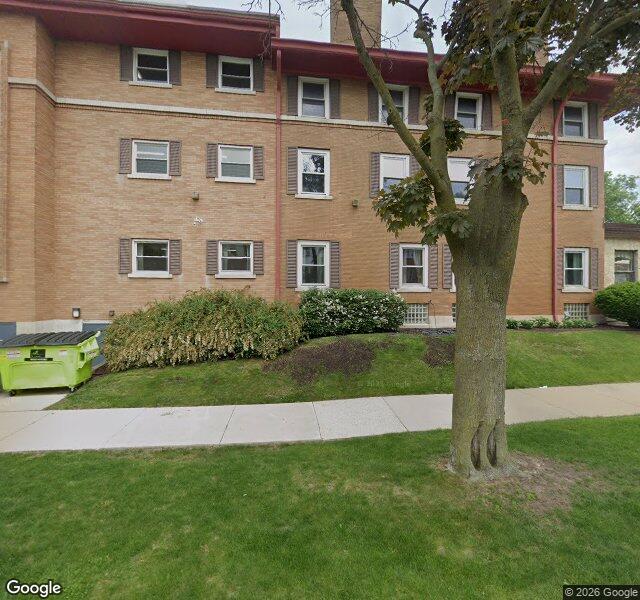
Abundant Life Manor
1904 E Belleview Pl, Murray Hill, Milwaukee, WI 53211View map (opens in a new tab)
Overview and key essentials
State license
Active
WI DHS
Google reviews
1.6/ 5
7 reviews
Monthly cost
$5,500–$6,500/ mo
AI-assisted estimate
Important items to verify
Public Google reviews average 1.6/5 — read critical comments closely and tour unannounced if possible.
Cost, payment & care details
Updated Nov 28, 2026| Monthly cost | $5,500–$6,500AI-assisted estimate | Research may contain errors. Request a current quote from the provider. Source: AI-assisted online research, Nov 2026. |
|---|---|---|
| Payment options | Medicaid | Participation is reported in our source data. Confirm eligibility, covered services, and any private-pay costs. Verified Medicaid waiver: Wisconsin Family Care / IRIS Medicaid Waiver (WI Dept. of Health Services (DHS DQA)). |
| Size & availability | Confirm directly | We don't publish live openings. Ask about current availability, waitlist length, and move-in timing. |
| Care & support | Assisted living | Usually offers housing and help with everyday tasks, such as bathing and dressing. What to confirm about care levelsThis describes the licensed category. Ask how care plans adjust if mobility, nursing, or memory needs change over time. Read the family care guide → |
Safety screening & compliance
State licensing depth & federal screening
HHS OIG LEIE: Clear (2026-11-27)OIG database ↗ (opens in a new tab)
WI DHS directory details (CBRF)
Class: CLASS CNA (NONAMBULATORY)HCBS CompliantWI DHS rates: $5,500–$6,500/mo
State licensing
State inspection history
7inspections
8deficiencies listed
Feb 4, 2026EnforcementEnforcement actionPenalty
Enforcement action
View official state report (opens in a new tab)
No deficiencies are reported in this inspection record.
Feb 4, 2026Complaint2 deficiencies reported2
2 deficiencies reported
View official state report (opens in a new tab)
83.29(2) Admission agreement include services,N 310
charges The admission agreement shall be given in writing and explained orally in the language of the prospective resident or legal representative. Admission is contingent on a person or that person ' s legal representative signing and dating an admission agreement. The admission agreement shall include all of the following: (a) An accurate description of the basic services provided, the rate charged for those services and the method of payment; (b) Information about all additional services offered, but not included in the basic services. The CBRF shall provide a written statement of the fees charged for each of these services; (c) The method for notifying residents of a change in charges for services; (d) Terms for resident notification to the CBRF of voluntary discharge. This paragraph does not apply to a resident in the custody of a government correctional agency; (e) Terms for refunding charges for services paid in advance, entrance fees, or security deposits in the case of transfer, death or voluntary or involuntary discharge; (f) A statement that the amount of the security deposit may not exceed one month ' s fees for services, if security deposit is collected; (g) Terms for holding and charging for a resident ' s room during a resident ' s temporary absence. This paragraph does not apply to a resident in the custody of a government correctional agency; (h) Reasons and notice requirements for involuntary discharge or transfer, including transfers within the CBRF. This paragraph does not apply to a resident in the custody of a government correctional agency. This Rule is not met as evidenced by: Based on record review and interview, the provider did not ensure all admission agreement requirements were completed for 1 of 1 resident reviewed. Resident 3's admission agreement did not include Resident 3's name, date of admission, date of birth, and daily housing rate. Findings include: On 02/04/2026, at approximately 11:34 AM, Surveyor reviewed resident records and identified the following: Resident 3 was admitted on 02/07/2023. Resident 3 had a guardian. The admission agreement was signed by Resident 3's guardian. Resident 3's admission agreement was not signed by the facility staff. Resident 3's admission agreement did not include Resident 3's name, date of admission, date of birth, and daily room and board rate. On 02/05/2026, at 2:00 PM, Surveyor interviewed Administrative Assistant I(AA I). AA I confirmed Resident 3's admission agreement did not contain identifier information and daily housing rate information. AA I reported s/he was unaware of all the requirements the admission agreement should contain.
STATE FORM6899
VDZ712 STATE FORM VDZ712 STATE FORM VDZ712
Aug 21, 2024Complaint3 deficiencies reported3
3 deficiencies reported
View official state report (opens in a new tab)
On 08/14/2024, Surveyor conducted a complaint investigation at Abundant Life Manor. Two deficiencies were identified. One complaint was substantiated. Census: 30
83.37(2)(e) Other administration given orN 416
delegated by RN Other administration. Injectables, nebulizers, stomal and enteral medications, and medications, treatments or preparations delivered vaginally or rectally shall be administered by a registered nurse or by a licensed practical nurse within the scope of their license. Medication administration described under sub. (2)(e) may be delegated to non-licensed employees pursuant to s. N 6.03(3). This Rule is not met as evidenced by: Based on record review and interview, the provider did not ensure other administration, injectables, were delegated by a Registered Nurse (RN) pursuant to the Nurse Practice Act [s. N 6.03(3)] and in accordance with accepted standards of practice for 2 of 2 unlicensed Resident Assistants (RAs) reviewed (RA C and RA D). Findings include: Chapter N6.03(3) is the Standard of Practice for RNs and addresses the supervision and direction of delegated tasks. The RN may delegate a task based on the educational preparation and demonstrated abilities of the person supervised but must provide direction and assistance, and observe, monitor, and evaluate the effectiveness of the delegated tasks. Record Review On 08/14/2024, Surveyor reviewed Resident 1's record. Resident 1 was admitted 02/15/2024 with a diagnosis of Type 2 diabetes mellitus with hyperglycemia. Medication orders included the following: -Humalog Kwik pen 100 unit/milliliter (ML)- Inject 4 units subcutaneously at supper time. -Humira Pen Injection-Inject 40 mg every other week. -Lantus Solostar 100unit/ML Pen- Inject 26 units subcutaneously once daily at bedtime. On 08/14/2024, Surveyor Reviewed Resident 2's medical record. Resident 2 was admitted 11/20/2019 with a diagnosis of Type 2 diabetes mellitus with hyperglycemia. Medication orders included the following: -Humalog Kwik pen 100unit/ML-Inject subcutaneously three times daily per sliding scale. -Lantus Solostar 100unit/ML Pen-Inject 9 units subcutaneously once daily. On 08/14/2024, Surveyor reviewed RA C's record. RA C was hired on 06/11/2024. The employee record did not include RN delegation. On 08/14/2024, Surveyor reviewed RA D's record. RA D was hired on 03/01/2023. The employee record did not include RN delegation. Interview On 08/14/2024 at approximately 1:30 PM, Surveyor interviewed Human Resources Director H (HRD H) who confirmed RA C and RA D were both responsible for medication administration and neither had RN delegation attributed to them. HRD H confirmed Resident 1 and Resident 2 required insulin administration by caregivers. HRD H confirmed the facility has been without an RN since January 2024. HRD H stated, "We did hire a new nurse, but they quit right away." HRD H further stated, "We have been working to ensure all required trainings are included and up to date for our employee's but currently we do not have a nurse to do the delegation...Our LPN has been fielding staff medical questions until we hire a new nurse."
83.37(1)(g) Disposition of medications.N 406
Disposition of medications. 1. When a resident is discharged, the resident ' s medications shall be sent with the resident. 2. If a resident ' s medication has been changed or discontinued, the CBRF may retain a resident ' s medication for no more than 30 days unless an order by a physician or a request by a pharmacist is written every 30 days to retain the medication. 3. The CBRF shall develop and implement a policy for disposing unused, discontinued, outdated, or recalled medications in compliance with federal, state and local standards or laws. The CBRF shall arrange for the stored medications to be destroyed in compliance with standard practices. Medications that cannot be returned to the pharmacy shall be separated from other medication in current use in the facility and stored in a locked area, with access limited to the administrator or designee. The administrator or designee and one other employee shall witness, sign, and date the record of destruction. The record shall include the medication name, strength and amount. This Rule is not met as evidenced by: Based on staff interview and observation, the provider did not implement a policy for disposing unused, discontinued, outdated, or recalled medications in compliance with federal, state and local standards or laws. The provider did not ensure medications were destroyed in compliance with standard practices. The administrator or designee and one other employee did not witness, sign, and date a record of destruction. There were approximately 400 unidentified capsules and tablets in a 5-gallon storage tote in the facility. Findings include: On 08/14/2024, at 10:47 AM, Surveyor accompanied by Licensed Practical Nurse (LPN) F observed approximately 400 unidentified capsules and tablets in a 5-gallon storage tote sitting next to a medication cart in a locked storage area in the basement level of the facility. At approximately 11:00 AM, Surveyor interviewed LPN F regarding the facilities procedure for disposing of medications. LPN F stated, "We use a jug of chemicals to destroy all the pills." Surveyor asked to see the destruction logs. LPN F stated, "We don't document what we throw out." At approximately 1:45 PM, Surveyor met with Administrator A, Behavioral Health Manager G and Human Resources Director H. Administrator A confirmed understanding of the requirement to keep logs of destroyed medications. S/he stated they had recently terminated a disgruntled nurse who they assume destroyed the documentation.
STATE FORM6899
VDZ711 STATE FORM VDZ711 STATE FORM VDZ711 STATE FORM VDZ711 STATE FORM VDZ711
Aug 21, 2024EnforcementEnforcement actionPenalty
Enforcement action
View official state report (opens in a new tab)
No deficiencies are reported in this inspection record.
Jul 9, 2024Complaint1 deficiency reported1
Show all 7 inspections
Mar 6, 2024EnforcementEnforcement actionPenalty
Enforcement action
View official state report (opens in a new tab)
No deficiencies are reported in this inspection record.
Mar 6, 2024Complaint2 deficiencies reported2
2 deficiencies reported
View official state report (opens in a new tab)
83.59(1)(g) Proper exit locations, sidewalks,N 637
driveways. All habitable floors shall have at least 2 exits providing unobstructed travel to the outside. Small class AA CBRFs licensed on or before the effective date of this section with no more than 2 habitable floors may have one exit from the second floor. Exits, sidewalks and driveways used for exiting shall be kept free of ice, snow, and obstructions. For facilities serving only ambulatory residents, the CBRF shall maintain a cleared pathway from all exterior doors to be used in an emergency to a public way or safe distance away from the building. For facilities serving semi-ambulatory and non-ambulatory residents, a CBRF shall maintain a cleared, hard surface, barrier-free walkway to a public way or safe distance away from the building for at least 2 primary exits from the building. All other required exits shall have at least a cleared pathway maintained to a public way or safe distance from the building. An exit door or walkway to a cleared driveway leading away from the CBRF also meets this requirement. This Rule is not met as evidenced by: Based on observation and interview, the provider did not ensure exits and driveways used for exiting were kept free of obstructions. Two of 2 emergency exits observed prevented a clear, unobstructed exit path from the facility. This had the potential to affect 34 of 34 residents. Findings include: The provider is licensed as a Class CNA (non-ambulatory) community based residential facility (CBRF) able to serve up to 42 residents within the client groups of emotionally disturbed/mental illness, advanced age, and alcohol/drug dependent. On 03/06/2024, at 11:00 AM, Surveyors toured the facility. Surveyors observed a chair and table in front of an emergency exit door on the northwest corner of the 1st floor. Surveyors observed a cleaning cart in front of an alternate 2nd floor emergency exit door. On 03/06/2024, at 11:41 AM, Surveyors interviewed Administrator A. Administrator A confirmed the exits used for exiting should have been kept free of obstructions. Administrator A stated the chair in front of the emergency exit was there so Resident 5 or Resident 4 could not elope. S/He stated, "it was just put there, someone is always monitoring, yes we know it's blocking the emergency exit." On 03/06/2024, at 12:58 PM, Surveyors interviewed Administrator A, Behavioral Health Specialist M, and Licensed Practical Nurse (LPN) K. Behavioral Health Specialist M reported Resident 5 and Resident 4 did not have risk of elopement. Behavioral Health Specialist M reported Resident 4 attempted to walk out the emergency exit door 1 time. Administrator A stated, "cleaning carts are usually stored in the basement, unless in use." Administrator A reported s/he was unsure why the cleaning cart was placed in front of the emergency exit. LPN K stated, "that must've just got moved there."
STATE FORM6899
LJ0F12 {N 220} {N 220} screened for communicable disease. Caregiver I's and Life Enrichment Aid J's communicable disease screening records were not signed by a registered nurse (RN) or physician. This is a repeat deficiency. See Statement of Deficiency (SOD) LJ0F11, dated 08/25/2023. Findings include: On 03/06/2024, at 12:30 PM, Surveyors reviewed staff records and identified the following: Caregiver I was hired on 02/08/2024. Caregiver I's record did not include a signature from a registered nurse, physician, physician assistant, or clinical nurse practitioner on her/his communicable disease screening. Life Enrichment Aid J was hired on 02/29/2024. Life Enrichment Aid J's record did not include a signature from a registered nurse, physician, physician assistant, or clinical nurse practitioner on her/his communicable disease screening. On 03/06/2024, at 12:58 PM, Surveyors interviewed Administrator A and Human Resource (HR) Director L. Administrator A reported the facility's RN had delegated Licensed Practical Nurse (LPN) K to conduct the communicable disease screenings and TB test for employees. HR Director L reported DHS Zoom education training series, January 2024, stated, 'TB tests could be delegated'. HR Director L reported they would make the necessary adjustments to the communicable disease screening to ensure compliance with the code requirement. STATE FORM LJ0F12 {N 452} {N 452} {N 452} 83.41(3)(b) Food safety. Food safety. Whether food is prepared at the CBRF or off-site, the CBRF shall store, prepare, distribute and serve food under sanitary conditions for the prevention of food borne illnesses, including food prepared off-site, according to all of the following: 1. The CBRF shall refrigerate all foods requiring refrigeration at or below 40°F. Food shall be covered and stored in a sanitary manner. 2. The CBRF shall maintain freezing units at 0°F or below. Frozen foods shall be packaged, labeled and dated. 3. The CBRF shall hold hot foods at 140°F or above and shall hold cold foods at 40°F or below until serving. This Rule is not met as evidenced by: Based on observation and interview, the provider did not ensure food was stored and served under sanitary conditions. Frozen food was thawing on the kitchen counters. Food in refrigerators was not sealed, dated, or labeled. This deficiency is being recited. See Statement of Deficiency LJ0F11, dated 08/25/2023. Findings include: On 03/06/2024, at 11:00 AM, Surveyors toured the facility's kitchen and observed the following: Kitchen counter: STATE FORM LJ0F12 {N 452} {N 452} - Two packages of frozen clam chowder soup on the counter for approximately 40 minutes. Surveyors observed frost and condensation on the packages of soup. According to the SERVSAFE 7th Edition Coursebook ©2017 National Restaurant Association Educational Foundation chapter 8, page 3 refers to thawing frozen food and states, "When frozen food is thawed and exposed to the temperature danger zone, pathogens in the food will begin to grow. To reduce this growth, NEVER thaw food at room temperature." (SERVSAFE Course Book, 7th Ed., 2017, ch.8 p.3) Kitchen Refrigerator: - A container of what appeared to be a vegetable soup, was undated and unlabeled - Three individual dishes of what appeared to be a pasta salad, was undated and unlabeled - A container of what appeared to be a ground meat, was undated and unlabeled - A container of what appeared to be a green vegetable chopped up, was undated and unlabeled - A...
Neighborhood & resident support
Emergency access, hazards & advocacy
Nearest hospital
Columbia St Marys Hospital Milwaukee
0.5 mi · Milwaukee, WI · Medicare 3/5 ★
Emergency roomTrauma Iv
FEMA hazard risk
Relatively HighMilwaukee County, WI
- Cold Wave
- Heat Wave
- Tornado
Free resident advocacy
Wisconsin Board on Aging & Long Term Care Ombudsman
More neighborhood context (specialists, VA, dialysis, air & affordability)
VA & dialysis access
Milwaukee VA Medical Center
5.4 mi · Milwaukee, WI · VA 3/5 ★
DaVita River Center Dialysis
1.2 mi · 4/5 ★
Specialists within 15 mi
- Geriatricians
- 65
- Neurologists
- 210
- Palliative care
- 38
- PM&R rehab
- 92
Environment & mobility
- EPA Walkability
- 13.4/20 (Above Average)
- Primary care access
- HRSA Shortage Area
County demographics
- Age 65+ median income
- $49,195/yr
- Rent-burdened households
- 48%
- Cognitive disability (2023)
- 14.5%
- Mobility disability
- 14.2%
Call & tour checklist
Questions to ask Abundant Life Manor
Check off questions as you call or tour. Your progress stays private in this browser.
Show 3 more suggested questions
Verification & public records
Official records & sources
Licensing & contact
- License #
- 11483
- Status
- active
Original public sources
Verify licensing, ratings, and inspection reports directly with each official source.
- WI DHS official record (opens in a new tab)WI Dept. of Health Services
- Google Maps (opens in a new tab)Directions, photos & neighborhood
- Google Reviews (opens in a new tab)7 public reviews
EveryPlace is an independent research directory. Information is compiled from public Medicare.gov, state licensing, Google Places, and street-level imagery sources. Some summaries, suggested questions, and pricing notes are AI-generated or AI-assisted and may contain errors or omissions. We do not accept payment for placement. Confirm all details directly with the community and official sources. Research Policy.
Keep exploring
Nearby communities to compare
- Cap. 94HUD Senior Housing< 1 miBradford PlaceMilwaukee, WI
- Assisted Living< 1 miBradford TerraceMilwaukee, WI
- Cap. 22HUD Senior Housing< 1 miSurlow Senior ResidentsMilwaukee, WI
- 3.6(26)Assisted Living< 1 miMilwaukee Catholic HomeMilwaukee, WI
- 3.0(4)Assisted Living< 1 miMilwaukee Catholic HomeMilwaukee, WI
- Medicare 5/53.0(4)107 bedsMedicaidNursing Home< 1 miMilwaukee Catholic HomeMilwaukee, WI